How old does a watch need to be to qualify as vintage? What should you look for when buying a pre-owned watch? And can vintage watches be considered a good investment? We answer these questions and more in our guide to vintage watches.
There is one term we have been hearing increasingly often in watchmaking in recent years: vintage. Particularly with the rise of the pre-owned market following the pandemic, vintage watches have become an increasingly prominent part of the watch world. Remi Guillemin, Head of Watches for EMEA and the Americas at Christie’s, notes that demand for vintage and historically significant timepieces has grown in recent years. A greater openness towards pre-owned luxury, trends such as quiet luxury, and changing consumption habits among younger generations are all leaving their mark on watchmaking as well.
So, what exactly defines a vintage watch? How old does a watch have to be to qualify as vintage, and what should you look for when buying one?
What Is a Vintage Watch?
The term vintage has its origins in the world of wine and Champagne. In watchmaking, however, it is used to describe older timepieces, often with historical or collectible significance. Watches more than 20 years old are commonly considered part of this category. In other words, a watch produced in the early 2000s could technically be described as vintage today. Within collecting circles, however, the threshold often extends further back, with watches from the 1980s and 1990s more commonly regarded as vintage.
Thomas Perazzi, Head of Watches, Asia at Phillips, also highlighted another term that has gained currency in the market in recent years during an interview with Saatolog: neo-classic, or neo-vintage. These terms are generally used for watches produced from the late 1980s through the 1990s and into the early 2000s.
While the production date plays an important role in determining whether a watch can be considered vintage, age alone does not tell the whole story. From dial to case, factors such as the integrity of the materials, the presence of original components, the design, reference and rarity can be every bit as important as the age of the watch itself.
What Should You Look for When Buying a Vintage Watch?
Dial
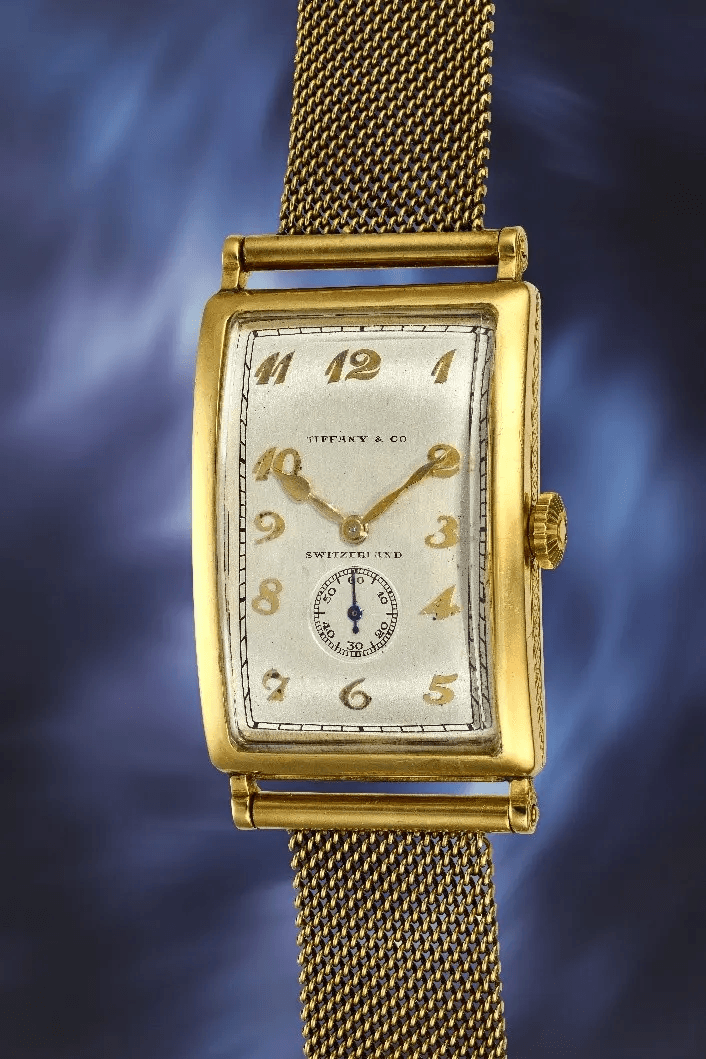
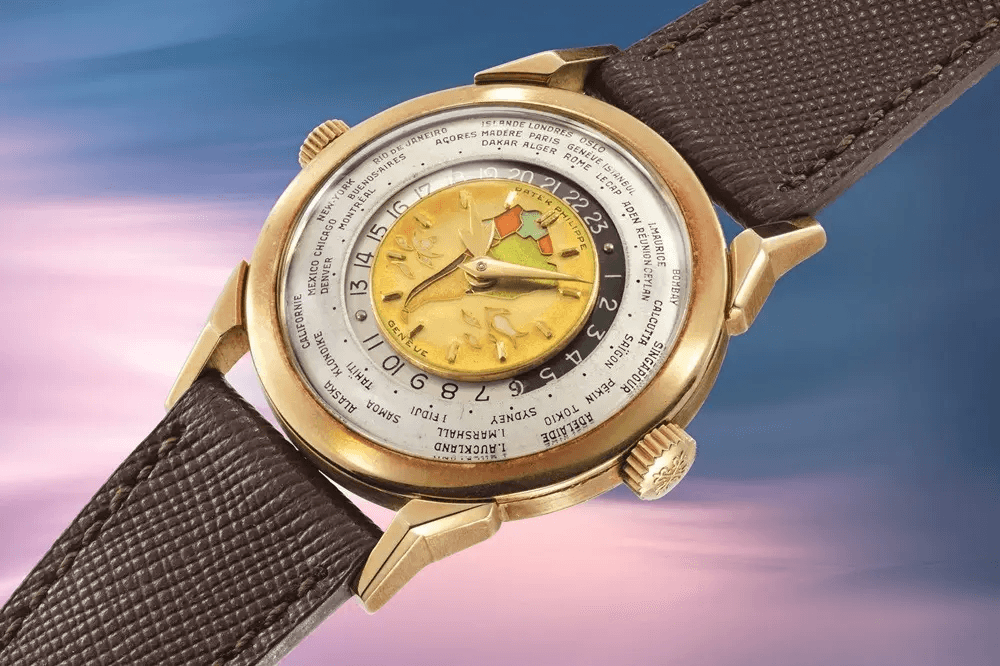
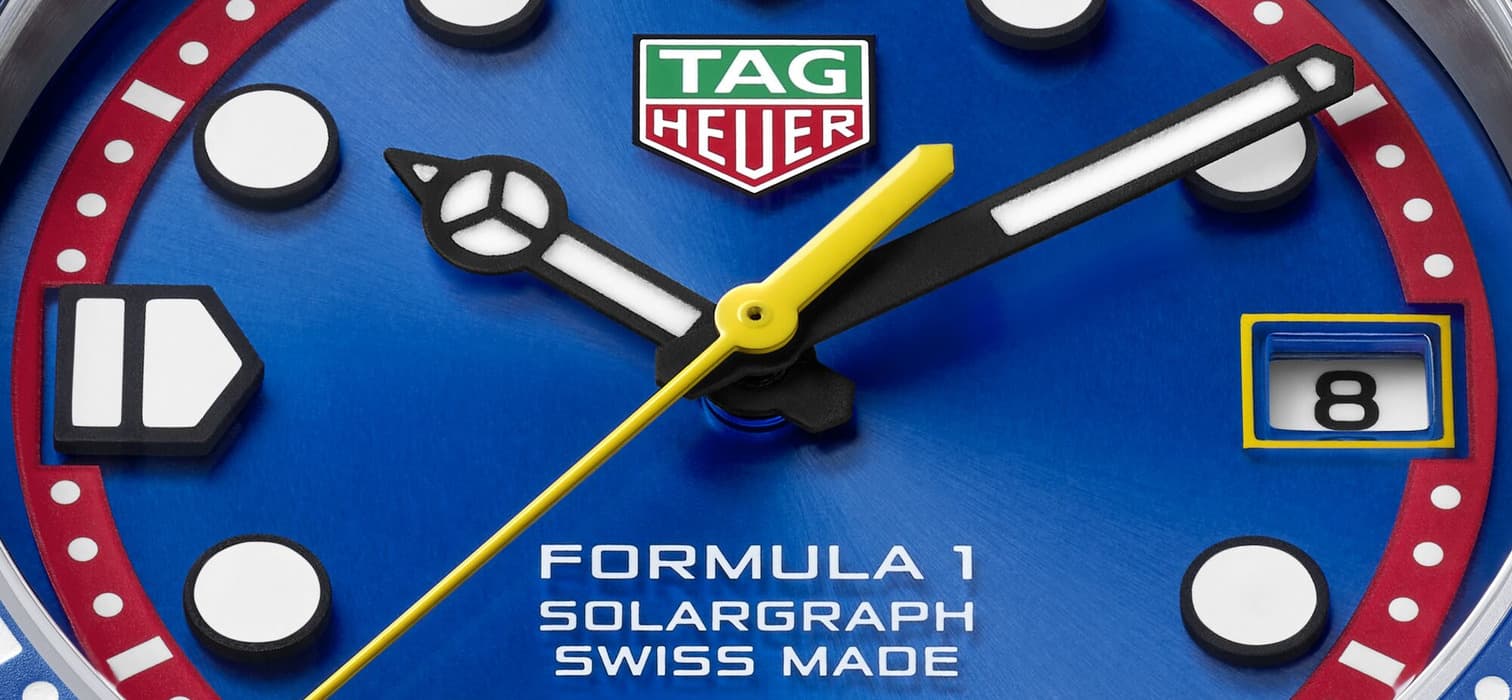
Anyone familiar with the watch catalogues of major auction houses will know how meticulously the condition of each component, from the dial and case to the bracelet or strap, is documented. One of the first things to establish is whether the watch retains its original dial. The numerals, logo and other inscriptions on the dial should all be examined carefully. These details can reveal valuable information about a watch’s originality and authenticity.
Patina that develops naturally as a watch ages does not necessarily compromise legibility and can be part of the character acquired by a timepiece over decades. Damage is another matter. If a dial is heavily scratched or damaged, or if there is an obvious inconsistency between its different components, what you are seeing may be deterioration rather than natural ageing.

Case
Minor scratches and signs of wear are entirely normal on the case of a vintage watch; expecting an immaculate case is not always realistic. What matters is whether the case has retained its original proportions. Any previous polishing should be assessed to determine whether it has altered the original geometry, while the condition and shape of the lugs should also be examined carefully.
Consistency between the case and dial is another important consideration. A heavily aged case paired with an apparently flawless dial, for example, may raise questions about the watch’s originality.
For further guidance on assessing a pre-owned watch, Sotheby’s guide “How to Assess a Watchs’s Condition” offers a useful reference.

Movement
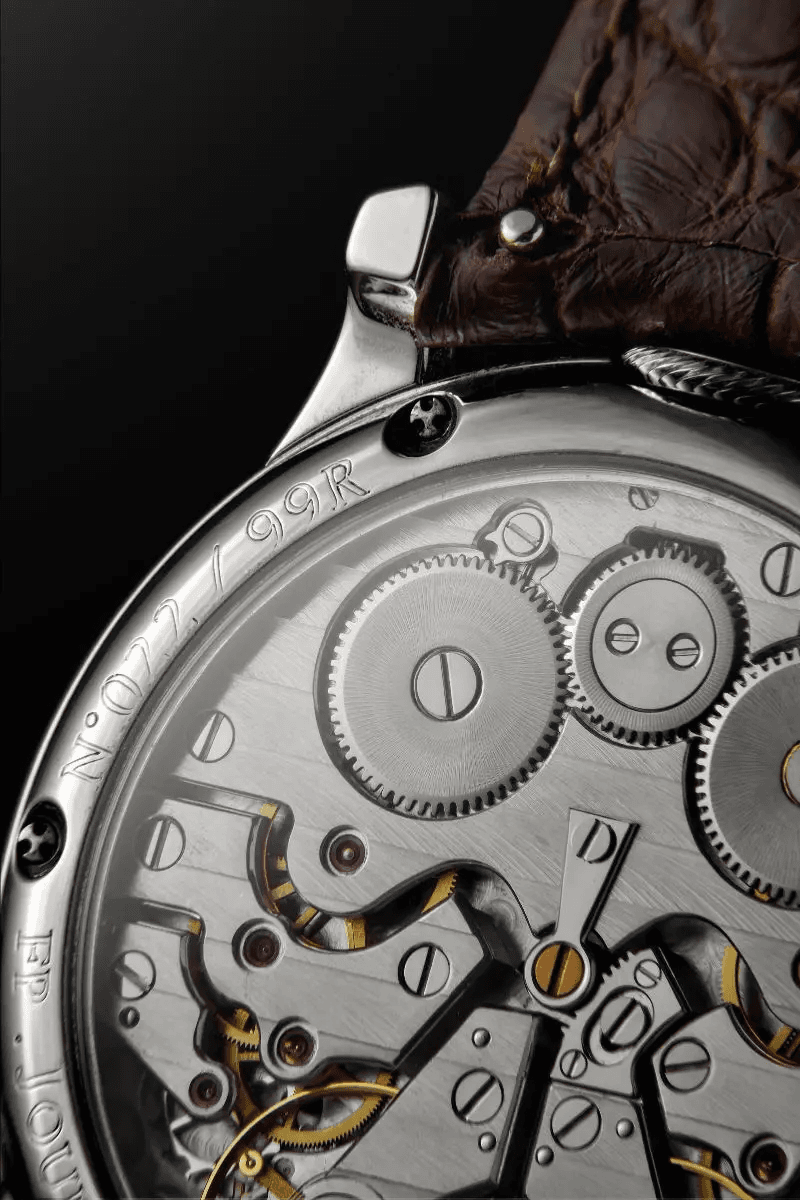
It is not enough for the watch simply to run; it should also run properly. Its ability to keep accurate time is therefore an important consideration. The relationship between the watch’s reference number and its calibre should be verified, while the production period of the movement can also provide clues about originality. It is equally important to establish whether components within the movement have been replaced. Marks on screw heads, for instance, can sometimes reveal evidence of previous interventions or servicing.

Bracelet, Clasp and Other Components
The bracelet and clasp should not be overlooked when assessing a vintage watch. As with other components, it is important to establish whether the bracelet is period-correct for the watch. In the case of a stainless-steel bracelet, check whether any links are missing, whether the clasp closes securely and whether previous polishing has compromised its original shape or finishing.
The originality of other components, including the hands, winding crown, chronograph pushers and crystal, should also be carefully examined.

Are Vintage Watches a Good Investment?
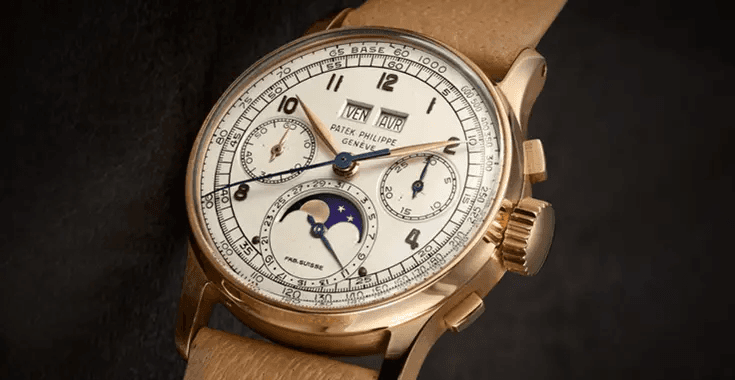
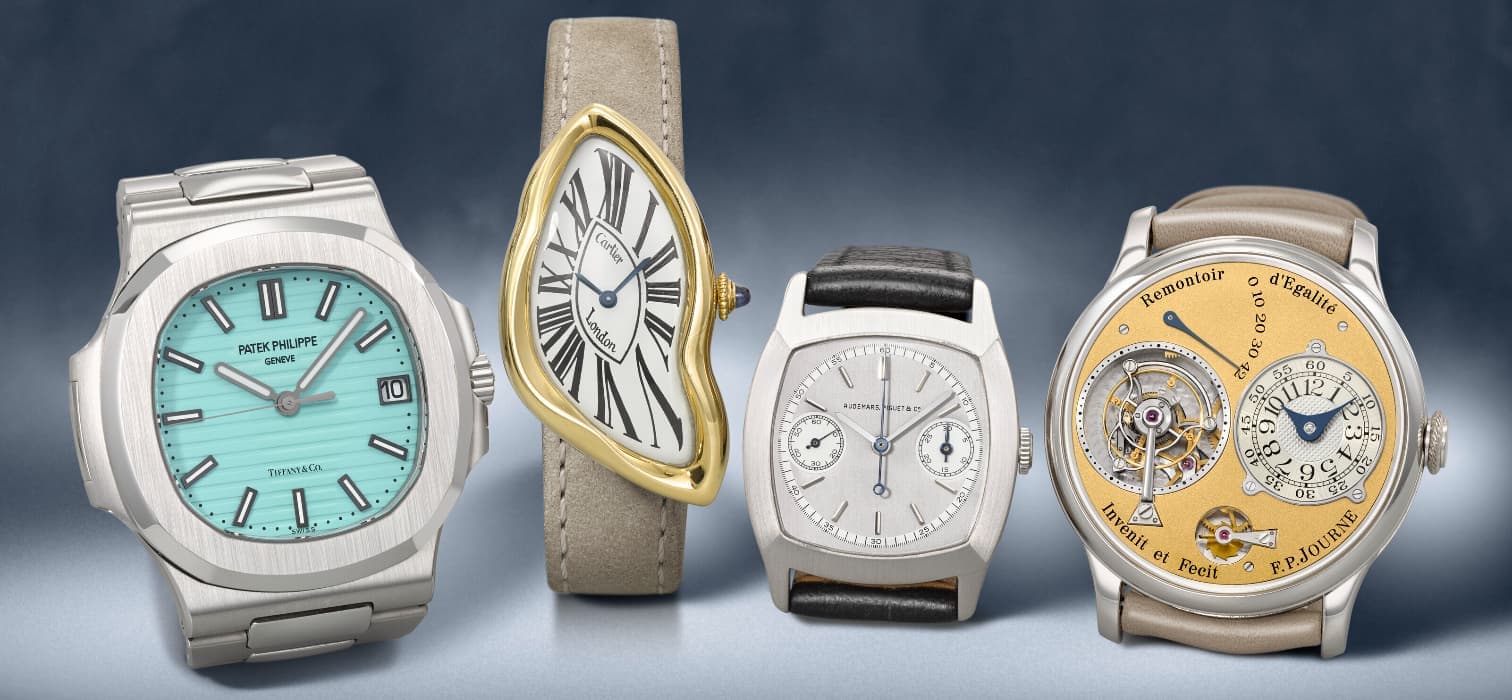
There is no denying that demand for vintage watches has increased in recent years. Alongside established names such as Patek Philippe, Rolex, Cartier and Audemars Piguet, independent watchmakers and brands have also attracted significant collector interest. That said, it is impossible to make a blanket statement that buying a vintage watch is necessarily a good investment. A timepiece’s potential value depends on numerous factors, including the strength of the brand, rarity, provenance and condition. Trends and collector demand also fluctuate with the market and can have a significant impact on pre-owned watch values.
For these reasons, we would hesitate to approach a vintage watch primarily as an investment expected to appreciate in value. When buying a pre-owned or vintage timepiece, it may be more rewarding to think of it first as a collectible: consider whether the watch means something to you and whether it is something you would genuinely enjoy owning and wearing.

After all, sometimes the story behind a watch, the place of a particular reference in horological history, or even the traces left behind by its previous owner can prove far more valuable than its price alone.