The artist who photographed Kurt Cobain for the last time while alive now comes to Istanbul with a rare exhibition from David Bowie’s early career. We asked Frank Ockenfels what we’ve always wanted to know.
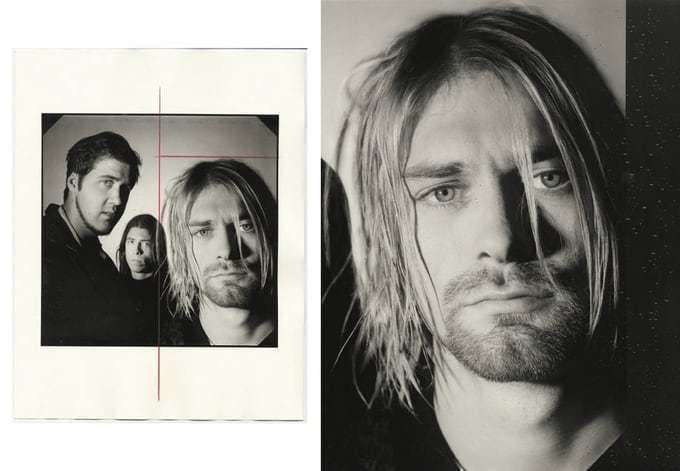
Spin magazine’s October 1993 cover. Just a few months earlier, Nirvana’s In Utero album had been released. From left to right, Krist Novoselic, Dave Grohl, and Kurt Cobain appeared on the cover. Six months after this photo, in April 1994, Cobain was found dead at his home in Seattle—one of the darkest days in music history. Spin later reused the photo, this time featuring only Cobain, after his passing.
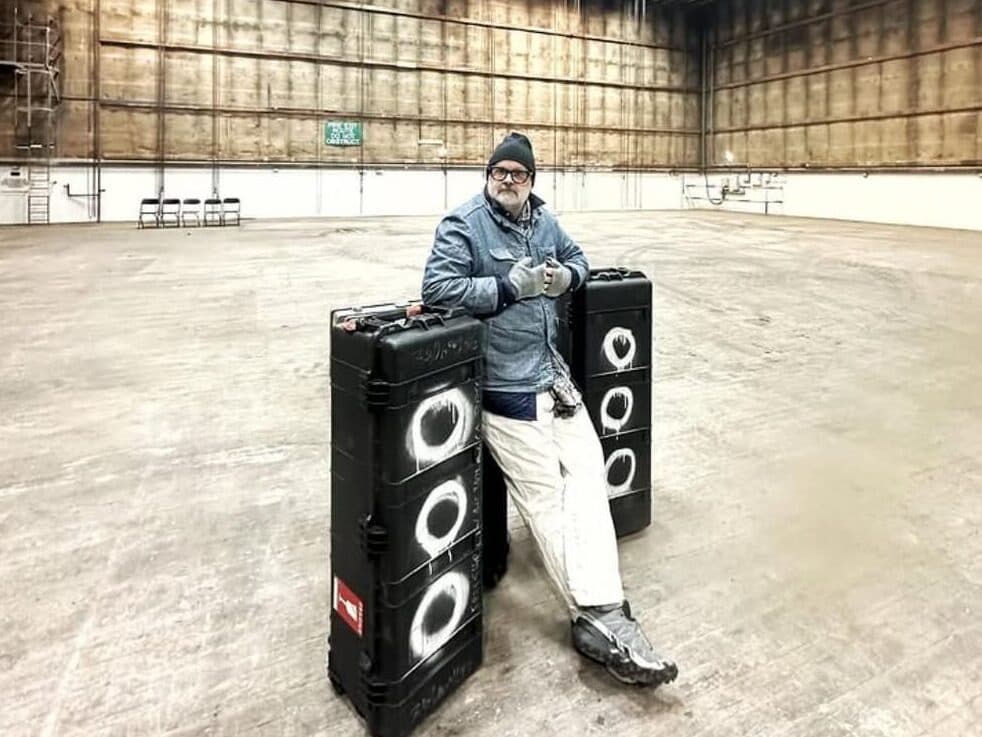
You know that photograph: Kurt Cobain’s last magazine cover while he was alive. But perhaps you don’t know who took it. That person is world-renowned photographer Frank Ockenfels 3. Beyond Nirvana, he has photographed Jay Z, Alicia Keys, Snoop Dogg, Tom Waits, Soundgarden, and countless others. Angelina Jolie, George Clooney, David Lynch, Tom Hanks, and even President Barack Obama have stood in front of his lens. Think of that famous “Breaking Bad” photo—Bryan Cranston and Aaron Paul sitting on a couch, beers in hand. That too is a Frank Ockenfels 3 shot.
Frank Ockenfels 3: “The Struggle For Perfection Kills Art”
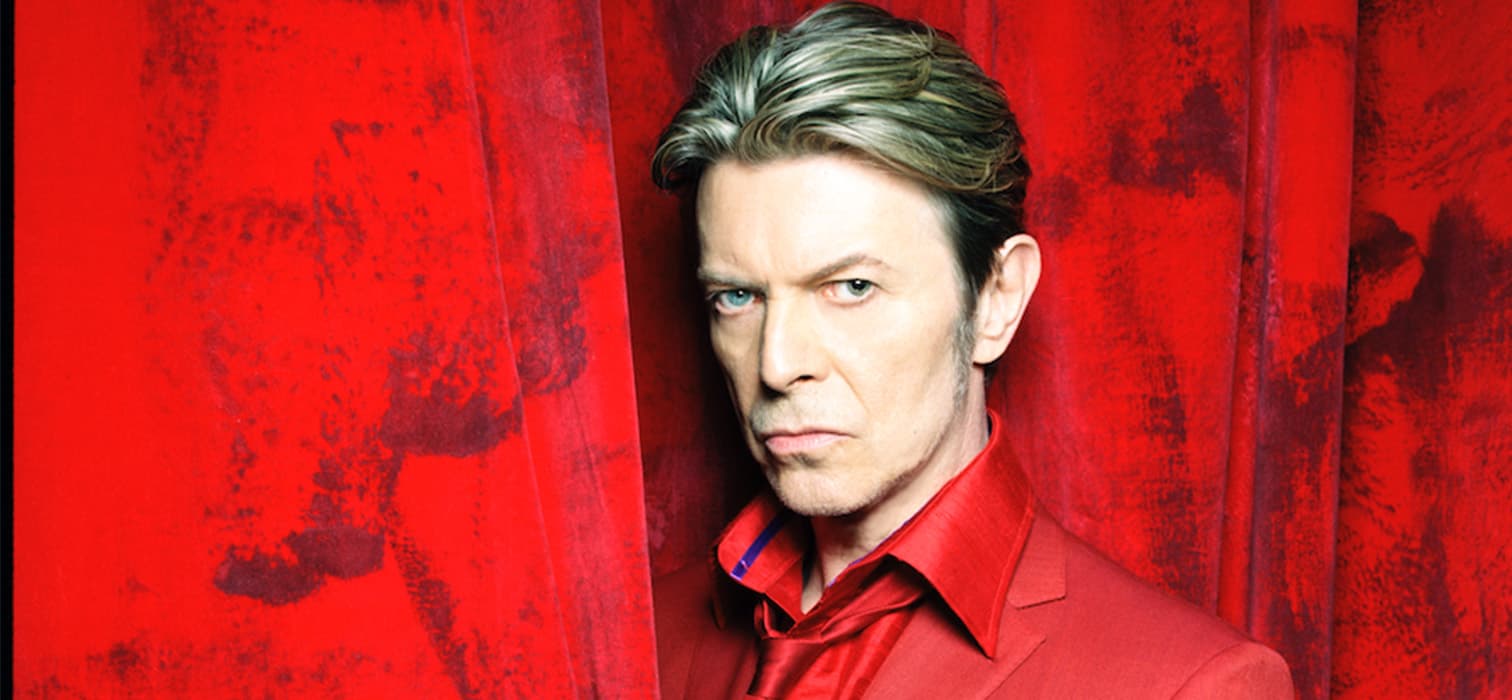
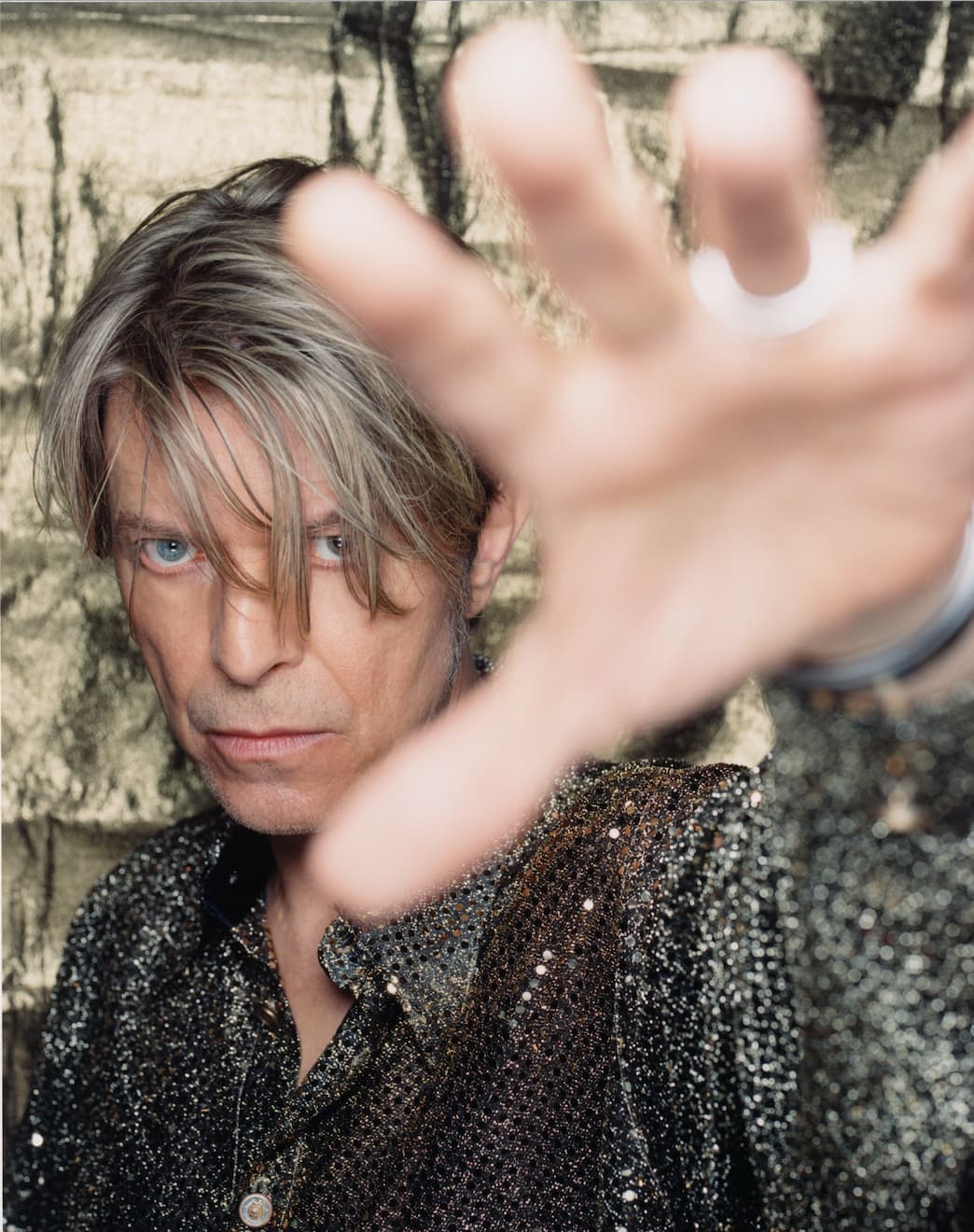
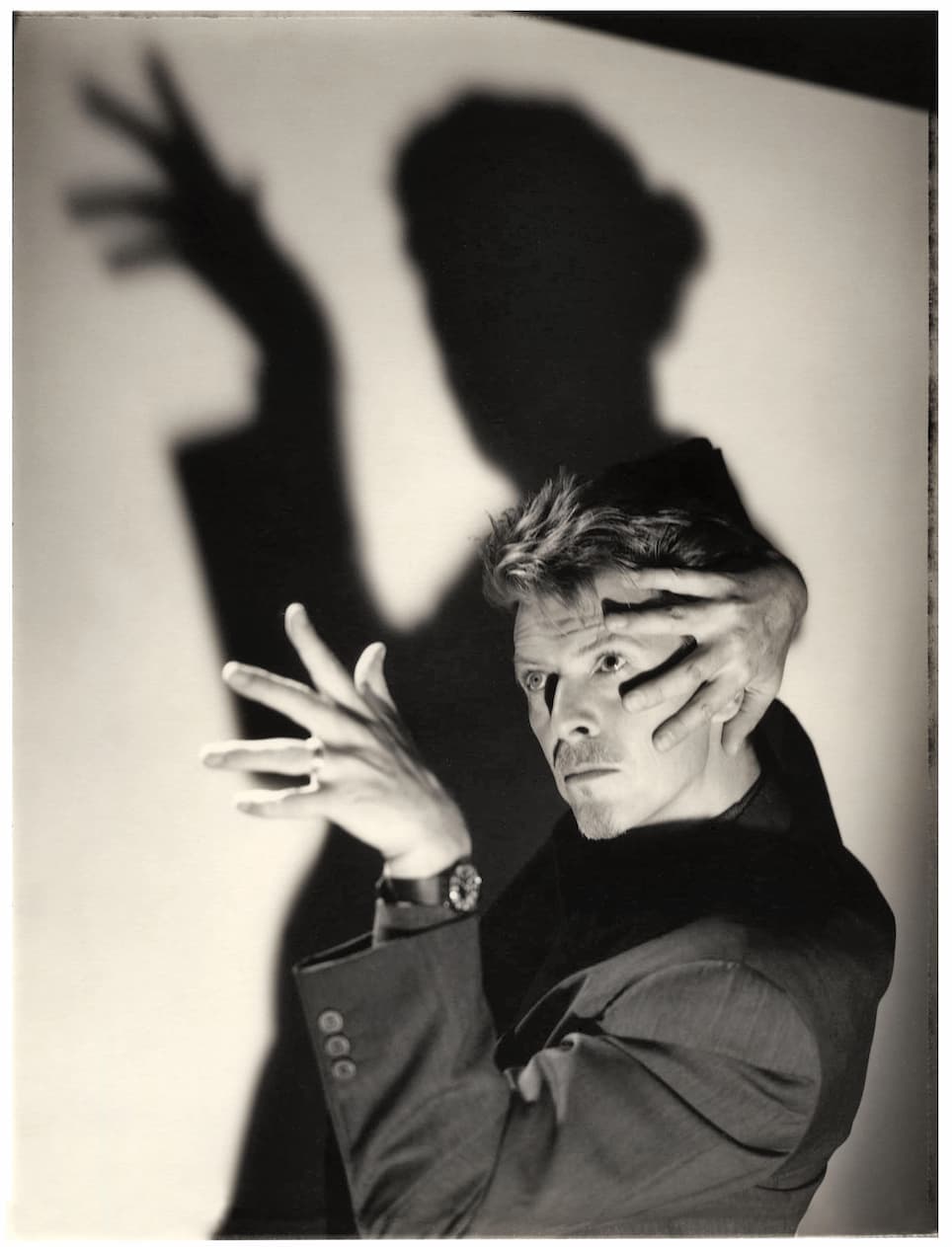
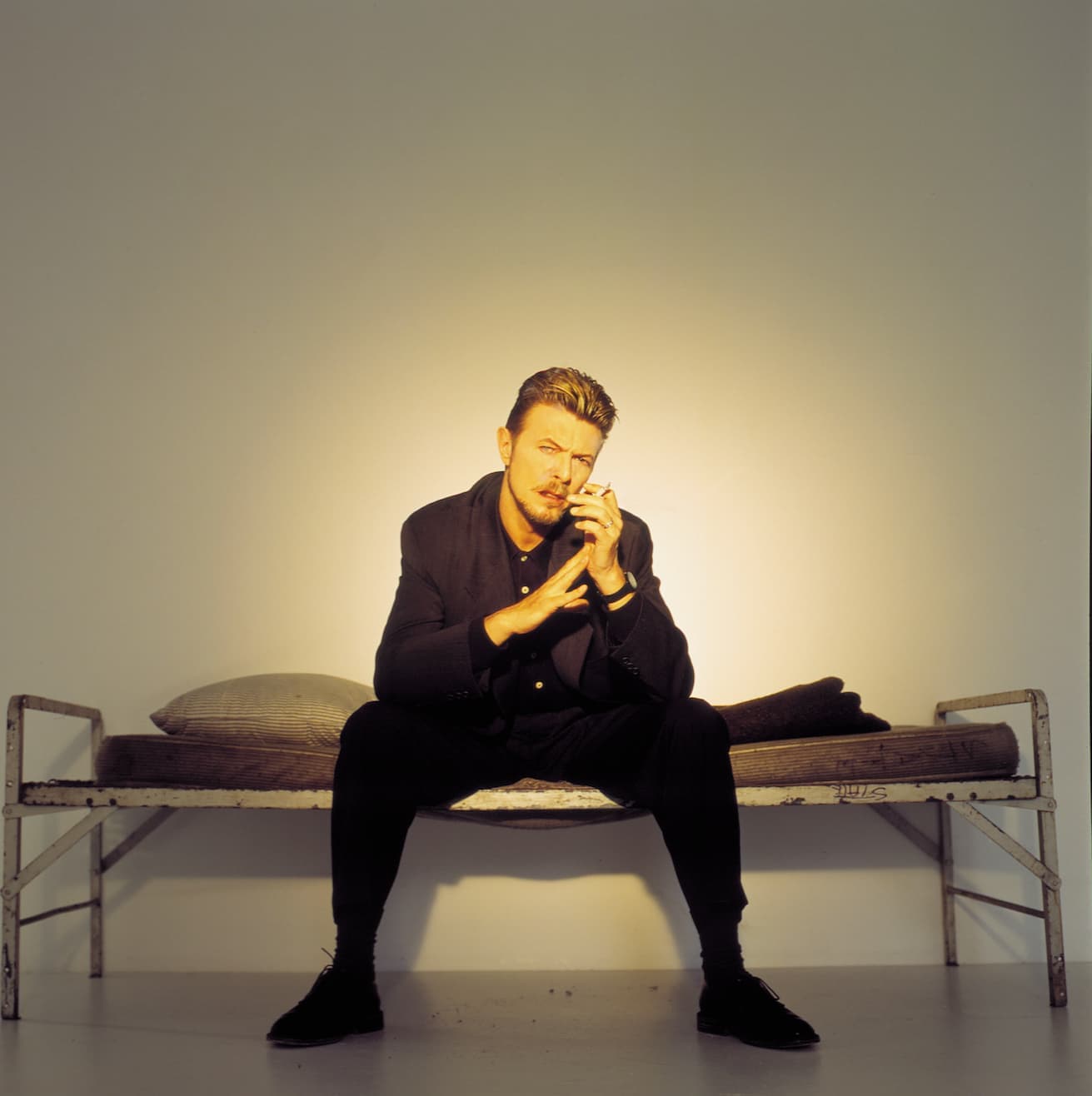
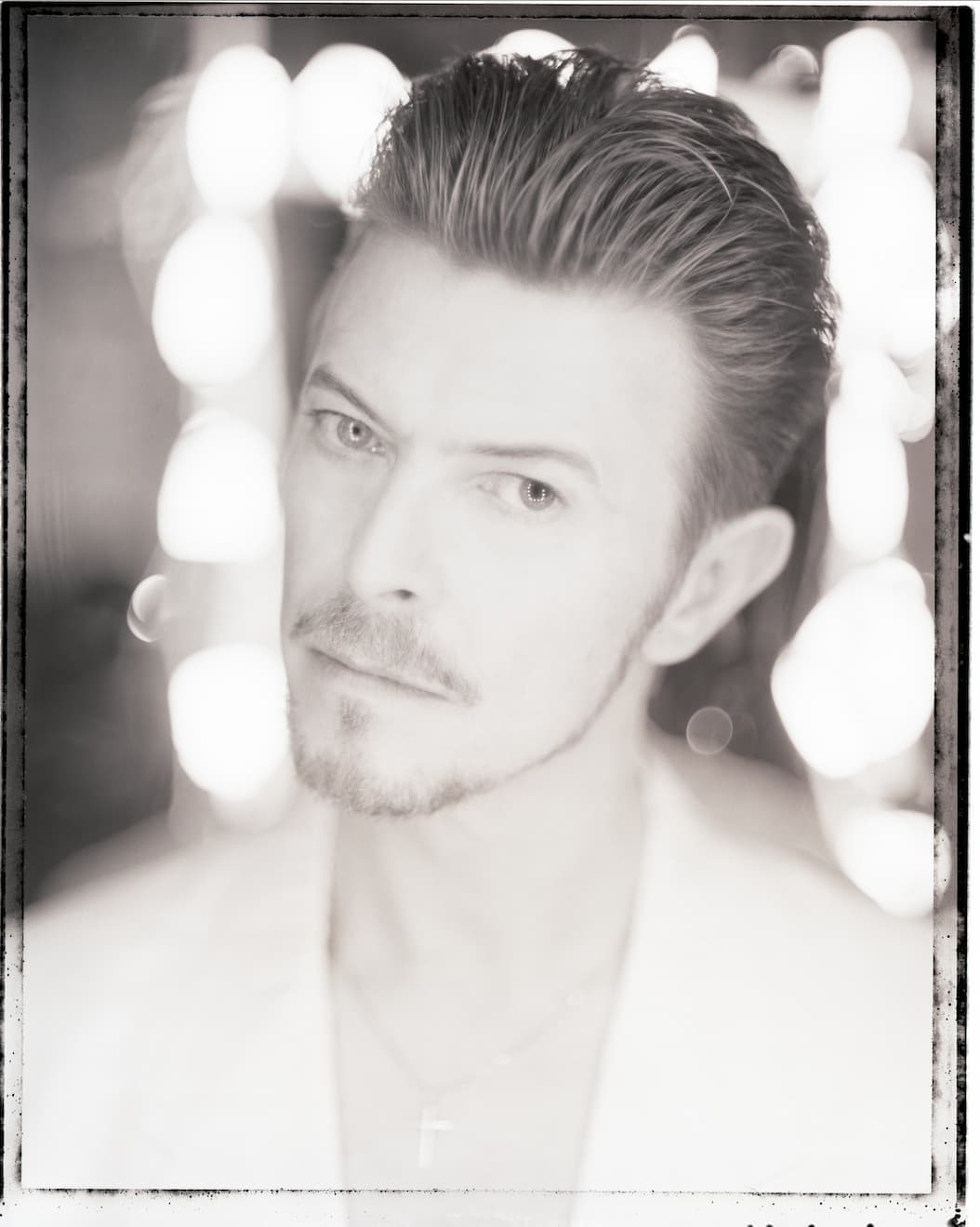
David Bowie holds a special place in Ockenfels’ career. Over the years, he photographed the legendary musician dozens of times and even designed the cover of Bowie’s 1997 album Earthling, which featured the now-iconic Union Jack coat created with the late fashion designer Alexander McQueen.
Now, the legendary photographer arrives in Istanbul with a special selection focusing on Bowie’s early years. As part of 212 Photography Istanbul, the exhibition Frank Ockenfels – A Period of David Bowie brings together rarely published portraits that capture not only Bowie’s iconic image but also his hidden inner world off stage. The exhibition runs from September 27 to October 12 at Yapı Kredi Bomontiada Gallery.
Frank Ockenfels 3
With Frank Ockenfels 3, we talked about everything from how he broke Nirvana’s “no solo shots of Cobain” rule to his first failed photo shoot with Bowie, from the secrets of a good portrait to the ways smartphone screens have changed our experience of photography.
In November, your new book Collaboration will be published, featuring 16 special shoots with David Bowie. Working with Bowie, who constantly reinvented his own image, how did that transform your visual storytelling; what did it give you as an artist?
Our relationship began with an idea that had the potential to fail—but that showed David I was open to pushing boundaries and rejecting the obvious. As an artist, what you want most is a subject who is open to play.
Frank Ockenfels 3: “The Struggle For Perfection Kills Art”
In one interview, you mentioned that you began music photography while still in art school. How does that early way of preparing compare to working with large teams today?
Back then, you’d just get an address, I’d take my cameras, meet the person, and accept the moment as it was to create a shared image. Today, it’s about pitching ideas, checking outfits, discussing hair and makeup. I don’t say that’s bad; but often it becomes a “show” rather than capturing the “moment.” A lot of time is spent waiting for others to “be ready.”
“A good portrait is like a great conversation—sometimes you just have to listen.
You’ve photographed icons like Angelina Jolie, Nirvana, and David Lynch. What works best for stripping away the “icon curtain” and reaching the person: the right location, playing with light, silence, or conversation?
You should have an idea; but you also have to accept that the subject may not want it. Work within the space they give you, and embrace that.
Frank Ockenfels 3: “The Struggle for Perfection Kills Art”
On Nirvana’s Spin cover, you shot the trio separately and then presented them as one whole. How did that idea come about, and how did you get around the “no solo Kurt” rule?
I had already struggled with the issue of “separating the lead singer” and knew what would be said before I even voiced it. At that time, I was obsessed with David Hockney’s collages; I experimented with many variations. For a band of three very different musicians, a triptych approach made the most sense.
In your portraits, there’s often a sense of “stripping away” someone’s story. When a person feels uncomfortable in front of the camera, how do you convince them to open up?
You can’t know what the subject is going through until you shoot. I’ve worked with people whose first shoot was awful and the next one was extraordinary. I don’t judge. Every shoot feels like a struggle—whether in search of the image or within yourself. The creative process works best when you get out of your own way. A good portrait is like a great conversation; sometimes you just have to listen.
Frank Ockenfels 3: “The Struggle for Perfection Kills Art”
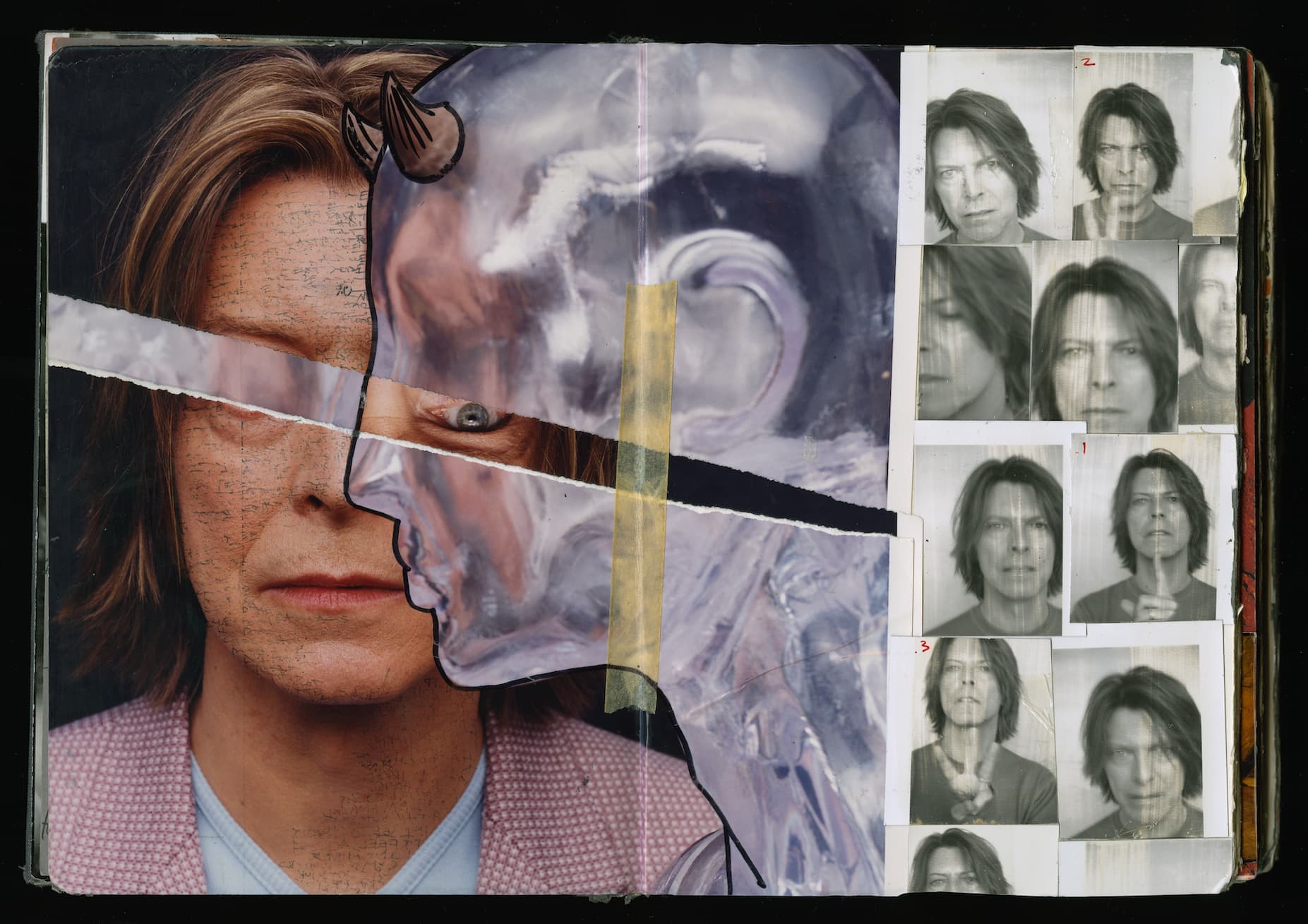
In your Frank Ockenfels 3: Introspection series, you said you drew from your journals and that journaling was your way of coping with anxiety. What is the bridge between your journals and your photographs?
Journals give my photographs a second life. Sometimes, while shooting, I know I will later add collage, paint, or drawing. Bringing together frames from different shoots excites me. I love the energy of broken or imperfect images. The struggle for perfection kills art.
Meticulous planning or leaving room for flow? How much space does coincidence hold in your creative process?
Even when I have to plan, I try to leave room for the idea to evolve or veer in a completely different direction.
Frank Ockenfels 3: “The Struggle For Perfection Kills Art”
Your photographs often carry a “cool” distance, yet when you look closely, there’s a personal intimacy with the subject. Maybe it’s the lack of perfect polish that makes the work feel free. How do you build that paradox?
I built my career on believing in happy accidents. I love creating an image within a moment and knowing it cannot be repeated.
In AI-generated posters or visuals, beyond the issues of copyright and ownership, where do you see the loss of “feeling the real”? At what point do you say, “This is no longer photography”?
AI can only reproduce what has already been made; but art seeks new ways to express what we see.
Frank Ockenfels 3: “The Struggle for Perfection Kills Art”
Today, technology and phones dominate our reality; most of us look at art through small screens. Fast production and consumption are now inevitable. What do you think about this?
It’s both the best and the worst. At least people are looking; but sometimes you need to put the iPhone down, take a deep breath, and really look at what’s in front of you.
If your subject is unhappy with the results, do you reshoot? How do you balance their sense of beauty or aesthetics with your own vision?
It depends on whether I’m doing the shoot for work or for myself. I’ve dealt with lighting people who thought they knew better; but in general, I study every face carefully and try to find the light that suits them best.
Saatolog Yıllık Saat Dergisi Saatolog’un yeni sayısı, 2020’nin yarattığı bu dönüştürücü etkiden ilham alarak hazırlandı. Dünya dijitalin etkisiyle her zamankinden de hızlı bir şekilde ilerlerken yavaşlamanın da önemini sonunda kavramış bulunuyoruz ve bu tezatlık hayatlarımızın her anına etki ediyor. Biz de bundan yola çıkarak Saatolog 2020/21 sayısını ‘‘hızlı ve yavaş’’ teması altında hazırladık.