From legendary musicians to exciting new discoveries, citywide events and a forward-looking approach that evolves with today’s music scene, Festival Director Harun İzer shares the vision behind this year’s Istanbul Jazz Festival.
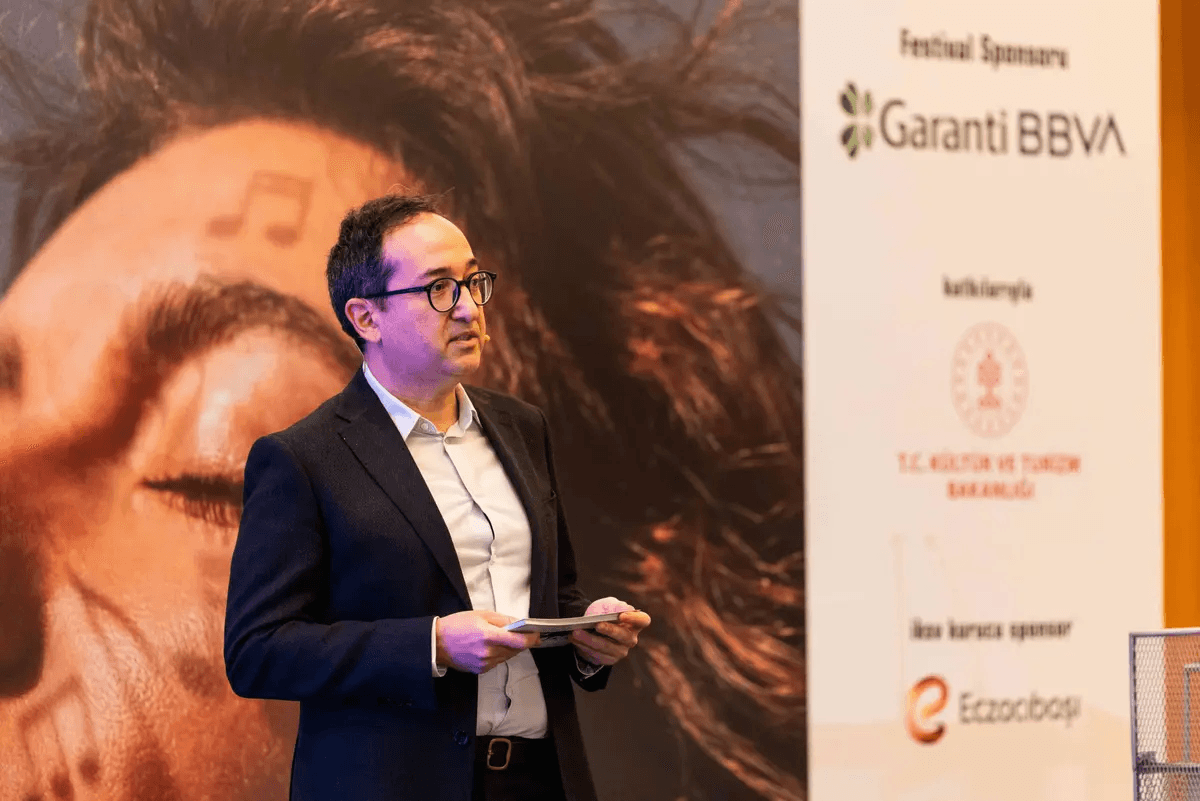
For 33 years, the Istanbul Jazz Festival has done more than present concerts—it has helped shape the cultural memory of the city. Bringing together world-renowned artists, emerging voices and diverse musical disciplines each year, the festival continues to redefine what jazz can be. We spoke with Festival Director Harun İzer about the ideas behind this year’s programme, why live music remains an irreplaceable experience, and the vision guiding the Istanbul Jazz Festival into the years ahead.
Credit: Muhsin Akgün
Before we get into the details of this year’s festival, I’d like to start with a broader question. Maintaining a festival for 33 years while finding a new balance that keeps audiences excited every year can’t be easy. What ideas or priorities shaped this year’s programme?
One of the greatest things about being part of a festival that has been running for so many years is the trust and interest of the audience. Continuity builds a strong sense of confidence among our audience. At the same time, it also comes with expectations, which naturally makes the process more demanding and requires a great deal of care. Every year we start from scratch, yet no two editions are ever the same. This season, once again, has been shaped by both continuity and innovation.
When we first set out, we decided to preserve the overall historical and spatial framework of last year’s festival—opening with major concerts during the first three days before moving into the rest of the programme. Of course, none of this happens automatically. These programmes gradually take shape through a long process of refinement. We have returning sections alongside brand-new events, and we genuinely try to maintain a careful balance between them.
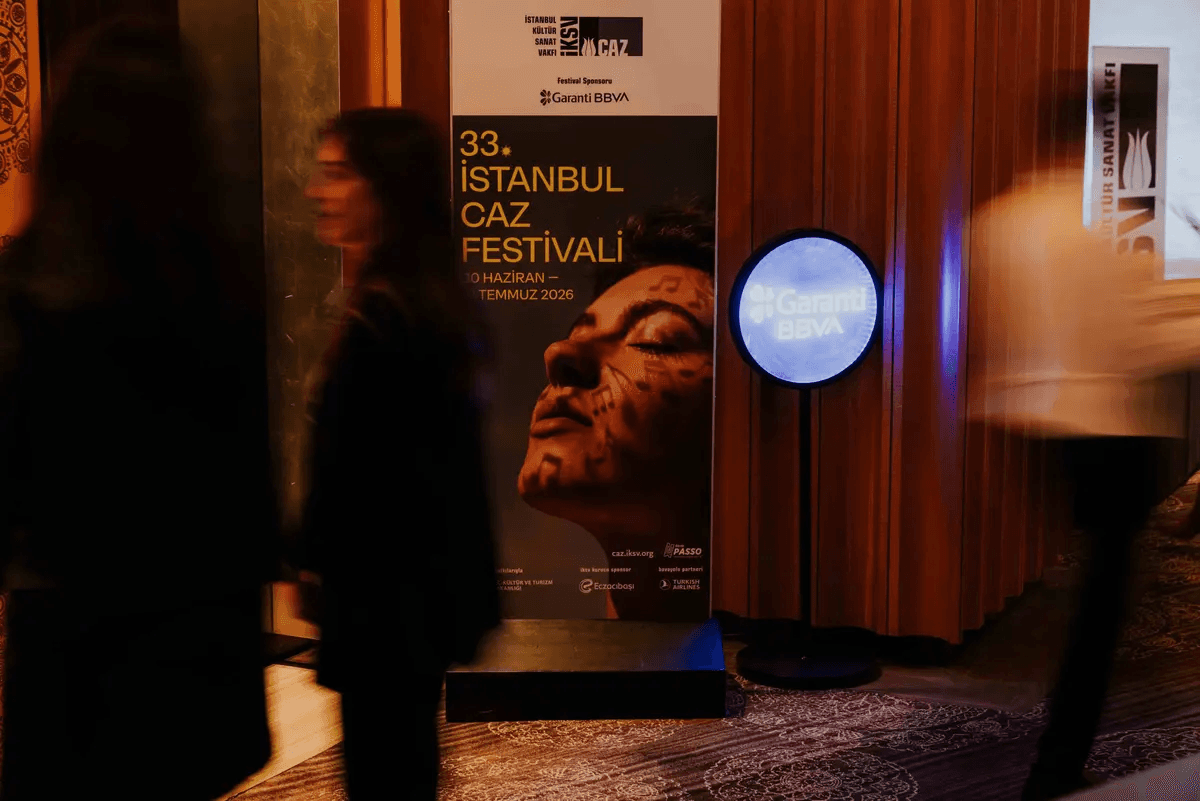
Looking back over the years, however, the festival has always been in a constant state of evolution and transformation. In that sense, the continuity of a festival is closely tied to the support and contributions it receives over time. We are fortunate in this regard, as we have had Garanti BBVA as our festival sponsor for the past 29 years. That kind of long-term partnership is incredibly valuable for a festival and has enabled us to continue creating these wonderful experiences together.
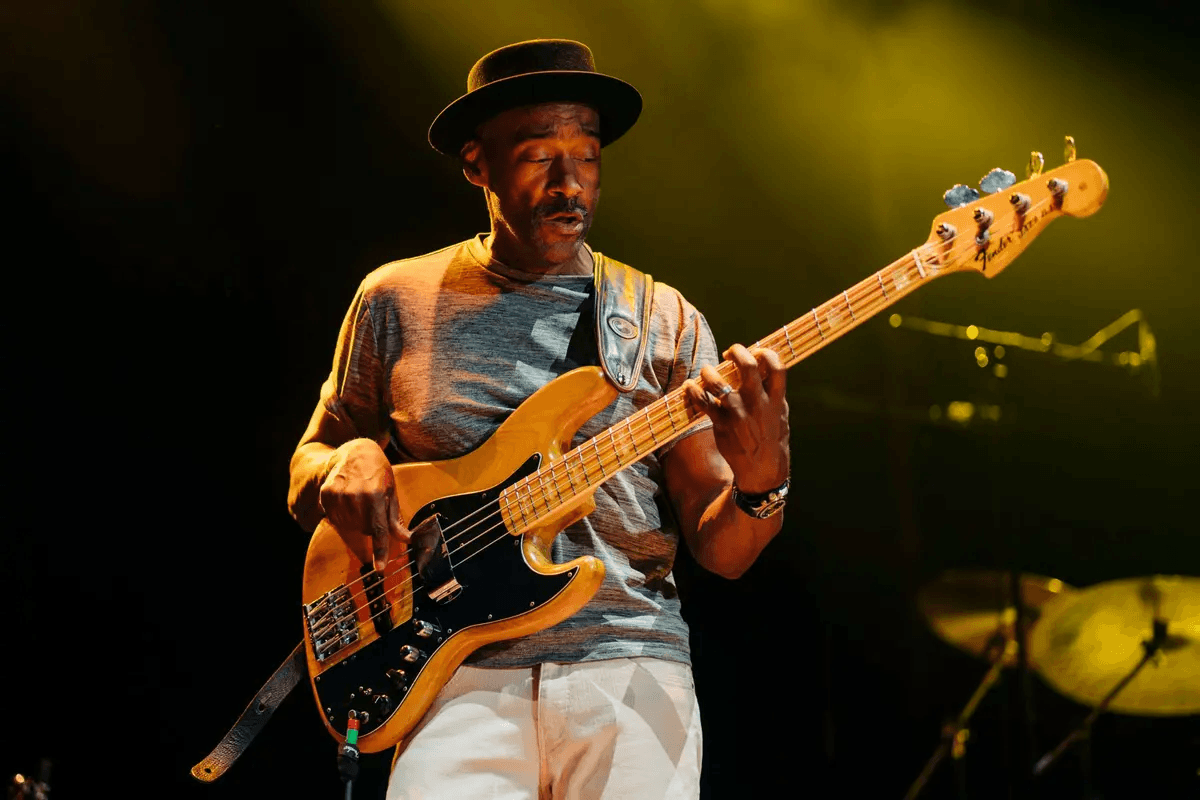
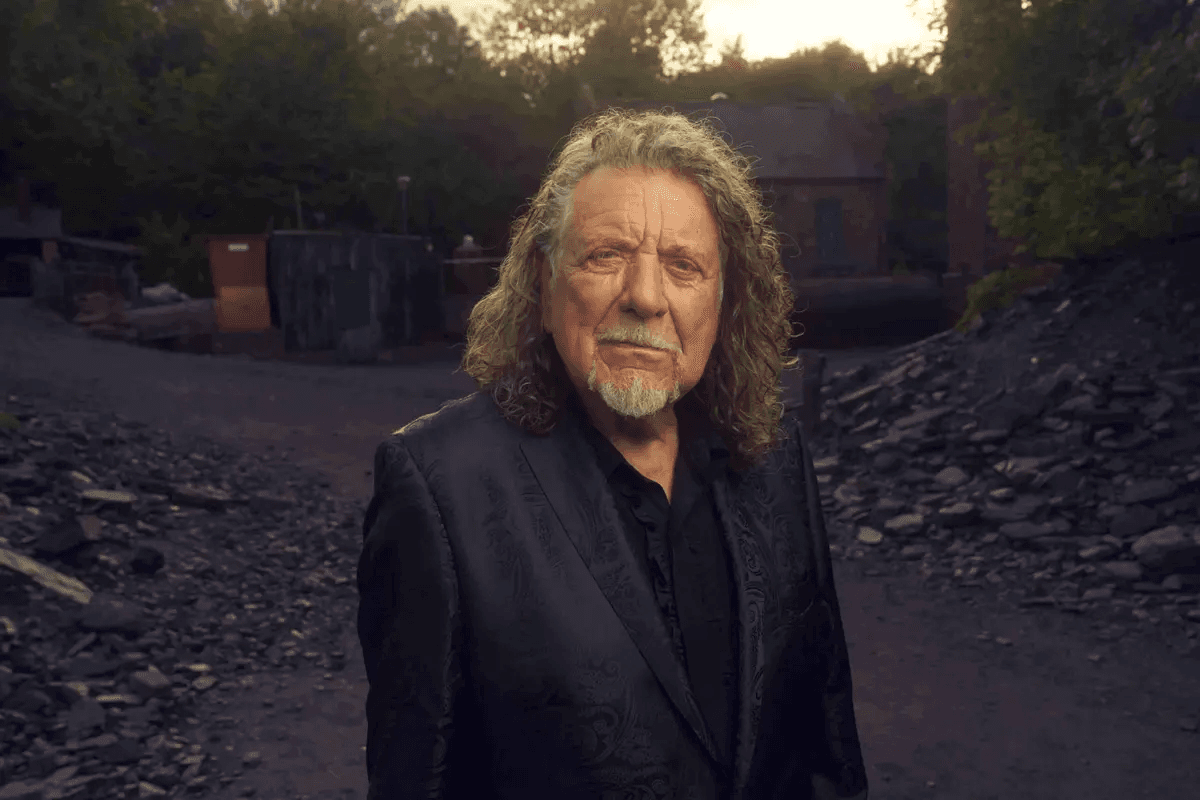
This year’s programme brings together living jazz legends such as Marcus Miller alongside iconic figures from different corners of music history, including Robert Plant. As Festival Director, which part of the programme excites you the most?
If I had to choose, I’d say it’s the festival’s opening week—from Marcus Miller on June 30 to Parklarda Caz Kadıköy on July 5. I say this from a professional perspective as well, because within a single week we’ll experience legendary musicians, rising stars and several truly special projects.
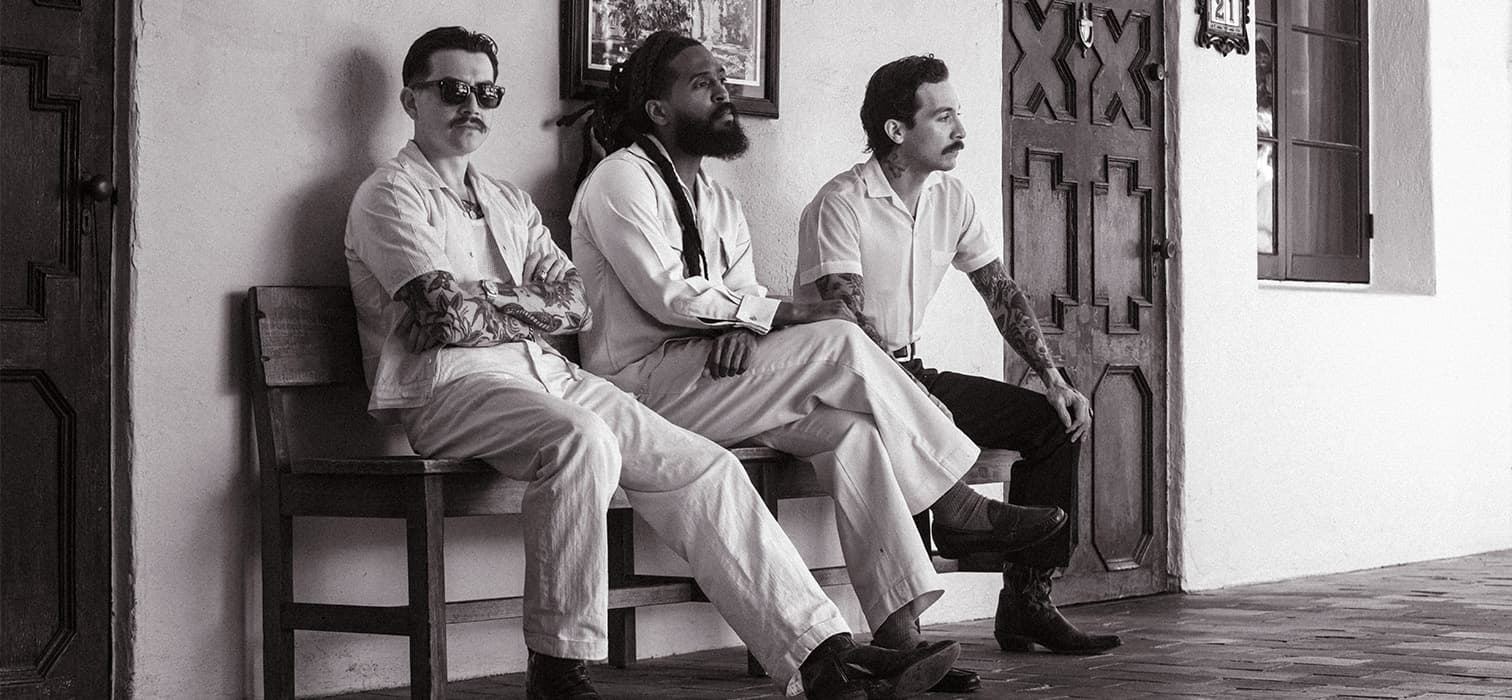
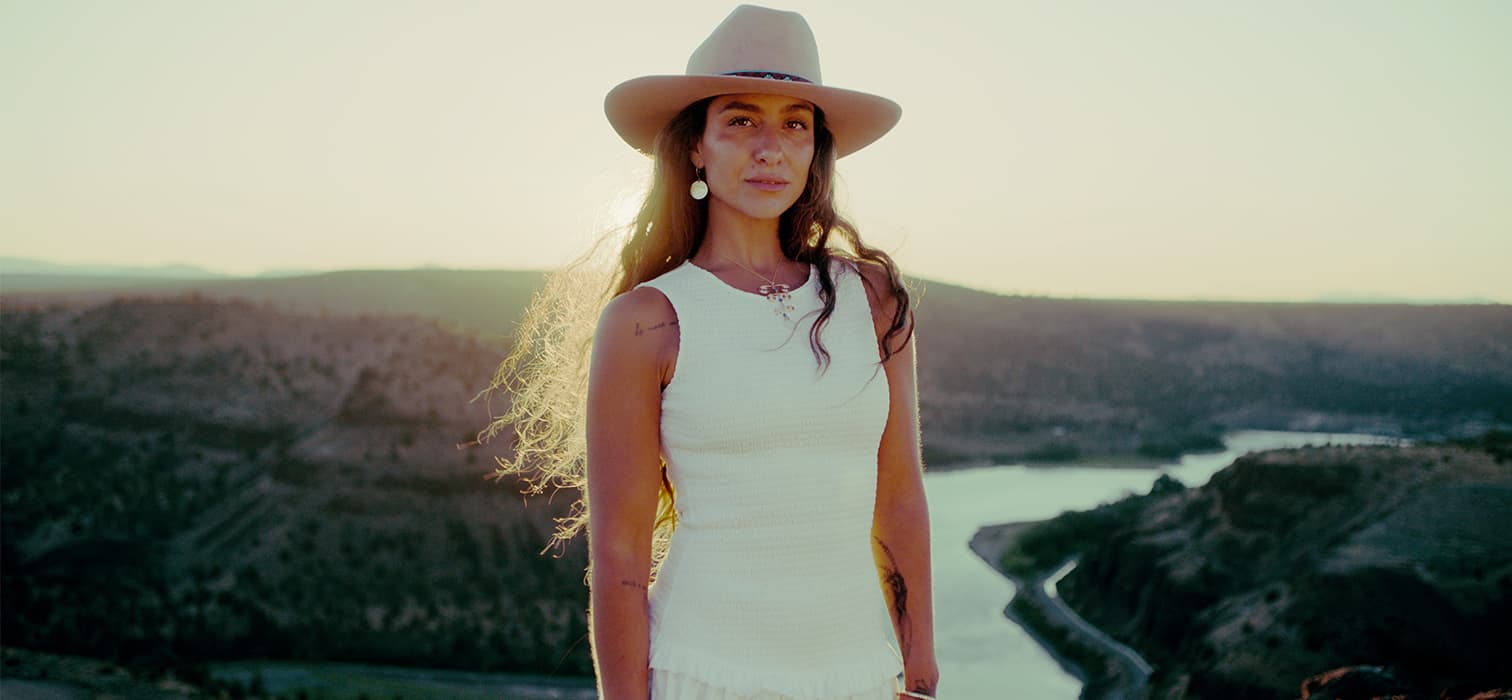
Alongside an outstanding band like Thee Sacred Souls, the festival will also host the extraordinary voice and music of Arooj Aftab. Another highlight will be the concert by Senem Diyici, who will receive our Lifetime Achievement Award and perform with her group featuring Okay Temiz. That will be a very special evening.
Credit: Diego_Garcia_Marquez
In recent years, festival programmes seem to have become increasingly fluid across genres. Alongside jazz, soul, alternative, folk, electronic and world music have all become integral parts of the programme. Is this a deliberate curatorial choice, or simply a reflection of how today’s music scene has evolved?
I think we can look at this from two perspectives. First of all, the transformation you describe is happening within music itself. With the rise of digital platforms, audiences no longer see genres as being separated by rigid boundaries.
On the other hand, much like other international jazz festivals, the Istanbul Jazz Festival has always preferred to approach music from a broader perspective. Ever since the festival’s early years, diversity has been part of its identity. In the late 1990s, artists such as Joshua Redman, Diana Krall, Marcus Miller and Esbjörn Svensson Trio made their Turkish debuts here, while internationally renowned names like Massive Attack, Björk, Lou Reed and Patti Smith also appeared on the programme.
So, for us, this is both a conscious curatorial choice and a natural reflection of the way music itself continues to evolve.
In previous interviews, you’ve often described jazz not as a genre but as an approach—a way of expression. Today, what is it that makes a festival a “jazz festival” in your eyes?
There are many different elements that make a festival what it is—far too many to list all at once. The same applies to a jazz festival.
If you look at the programme of one of the world’s oldest and most prestigious jazz festivals, the Montreux Jazz Festival, you’ll now find just as many—perhaps even more—major popular artists as you will traditional jazz musicians. Montreux represents a tradition. From its earliest years, its founder Claude Nobs embraced everything that extended beyond the boundaries of jazz, but he always did so with a distinct sense of taste and discernment. You could call it the aesthetic of improvisation and original music.
Whether the festival has become too mainstream today is certainly open to debate. But you can still discover remarkable, innovative and highly accomplished artists there. I believe a festival should continue to preserve that spirit—that originality. It needs to remain current and forward-looking while embracing different genres, styles and voices, whether they are mainstream or not. To me, those are essential qualities of a jazz festival.
Credit: Salih Üstündağ
Since you mentioned Montreux, let’s continue with the international perspective. Looking at leading jazz festivals such as Montreux, North Sea Jazz, Montreal and Newport, what trends stand out to you today?
As I mentioned earlier, these major festivals naturally operate in a more mainstream space today. That’s only natural, because even when they were first established, they presented the biggest and most current names of their time.
If you look at the second edition of the North Sea Jazz Festival, you’ll find Nina Simone and Dave Brubeck—two of the greatest jazz stars of that era. Today, seeing artists like Jorja Smith or Flea & The Honora Band on the programme doesn’t surprise me at all. This year’s Newport Jazz Festival, meanwhile, features headliners including Little Simz and Angine De Poitrine.
This reflects the direction many large-scale jazz festivals have taken. In Istanbul, we represent a similar approach. Of course, different festivals can occupy different positions, and that diversity ultimately benefits both cities and the wider music community.
One of the festival’s defining characteristics has long been its ability to introduce Turkish audiences to artists they may never have encountered before. What makes you feel that a particular artist is someone the Istanbul audience simply has to experience?
There are many artists we’ve known and followed through their albums and recordings. But more often than not, the decision to invite them comes after we’ve seen them perform live—perhaps at a concert or another festival abroad.
If what we’ve experienced there genuinely excites us, and we come away thinking, the audience in Istanbul has to experience this too, then the decision is made.
That said, I do wish we could present even more artists like these. In truth, bringing them to the festival sometimes feels like swimming against the current. But we always remind ourselves that this is also part of the festival’s mission.
Credit: Tom Oldham
In a previous interview, you said, “If we’re Istanbul’s jazz festival, we should spread across the entire city.” Looking back over the years, what development in the festival’s relationship with the city has pleased you the most?
Yes, especially during the 2010s, we had a rather idealistic ambition to reach every corner of Istanbul. It was something we had been discussing even before I became the festival director.
To be honest, I have to admit that it remains an ideal. Reaching every part of a city like Istanbul is far from easy in practical terms. But just because it’s difficult doesn’t mean we’ve given up on the idea. Maybe we can’t achieve it all at once, but over the years the festival has gradually reached many different parts of the city, and we’ve received wonderful responses along the way.
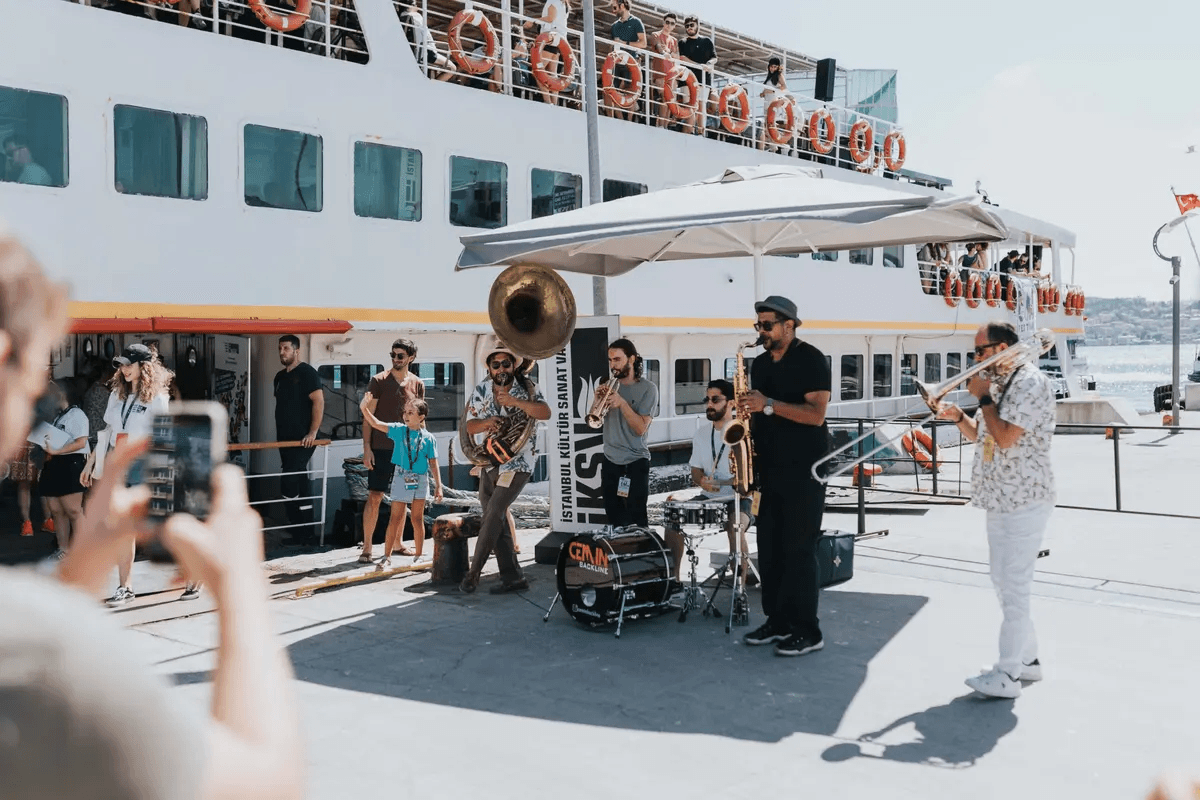
One of the developments that makes me happiest is that our Caz Vapuru event continues to attract the same level of enthusiasm year after year. It’s a truly Istanbul-specific event, and that makes us especially proud.
Alongside the Caz Vapuru, events such as Parklarda Caz and Gece Gezmesi have become integral parts of the festival. What role do you see these events playing in the festival’s future?
I believe these recurring and thematic events are among the things that truly make this Istanbul’s festival.
At the same time, we should remember that every era has its own spirit. Over time, these events inevitably evolve, change character and sometimes take on entirely new forms.
In the festival’s early years, New Orleans-style marching bands performed throughout Istanbul, including on İstiklal Avenue and in various public squares. Today, I think that same spirit lives on through Parklarda Caz.
Gece Gezmesi, meanwhile, grew out of an event we organised in the early 2010s called Tünel Şenliği. Naturally, these events will continue to evolve into different forms as time goes on.
This year, the festival will also present “Jazz and Bites” on July 11 at Pera 77, bringing together music and gastronomy with a live performance by the Erdem Özkan Trio.
Credit: Salih Üstündağ
Genç Caz+ has long been one of the festival’s most important platforms for new talent. Looking at Turkey’s young jazz musicians today, what has surprised or encouraged you the most over the past decade?
Genç Caz+ has been one of the festival’s longest-running and most established initiatives. It continues to attract tremendous interest from young musicians, and every year we’re delighted to discover exciting new projects and outstanding performances.
In recent years, I’ve noticed a healthy sense of competition emerging among university ensembles. We’ve even started asking each other, “I wonder which university groups will stand out this year?”
Another encouraging development is that the number of applications has increased significantly over the past two years. That, more than anything, makes us very happy.
Today, digital platforms give us instant access to music from anywhere in the world. In an era like this, what makes the live music experience truly irreplaceable?
I think the answer is hidden in the question itself.
The word experience has become something of a buzzword lately. But music, concerts and festivals represent its purest and most authentic form.
They’re about socialising, movement, emotion, energy, heightened awareness, losing yourself in the moment and escaping the concerns of everyday life. Everything we associate with a meaningful experience can be found at a live concert.
That’s why I believe live music will remain irreplaceable for a very long time.
Credit: Mete Kaan Özdilek
As a former music journalist, I also remember your years as a DJ. How have your musical tastes and instincts influenced the way you approach your role as a festival programmer?
What a wonderful surprise—that takes me back. Thank you for bringing it up!
Although I’ve always loved DJing, it’s something I’ve mostly done in the background. DJing is very much about the moment, especially when you’re playing in a venue. You have to read the audience, respond to their reactions and make quick decisions.
Programming a music festival, on the other hand, is almost the complete opposite. It requires careful evaluation, thoughtful consideration and strategic decision-making. So it’s difficult to draw a direct parallel between the two.
If there is one common denominator, I’d say it’s simply a love of music. To do either well, you need a deep musical knowledge and understanding.
Today, the Istanbul Jazz Festival carries a 33-year legacy. Looking back, what do you think has been the festival’s greatest transformation? And where would you like to see it in the next decade?
I’m genuinely happy to have witnessed such a significant part of these 33 years.
Our General Director, Görgün Taner, was also the festival’s very first director and, in many ways, its founder. In its early years, the Istanbul Jazz Festival was virtually the city’s only major contemporary music festival and became known for bringing many internationally acclaimed artists to Türkiye for the very first time.
That journey continued under the festival’s second director, Pelin Opcin. Over the years, we’ve also seen many other festivals and cultural events emerge, inspired in one way or another by the Istanbul Jazz Festival.
Today, the festival has evolved beyond being simply a festival of firsts. It has become one of Istanbul’s key cultural institutions while also serving as an international gateway for Turkish artists.
Looking ahead, our goal is to continue reaching new generations while producing not only large-scale events but also special projects that contribute meaningfully to the artistic ecosystem in which the festival exists.
Credit: Salih Üstündağ
Is there an artist or concert that the festival introduced to Turkish audiences for the first time and that still makes you think, “I’m so glad we brought them here”?
There are so many—where do I begin? It would be impossible to make a complete list.
One of the first names that comes to mind is Ryuichi Sakamoto, whom we sadly lost in 2023. He performed at the festival in 2000, and it’s a concert I still remember vividly—not only because of the music but also because of its remarkable stage and lighting design.
Another unforgettable experience, coincidentally from the same year, was Buena Vista Social Club, featuring Ibrahim Ferrer and Omara Portuondo.
I also fondly remember the Turkish debuts of Brad Mehldau Trio and Bugge Wesseltoft, both of whom first performed at the festival in 1999.
I could keep going, but I think I’d better stop here.
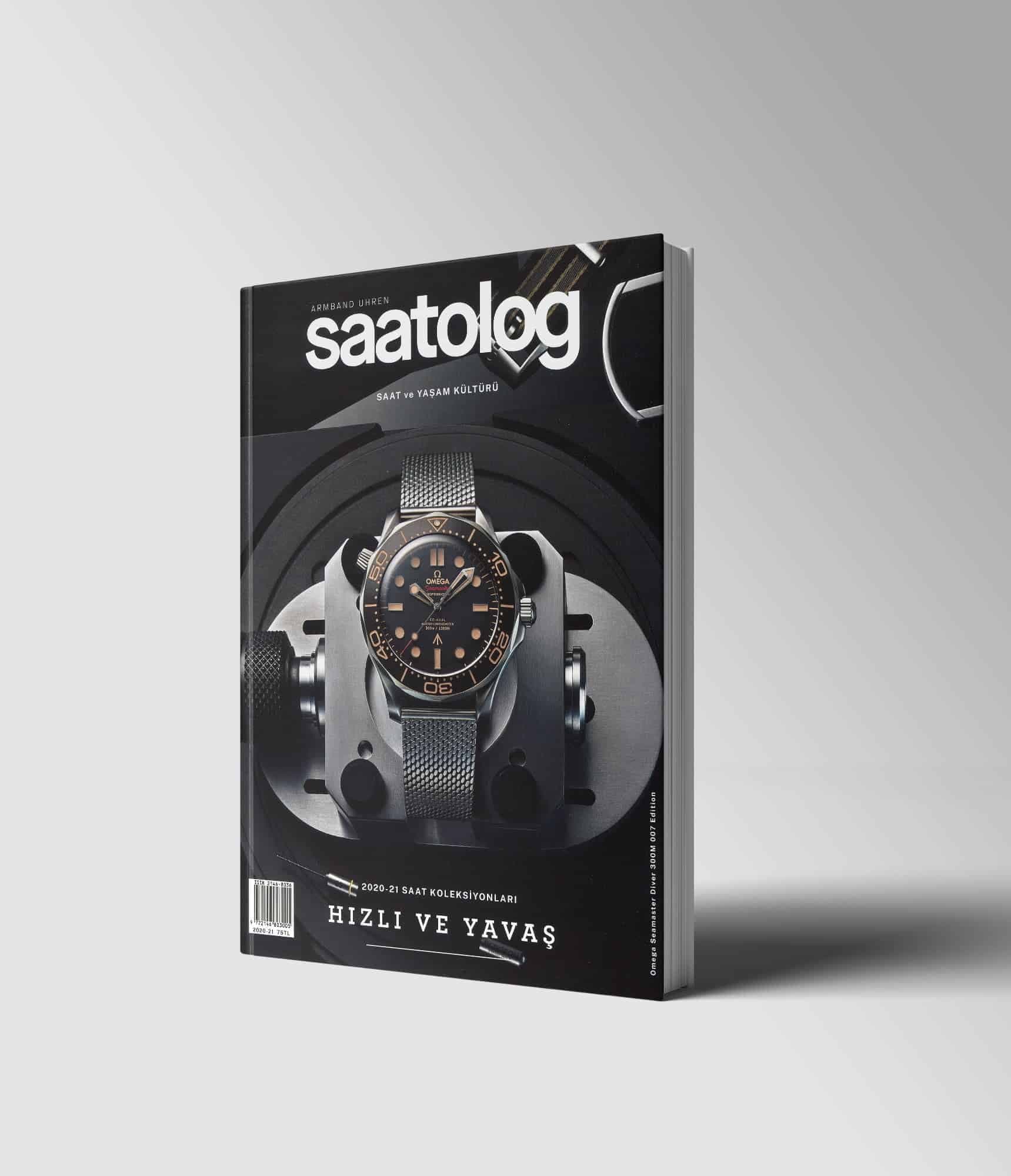
Saatolog Yıllık Saat Dergisi Saatolog’un yeni sayısı, 2020’nin yarattığı bu dönüştürücü etkiden ilham alarak hazırlandı. Dünya dijitalin etkisiyle her zamankinden de hızlı bir şekilde ilerlerken yavaşlamanın da önemini sonunda kavramış bulunuyoruz ve bu tezatlık hayatlarımızın her anına etki ediyor. Biz de bundan yola çıkarak Saatolog 2020/21 sayısını ‘‘hızlı ve yavaş’’ teması altında hazırladık.