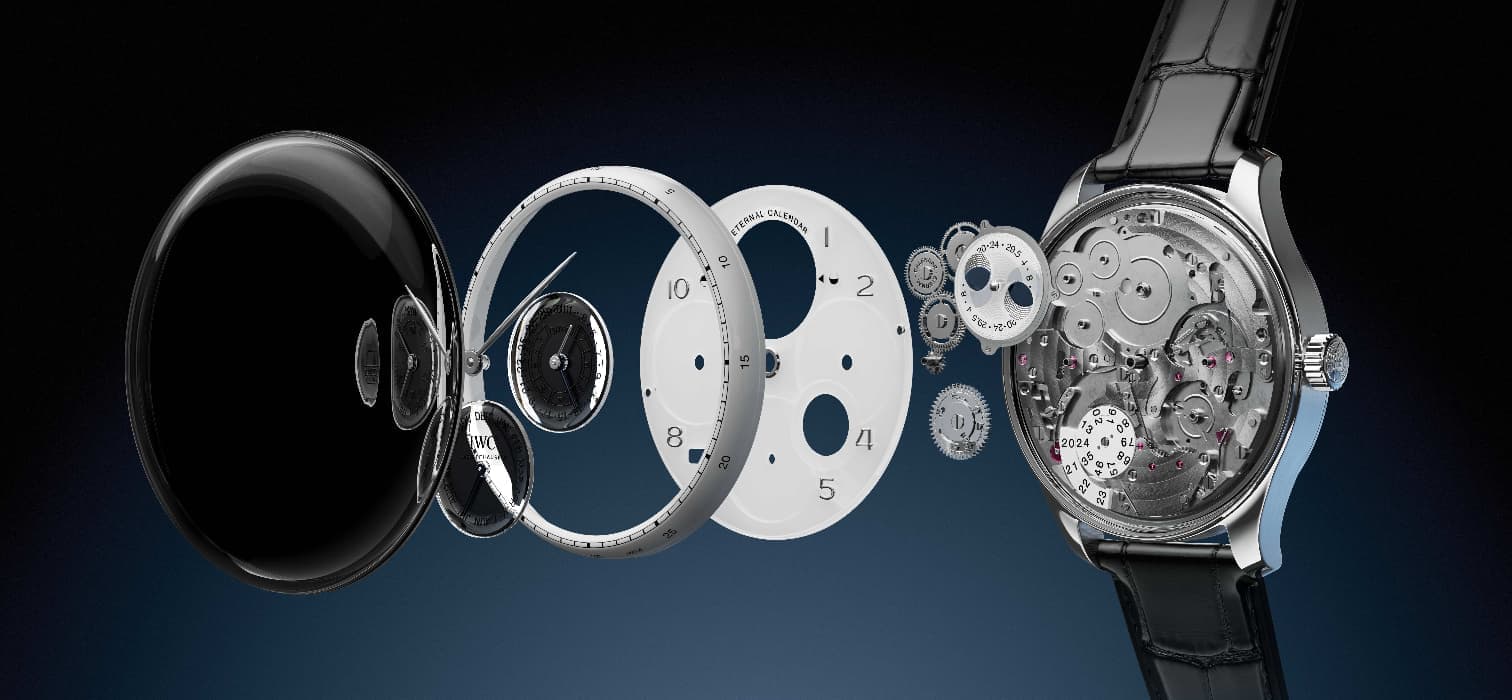
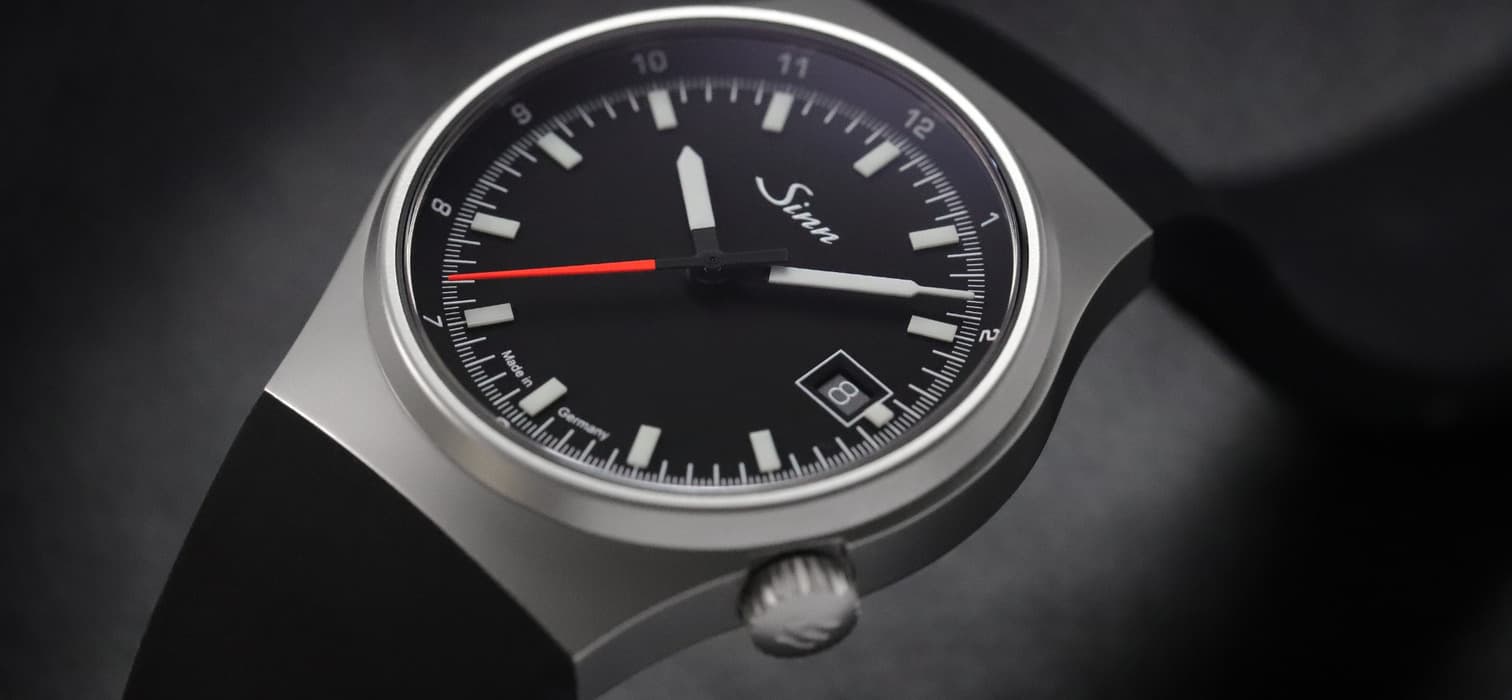
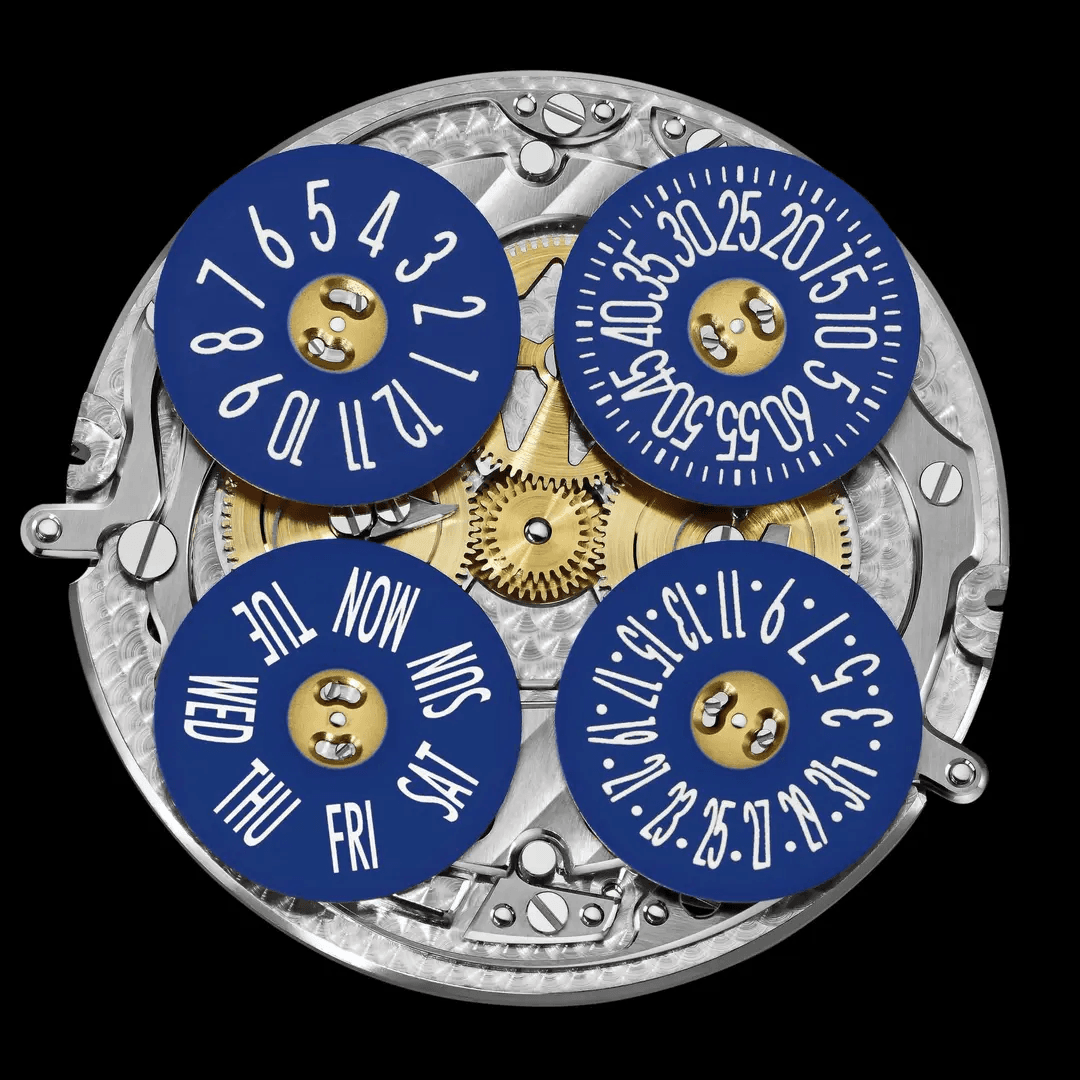
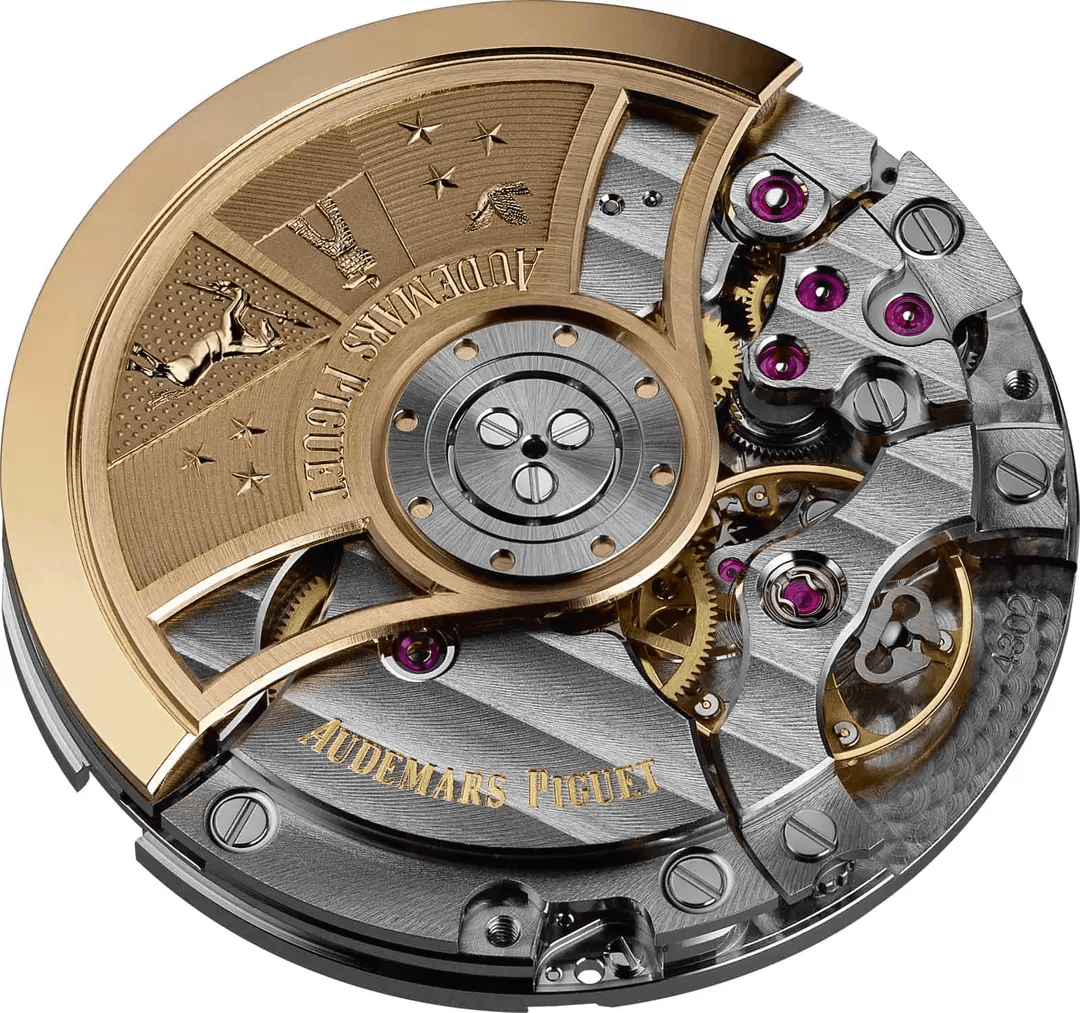
The rhythmic ticking, the hour and minute hands, the relentless sweep of the seconds hand… Have you ever taken a closer look at the mechanism that brings this familiar face of a watch to life? If you’ve ever wondered how the hour and minute hands move in perfect harmony, or simply asked yourself how a mechanical watch works, let’s take a closer look inside.
Before you begin reading, hold your watch to your ear and listen to its familiar ticking once more. In a moment, we’ll journey to the source of that sound, the remarkable mechanism that gives a watch its heartbeat. A fascinating world of gears, springs and wheels working together with the steady rhythm of a living heart awaits. Here’s an interesting fact to begin with: in a properly functioning mechanical watch, you’ll hear five ticks every second.
Two types of movements power modern watches:mechanical and quartz. Quartz movements, powered by a battery, have been part of the watchmaking world since the 1970s. At the heart of every quartz movement is a quartz crystal. When an electric current passes through the crystal, it vibrates at an extremely precise frequency, regulating the movement and driving the motor that turns the hour and minute hands.
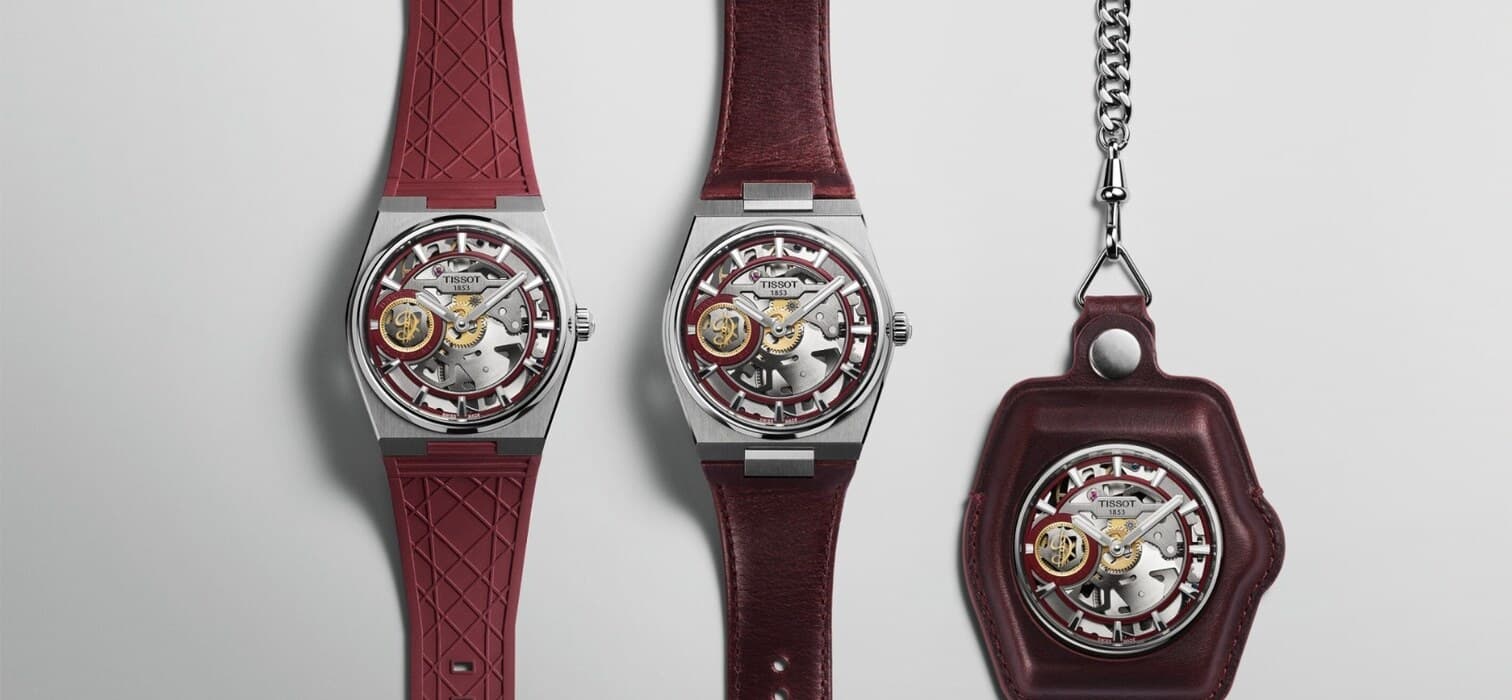
Having briefly explored quartz technology, let’s turn to the true subject of this article: the mechanical movement. Dozens of components, blued screws, finely finished bridges and meticulously hand-crafted details… Welcome to the intricate and captivating world of mechanical watchmaking.
In its simplest form, a movement is the mechanism that powers every function of a watch. It drives the hour, minute and seconds hands, as well as additional complications such as a chronograph or calendar.
Bringing a mechanical watch to life begins with winding the crown. This action generates energy, which is stored in the mainspring. As the mainspring is wound tighter, it accumulates potential energy. That energy is then released in a carefully controlled manner, driving the gear train and powering the entire movement.
Mechanical movements are divided into two categories: self-winding (automatic) and manual-winding.
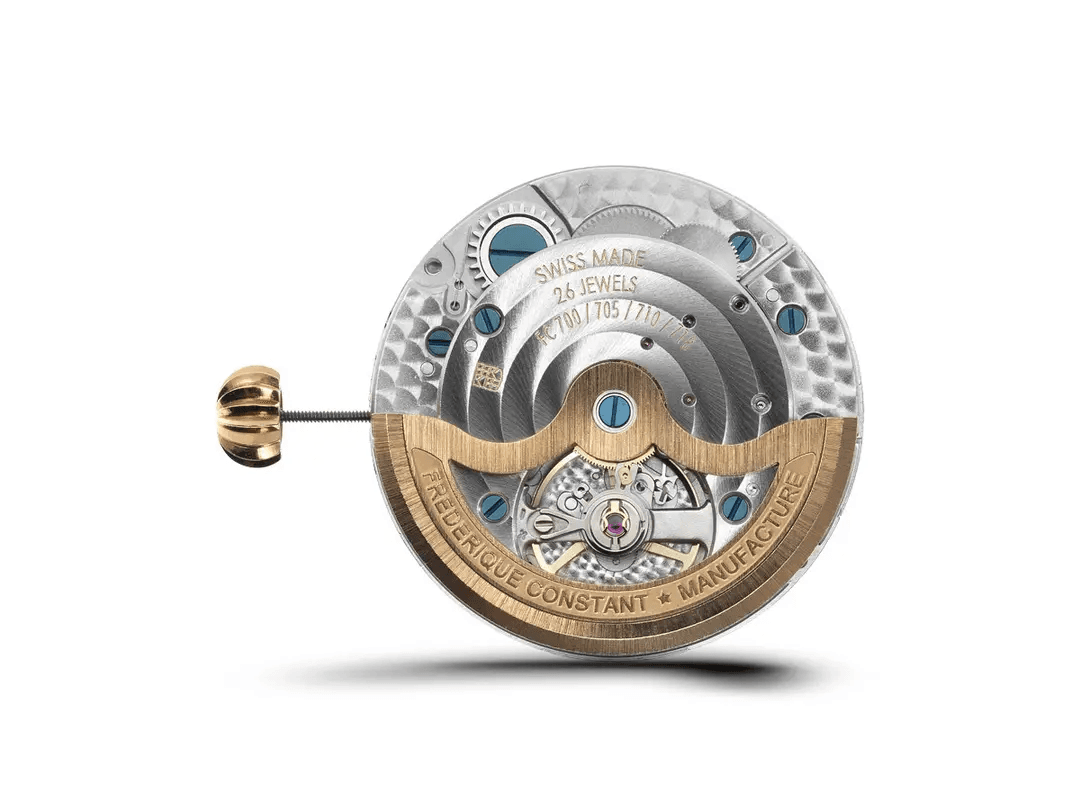
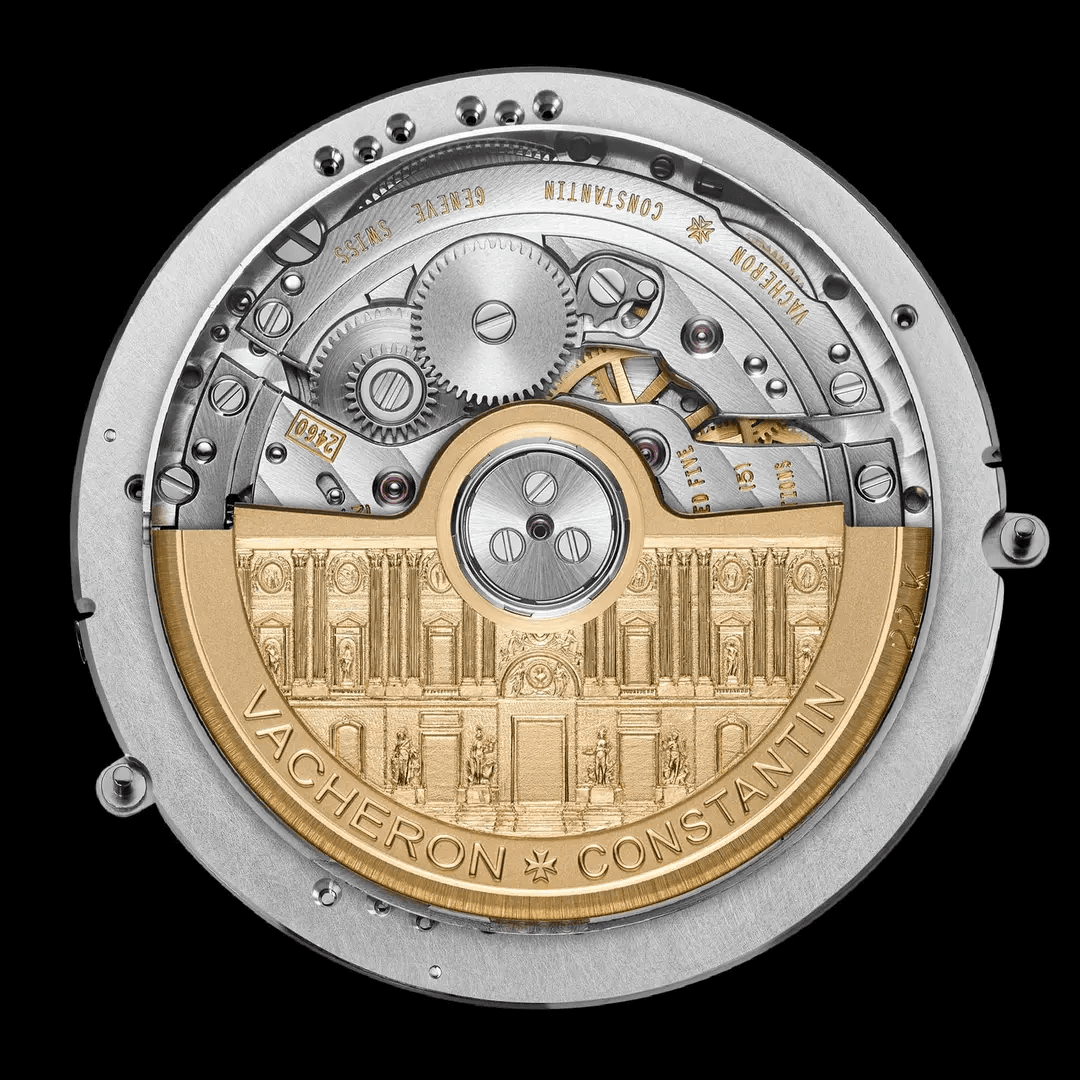
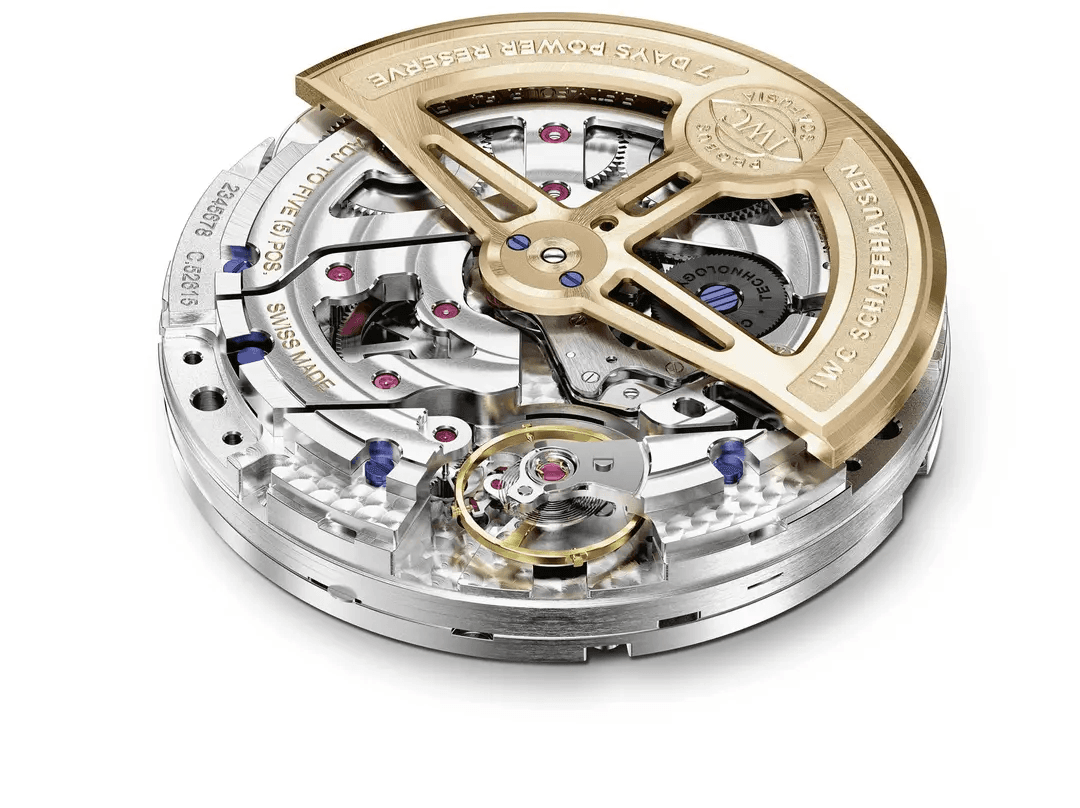
An automatic movement harnesses the natural motion of the wearer’s wrist, eliminating the need for daily manual winding. This is made possible by the rotor, a semi-circular oscillating weight that pivots with every movement of the wrist, continuously winding the mainspring.
A manual-winding watch, by contrast, relies entirely on its wearer. In most cases, it should be wound once a day by turning the crown to ensure consistent operation.
Once you understand the basic operating principle of a movement, the next step is to look deeper into the components that make it all possible. Inside every movement lies an intricate mechanical world composed of dozens, sometimes hundreds, of individual parts. Depending on its complexity, a mechanical movement may contain anywhere from around 50 to more than 300 components. Movements featuring complications such as a chronograph, calendar or moon-phase display naturally contain even more parts.
Movement Components
Balance
A mechanical watch derives its power from the unwinding of the mainspring, which is wound and tensioned inside the barrel. The balance assembly regulates this release of energy, ensuring that power is delivered to the movement in precise and controlled intervals.
Bridges
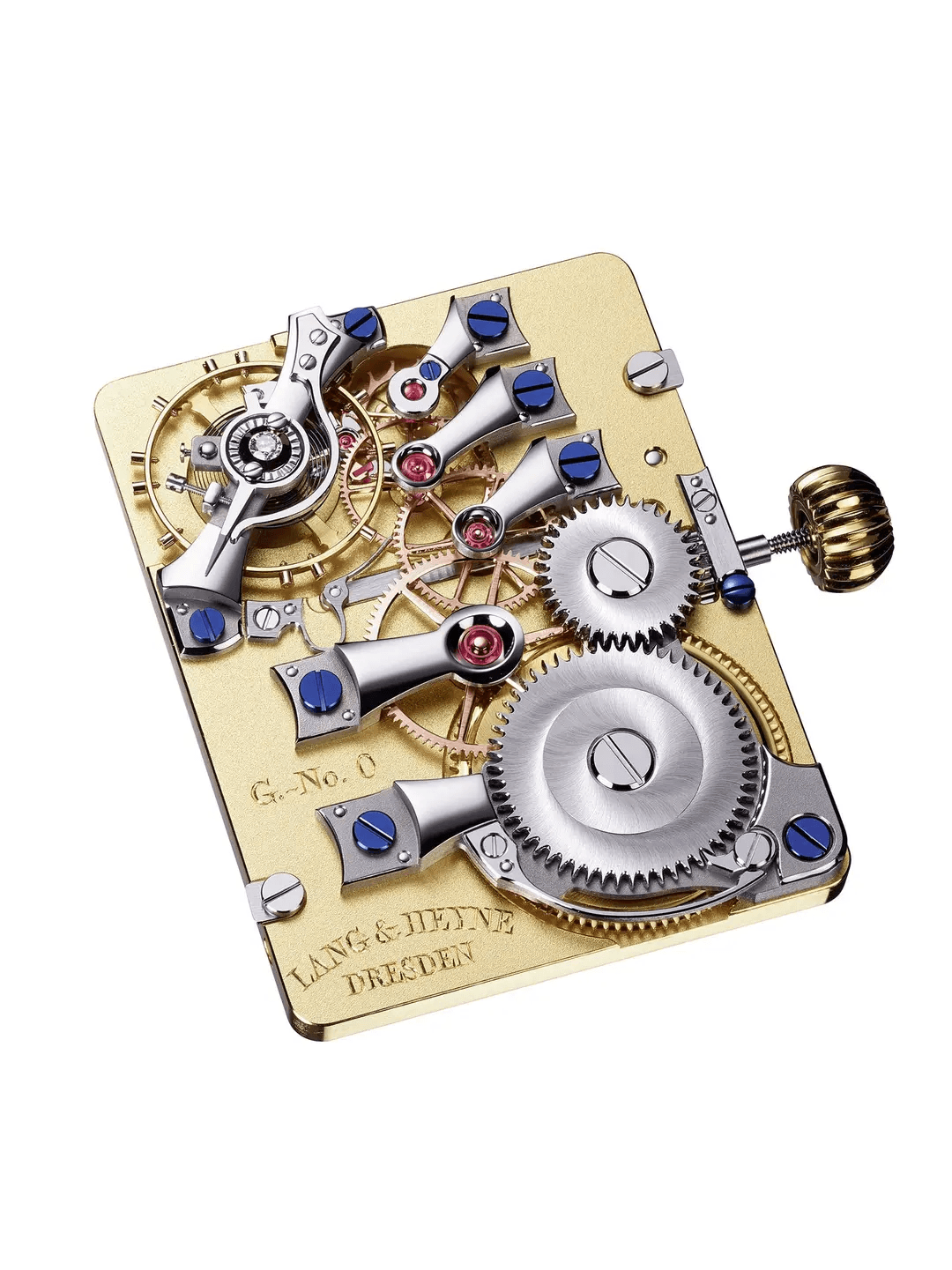
Bridges are the components that securely support the gear train and other moving parts on the mainplate, ensuring their precise positioning and smooth operation.
Geneva Seal (Poinçon de Genève)
The Geneva Seal is a prestigious certification awarded to movements manufactured within the Canton of Geneva, Switzerland, that comply with the highest standards of traditional watchmaking. To bear this hallmark, a movement must satisfy strict technical and aesthetic requirements, particularly regarding finishing and decoration.
COSC
COSC is the abbreviation for the Contrôle Officiel Suisse des Chronomètres (Official Swiss Chronometer Testing Institute). Movements submitted to COSC undergo rigorous testing under various conditions. Those that meet the required standards are awarded an official chronometer certificate.
Escapement
The escapement is the regulating mechanism that transfers the energy stored in the mainspring to the movement in precise, controlled intervals. It consists of the balance wheel, balance spring (hairspring), pallet fork, and escape wheel. The characteristic ticking sound of a mechanical watch is produced by the interaction between the pallet fork and the escape wheel.
Power Reserve
Mechanical watches have a limited power reserve. Automatic watches continue running as long as they are worn and the rotor remains in motion, whereas manually wound watches must be wound periodically by hand. A power reserve indicator displays the amount of energy remaining in the mainspring, usually by means of a small hand. The indicator may be located either on the dial or on the movement itself.
Blued Screws
Blued screws are a hallmark of fine watchmaking. Produced through a controlled heat-treatment process, blued steel screws are valued for their durability, corrosion resistance, and distinctive deep-blue appearance.
Chamfering (Anglage)
Chamfering, also known as anglage, is the process of beveling the edges of movement components—excluding the wheels—at a precise angle. It is both a decorative and finishing technique that enhances the movement’s appearance while removing sharp edges.
Perlage
Perlage, or circular graining, is a decorative finish consisting of overlapping circular patterns, typically applied to the mainplate and other movement components. The pattern resembles a cluster of small pearls, from which it derives its name.
Rotor
The rotor is the oscillating weight found in automatic movements, typically mounted on the back of the movement. As it rotates with the wearer’s wrist movements, it winds the mainspring, keeping the watch running.
Barrel
The barrel is the component in which mechanical watches store energy. It houses the mainspring, which stores energy when wound and releases it gradually through the gear train to the balance, allowing the movement to operate at a controlled rate.
Jewels
Synthetic jewels are fitted at the pivot points where the gear train rotates within the mainplate and bridges, minimizing friction and wear. These jewels are made from synthetic ruby or sapphire and are lubricated with a thin layer of specialized oil. As the complexity of a movement increases, the number of wheels, and consequently the number of jewels, also increases.
Mainspring
The mainspring is the primary source of power in both automatic and manually wound mechanical watches. Located inside the barrel, it stores energy when wound and releases it by driving the barrel and gear train. Its principal function is to accumulate energy and deliver it steadily to the regulating organ, namely the escapement.
Saatolog Yıllık Saat Dergisi Saatolog’un yeni sayısı, 2020’nin yarattığı bu dönüştürücü etkiden ilham alarak hazırlandı. Dünya dijitalin etkisiyle her zamankinden de hızlı bir şekilde ilerlerken yavaşlamanın da önemini sonunda kavramış bulunuyoruz ve bu tezatlık hayatlarımızın her anına etki ediyor. Biz de bundan yola çıkarak Saatolog 2020/21 sayısını ‘‘hızlı ve yavaş’’ teması altında hazırladık.