As the 54th Istanbul Music Festival unfolds across the city, Festival Director Efruz Çakırkaya reflects on its vision, evolution and enduring cultural role.
The 54th Istanbul Music Festival, taking place between June 11 and 25 this year, brings music beyond the concert hall under the theme “Within the Moment.” Featuring a programme that ranges from international orchestras and emerging musicians to accessibility-focused projects and interdisciplinary productions across different venues in the city, the festival continues to connect its rich cultural legacy with new generations. We spoke with Festival Director Efruz Çakırkaya about this year’s programme, the evolving profile of classical music audiences, and the place of the Istanbul Music Festival within Turkey’s cultural landscape.
The 54Th Istanbul Music Festival
When we look at this year’s programme, we see world-renowned ensembles such as the Vienna Symphony Orchestra alongside new formats and alternative listening experiences. What excited you most while shaping the programme for the 54th edition of the festival?
What excites me most this year is how organically the festival theme and the programme came together. “Within the Moment” is not merely a slogan; it is a way of thinking that permeates every layer of the programme, from concerts and venue selections to commissioned works and children’s activities. While we are welcoming one of the most established representatives of classical music history, such as the Vienna Symphony Orchestra, we are also exploring music’s relationship with the present through improvisational projects, interdisciplinary productions, nature-awareness walks with children, and workshops for young musicians. What I find truly exciting is this balance: creating space for new experiences while maintaining respect for tradition.
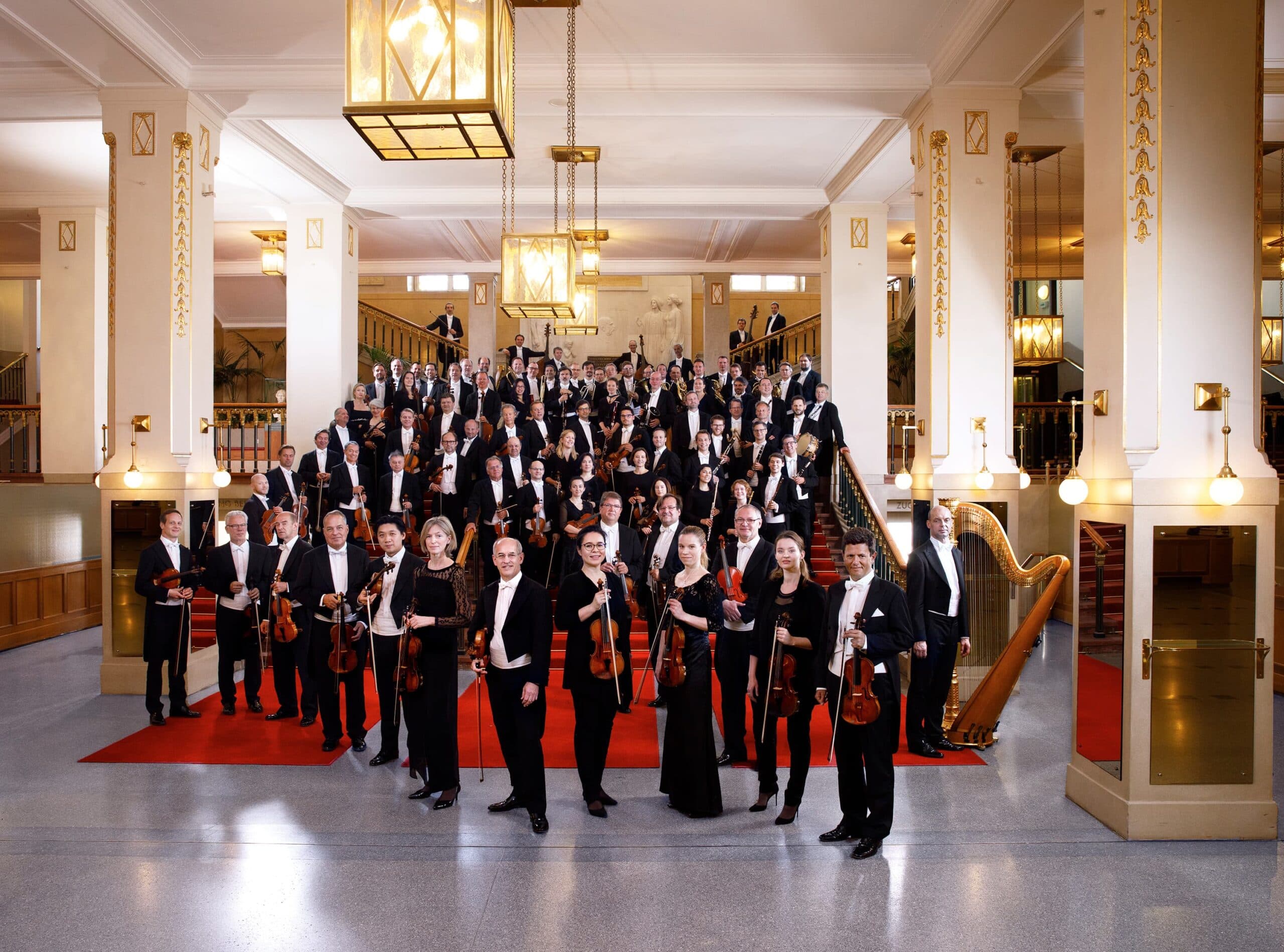
The Vienna Symphony Orchestra / Credit: Peter Rigaud
The Vienna Symphony Orchestra’s visit to Istanbul is undoubtedly one of the highlights of the season. What does this concert represent for the festival and for classical music audiences in Istanbul?
The Vienna Symphony Orchestra is not only an outstanding orchestra; it is also one of the living memories of European musical culture, carrying a tradition that stretches from Mahler to Karajan. The orchestra’s visit to Istanbul as part of its 125th anniversary world tour is also an important indication of our city’s place within the international classical music scene.
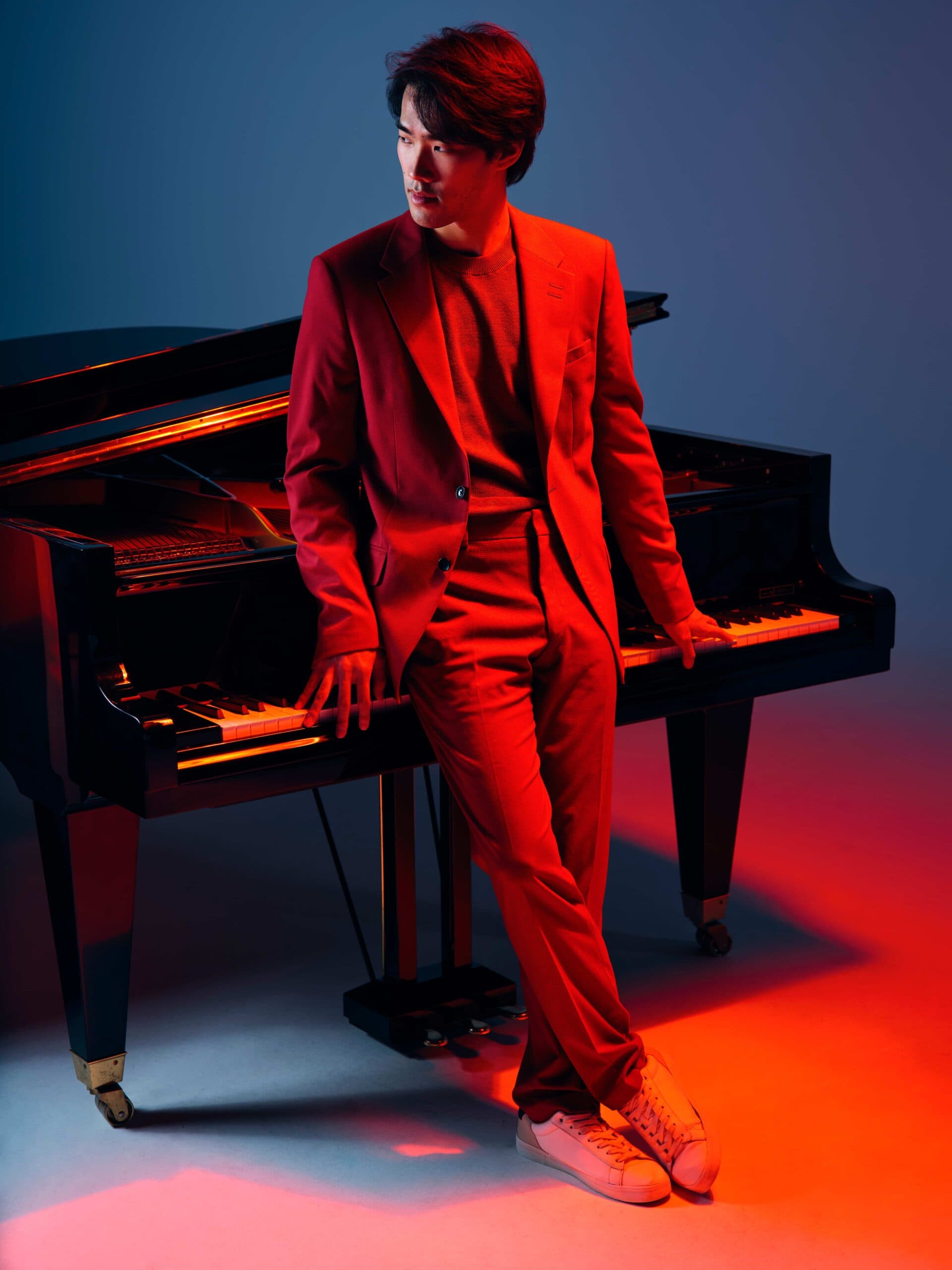
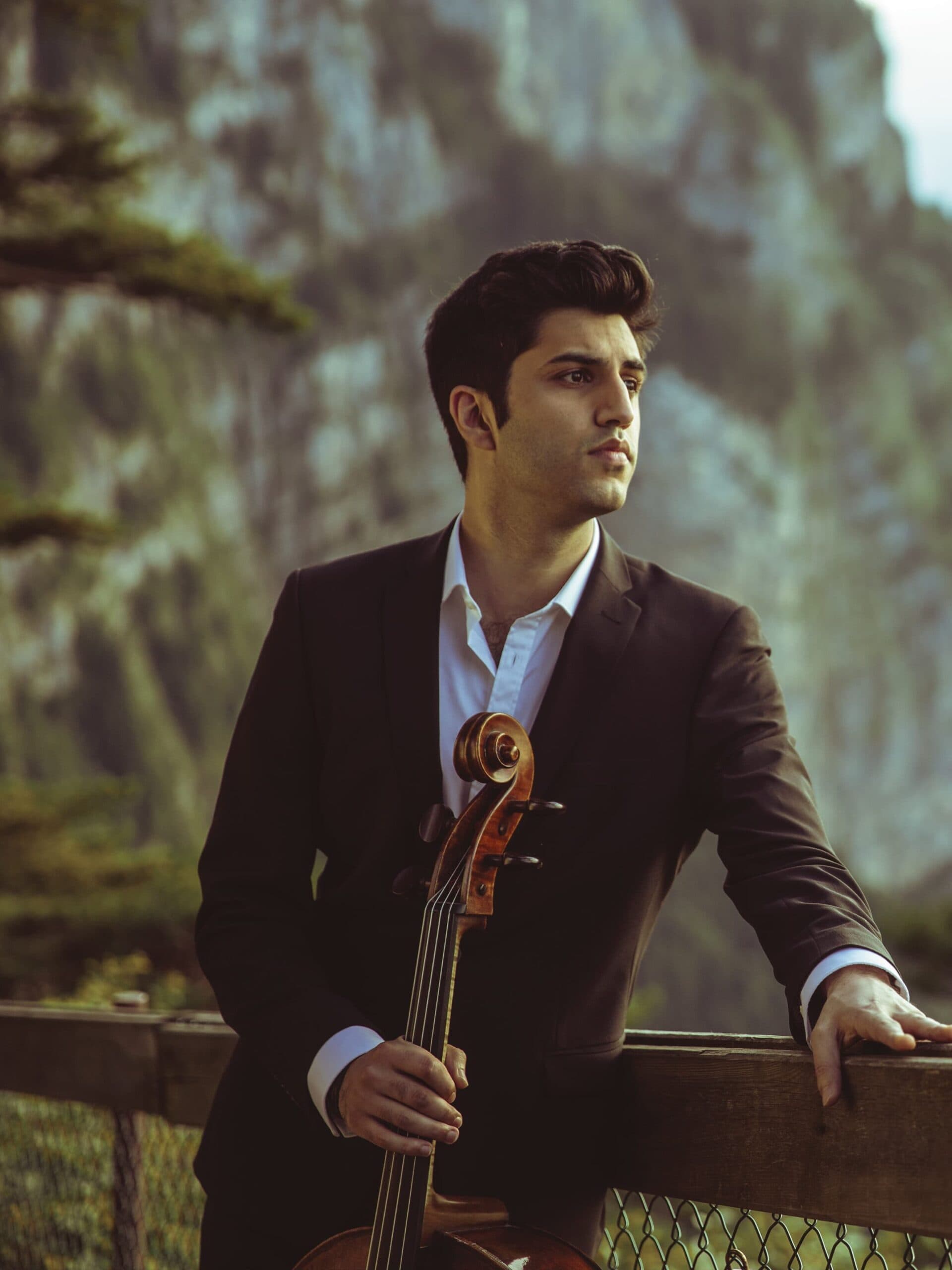
For audiences in Istanbul, this carries a special significance. It offers the opportunity to experience, in your own city and concert hall, an ensemble that could otherwise be heard in some of the world’s leading music capitals. Moreover, the orchestra will perform alongside exceptional soloists such as Bruce Liu and Kian Soltani, among the brightest artists of their generation. Concerts like these create meaningful encounters that are valuable not only musically but also culturally.
This year’s programme introduces the “Relaxed Concert” format for the first time. It seems to reflect the growing importance of accessibility discussions within the classical music world. Could you tell us about the origins of this idea and the festival’s approach to inclusivity?
We believe that culture and the arts should be accessible to everyone. While examining best practices around the world in recent years, we came across the increasingly widespread concept of “Relaxed Performances” in Europe and the United States. We realised that the traditional expectations of silence, stillness and certain behavioural norms in classical music concerts can create significant barriers for some individuals.
This year, in collaboration with DenizBank through İKSV’s Accessible Arts Partnership and with consultancy from the Alternative Life Association, we are introducing Relaxed Concerts for the first time. We aim to create an environment where everyone—from individuals on the autism spectrum and those with sensory sensitivities to people living with dementia and families with children—can feel comfortable. For us, this project is not simply a concert format; it is an important reminder that participation in cultural life is a fundamental right.
Relaxed Concert / Credit: Poyraz Tütüncü
In recent years, festivals have evolved from being concert organisers into cultural platforms that curate comprehensive experiences. How would you define the Istanbul Music Festival’s place within this transformation?
I believe we are among the key actors in this transformation. Today, people are not only looking to attend a concert; they want to be part of a story, an idea and an experience. We therefore see the festival not merely as a calendar of concerts, but as a cultural experience that spreads across the city.
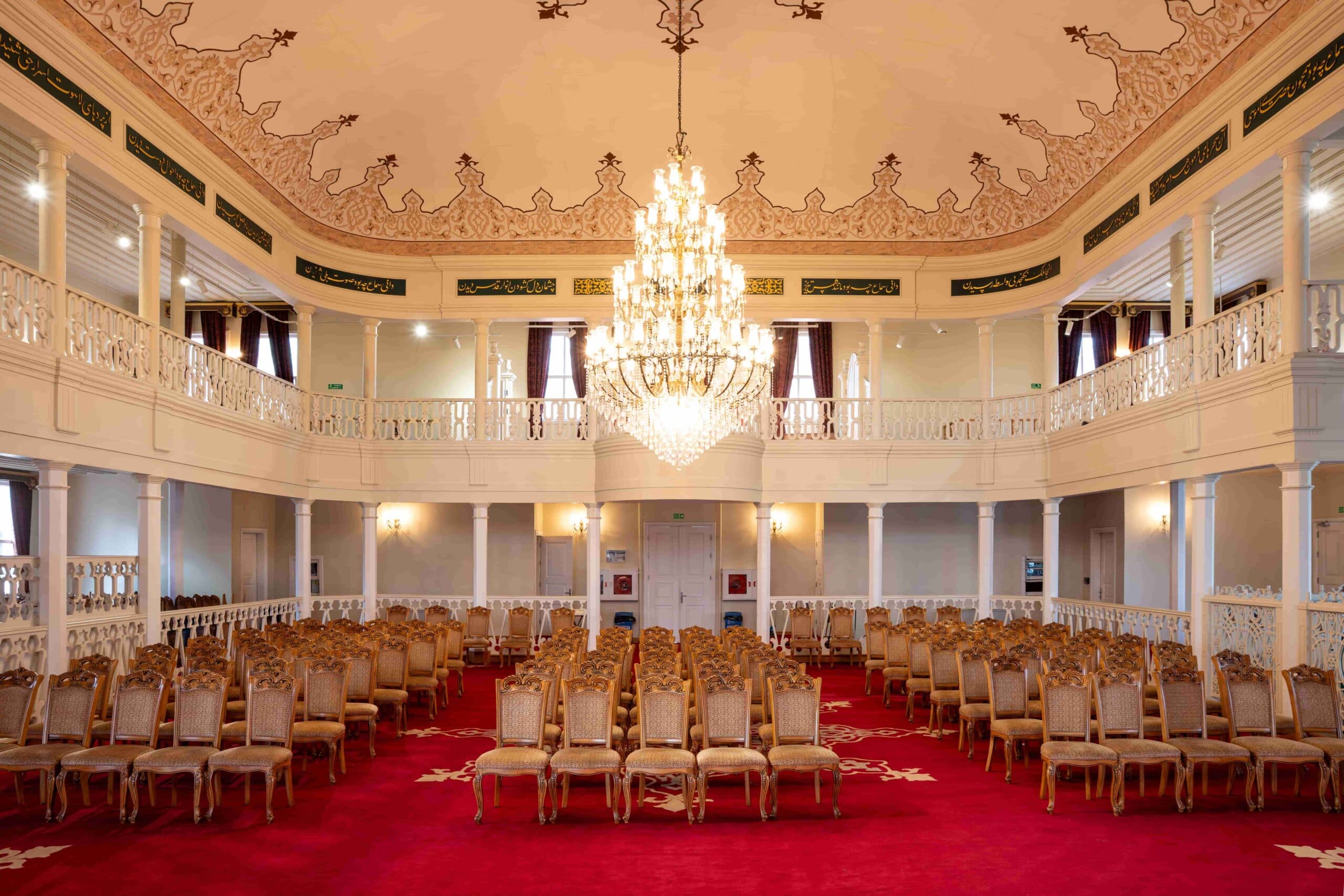
This year’s projects such as “The Beauty of the Moment” in the Grand Bazaar, “In the Trace of Breath” at Bahariye Mevlevihanesi, nature walks with children and the “Playing Within the Moment” workshop for young musicians are examples of this approach. The festival no longer takes place solely on stage; it lives through the relationships it builds with the city, its venues and its audiences.
Bahariye Mevlevihanesi Credit: Fatih Yılmaz
Digitalisation, social media and changing consumption habits are affecting classical music institutions as well. What do you think is the biggest challenge classical music faces when connecting with younger generations today?
I do not think the issue is a lack of interest among young people. Rather, the world’s attention economy has changed dramatically. Young audiences are exposed to more content than ever before. The main challenge for classical music is not competing with other musical genres but competing for time and attention.
At the same time, I see that younger generations are highly sensitive to authenticity and sincerity. Approaches that speak down to audiences or present classical music as an unattainable summit no longer resonate. Projects that can tell stories, create emotional connections, engage with different disciplines and offer new experiences are what attract younger audiences. We have observed this very clearly through the festival in recent years.
Classical music has long been perceived as an art form catering to a specific audience. Do you think that perception is changing? Have you observed this through the festival?
Absolutely. There are still certain prejudices that need to be overcome, but I believe younger generations view the boundaries between genres as much more fluid. Today, a young person can listen to Bach and attend an electronic music festival on the same day without seeing any contradiction, just as they can move seamlessly between Anatolian rock and Baroque music.
We witness this transformation through the festival as well. The strong interest in our Eczacıbaşı Young Ticket programme, the new audiences attracted by interdisciplinary projects and the profiles we encounter at events in alternative venues are all clear indicators of this change.
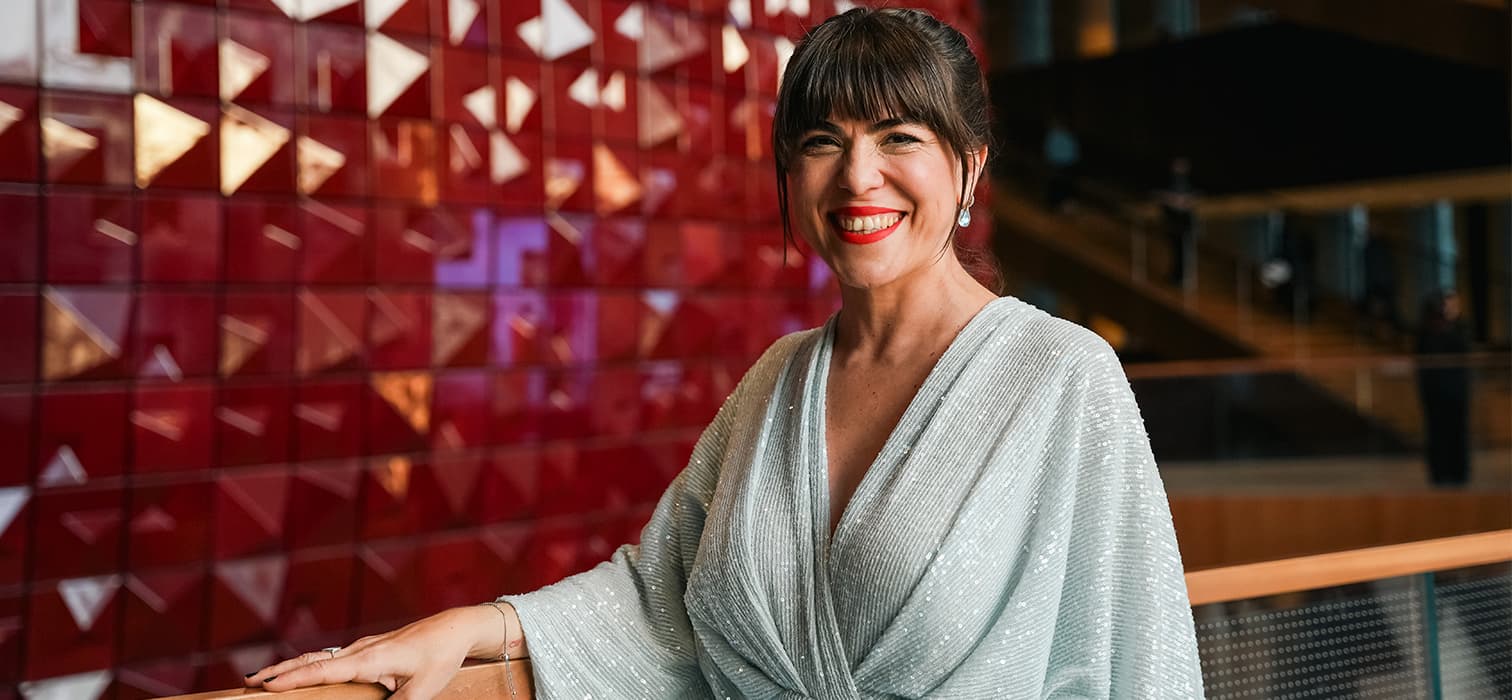
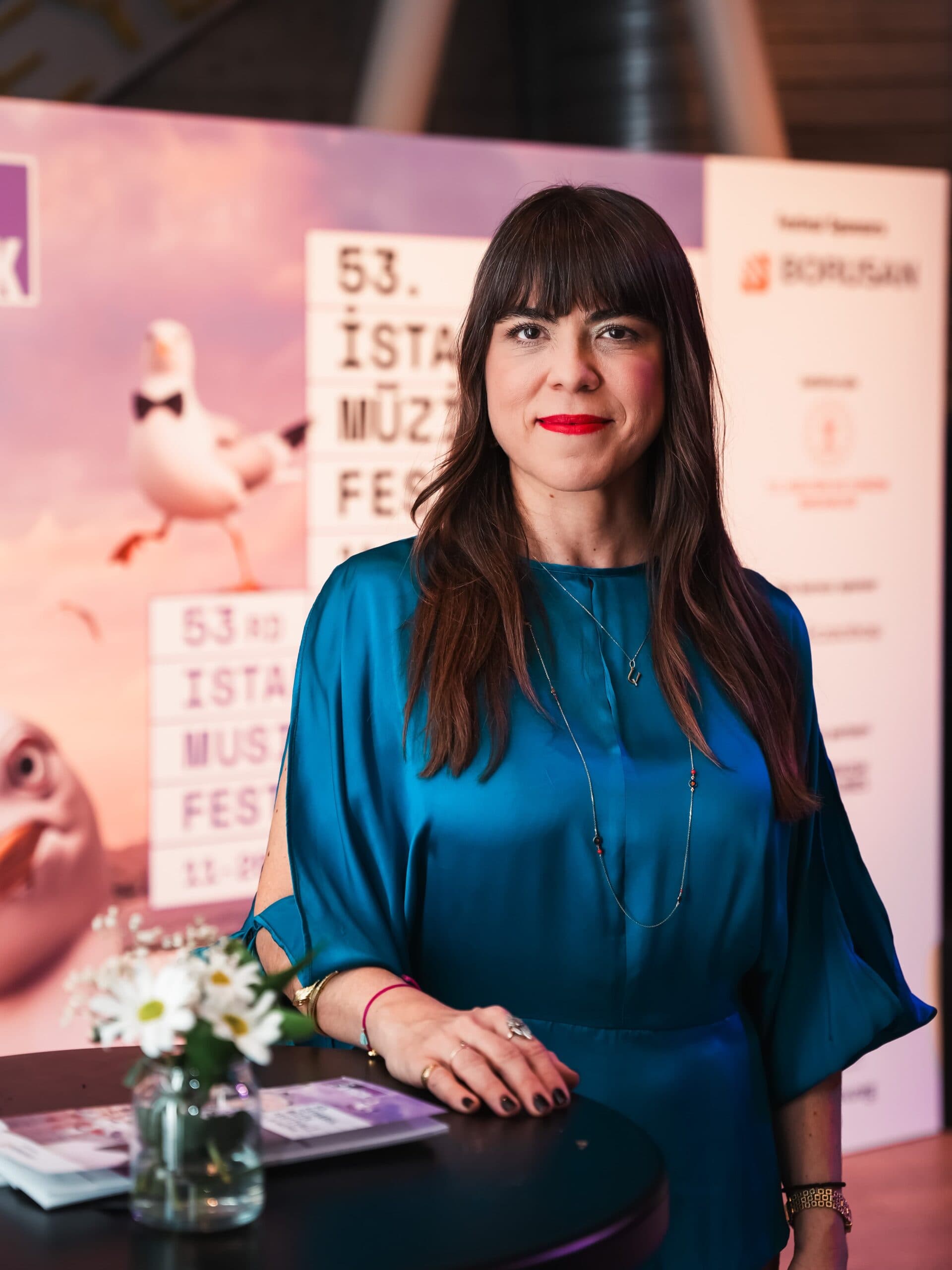
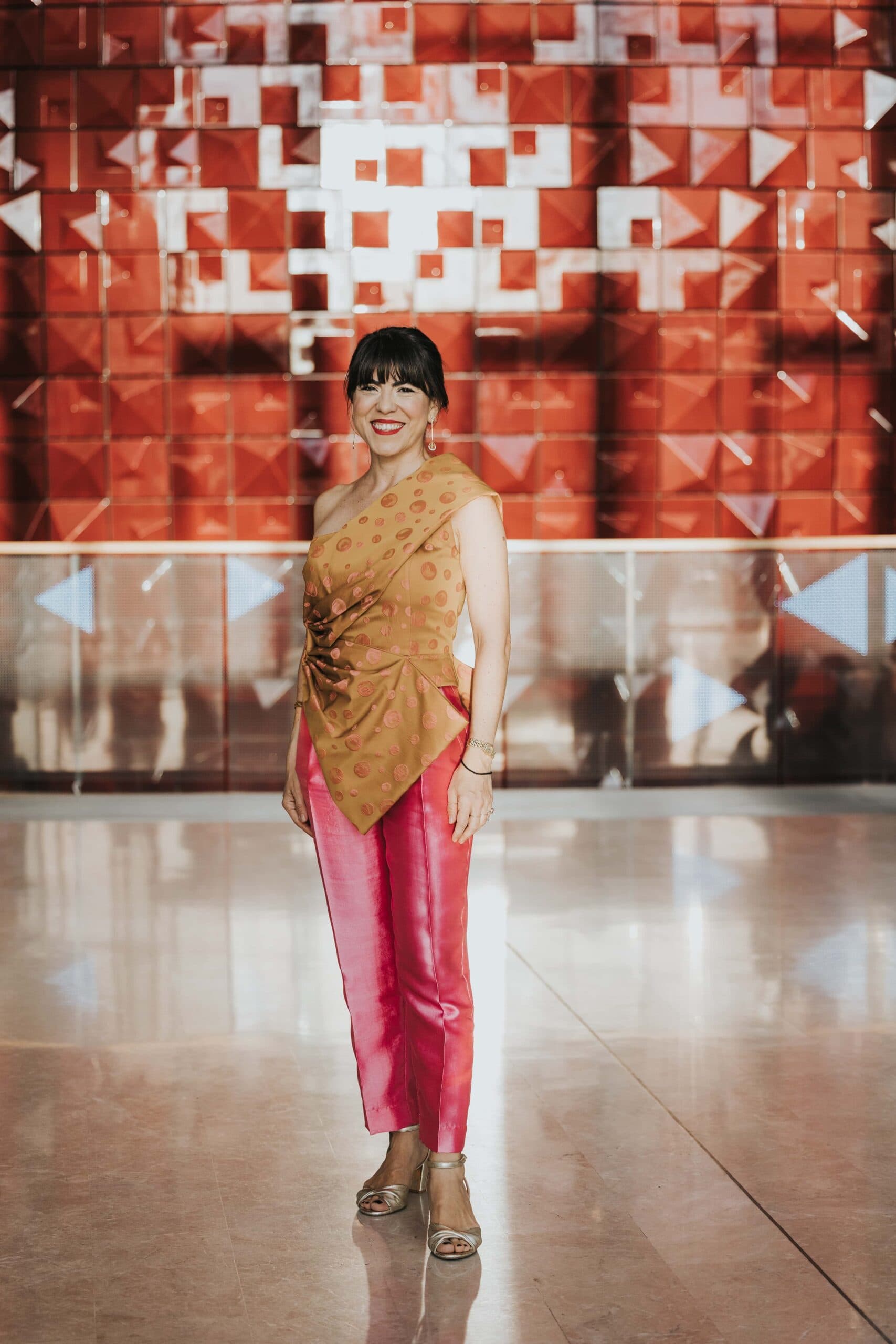
Efruz Çakırkaya / Credit: Fatih Yılmaz
When working with international artists and orchestras, the cultural appeal of cities has become almost as important as artistic quality. Where does Istanbul stand on the global classical music map today?
Istanbul is a truly unique city. Very few places in the world possess both such a powerful historical heritage and such a vibrant cultural dynamism. When we speak with international artists, we see that Istanbul is not merely another stop on a tour schedule; it is a city they genuinely want to discover.
This is a major advantage for the festival. Artists do not simply perform here—they visit the Grand Bazaar, spend time on the Bosphorus and engage with the city’s history and culture. Istanbul’s unique character continues to make it a powerful attraction within the international music world.
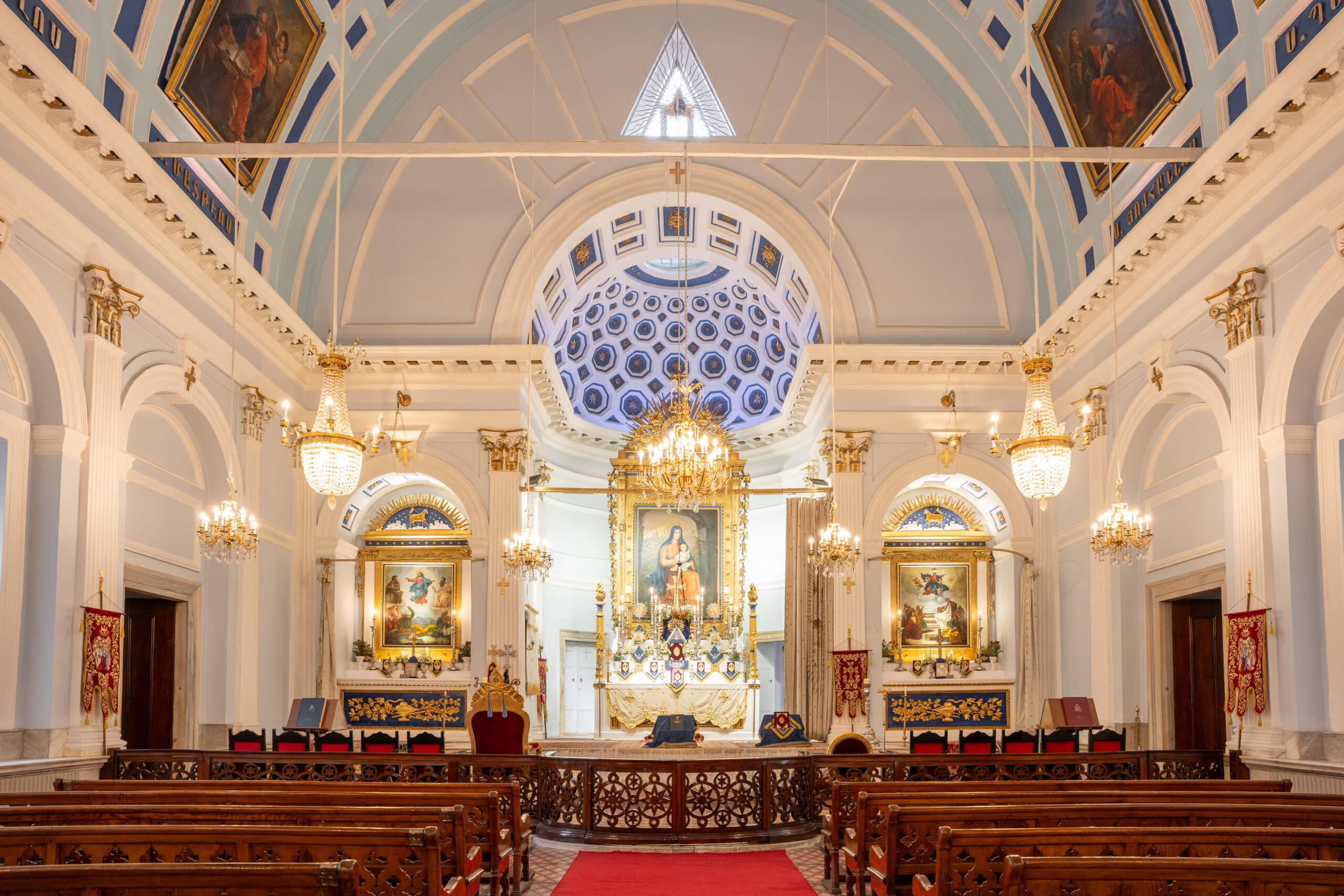
Credit: Fatih Yılmaz
For decades, the festival has brought some of the world’s most important musicians together with audiences in Turkey. Looking back, what do you think has been the festival’s most significant contribution to the country’s cultural life?
I believe the festival’s most important role has been to build bridges. On one hand, it has connected audiences in Turkey with some of the world’s leading artists; on the other, it has helped integrate Turkish artists and cultural production into the international music scene.
Beyond that, for more than half a century, the festival has become a symbol of cultural continuity. It has created a living cultural memory that has endured through changing eras, social conditions and generations. To me, that is every bit as valuable as the concerts themselves.
At this point, I would like to express our gratitude to our festival sponsor Borusan Holding, all our performance sponsors, supporters, Lale Kart members and, of course, our audiences.
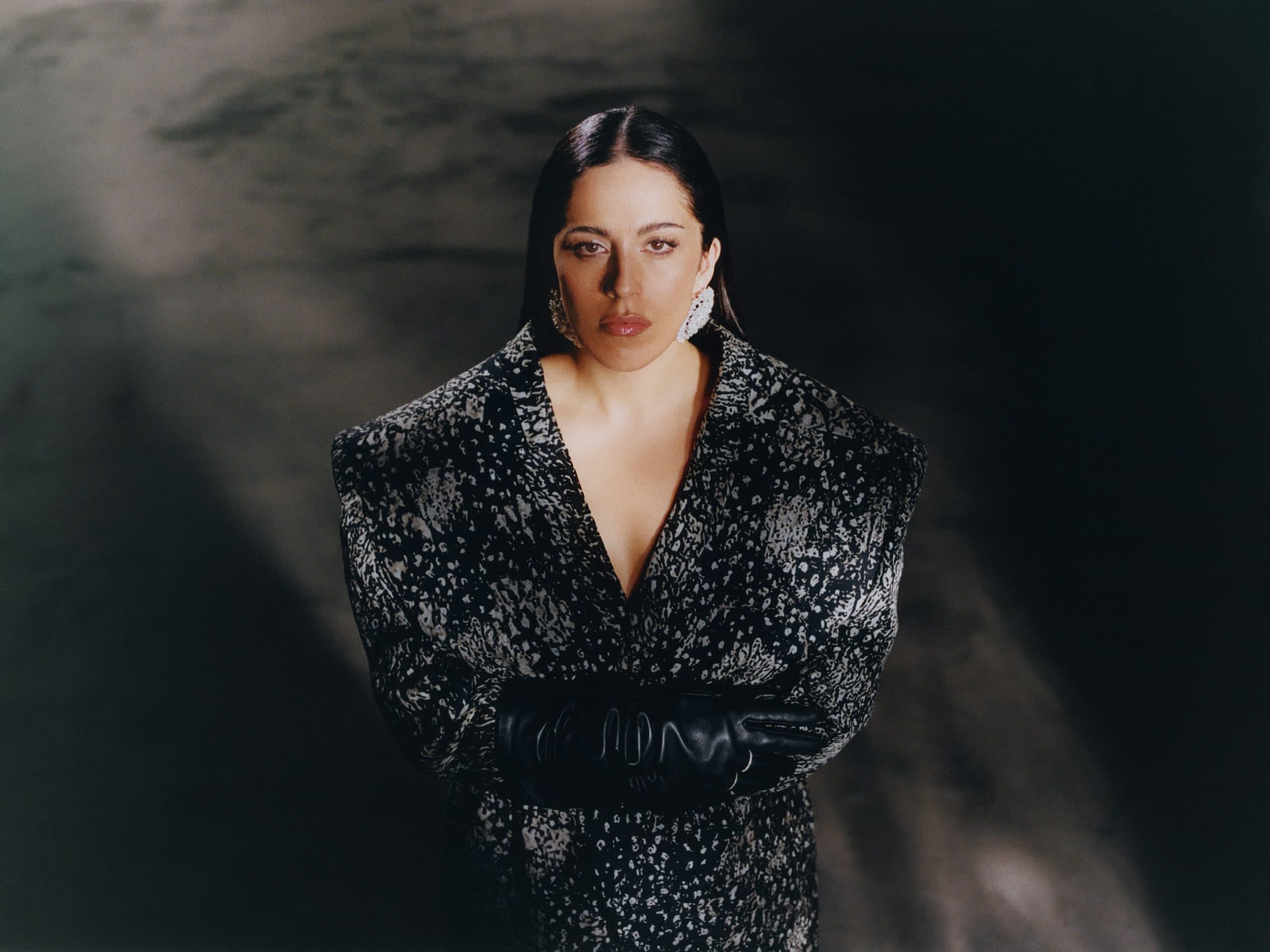
A Night Of Fado At The Museum / Credit: Maria Rita
Looking at the festival’s 54-year history, what has been the most significant change since its early years? And what core value do you believe should never change?
The greatest change has been the expansion of the festival’s scope and perspective. While the festival was initially focused primarily on concerts, today it encompasses interdisciplinary projects, commissioned works, accessibility initiatives, youth programmes and educational activities, forming a much broader ecosystem.
What should never change is the commitment to quality and artistic curiosity. Since its founding, the festival’s defining characteristic has been its determination to seek out the best, remain curious about the new and share these discoveries with audiences in Istanbul. As long as we preserve that sense of curiosity, the festival will continue to thrive.
Efruz Çakırkaya / Credit: Fatih Yılmaz
To conclude with a more personal question: you studied Italian Language and Literature and later lived in Florence. Looking back, how have literature and exposure to different cultures influenced your decisions as a festival director today?
I believe they have had a profound influence. Studying literature taught me not only how to read texts, but also how to recognise layers of meaning, connect different narratives and understand multiple perspectives. In many ways, programming a festival is similar. You do not think about a concert in isolation; you consider it in relation to other concerts, venues, artists and the festival’s overall narrative.
Living in Florence allowed me to experience how culture can become a natural part of everyday life. I saw how art can exist not only in museums and concert halls but also in streets, public squares and the way people live.
I think I still approach festival programming from that perspective today. For me, music is not made up of sounds alone; it gains meaning through history, literature, architecture, cities and human stories. I try to shape the Istanbul Music Festival through this holistic lens.
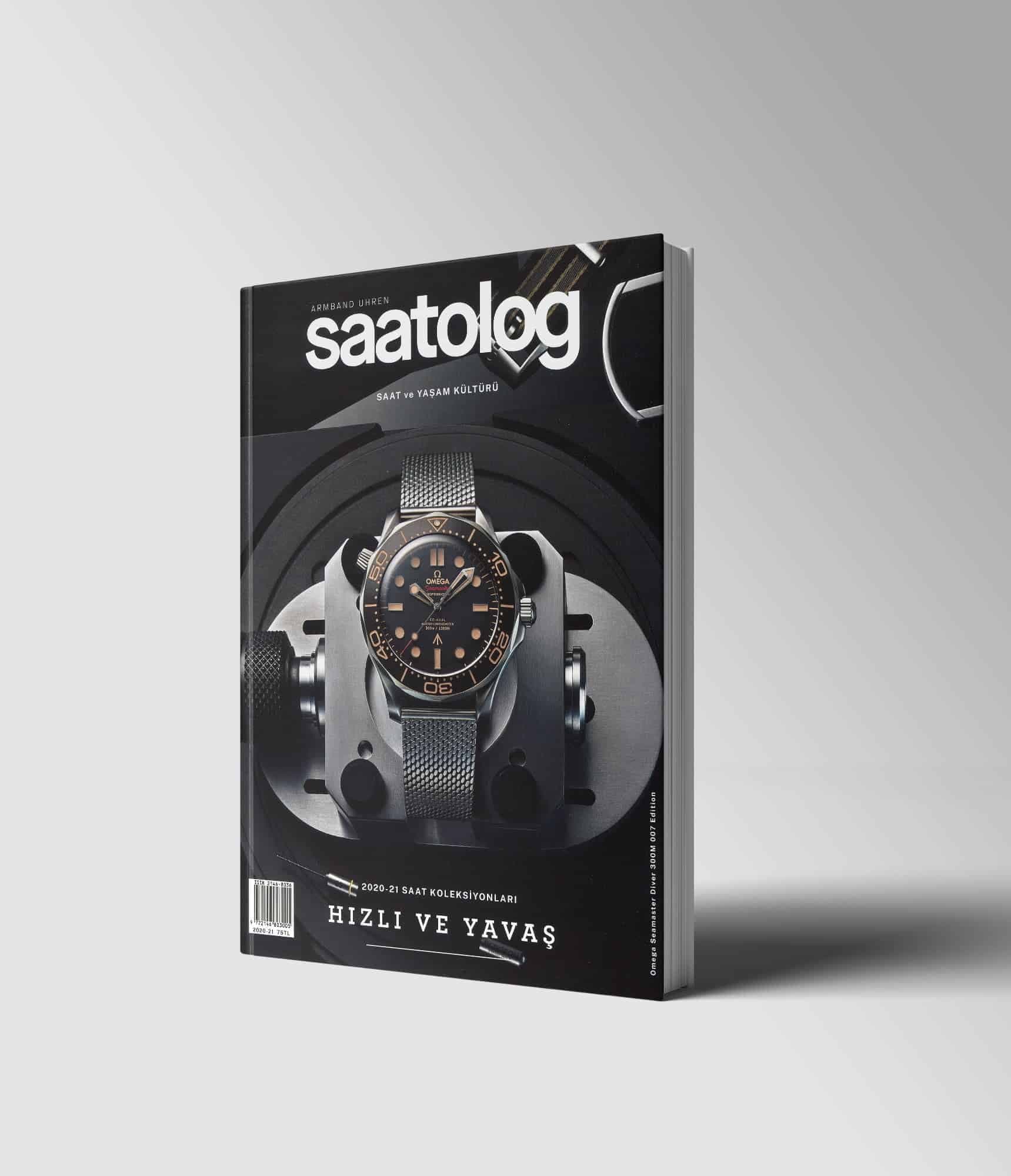
Saatolog Yıllık Saat Dergisi Saatolog’un yeni sayısı, 2020’nin yarattığı bu dönüştürücü etkiden ilham alarak hazırlandı. Dünya dijitalin etkisiyle her zamankinden de hızlı bir şekilde ilerlerken yavaşlamanın da önemini sonunda kavramış bulunuyoruz ve bu tezatlık hayatlarımızın her anına etki ediyor. Biz de bundan yola çıkarak Saatolog 2020/21 sayısını ‘‘hızlı ve yavaş’’ teması altında hazırladık.