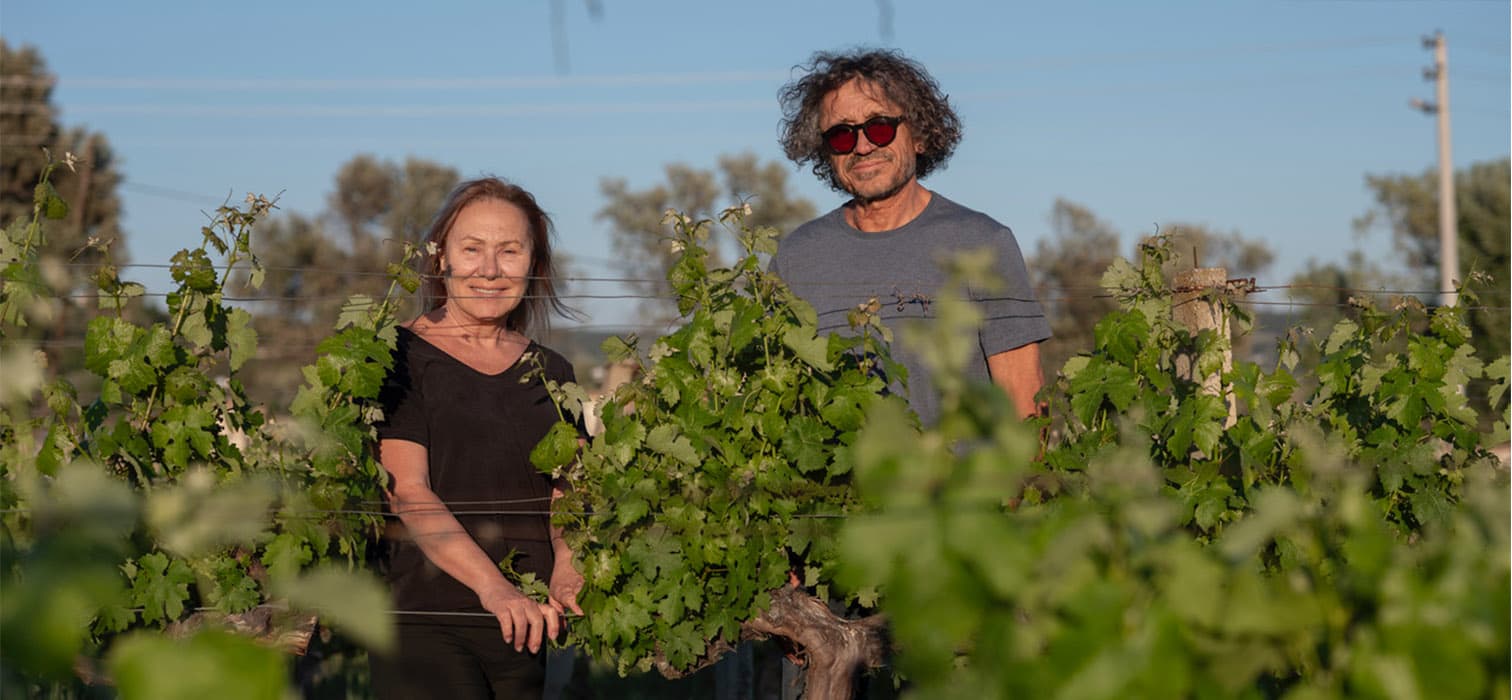
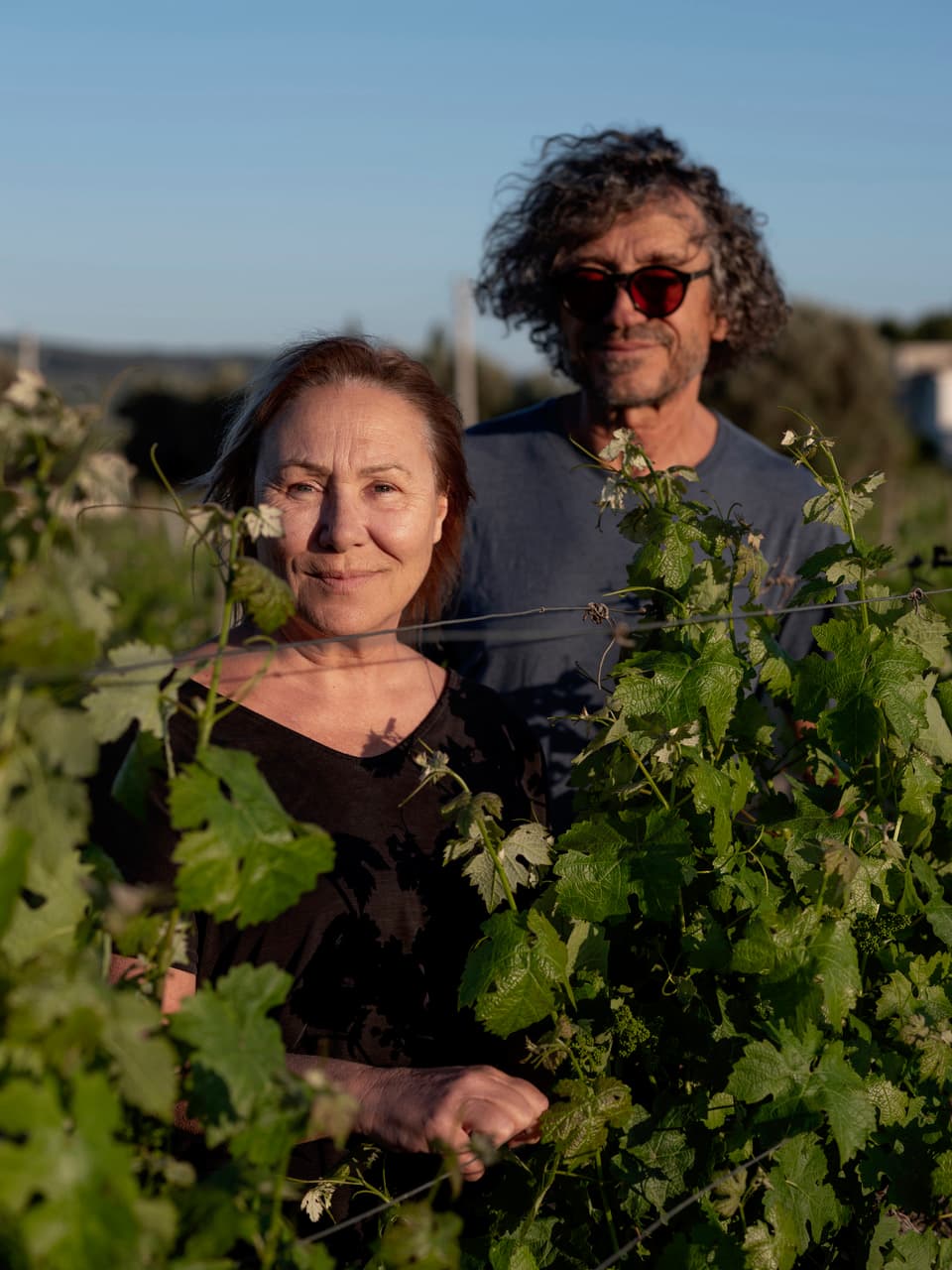
Bilge Bengisu Öğünlü and Reha Öğünlü brought a passion born in the United States to the soils of Urla. Today, Urlice stands as a testament to the labor that stretches from vineyard to bottle, a belief in local production, and the transformation story of Urla itself.
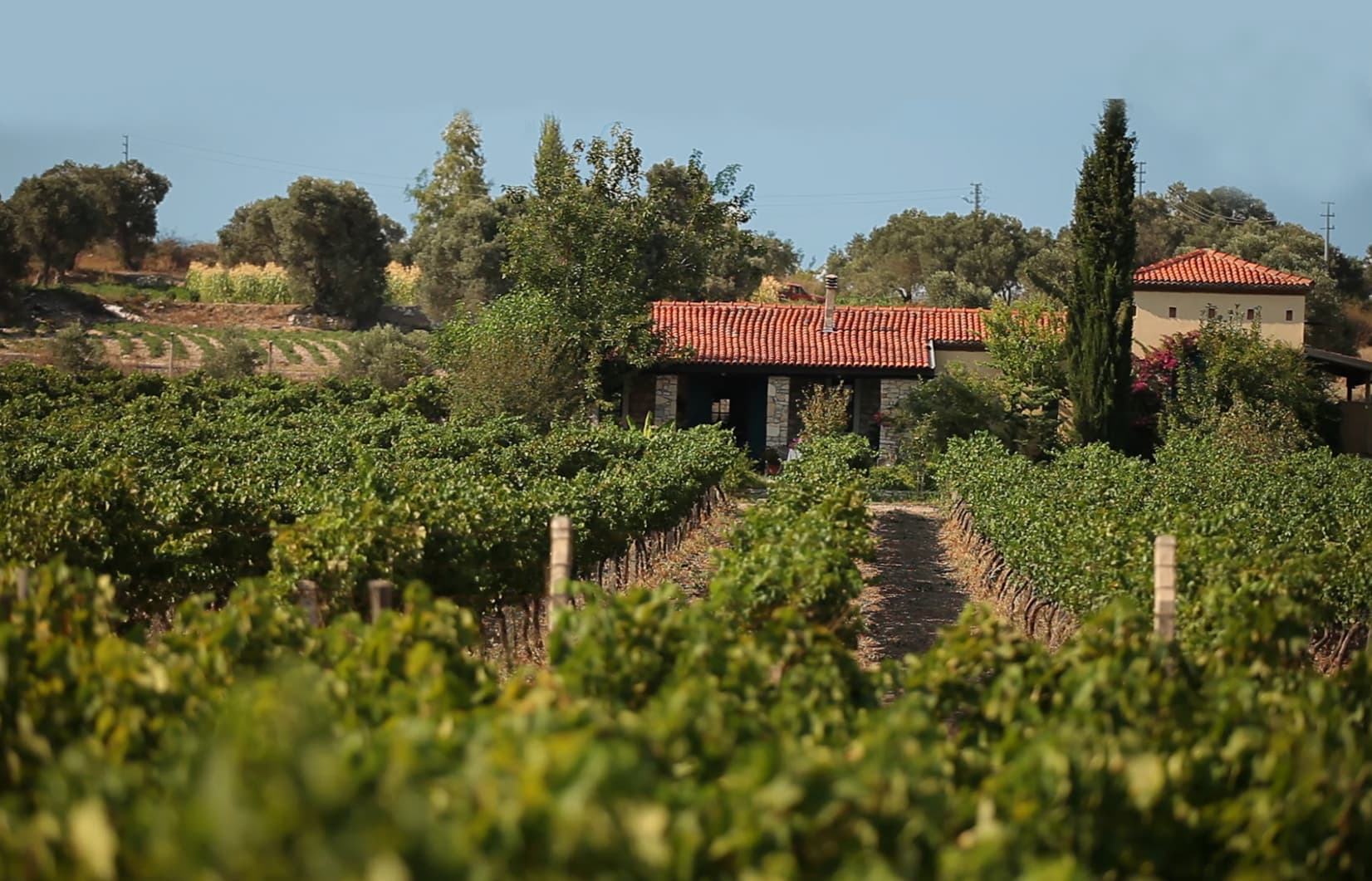
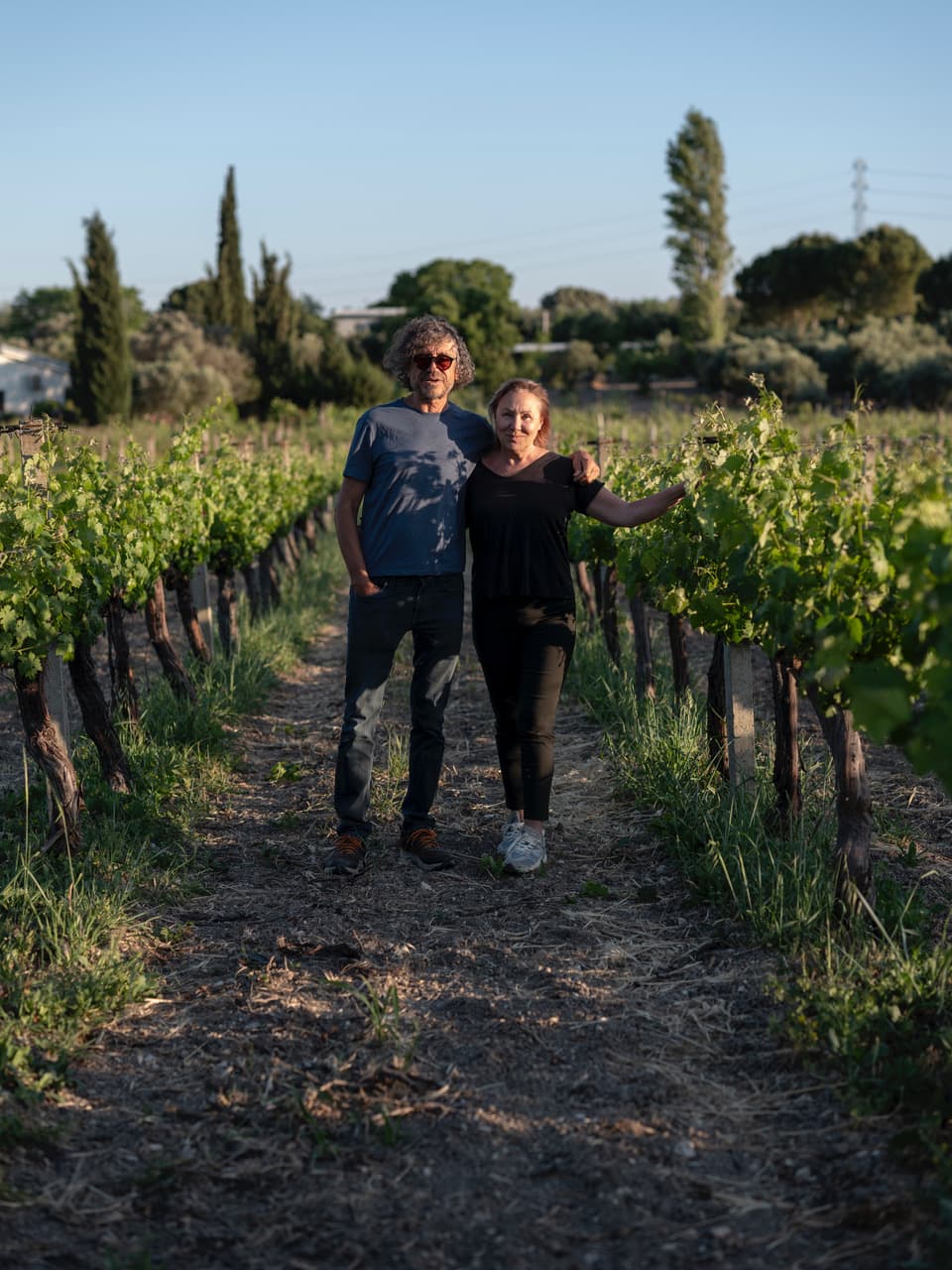
Urlice occupies a special place in Urla’s contemporary gastronomic and wine landscape. What began as Bilge Bengisu Öğünlü and Reha Öğünlü’s fascination with wine during their years in America eventually took root in a family-run estate in the İçmeler district of Urla. I first came across them in a 2006 issue of a monthly magazine dedicated to gastronomy and travel. In fact, I planned a trip just weeks later specifically to visit Urlice and meet Bilge and Reha Öğünlü. It has now been exactly twenty years since they welcomed us with their warm hospitality and unmistakable Aegean spirit.
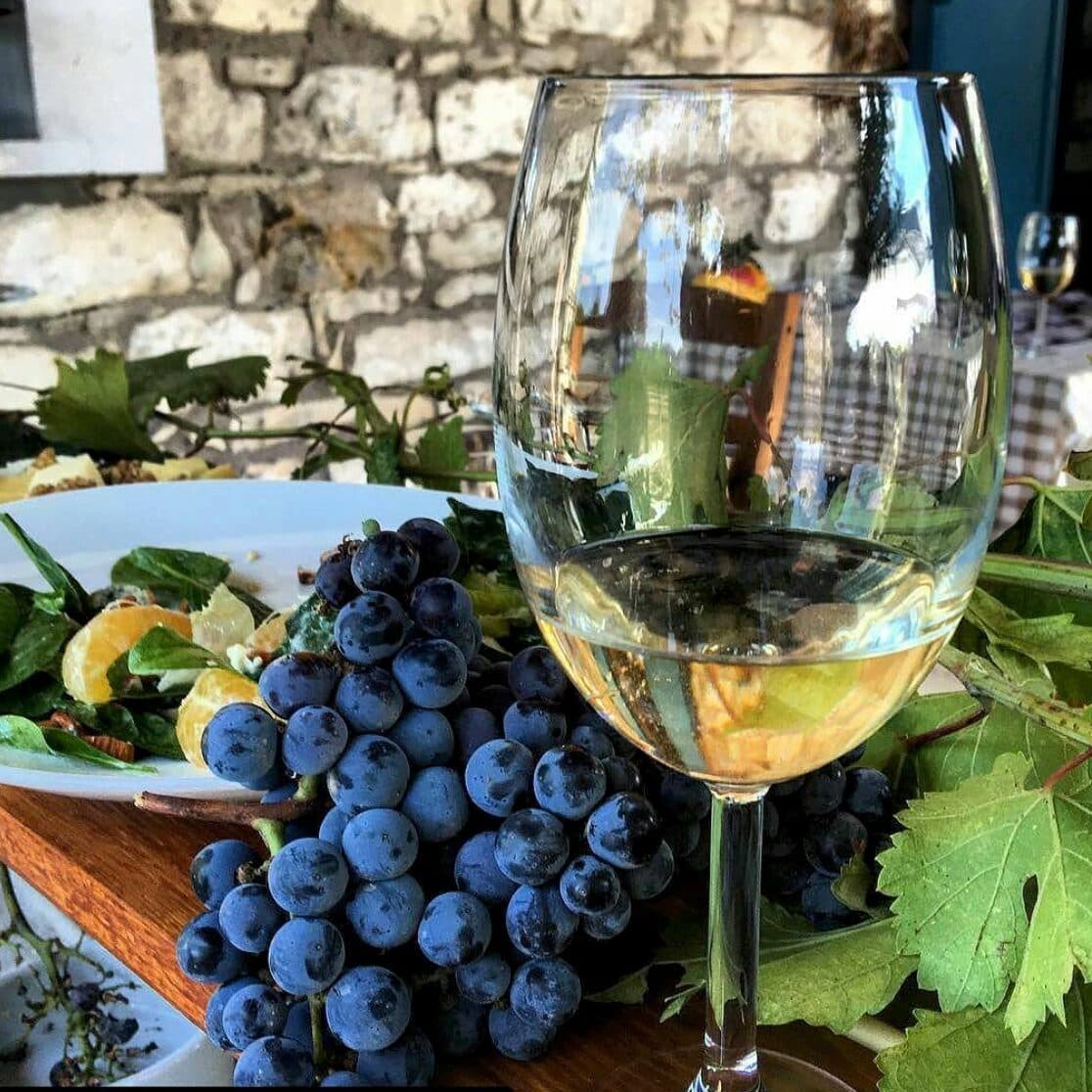
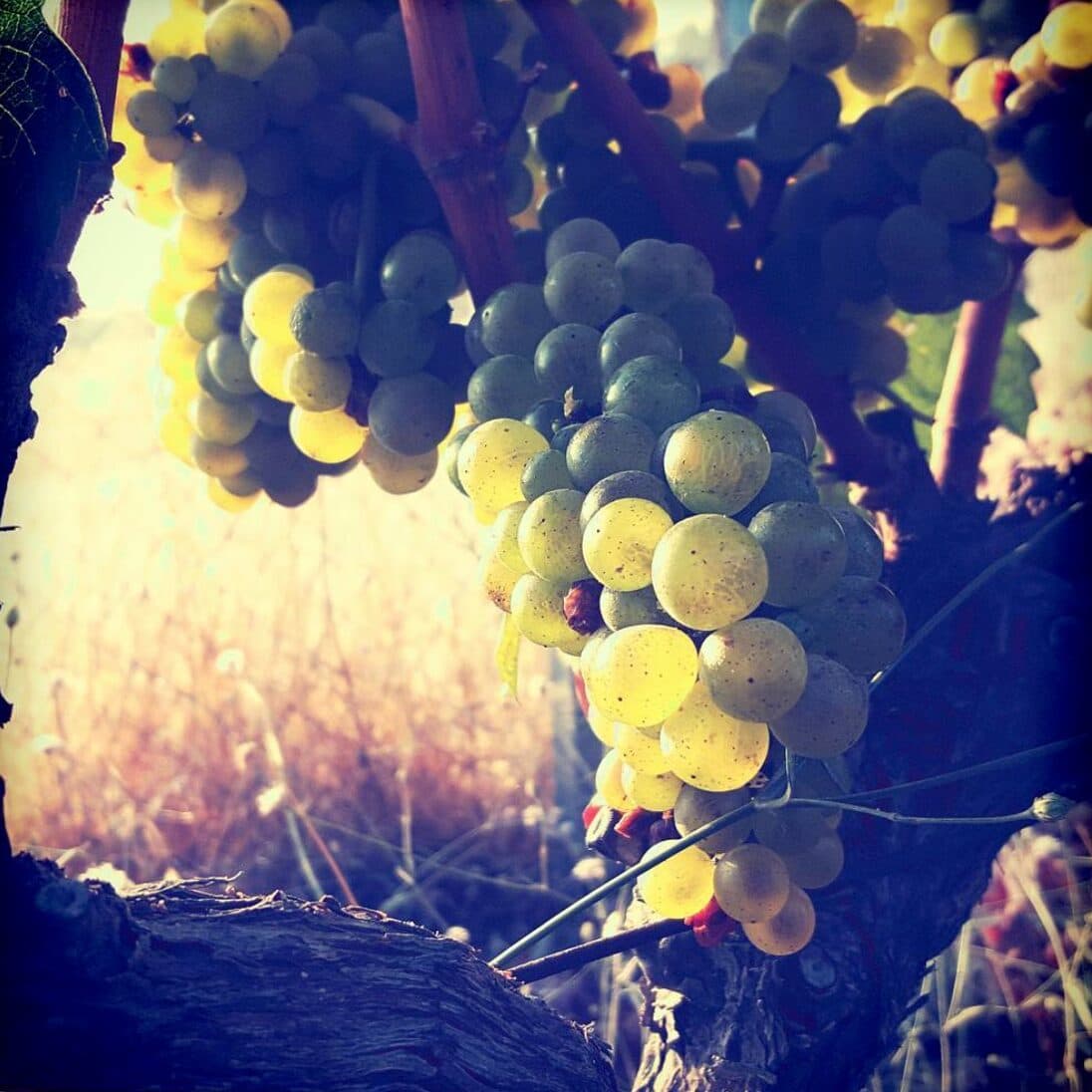
Bilge’s architectural background and problem-solving mindset combined with her deep commitment to Slow Food and local production, while Reha’s experiences in Napa and Sonoma shaped Urlice into the intimate, characterful, vineyard-centered estate it remains today. Urlice now draws attention with its château-style approach, producing wine exclusively from grapes grown in its own vineyards. Varieties such as Cabernet Sauvignon, Chardonnay, Syrah and Bornova Misketi are more than grapes here; they become storytellers that reveal different facets of Urla’s terroir. For Bilge and Reha Öğünlü, wine is a magical union of soil, labor, patience and humanity.
In this conversation, we discussed Urlice’s founding years, the early days of the Urla Vineyard Route, organic viticulture, the Slow Food philosophy, château-style production, Urla’s evolving gastronomic scene and the patience that vineyards teach over time. What Bilge and Reha share is also a heartfelt record of Urla’s journey back to its roots.
Urlice Vineyards
Bilge, when the idea of Urlice first emerged, how did people around you react? Were there those who asked, “What on earth are they doing?”
Bilge Bengisu Öğünlü: Even before it had the name “Urlice,” the idea of returning home and becoming winegrowers certainly surprised many of our friends in the United States. Some wondered why we would leave behind all the opportunities that country offered and return to our old homeland. Perhaps it also made them question their own beliefs. But our close circle in Turkey responded with tremendous excitement and support.
Among all the vineyards and wineries you visited during your years in America, which one influenced you the most, Reha? Did you bring any ideas back to Urlice?
Reha Öğünlü: I visited countless wineries, both large and small, in regions such as Napa and Sonoma. The strongest impression they left on me was this: producing wine is possible, but tourism is essential if you want to sell it successfully. From the very beginning, I envisioned Urlice as a small family-run winery, and I wanted it to remain that way.
Moving from architecture to viticulture is quite a radical decision. Looking back today, what similarities do you see between the two disciplines?
Bilge Bengisu Öğünlü: The most significant similarity is problem-solving. Architects constantly operate within a complex interaction of technical requirements, materials, budgets, creative impulses and the needs and desires of the end user. While winemaking may not be quite as complex, I see many parallels.
In wine production, terroir and climatic conditions determine the quality of the raw material—the grapes—but growers and winemakers still have techniques available to work with those conditions. The real question is what they wish to achieve. Where does the vigneron want to take the material that the vineyard and the soil have provided that year? That is where the creative and philosophical process enters the equation.
Urlice Vineyards
I clearly remember that you were among the first producers in the region. What was the biggest challenge during those early years? Climate, bureaucracy or convincing people?
Reha Öğünlü: Without question, bureaucracy. Securing the necessary permits took nearly two years. We had little experience with the regulations, and the authorities were equally unfamiliar with boutique, château-style wineries like ours. We were among the pioneers, and together we navigated many unknowns.
When you look back at the story of Urlice, is there a moment or feeling that still gives you the same excitement as the very first day?
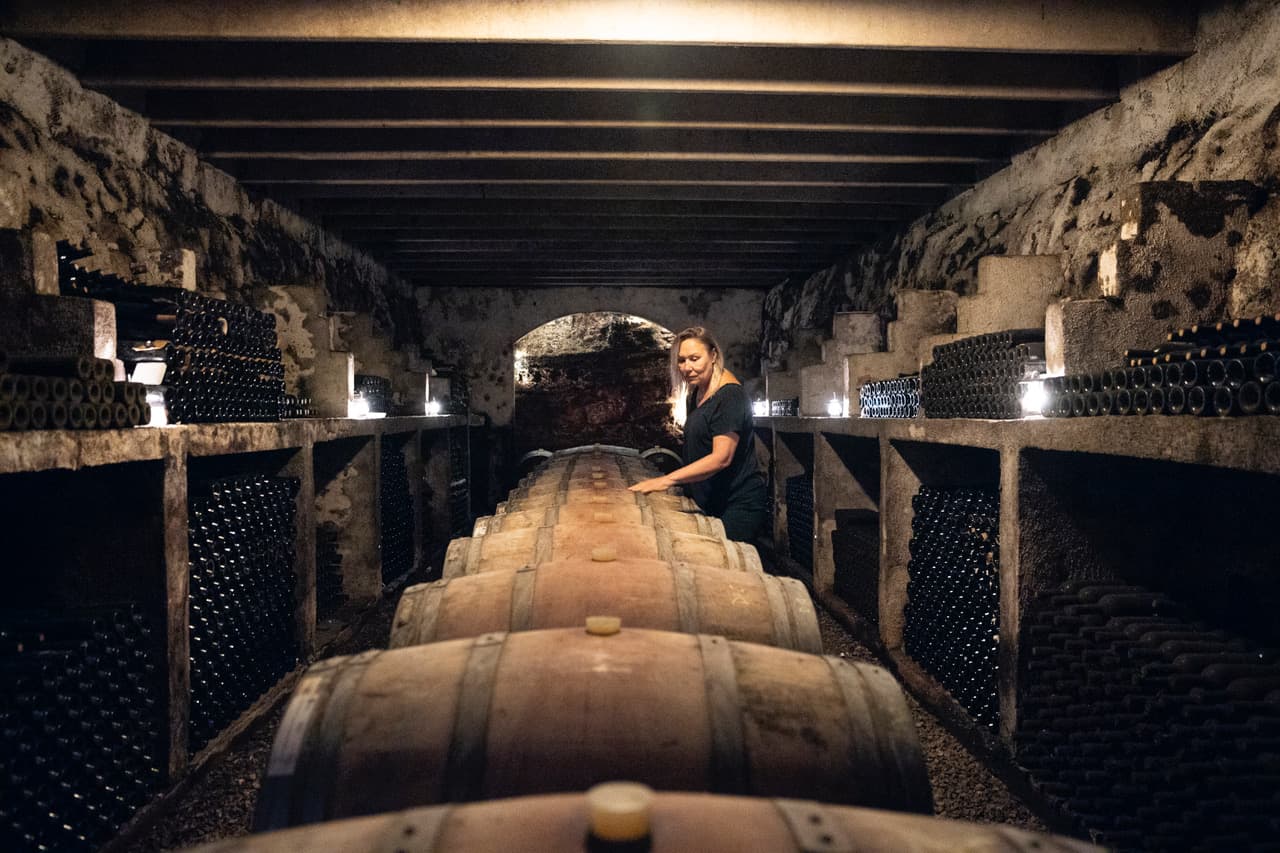
Bilge Bengisu Öğünlü: Whenever I open a bottle from our cellar—whether it’s from 2006, 2009 or even older—I feel the same excitement, perhaps even more. Seeing how that wine has evolved is like seeing a summary of all the labor, worries and joys of those years.
What is the happiest moment for you in the vineyard? Watching the grapes ripen, harvest time or the day the first wine goes into barrel?
Bilge Bengisu Öğünlü: What a wonderful question. For me, watching the grapes ripen and seeing them safely reach harvest day without damage is the greatest joy.
There is so much labor involved in growing grapes. Years ago on Bozcaada, I met an elderly vineyard worker whose hands were cracked like the soil and whose face was weathered by the sun. He told me, “I visit every vine seven times.” He meant that over the course of a season he nurtured each vine repeatedly—clearing weeds, hoeing, pruning, applying Bordeaux mixture and sulfur, removing unwanted shoots, and doing it all over again after every rainfall.
Some years, those seven visits become twelve or even more. There is immense effort involved. There is hope for a good harvest. Sometimes harvest brings joy, sometimes disappointment. When disappointment comes, I remember a saying I love: “A farmer’s hope is always next year.” The bond with the land and the promise of the next season always remain fresh. That hope keeps farmers young.
Bradley Secker / Panos Fotos
If you had to choose between a wine that is technically flawless and one that has real character, which would you prefer?
Reha Öğünlü: As a producer and vineyard owner, I believe character is the single most important quality a wine can possess. Perfection is not what matters most. What matters is whether the wine has character, whether it reflects its terroir and the conditions of a particular vintage.
For me, the most important factor is achieving a style where the character shaped by nature combines harmoniously with the character created through viticultural practices, winemaking decisions and the choices of the production team.
Do you have a memory from the early days of the Urla Vineyard Route that still makes you smile today?
Reha Öğünlü: I often think back to the discussions among the five winery owners during the early planning meetings for the Urla Vineyard Route. Looking back, many of those moments are quite amusing and remain wonderful memories for us.
I remember one meeting in particular when one winery owner jokingly advanced toward another with a broomstick. It had us all in fits of laughter. The disagreement itself was over something incredibly trivial and insignificant.
Bilge Bengisu Öğünlü: When we first returned to Turkey and began planting our vineyards, we were helped by veteran growers who came directly from Urla’s longstanding viticultural tradition. These experienced elders, who had inherited their knowledge through generations, looked at us with a certain skepticism. They were probably wondering, “How are these newcomers going to pull this off?”
We arrived armed with modern knowledge and the ambition to revive viticulture on Urla’s ancient soils. Yet we could never agree on vine spacing. We wanted dense planting, while they advocated wider spacing based on their understanding of local conditions.
In the end, we insisted on our approach and the planting began. Around midday we left for town to take care of a few errands. When we returned, we discovered that the elders had quietly adjusted the spacing according to their own preferences and continued planting that way. We were shocked! Eventually we reached a compromise somewhere in the middle, and looking back, it was probably the right decision.
How do you think wine culture in Turkey has changed over the last twenty years? Do people approach wine differently today?
Reha Öğünlü: When I look back over the past twenty-four years, I see that wine culture in Turkey has developed rather slowly. This becomes evident through the way our visitors engage with wine and through the conversations I have with them during tastings.
That said, curiosity is far greater than it used to be. At the very least, people no longer step aside saying, “I don’t know much about wine.” Instead, they are making a genuine effort to learn.
Urlice Vineyards
Bilge, is the Slow Food movement simply a gastronomic philosophy for you, or is it a way of life?
Bilge Bengisu Öğünlü: While living in the United States, we became familiar with Farmers Markets and Food Co-ops—models that emphasized bringing clean, simple and chemical-free ingredients to the table.
After returning to Turkey, a friend introduced me to the Slow Food movement. I began reading and thinking about it extensively. Carlo Petrini, the founder of the movement and, sadly, someone we recently lost, was a thinker whose books and writings I devoured. In 2006, shortly after our winery was established, he visited Urlice. Meeting him and speaking with him strengthened our belief in the movement.
Slow Food has never been merely a gastronomic movement. In fact, it was Carlo Petrini who coined the term “food porn” to describe the transformation of food into a photographic commodity in modern culture. The philosophy behind Slow Food connects food to history, society, ecology, ethics and sustainable systems through a holistic perspective. So yes, I would absolutely call it a way of life.
What is the most important thing you have learned from each other throughout the journey of Urlice?
Reha Öğünlü: Patience, understanding and the ability to listen to one another. These are the foundations of making this work sustainable.
Bilge Bengisu Öğünlü: After forty-three years together, there are countless things we have learned from one another. Some of them become such an integral part of who you are that you no longer distinguish where they came from. If I had to name a few, I would say the importance of statistical thinking, the belief that family and work come before everything else, and learning to listen to my body.
People often say that viticulture teaches patience. What is the greatest life lesson the vineyard has taught you?
Reha Öğünlü: Never say, “I know everything about this.” Every year, after harvest when November arrives, I find myself saying, “Just wait until next year—you’ll see. I won’t make that mistake again.” These days, I no longer feel frustrated by that reality. I simply try to do a little better every year.
When you think about the terroir of Urla, which grape varieties have excited you the most over the years? Are there any grapes you believe could become the region’s signature in the future?
Reha Öğünlü: From the very beginning, Cabernet Sauvignon has been one of the varieties I trusted most and believed suited the terroir of Urla perfectly. I also believe Chardonnay and Syrah produce truly remarkable wines in these soils. And of course, we must not forget our Bornova Misketi. Hopefully, we will surprise the world with that grape as well.
Bilge Bengisu Öğünlü: One of the most exciting moments for me was hearing a wine expert who had once said, “Cabernet Sauvignon can never work in Urla,” visit Urlice and then admit, “It seems Urla’s microclimate really is different.” And then there are the whites. Both Chardonnay and Misket produce wines that are highly aromatic yet also structured and mineral-driven. I believe white wines—and especially Misket—have the potential to become one of Urla’s defining signatures in the future.
Bradley Secker / Panos Fotos
If you could travel back in time and speak to yourselves when Urlice was first founded, what advice would you give?
Bilge Bengisu Öğünlü: “Don’t put your hand under every stone.”
Do you think there are still things missing in Urla’s transformation as a gastronomy and wine destination?
Reha Öğünlü: The fact that wines produced in Urla reflect the region’s unique character and terroir is a tremendous source of pride and happiness. This success has transformed Urla into one of Turkey’s leading gastronomic destinations. Urla’s fine dining scene does not have centuries of history behind it; its greatest achievement is that it has emerged within the last five to ten years.
However, this rapid growth has also brought certain cultural shortcomings. Gastronomy leaders and restaurateurs should remember that half of a great menu is food, while the other half is wine.
In the world’s great wine regions, such as Bordeaux, local cuisine is naturally paired with local wines. Rather than imitating distant culinary cultures such as Mexican or Japanese cuisine, restaurants should focus on creating menus that highlight Urla’s own terroir and local identity.
In short, Urla has become an outstanding gastronomy and wine destination in a remarkably short time. Yet to reach its full potential, restaurants must focus less on global trends and more on the harmony between local wines and local cuisine—on the identity of Urla itself.
For many people, wine is simply a beverage. What is wine to you?
Bilge Bengisu Öğünlü: I almost wish people saw it merely as a beverage. Most people categorize wine as an alcoholic drink. Yet wine is a product of fermentation. Alcohol is not produced separately and later added to grape juice. Alcohol is created through fermentation and then, through distillation and various aging processes, becomes what we call spirits. But wine is neither simply an alcoholic beverage nor grape juice.
Wine is a magical union bestowed by nature—or by the soil—to people, and then shared by people with one another. Nothing is added from the outside. We may describe winemaking broadly as fermentation, but we also know that wine is far more than fermentation alone. Otherwise, we would simply call it “new wine” or, in its most fashionable form, “Beaujolais.” A mature wine has traveled somewhere entirely different.
Urlice Vineyards
Urlice Vineyards
Among all the wines you have produced, which label has affected you most emotionally, and why?
Reha Öğünlü: Our 2008 and 2009 Cabernet-Syrah blends were truly transformative for me. They were exceptional wines, one after another. They achieved success in Turkey, won awards and impressed both experts and, naturally, myself.
Bilge Bengisu Öğünlü: The first wine that comes to mind is our 2006 Cabernet Sauvignon. Back then, there were virtually no suppliers serving boutique wineries. There were no specialized label printers or equipment manufacturers. We had to build and commission everything ourselves. The small fermentation tanks we wanted simply did not exist. To have our first tank made, we visited nearly every boiler manufacturer in İzmir’s industrial district before finally finding someone capable of working properly with 316 stainless steel and finishing the welds to our standards.
The situation was similar with labels. We found a boutique printing house in Istanbul that could achieve the quality we wanted, but the label paper was not self-adhesive. Every single label had to be glued on by hand.
Eventually, we released Urla’s and Urlice’s very first Cabernet Sauvignon with that label. We exhibited it at a trade fair. Later, I realized that both our gold label and our rich, full-bodied style inspired a number of respected producers that were much larger than we were.
While many producers around the world source grapes from outside growers, others embrace a vineyard-to-bottle philosophy closer to the French château tradition. How would you define Urlice’s position on this? How important is this approach in expressing a wine’s true sense of place?
Bilge Bengisu Öğünlü & Reha Öğünlü: Urlice is a classic château-style estate. We produce wine within our own vineyards using grapes grown exclusively by us. Our vineyards and winery are located on the same property. Our storage facilities and bottling operations are also housed within the estate. In that sense, it is entirely fair to describe us as château winemakers.
This is important because the grapes reach the tanks without extensive travel or unnecessary handling. We cultivate the vineyard with a clear vision of the wine we want to create. As a result, wines with genuine character emerge.
Bradley Secker / Panos Fotos
What feeling would you like guests to take with them when they leave Urlice?
If you could sit down and open a bottle of wine with any three people in the world, living or deceased, who would they be?
Reha Öğünlü: One would be my late father. He passed away before seeing our life in wine. He never really drank alcohol or smoked, yet whenever wine was served at the table, he would happily enjoy a glass. The second would, of course, be my wife. We are completely united in this journey. I simply don’t enjoy wine as much when she is not there. As for the third, it would probably be one of my neighbors—someone who loves wine and with whom I genuinely enjoy sharing it. It could be my doctor, Andreas, or perhaps Seray from Vino Locale.
When you look at what Urla has become today, how close do you think it is to the vision you imagined years ago?
Reha Öğünlü: Looking at where we are today, I can honestly say that my dreams from twenty-five or thirty years ago have come true. Nothing is missing and nothing is excessive. I feel peaceful, comfortable and happy.
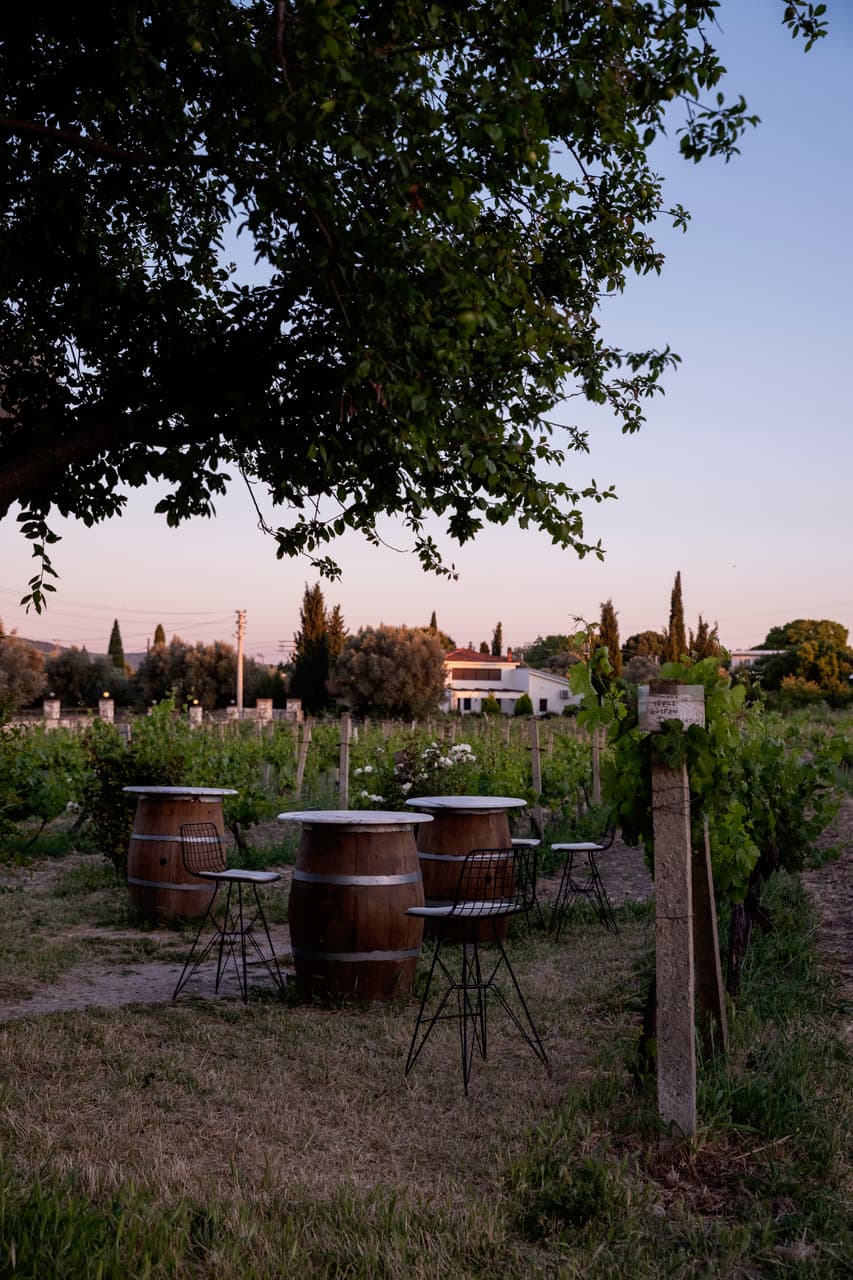
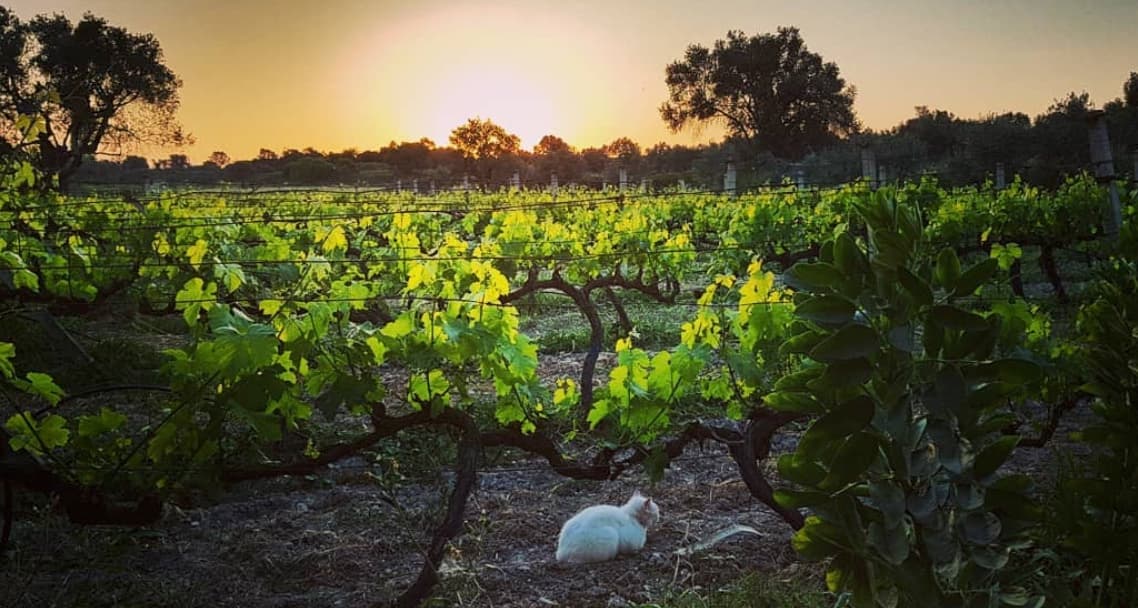
Bilge Bengisu Öğünlü: I’m not entirely sure whether we’ve come closer to the dream or moved further away from it. When we began, we didn’t have a detailed master plan for the future. We simply started. Of course, we had dreams: a peaceful life, waking up to birdsong every morning, ending each day with a crimson sunset, living without worries.
Looking back now, I can see that a significant part of that dream has become reality. But there is a caveat—it has never been easy, and it has certainly never been worry-free.
We wanted this sleepy coastal town, which we fell in love with, to remain as it was. We believed that by creating high-value products, farmers could continue farming and fishermen could continue fishing. Yet I have learned that this is not easy either. Even when it is possible, market forces often intervene, and dreams do not always align perfectly with reality.
Urlice Vineyards
You’ve been pursuing the same dream for years. Was there ever a period when you considered giving up? If so, what kept you going?
Bilge Bengisu Öğünlü: Yes, there are times when the daily difficulties and seemingly unsolvable problems make you forget that you are living in paradise. As I mentioned earlier, there is a saying that a hungry farmer is nourished by the belief that next year’s harvest will be better. We approach every challenge with the hope that things will improve. Our moral commitment to the land and to our labor keeps us fresh and motivated.
Reha Öğünlü: When I think about it, throughout my life I have turned many of my passions into professions—viticulture, winemaking, music, surfing and carpet trading among them. I never considered giving up any of them. I simply kept going. What sustained that persistence was not ambition. More than ambition, it was belief. I continued because I believed.
Twenty years from now, if someone were telling the story of Urlice, how do you think they should begin?
Bilge Bengisu Öğünlü: “They set sail into the unknown.”
Reha Öğünlü: “The place where Urla’s journey back to its roots began: Urlice.”
I’d like to end this wonderful conversation with a question I’ve been especially curious about. If only one album could play in the background as the sun set over the vineyard, which would you choose?
Bilge Bengisu Öğünlü: I would watch the sunset listening to “Górecki” from Lamb’s self-titled album Lamb. I’ve long admired the music of the Polish composer Henryk Górecki. Lamb’s interpretation is particularly meaningful to me because of its references to Górecki’s Symphony No. 3, Lou Rhodes’ crystal-clear voice and the song’s lyrics.
Reha Öğünlü: Rather than an album, I would choose a single piece: “Blue in Green,” performed by Miles Davis. Of course, it appears on Kind of Blue. If you ask me why, it’s because I believe it is one of the greatest jazz compositions ever recorded. The album itself is the same—one of the finest examples in the history of music. Yes, “Blue in Green” would be the soundtrack for us.