Surrounded by censorship yet liberated by imagination, Iranian cinema has long carved out a space of resistance—one that refuses to surrender its commitment to portraying human truth, even under the shadow of prohibitions. Here are some of the best films of Iranian cinema.
Despite unrelenting pressure and censorship, Iranian cinema has secured a special place in world film history by contributing a remarkable number of groundbreaking works. For the leading filmmakers of this tradition—whose stories are often drawn directly from real life—cinema is not only an artistic pursuit but also an act of existential defiance. Confronted with political repression, censorship, economic collapse, and social inequality, many of these films remain banned in Iran, and their creators live in exile.
This is why Iranian cinema transcends its national borders: it has become a universal narrative of people living under pressure—a brutally honest and sometimes heartbreakingly realistic effort to bring truth to the screen. Below are our selections from the must-see masterpieces of Iranian cinema.
Contents
It Was Just An Accident / Yek Tasadef Sadeh (2025)
Jafar Panahi
IMDB: 7.7
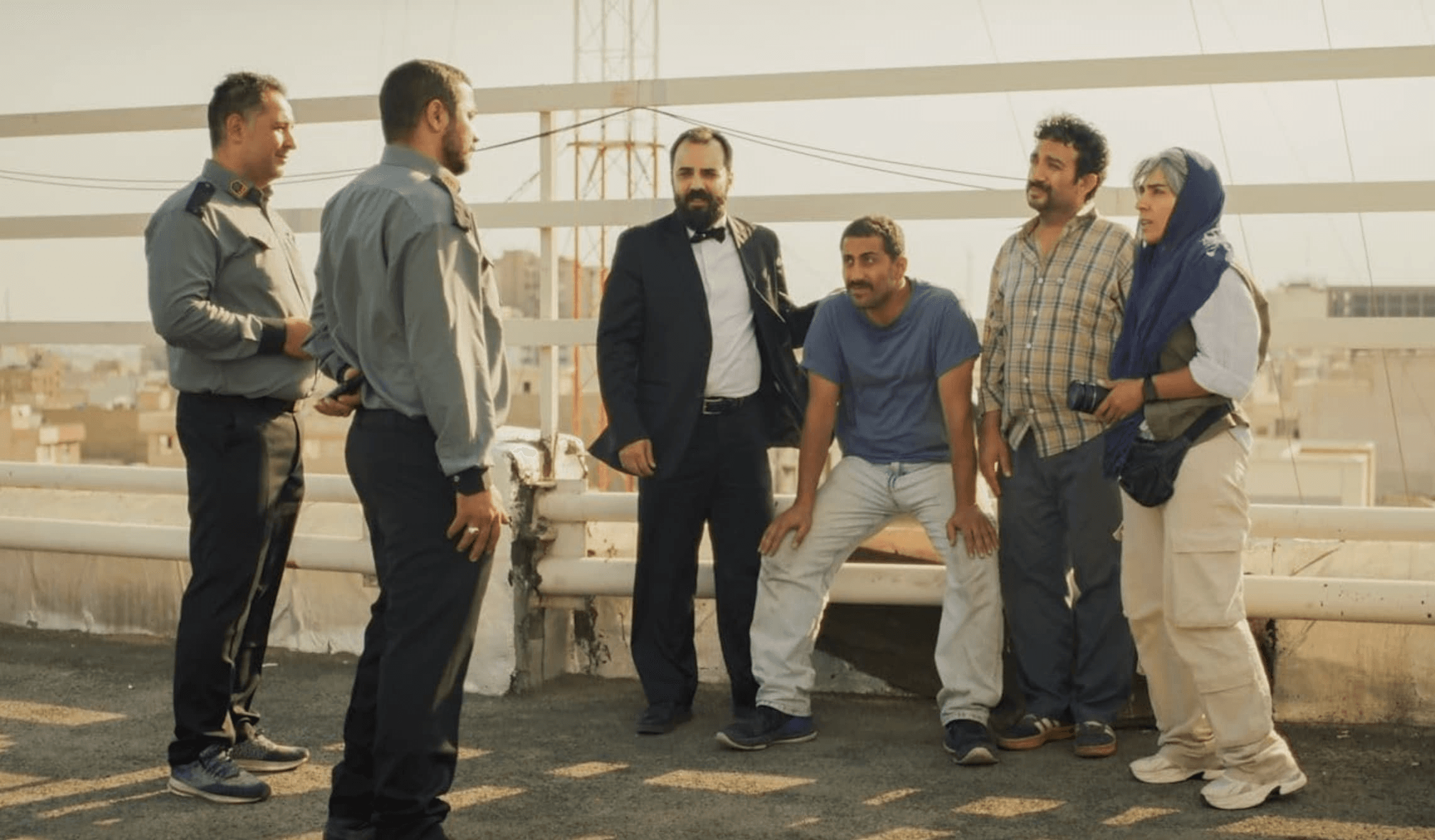
Jafar Panahi’s It Was Just an Accident—alternatively known as Invisible Accident—is a striking exploration of trauma, vengeance, and moral uncertainty under the suffocating grip of Iran’s authoritarian regime. One of the standout titles at this year’s Filmekimi program, the film departs stylistically from Panahi’s earlier works and even incorporates moments of humor.
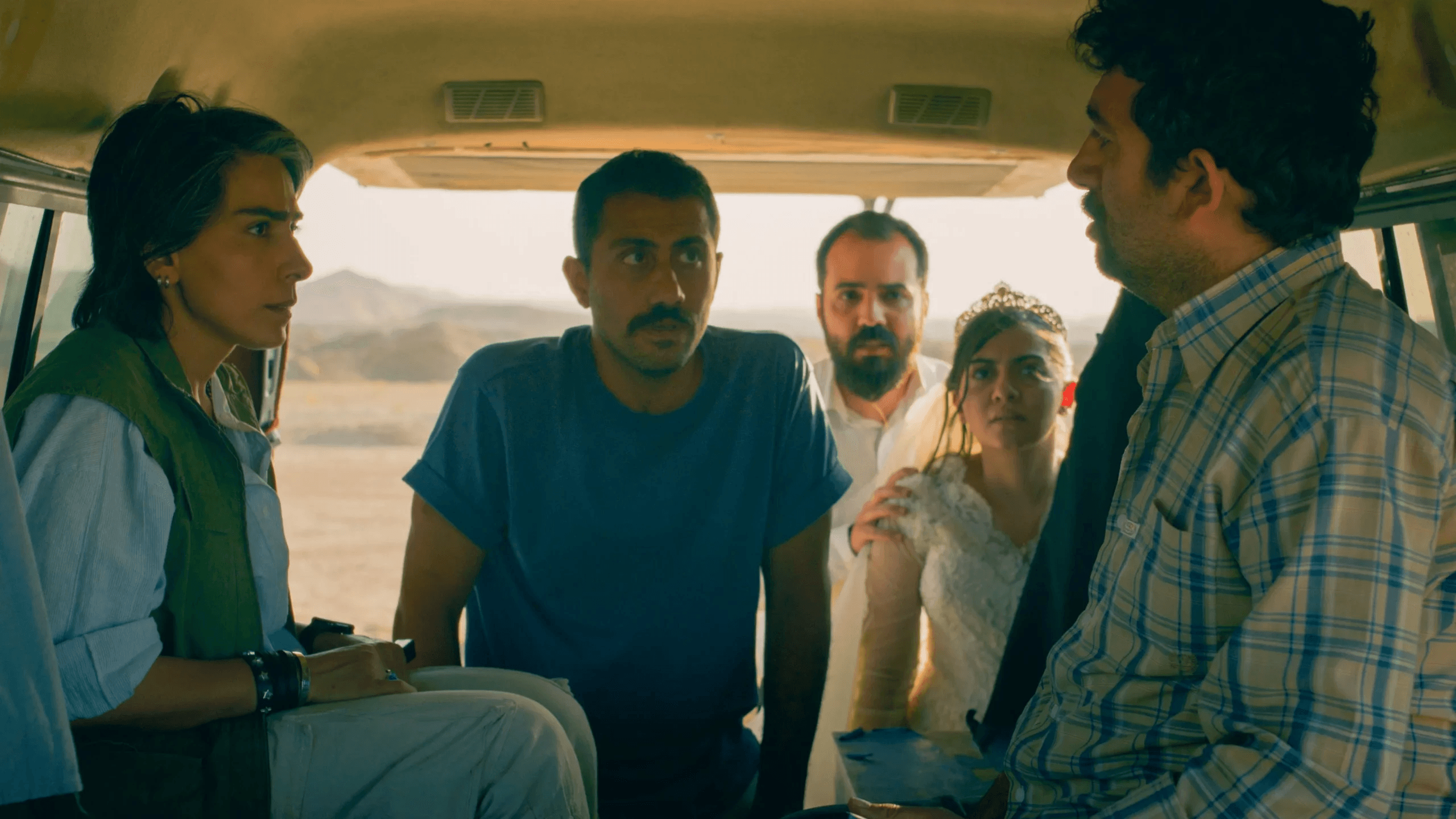
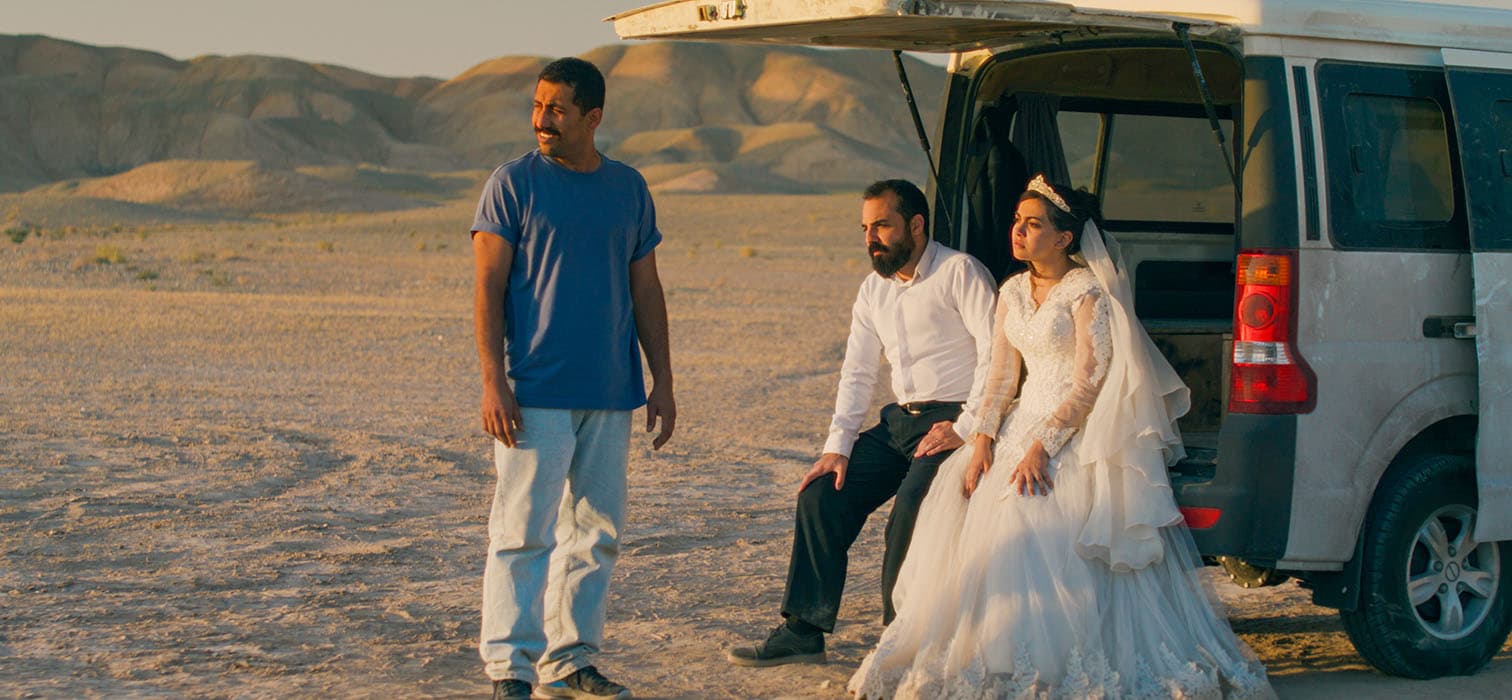
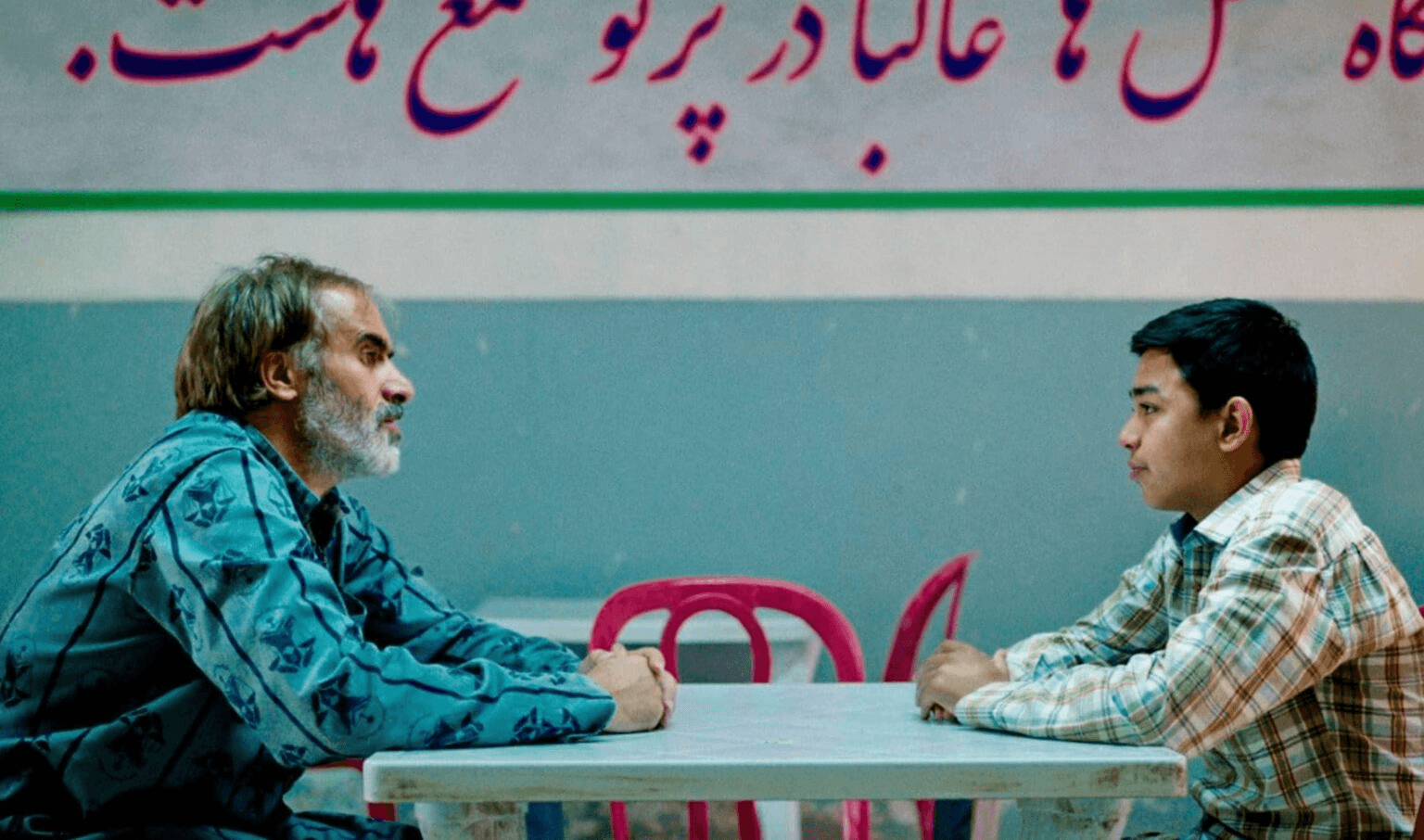
The story follows a man who believes he has encountered the person who once tortured him in prison. When he realizes that this supposed torturer is now a kind and devoted family man, he hesitates, torn between revenge and compassion. Enlisting other former victims, he draws them into his search for retribution. The unforgettable scene in which a bride and groom abandon their wedding midway to pursue the truth blends dark comedy with tragedy. Ultimately, the film’s humor gives way to a devastating finale. Winner of the Palme d’Or at the Cannes Film Festival, It Was Just an Accident was created after Panahi’s release from prison—filmed clandestinely, without official permission, and dedicated to those who remain behind bars.
Turtles Can Fly / Lakposhtha Parvaz Mikonand (2004)
Bahman Ghobadi
IMDB: 8.0
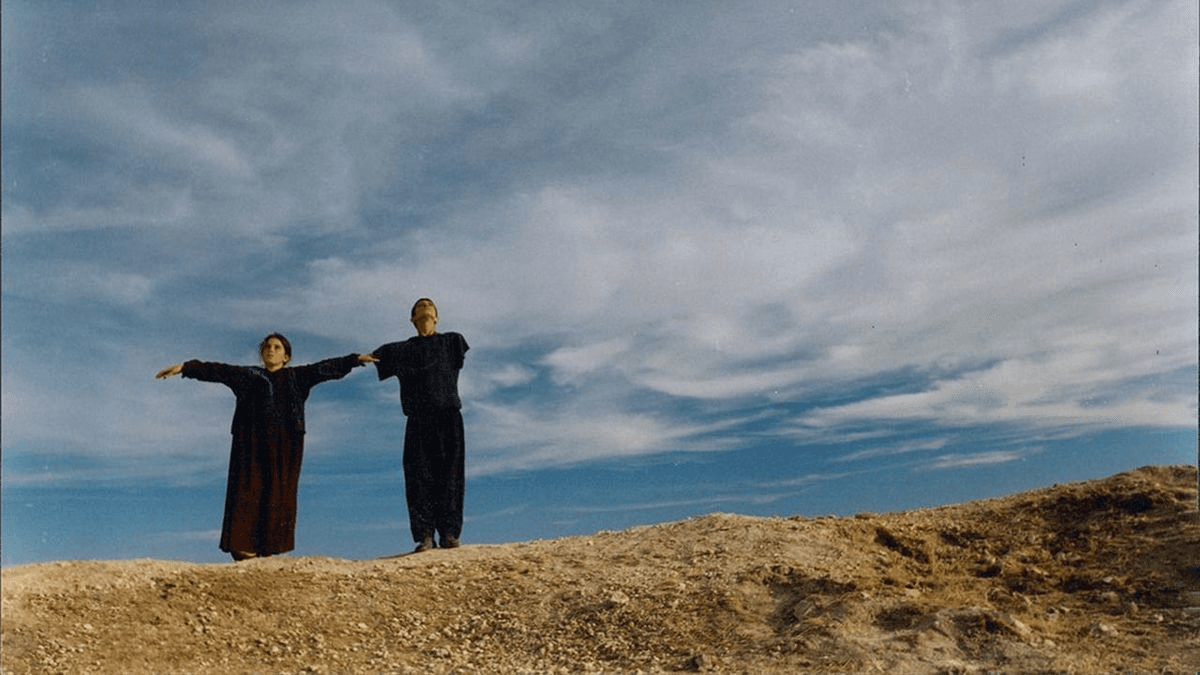
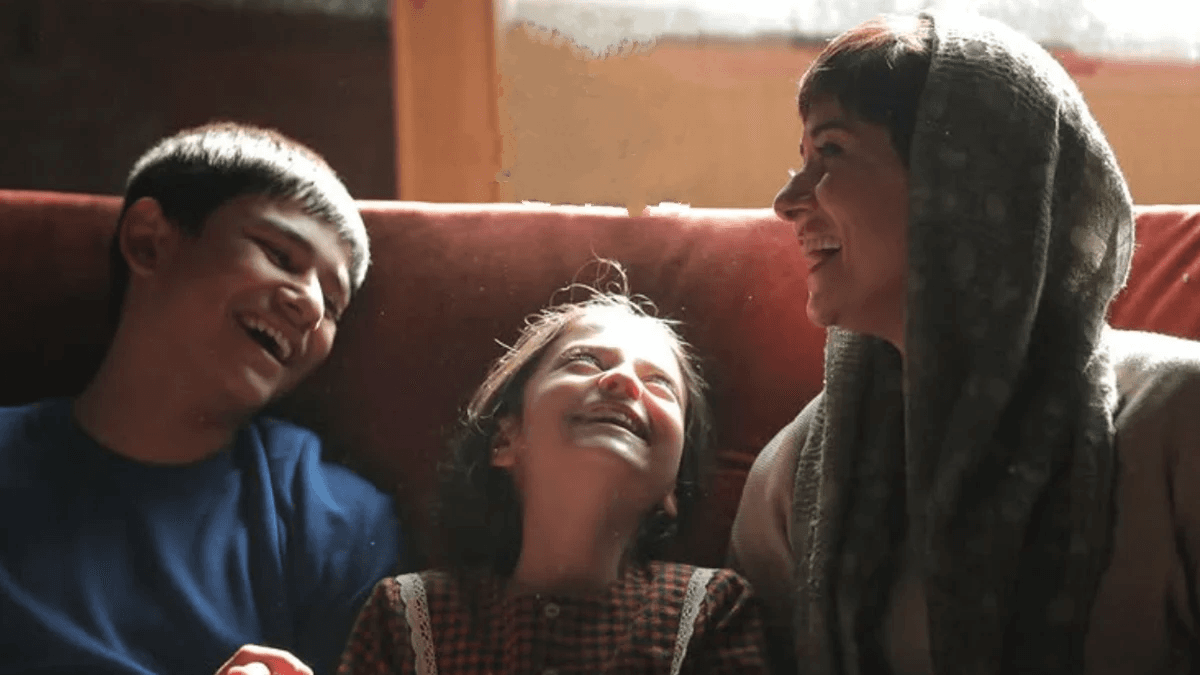
Bahman Ghobadi’s Turtles Can Fly is a haunting yet deeply humane portrayal of resilience and hope amid the darkness of war. Set in the Kurdistan region on the eve of the 2003 U.S. invasion of Iraq, the story unfolds through the eyes of children struggling to survive in a landscape scarred by violence. With documentary-like realism, Ghobadi captures the innocence, fear, and strength of these children, revealing the invisible trauma borne by the youngest victims of conflict. Yet even amidst pain, the film carries a quiet message of perseverance—showing that it is possible to smile, to love, and to help one another.
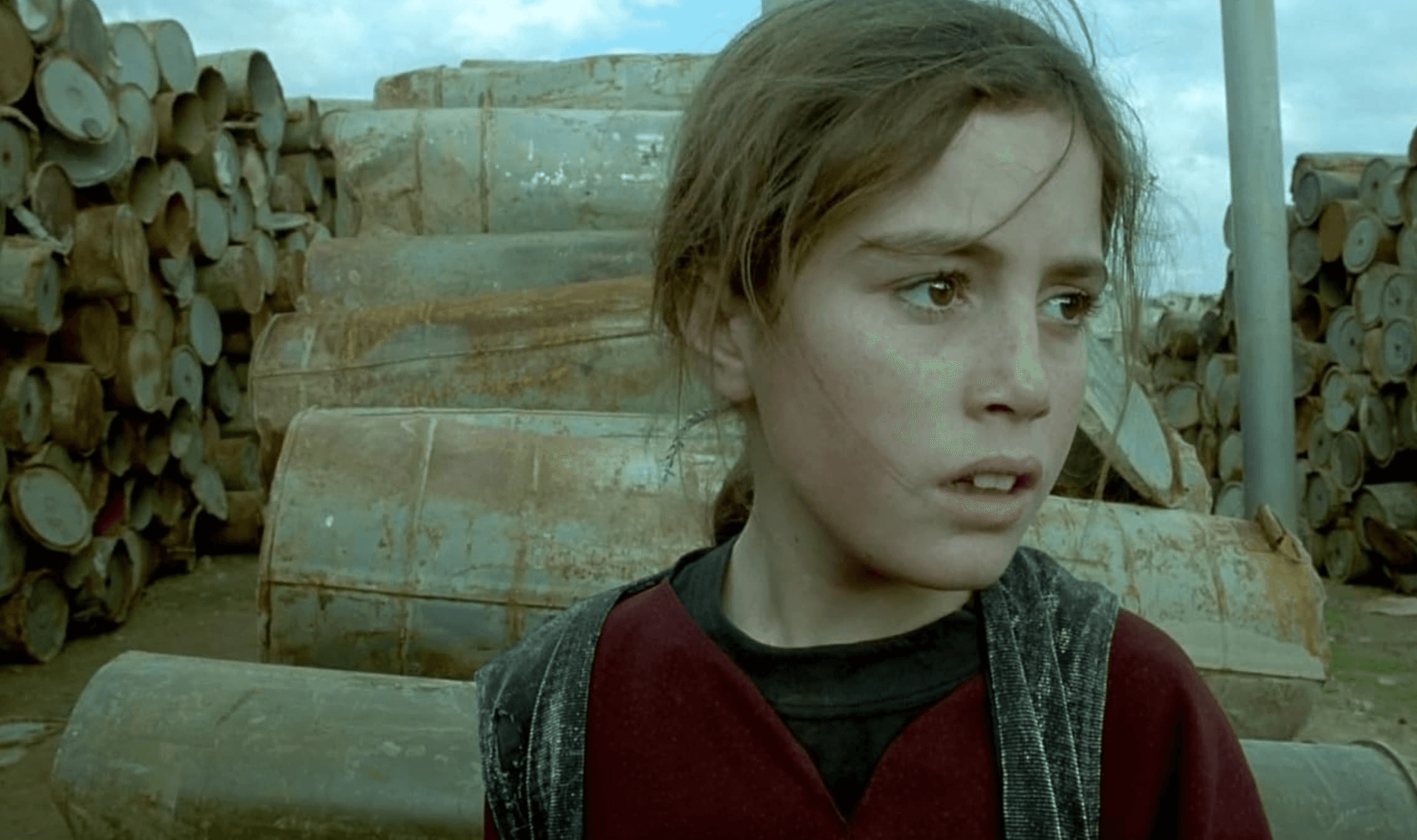
Turtles Can Fly is not just a war film; it is a profound reflection on the human condition, loss, and endurance. Through Ghobadi’s lens, fleeting moments of laughter among broken lives become symbols of humanity’s stubborn will to live. With moving performances and lyrical cinematography, the film stands as one of the most memorable achievements of Iranian cinema.
A Seperation / Jodaeiye Nader az Simin (2011)
Asghar Farhadi
IMDB: 8.3
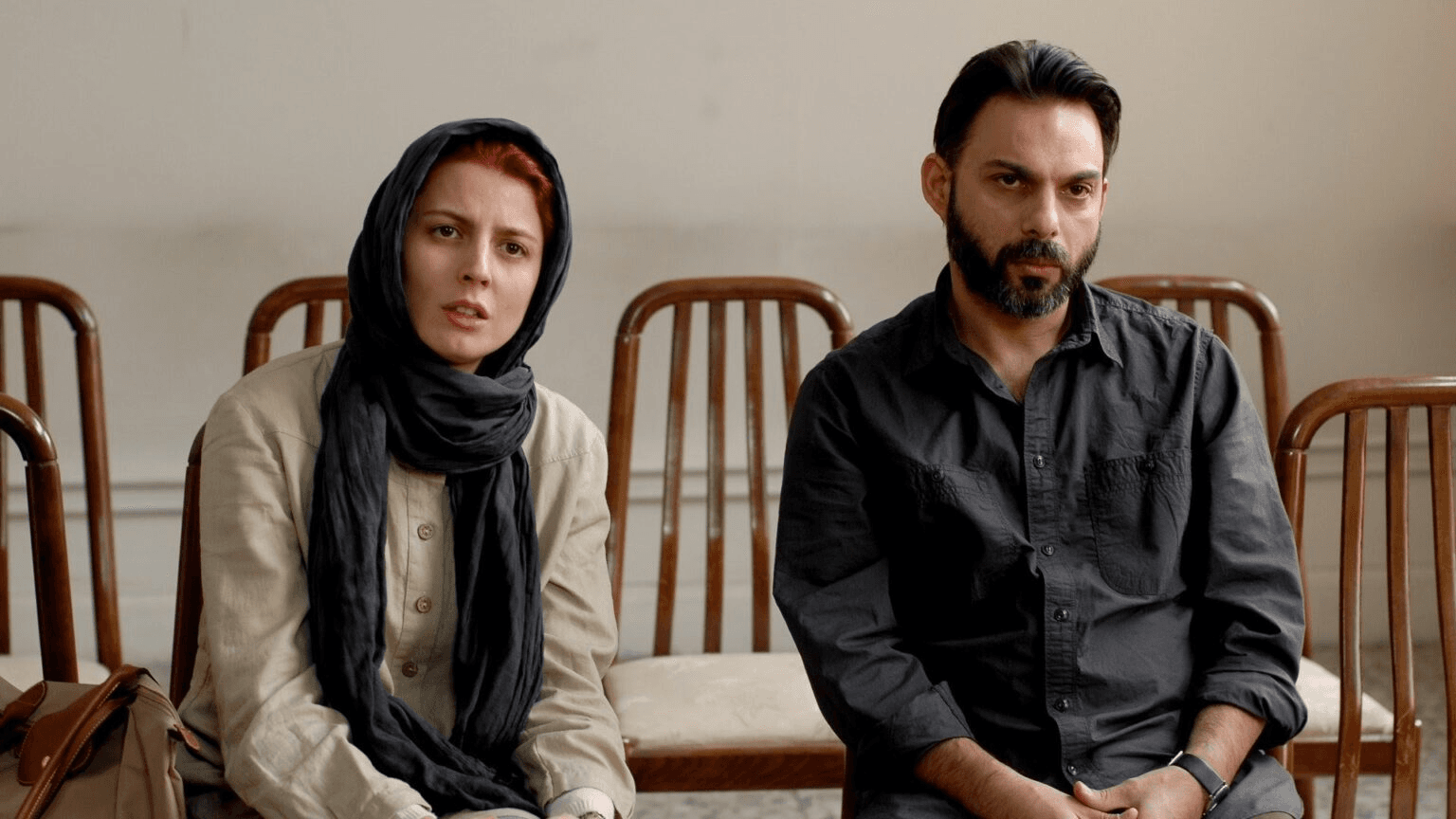
Winner of the 2012 Academy Award for Best Foreign Language Film—the first Iranian film ever to receive the honor—Asghar Farhadi’s A Separation is a masterwork of moral complexity. Through the story of a couple, Simin and Nader, whose marriage unravels, Farhadi examines not only personal conflict but also the social, ethical, and class tensions of contemporary Iran.
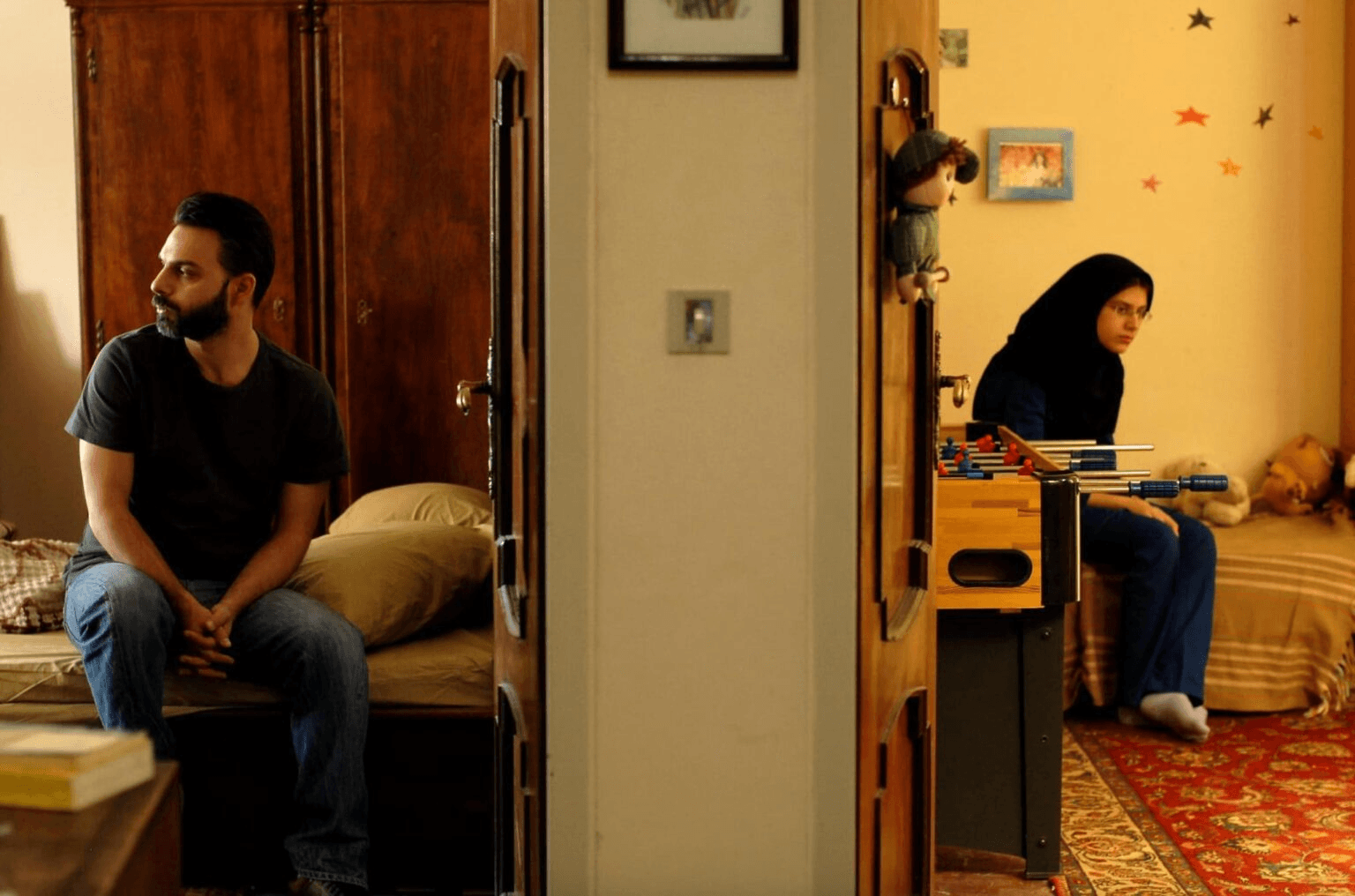
Each character inhabits a moral gray zone, caught between truth and survival. Courtroom scenes, domestic arguments, and religious dilemmas intertwine to reveal how fragile the notion of justice can be. Beneath the surface lies a deeper commentary on modern Iranian society—its suppressed anger, guilt, and inequality, and the shifting roles of women navigating a male-dominated world. A Separation transforms intimate drama into universal tragedy, compelling viewers to confront their own moral boundaries. By the film’s end, it becomes clear why its acclaim and awards are so richly deserved.
A Time for Drunken Horses/ Zamani Baray-e Masti-e Asbha (2000)
Bahman Ghobadi
IMDB: 7.7
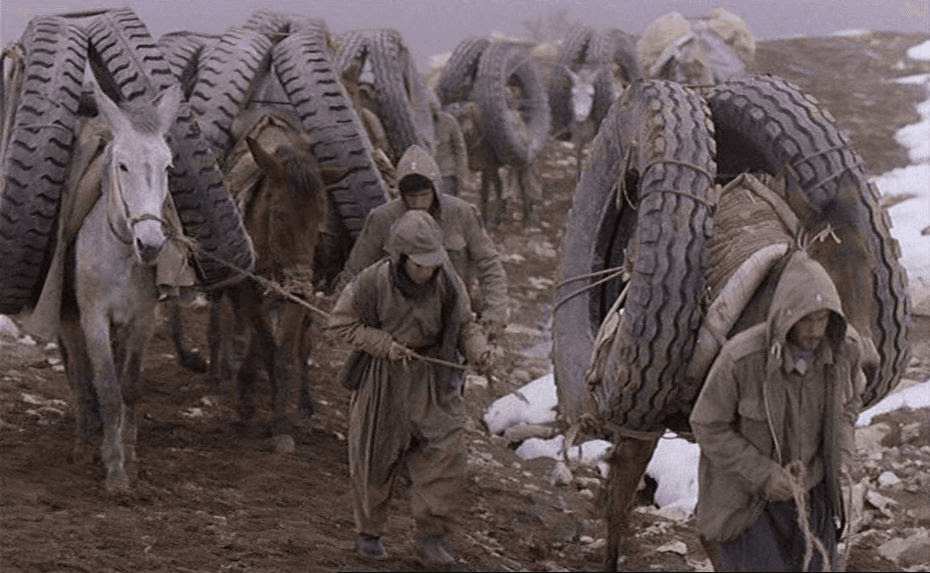
Also directed by Bahman Ghobadi, A Time for Drunken Horses—his debut feature and winner of the Caméra d’Or at Cannes—remains one of the rawest depictions of life in Kurdistan. Though its ending is abrupt and unresolved, the film leaves an enduring emotional impact. Through Ghobadi’s compassionate camera, we witness the cruel intersections of poverty, tribal tradition, and survival.
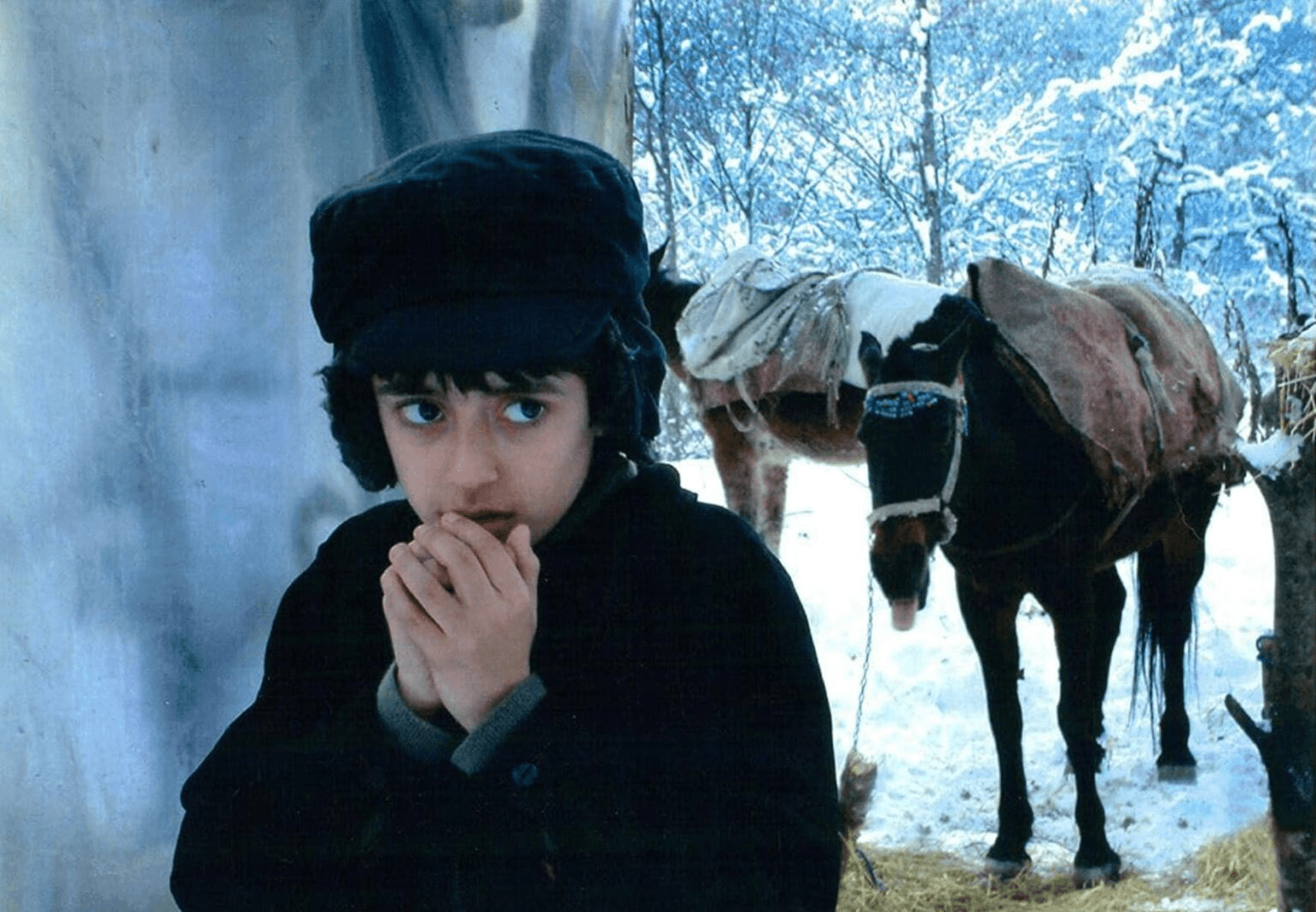
The story follows a young girl’s desperate struggle to find hope for her disabled brother within an unforgiving social order. Stark images of hardship—harsh winters, relentless labor, and women’s lack of agency—make this a difficult film to watch, but its humanity is profound. Amid the despair, small gestures of love and kindness offer fleeting yet powerful glimpses of redemption.
Leila’s Brothers / Baradaran-e Leila (2022)
Saeed Roustaee
IMDB: 7.9
Saeed Roustaee’s Leila’s Brothers tells the story of Leila, a woman who shoulders the burden of caring for her parents and four brothers while her family struggles to survive amid crippling inflation and economic sanctions. Determined to lift them from poverty, she devises a bold plan to change their fate.
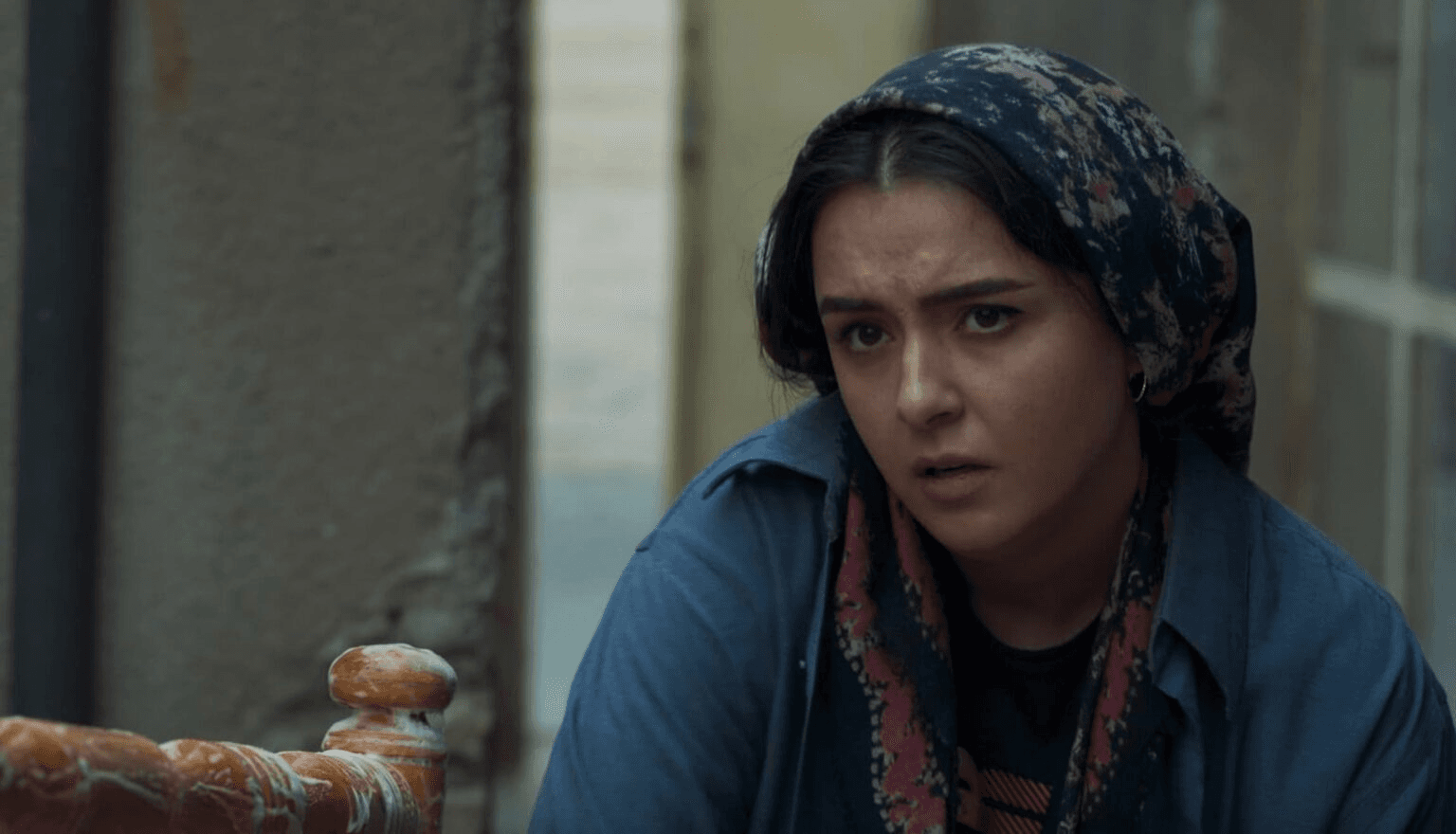
Winner of the FIPRESCI Award at the 75th Cannes Film Festival, this is Roustaee’s third and most acclaimed feature. The film paints a vivid picture of Iran’s socio-economic decay while celebrating the endurance and strength of women. Through its depiction of everyday conflicts, ambitions, and failures within a middle-class family, Leila’s Brothersbecomes a mirror of contemporary Iran. Despite its nearly three-hour runtime, the film captivates with its rhythm, realism, and emotional depth—a moving portrayal of love, dignity, and survival in a distorted world.
Holy Spider (2022)
Ali Abbasi
IMDB: 7.3
One of 2022’s most provocative films, Ali Abbasi’s Holy Spider is based on the true story of serial killer Saeed Hanaei, who murdered sixteen sex workers in Mashhad in 2000. Through a blend of fiction and reality, Abbasi reconstructs the chilling events while following a fictional female journalist investigating the case. By day, Hanaei appears to be an ordinary family man; by night, he becomes the self-proclaimed “Spider Killer,” convinced he is purging society of sin. Encouraged by a complacent police force that turns a blind eye to the murders of women, Hanaei demands recognition as a hero.
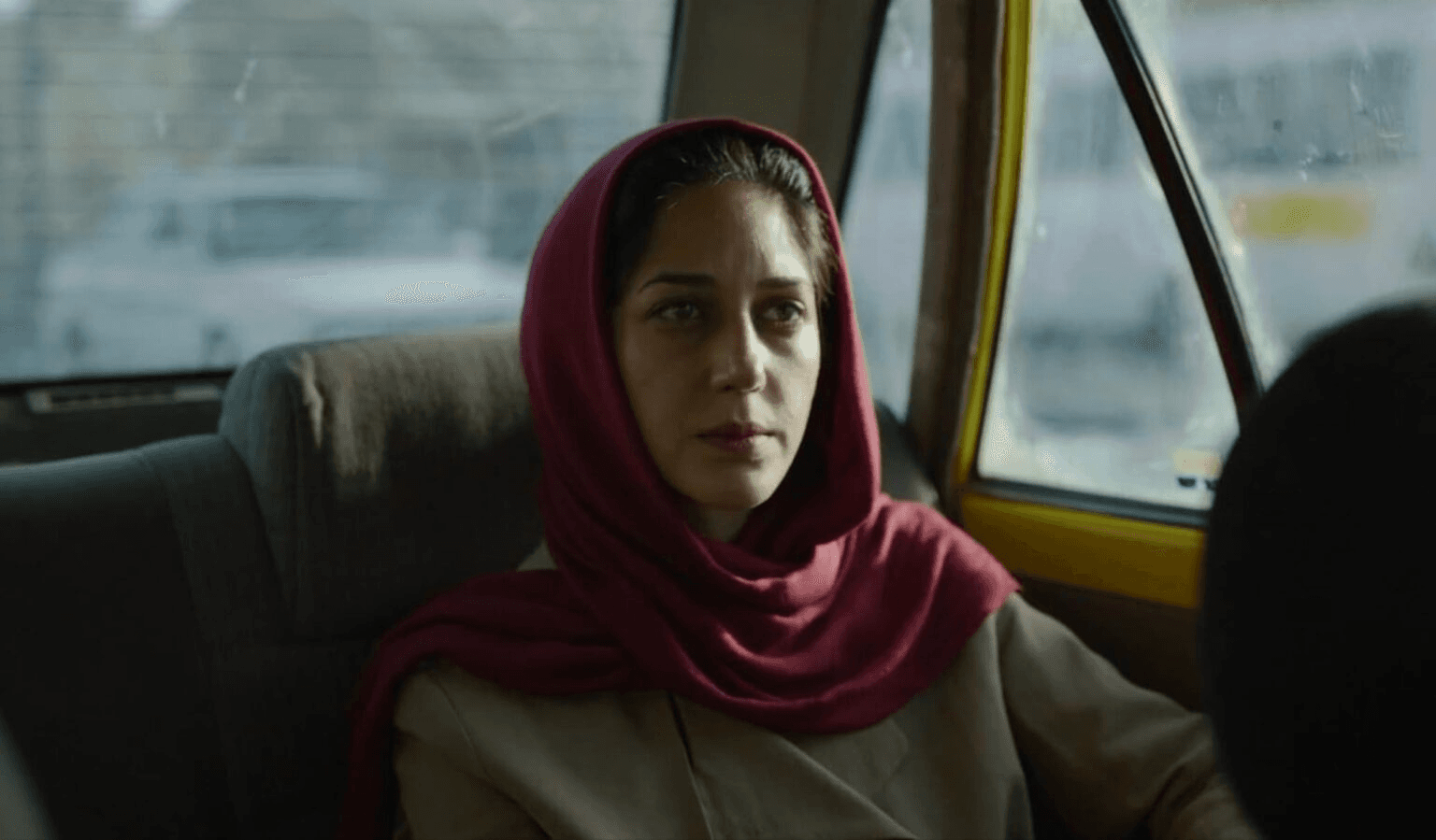
The film’s most gripping moments lie in its brutally realistic crime scenes and the journalist’s fearless pursuit of justice. Driven by anger at systemic misogyny, Abbasi crafts a chilling, unflinching critique of societal complicity and the moral decay beneath the surface of religious conservatism.
There’s No Evil / Sheytan Vojood Nadarad (2020)
Muhammed Resulof
IMDB: 7.5
Exiled Iranian filmmaker Mohammad Rasoulof’s There’s No Evil is an extraordinary anthology of four stories, each confronting the death penalty and the crushing weight of state oppression. Winner of the Golden Bear at the 2020 Berlin International Film Festival, the film was shot in secret, exposing the unseen moral battles waged by ordinary Iranians.
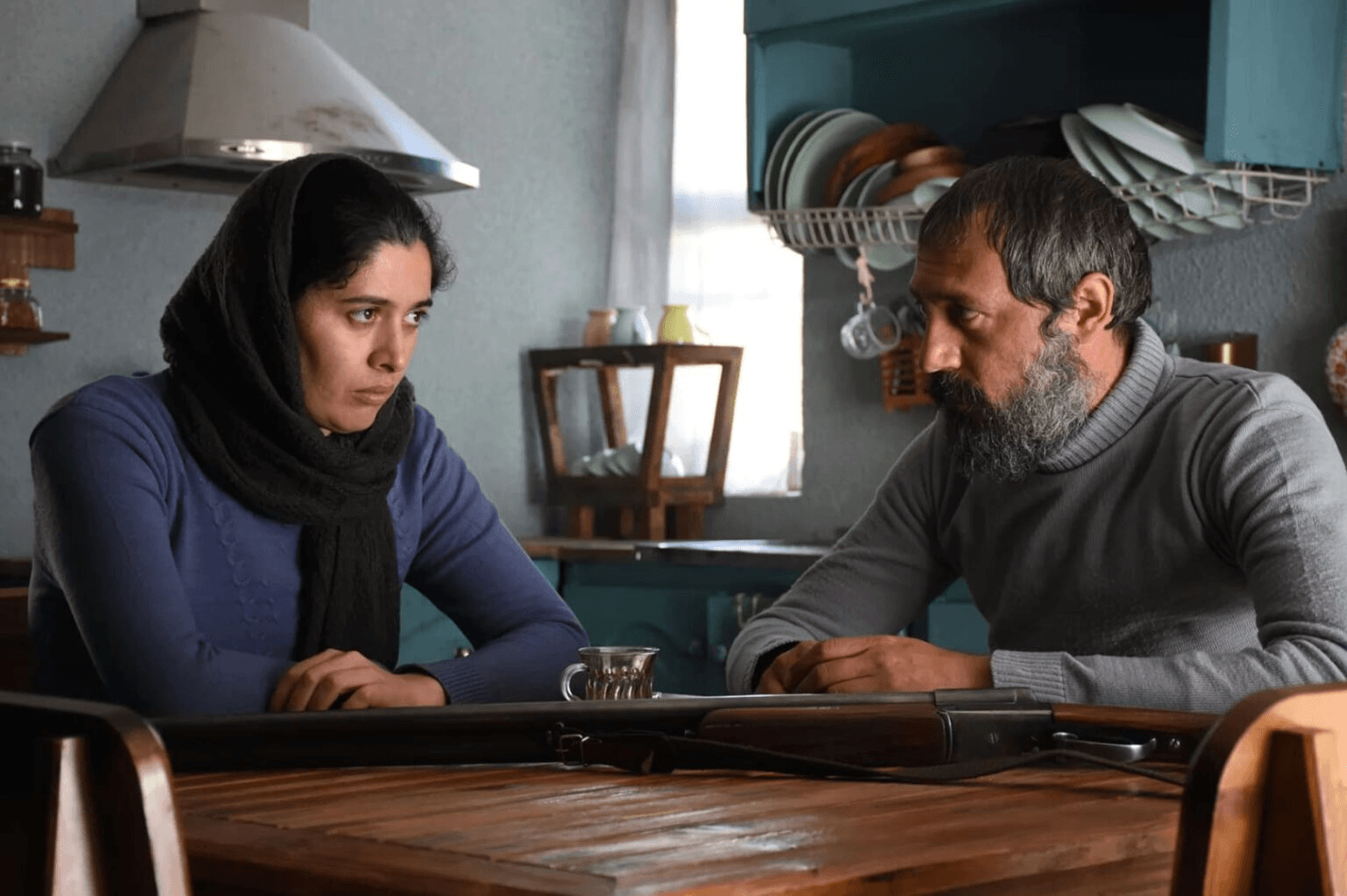
The most unforgettable of these vignettes—also titled There’s No Evil—follows Heshmat, a devoted husband and father whose tranquil domestic life hides a horrifying truth: he is employed as an executioner. Through this and other interconnected stories, Rasoulof examines how individuals navigate responsibility, guilt, and complicity under tyranny. With its masterful cinematography, haunting atmosphere, and quiet courage, There’s No Evil stands as one of the most powerful and daring films in contemporary Iranian cinema.
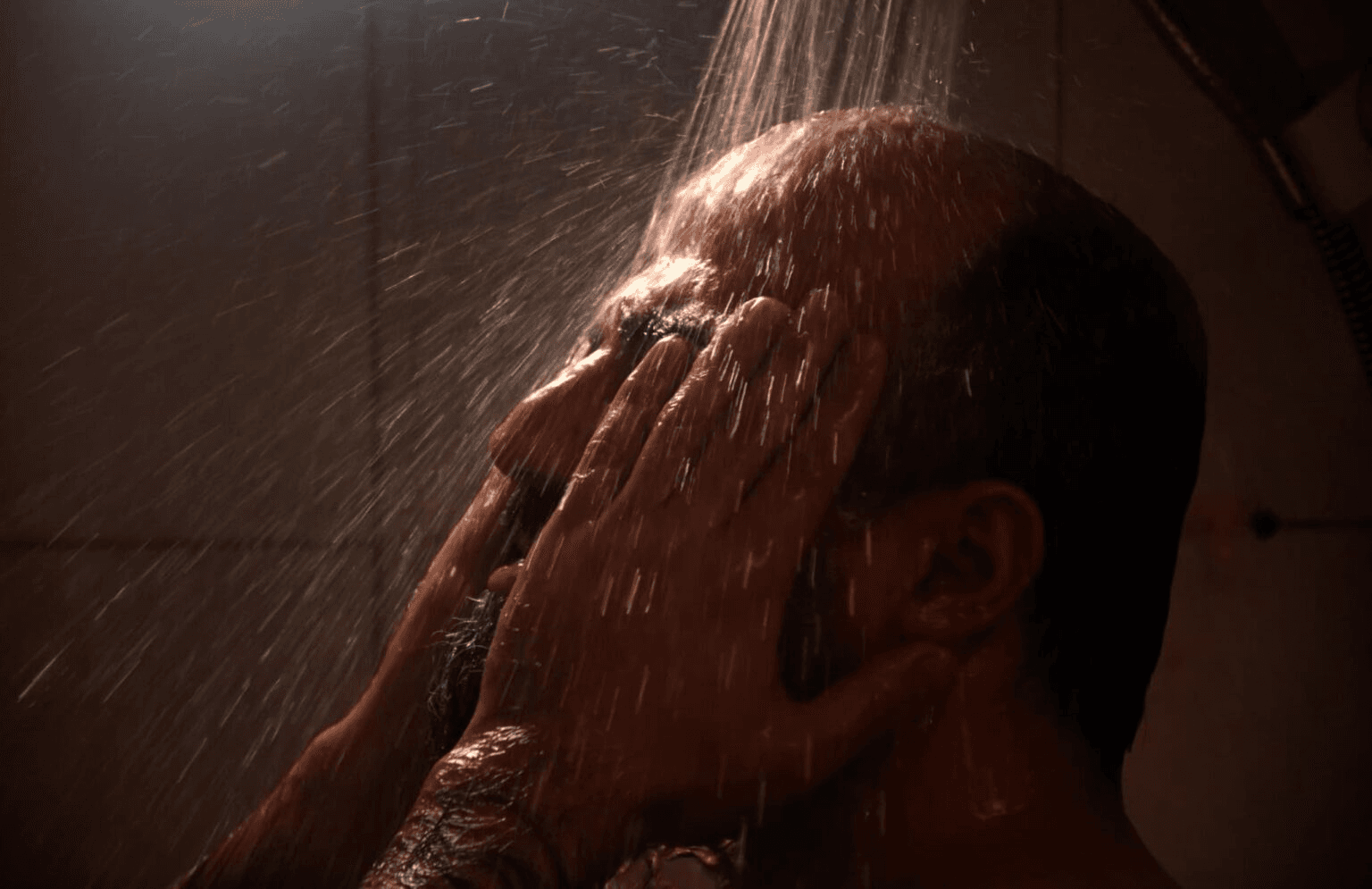
Persepolis (2007)
Vincent Paronnaud, Marjane Satrapi
IMDB: 8.0
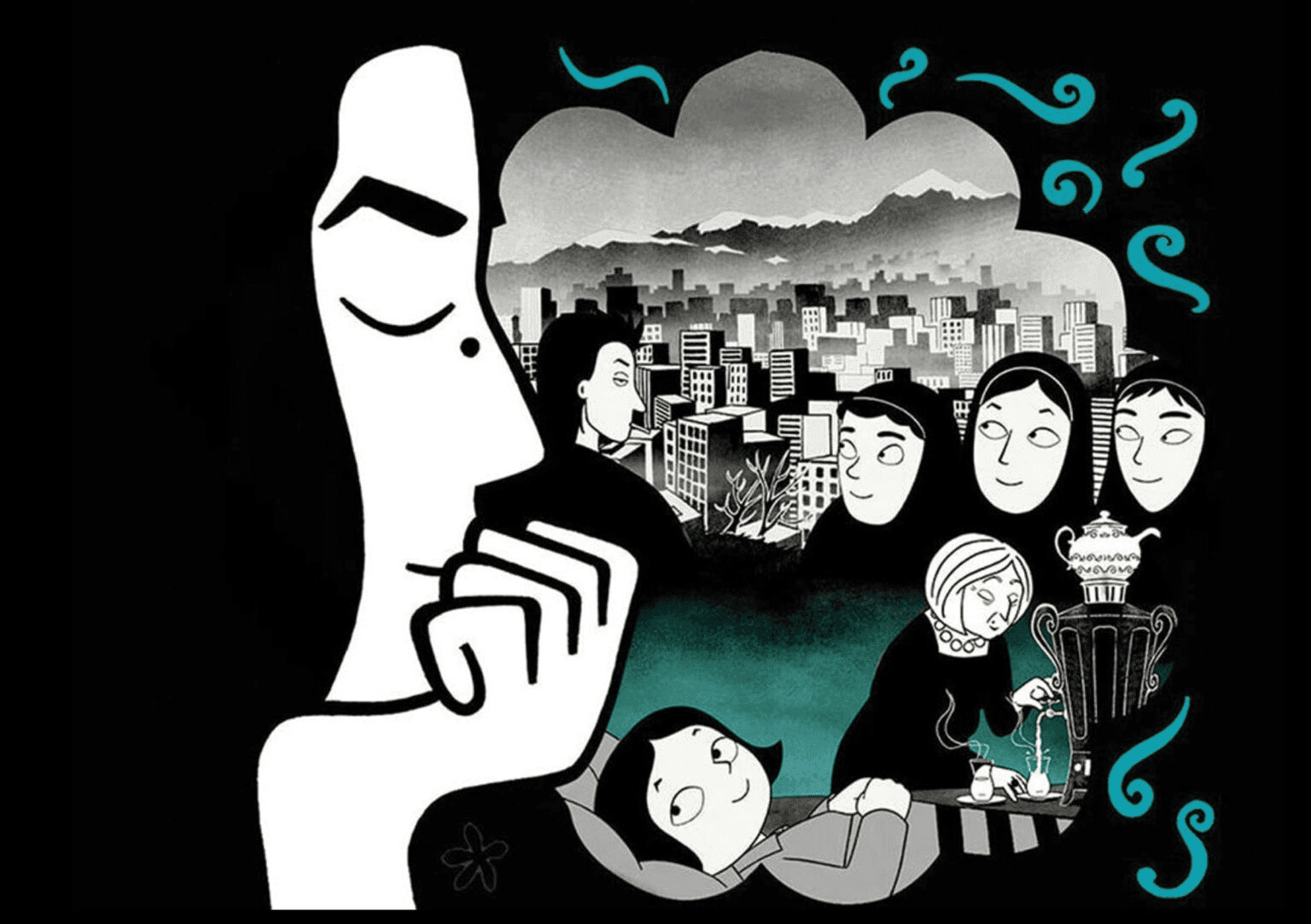
It would be impossible to talk about Iranian cinema without mentioning Persepolis—a work that has long since achieved classic status and earned an Academy Award nomination the year it was released. Adapted from Marjane Satrapi’s acclaimed autobiographical graphic novel of the same name, the film remains remarkably faithful to its source material. Told through the eyes of nine-year-old Marjane, it captures the sweeping changes brought by the Iranian Islamic Revolution.
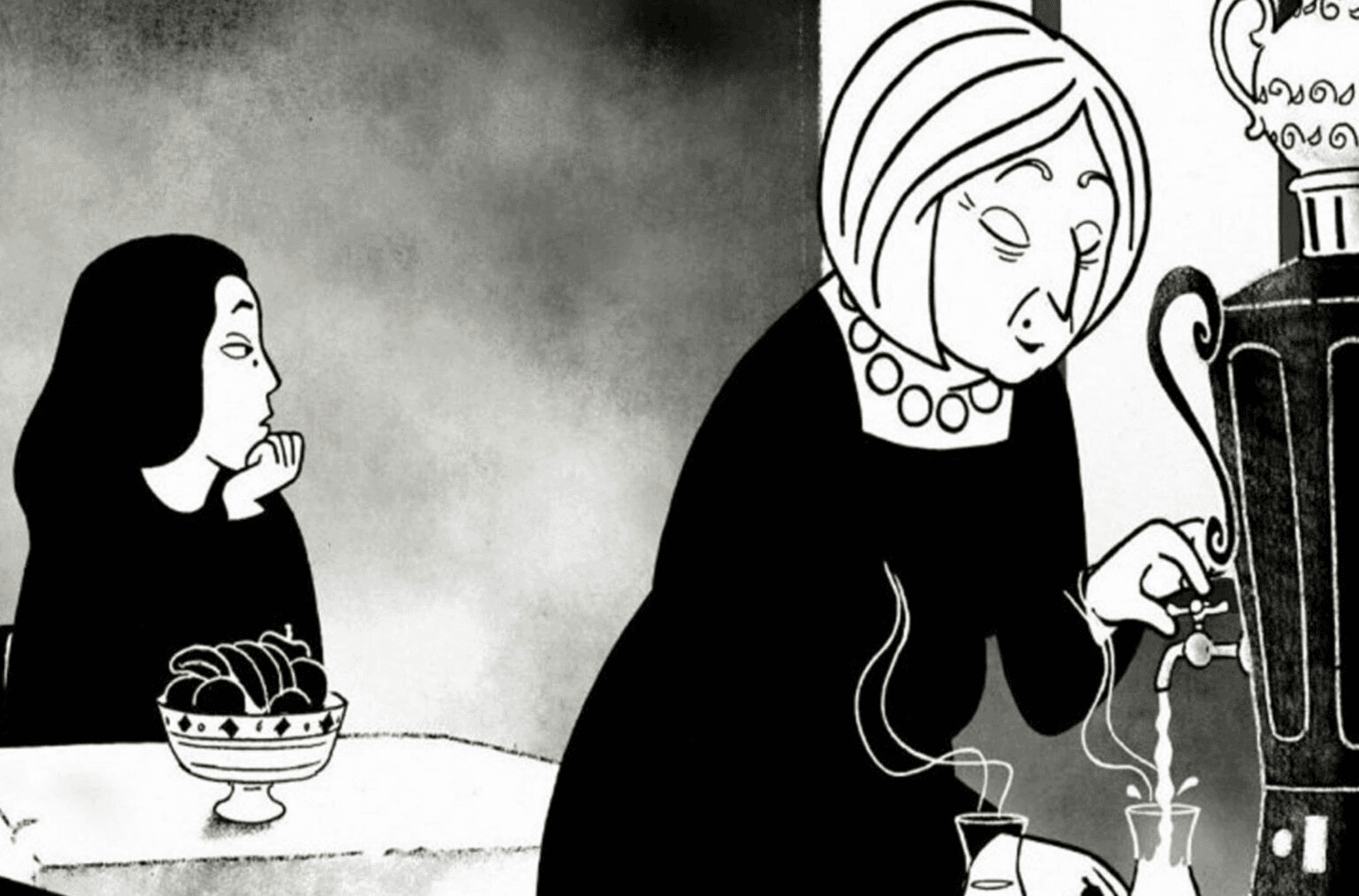
Precocious, curious, and outspoken, Marjane is a child fascinated by punk rock, Iron Maiden, and ABBA, growing up against the backdrop of political upheaval. After the fall of the Shah’s regime, the initial sense of hope quickly gives way to the rigid restrictions of a newly imposed Islamic rule.
As the country’s social climate darkens, Marjane leaves Iran, later returning, marrying, and ultimately realizing she can no longer live in her homeland. Her final decision to settle in France becomes both a personal and political act of liberation. When Persepolis was first released, it resonated deeply with global audiences for its bold visual storytelling and emotional honesty. Watching it again years later, one cannot help but notice how little has changed—making it a timeless reflection on freedom, identity, and exile.
Woman and Child (2025) / Zan va bache
Saeed Roustaee
IMDB: 5.8
Despite its modest IMDb rating, Saeed Roustaee’s Woman and Child—translated into Turkish as Ceza (Punishment)—deserves special mention among recent Iranian films. Featured in this year’s Filmekimi lineup, the film stands out for its nuanced portrayal of female strength and struggle within a patriarchal society. Parinaz Izadyar delivers a captivating performance as Mahnaz, a beautiful, intelligent, and fiercely independent single mother.
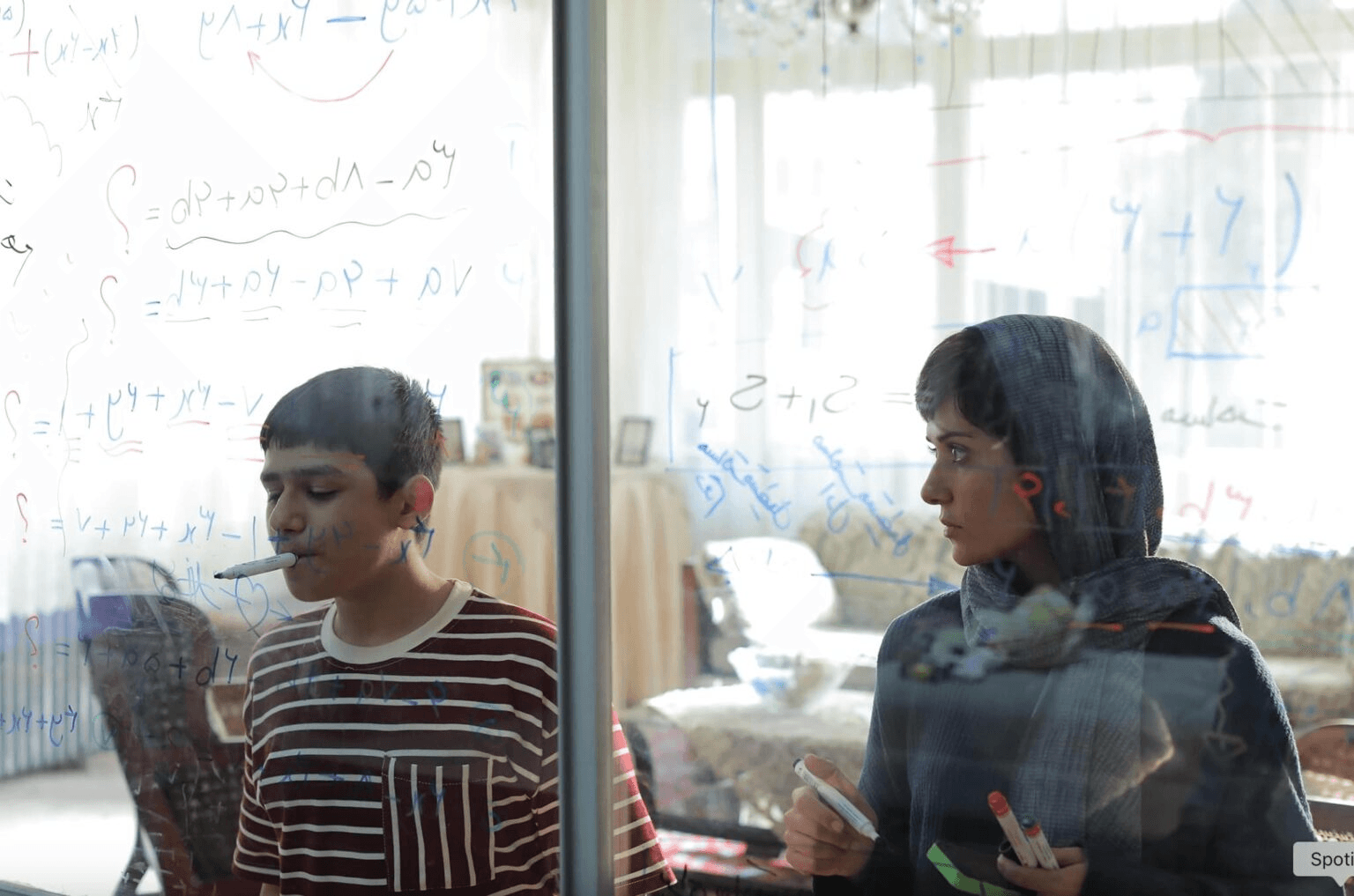
She cares for her rebellious teenage son and young daughter while maintaining a complicated relationship with her own mother and sister. As Mahnaz prepares to remarry, a series of unexpected events unfolds, drastically reshaping her life and relationships. A tragic incident—and the emotional punishment that follows—forces her to confront the double burden carried by women in Iran: that of enduring both social judgment and personal grief. Meanwhile, her mischievous son Aliyar’s school troubles and defiance are woven seamlessly into the narrative, adding layers of realism and tenderness. Although understated, Woman and Child is a poignant film—its quiet power lies in its portrayal of ordinary women navigating extraordinary pain under the weight of societal constraint.
My Favourite Cake (2024) / Keyke Mahboobe Man
Maryam Moghadam, Behtash Sanaeeha
IMDB: 7.4
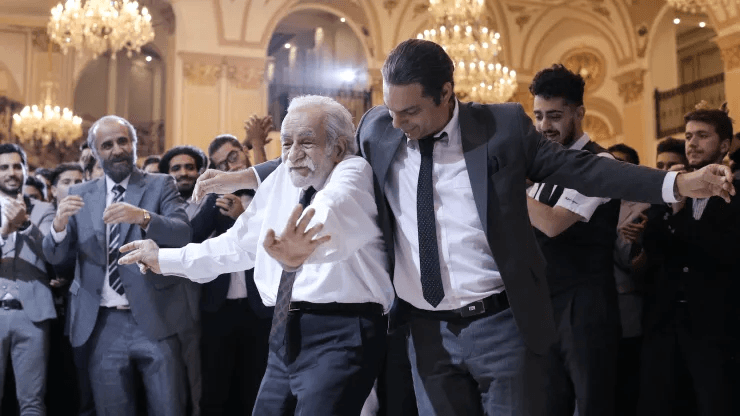
My Favorite Cake tells the delicate love story of two elderly souls rediscovering joy and intimacy. When Mahin and Faramarz’s paths cross, they are drawn together like two magnets—an attraction that blossoms into one night of dancing and tenderness after years of loneliness. With disarming simplicity and emotional clarity, the film turns an ordinary life into an extraordinary cinematic experience. Its uncluttered dialogue, understated humor, and natural performances create a sense of authenticity rare in contemporary cinema.
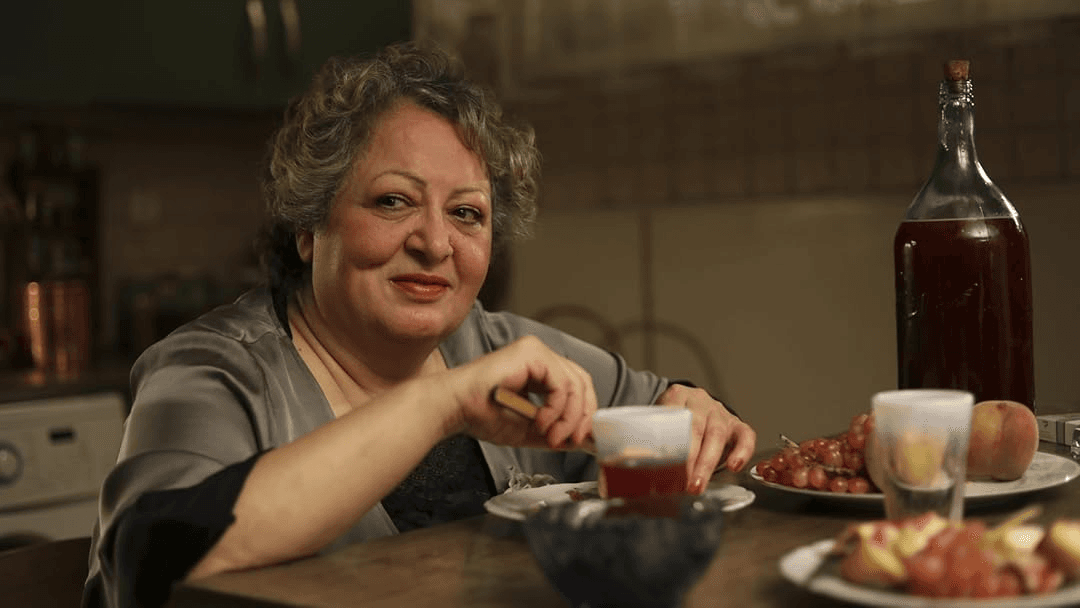
Mahin’s solitude, shyness, and quiet grace immediately resonate with viewers, drawing them into her world. The film’s unexpected ending lingers long after the credits roll, etching itself in memory. My Favorite Cake is the second feature from Maryam Moghadam and Behtash Sanaeeha, following The Song of the White Cow. It premiered at the Berlin Film Festival, where it competed for the Golden Bear. Sadly, due to ongoing travel bans and criminal charges, the directors were unable to attend—a painful reminder of the real-life obstacles faced by Iranian filmmakers. Simple yet profound, My Favorite Cake celebrates the human capacity for love and renewal, even in the face of repression.

Hit The Road (2021) / Jaddeh Khaki
Panah Panahi
IMDB: 7.2
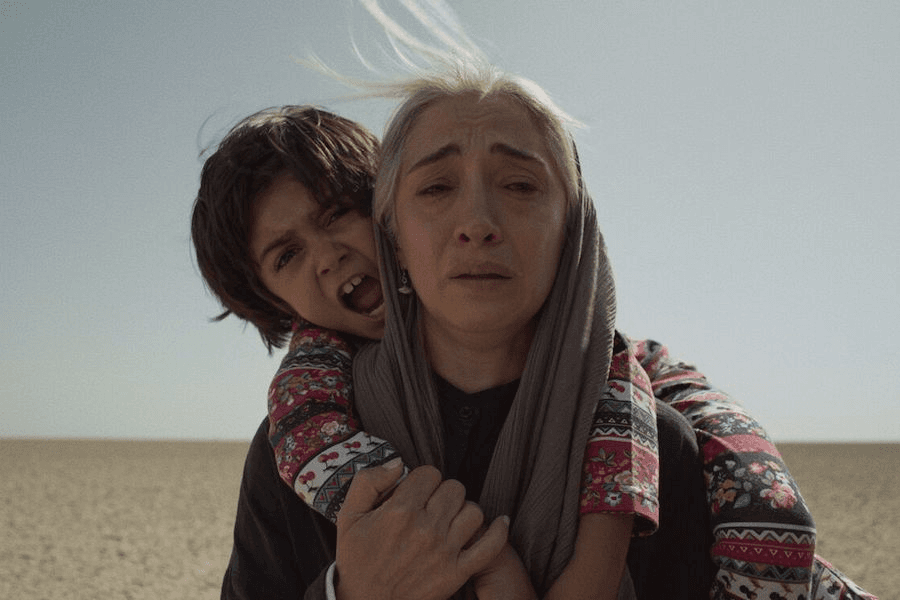
Panah Panahi’s Hit The Road is one of the most strikingly original Iranian films of recent years—an energetic, funny, and deeply moving road movie that seamlessly blends comedy with tragedy. We join a family on a mysterious journey, though it quickly becomes clear that they are fleeing exile. The playful banter, the child’s mischievousness, and the father’s silent sorrow form a bittersweet counterpoint to the unspoken pain beneath the surface. Laughter and absurdity become the family’s only defense against loss, fear, and forced displacement.
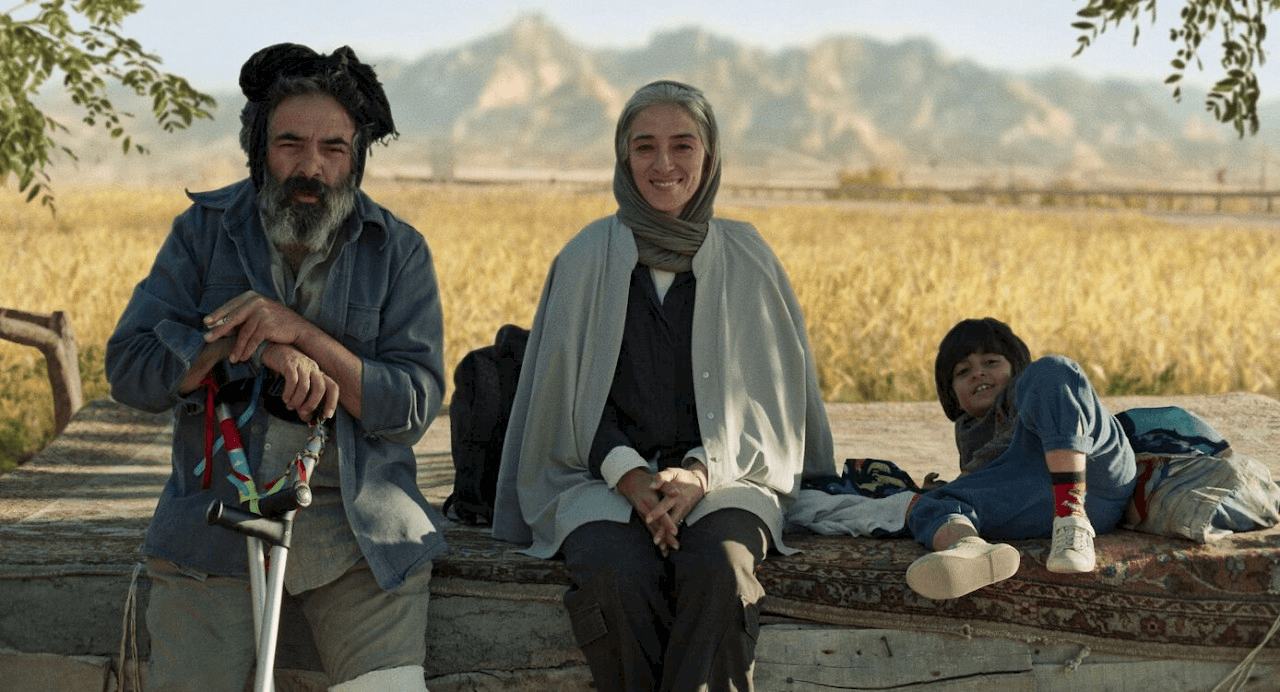
The film’s humor never undermines its depth; rather, it amplifies it. Iran’s melancholic yet mesmerizing landscapes—vast, empty, and beautifully desolate—serve as a visual metaphor for longing and alienation. Panahi’s skillful balance of tone allows Hit The Road to move effortlessly between hilarity and heartbreak, offering a tender portrait of love, resilience, and separation. Premiering at the 2021 Cannes Film Festival’s Directors’ Fortnight, the film went on to win major awards at the BFI London and Singapore International Film Festivals. Comic, tragic, and profoundly human, Hit The Road confirms Panah Panahi as one of the most exciting voices in contemporary Iranian cinema.
Top Scandinavian Series You Can’t Miss