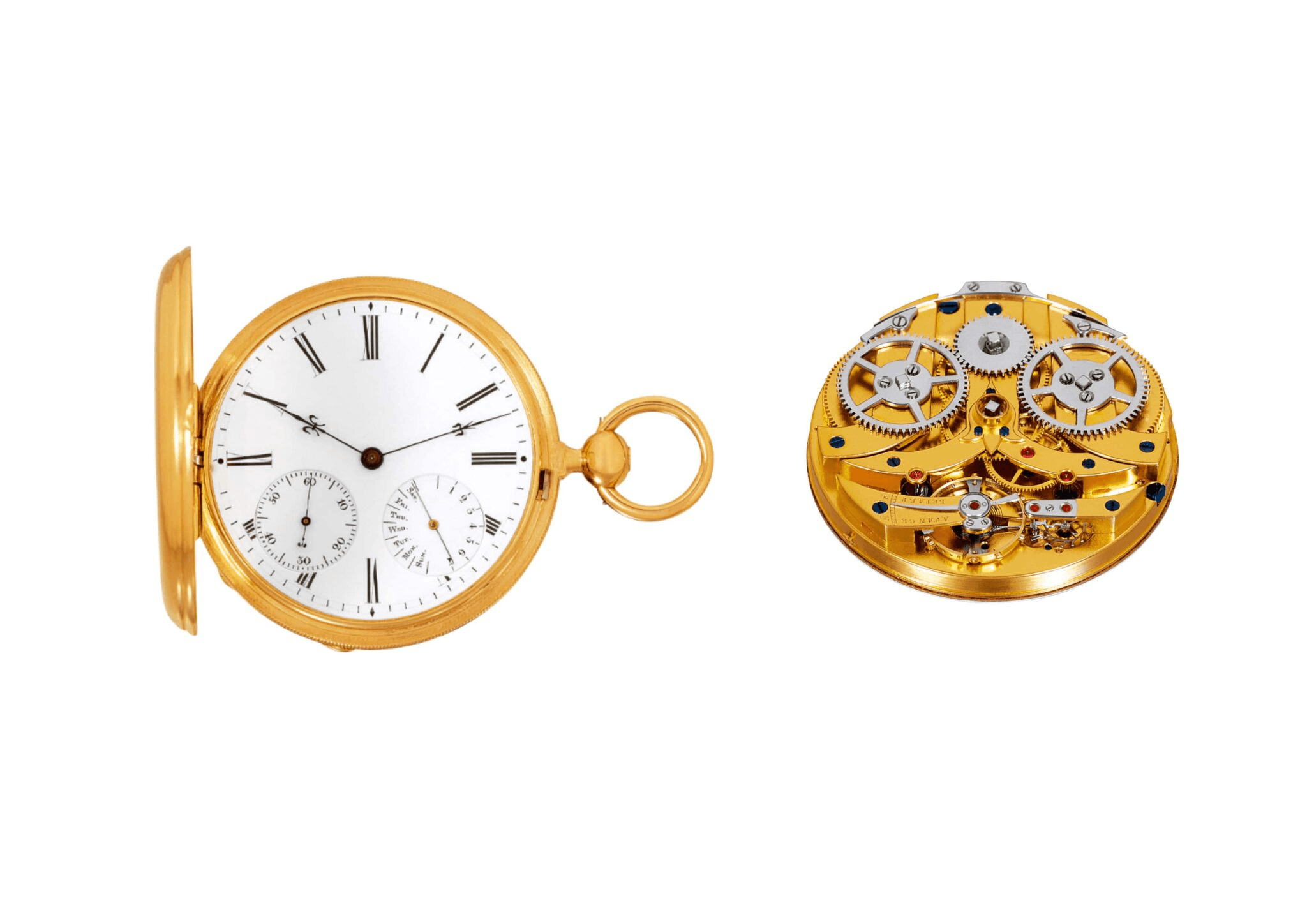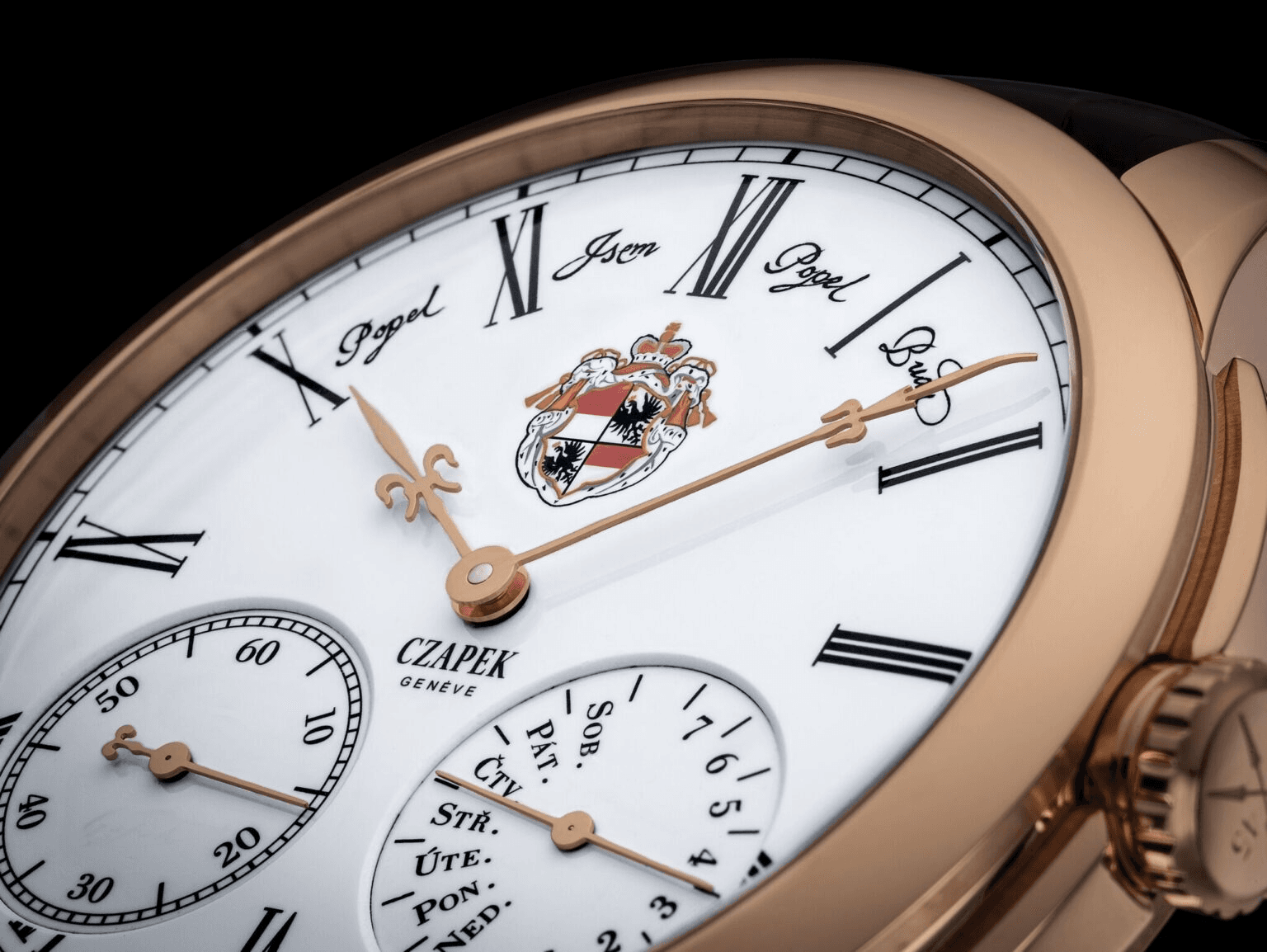

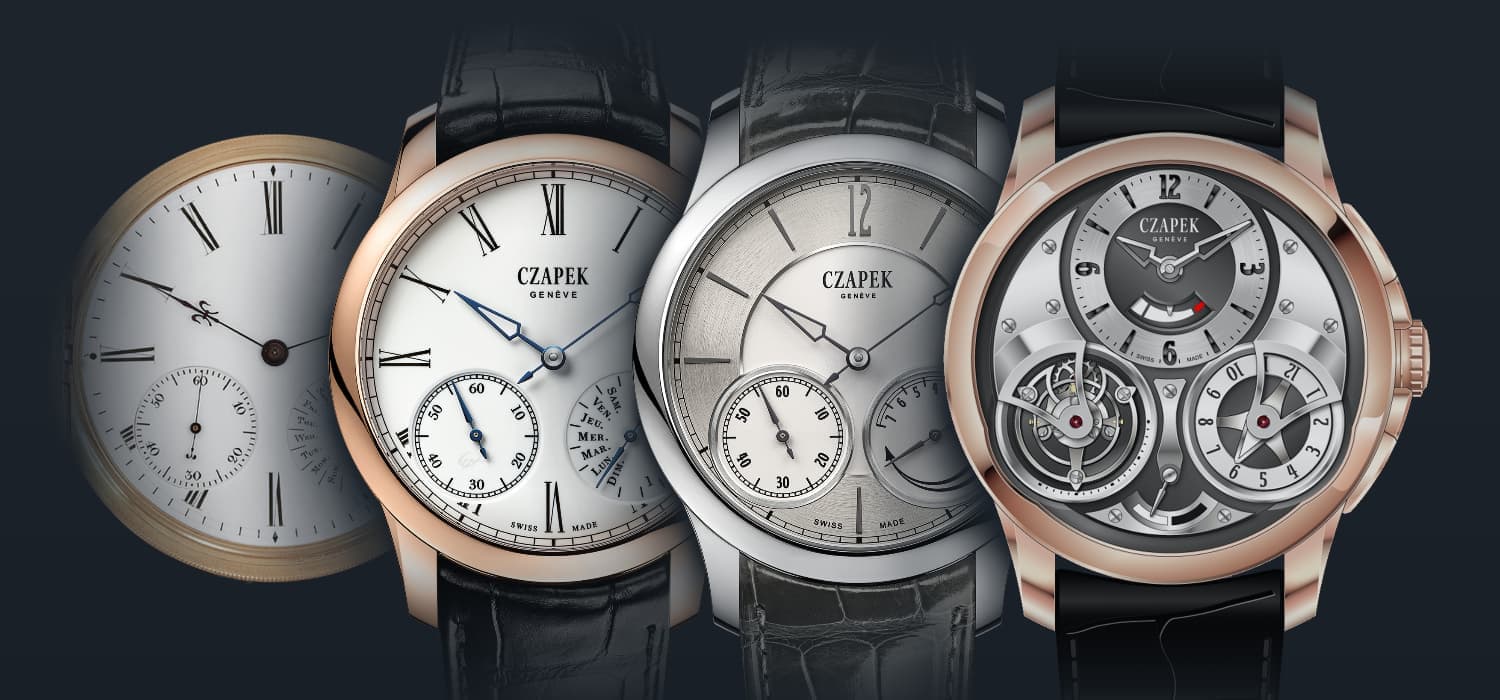
In 1871, the same year the last French emperor, Napoleon III, was deposed and exiled, François Czapek—owner of Czapek & Cie and celebrated as “Napoleon’s Official Watchmaker”—vanished without a trace. His sudden disappearance remains one of the most intriguing mysteries in watchmaking history.
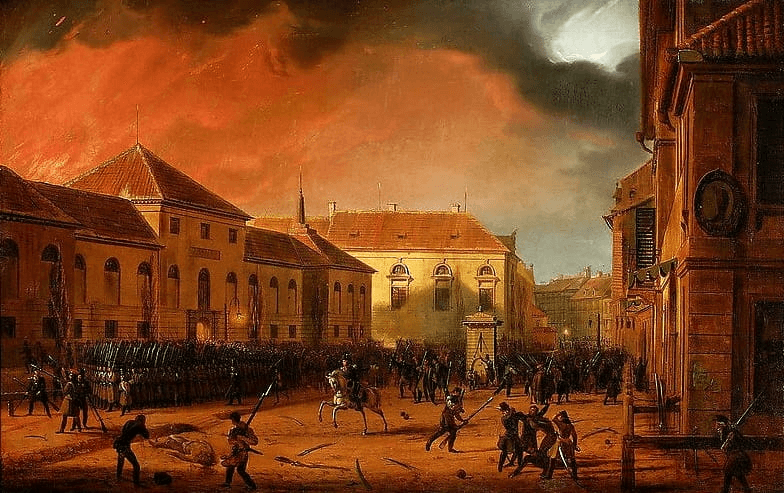
Our journey begins in the early 1800s, in the small town of Semonice, in what is now the Czech Republic. Born there in 1811, would go on to become one of the 19th century’s most gifted watchmakers. His life, however, was shaped as much by politics as by precision craftsmanship. As a young man, he emigrated with his family to Poland, only to be swept up in the November Uprising of 1830–31 against the Russian Empire. The revolt ended in defeat, costing tens of thousands of lives and prompting a wave of emigration from Poland.
Among those leaving was Czapek, who moved to Switzerland—a relocation that would prove decisive for his career, placing him in the beating heart of the watchmaking world.
Adapting to his new environment, he Gallicized his name to François and soon founded his first company, Czapek & Moreau, showcasing his remarkable skill at the bench. Fate then introduced him to another Polish émigré, Antoine Norbert de Patek. The two met in 1836 and, on May 1, 1839, co-founded Patek, Czapek & Cie. By 1840, the fledgling enterprise employed six people, three of whom—like the founders—were Polish immigrants. Czapek oversaw production, while Patek led sales, and together they produced around 200 watches annually.
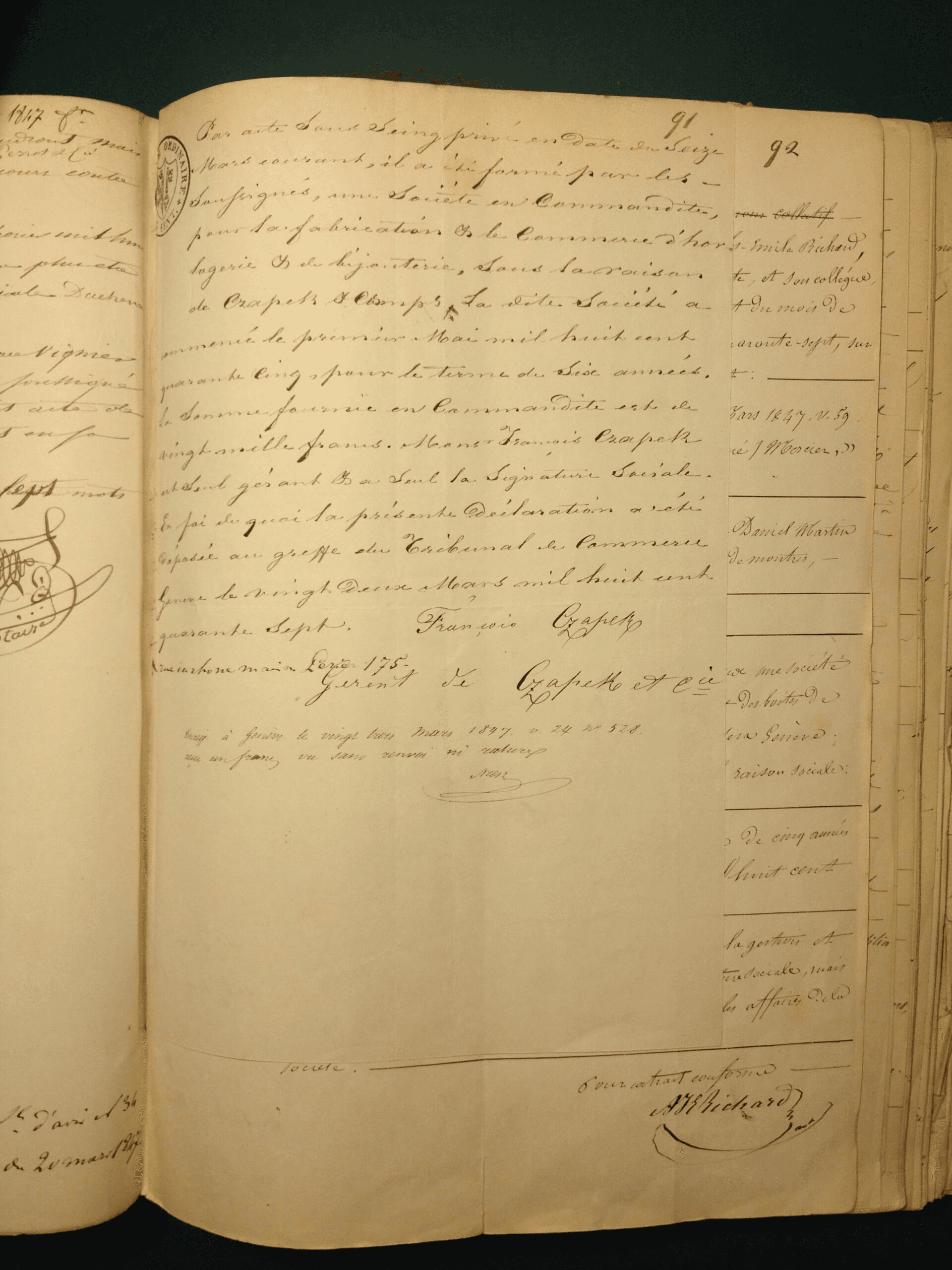
The partnership lasted until 1845, when the two parted ways. Patek went on to form a new alliance with Adrien Philippe, laying the foundations for Patek Philippe—today one of the most revered names in watchmaking. Czapek, meanwhile, embarked on his next chapter.
His new partner, Juliusz Gruzewski, was a fellow Polish watchmaker and close friend of Napoleon III. Together they established Czapek & Cie, opening a Geneva workshop, a Paris boutique in 1850, and a Warsaw store in 1854. By then, Czapek was recognized as one of the preeminent watchmakers of his time and even authored one of the first watchmaking books in Polish. His growing prestige earned him the title of .