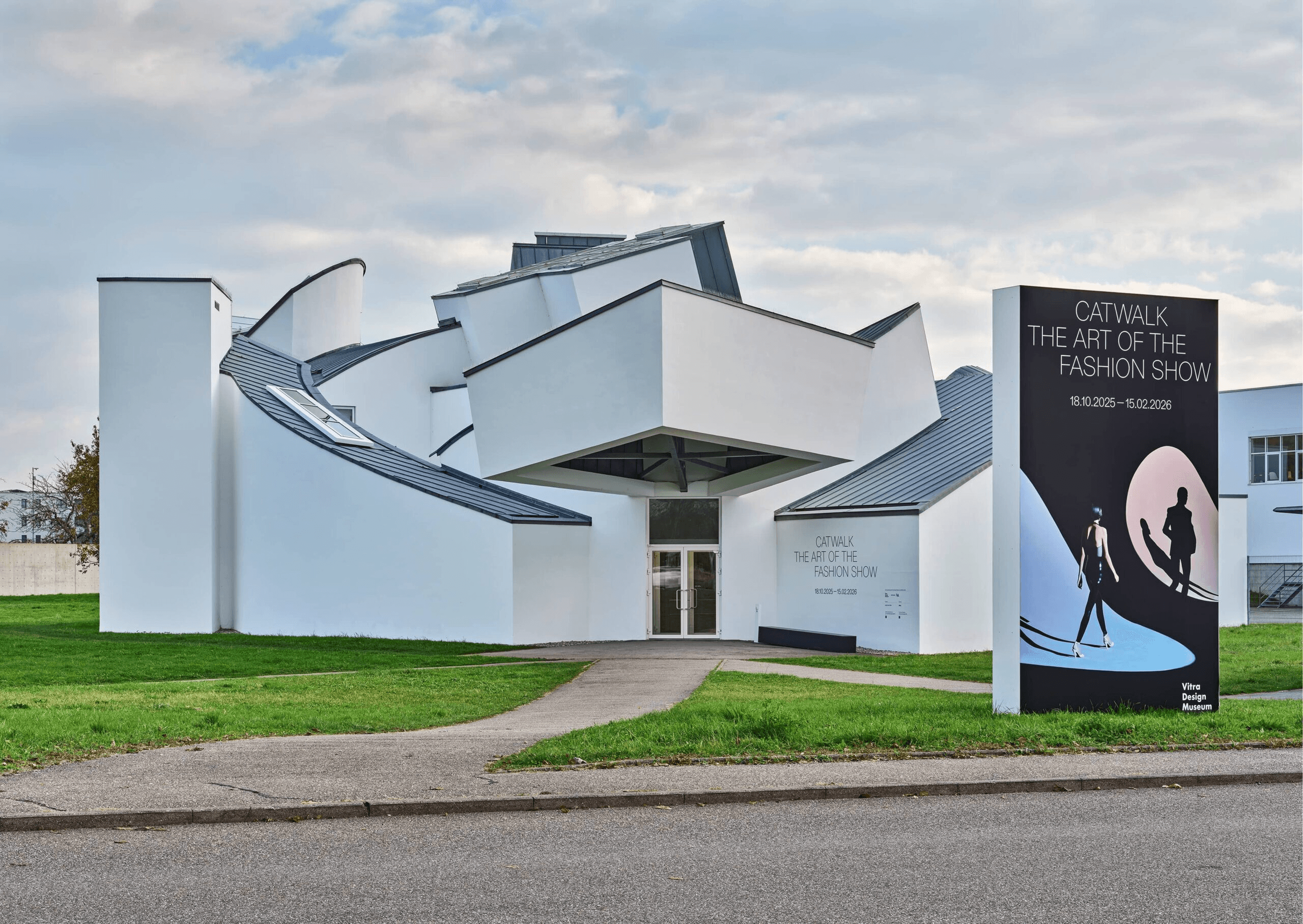
Vitra Design Museum’s new exhibition, Catwalk: The Art of the Fashion Show, tells the story of fashion’s most captivating ritual: the 100-year history of the fashion show.
They last barely fifteen minutes, yet they define entire eras. Fashion shows—an intoxicating fusion of light, sound, movement, and emotion—remain one of the most powerful rituals in the fashion world. This fall, the Vitra Design Museum celebrates this phenomenon with its ambitious exhibition, Catwalk: The Art of the Fashion Show, tracing the evolution of the runway from the refined salons of Belle Époque Paris to today’s digital performances.
The 100-Year History Of The Catwalk
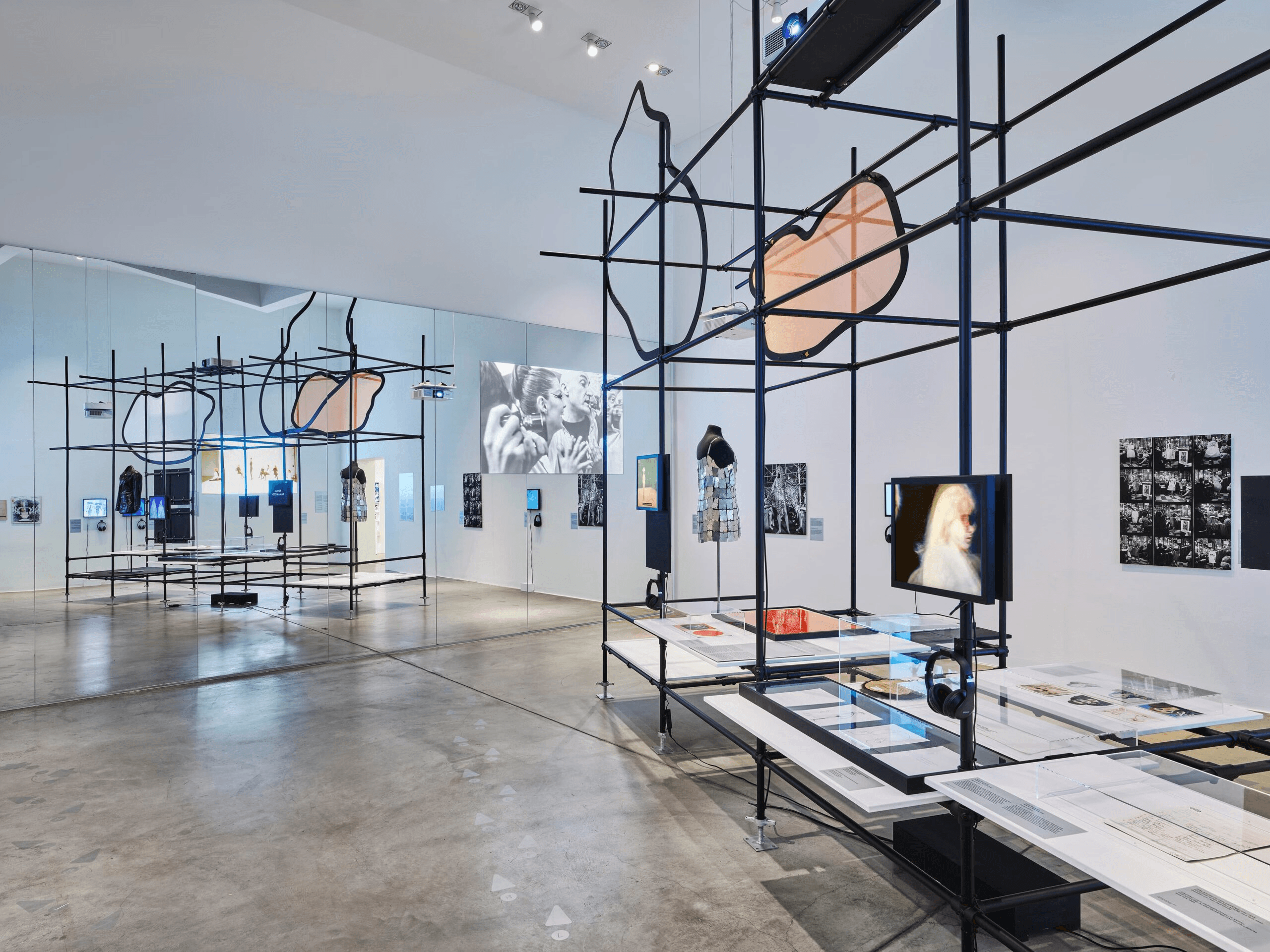
Featuring garments, films, and rare archival materials from legendary fashion houses such as Azzedine Alaïa, Balenciaga, Chanel, Dior, Gucci, Maison Martin Margiela, Prada, Viktor & Rolf, Louis Vuitton, and Yohji Yamamoto, the exhibition explores how the runway became both a mirror and a muse—a magical stage where art, architecture, choreography, and society converge.
The 100-Year History Of The Catwalk
The 100-Year History Of The Catwalk
From Secret Salons to Public Spectacles
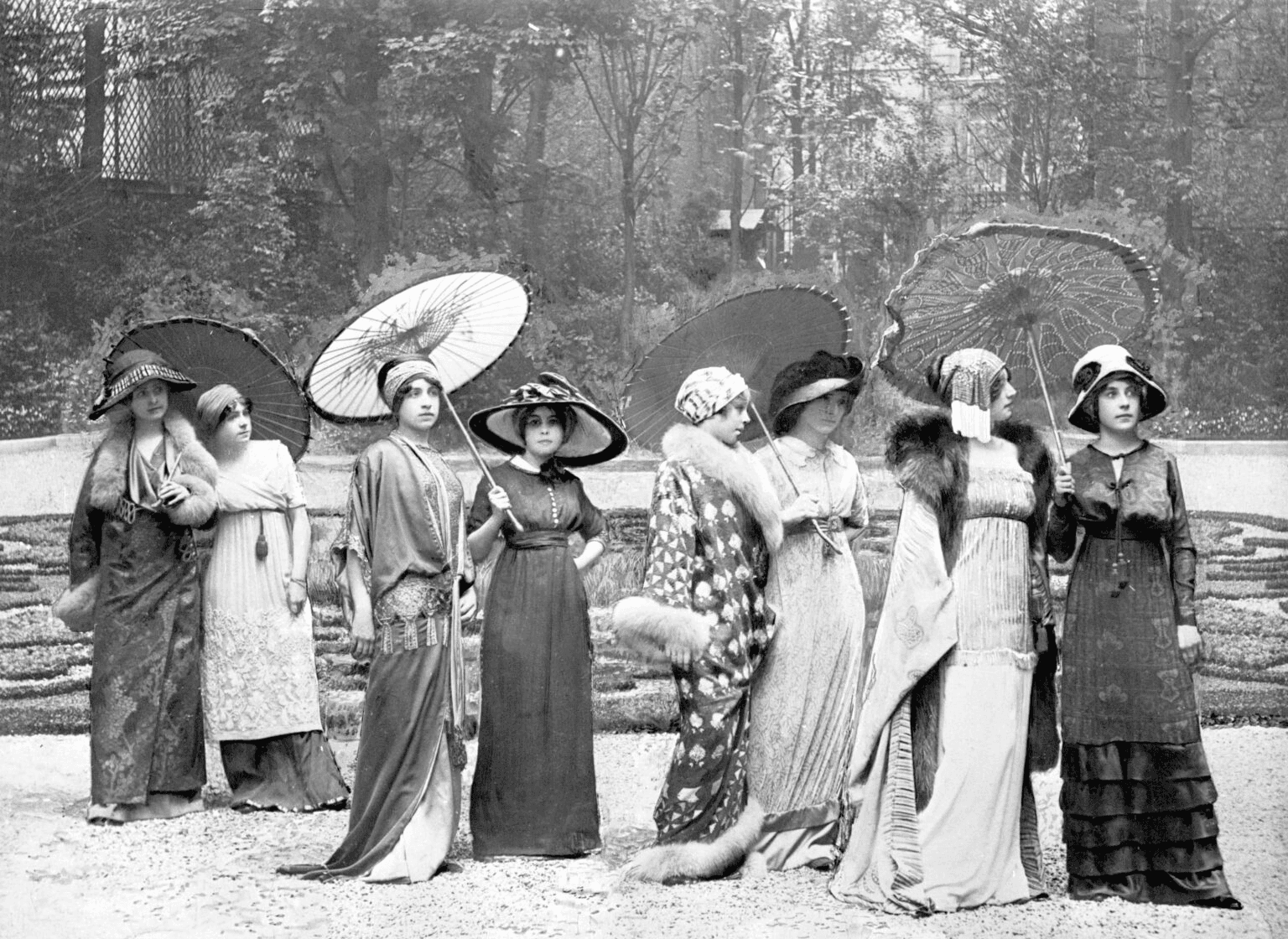
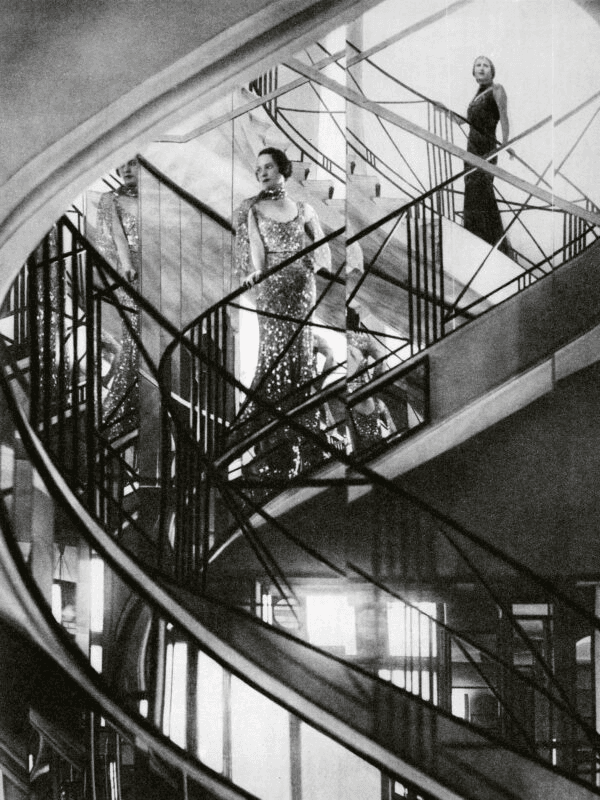
The journey begins in the early 1900s, amid the quiet elegance of Parisian haute couture salons. Designers Charles Frederick Worth and Lucile were the first to present their creations on living models rather than mannequins. Paul Poiret brought theatricality to fashion, turning his presentations into dramatic performances, while Gabrielle Chanel transformed even “reflection” into an act of spectacle, having her models descend a mirror-covered staircase.
Archival footage and documents from the period reveal how fashion gradually stepped out of private salons into the public eye—progressing from in-store parades to ship deck shows that inspired today’s “cruise” collections.
The 100-Year History Of The Catwalk
The 100-Year History Of The Catwalk
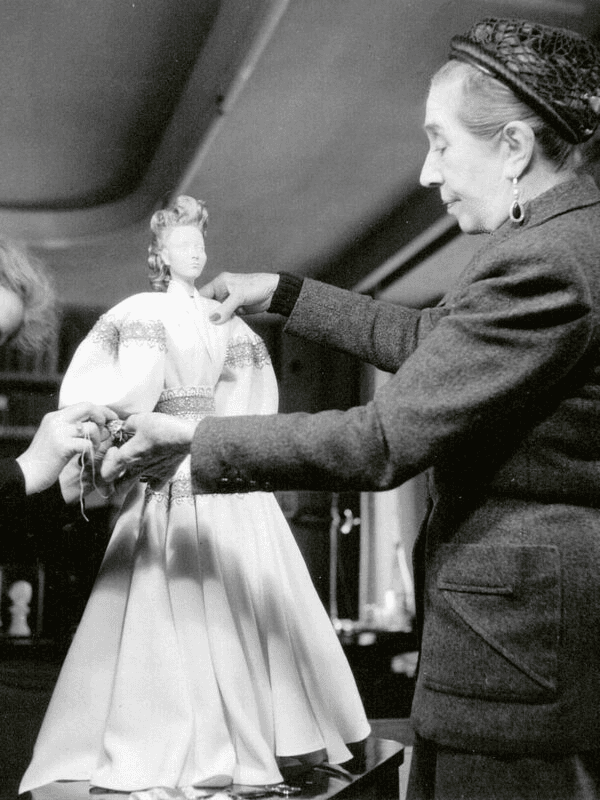
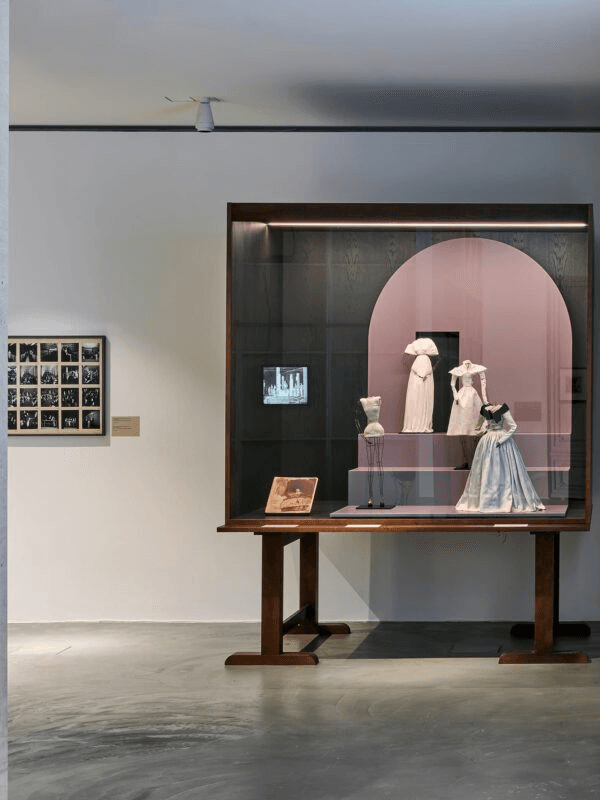
One of the exhibition’s most striking pieces revisits Théâtre de la Mode (1945), when postwar Parisian designers, including Balenciaga, showcased haute couture on miniature wire-framed mannequins. Original figures from the Balenciaga archives appear alongside Tom Kublin’s silent yet mesmerizing 1960s fashion films, capturing the growing spectacle of the runway.
The 100-Year History of the Catwalk
Rebellion, Rhythm, and Prêt-à-Porter
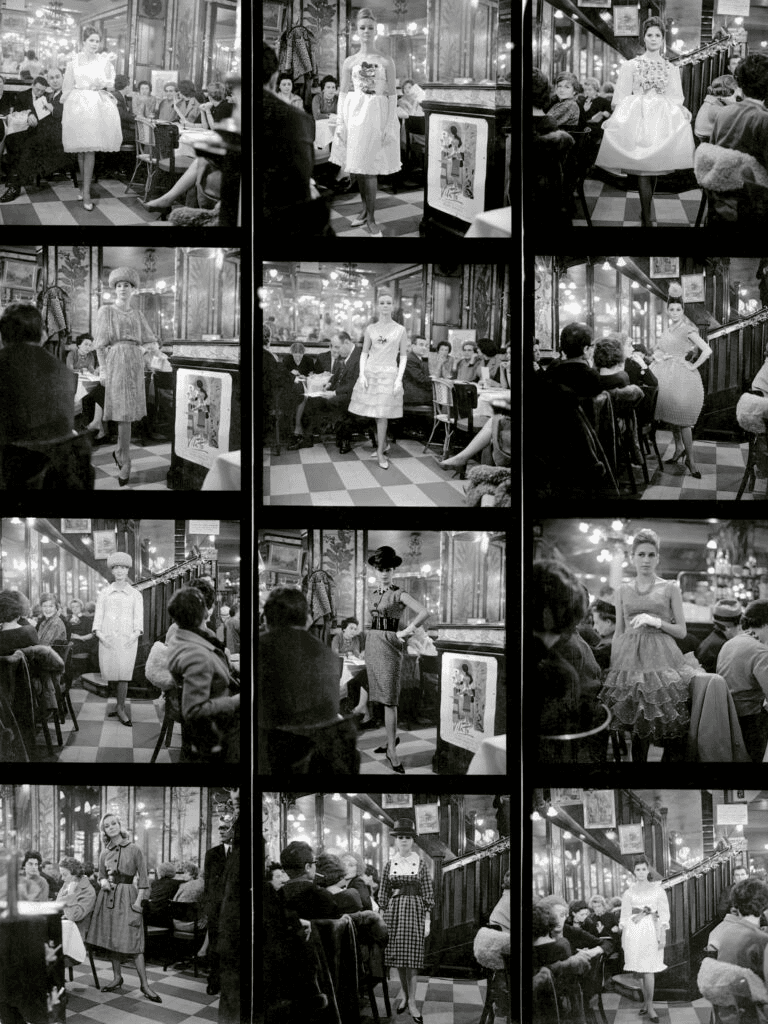
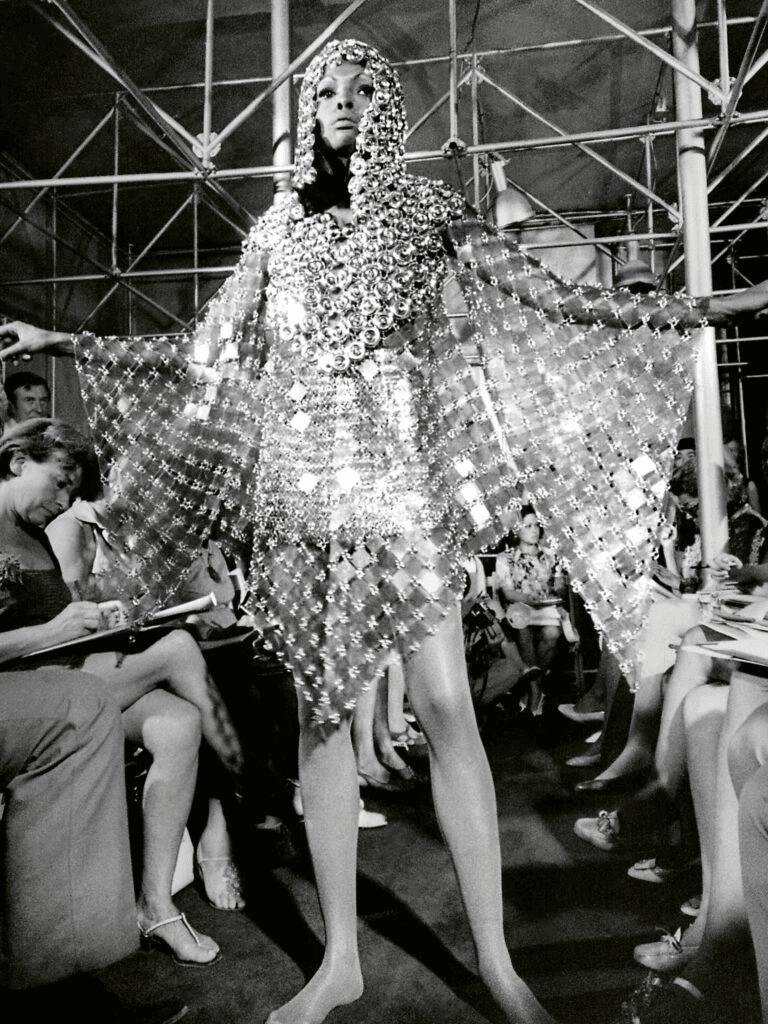
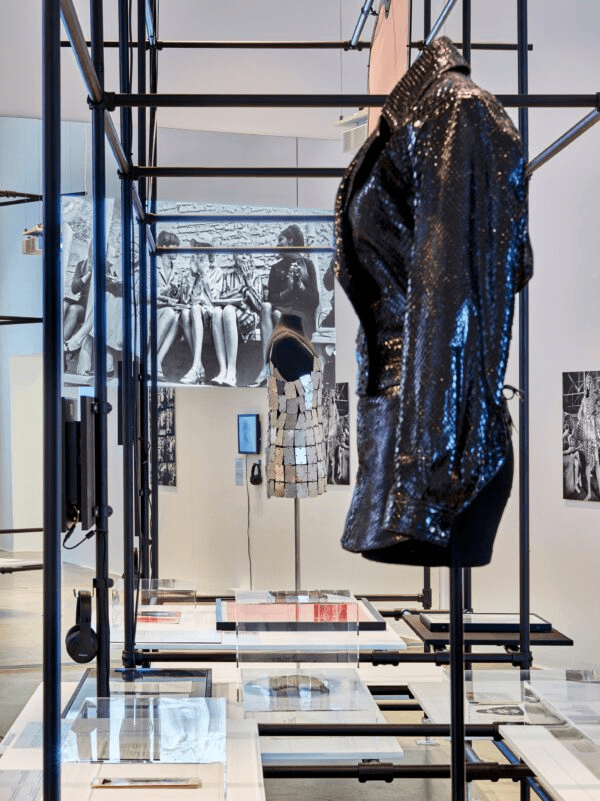
The second part of the exhibition explores how fashion shows broke free from convention in the 1960s and 1970s. With the rise of prêt-à-porter (ready-to-wear), designers left the confines of salons for the spontaneity of streets and cafés. Chloé’s 1958 presentation at Café de Flore embodied the intimacy and freedom of the era. Courrèges and Paco Rabanne experimented with futuristic silhouettes and movement, while Kenzo Takada turned his catwalks into vibrant celebrations of color and energy.
The 100-Year History of the Catwalk
Then came the legendary Battle of Versailles in 1973—the unforgettable night when the grandeur of French couture faced off against the boldness of American designers. Models like Pat Cleveland and Alva Chinn redefined beauty with confidence and joy. This was the moment fashion achieved global consciousness, uniting spectacle, diversity, and modernity on one stage.
The Supermodel Era and Show Culture
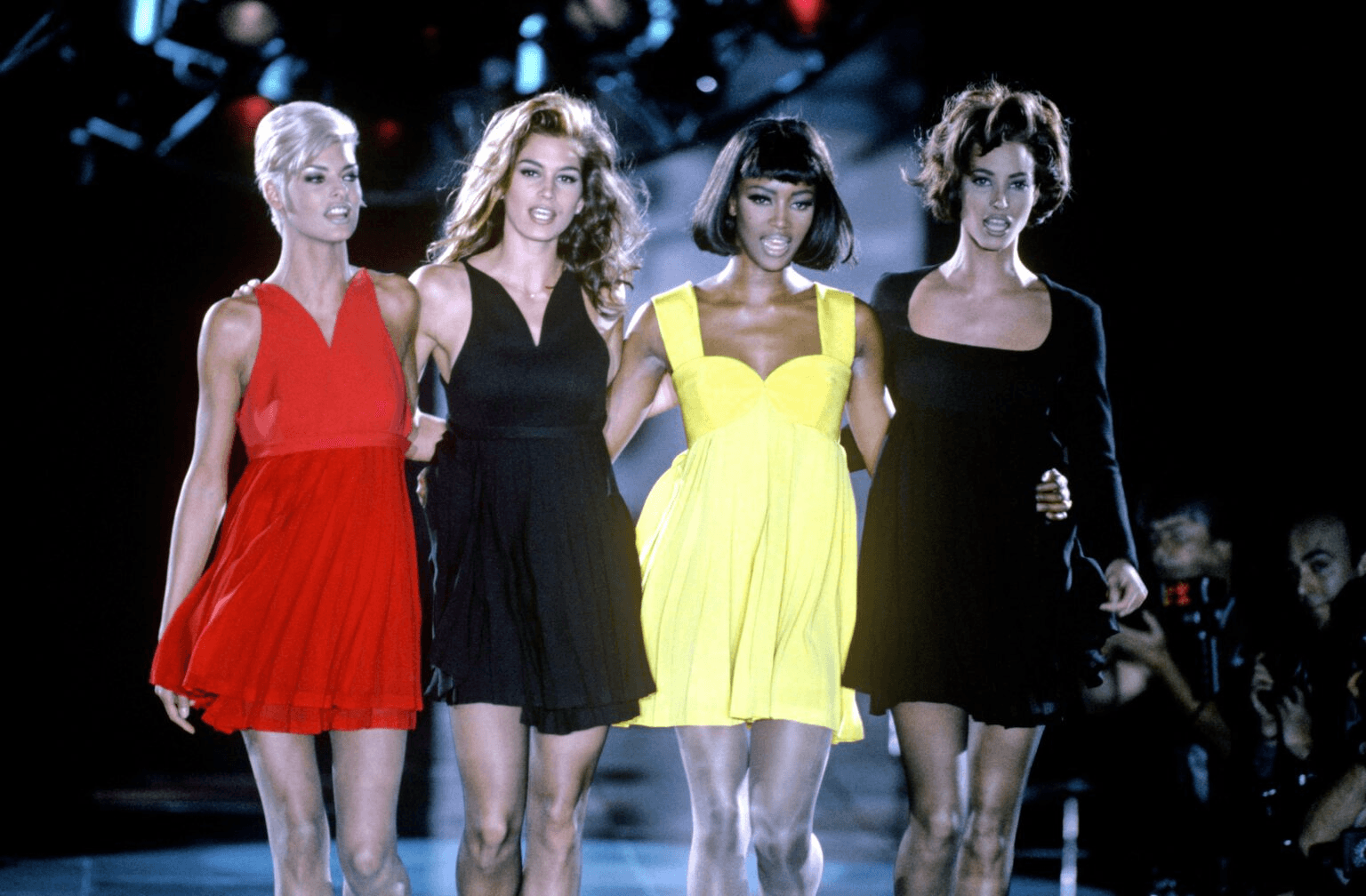
By the 1980s and 1990s, the fashion show had become a cornerstone of pop culture. With the rise of television, photography, and the supermodel phenomenon, runways evolved into global stages. One unforgettable moment came in Versace’s Fall/Winter 1991 show, when Naomi Campbell, Cindy Crawford, Linda Evangelista, and Christy Turlington strode hand in hand to George Michael’s Freedom!—a moment forever etched in fashion history as a symbol of glamour, power, and unity.
The 100-Year History Of The Catwalk
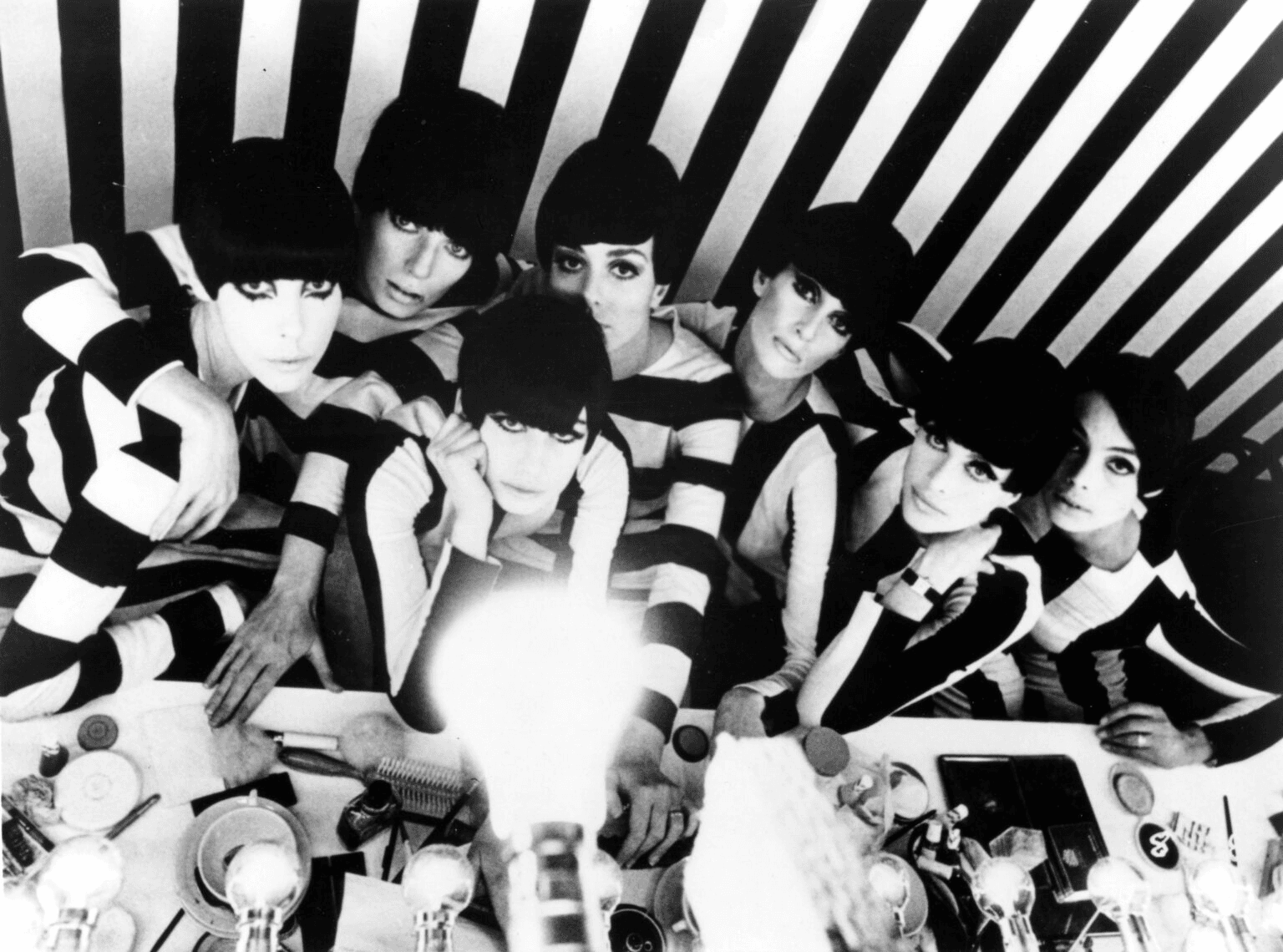
At the same time, artists and filmmakers began interrogating the system behind the spectacle. William Klein’s Who Are You, Polly Maggoo? (1966) offered a biting satire of fashion’s obsessions, while the performance piece Models Never Talkunveiled the unseen labor and discipline behind every step, gesture, and pose in this dazzling world.
The 100-Year History Of The Catwalk
Fashion, Architecture, and Performance
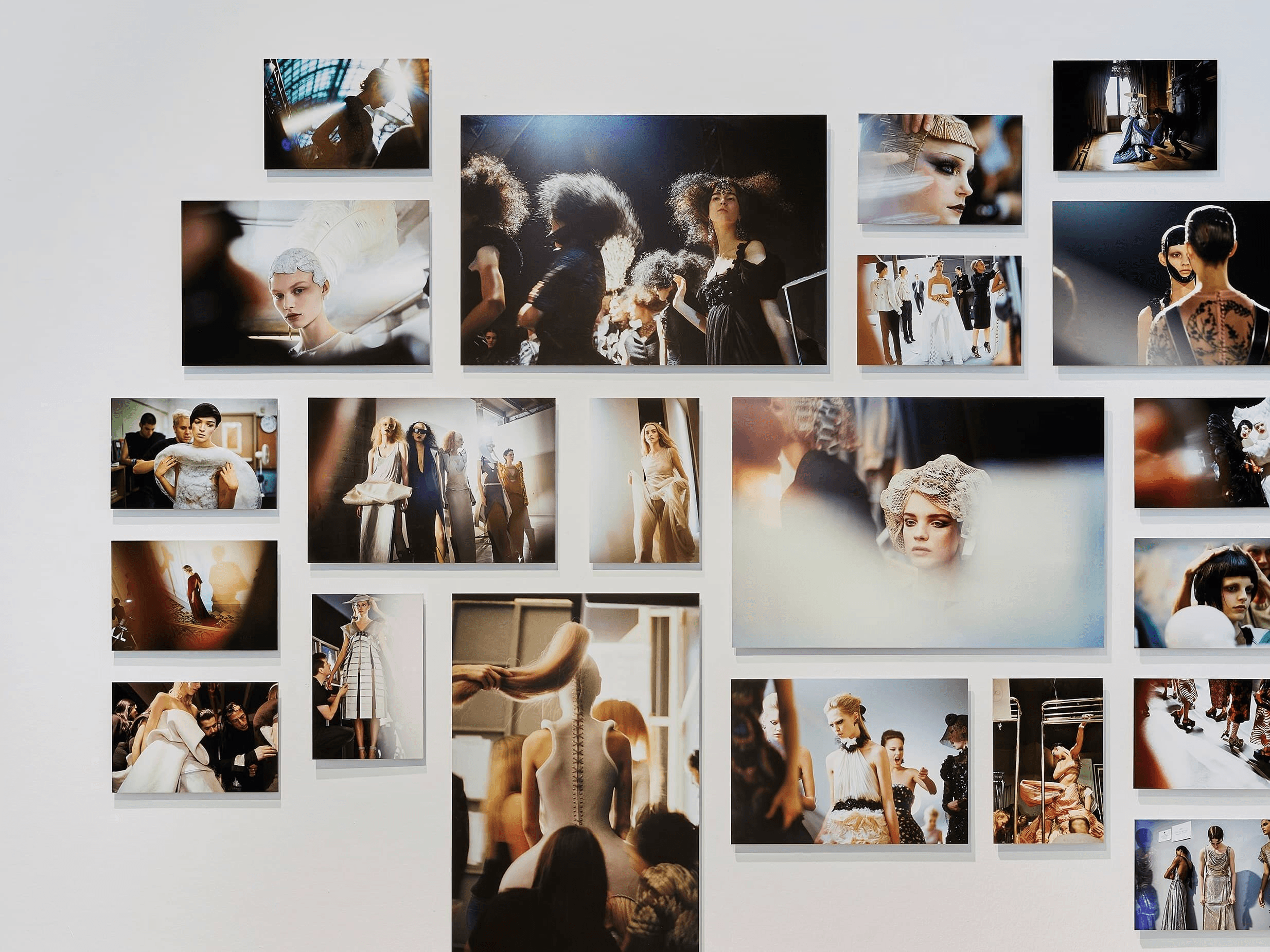
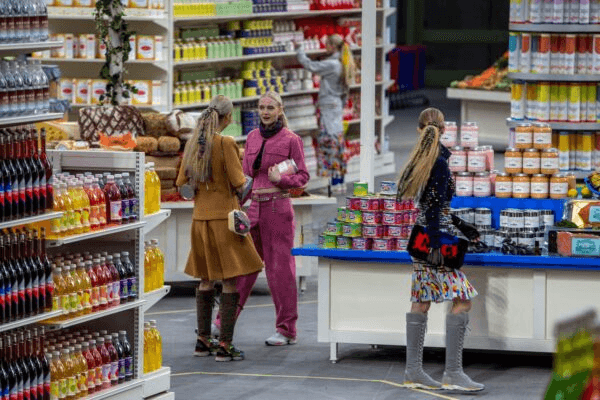
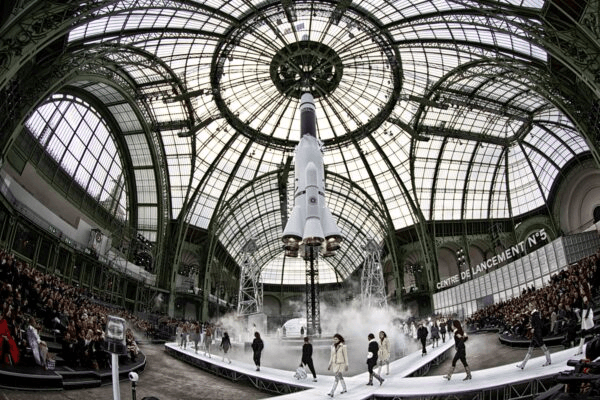
By the 2000s, the runway had fully transcended fashion—it had become an art form. Karl Lagerfeld’s visionary Chanel shows transformed the Grand Palais into an airport, a supermarket, and even a space station.
The 100-Year History Of The Catwalk
The exhibition displays architectural models and set pieces from his unforgettable supermarket (Fall/Winter 2014–15) and rocket launch (Fall/Winter 2017–18) shows, testament to his mastery of immersive storytelling.
The 100-Year History Of The Catwalk
The 100-Year History Of The Catwalk
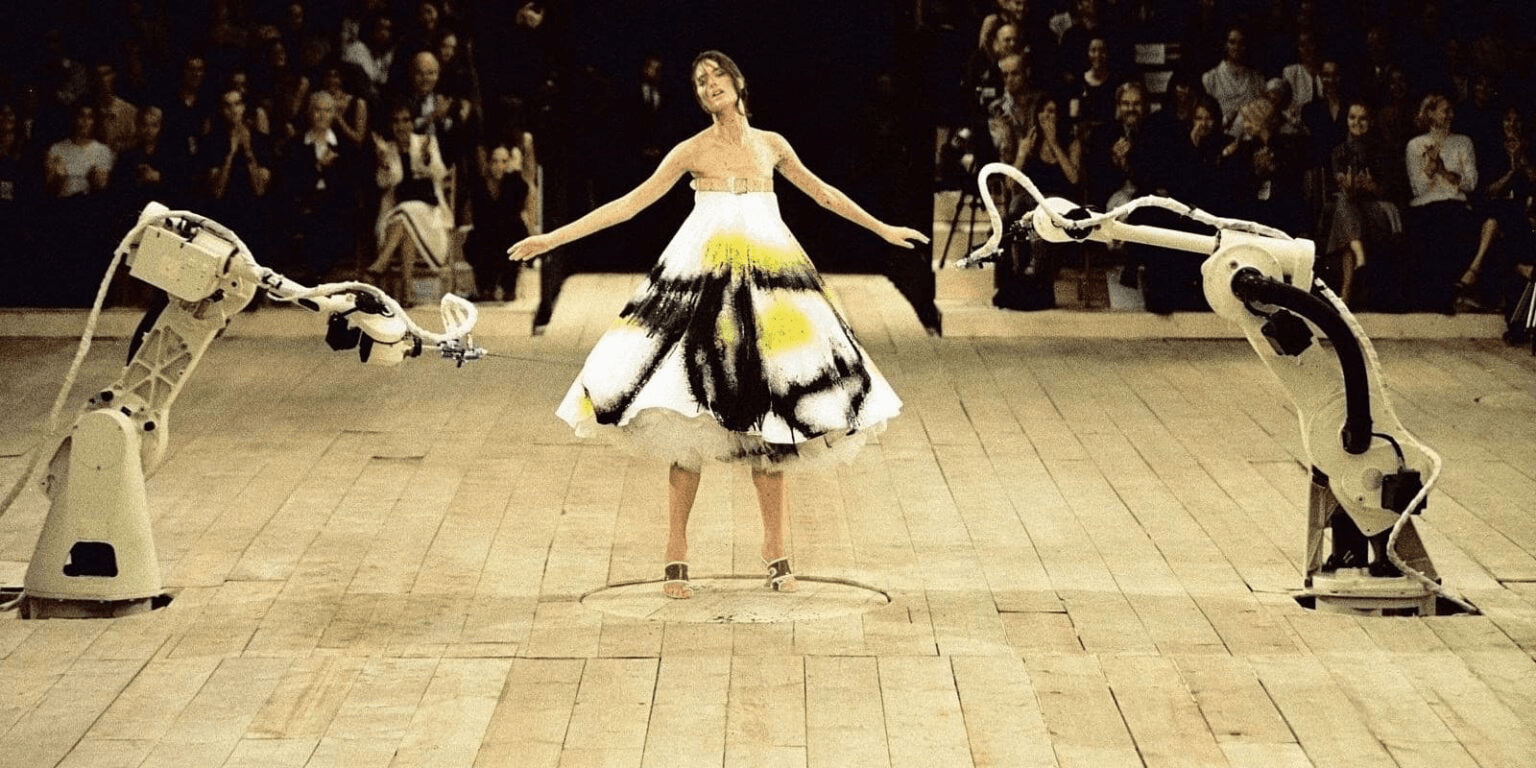
Some designers took the opposite approach, pushing minimalism to its emotional limits. Alexander McQueen’s No.13(Spring/Summer 1999), in which industrial robots spray-painted a model’s white dress live on stage, remains one of fashion’s most haunting performances.
Viktor & Rolf’s Russian Doll (Fall 1999) unfolded like a living sculpture, as each garment was layered onto a single model. Meanwhile, Martin Margiela’s shows, staged in abandoned hospitals or parking lots, stripped fashion of its gloss to reveal its raw core. The exhibition’s inclusion of Margiela’s 2006 ice jewel dress and paint-splattered garments underscores the poetry of impermanence.
Digital Horizons and Political Bodies
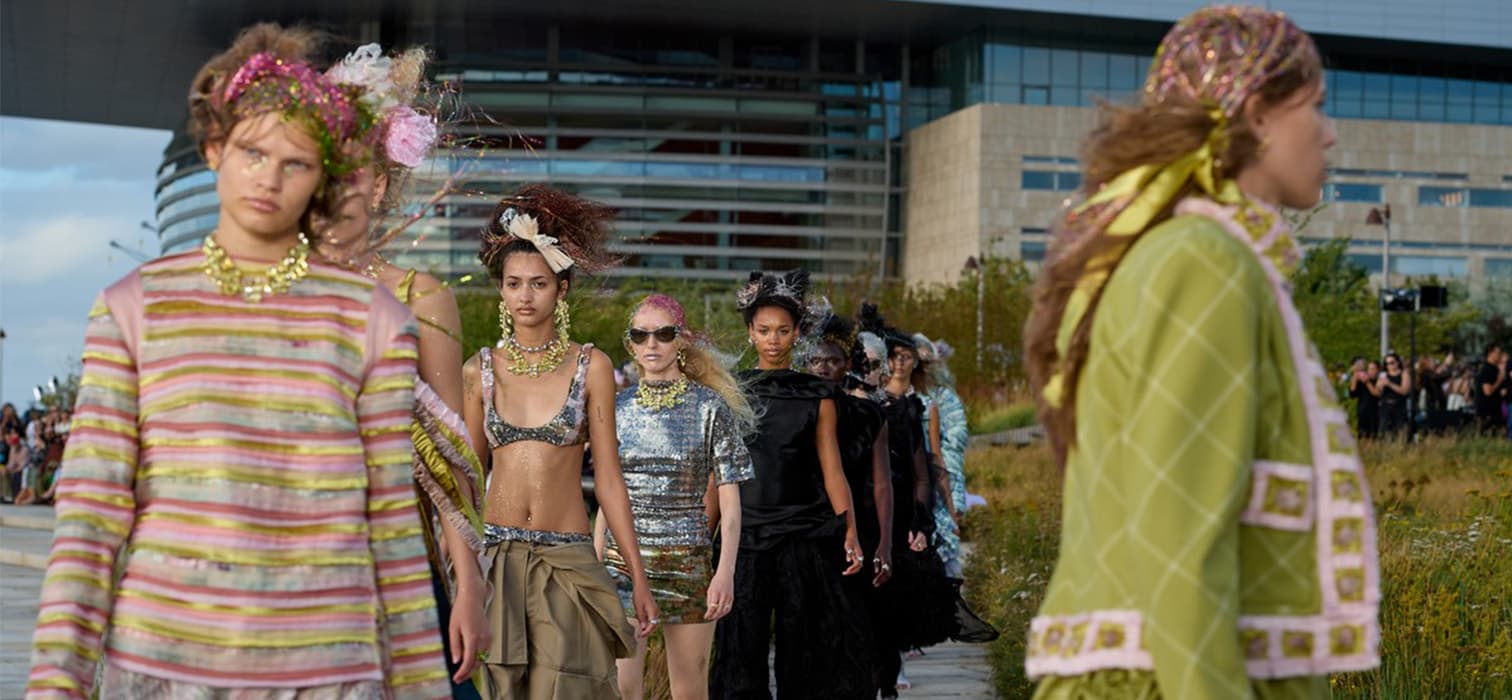
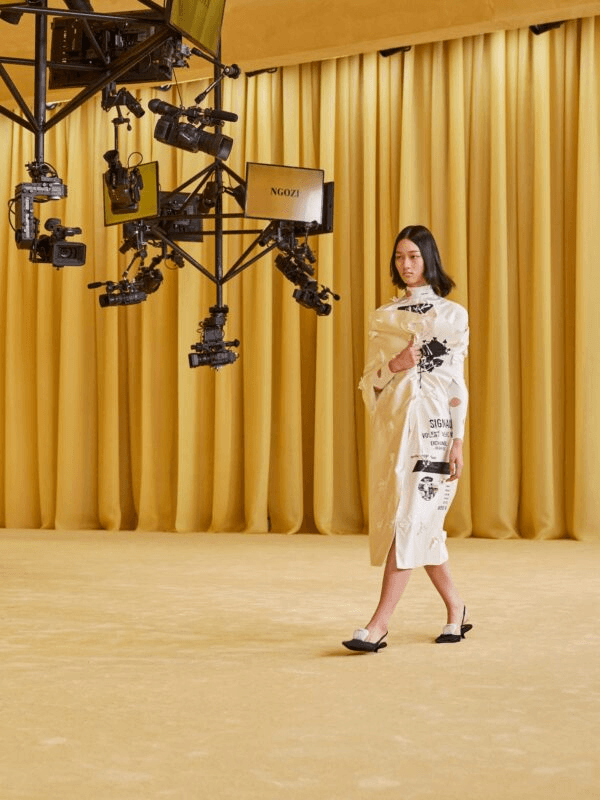
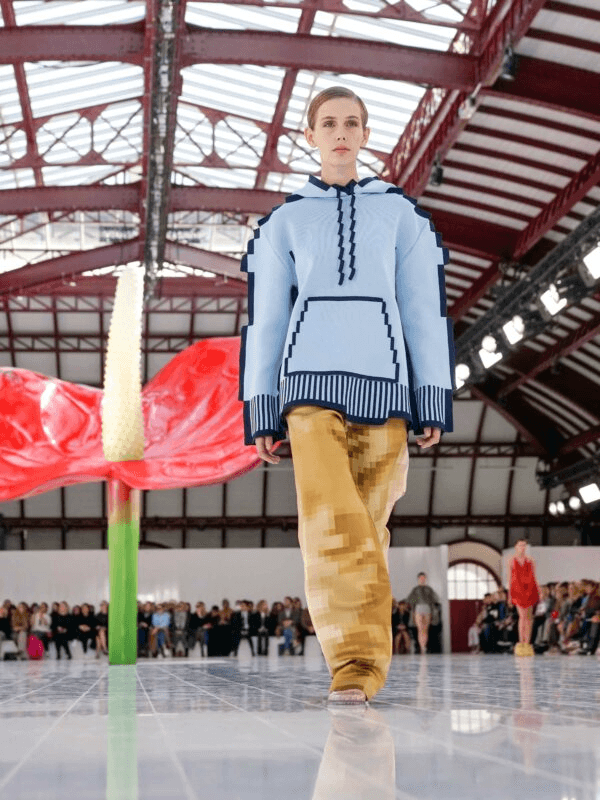
With the digital age, the runway became cinematic, hybrid, and globally connected. Even before the pandemic, technology was reshaping the format—but 2020 accelerated this transformation. Dior’s miniature couture film, Loewe’s Show in a Box, and Balenciaga’s collaboration with The Simpsons redefined what a “fashion show” could be.
Collaborations with artists and choreographers added new layers of expression: Issey Miyake invited Erwin Wurm to reinterpret his One Minute Sculptures, while Maria Grazia Chiuri’s Dior partnered with choreographer Sharon Eyal to merge fabric and movement into a single language.
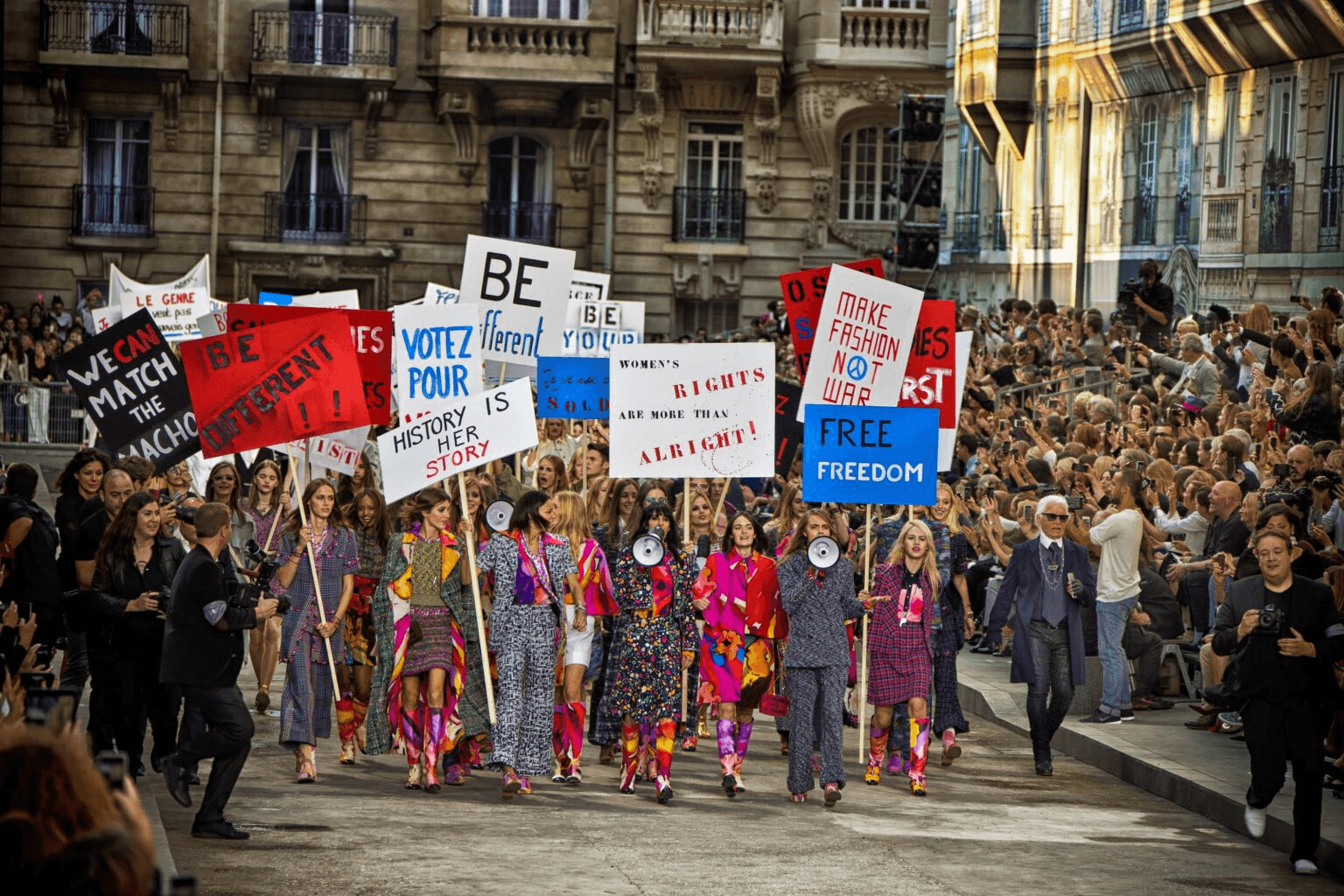
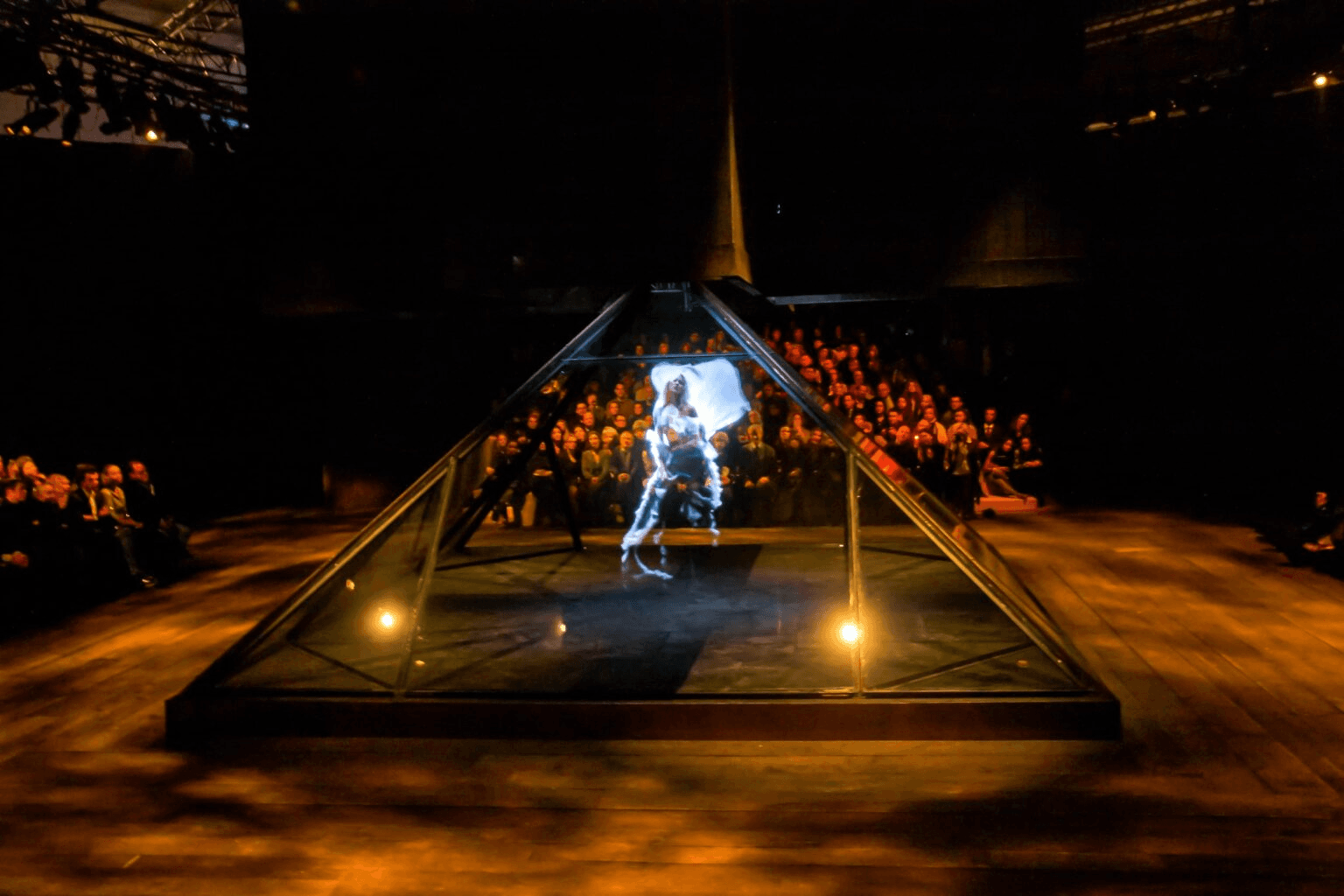
In recent years, the runway has also become a platform for political and social commentary. Rick Owens’ Spring/Summer 2016 show staged an unforgettable act of solidarity, as models carried one another down the runway. Alessandro Michele’s Fall/Winter 2018 Gucci show challenged ideals of “post-human” beauty with prosthetics and medical imagery.
Balenciaga’s Spring/Summer 2020 Parliament Show examined power, identity, and perfection, while Virgil Abloh’s 2021 “skyline jacket” for Louis Vuitton—an homage to Mies van der Rohe—symbolized the deep dialogue between fashion, architecture, and urban life.
The Endless Stage
The final section of Catwalk unfolds in a sustainable setting built from repurposed stage materials from past shows—a poetic reflection on fashion’s cyclical nature. In an era when digital screens transmit runway moments worldwide in seconds, the exhibition reminds us of one enduring truth: nothing can replace the thrill of being there. The lights dim, the music rises, a model takes her first step—and that fleeting, electrifying moment begins. It lasts only minutes, yet it defines an era.
Accompanying the exhibition is a rich A–Z catalog featuring essays by Małgosia Bela, Michel Gaubert, Andreas Murkudis, Caroline Evans, Cathy Horyn, and Valerie Steele. Each explores the enduring mystery of the runway and the ever-evolving magic of fashion. Because whether it unfolds in a Parisian salon, a digital dreamscape, or the middle of a supermarket, the catwalk remains fashion’s purest stage—the place where vision, power, and imagination come alive through movement.
Saatolog Yıllık Saat Dergisi Saatolog’un yeni sayısı, 2020’nin yarattığı bu dönüştürücü etkiden ilham alarak hazırlandı. Dünya dijitalin etkisiyle her zamankinden de hızlı bir şekilde ilerlerken yavaşlamanın da önemini sonunda kavramış bulunuyoruz ve bu tezatlık hayatlarımızın her anına etki ediyor. Biz de bundan yola çıkarak Saatolog 2020/21 sayısını ‘‘hızlı ve yavaş’’ teması altında hazırladık.