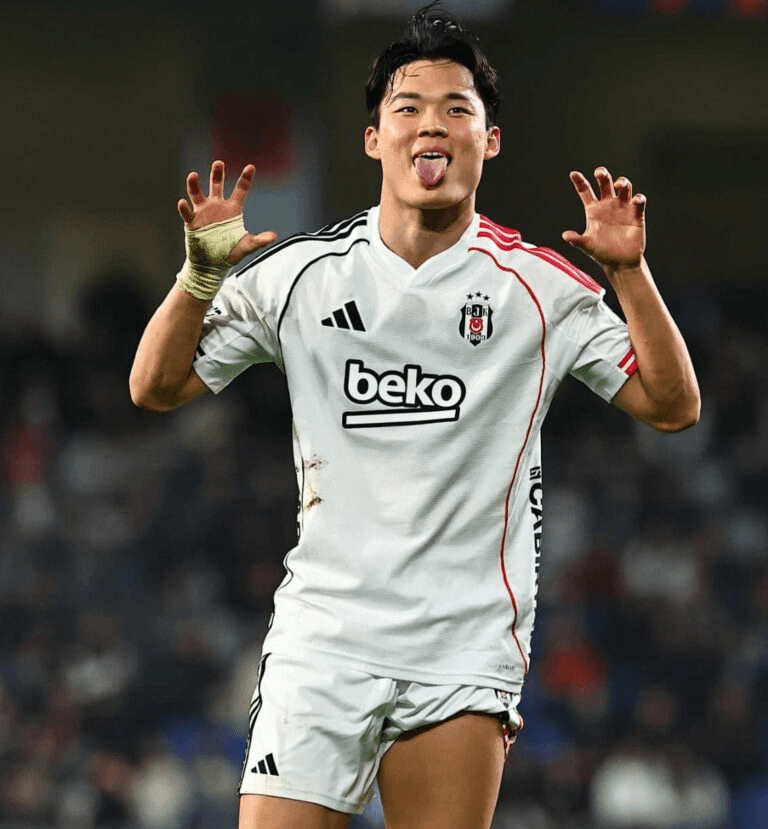

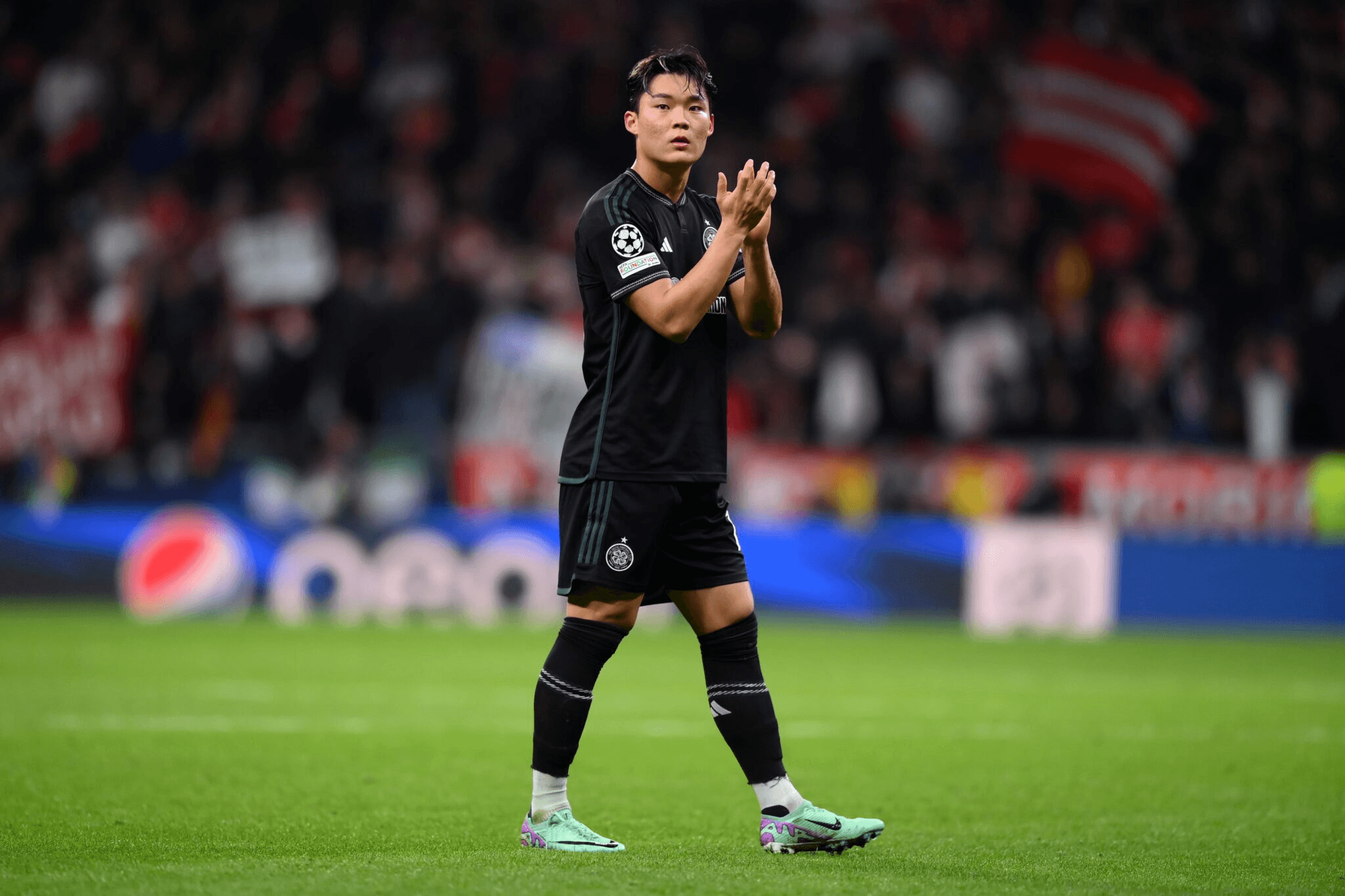
South Korean Hyeon-gyu Oh’s poignant reference to “destiny” upon his arrival at Beşiktaş transcends a mere transfer narrative; it stands as a potent new symbol of the enduring brotherhood between Turkey and South Korea, a bond stretching from the 1950s to the milestone of 2002.
Following a standout performance of one goal and one assist during the Başakşehir vs. Beşiktaş fixture on February 15, 2026, he remarked to the press, “I harbored a profound desire to come here. Beşiktaş is my destiny. I cherish every day I spend within this club.” Although the path of Hyeon-gyu Oh, who journeyed to our nation from the far reaches of South Korea, has only recently merged with that of Beşiktaş, the fates of these two peoples had intertwined on multiple occasions long before.
In 1950, Turkish soldiers embarked on a mission to bring peace to a peninsula thousands of kilometers from their homeland. There, they did more than engage in conflict; they forged a fraternal bond with the Korean people. The Ankara School, established by the Turkish brigade during the Korean War to care for orphaned Korean children, served as perhaps the first tangible manifestation of this brotherhood. Countless narratives, similar to the heart-wrenching film Ayla—which achieved great popularity upon its release—were authored between the two nations in those days. A shared meal in the trenches and the children of two distinct cultures providing warmth to one another in the biting cold constructed a spiritual foundation that far exceeds the goals scored on the pitch today.
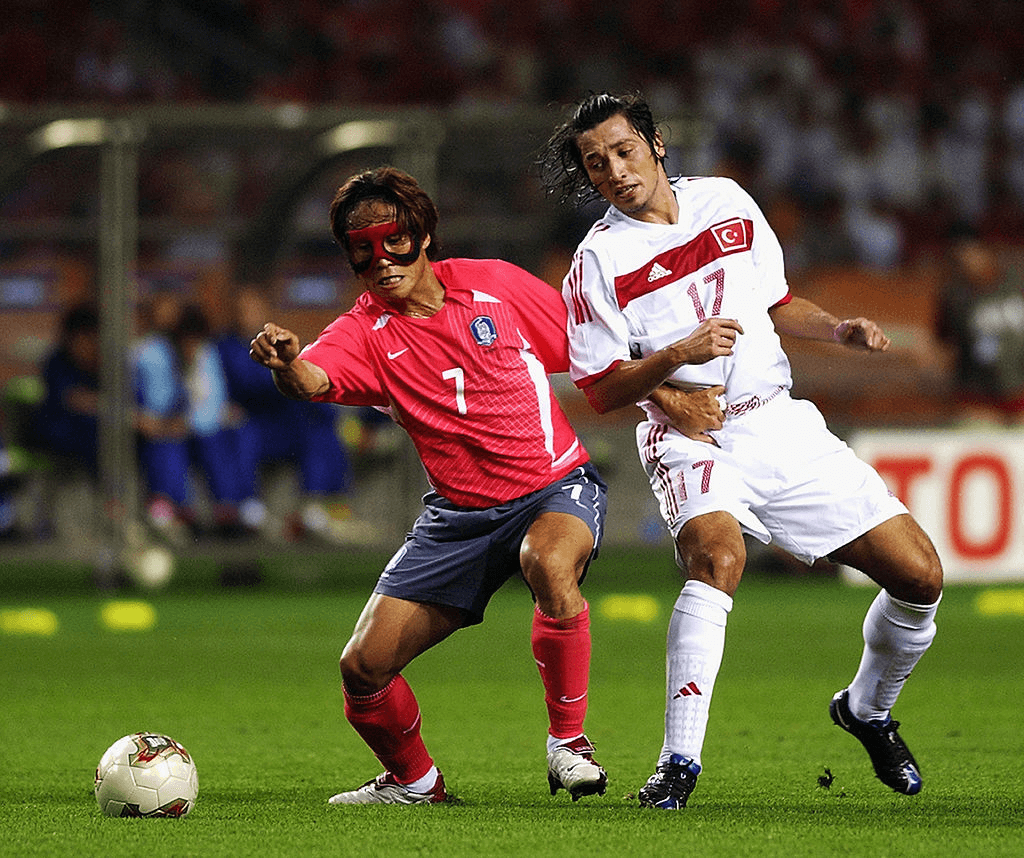
Fast-forwarding through history, we arrive at the 2002 World Cup. The Turkish National Team, under the stewardship of Şenol Güneş, secured its most prestigious historical result by finishing third in the tournament co-hosted by South Korea and Japan. One player, in particular, captivated the spectators from the moment he graced the field: İlhan Mansız, who had transferred from Samsunspor to Beşiktaş and wore the number 26 jersey. Mansız was an expatriate who had refined his footballing skills in Germany, yet his roots were in Eskişehir, giving him Tatar ancestry and distinctive features. When he tied back his long hair in a samurai-like fashion, his resemblance to the people of the Far East was striking. Naturally, his stellar performance throughout the World Cup amplified this popularity. His legendary nutmeg on Roberto Carlos—one of the premier fullbacks of that era—and his golden goal against Senegal in the quarterfinals left an indelible mark on the tournament.