Luxury Fashion’s Love Affair with Gastronomy
Some of the world’s most renowned haute couture brands have unlocked the secret to remaining in the consumer’s memory for years to come.
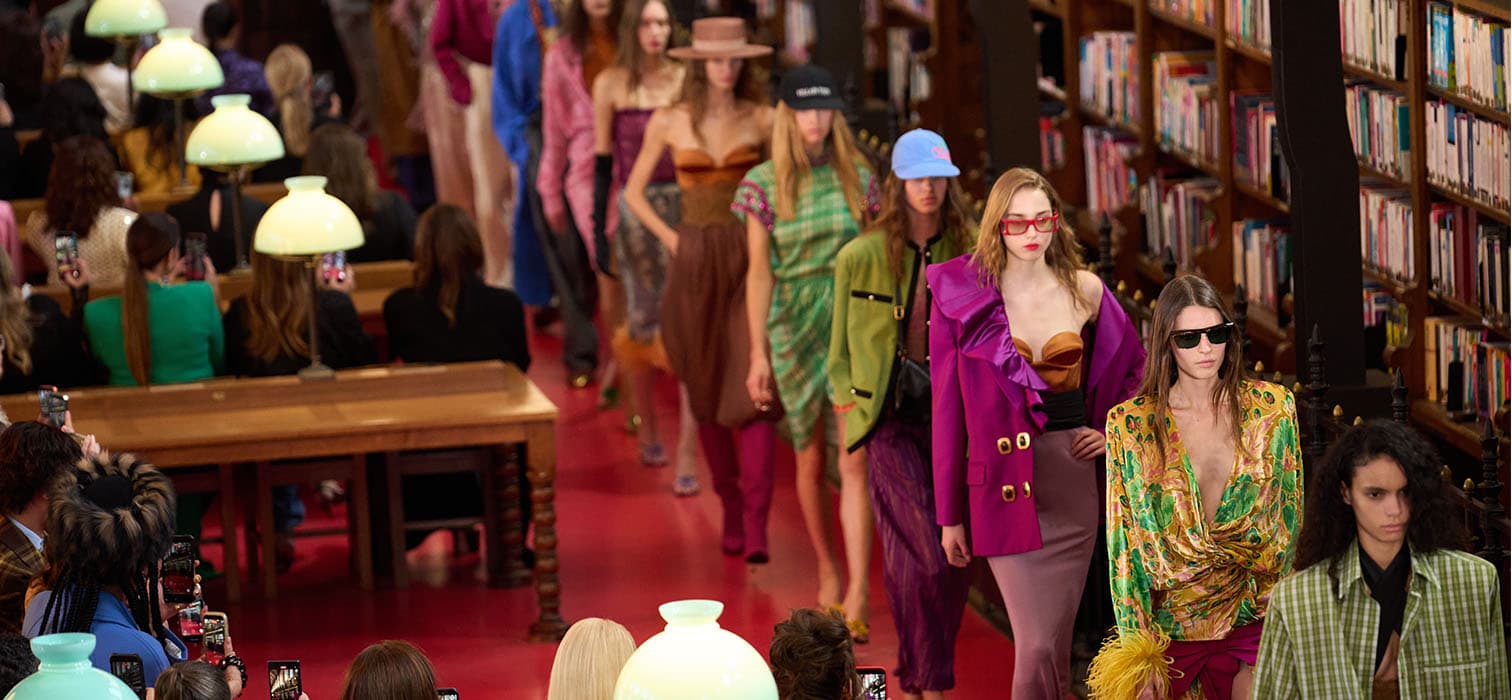
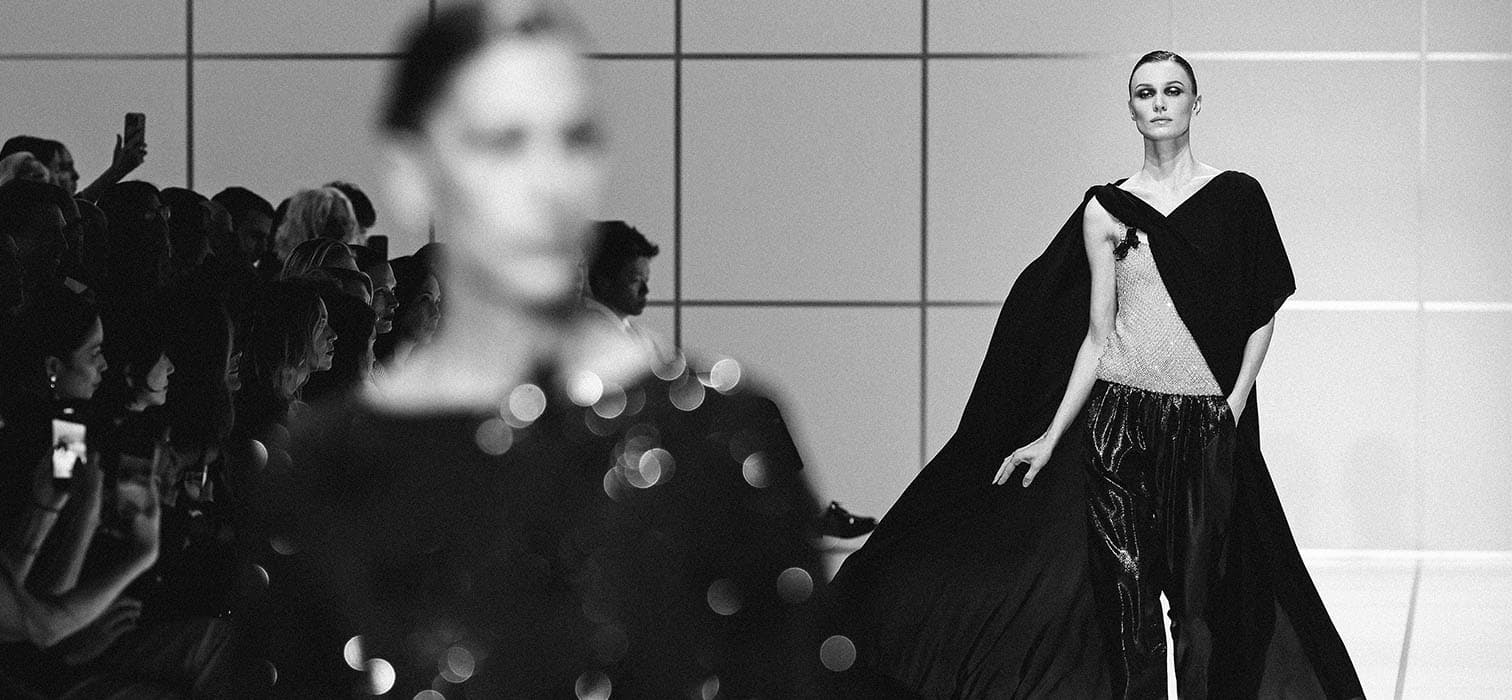
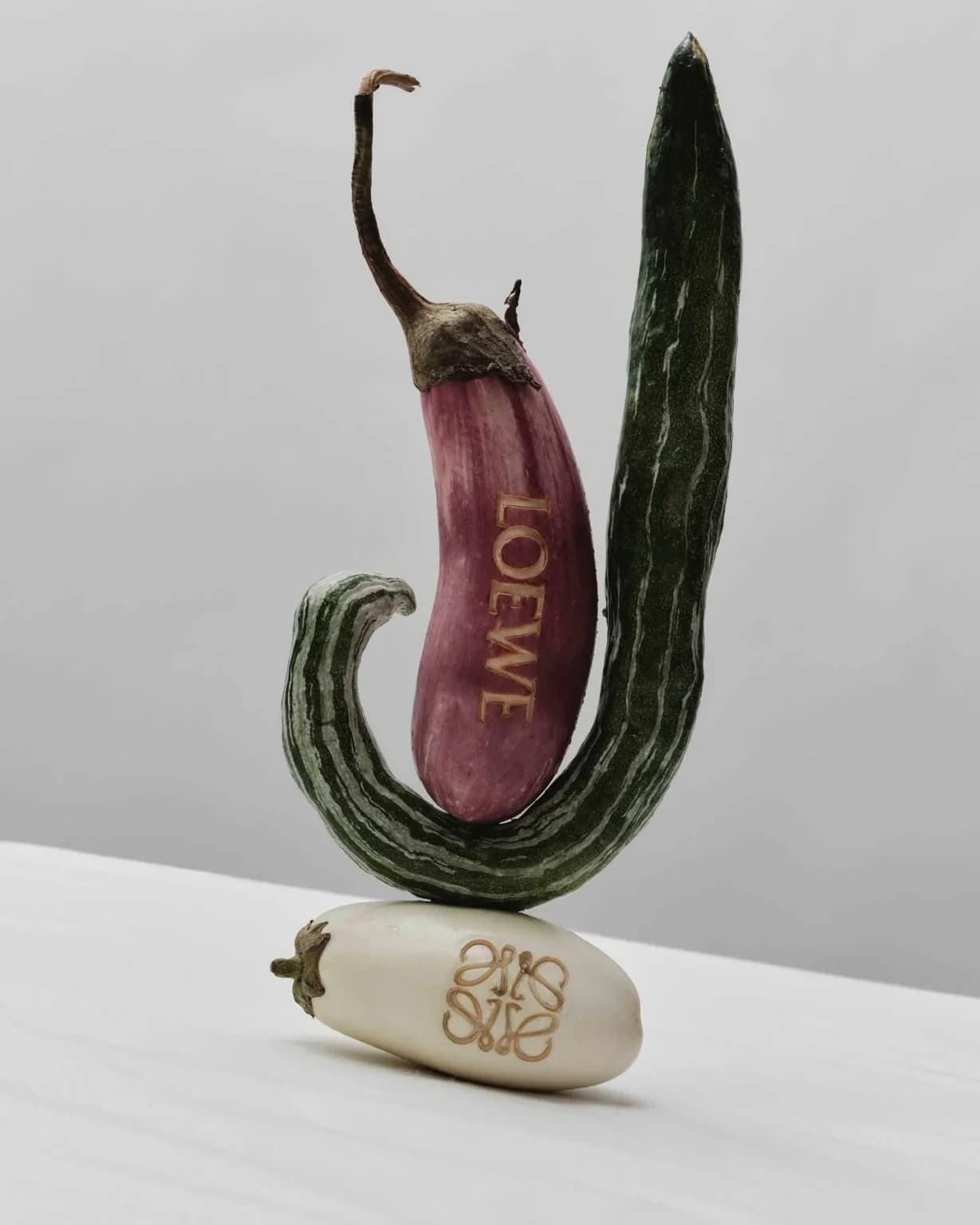
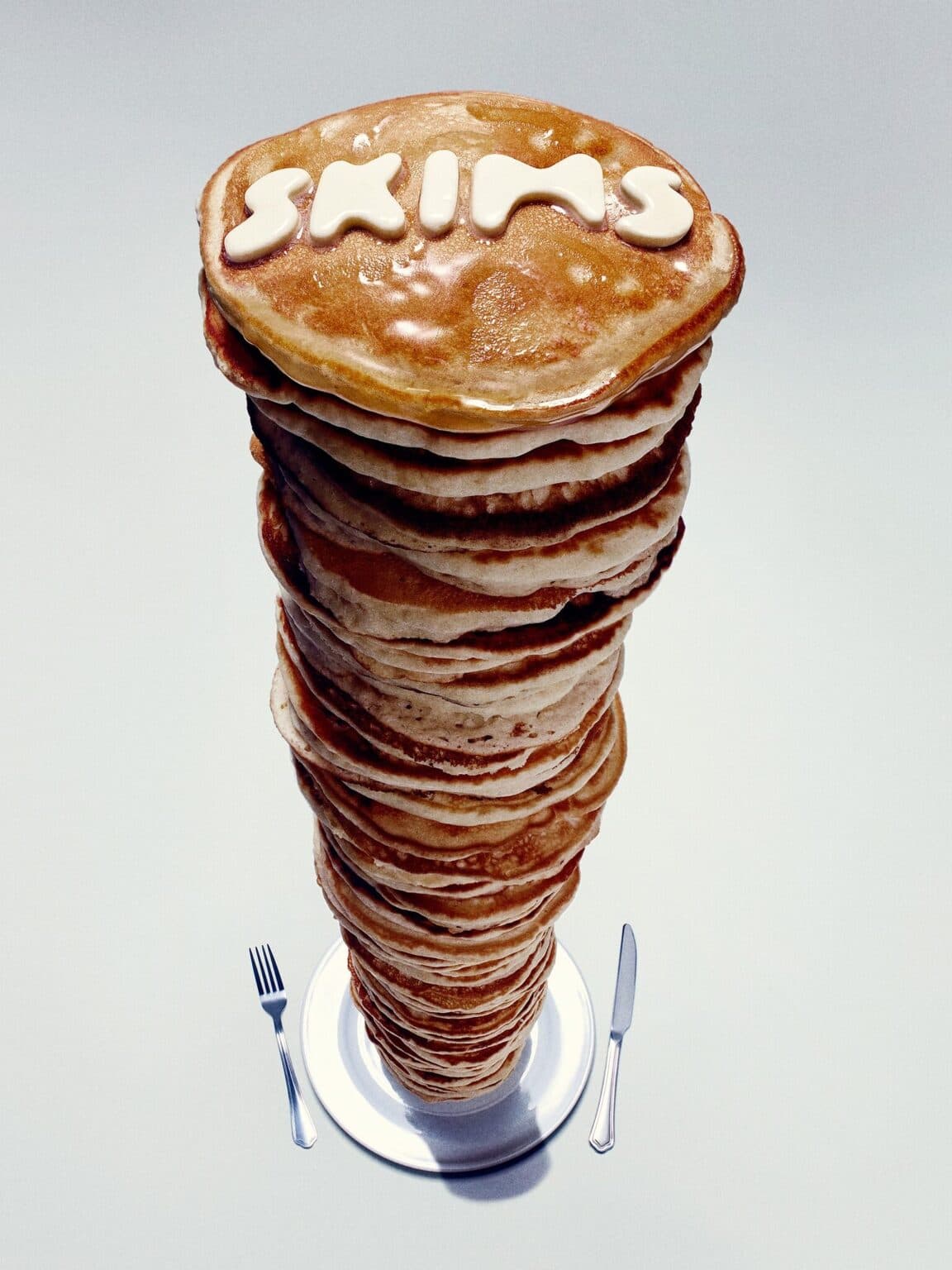
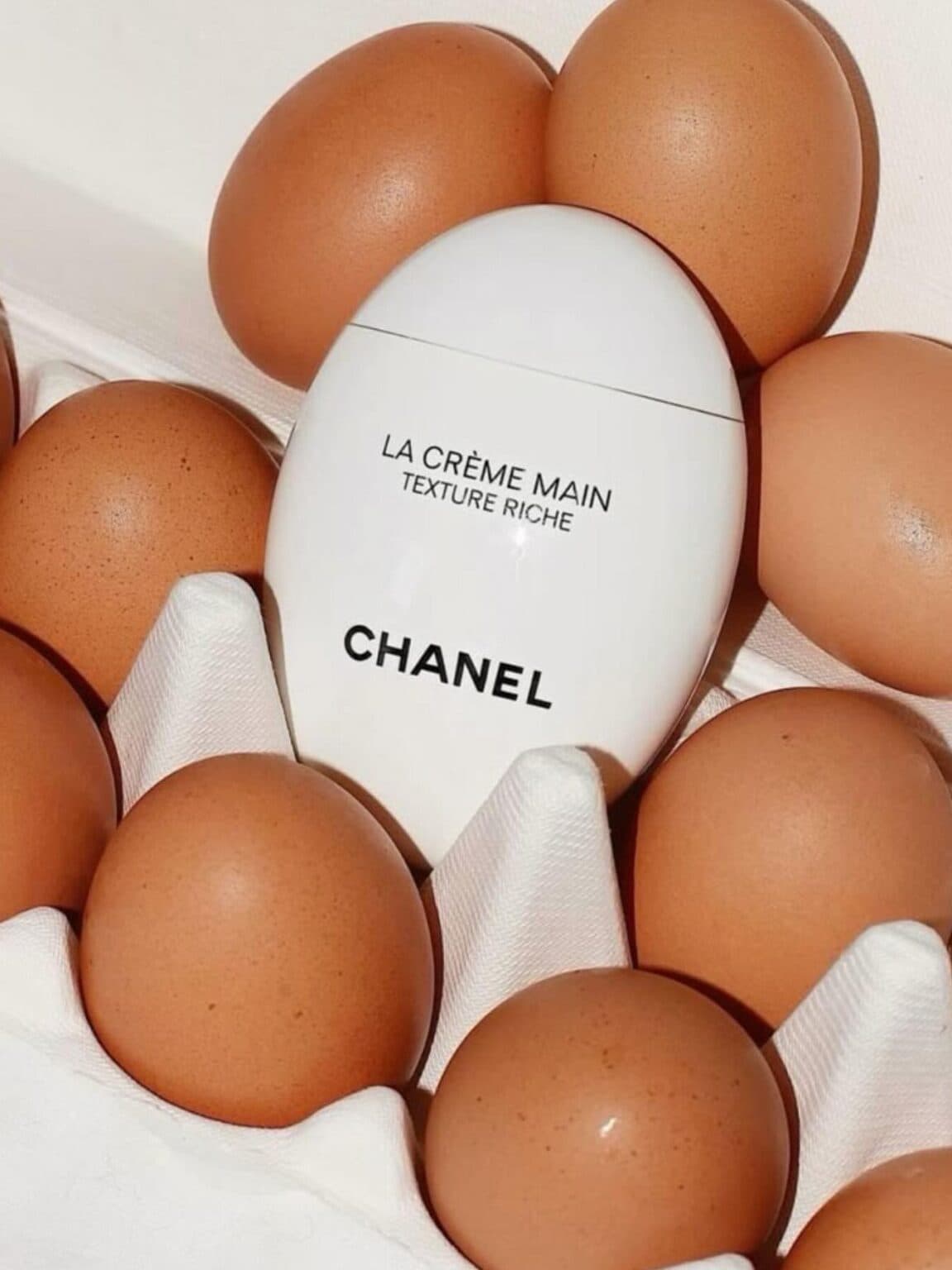
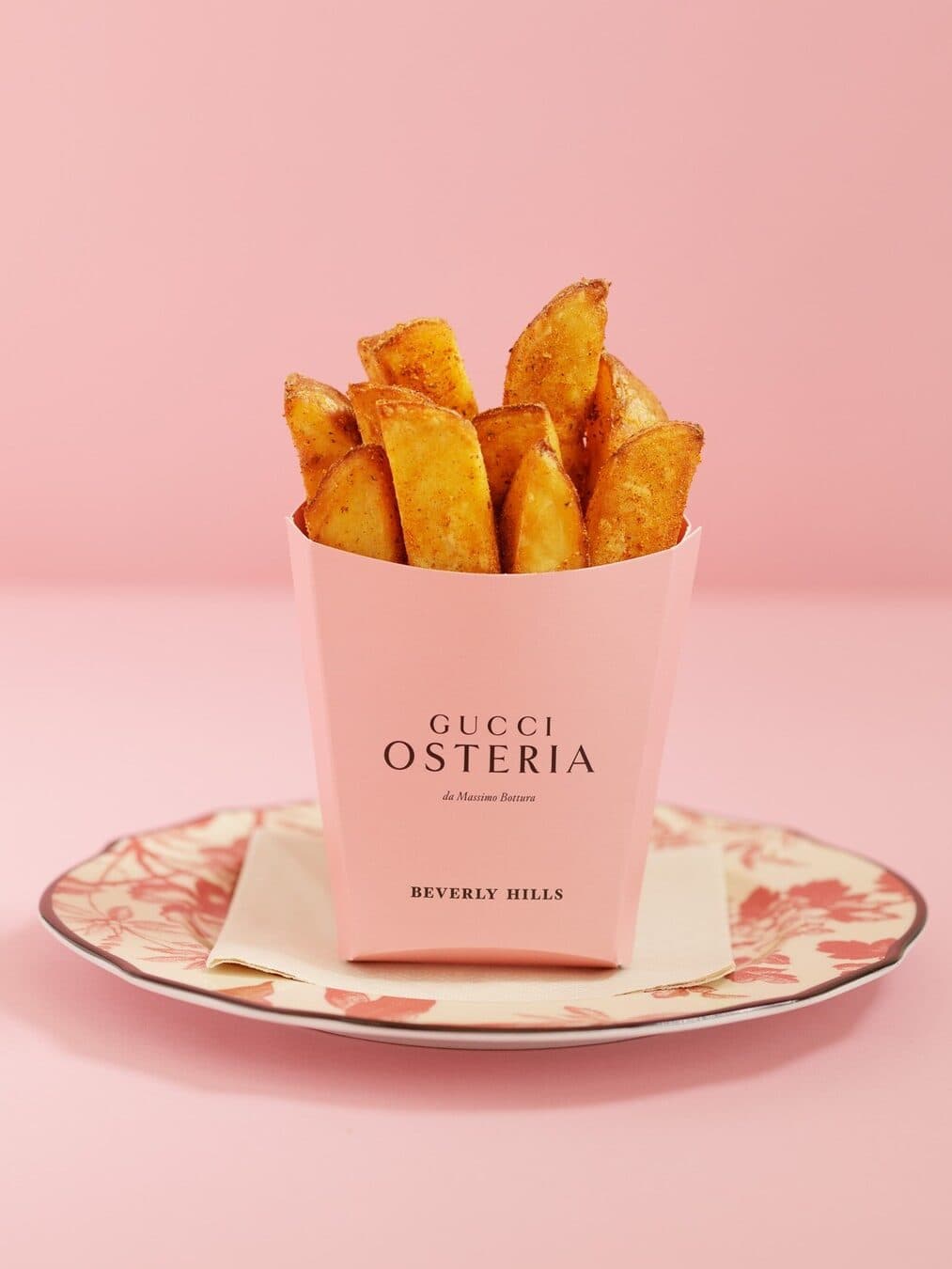
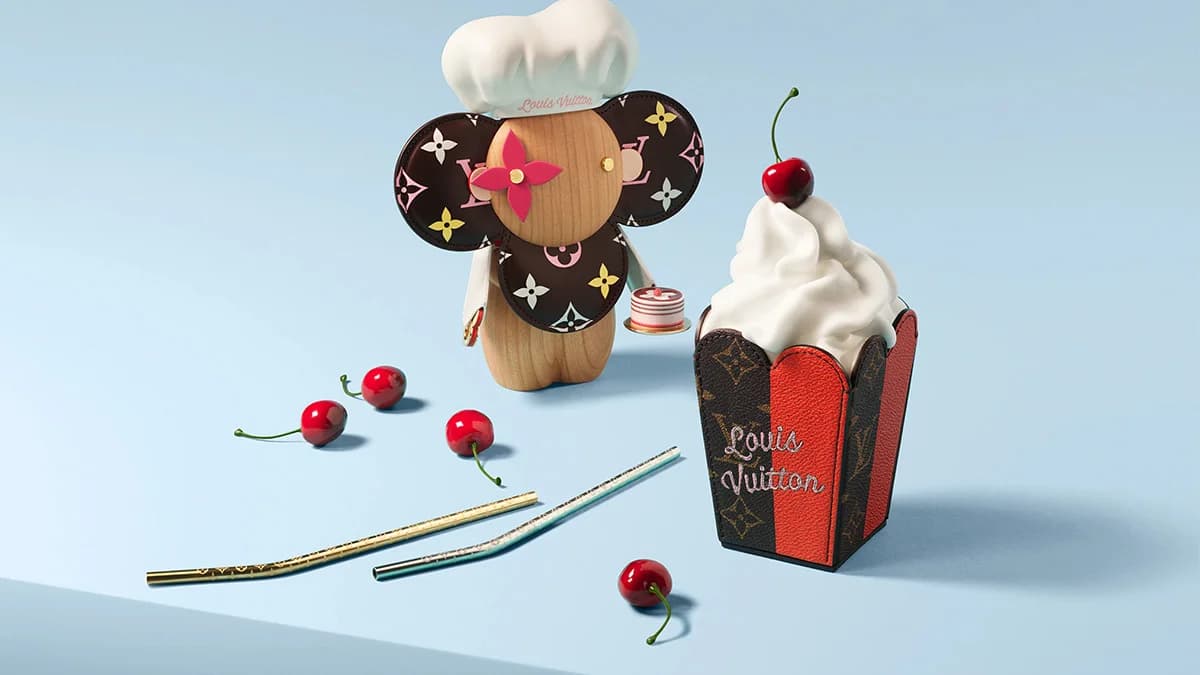
In recent seasons, a distinctive motif has emerged with increasing frequency across luxury fashion’s shopfront displays, runway invitations, campaign imagery, and even retail environments: the deliberate incorporation of gastronomy. This development extends well beyond the superficial allure of a carefully plated dish. Rather, the industry is consciously integrating the universal, multisensory language of food into its broader narrative. A plate of pasta artfully placed alongside a meticulously crafted handbag; temporary café installations unveiling limited-edition collections; pre-show receptions graced with menus curated by renowned chefs — each serves as a testament to fashion’s aspiration to be not merely worn, but also experienced, savoured, and remembered.
From Table to Runway
This shift is more than an artistic flourish; it reflects changing consumer expectations and new-generation marketing strategies. Today’s customers are no longer content with simply owning a product — they crave the story, the ritual, and the emotion that comes with it. Food offers a unique bridge: it holds deep cultural resonance, fosters shareable experiences, and in the age of social media, delivers visually striking content. A coffee, a dessert, or a signature dish can speak volumes about a brand’s identity. It also yields rich, ready-to-share visuals that extend a brand’s digital lifespan. Luxury fashion’s embrace of gastronomy is, in part, a response to this digital reality.
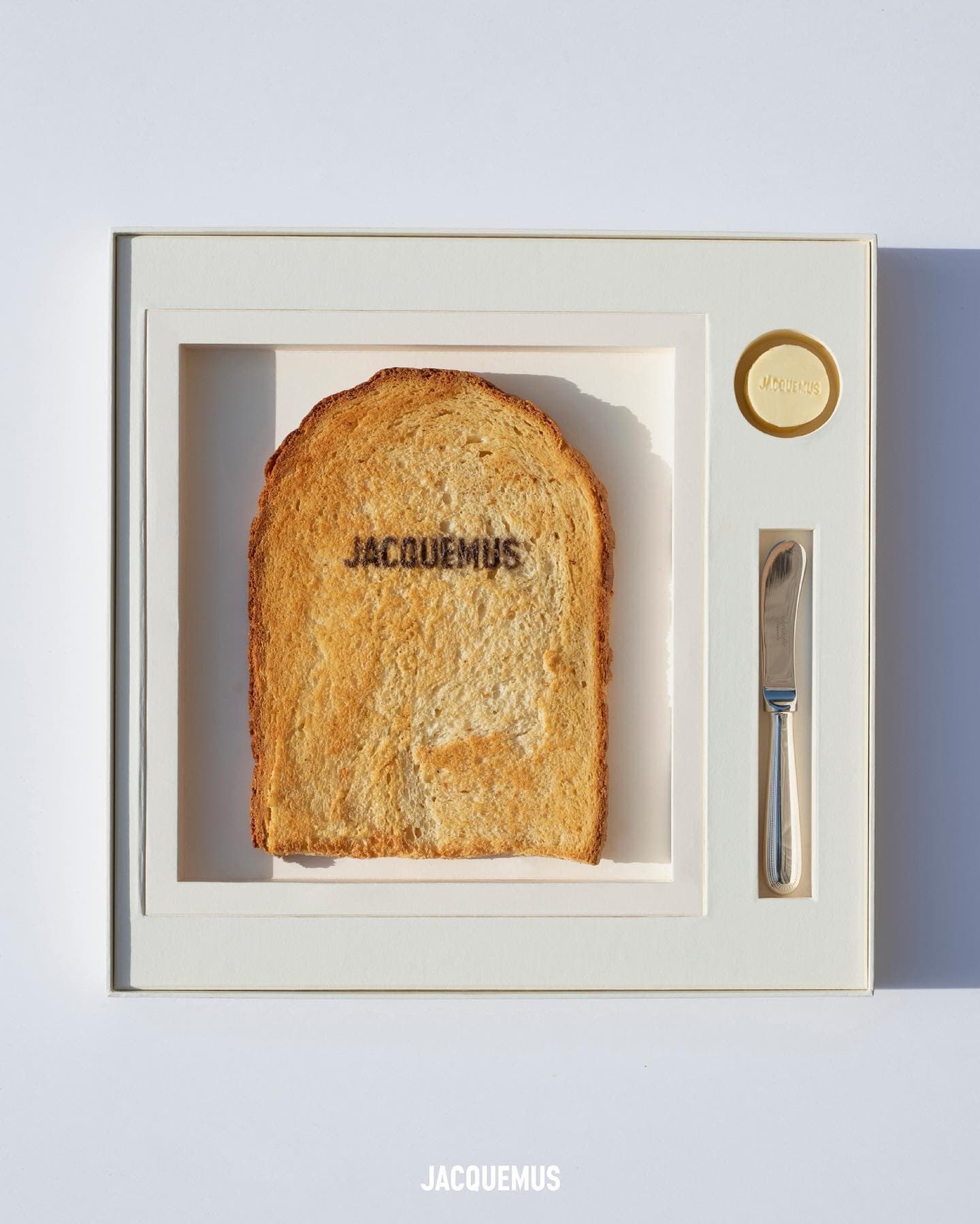
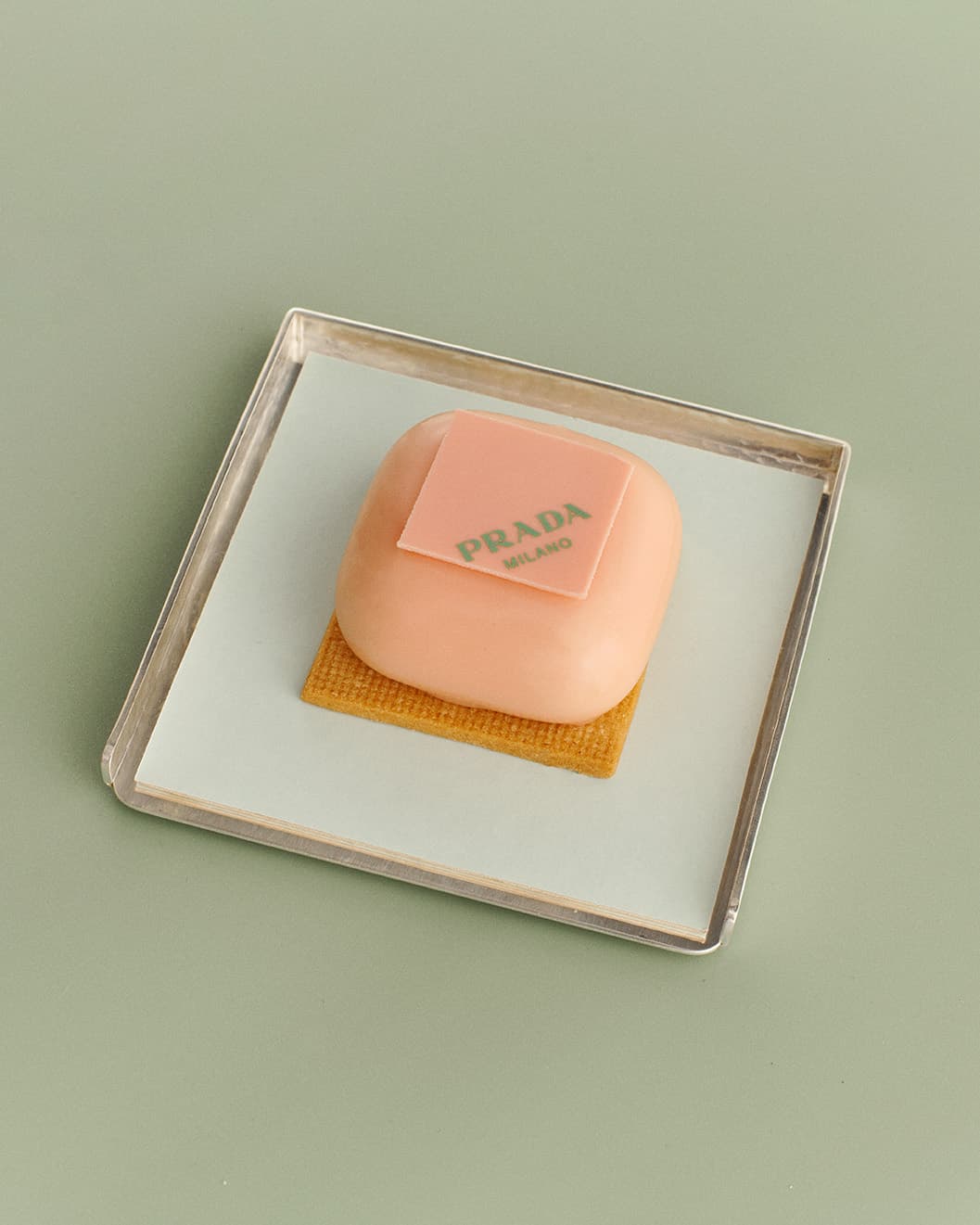
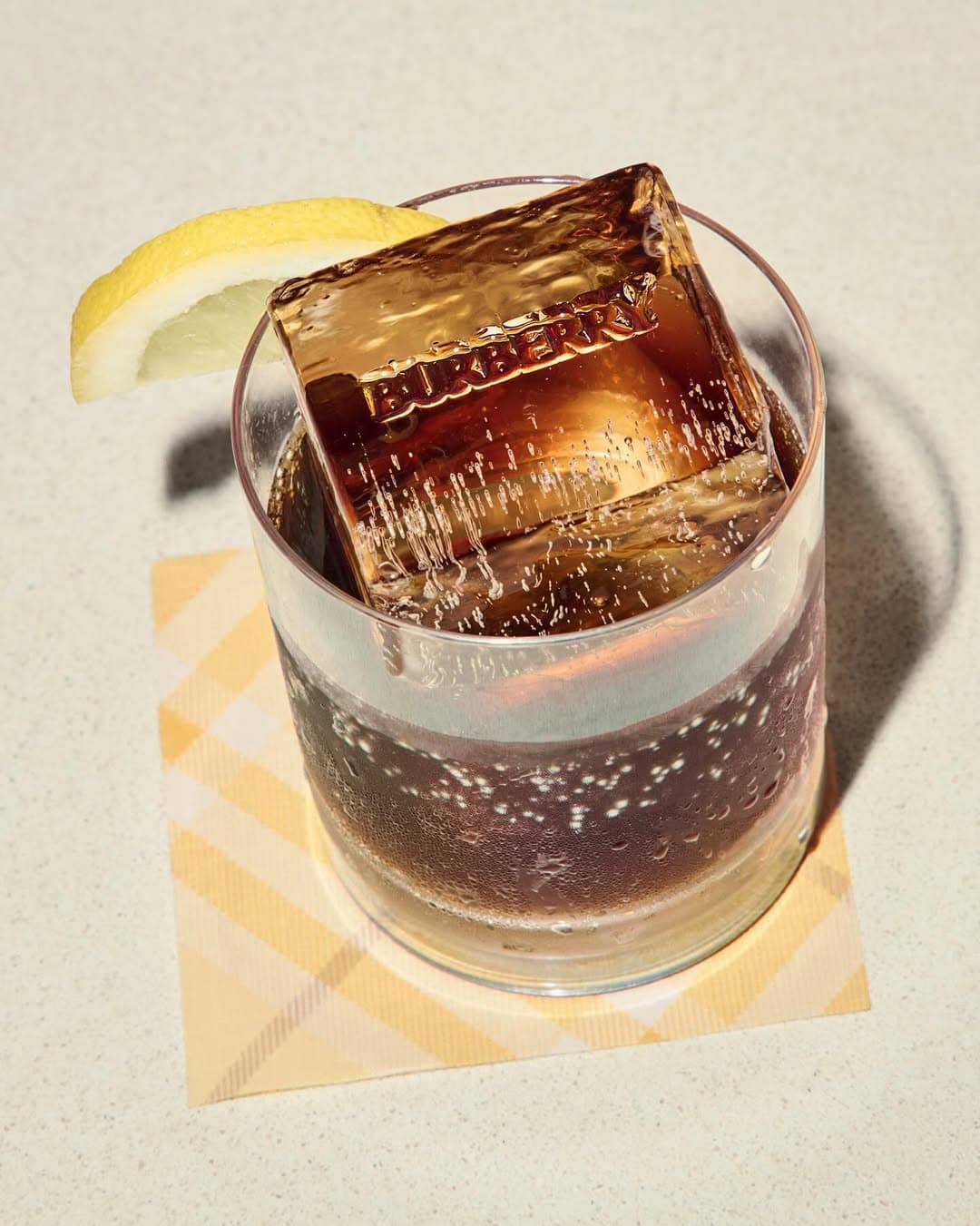
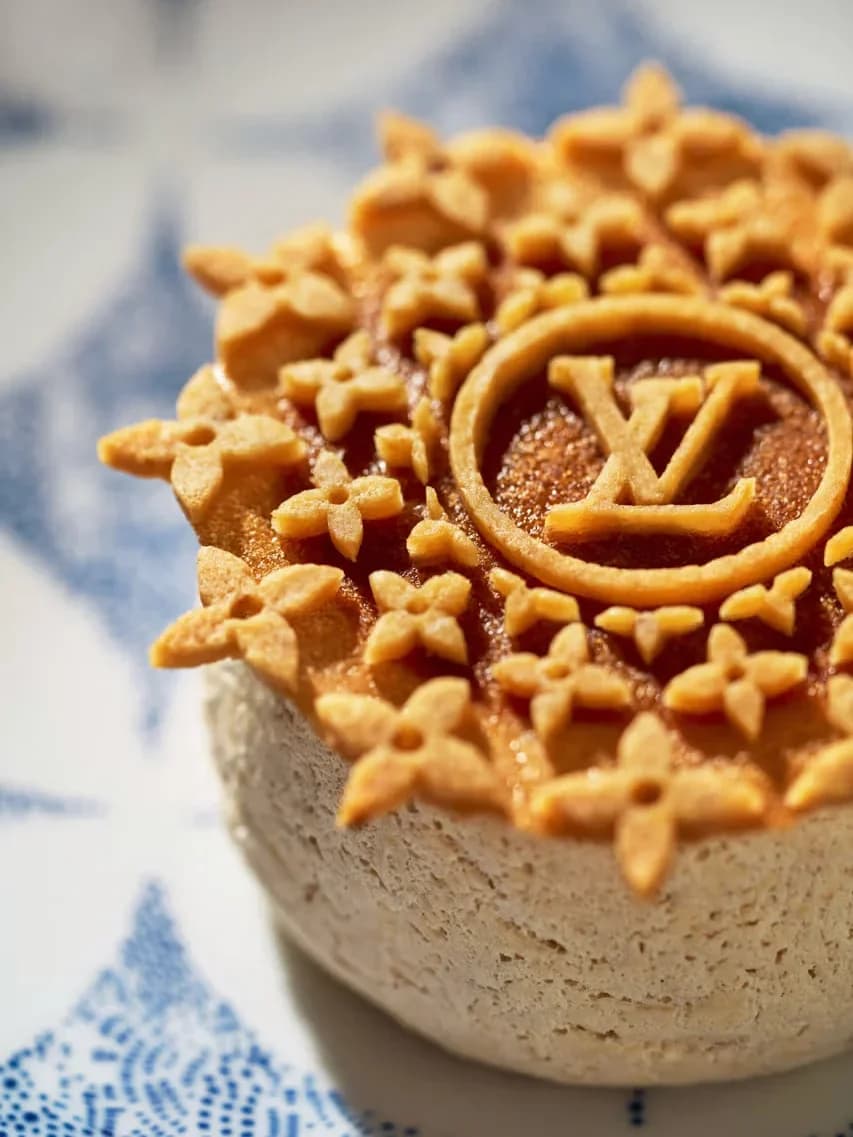
For decades, the essence of haute couture has resided in its capacity to offer more than garments — to craft an entire lifestyle and aesthetic world. Within this constructed universe, food has emerged as one of its most inviting and resonant elements. The heightened presence of culinary motifs in runway presentations, boutique launches, and advertising campaigns is thus no coincidence. The cool, curated façade of fashion finds new warmth and narrative depth in the sensory domain of gastronomy. A brand’s identity is now expressed not solely through fabric and tailoring, but equally in the crema of a cappuccino, the engraving on a pasta invitation, or the monogram atop a plated dessert.
Marketing to the Senses
Fashion has always been a visual industry, but in the digital era, where images are consumed in an instant, leaving a lasting impression is harder than ever. Here, food steps in. A dining experience engages taste, smell, touch, and sight simultaneously, giving a brand a physical dimension beyond mere aesthetics. A handbag resting casually on a café table, a dessert bearing the house logo, or a bespoke plate design transforms a product from an object into a moment lived.


Food’s emotional resonance adds another layer. It taps into memories — from childhood flavours to holiday feasts — forging deeper bonds between brand and consumer. Think Fendi’s pasta-shaped invitations paying homage to Italian cuisine; Jacquemus’ pop-ups evoking the charm of a countryside breakfast; Burberry’s cafés infused with a sense of British nostalgia. Each translates cultural roots onto the plate, making a brand’s identity more tangible.
Economically, the logic is sound. In uncertain times, consumers may shy away from high-ticket items, but a designer coffee or branded pastry becomes a small, accessible indulgence — a modern expression of “affordable luxury.” For many, it’s the first point of contact with a brand, one that may later lead to larger investments.
And then there’s social media. Beautifully plated dishes have long been Instagram’s leading stars. By integrating gastronomy into their campaigns, fashion brands tap into this pre-existing appetite. Monogrammed sweets, latte art in brand-specific hues, menus tailored to a collection’s theme — all are ready-made for organic digital exposure.


Couture on the Plate
Consider this: even the most spectacular fashion show lasts only minutes, and a store visit rarely exceeds a couple of hours — but a memorable dining experience lingers far longer. Gastronomy lends fashion the gift of enduring memory. One striking extension of this strategy is the emergence of fashion-house cafés and restaurants.
These spaces act as “living shop windows.” Going beyond seasonal collections, brands curate entire culinary worlds — immersive stages where design and flavour meet. As noted in our “Haute Couture Restaurants” feature, Dior’s Monsieur Dior on Avenue Montaigne stands as a couture address where the bond between fashion and gastronomy becomes tangible. This intimacy between haute couture and cuisine is no fleeting trend — it is now a permanent fixture of the luxury stage, and one that shows every sign of deepening in the years ahead.


From Dior to Louis Vuitton: Haute Couture Restaurants