October is when the literary world holds its breath: just before the Nobel and Booker Prizes are announced, we look at this year’s frontrunners and the rich histories of these two awards.
Once again, this autumn, the literary world watches in suspense as the season of its two most distinguished awards approaches: the Nobel Prize in Literature and the Booker Prize. Although their purposes, scope, and selection processes differ significantly, both prizes share one common outcome—their recipients attain global recognition, and their books see a dramatic rise in readership and sales.
Founded according to the will of Alfred Nobel, the Nobel Prize in Literature honors a writer who has produced “the most outstanding work in an ideal direction.” It is awarded either for a lifetime of achievement or for works that have made a profound cultural, moral, or intellectual impact across the world. The Booker Prize, originally established as the Booker–McConnell Prize, on the other hand, celebrates a single novel written in English and published in the United Kingdom or Ireland. Its mission is to spotlight exceptional works of contemporary fiction and to bring the year’s most remarkable novels to broader attention.
(C) David Parry_ Booker Prize Foundation
The shortlist for the 2025 Booker Prize was recently announced, revealing the novels now standing closest to victory. As critics, bookmakers, and readers continue to debate who will take home this year’s Nobel and Booker Prizes, we take a deep dive into the writers and works that have captured the literary world’s imagination—exclusively for Saatolog readers.
2025 Nobel Prize in Literature: Leading Candidates
First awarded in 1901, the Nobel Prize in Literature has, for more than a century, upheld its reputation as one of the most esteemed honors in the literary world. Established through the will of Swedish industrialist and dynamite inventor Alfred Nobel, the prize was conceived to celebrate the writer who has produced “the most outstanding work in an ideal direction.” This phrase, elusive and open to interpretation, has inspired endless discussion about what constitutes “ideal” literature.
Unlike literary awards that recognize a single book, the Nobel Prize distinguishes itself by evaluating an author’s entire oeuvre—their lifelong contribution to literature and the influence of their work on humanity. Its universal scope is also remarkable: any writer, writing in any language, is eligible. This inclusivity has made it a genuine measure of global literature. Turkey’s Orhan Pamuk, who received the award in 2006, remains the only Turkish laureate to date.
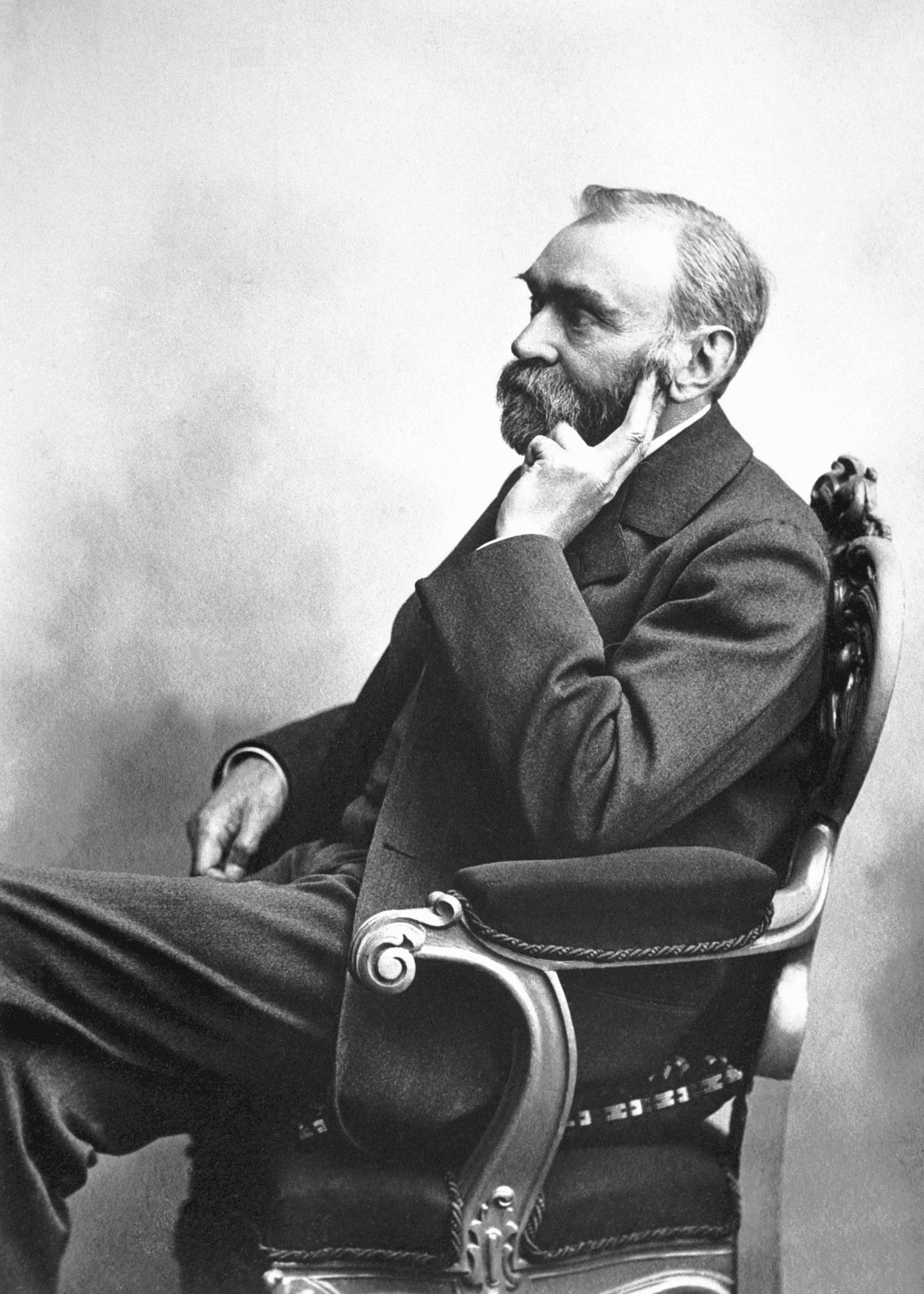
Alfred Nobel Photo: Atelier Florman / Nobel Foundation archive
Over the years, the Nobel has been awarded to canonical voices such as Rabindranath Tagore, William Faulkner, Gabriel García Márquez, and Toni Morrison—writers whose works reshaped modern literary imagination. Yet, at times, the Academy’s decisions have also sparked lively debates, as in 2016, when Bob Dylan’s win challenged the very boundaries of what can be considered literature.
One of the Nobel Prize’s most defining features lies in its cultural and moral dimension. Beyond aesthetic excellence, it honors writers whose works expand human understanding—posing political, existential, or philosophical questions, and stretching the limits of language and form. Each October, when the Swedish Academy announces its decision, the prize bestows immense symbolic power: the winner becomes a global literary icon overnight, their readership widens, and their place in the international canon is secured.
Despite persistent criticisms—particularly regarding Eurocentrism and gender imbalance—the Nobel Prize in Literature remains the highest benchmark of literary achievement, continuing to provoke dialogue about the role of literature in a rapidly changing world. This year, the following authors are among the leading favorites according to critics:
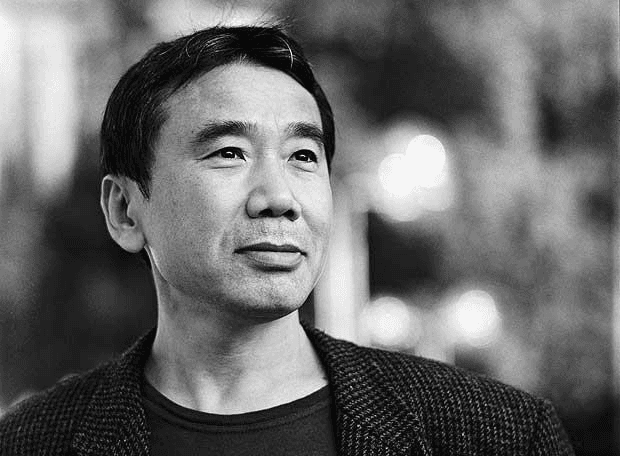
Haruki Murakami (Japan, b. 1949): Widely regarded as one of the most significant voices in 21st-century literature, Murakami’s works have been translated into over fifty languages and have garnered numerous international awards. His blend of magical realism and postmodern narrative invites readers into surreal yet deeply human worlds. Influenced by Western literature, jazz, and pop culture, novels such as Kafka on the Shore and Hear the Wind Sing explore themes of alienation, memory, and love. The Turkish editions of his works, known for their lucid style and dreamlike imagery, are published by Doğan Kitap.
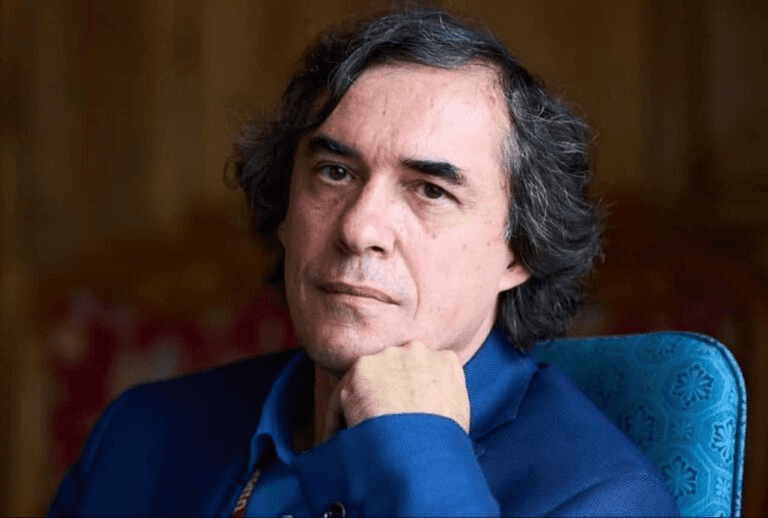
Mircea Cărtărescu (Romania, b. 1956): Cărtărescu’s prose, poetic and hallucinatory, delves into the labyrinths of memory, identity, and time. Drawing from Romanian history, folklore, and European modernism, his Orbitor trilogy stands as a testament to his boundless imagination and philosophical depth. The Turkish translations, including the Orbitor trilogy, have been published by Ayrıntı Yayınları.
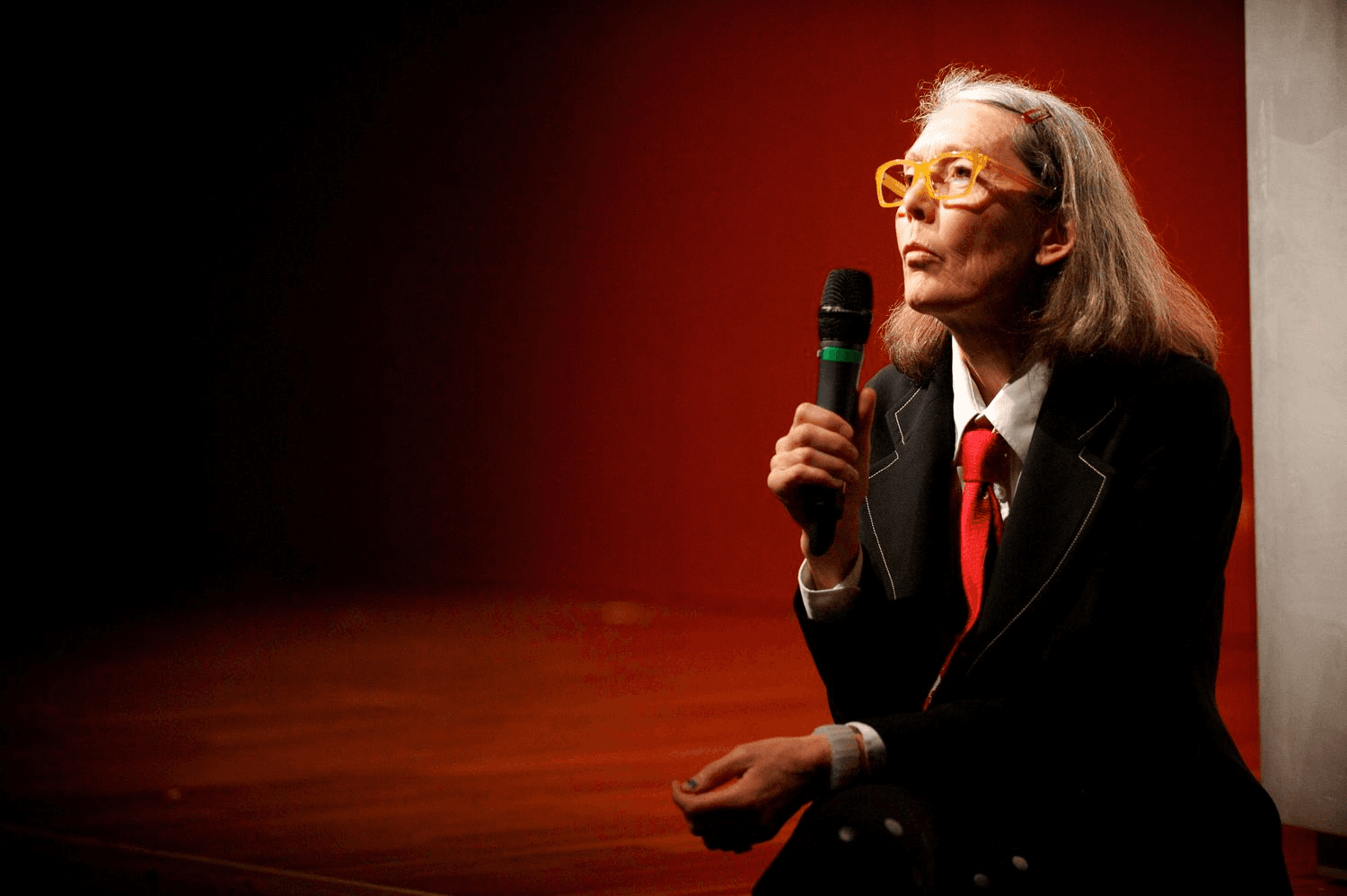
Anne Carson (Canada, b. 1950): Poet, essayist, translator, and classicist, Carson’s work defies genre boundaries, weaving together poetry, philosophy, and prose into a distinctive hybrid form. Deeply influenced by ancient Greek literature and modernist thought, her Autobiography of Red has been described by its Turkish publisher Metis Kitap as “an apocalyptic epic with the restrained lyricism of poetry and the narrative drive of a novel.” Metis Kitap has also published the Turkish translations of her two major works.
Photo: Hayley Madden for the Poetry Society
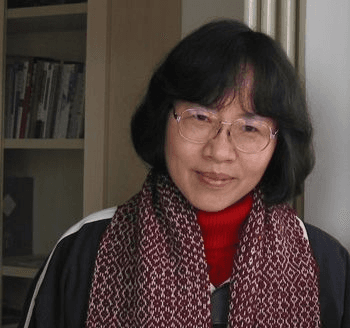
Can Xue (China, b. 1953): A leading voice in avant-garde Chinese literature, Can Xue’s fiction fuses the influences of Western modernism with the richness of Chinese literary tradition. Her life was profoundly shaped by the Cultural Revolution, during which her family was sent to the countryside and her formal education ended after elementary school. If awarded the Nobel Prize, she would become the 19th woman laureate, the third Chinese writer, and only the second author residing in China to receive the prize after Mo Yan in 2012.
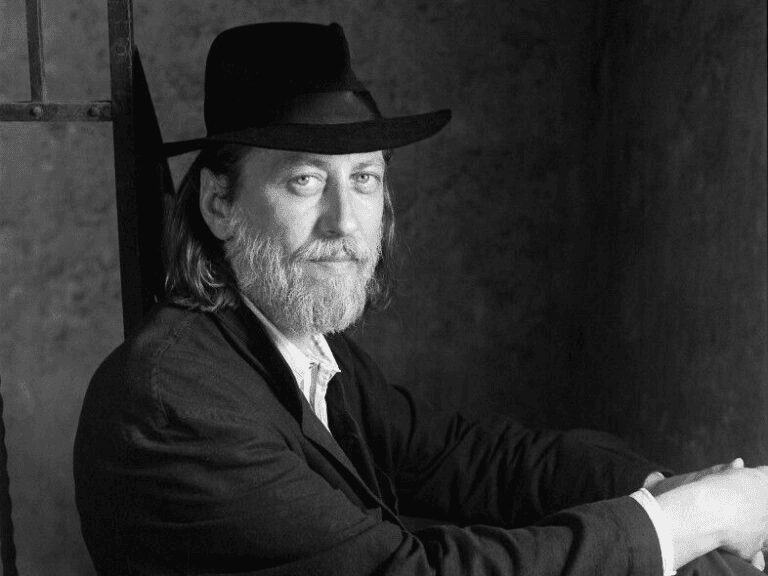
László Krasznahorkai (Hungary, b. 1954): Renowned for his long, intricate sentences and apocalyptic vision, Krasznahorkai’s novels are philosophical meditations on despair, beauty, and endurance. Deeply influenced by Kafka and the European modernist tradition, his works—including The Melancholy of Resistance and The Tango of Satan—offer haunting reflections on the human condition. The Turkish translations of his books are published by Can Yayınları.
The Little-Known Favorites for the 2025 Nobel Prize in Literature
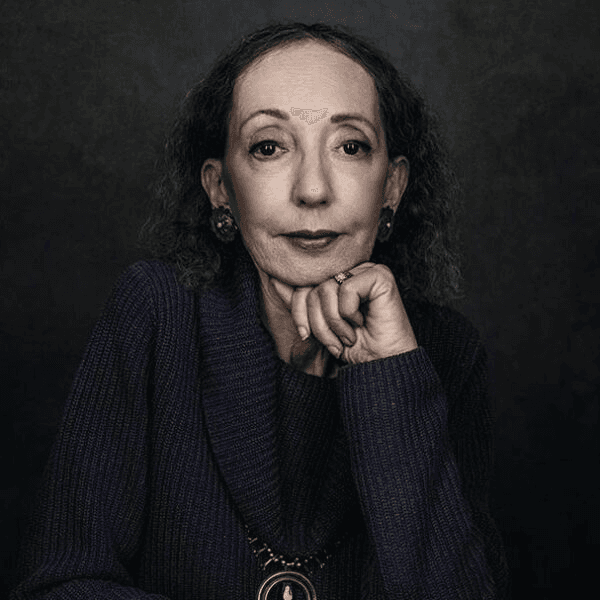
Joyce Carol Oates (USA, b. 1938): One of the most prolific figures in American letters, Joyce Carol Oates has built an extraordinary body of work spanning novels, short stories, and essays. Her writing, shaped by American Gothic, psychological realism, and social realism, moves fluidly between lyrical and starkly unsettling tones. Often exploring themes of violence, social injustice, gender, and family dynamics, Oates’s fiction offers unflinching portraits of the human psyche and the darker undercurrents of American life. Turkish translations of her works have been published by several houses, including Everest, Alakarga Sanat, and Siren.
Credit: Dustin Cohen
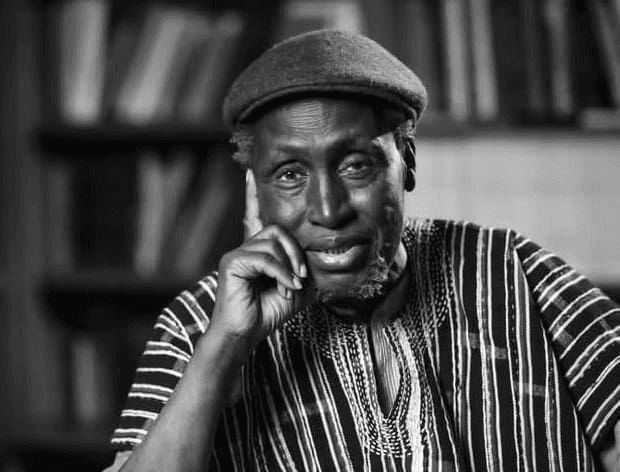
Ngũgĩ wa Thiong’o (Kenya, b. 1938): A central voice in postcolonial literature, Ngũgĩ wa Thiong’o’s novels—such as Petals of Blood—confront the legacies of colonialism, social inequality, and cultural identity. Deeply influenced by African oral traditions and political thought, his prose fuses allegory, symbolism, and the linguistic rhythms of the Kikuyu people with English narrative forms. His work embodies the struggle for decolonization not only in politics but also in language and imagination. Turkish translations of his books are available from Ayrıntı Yayınları.
Pinterest
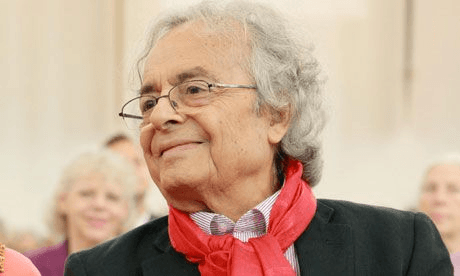
Adonis (Syria, b. 1930; born Ali Ahmad Said Esber): Widely regarded as the most influential living Arab poet, Adonis transformed modern Arabic poetry by merging classical forms with modernist aesthetics. Through his groundbreaking exploration of language and mysticism, he expanded the boundaries of poetic expression in the Arab world. Everest Yayınları, which publishes his works in Turkish, describes his art as “a new mystical universe that, departing from traditional Sufi approaches, reimagines the relationship between Sufism and surrealism.”
Pinterest
2025 Booker Prize: Finalists and Surprises
First established in 1969, the Booker Prize has grown into one of the most significant awards in the English-speaking literary world. Serving as both a landmark in a writer’s career and a powerful force in shaping contemporary fiction, the prize marks a pivotal moment for novelists writing in English. Originally known as the Booker–McConnell Prize, it was created to honor the best novel written in English by a citizen of the Commonwealth, Ireland, or Zimbabwe and published in the United Kingdom.
In 2002, sponsorship passed to the Man Group, and the award became widely known as the Man Booker Prize until 2019, when it was renamed simply The Booker Prize. Unlike lifetime achievement awards such as the Nobel, the Booker recognizes a single novel published within the year. This annual rhythm keeps the award at the heart of literary conversation, spotlighting emerging talent while reaffirming the power of established voices.
(C) Booker Prize Foundation / Yuki Sugiura
The rules of the prize were expanded in 2014 to include authors of any nationality, provided their book was published in the United Kingdom or Ireland. While this shift stirred debates about globalization and representation in literature, it also enriched the competition by widening its cultural and linguistic diversity. Another distinctive hallmark of the Booker is its annually changing jury—composed of critics, writers, academics, and cultural figures—which brings a fresh perspective each year.
Over the decades, the prize has celebrated literary giants such as Salman Rushdie, Margaret Atwood, and Hilary Mantel, as well as rising voices like Bernardine Evaristo, who became the first Black woman to win the award in 2019. Beyond prestige, the Booker’s influence is tangible: shortlisted and winning novels experience dramatic surges in readership, international translations multiply, and their authors often find themselves propelled onto the global stage. Known for its occasional controversies—from split prizes to unexpected selections—the Booker Prize continues to define excellence in English-language fiction and to spark debate across the literary world.
The finalists for the 2025 Booker Prize, announced on September 23, 2025, suggest a preference for established names, as no debut authors appear on the list this year. A closer look at the shortlist reveals the writers and works vying for one of literature’s most coveted honors:
Shortlist
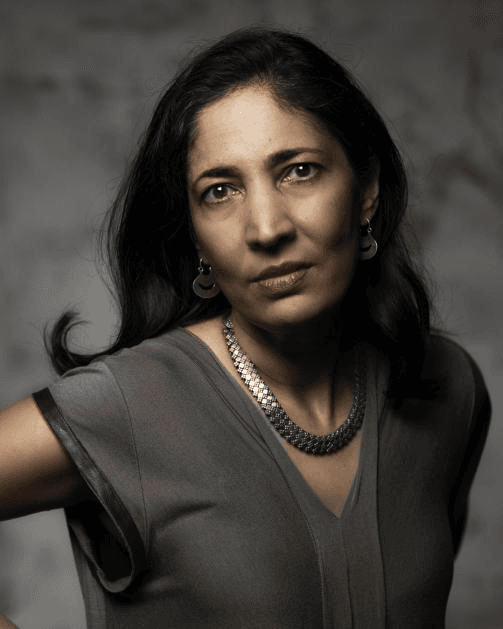
Kiran Desai, The Loneliness of Sonia and Sunny Nearly two decades after her 2006 Booker Prize–winning novel The Inheritance of Loss (published in Turkish as Kaybın Türküsü by Can Yayınları), Kiran Desai makes her long-anticipated return with The Loneliness of Sonia and Sunny. Set primarily between 1996 and 2002, the novel follows Sonia and Sunny, two Indian immigrants whose paths first cross by chance on a train in India before their lives intertwine in the United States. With its intimate tone, emotional subtlety, and exploration of displacement, belonging, and connection, Desai’s latest work has earned widespread acclaim—making her one of this year’s leading contenders for the prize.
David Szalay, Flesh A finalist for the Booker in 2016, David Szalay—born in Canada to Hungarian parents—returns to the shortlist with Flesh, a novel that begins with István, a shy, socially awkward young man living in a Hungarian housing project. Szalay traces István’s journey from poverty to wealth, chronicling his rise into Europe’s financial elite and his eventual downfall. Critics have praised Szalay’s “hypnotic” narrative power, his precision in portraying human ambition, and his ability to capture the fragility of success in an age defined by economic volatility.
(C) Jonas Matyassy
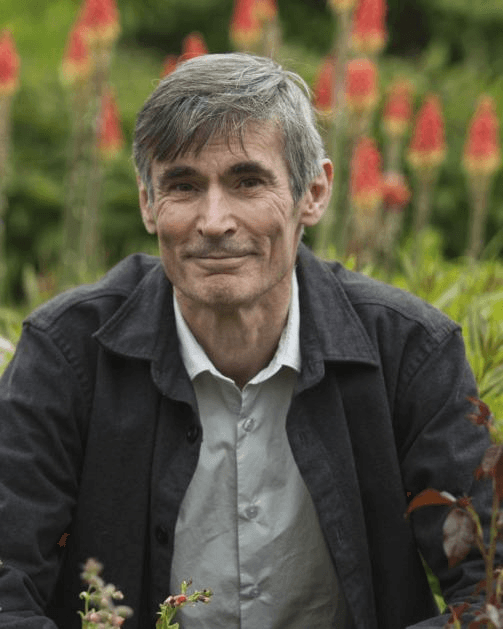
Andrew Miller, The Land in Winter Renowned for his historical fiction, Andrew Miller offers another masterfully crafted work with The Land in Winter, a meticulously researched, character-driven novel imbued with moral and philosophical resonance. Set in the English West Country during the Great Frost of 1963, the story unfolds between December 1962 and February 1963, following the intertwined lives of two young married couples as they navigate love, hardship, and endurance in the frozen landscape of mid-century Britain.
(C) Rob Macdougall
Benjamin Markovits, The Rest of Our Lives American novelist Benjamin Markovits—known for his ambitious, layered narratives that weave together personal and cultural dimensions—returns with The Rest of Our Lives, a poignant exploration of midlife, marriage, and disillusionment. The novel follows Tom Layward, a 55-year-old law professor who, after dropping his daughter off at university in Pittsburgh, decides to embark on a spontaneous cross-country journey instead of returning to his home in New York. The Booker jury described the book as “an unforgettable meditation on the difficulties of marriage,” suggesting that Markovits’s introspective storytelling has struck a deep chord.
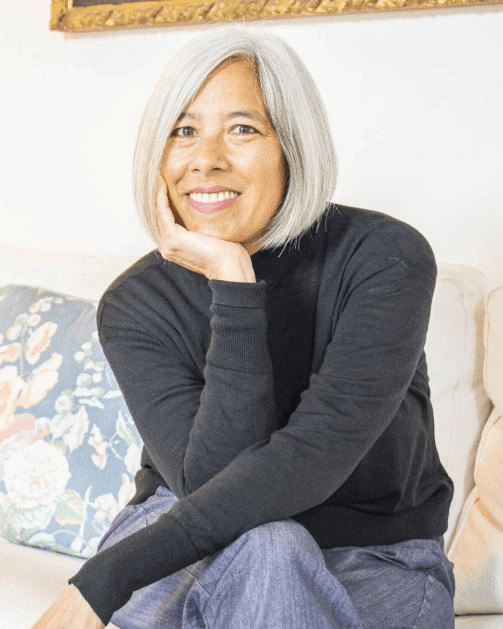
Susan Choi, Flashlight American author Susan Choi, who won the 2019 National Book Award for Trust Exercise (published in Turkish as Güven Egzersizi by Kafka Kitap), delivers another powerful exploration of identity, memory, and intimacy with Flashlight. Known for her psychologically complex characters and sharp cultural insights, Choi’s work blends intimate emotional detail with broader political and social reflections—qualities that may appeal strongly to this year’s Booker jury.
Credit: Laura Bianchi
Katie Kitamura, Audition Japanese-American author Katie Kitamura, whose acclaimed novel Intimacies (published in Turkish as Yakınlaşmalar by İthaki Yayınları) established her as a major voice in contemporary fiction, returns with Audition. Her restrained, minimalist prose and nuanced exploration of uncertainty, perception, and human connection have earned her a devoted readership. With its quiet tension and psychological precision, Audition could well emerge as one of this year’s surprise victors.
Credit: David Surowiecki
Favorites and Surprise Contenders
Favorite: Kiran Desai stands out as this year’s strongest favorite, marking a triumphant return to the Booker stage after nearly twenty years.
Close Contenders: David Szalay and Andrew Miller are both celebrated for their literary craftsmanship and thematic depth, positioning them as formidable rivals.
Surprise Contenders: American authors Susan Choi and Katie Kitamura could sway the jury with their distinctive voices and emotionally resonant storytelling. Meanwhile, Benjamin Markovits’s contemplative style and narrative complexity could make him an unexpected but deserving winner.
Credit: U Montan
Did You Know?
Only 18 women have won the Nobel Prize in Literature since 1901—a ratio that continues to fuel debates about gender inequality in the award’s history.
Bob Dylan (2016) remains the only songwriter ever to have received the Nobel Prize in Literature.
Jean-Paul Sartre famously declined the Nobel Prize in Literature in 1964, fearing it would compromise the independence of his work.
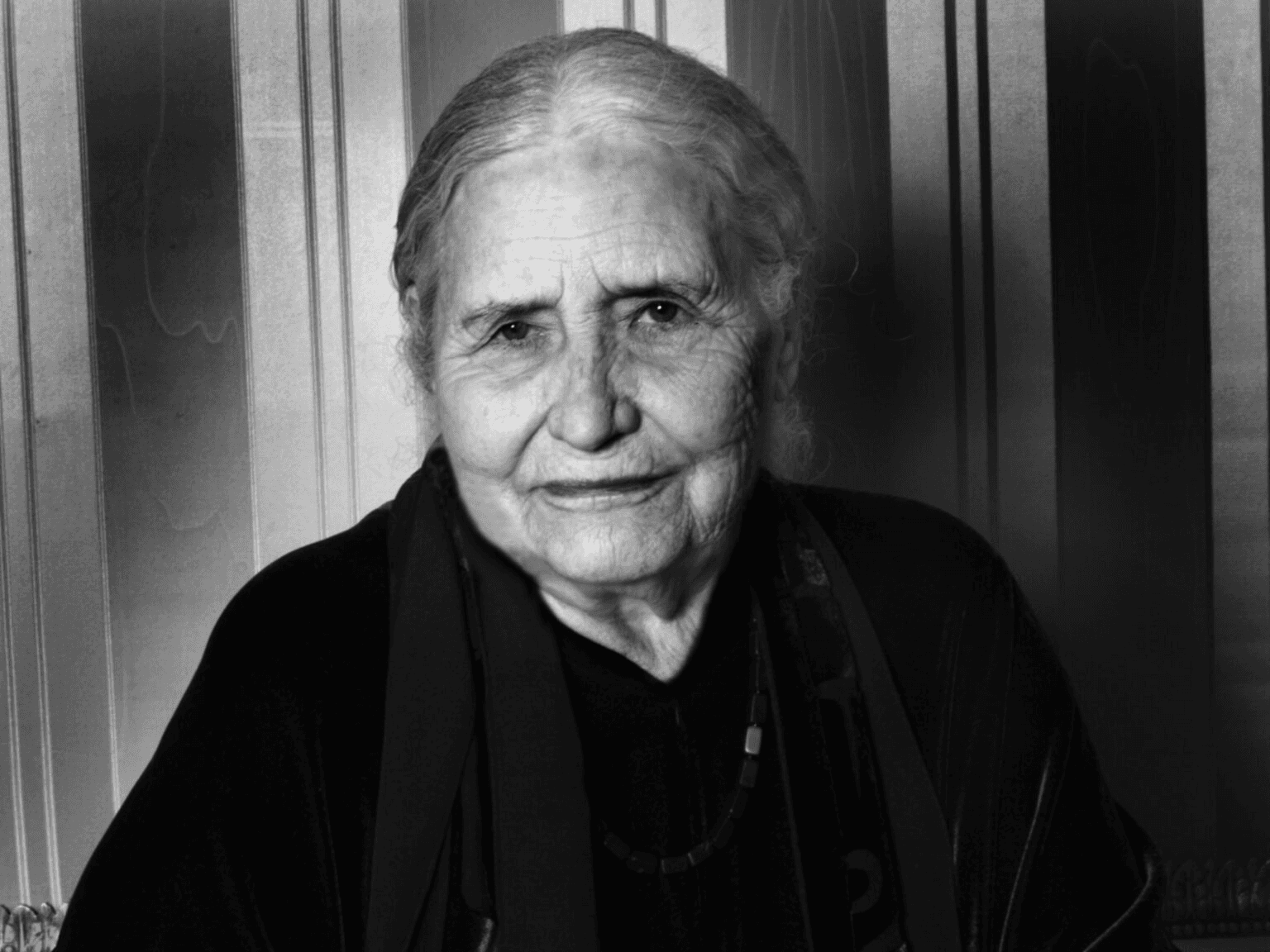
Doris Lessing became the oldest recipient of the Nobel Prize in Literature when she won in 2007 at the age of 88.
P.H. Newby was the first winner of the Booker Prize in 1969 for his novel Something to Answer For.
Salman Rushdie’s Midnight’s Children has twice been named the “Booker of Bookers” (in 1993 and 2008).
Until 2014, only writers from the Commonwealth, Ireland, and Zimbabwe were eligible for the Booker Prize; today, all English-language novels published in the UK or Ireland qualify.
Winning either prize can dramatically transform an author’s career—boosting book sales by more than 500% and ensuring global recognition.