
With a history dating back to the 18th century, Favre Leuba is nominated for the GPHG’s Challenge Watch Prize this year with the Chief Skeleton. Its movement, visible through the dial, represents not only a feat of watchmaking but also a centuries-old heritage.
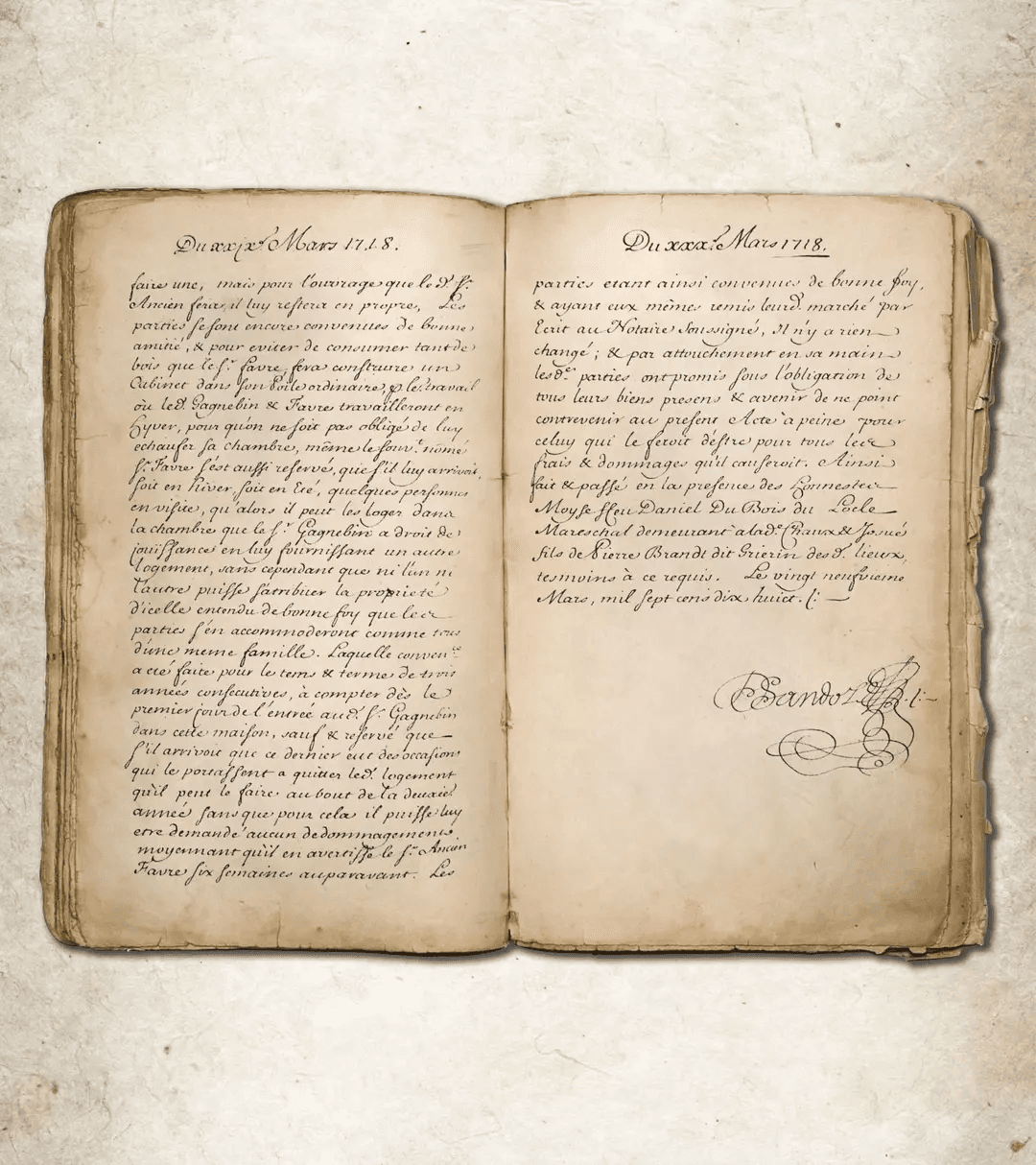
Centuries ago, winters in the small town of Le Locle were long and harsh. Yet inside its traditional wooden houses and workshops, the future of the watchmaking craft was taking shape. In 1718, at the age of just 16, Abraham Favre took his first steps into this fascinating world as an apprentice to watchmaker Daniel Gagnebin. That first step would eventually lay the foundations for Favre Leuba, today one of the oldest watch brands in the world. The first official record of the young Favre dates to March 13, 1737, when he was documented as an independent watchmaker working in Le Locle. This date is now recognized as the founding year of Favre Leuba.
As Favre’s reputation in Le Locle grew, he was awarded the title of “Master Watchmaker of Le Locle” in 1749. Over time, he collaborated with some of the century’s most important watchmakers, including Abraham-Louis Breguet, while his workshop opened its doors to other craftsmen. Through the efforts of his grandson, Henry-August Favre, the family’s pocket watches began travelling beyond Switzerland. From Germany and Russia to Cuba and New York, Favre carried the family’s watches with him as he journeyed across different parts of the world.
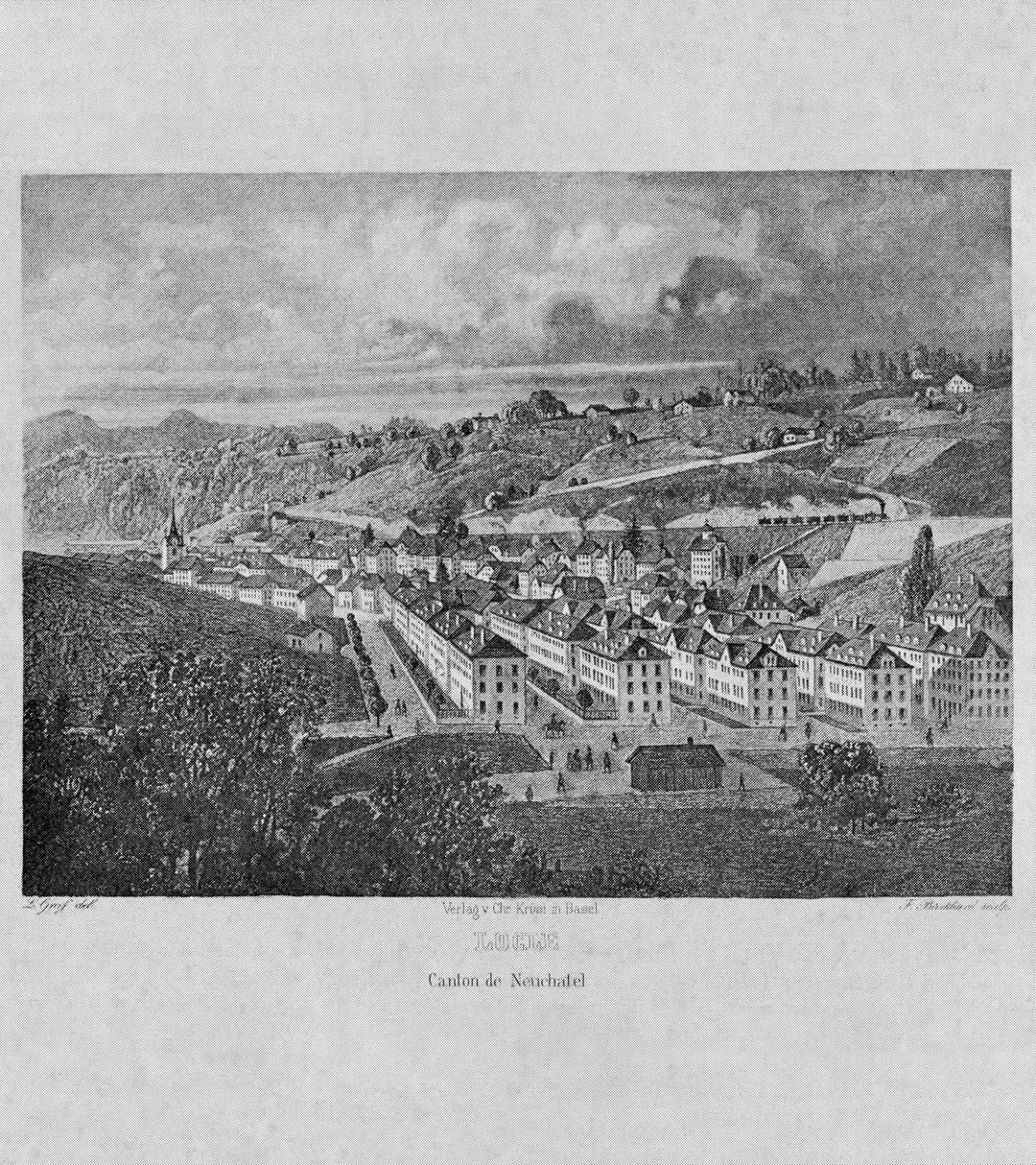
The rewards of these journeys soon became visible on the international stage. Favre Leuba pocket watches returned with prizes from exhibitions held in London, New York, Paris, Bern and Porto. Yet one of the most important routes in the brand’s history led not to the great cities of Europe or America, but to India. When Fritz Favre travelled to India in 1865 to introduce the family’s watches, Favre Leuba became, according to its official history, the first Swiss watch brand to enter the Indian market. It marked the beginning of an enduring relationship between the brand and India.
What began as a family workshop in a small town in the Jura was now an international watchmaker recognized in different parts of the world. Yet Favre Leuba’s greatest adventures, ones that would take its watches to mountain summits and the depths of the oceans, were still to come.
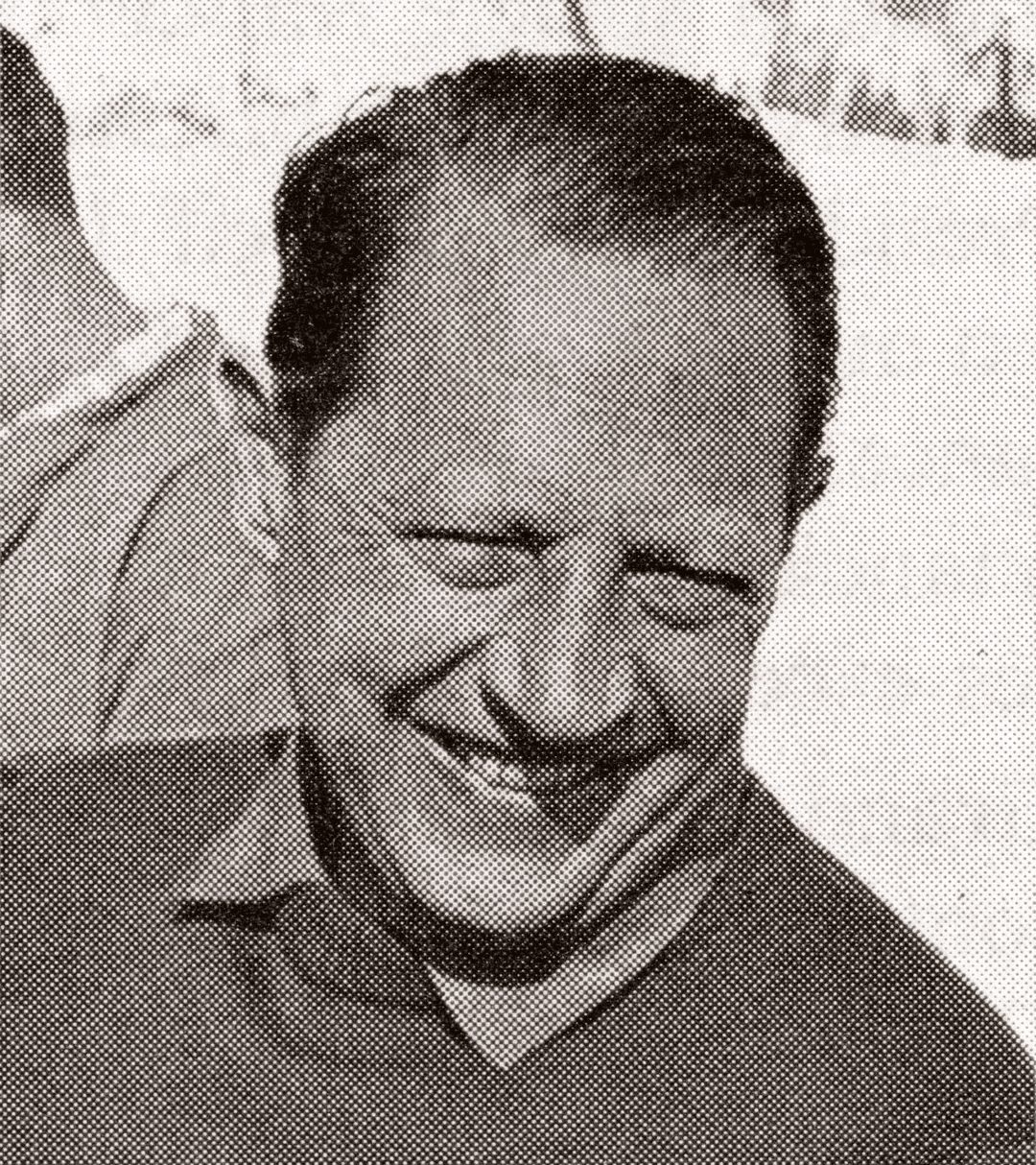
When Henri Favre-Leuba took over the management of the company in 1908, the brand continued to expand. Following the Second World War, new branches were opened in cities including Hamburg, London, Rangoon, Karachi, Singapore and New York. Its Bombay office also enabled the brand to maintain its strong presence in India in the post-war years.
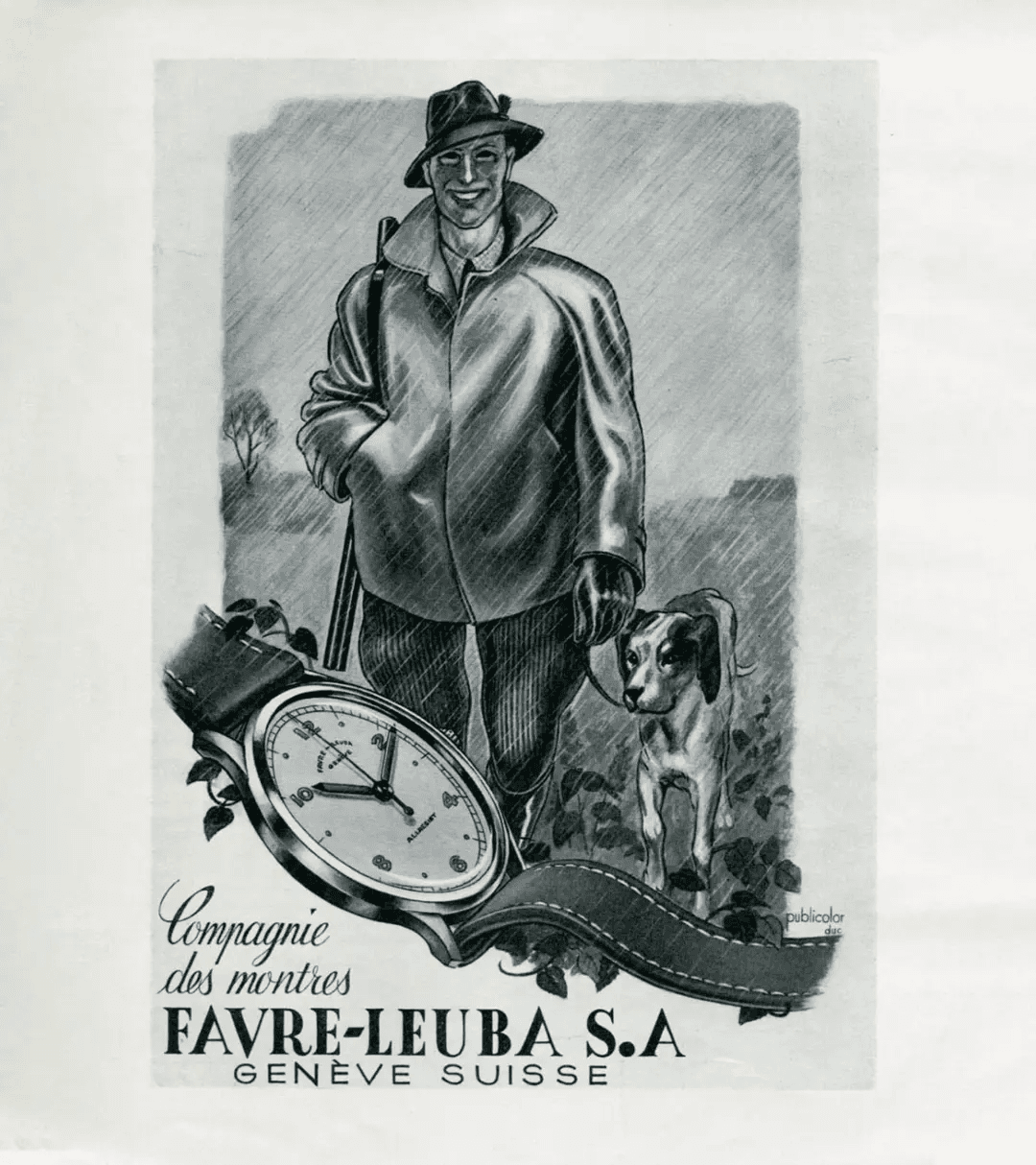
A regular exhibitor at the Basel Watch Fair from 1946 onwards, Favre Leuba introduced its in-house-developed FL101 calibre in 1955. The movement was first used in the Sea Chief, Sea King and Sea Raider models.
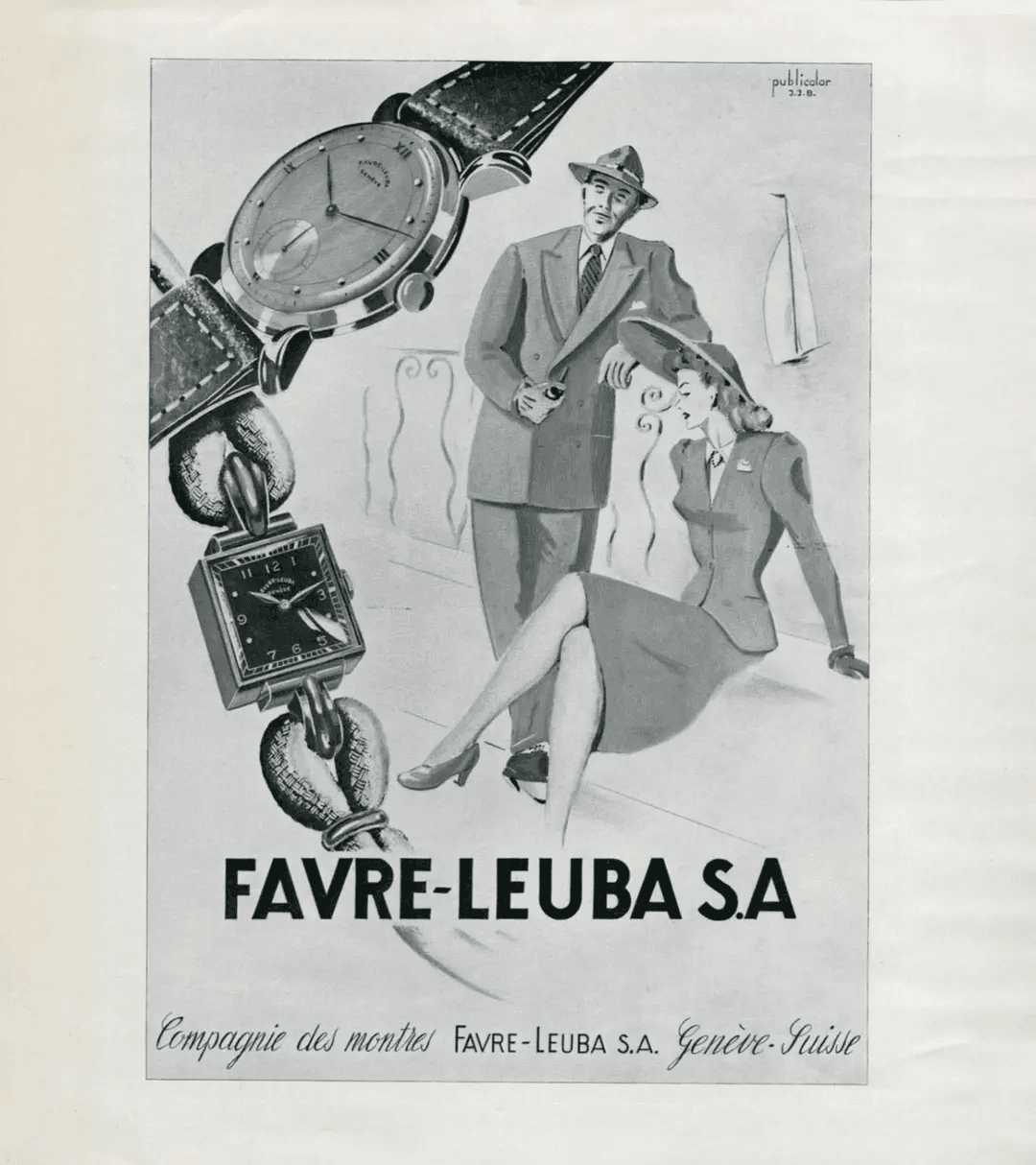
The Heights and the Depths
The 1960s marked one of the most innovative periods in Favre Leuba’s watchmaking history. In 1960, the brand entered the field of professional dive watches with the introduction of the Water Deep. Two years later came one of Favre Leuba’s most significant models: the Bivouac. Equipped with a barometer capable of measuring altitude and atmospheric pressure, the Bivouac was the world’s first mechanical wristwatch to offer this functionality.
The Bivouac quickly became an essential instrument for mountaineers, parachutists and polar explorers. The Swiss National Parachuting Team wore Bivouac watches at the 1962 World Parachuting Championships in the United States. In 1963, when Michel Darbellay completed the first solo ascent of the Eiger, he used the Favre Leuba on his wrist to monitor altitude and changes in atmospheric pressure along the route.
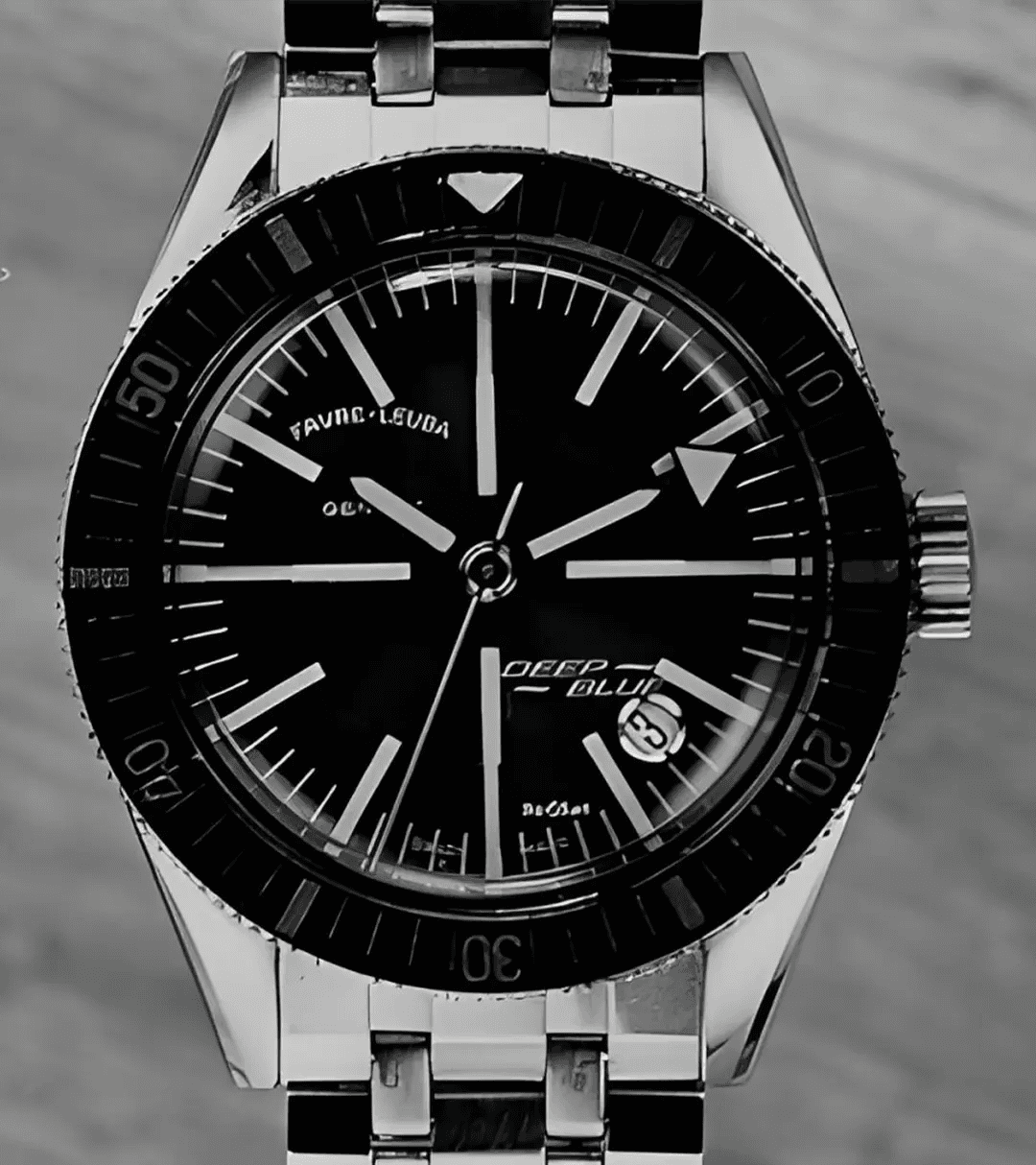
The brand’s innovations during this period were not limited to the Bivouac. Developed in 1962, the FL251 calibre, with its twin-barrel construction and a height of just 2.95 mm, represented an important step in the serial production of extra-thin movements with central seconds. A few years later, in 1964, Favre Leuba introduced the Deep Blue, offering water resistance to 200 metres, followed by the Bathy in 1968. Capable of displaying both dive time and the wearer’s current depth, the Bathy made watchmaking history as the world’s first mechanical wristwatch to offer such functionality.
In 1969, Georges Favre acquired the SAPIC Group, which at the time owned Jaeger-LeCoultre, making Favre Leuba and Jaeger-LeCoultre sister companies. During this period, Favre Leuba-signed versions of Jaeger-LeCoultre models including the Reverso and Memovox were also produced.
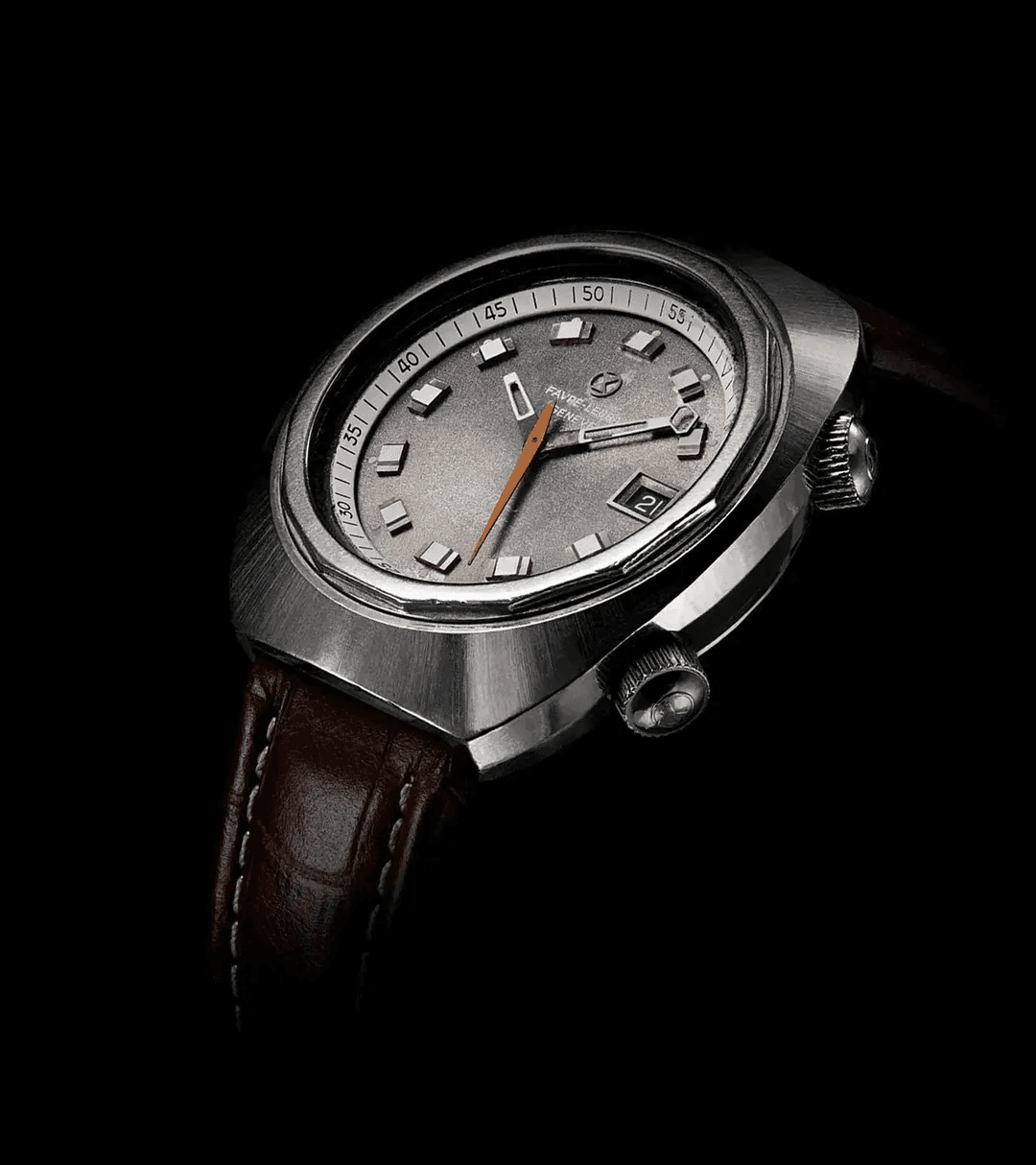
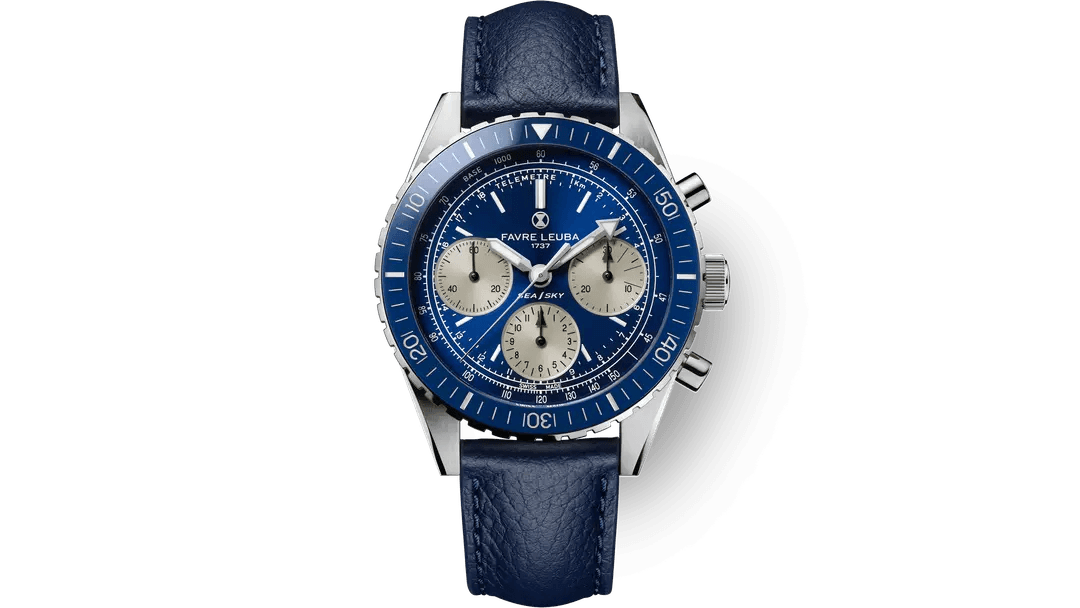
By the 1970s, Favre Leuba was making its mark with cushion-shaped cases that reflected the design language of the era, paired with technically sophisticated movements. The Sea Raider, with its day and date displays, was powered by the automatic FL1164 calibre beating at 36,000 vibrations per hour, while the Memo Raider stood out with its automatic alarm function. The Sea Sky and Sea Sky GMT, meanwhile, combined the robustness of a dive watch with functions including a chronograph and 24-hour display.
The Quartz Crisis and a New Beginning
The Quartz Crisis, which began in the 1970s and profoundly disrupted the Swiss watch industry, also took its toll on Favre Leuba. The Favre family was forced to sell the brand in the 1980s, and the company changed hands several times in the years that followed. Yet a watchmaking legacy this deep was bound to be reborn one day, and so it was.
The Raider Harpoon, introduced in 2016, marked the beginning of a modern transformation for the brand. A year later, Favre Leuba celebrated its 280th anniversary with the Raider Bivouac 9000, unveiled at the Basel Watch Fair.
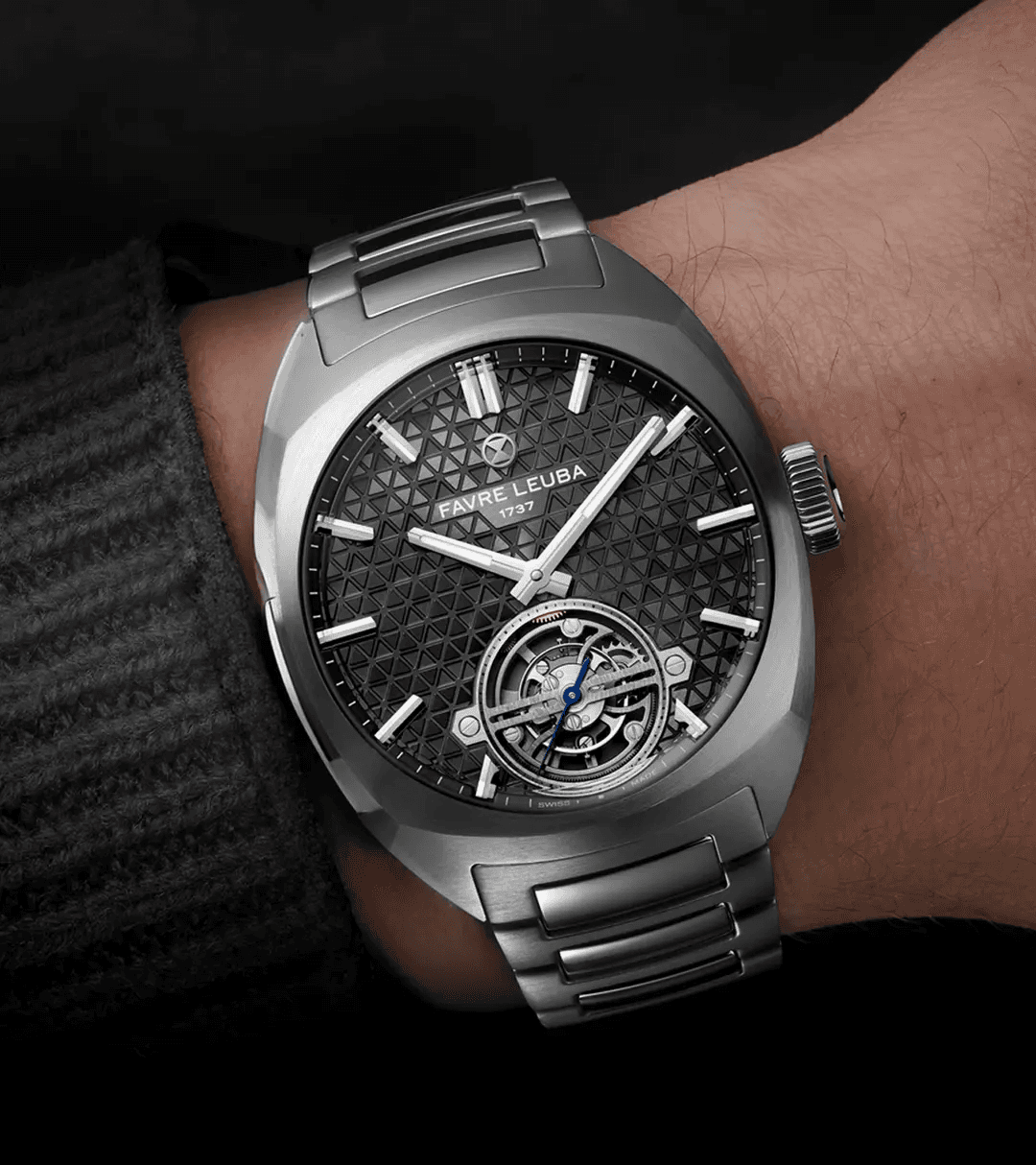
Favre Leuba officially returned to the watchmaking stage at Geneva Watch Days in 2024, establishing a renewed identity around collections including the Chief, Deep Raider and Sea Sky. Characteristic designs inspired by the 1970s, combined with details referencing the brand’s heritage, helped Favre Leuba reaffirm its place in contemporary watchmaking.
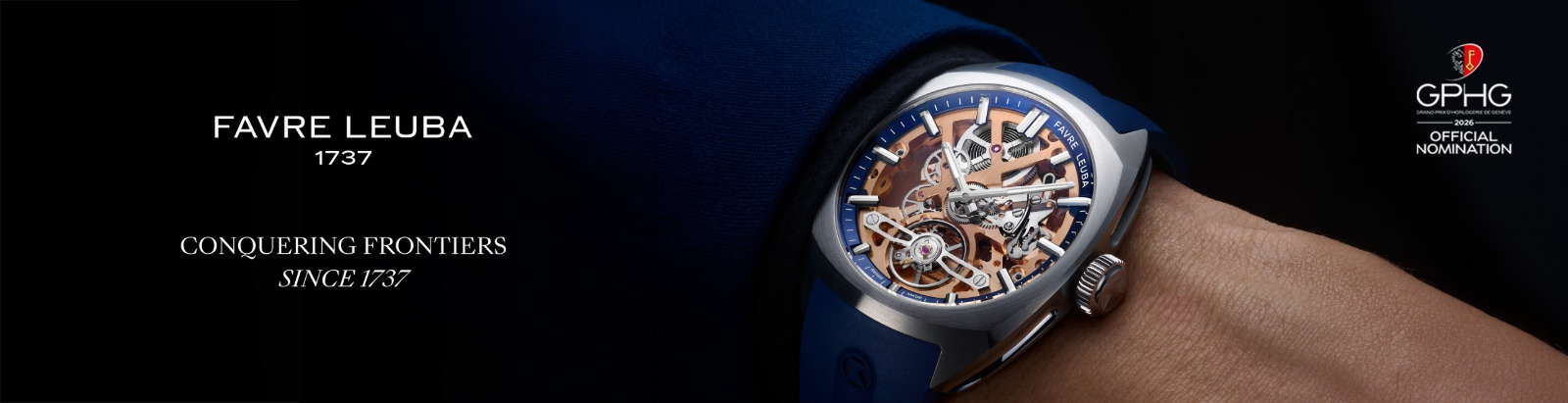
It did not take long for another milestone to follow. In 2025, Favre Leuba unveiled the first tourbillon in its history, the Chief Tourbillon Sablier Dial. That same year, the brand’s first skeleton watch, the Chief Skeleton, joined the collection. In 2026, the watch was nominated at the Grand Prix d’Horlogerie de Genève (GPHG), the watch industry’s most prestigious awards, marking Favre Leuba’s first-ever GPHG nomination.
A Favre Leuba “Challenge”: Chief Skeleton
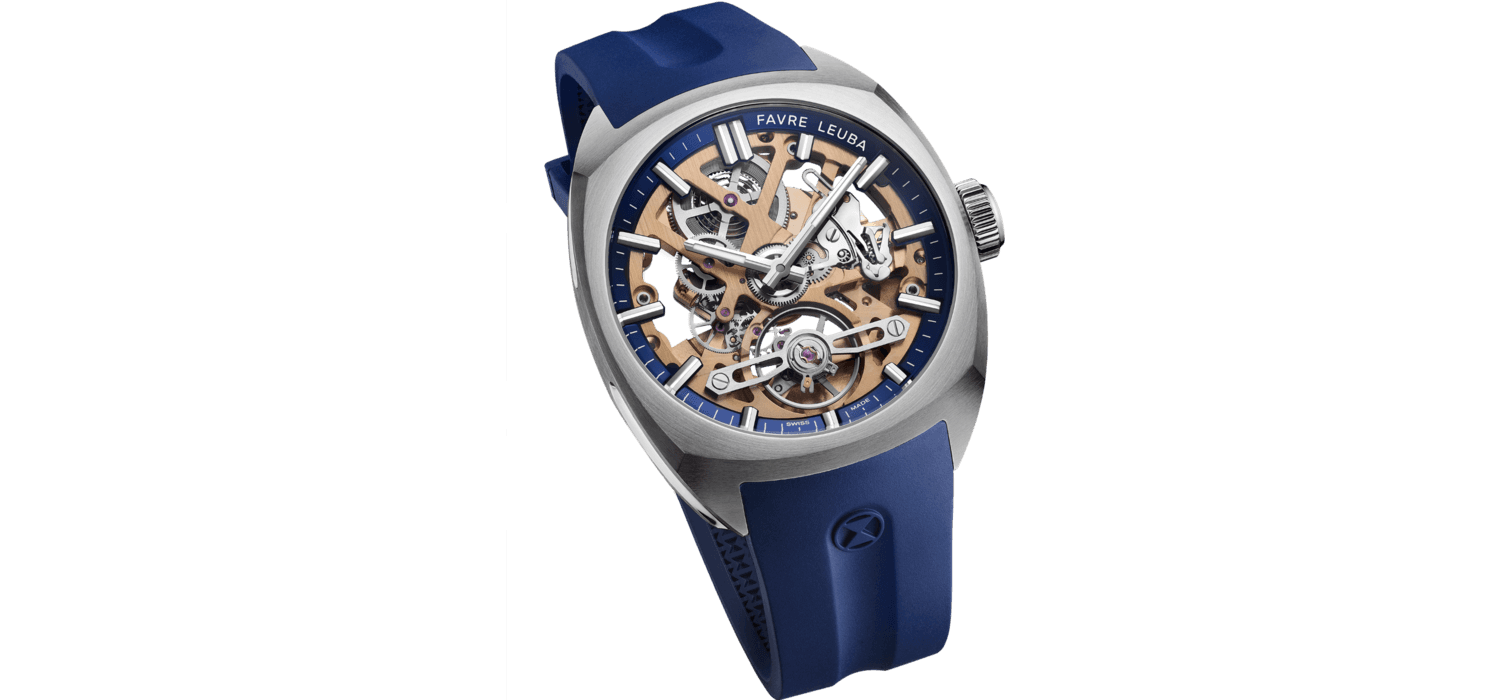
The Chief Skeleton is Favre Leuba’s first skeletonized watch, revealing the movement through the dial for the first time in the brand’s history. A significant statement, the watch will also compete in the Challenge category at the GPHG.
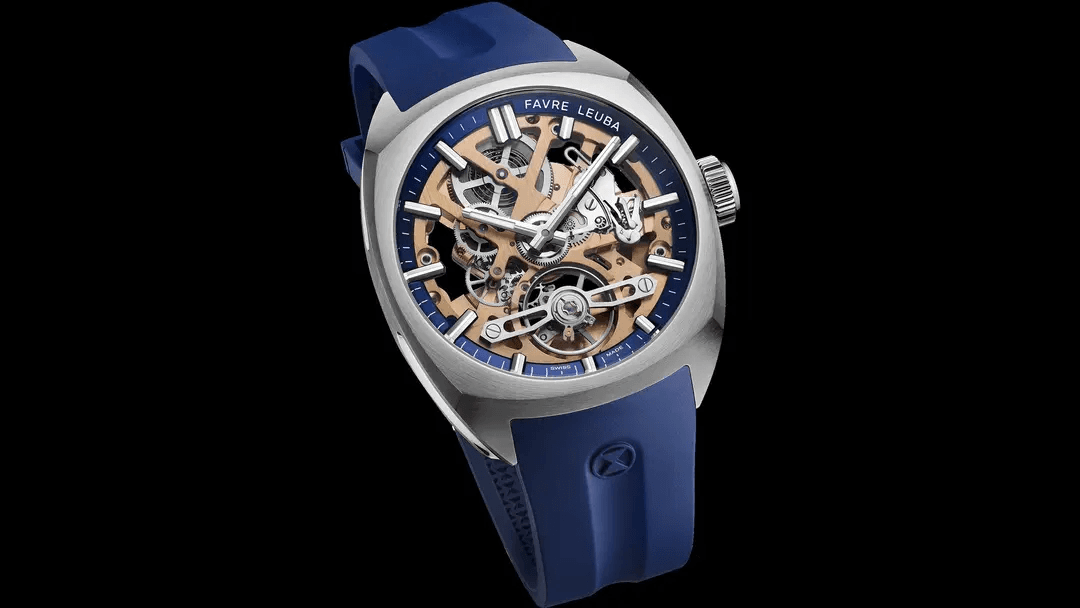
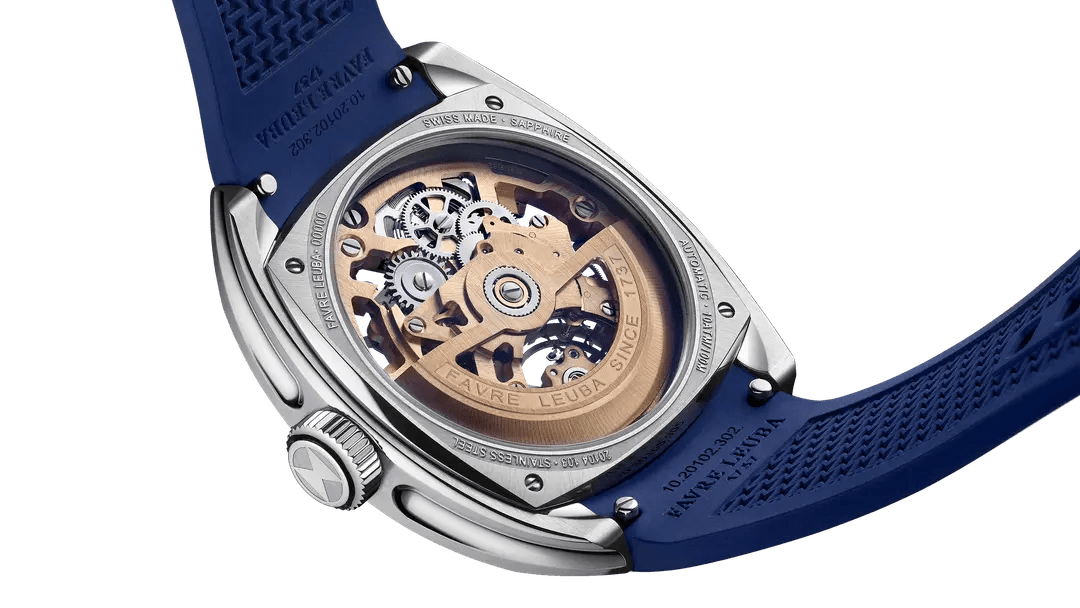
Its design adopts the cushion-shaped case architecture inspired by the 1970s. Measuring 40 mm in diameter, the case is crafted from stainless steel and offers water resistance to 100 metres. The movement, informed by almost three centuries of watchmaking experience, can also be admired through the open caseback.
The real statement, however, is on the dial side. The skeletonised construction does more than simply reveal the movement: the satin-finished surfaces of its architecture create a distinctive sense of depth across the dial. The hands and hour markers feature a rhodium-plated finish, while Super-LumiNova C1 X1 allows them to emit a blue glow in the dark.
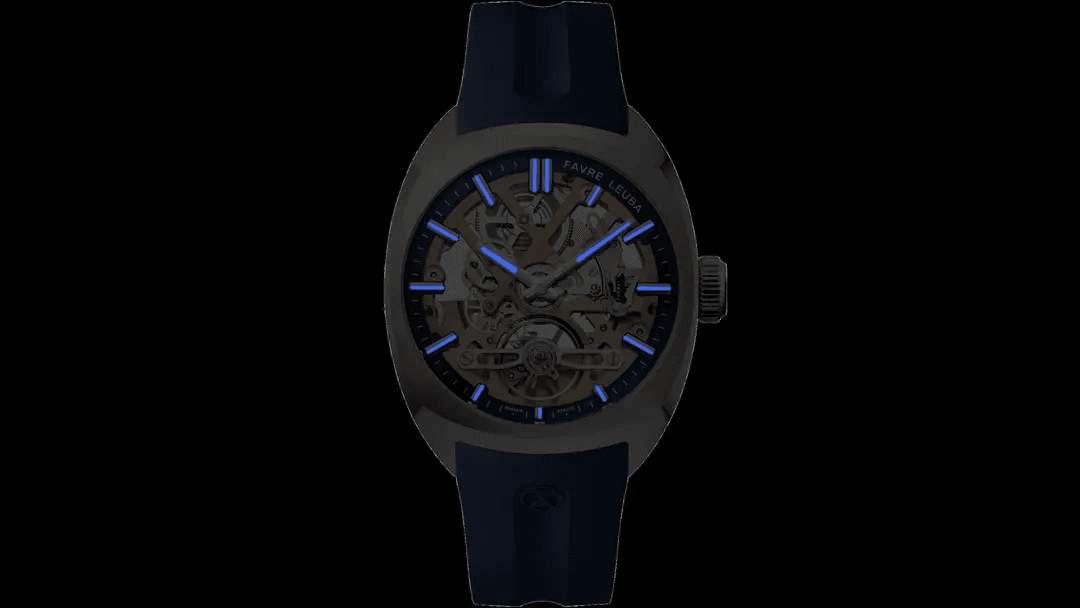
The Chief Skeleton is paired with a black rubber strap, creating a balance between the bold character of the openworked dial and a sporty yet refined aesthetic.
At the heart of the watch is the FLS01 calibre, developed by Favre Leuba in collaboration with AMT. The automatic movement features custom gold-toned finishes, while its bridges are decorated with horizontal brushing. The calibre offers a 41-hour power reserve.
For more information about Favre Leuba watches, please visit the official website of the brand’s distributor in Türkiye, ABT Saat.