Born in a six-person workshop in Solothurn, northern Switzerland, Roamer would grow into a watchmaker producing one million timepieces a year. Nearly 140 years later, the brand continues to pursue the same vision of watchmaking that shaped its beginnings.
Solothurn is a small city in northwestern Switzerland. The imposing Jura Mountains rise on one side, while the Aare River, flowing almost through the heart of the city, lends it a sense of tranquillity. Pale Baroque houses line the riverbanks, alongside celebrated cathedrals and an ancient clock tower that has marked the passage of time in the town square for centuries. Today considered one of Switzerland’s hidden treasures, Solothurn was still a small Swiss town at the end of the 19th century. And, naturally, its streets were home to small watchmaking workshops. It was here that the story of Roamer began.
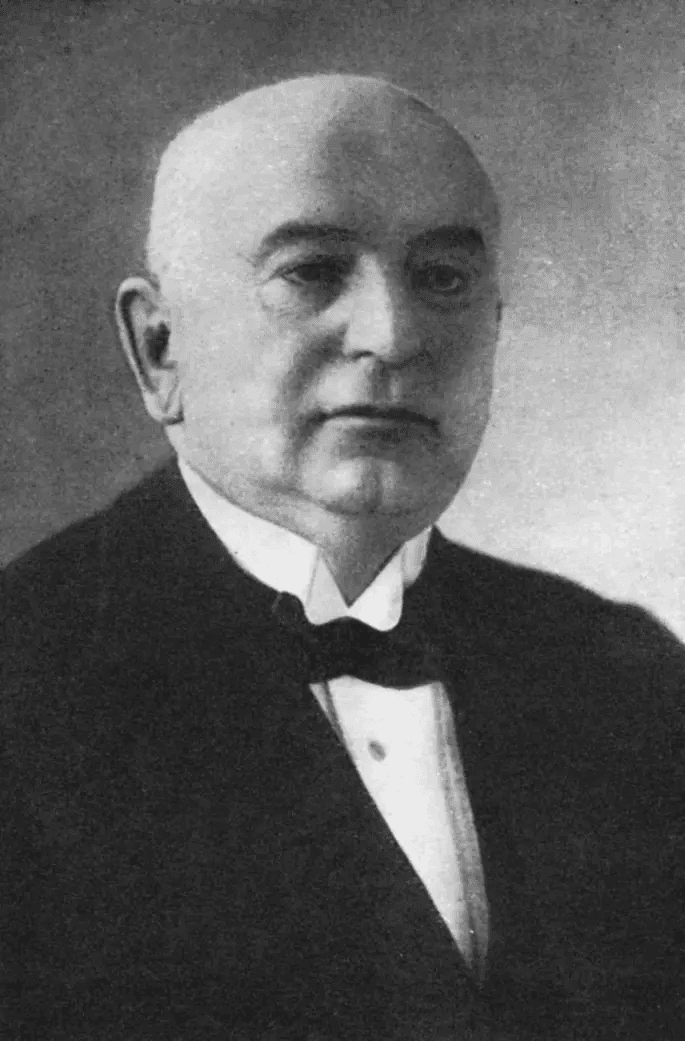
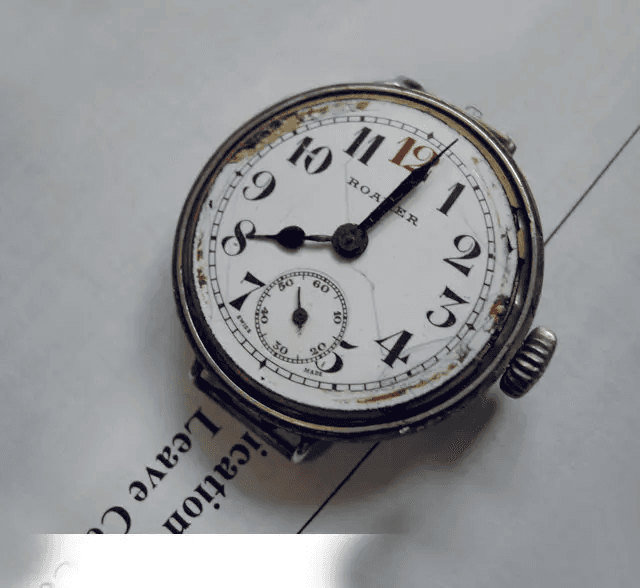
Roamer founder Fritz Meyer took the first step on this journey in 1888, establishing a modest watchmaking workshop in Solothurn with just six employees. Initially producing cylinder escapements, the workshop gradually turned its attention to manufacturing its own movements, guided by Meyer’s vision. In 1897, it produced its first complete movement with every component made in-house: Calibre No. 38. The movement took its name from Meyer, who celebrated his 38th birthday that year, and entered the Roamer archives as the company’s first complete calibre.
Fritz Meyer
The foundations of movement manufacturing, one of the cornerstones of any true watchmaking company, were laid at Roamer during these formative years. Its first complete movement had been created, while the workshop that began with six people had grown to a workforce of 60 by 1895. As the world entered a new century, Roamer was preparing to become an international watchmaker.
The Roamer Workshop Produces 1,000 Watches a Day
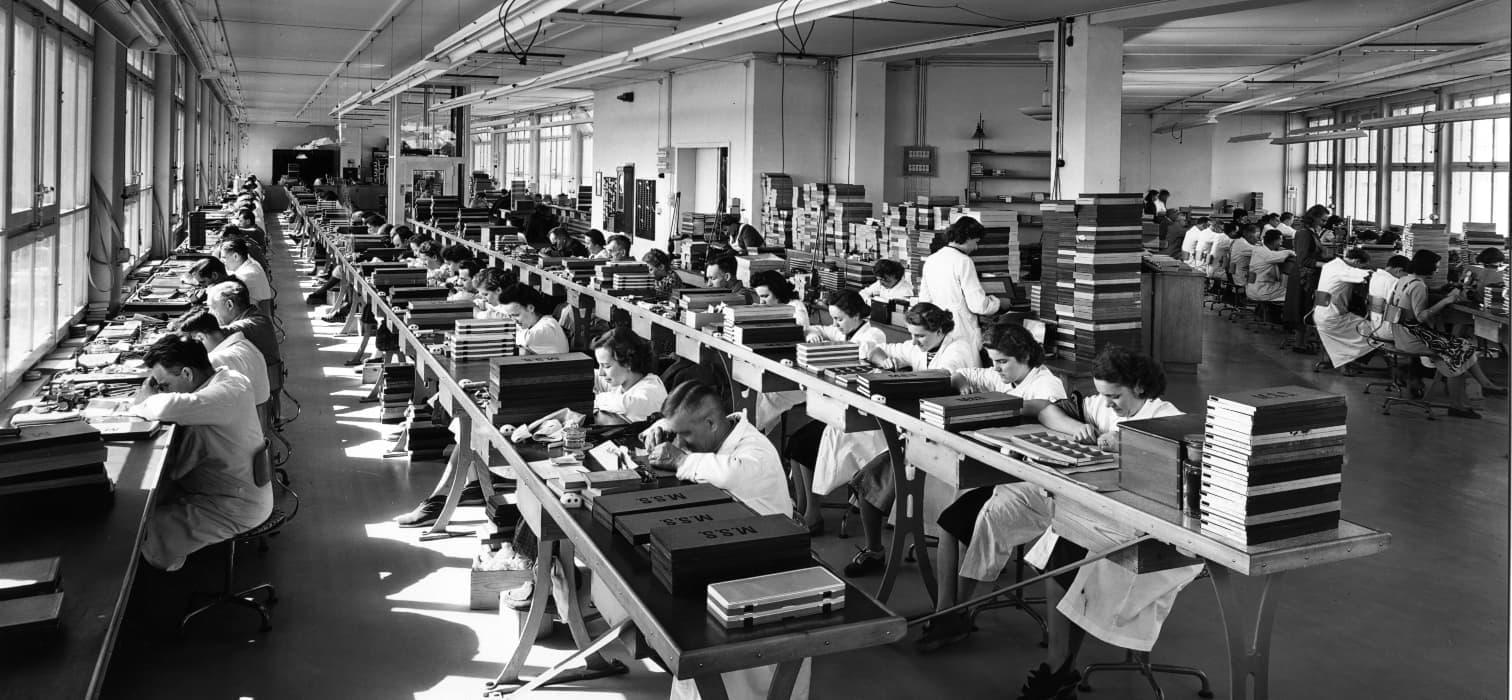
Just seven years after its founding, the workshop had become capable of producing every component required for a watch in-house, while its workforce had increased tenfold. By 1904, it produced 1,000 watches a day, which is a figure that represented industrial-scale production by the standards of the period. The arrival of watchmaker Johann Stüdeli would soon open another chapter in Roamer’s history.
The first horological result of Meyer and Stüdeli joining forces was a movement bearing their initials: MST (Meyer-Stüdeli). MST movements quickly earned a reputation for precision and reliability. Roamer was no longer simply designing watches; it had become a fully fledged Swiss watchmaker with the expertise to develop and manufacture its own movements. And it was ready to look beyond Switzerland.
In the early 1900s, the company registered the Roamer name. Meaning someone who wanders or travels, the name complemented Meyer’s ambition to create watches that combined durability with elegance, helping to shape the identity the brand retains today.
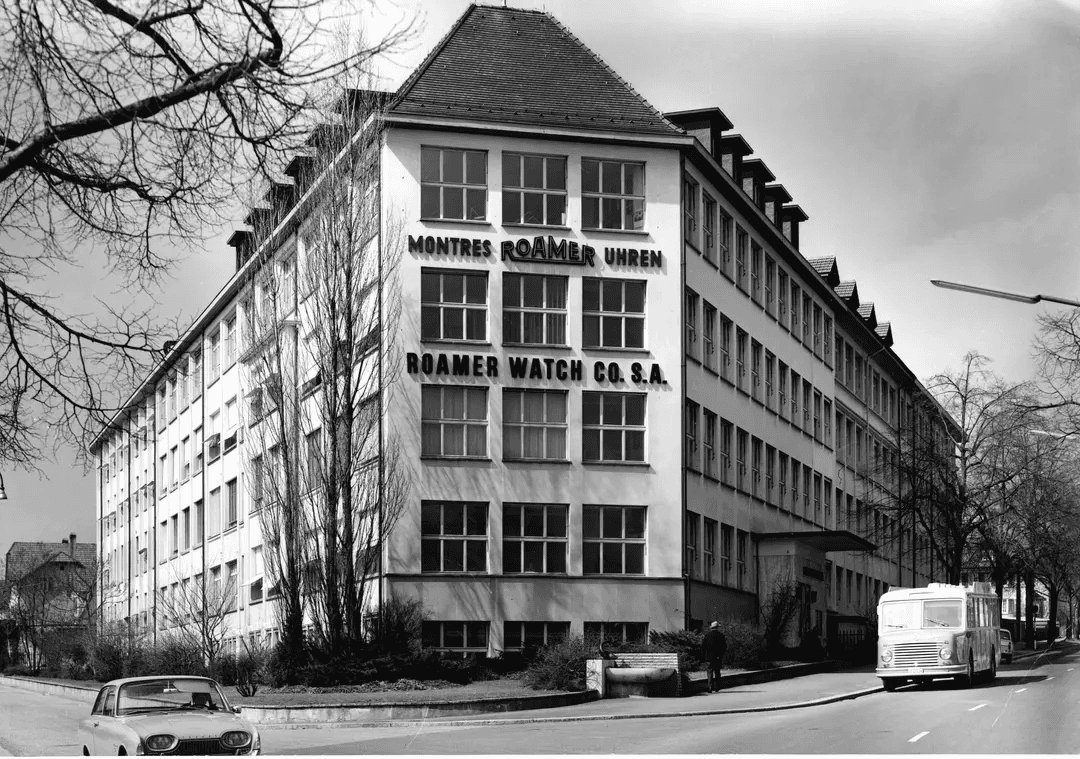
While time seemed to pass quietly in this small Swiss city, set against the mountains and tranquil waters, Roamer continued to grow at remarkable speed. By the 1920s, the company was producing more than one million watches annually. During the same period, watch cases began to be manufactured in-house, with dial production later added to its capabilities. Bringing a substantial part of the watchmaking process under one roof, Roamer employed around 1,200 watchmakers at its factory by the 1940s, with daily production reaching approximately 5,000 watches.
Having begun developing increasingly robust cases during this period, the company opened an office in New York after the Second World War. By then, the Roamer name was travelling far beyond Solothurn.
Built for Land and Water: The Anfibio Era
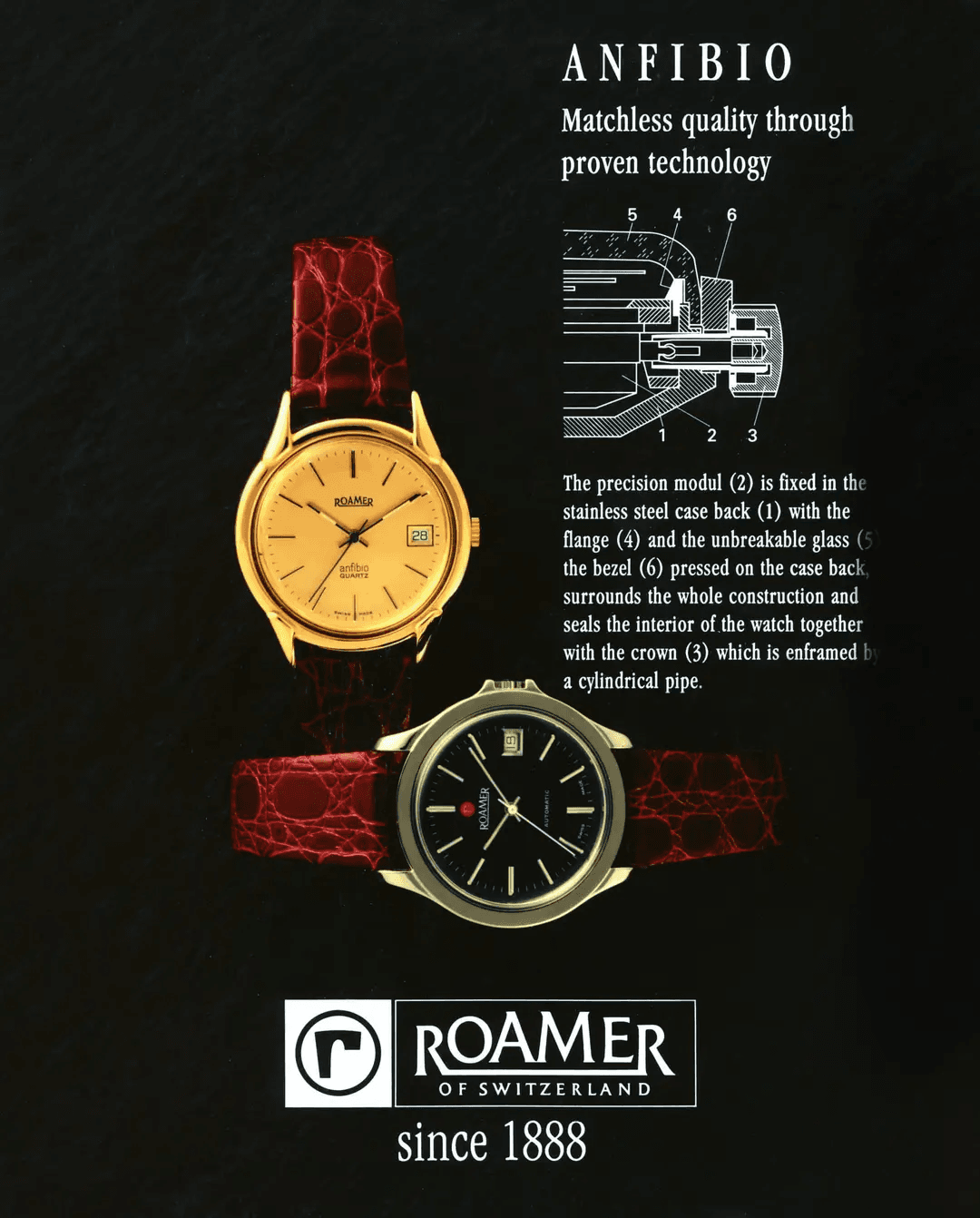
One of the defining milestones in Roamer’s history arrived in 1955 with the introduction of the Anfibio. Its name was derived from “amphibian”, referring to creatures capable of living both on land and in water. Having worked on durable case constructions since the 1940s, Roamer used the Anfibio to create a water-resistant watch that remained practical and comfortable for everyday wear. In many ways, the Anfibio was one of the earliest realizations of Fritz Meyer’s original ambition: to make watches that were both robust and elegant. In the years that followed, the brand continued to introduce new features, including alarm watches and calendar complications.
As the story that began in Solothurn continued to unfold, the Meyer family era was drawing to a close. Ernest Meyer, who had taken over the management of the company after Fritz Meyer, died in 1967. Max Meyer, who subsequently assumed leadership, also died that same year at the age of 49. With Dr Fritz Spieler taking charge of the company, the Meyer family’s period at the helm came to an end. As the 1970s approached, meanwhile, the watch industry itself was standing on the threshold of profound change: the Quartz Crisis.
From the early 1970s onwards, the growing popularity of quartz watches began to transform attitudes towards mechanical watchmaking across the industry. Roamer adapted to this shift, unveiling its first quartz watch at the Basel Fair in 1972. Yet even as it responded to a changing industry, the company continued to preserve the mechanical watchmaking spirit at its roots. Born in a small workshop in Solothurn, that spirit continued to run like a movement that never stops—and to beat like a heart.
Inspired by Its Roots: Roamer Today
Introduced in 2003, the Competence collection represented a return to the brand’s mechanical watchmaking roots. The MST 2.0 movement powering the Mechano collection offers another expression of this respect for its heritage. Referencing MST, one of Roamer’s earliest movement families, the calibre was introduced with a 44-hour power reserve.
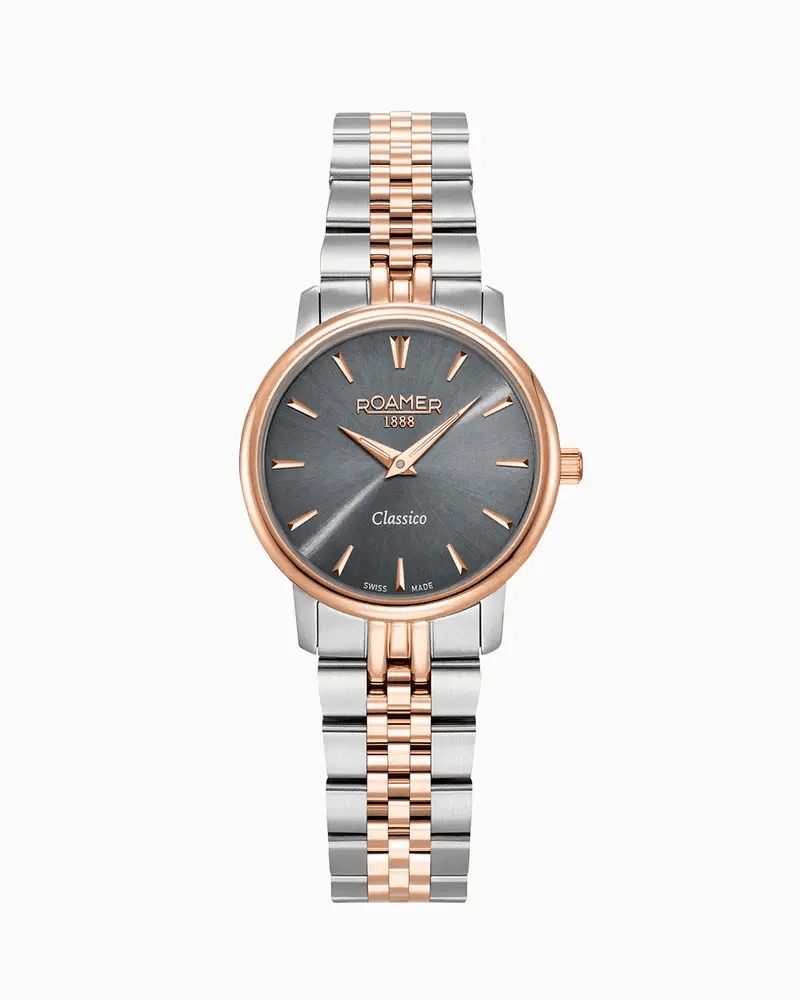
Today, some of the brand’s most prominent collections include Rockshell, Stingray, Searock, Competence and Mechano. Roamer’s contemporary watches bring together the sporting, mechanical and technical traditions that have shaped the company across different periods of its history.
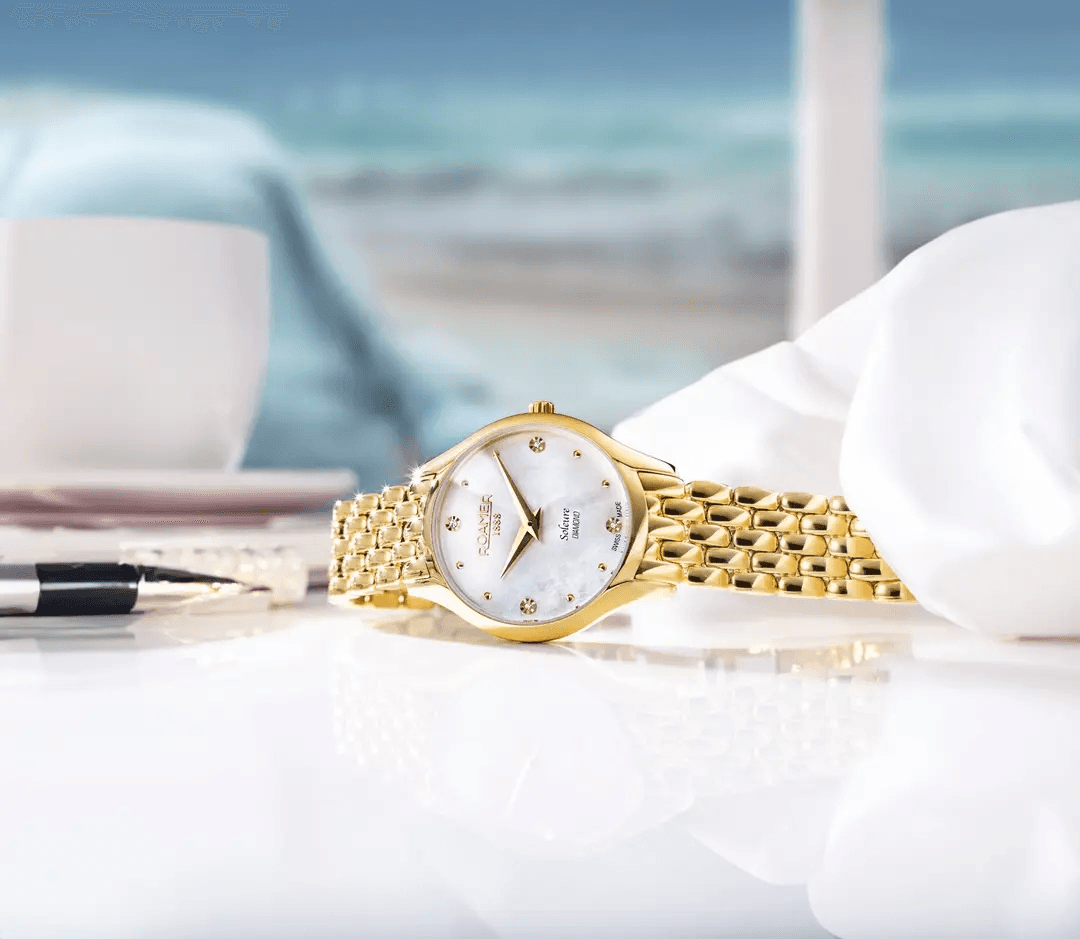
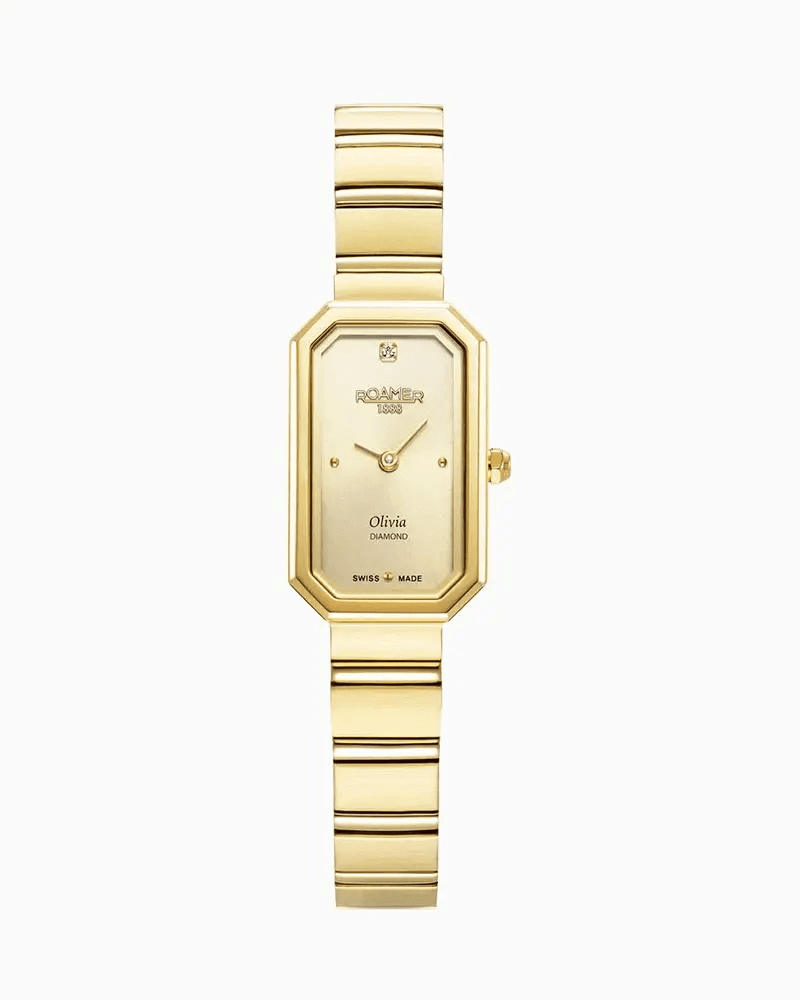
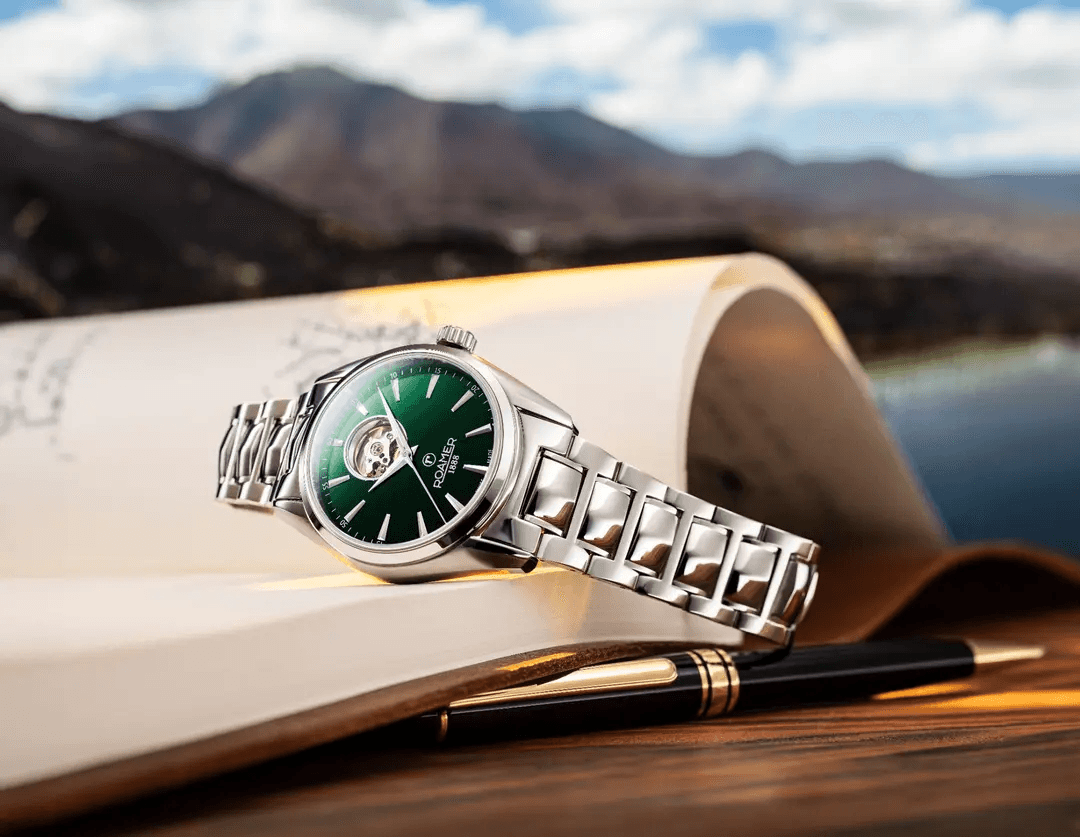
Its women’s collections include Dreamline Diamond, Scala and Soleure, offering a broad spectrum of styles. Mother-of-pearl dials accented with gold hour markers, diamond-set bezels and sportier models with rectangular cases illustrate the diversity of the range.
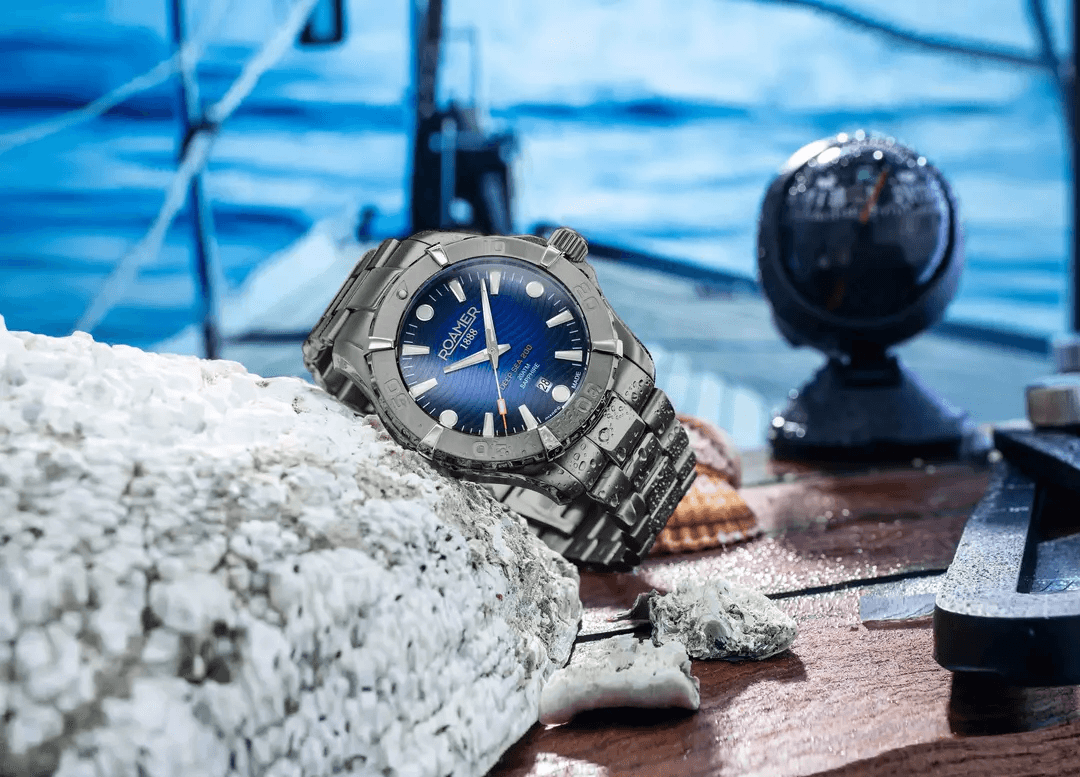
Traces of this long heritage can be found in every watch. The dreams first formed in that small Solothurn workshop, and the passion for watchmaking behind them, can still be felt on Roamer’s dials today. Whether it is a Deep Sea built to venture beneath the surface, a Skeleton revealing the beauty of its movement, or a Searock with its confident, pared-back dial, each Roamer tells a version of the same story.
Look closely at any of them and the scene takes shape once again: at the end of the 19th century, the door of a small Swiss workshop opens and a watchmaker takes his seat at the bench with the ambition of creating watches that are both durable and elegant.
That is the story of Roamer, 138 years in the making.
For more information about Roamer watches, which are delivered with a seven-year warranty, please visit the official website.
Saatolog Yıllık Saat Dergisi Saatolog’un yeni sayısı, 2020’nin yarattığı bu dönüştürücü etkiden ilham alarak hazırlandı. Dünya dijitalin etkisiyle her zamankinden de hızlı bir şekilde ilerlerken yavaşlamanın da önemini sonunda kavramış bulunuyoruz ve bu tezatlık hayatlarımızın her anına etki ediyor. Biz de bundan yola çıkarak Saatolog 2020/21 sayısını ‘‘hızlı ve yavaş’’ teması altında hazırladık.