
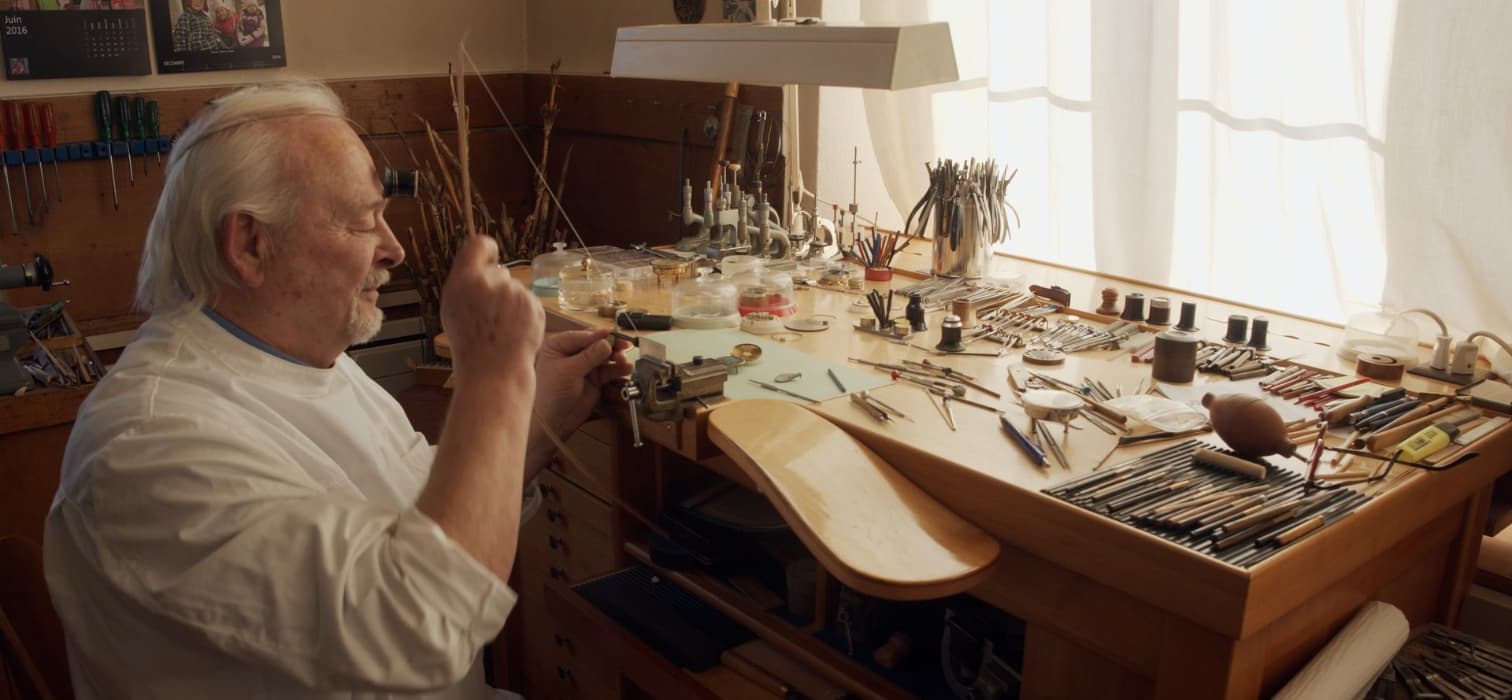
Abraham-Louis Breguet, Jean-Adrien Philippe and Ferdinand Adolph Lange are names every watch enthusiast is bound to recognize. Beyond founding legendary maisons such as Breguet, Patek Philippe and A. Lange & Söhne, these visionaries fundamentally reshaped the world of horology. Many of the inventions that define modern mechanical watchmaking, from the tourbillon and the chronograph to the keyless winding system, were conceived by these extraordinary craftsmen during the nineteenth century. Some sought to counter the effects of gravity on pocket watches, while others eliminated the need for winding keys altogether, introducing the winding crown as we know it today. Each masterpiece that emerged from their benches demonstrated the extraordinary artistry and ingenuity at the heart of haute horlogerie.
As the pioneers of the early nineteenth century laid the foundations of modern watchmaking, a new generation carried their legacy into the twentieth century. From Switzerland to Finland, these master craftsmen continued to push the boundaries of mechanical innovation while preserving centuries-old traditions. Join us on a journey through time as we explore the lives and achievements of the world’s most influential watchmakers.
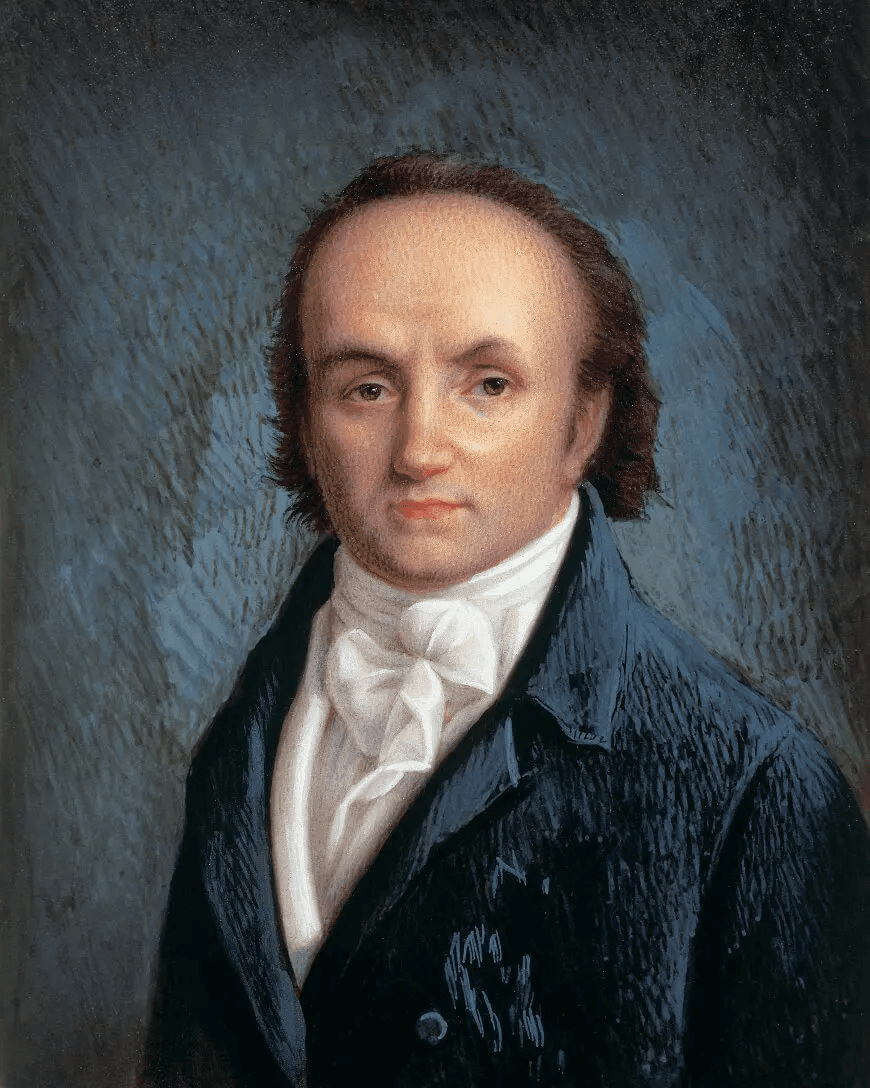
Born in Neuchâtel in 1747, Abraham-Louis Breguet remains one of the most influential figures in the history of horology. Working from his Paris workshop, he created exceptional timepieces for European royalty, leading scientists and discerning collectors. Breguet revolutionised watchmaking with inventions that continue to shape the industry today, most notably the tourbillon, designed to counteract the effects of gravity on pocket watches. His remarkable legacy also includes the Breguet overcoil hairspring, early self-winding mechanisms, high-frequency balance wheels and numerous escapement innovations that laid the groundwork for modern precision timekeeping. Today, the maison that bears his name has been part of the Swatch Group since 1999 and continues to uphold his extraordinary legacy.
Another towering figure in horological history is Louis Moinet, widely recognised as the inventor of the first known chronograph. Born in France in 1786, Moinet began work in 1815 on an instrument known as the Compteur de Tierces. Capable of measuring one-sixtieth of a second while operating at an exceptionally high frequency, it is now acknowledged as the world’s first chronograph. Originally conceived not for everyday use but for astronomical observation, the instrument enabled precise measurement of celestial movements. Moinet also collaborated with Abraham-Louis Breguet and authored several important works on watchmaking. Among his most remarkable creations is an elaborate table clock designed to commemorate the coronation of Napoleon Bonaparte.
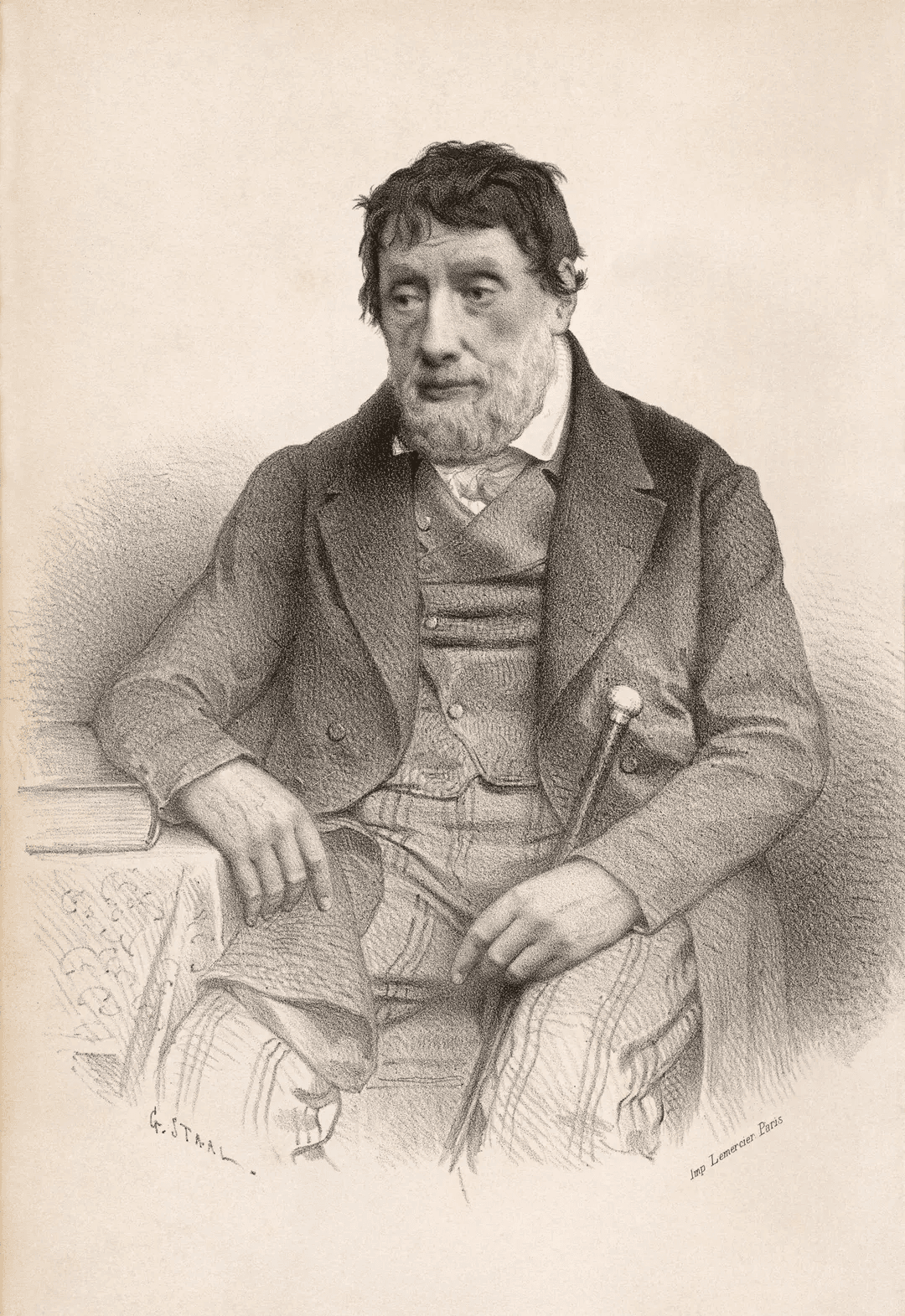
Born in 1803 in the Vallée de Joux, the cradle of Swiss watchmaking, Antoine LeCoultre transformed a modest family building into a watchmaking workshop in 1833, the foundation of what would eventually become Jaeger-LeCoultre. Among his earliest achievements was the invention of the Millionomètre, the first instrument capable of measuring to one-thousandth of a millimetre, bringing an unprecedented level of precision to movement manufacturing. LeCoultre continued to innovate throughout his career, developing the first mechanically produced minute repeater and chronograph calibres in 1870, followed by an original winding mechanism in 1871. His pioneering spirit established a legacy that would continue through generations of the LeCoultre family.
Born in rural France in 1815, Jean-Adrien Philippe learned the fundamentals of watchmaking alongside his father before travelling across Europe to perfect his craft. After working in France, Switzerland and England, he settled in Paris, where he made one of the most significant contributions in horological history: a system allowing pocket watches to be wound and set without a key. Patented in 1842, Philippe described his invention, the stem-winding mechanism, as “the simplest, strongest and most convenient system ever devised.” Two years later, at the 1844 Paris Industrial Exposition, the invention caught the attention of Antoine Norbert de Patek. Their partnership would soon give birth to one of the most prestigious names in watchmaking: Patek Philippe.
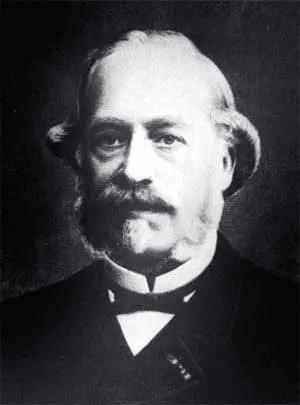
One of the founding fathers of German watchmaking, Ferdinand Adolph Lange was born in 1815. After studying in Dresden and travelling across Europe to learn from leading watchmakers of his time, Lange settled in Glashütte in 1845, where he began training local craftsmen. His efforts transformed the small Saxon town into Germany’s foremost centre of fine watchmaking. Lange also introduced numerous technical innovations, including the iconic three-quarter plate, which remains one of the defining characteristics of German movement architecture. His vision continues today through A. Lange & Söhne, one of the world’s most respected haute horlogerie manufactures.
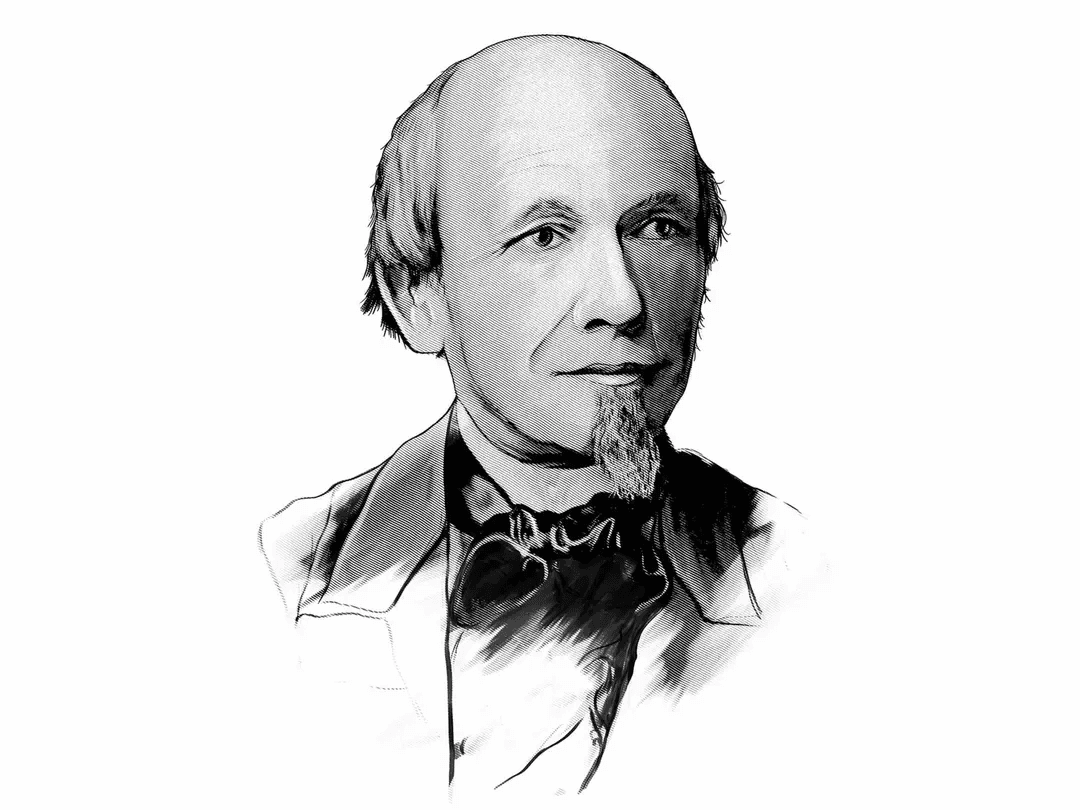
Born in London in 1926, George Daniels is widely regarded as the greatest watchmaker of the twentieth century. One of the last true masters to create nearly every component of a watch by hand, from the movement and case to the dial and hands, Daniels embodied the highest ideals of traditional craftsmanship. His greatest contribution to horology was the invention of the Co-Axial escapement, a revolutionary system designed to reduce sliding friction within the escapement. Initially met with scepticism by the Swiss watch industry, Daniels’ invention eventually transformed modern watchmaking after Omega introduced the Co-Axial escapement into serial production in 1999.
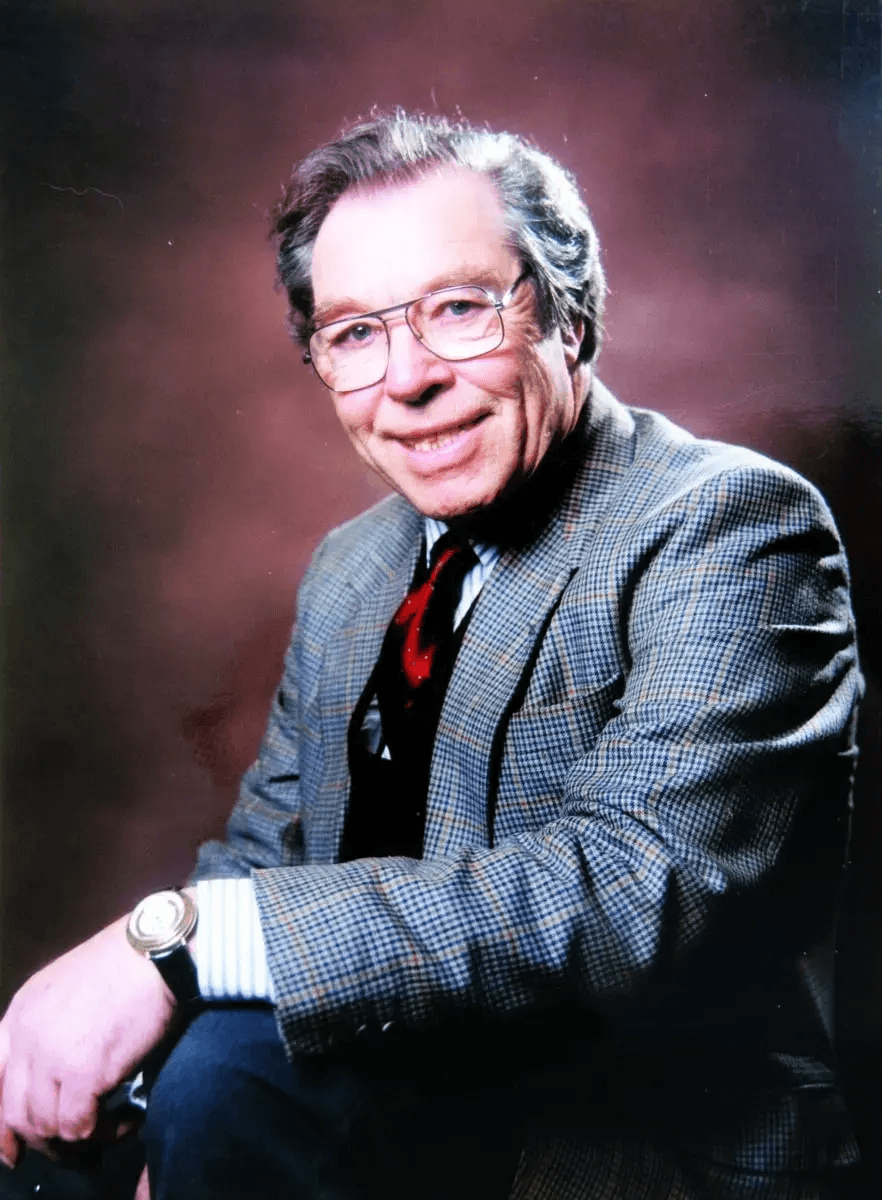
Among today’s independent watchmakers, Philippe Dufour occupies an almost mythical status. Born in 1948 in the Vallée de Joux, Dufour spent the early years of his career restoring complicated and historic timepieces, gaining an intimate understanding of traditional finishing techniques. In 1992, he achieved a major milestone by combining a grande sonnerie and a minute repeater within a wristwatch—an unprecedented accomplishment at the time. His Duality, introduced in 1996, and the celebrated Simplicity, unveiled in 2000, have since become two of the most coveted independent watches ever created.
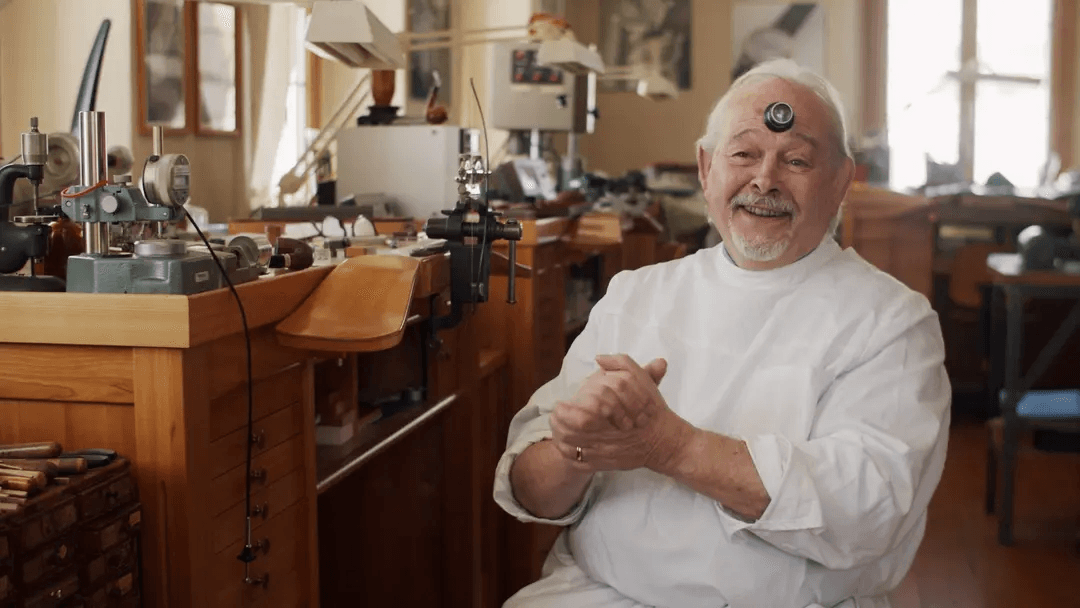
One of contemporary independent watchmaking’s most celebrated figures, François-Paul Journe was born in Marseille in 1957. He began working in his uncle’s Paris workshop at a young age and, while still in his early twenties, started building tourbillon pocket watches. After founding his own workshop in 1985, Journe devoted himself to creating highly exclusive timepieces for discerning collectors. Among his most distinctive creations is the FFC, whose dial features a sculpted human hand indicating the hours and minutes through the position of its fingers. Every F.P. Journe timepiece bears the Latin inscription “Invenit et Fecit”, “Invented and Made”, a declaration that perfectly reflects the philosophy of one of modern horology’s greatest inventors.
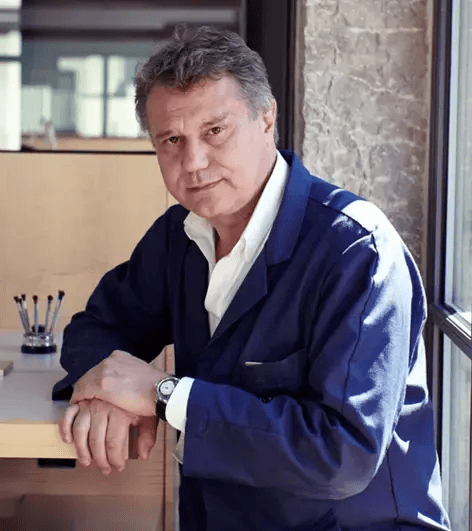
Born in Finland in 1962, far from the traditional centres of Swiss watchmaking, Kari Voutilainen has become one of the most respected names in independent horology. After studying at the Espoo School of Watchmaking and continuing his education in Switzerland, he specialised in restoring complicated historical timepieces, mastering the traditional techniques of haute horlogerie. In 2002, he established his independent workshop in Môtiers, where he continues to create exquisitely handcrafted watches distinguished by hand-shaped hands, finely executed guilloché dials and exceptional movement finishing, each reflecting his unwavering commitment to traditional craftsmanship.