Starting from that glowing golden cup in an anime scene, we trace the patient transformation of rice into something far more complex. Japan’s national drink, sake—its philosophy of production, its varieties, and its perfect pairings—is explored by Doğuhan Atış.
Mushishi Zoku Shou is one of those quietly surreal anime. The mysterious beings known as “Mushi,” largely unseen or unknown by most humans, possess the power to influence life in various ways. Through the experiences of Ginko, a Mushi expert—a “Mushishi”—each episode introduces us to different Mushi and the anomalies they cause.

The first episode, “The Banquet at the Edge of the Forest,” opens with a son recounting the story of his father, who once stumbled upon a feast after getting lost and tasted a sake that shimmered as if made of gold. Rokusuke, whose father we learn is a sake brewer, frequently travels to nearby villages to distribute sake. During these journeys, much of the sake he carries mysteriously diminishes—consumed, as it turns out, by Mushi who develop a fondness for it. In fact, this is seen as a sign of quality. Despite this, Rokusuke’s father is not satisfied with his own production and continues to chase that unforgettable golden sake he once tasted. Still, he remains hopeful: “Sake is alive. If I listen to it with all my senses, it will eventually answer me.”
Rokusuke inherits this pursuit, and his eventual success in recreating that golden sake becomes the climax of the episode. As the story unfolds, we witness the strange consequences of this legendary brew and his eventual encounter with Ginko. Watching an entire episode devoted to sake sparked my curiosity and led me down a path of research.
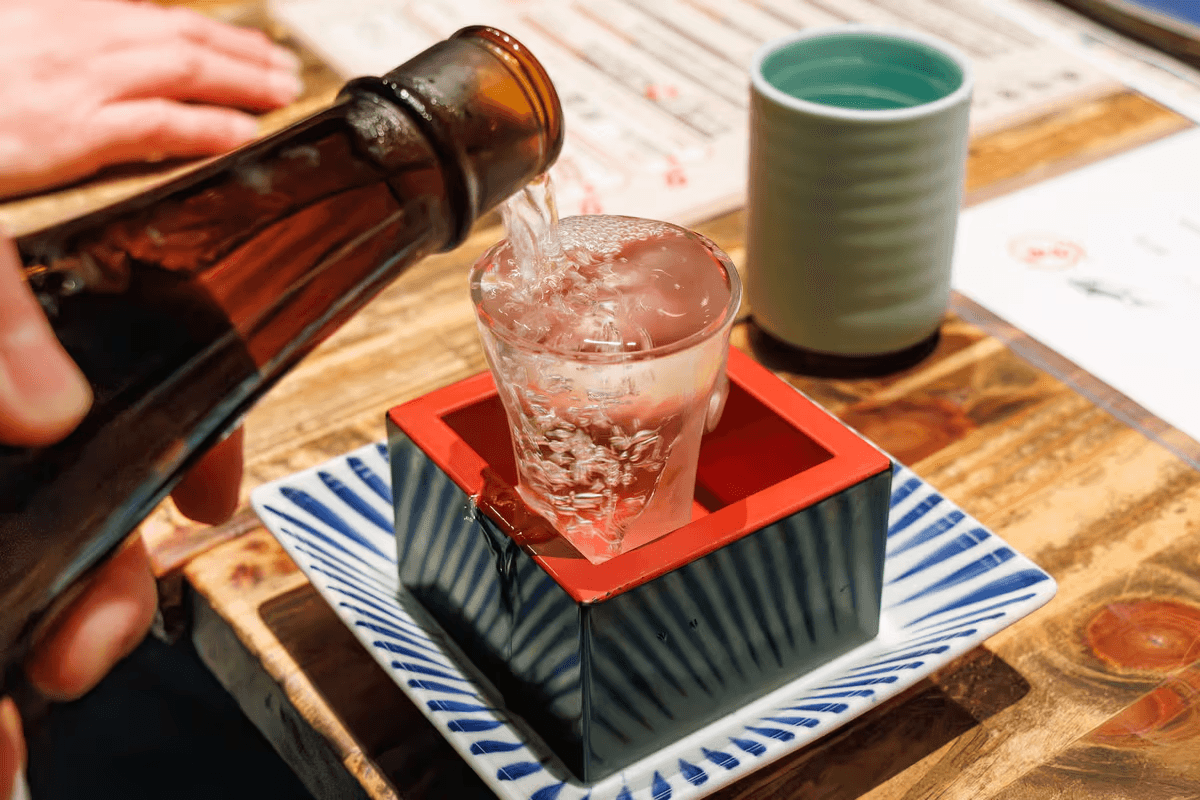
The first thing to understand about alcoholic beverages is that they require a source of sugar. Wine uses grapes, beer relies on malted grains, and spirits like whisky are produced by distilling these lower-alcohol liquids. The second key point is that this sugar source is almost always native to the region where the drink originates. Across the world, different climates produce different crops, and cultures have historically turned what they grow into what they drink.
In Japan, where rice is abundant and deeply embedded in culinary culture, it becomes the foundation of sake. With a history spanning centuries, sake is not just a drink but a cultural ritual—an integral part of both social life and the dining table. Interestingly, “sake” in Japan is a general term for alcoholic beverages, while what we refer to as sake is properly called “nihonshu.” For clarity, I’ll continue using “sake” throughout.
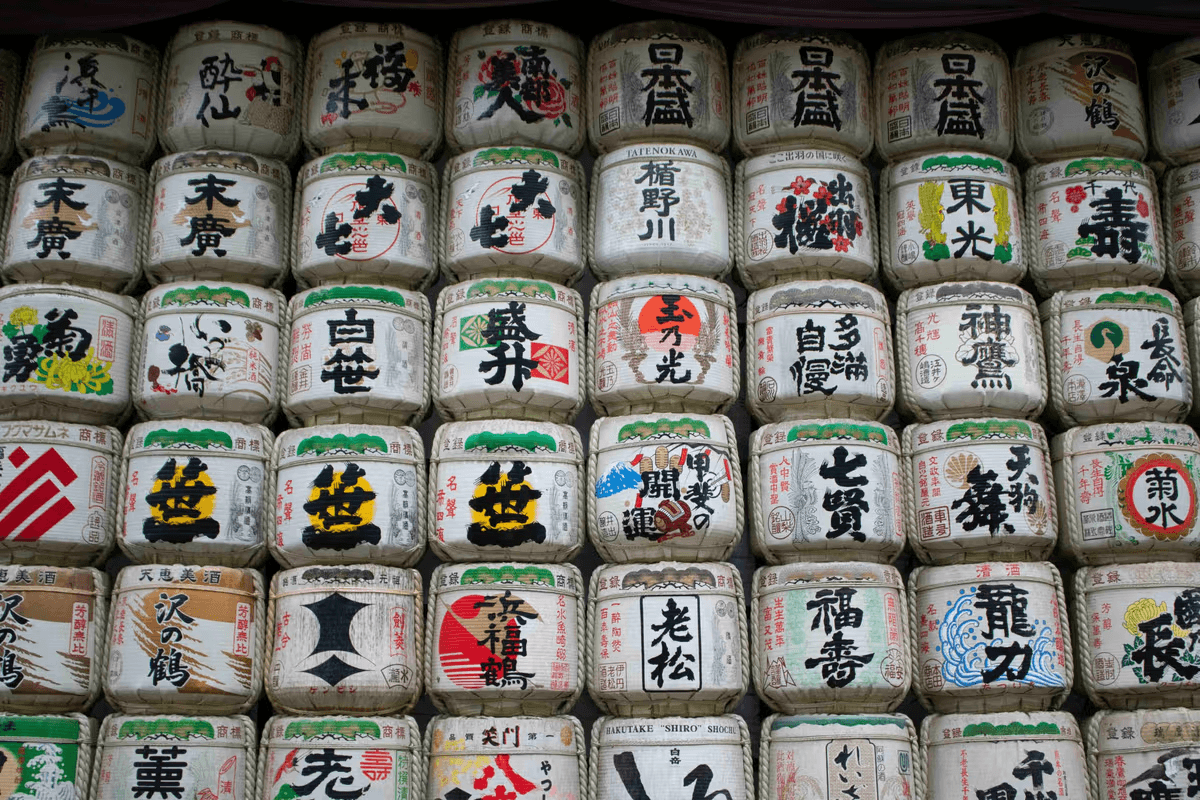
Typically ranging between 14% and 20% alcohol, sake begins with rice—and understanding it starts there. The type and quality of rice, along with how much of it remains after polishing, are crucial. This is known as the “polishing ratio.” For example, if a bottle indicates “45,” it means that 55% of the outer layers have been polished away, leaving just 45% of the original grain.
The outer layers contain fats, proteins, and minerals that create bold, robust flavors, while the inner core is rich in starch. Brewers decide how much to polish based on the style they aim to produce. Highly polished rice results in delicate, fruity, and refined sake, while less polished rice yields fuller-bodied, more rustic profiles.
After selecting and polishing the rice, it is washed, soaked until it absorbs about 30% of its weight in water, and then steamed in special vessels called koshiki. Once cooled, the next step is crucial: converting starch into sugar. This is where koji comes in—the true magic behind sake.
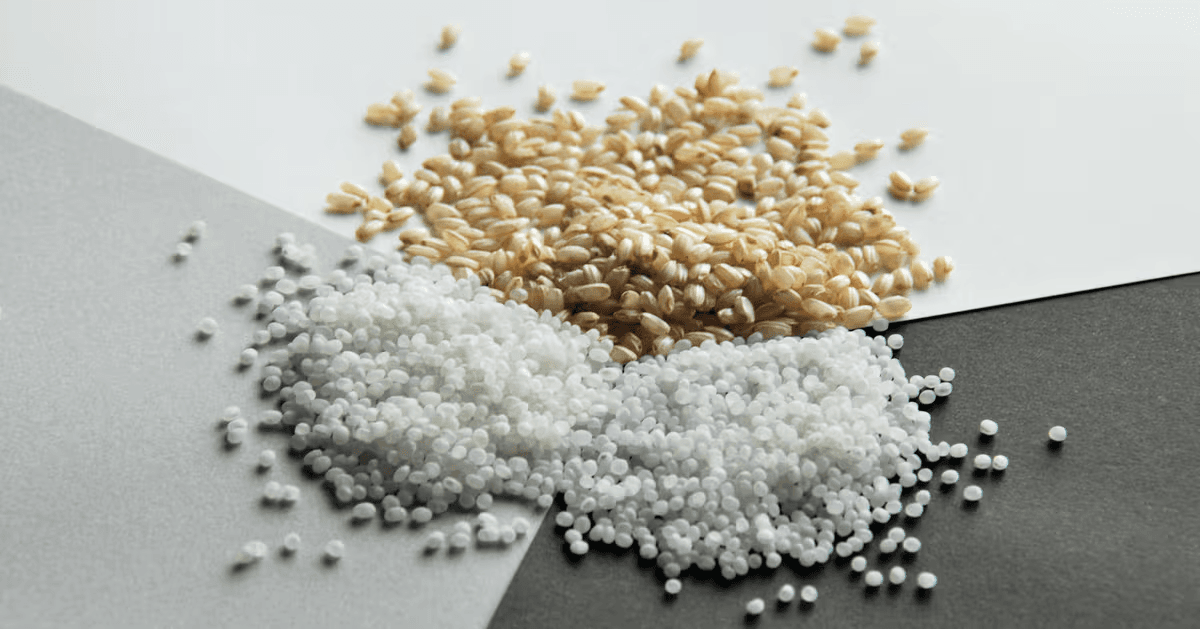
Koji refers to the mold Aspergillus oryzae, which is sprinkled over the rice. The rice begins to ferment in a controlled, desirable way—unlike unwanted spoilage in other foods. This mold breaks down starch into sugar, preparing it for fermentation. The rice is then mixed with water, and yeast is introduced. In this stage, koji continues converting starch to sugar while yeast transforms that sugar into alcohol. This simultaneous process is known as “multiple parallel fermentation.”
After filtration, pasteurization, and maturation, the sake is ready. In some cases, neutral distilled alcohol may be added at the final stage.
These production differences define sake categories. For instance, “Junmai” indicates no added alcohol and no strict polishing requirement. “Ginjo” and “Daiginjo” refer to higher polishing ratios and more delicate production methods. “Honjozo” includes added alcohol with a minimum polishing threshold. These classifications are legally regulated under the category “Tokutei Meisho-shu,” while more basic table-grade sake is called “Futsu-shu.”
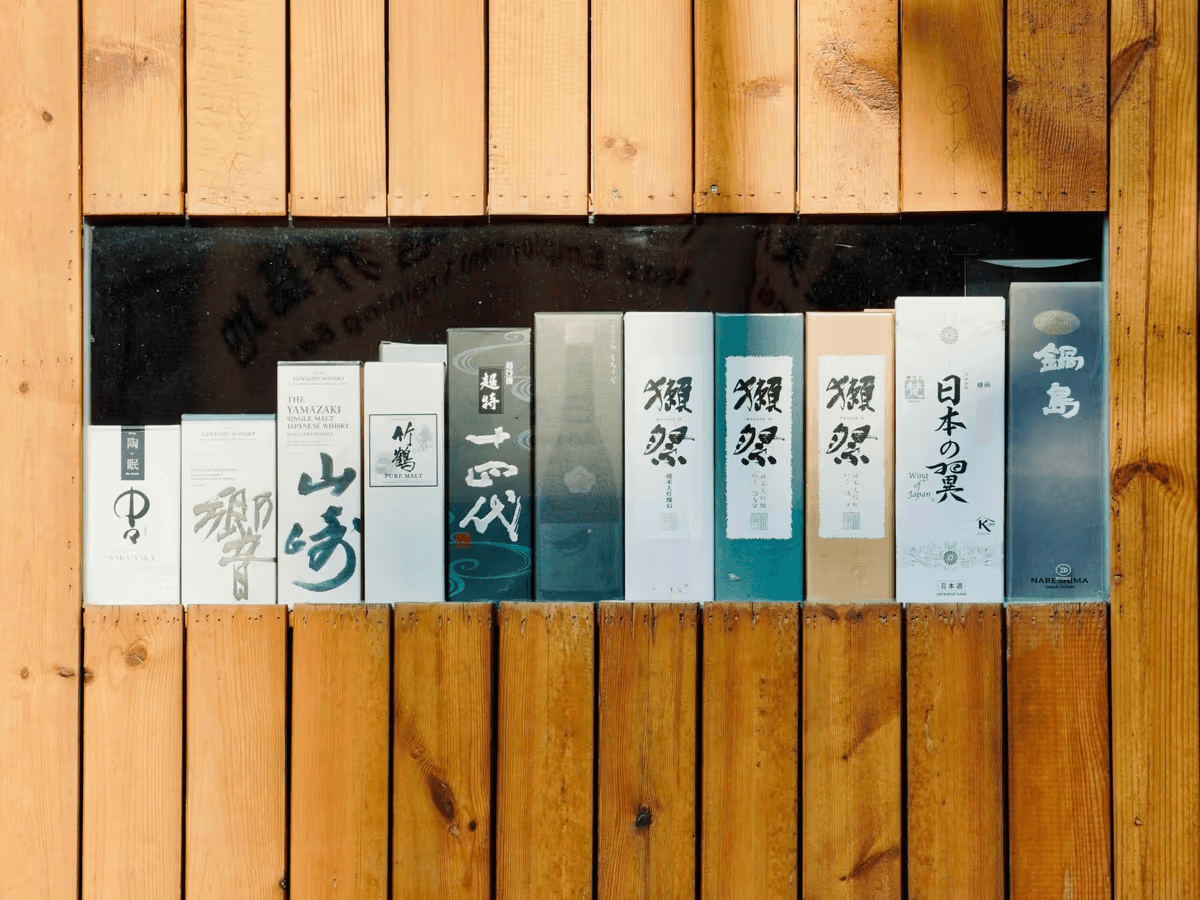
Beyond these, there are subtypes like Namazake (unpasteurized), Genshu (undiluted), Nigori (cloudy), and Koshu (aged). Together, these layers of classification reflect the incredible diversity within sake.
Labels often include helpful indicators like the “Sake Meter Value” (SMV), which measures density relative to water. Negative values indicate sweetness, while positive values suggest dryness. Acidity is also noted and plays a key role in balance—much like carbonation balances sweetness in soda.
At this point, sake may seem complex—and it is. But so are wine, beer, and whisky. The difference lies in the Japanese precision of naming and categorizing even the smallest variations, reflecting a distinct cultural sensitivity to nuance.
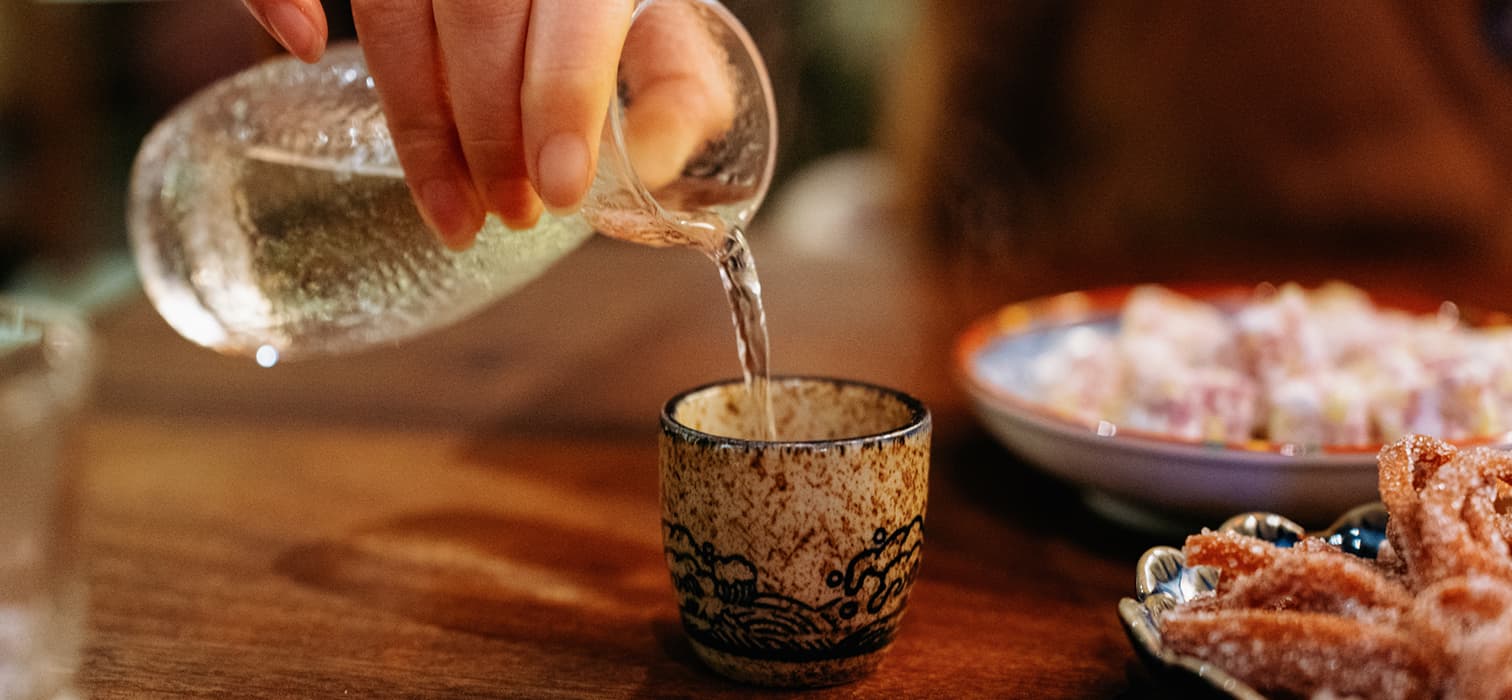
Ultimately, sake is a smooth, balanced, and versatile drink. It can be enjoyed on its own or paired with food, served cold, warm, or hot depending on the style and context. This adaptability is one of its most unique qualities.
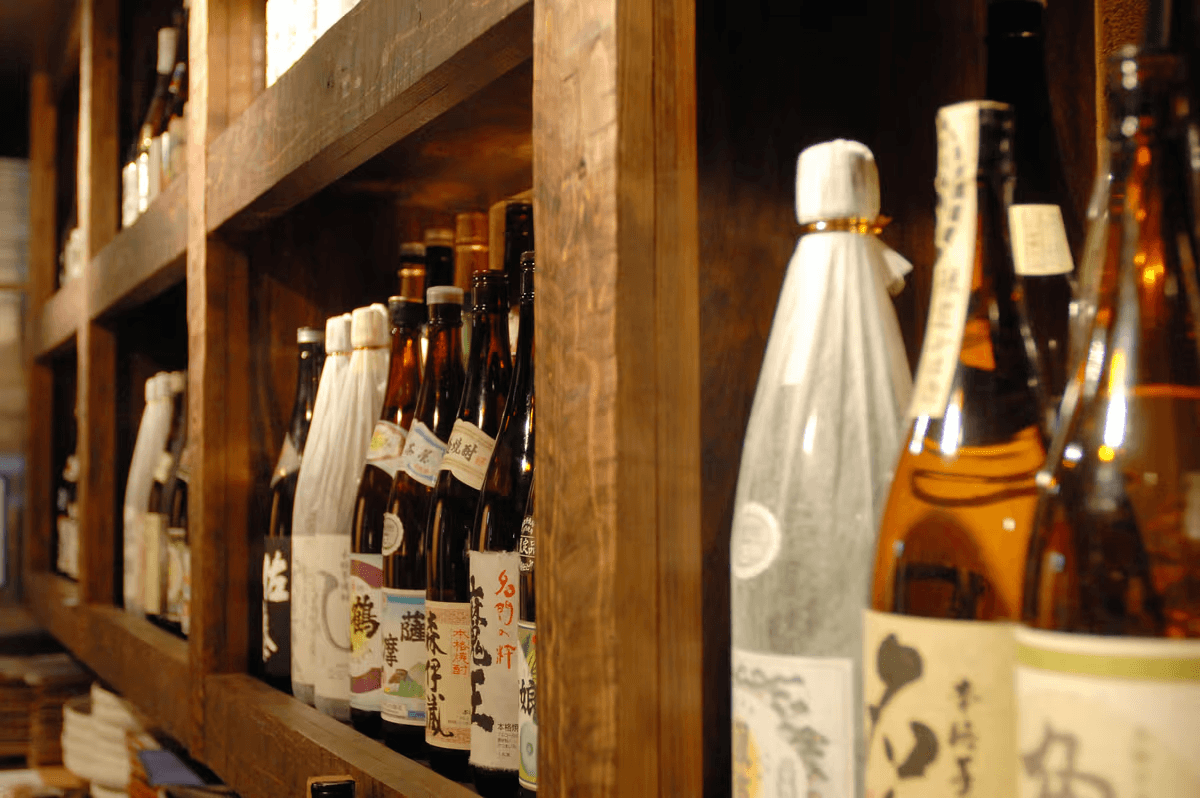
Japan’s diverse geography has shaped equally diverse regional cuisines, and the principle “what grows together goes together” applies beautifully here. Matching sake with local dishes often results in natural harmony. Fatty foods call for higher acidity; delicate dishes pair with refined, aromatic sake.
Umami plays a central role. Since both sake and staples like soy sauce and miso are produced using koji, they share a common flavor foundation. This makes sake exceptionally compatible with umami-rich foods.
For example, a delicate sushi made from fresh fish pairs beautifully with a refined Junmai Daiginjo, while richer dishes benefit from fuller-bodied styles. Sparkling sake or higher-acidity options can cut through fatty textures, though sake’s acidity will never reach the sharpness of wine.
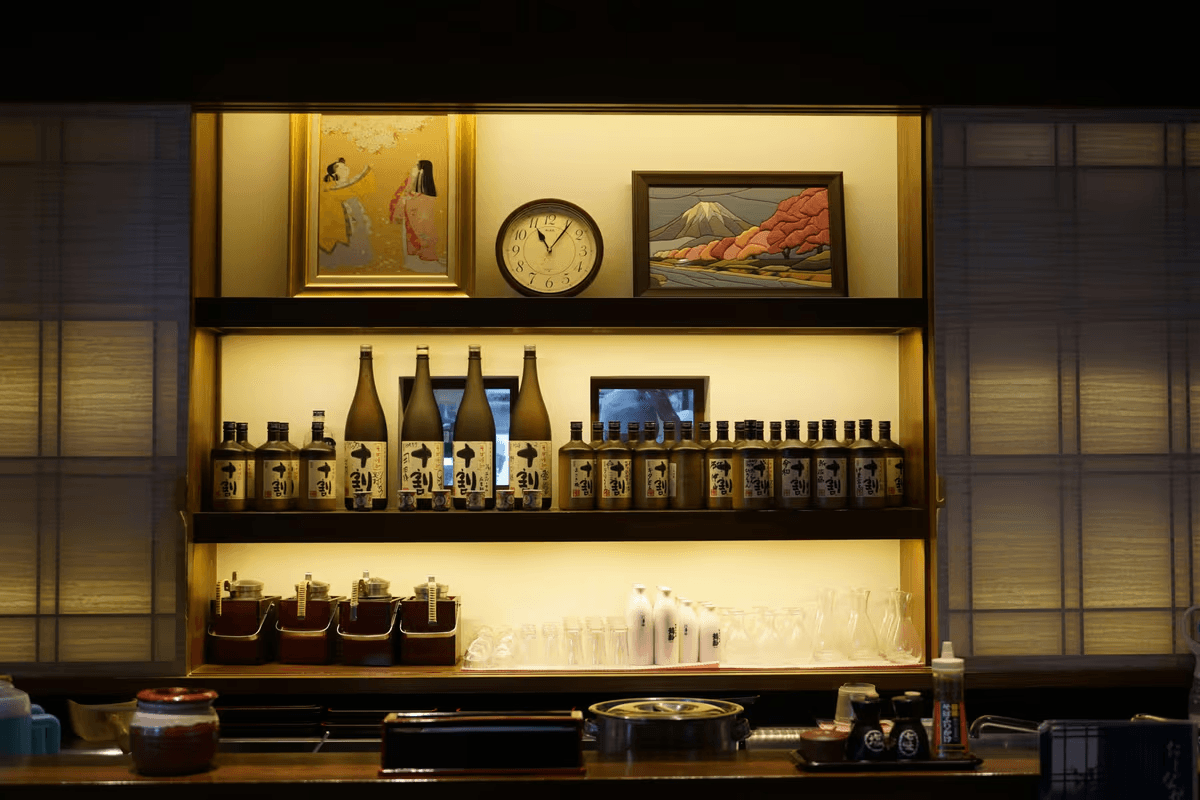
Classic pairing strategies apply: contrast sweet with salty, or double down with sweet-on-sweet combinations. But above all, there are no strict rules—only exploration.
Sake is not simply rice wine or rice spirit; it is a category of its own. While domestic consumption in Japan has declined, global interest is rising, fueled by growing fascination with Japanese culture. Institutions like Wine & Spirit Education Trust now offer sake certifications, and production has expanded worldwide.
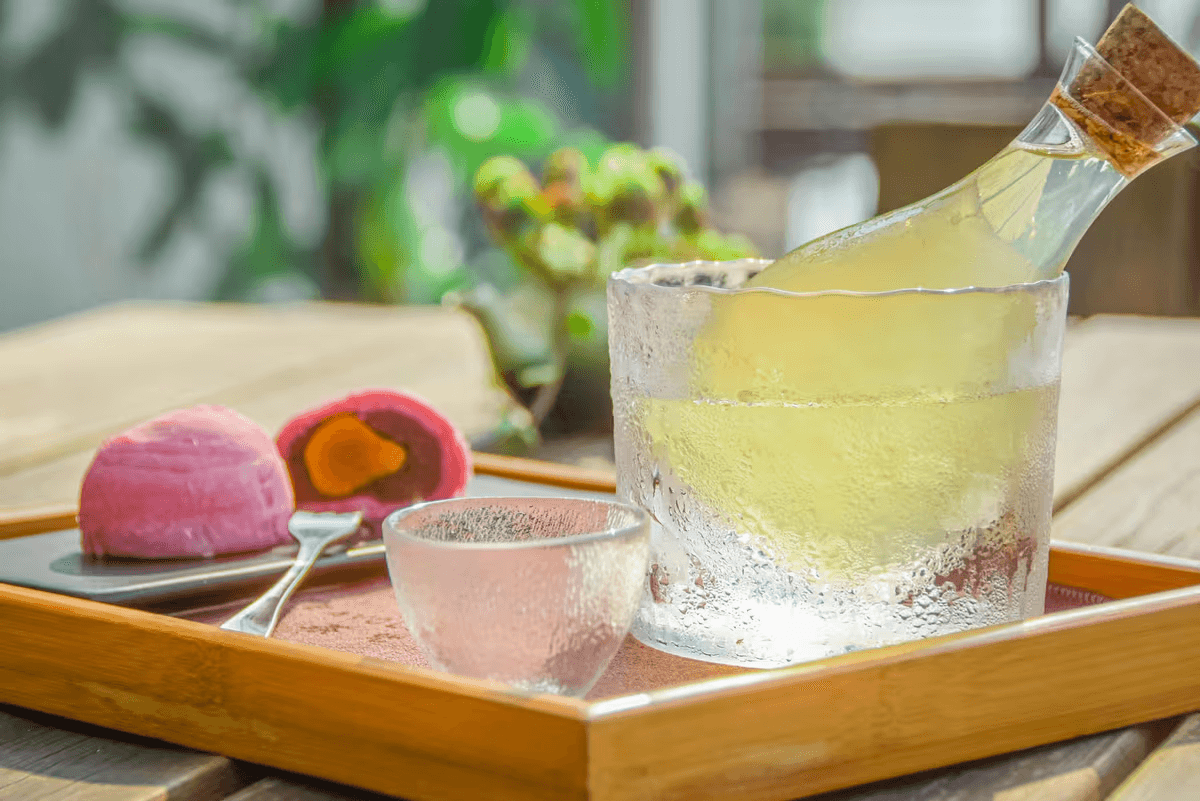
Even in Turkey, a few varieties can be found in high-end markets or on the menus of Asian-inspired restaurants. So you don’t need to travel to Japan to experience sake—though if you do, seek out local bars and let knowledgeable staff guide you. Taste widely, stay curious, and let your palate lead the way.
Because sake, in the end, is not just a drink—it’s a story waiting to be discovered.
Cover Photo: LAW Ho Ming (Getty Images)
Umami, Deconstruction, and Dada: The Maritime World of Koca Rifo