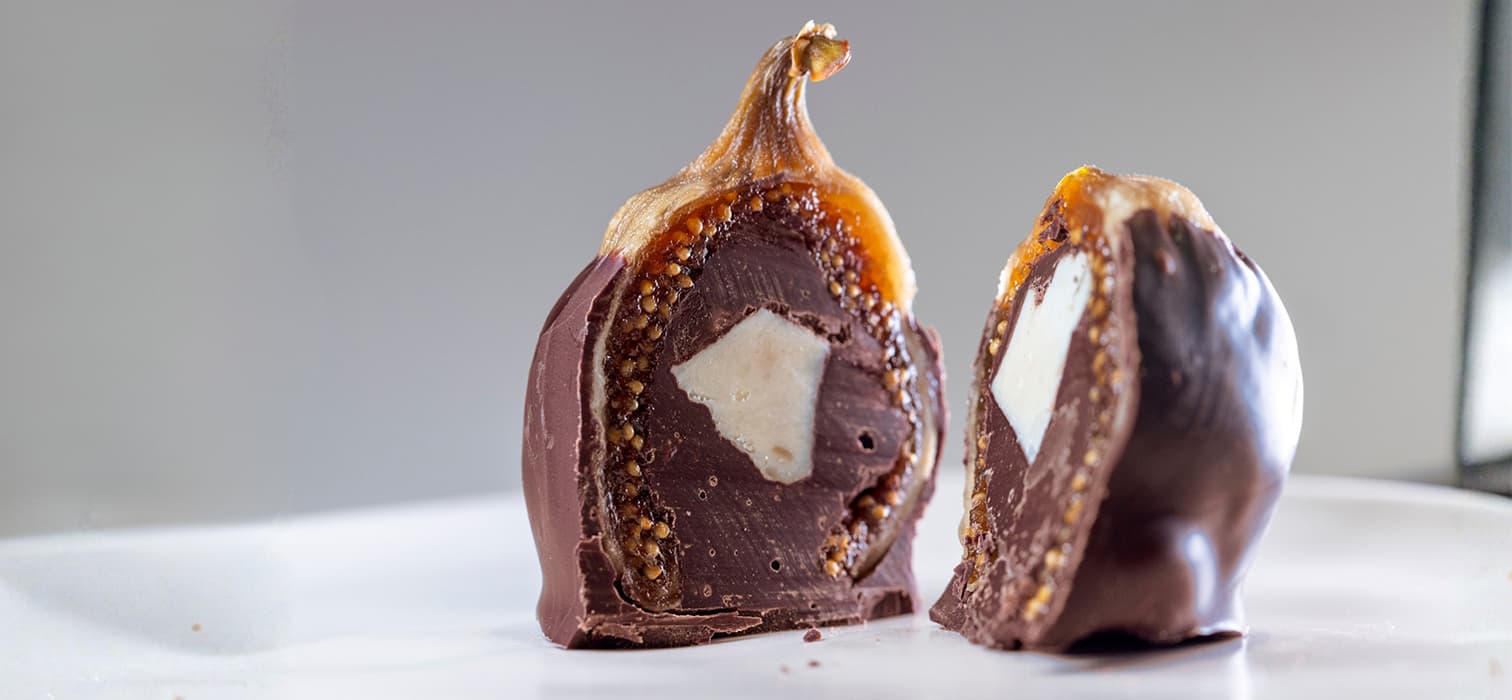
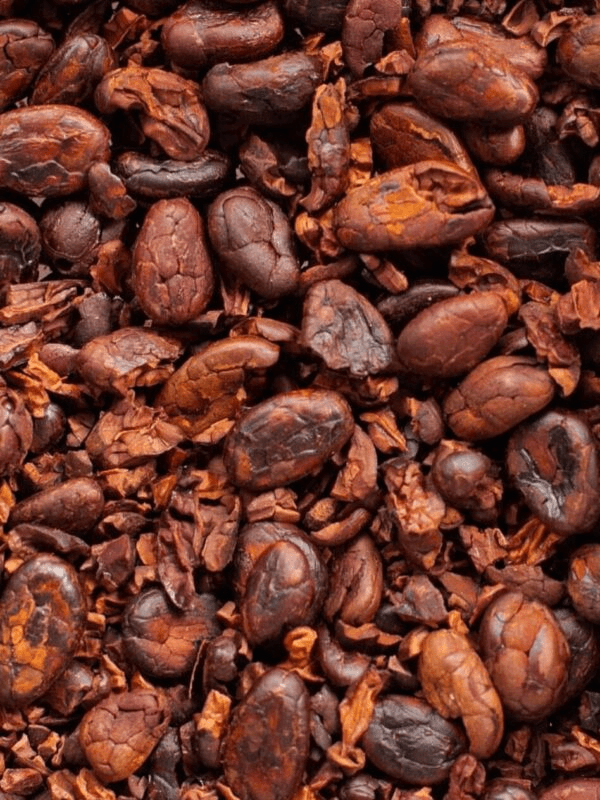
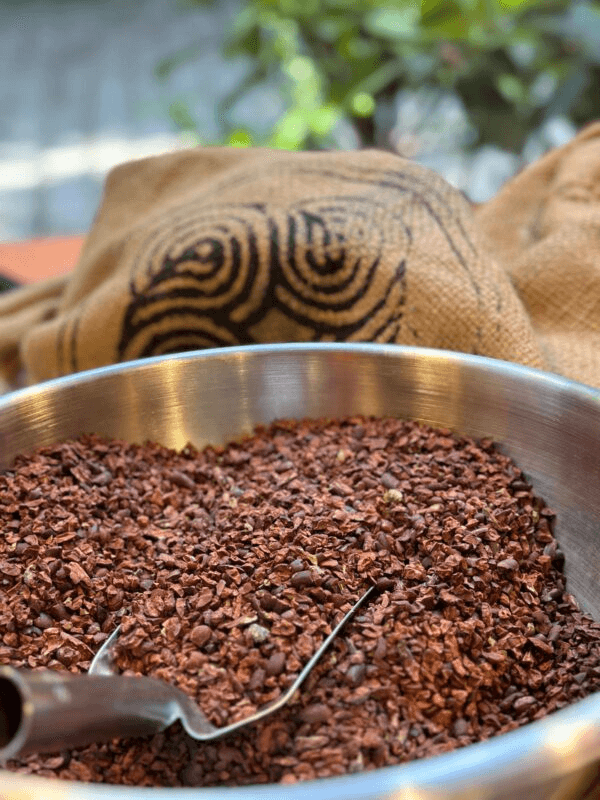
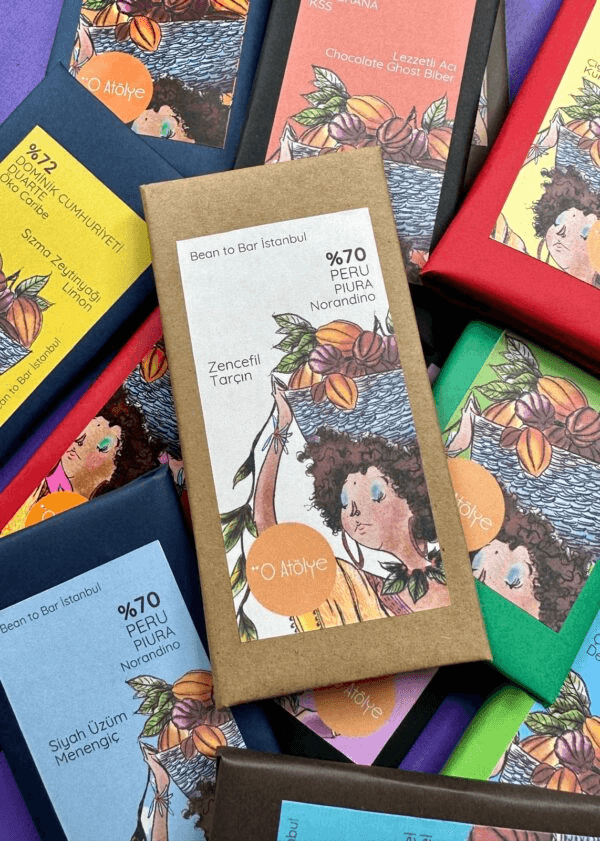
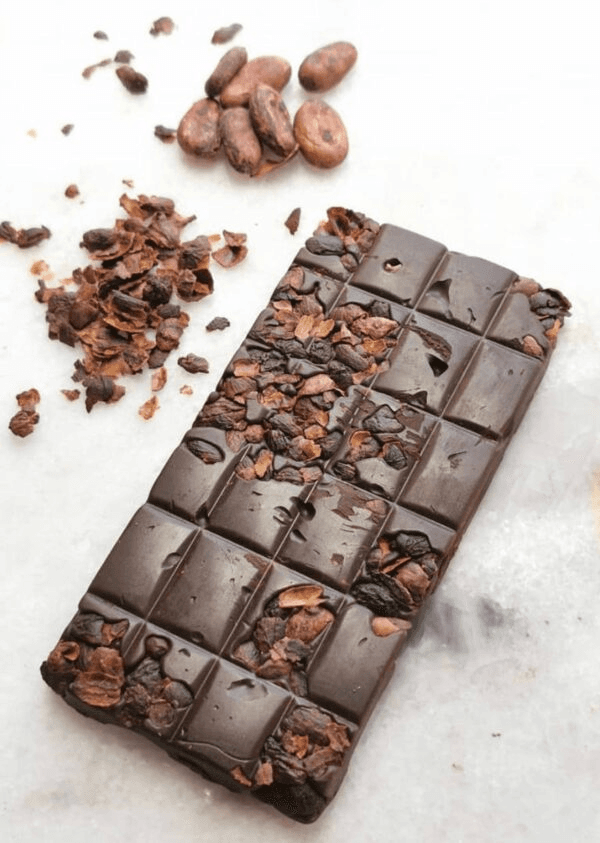
A single encounter with black-pepper-infused chocolate in Zagreb served as the catalyst that led Ender Özdilek toward the meticulous craft of “bean-to-bar” production. At O Atölye, cocoa is not merely processed into a confection; it is reinterpreted as an ancient, foundational food.
Great narratives often spring from subtle beginnings rather than grand declarations. Ender Özdilek’s journey is a testament to this. Approximately thirteen years ago, in a quiet shop in Zagreb, he tasted a piece of chocolate adorned with a single black peppercorn. There were no bold marketing slogans or “special edition” labels on the packaging. Yet, that first bite was transformative. A quiet realization took root in his mind: “Chocolate doesn’t have to be just a confection.”
That moment was less about flavor and more about an awakening. The slight discomfort of realizing how superficial his understanding of “sweetness” had been soon transformed into a deep, driving curiosity. From that point forward, chocolate was no longer a simple snack; it became a craft to be interrogated, researched, and mastered. The internal dialogue shifted from “Can I do this?” to a resolute “Yes, I can,” forged through countless experiments, discarded batches, and refined recipes. This evolution wasn’t spurred by external validation, but by a burgeoning love for the process itself—the moment he realized he could consistently reproduce a high-quality product through his own skill.
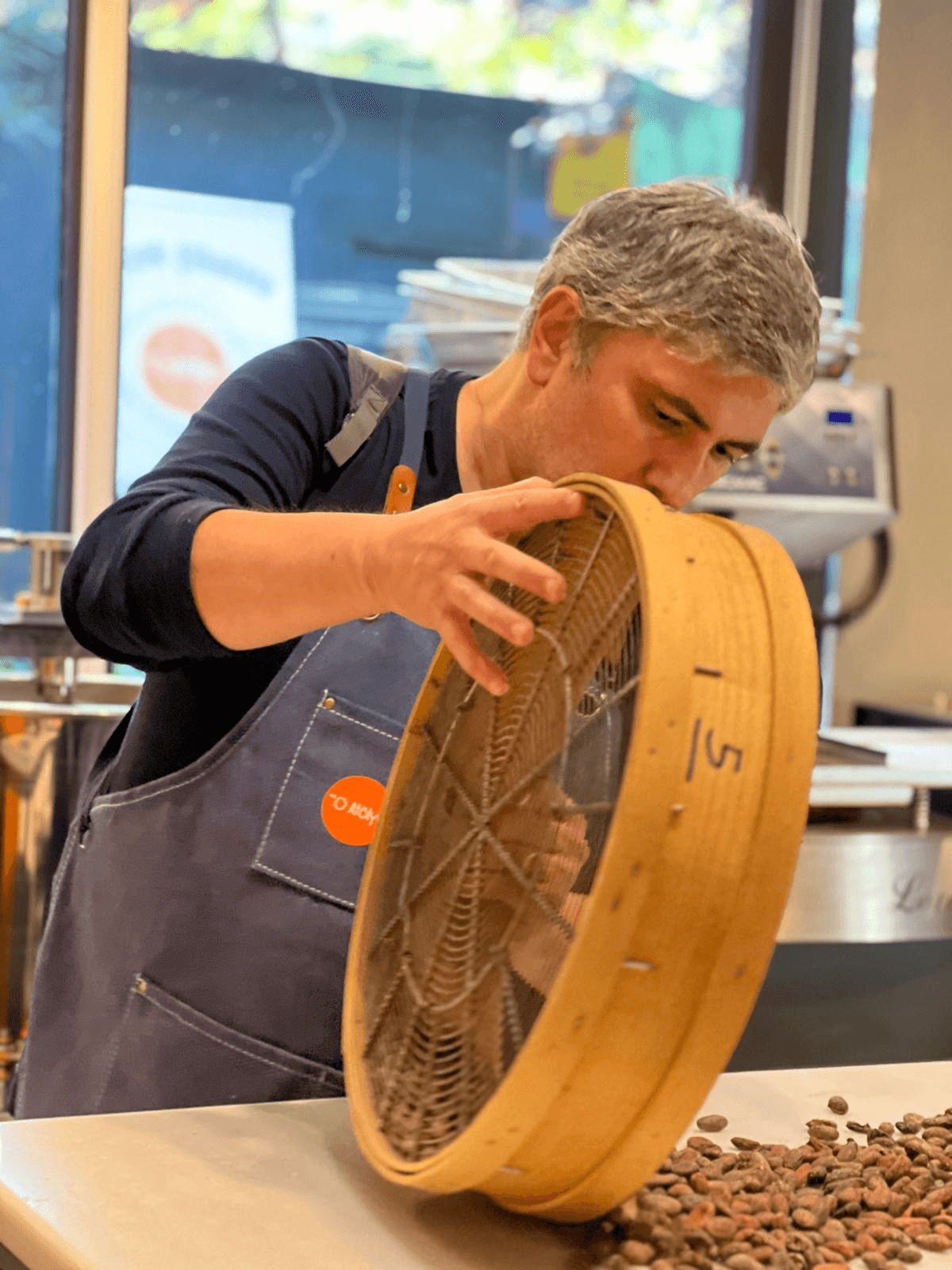
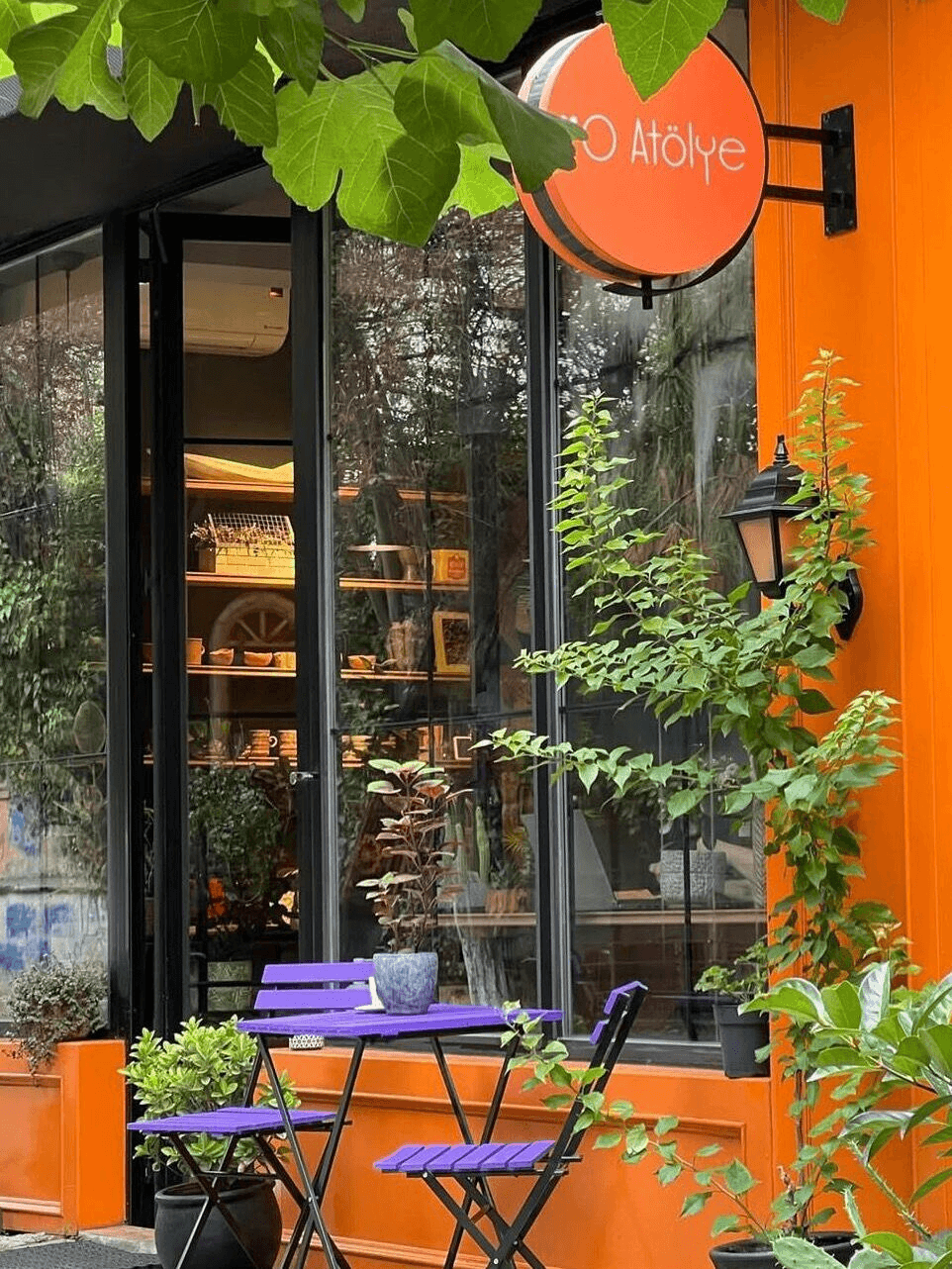
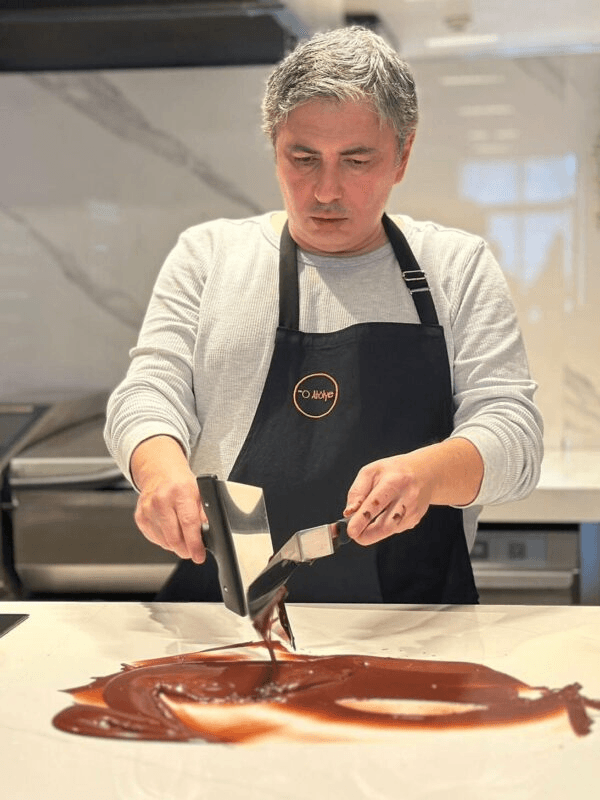
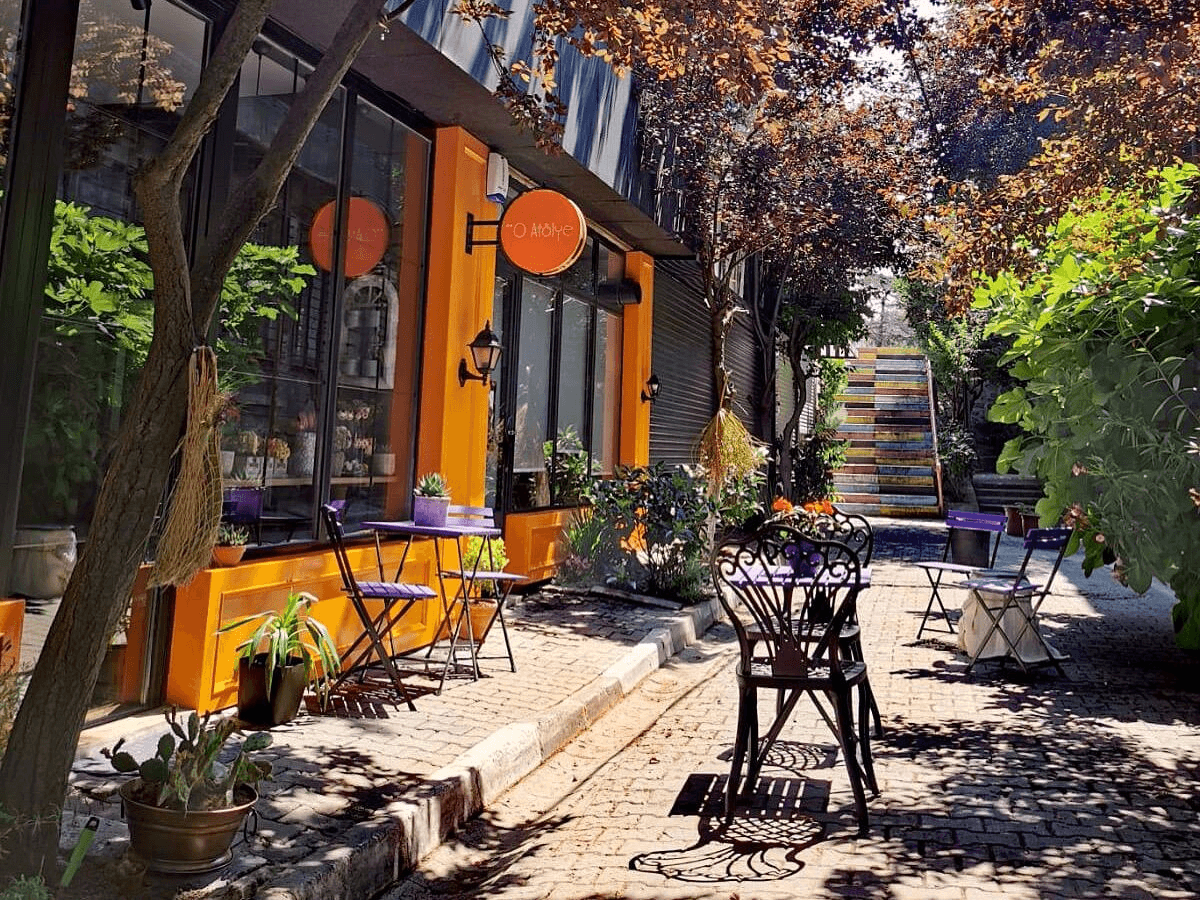
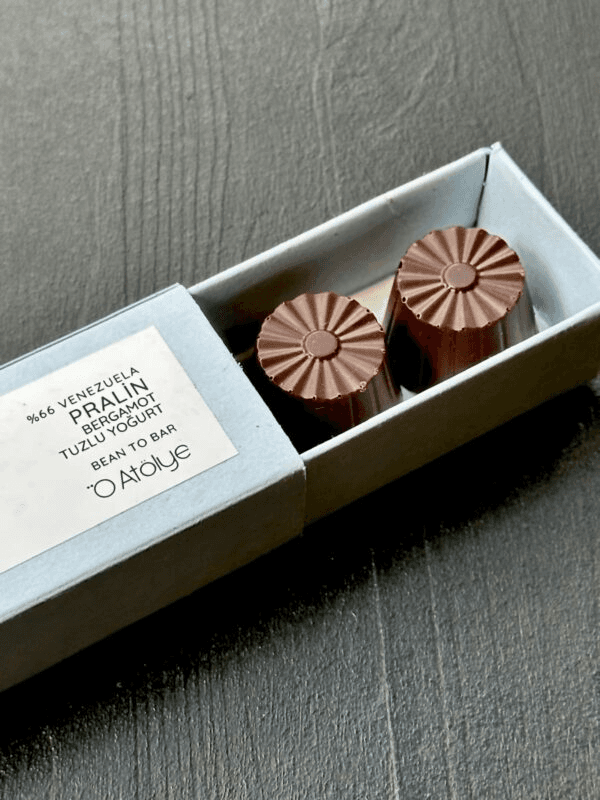
Today, at O Atölye in İstinye, Istanbul, Özdilek approaches chocolate through this exact prism. Utilizing the bean-to-bar methodology, he oversees every stage of production—from the raw cocoa bean to the finished tablet—with his own hands and eyes. He is in pursuit of “real chocolate”: a product devoid of additives, palm oil, and masking agents, where the integrity of the origin remains untouched.
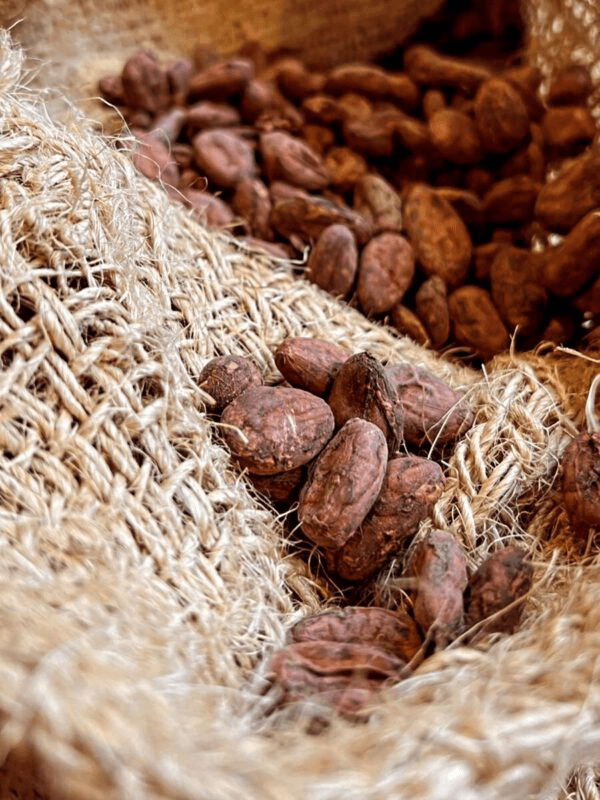
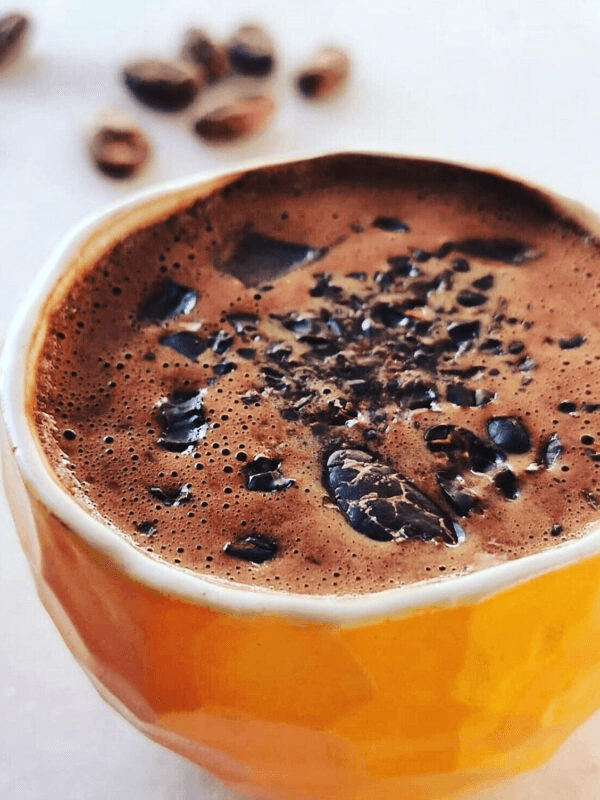
Özdilek treats the cocoa bean not merely as a raw ingredient, but as a living entity that carries the memory of its soil, its climate, and the farmers who tended it. He builds a bridge between the ancient world—where the Aztecs and Mayans revered cocoa as both sustenance and ritual—and a modern era often obsessed with speed and low costs. At the heart of O Atölye, one witnesses the slowing of time: the rhythmic hum of the melanger, the complex layers of Sur del Lago cocoa, and a patience learned through trial and error.
This journey began over a decade ago in Zagreb with that peppercorn chocolate. What exactly did that experience trigger within you?
I still remember it vividly. It was a modest, unassuming shop. Back then, packaging didn’t tell stories the way it does now. The peppercorn chocolate wasn’t even highlighted as a specialty. But that first bite was anything but ordinary. It surprised me. It wasn’t a collision of spice and sugar; rather, they complemented and elevated one another. The pepper wasn’t aggressive; it allowed the cocoa aroma to unfold and deepen, lingering on the palate. That was the moment I realized chocolate’s potential far exceeded the boundary of “sweet.”
What was the lasting impression of that first taste? Looking back, did it change the trajectory of your life?
It was an awakening. It brought a mix of astonishment, curiosity, and a touch of unease. My familiar perception of sweetness had been shattered. There is a specific kind of discomfort that comes when you realize how little you actually knew about something you thought was familiar. But that discomfort was exhilarating. I can say now that while it didn’t change my life in a single instant, it irrevocably shifted my perspective. That is where the true journey began.
You mentioned the transition from “Can I do this?” to “Yes, I can.” When did that shift happen for you?
It wasn’t a single “Eureka” moment. It was the accumulation of small, quiet affirmations. The confidence didn’t come from outside praise; it came from the ability to repeat my own success. When I realized the flavor I achieved wasn’t an accident—that it was controllable and repeatable—that’s when the question changed shape. Getting the same result a second time, and then making a slight improvement the third time, provided the answer.
Transitioning a hobby into a professional workshop is a massive leap. What was the most difficult turning point?
The hardest part was taking the hobby seriously. A hobby is a safe space where you have the absolute right to fail. A workshop, however, brings responsibility—to yourself, to the integrity of the product, and to the people who consume it.
The pressure to be consistent, sustainable, and disciplined was a major shift. Managing hygiene, supply chains, and production schedules isn’t “romantic,” but it is inevitable. That turning point challenged me, but it also crystallized my intentions.
You opened in İstinye in March 2020, right as the world stopped. What was it like launching an artisan workshop during a global pandemic?
It was a period of conflicting emotions. On one hand, I was finally opening a space I had dreamed of for years; on the other, the world was at a standstill. The streets were empty and the future felt completely uncertain. It felt a bit mad. Yet, there was a strange tranquility in it. While the world outside was in chaos, I was alone with the cocoa, the fire, and time. That period taught me how to survive by scaling back and practicing patience. Roasting cocoa offered a tangible reality; while everything else was unpredictable, the roasting time of a bean remained constant. That alone was grounding.
Bean-to-bar production is still quite rare in Turkey. Was choosing this path a conscious decision to favor honesty over ease?
Absolutely. Looking back, I don’t think any other path would have been possible for me. Bean-to-bar is more than a technique; it is a stance. It is harder, slower, and far less forgiving than industrial methods, but it is fundamentally more honest. My role as a producer isn’t to mask flaws, but to select the right bean and present it transparently.
If your goals are speed, scale, or quick profit, the bean-to-bar philosophy isn’t for you. But if you seek respect for the material and traceability, there is no other way. It is a more difficult path, but it is the only honest one.
When you distinguish between industrial chocolate and “real chocolate,” what is the core difference you want people to understand?
The difference starts with intention. Industrial chocolate is engineered for consistency, speed, and cost-efficiency. It must taste identical millions of times over, which usually means the cocoa becomes anonymous. Its origin and processing are secondary to the formula.
In “real chocolate,” the cocoa bean is the protagonist. The origin is known, and the fact that each harvest is slightly different is celebrated as “character,” not a flaw. The producer’s job is not to speak for the cocoa, but to listen to it. When you strip away heavy sugars and masking aromas, there is nowhere to hide. This creates a much more honest relationship between the maker and the consumer.
Palm oil, additives, lecithin, and artificial sweeteners—when you survey the chocolates lining modern shelves, what is it that troubles you most?
It isn’t any single ingredient like palm oil or lecithin that bothers me individually. Rather, it is the fact that all of these elements are bundled together and presented under the banner of “chocolate” as if this were perfectly normal. When you look at the shelf, you believe you are seeing chocolate, but more often than not, you are looking at a chemical formula where cocoa doesn’t even play the lead. It has been demoted from the protagonist to a mere supporting actor. What truly disturbs me is this silent, systemic shift in what we accept as real.
The Aztecs and Mayans revered the cacao bean as both a vital food source and a sacred ritual element. Why has this ancient understanding been so thoroughly eclipsed in the modern world?
I believe this loss of knowledge wasn’t a sudden break, but a gradual, deliberate layering of “memory loss.” To the Aztecs and Mayans, cacao wasn’t a sugary treat; it was a powerful substance that affected both the physical body and the mind. It was central to their rituals because it was an “awakener.”
Today, we have engineered it to do the exact opposite: it has become a substance used to suppress, numb, and pacify. The second driver is the industrial mindset. As cacao was stripped of its origin and context, reduced to an anonymous global commodity, the cultural heritage it carried was erased.
Furthermore, there is the issue of time. The ritual of cacao demands slowness—preparation, intention, and communal sharing. Modern life is predicated on speed. As we accelerate, meaning doesn’t become simpler; it becomes superficial. Cacao has been trapped in this cycle of fast-paced, mindless consumption. However, I don’t think this ancient wisdom is dead. It has just been pushed underground. The fact that we are again discussing “bean-to-bar,” simple ingredients, and specific origins suggests that people are unconsciously returning to those primal questions.
How do you navigate the process of selecting cacao beans? Is it a technical calculation or an intuitive feeling?
For me, these two forces progress in tandem, constantly monitoring one another. Technical knowledge hones the intuition, while intuition reminds us of the limits of pure technique. My first contact is always technical—origin, harvest year, fermentation cycles, and drying conditions. These data points are a sign of respect for the material.
But the definitive moment—the “this is the one”—rarely comes from a spreadsheet. It usually happens during the first roasting trial, or even earlier, when I first inhale the scent of the raw bean. Its reaction to the heat, the way the aromas unfurl, and the gap between my expectations and my sensations—that is where intuition takes over.
I should be clear: not every “excellent” bean is the right bean for me. A bean might be technically flawless but fail to align with my production philosophy or the specific language I want to express. I look for depth rather than a “screaming” aroma. I prefer beans that don’t reveal everything at once but open up in layers as you work with them. Those are the beans you can build a long-term relationship with.
You place an extraordinary emphasis on origin. Why is it so vital to list the country, region, or even the specific farm on a chocolate bar?
Because origin data rescues chocolate from anonymity and places it within a living context. By naming the farm or region, you are declaring: “This chocolate didn’t come from nowhere.” It represents a specific soil, a unique climate, a traditional production method, and human labor. Cocoa is a terroir-driven product, much like wine or coffee. Rainfall, soil mineralogy, and local fermentation cultures all dictate the final aroma. If you ignore the origin, you reduce the vast diversity of cocoa to a single, flat “chocolate flavor.” Writing the origin is about accountability. It shows that I, as a producer, stand behind a specific story. From the farmer’s perspective, this visibility is crucial. It prevents their labor from being commodified and erased. Cocoa directly affects the lives of the people who grow it; ensuring their name is on the product is an ethical imperative and is intrinsically linked to long-term quality.
You’ve noted that different origins produce vastly different profiles. Which region’s cocoa has surprised you most?
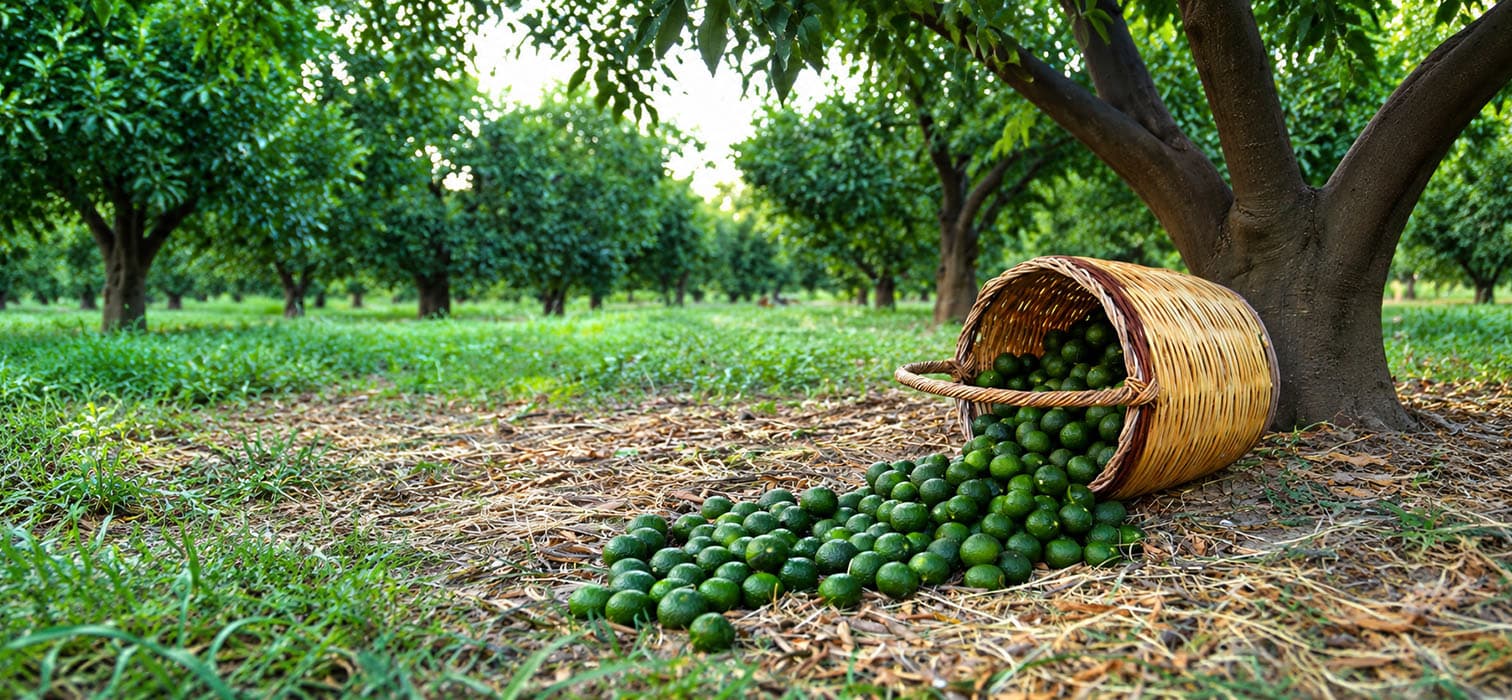
Venezuela’s Sur del Lago. To me, it’s more than just a region; it’s a character. When I first encountered beans from the south of Lake Maracaibo, my entire perception of cocoa shifted. What amazed me was their profound balance. Initially, you sense a dark, serious, almost distant structure. Then, very gradually, notes of dried fruit, subtle spice, and a soft, fruity roundness begin to emerge.
The flavors don’t fight; they don’t rush. It’s as if the bean is telling you, “Wait, there is more.” Sur del Lago taught me that a bean doesn’t have to be flashy to be great. It forces you to slow down. As a producer, you have to make incredibly precise decisions during roasting; if you push it even a few seconds too far, the complexity vanishes. It is the ultimate reminder of how much a bean has to say if we are patient enough to listen.
In the three-to-four-day journey from bean to bar, which specific moment brings you the most joy?
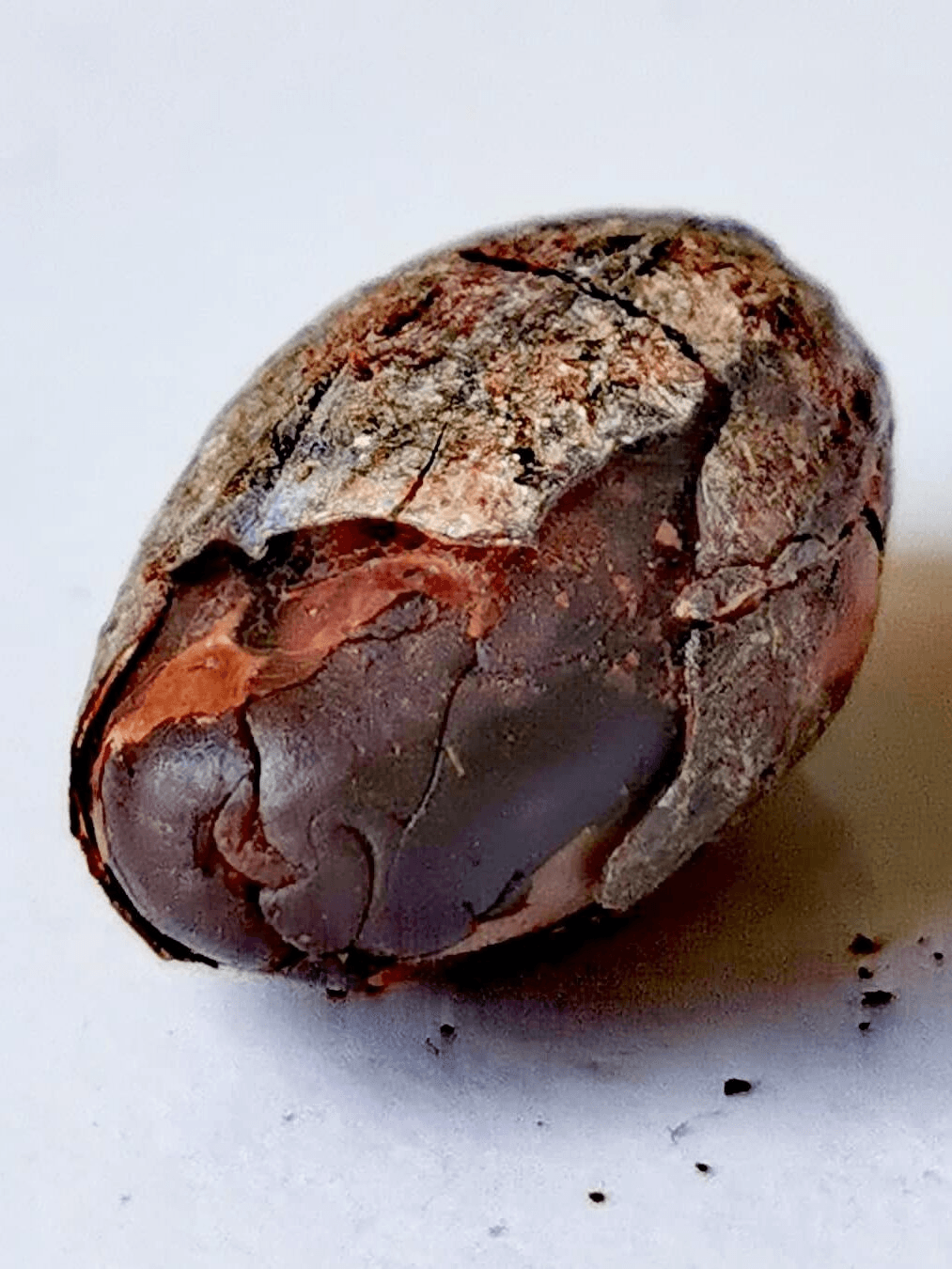
It is almost always the “first crack” immediately after roasting. Up until that point, the chocolate exists only as a possibility in your mind. You have the plan and the profile, but nothing is certain. When you crack that first bean and separate it from its shell, you come face-to-face with the reality of the aroma for the first time. Sometimes it is exactly as you imagined; other times, a note catches you completely off guard. That is where the joy is born.
What goes through your mind as you stand by the melanger for 24 hours while the cocoa rotates? How does your perception of time change?
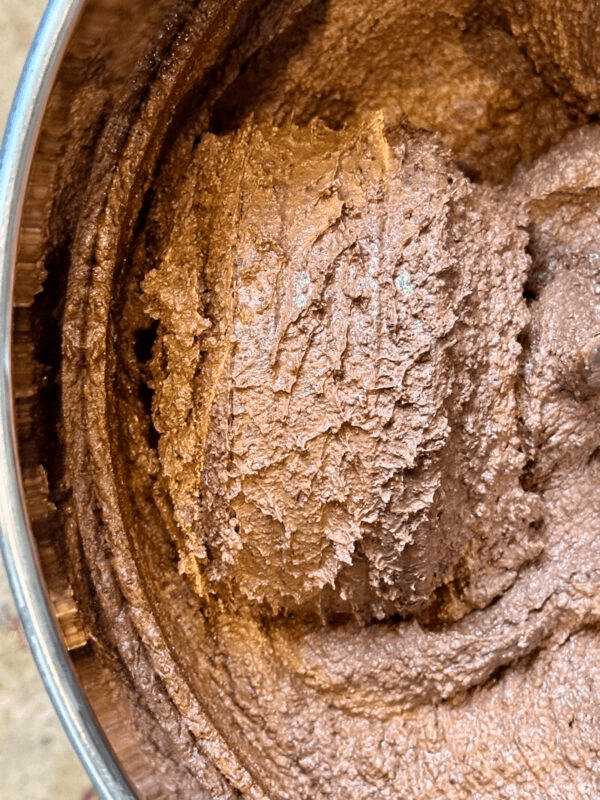
Initially, your thoughts are occupied with the chocolate. But as the hours pass, the experience becomes more about yourself. For the first few hours, I am technical: listening to the stones, checking fluidity, monitoring temperature and particle size. Then, around the 8-to-10-hour mark, a threshold is crossed. The machine seems to stop doing anything “new,” yet that is precisely when the deepest transformation occurs. The melanger ceases to be a machine and becomes a timekeeper. Time slows down. Sometimes I think of everything; sometimes, nothing at all. The sound is meditative. It’s a strange relationship—standing in front of something that is constantly turning and eventually noticing what is still turning within yourself.
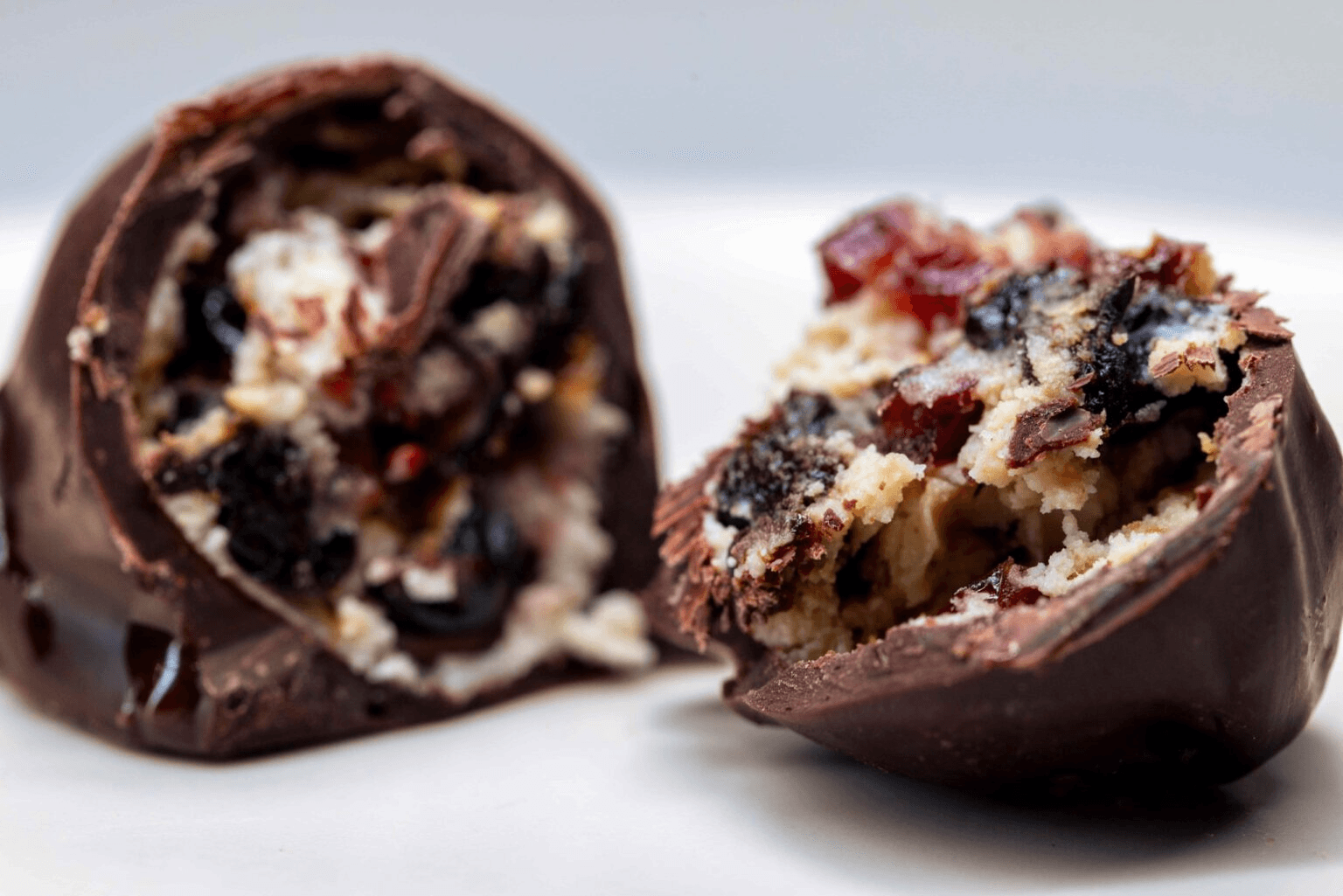
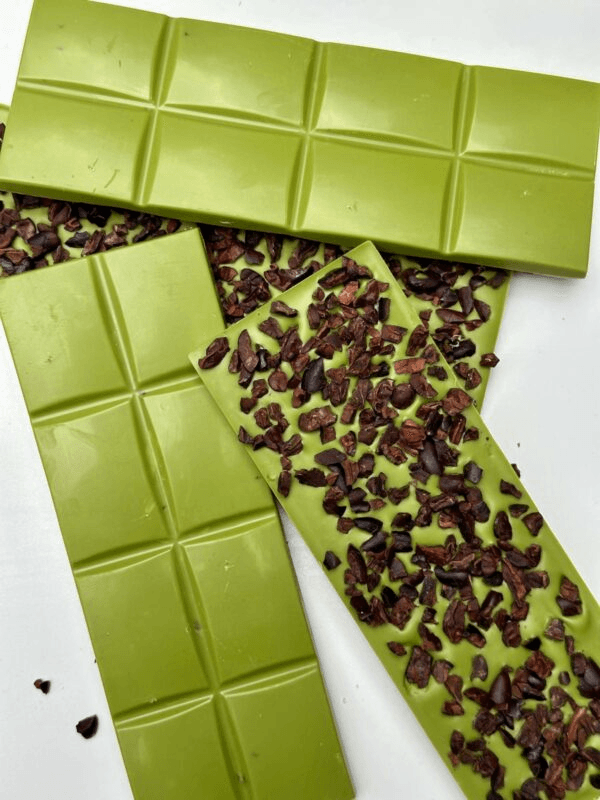
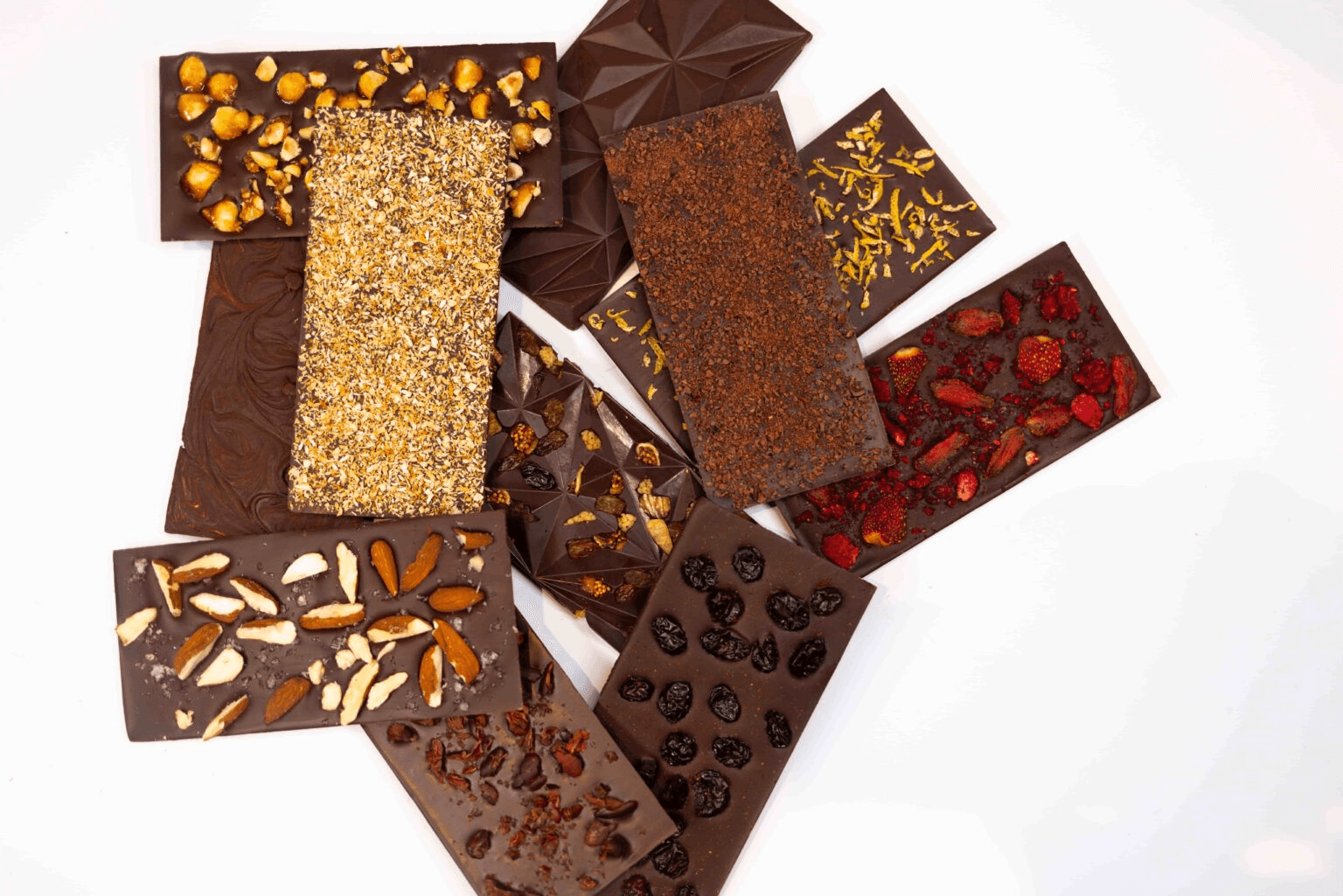
You pair your chocolates with everything from black pepper and sea salt to cheese and edible flowers. Where does the courage for such pairings come from?
I wouldn’t call it courage; it’s curiosity. It’s a matter of how you perceive chocolate. The cacao bean already contains a vast aromatic world—fruity, floral, spicy, even salty notes. When I pair it with something, I’m not “adding” a new flavor so much as making an existing, hidden tone visible.
How do you determine when a pairing is successful?
It’s a state of equilibrium. First, the palate decides: is there technical harmony? Are the flavors competing or creating space for each other? These are measurable. But after the palate approves, intuition takes the final step. Not everything that is technically correct is meaningful. If I finish a tasting and my mind is at ease—if the chocolate lingers and I feel there is nothing “extra” or unnecessary—then it’s a match.
You speak of constant experimentation. Is there a “failed” experiment that ended in the trash but taught you a vital lesson?
Many. In fact, most of what I do today is the sum of those failed attempts. Cocoa is an unforgiving material, but it is an excellent teacher. Discarded batches don’t represent a loss to me; they teach me my own limits as a producer. They teach me when to stop and when to step back. That is where real learning begins.
You target people who are “aware of good food.” Where does that awareness stand in Turkey today?
It’s in a transitional phase. It isn’t mainstream yet, but it’s no longer a marginal interest. For years, food was judged solely on price or how filling it was. Now, people are asking: “What is this, where is it from, and how was it made?”
However, we are still at the beginning. Awareness often focuses more on labels than content. Words like “artisan” or “additive-free” are used as marketing slogans rather than markers of true labor and transparency. But there is a promising trend: once someone tastes a product made with real ingredients and true intention, they can rarely go back to their old habits.
What keeps you excited when you walk into the workshop every morning?
The uncertainty. Cacao is a living ingredient. You can use the same origin, the same recipe, and the same equipment, yet every batch tells a slightly different story. It’s impossible to replicate yesterday exactly. This keeps me alive. I go in every day with the feeling of “let’s see what I’ll notice today,” rather than “I know what I’m doing.” The moment I think I’ve mastered it, the craft dies. What excites me is that the cacao bean is still bigger than I am.
Ten years from now, where do you see O Atölye? Will it be bigger, deeper, or simpler?
The first word that comes to mind is definitely not “bigger.” In ten years, I see O Atölye being deeper and simpler. I envision fewer products, a clearer language, and a more established character. I want a workshop that knows exactly what it doesn’t do. Depth means the relationship with the bean becomes even more refined—less intervention, more awareness. Simplicity means stripping away the unnecessary in both the product and the narrative. I don’t need a larger space; I want the thought behind the work to be more consistent and visible.
Finally, for someone who still views chocolate as just a sweet snack, what would you say in a single sentence?
Chocolate is not a confection; it is the thousand-year-old story of the cacao bean.
Saatolog Yıllık Saat Dergisi Saatolog’un yeni sayısı, 2020’nin yarattığı bu dönüştürücü etkiden ilham alarak hazırlandı. Dünya dijitalin etkisiyle her zamankinden de hızlı bir şekilde ilerlerken yavaşlamanın da önemini sonunda kavramış bulunuyoruz ve bu tezatlık hayatlarımızın her anına etki ediyor. Biz de bundan yola çıkarak Saatolog 2020/21 sayısını ‘‘hızlı ve yavaş’’ teması altında hazırladık.