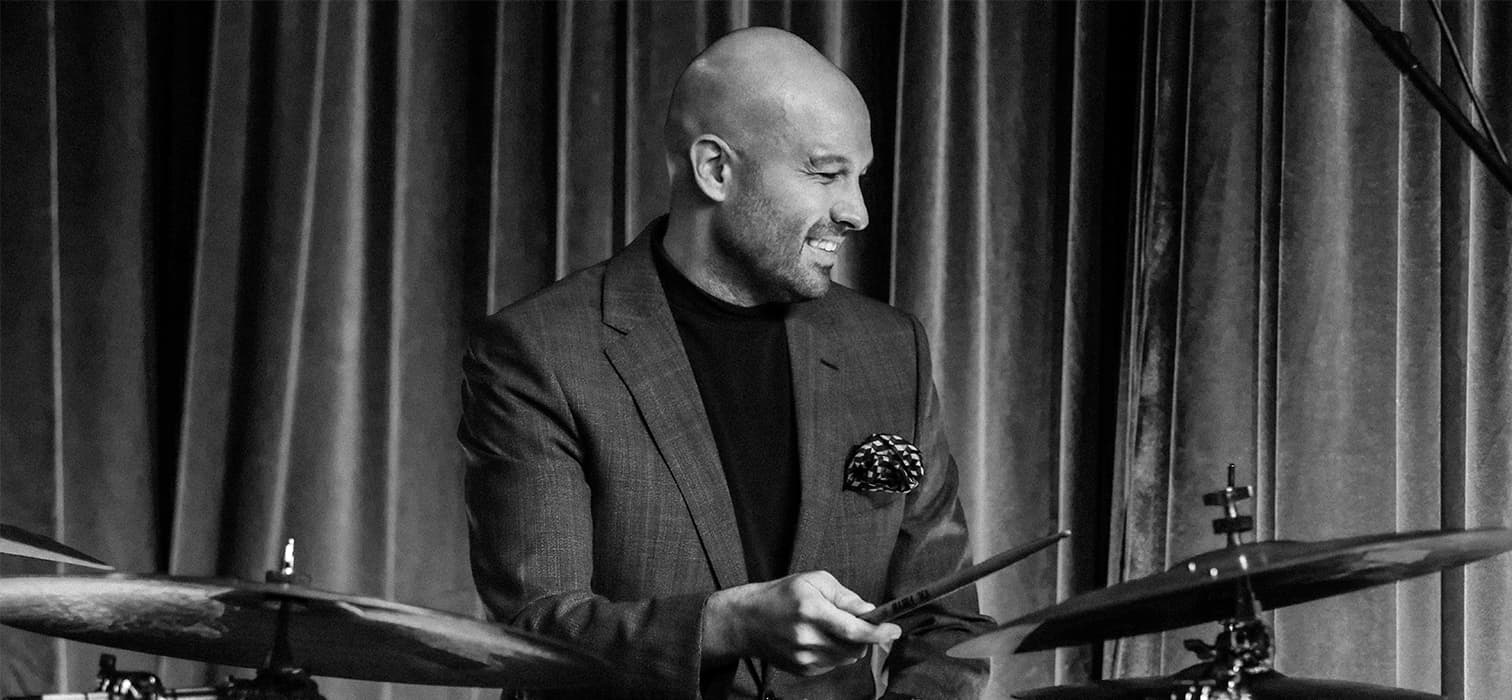
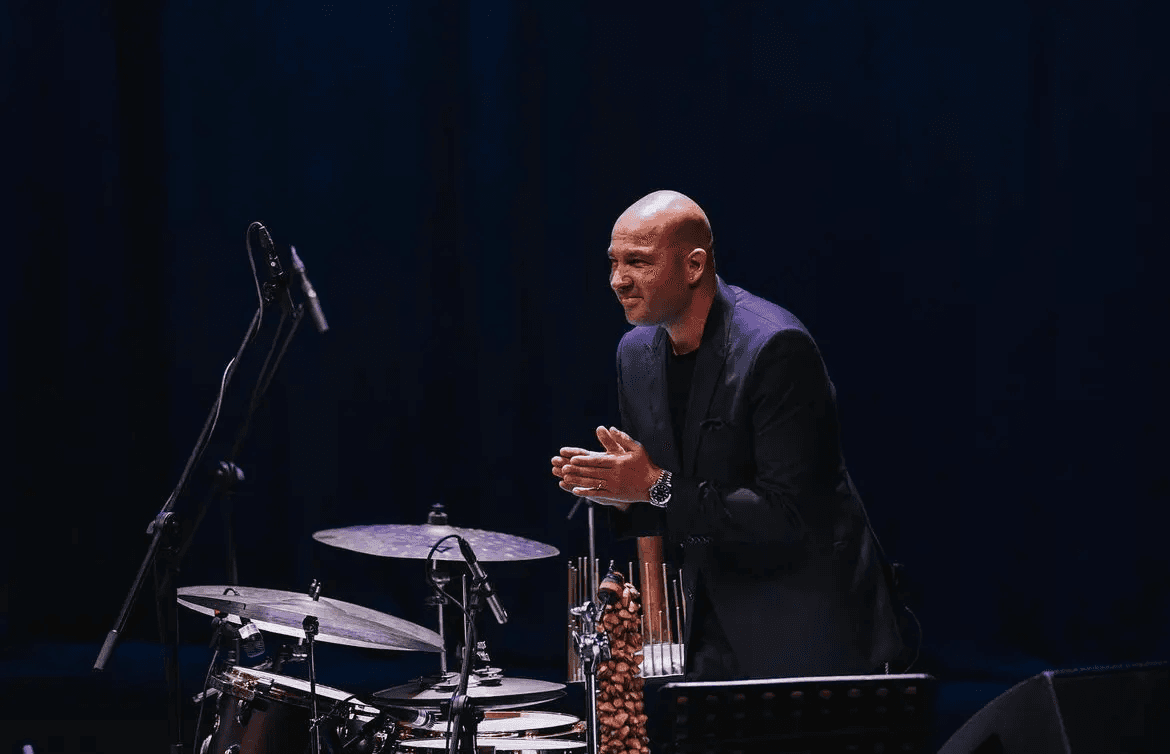
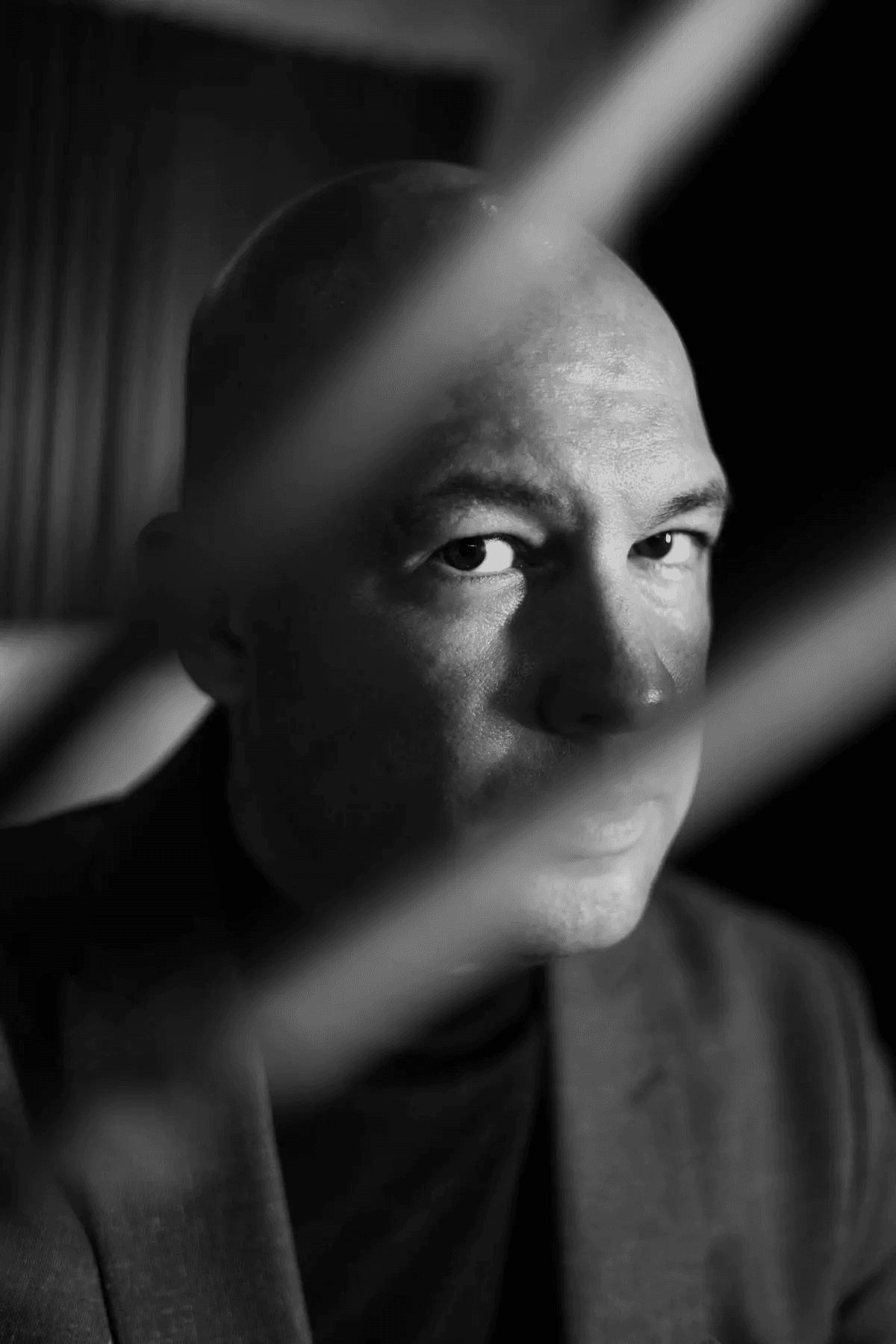
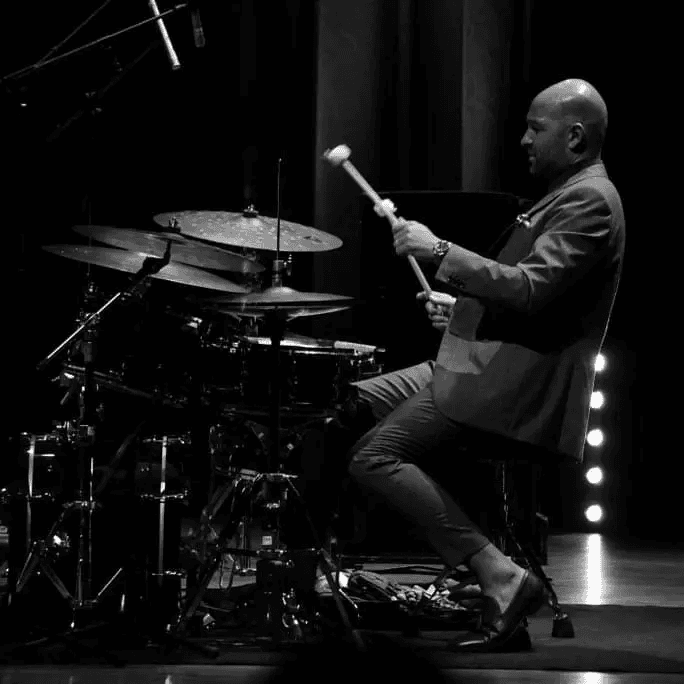
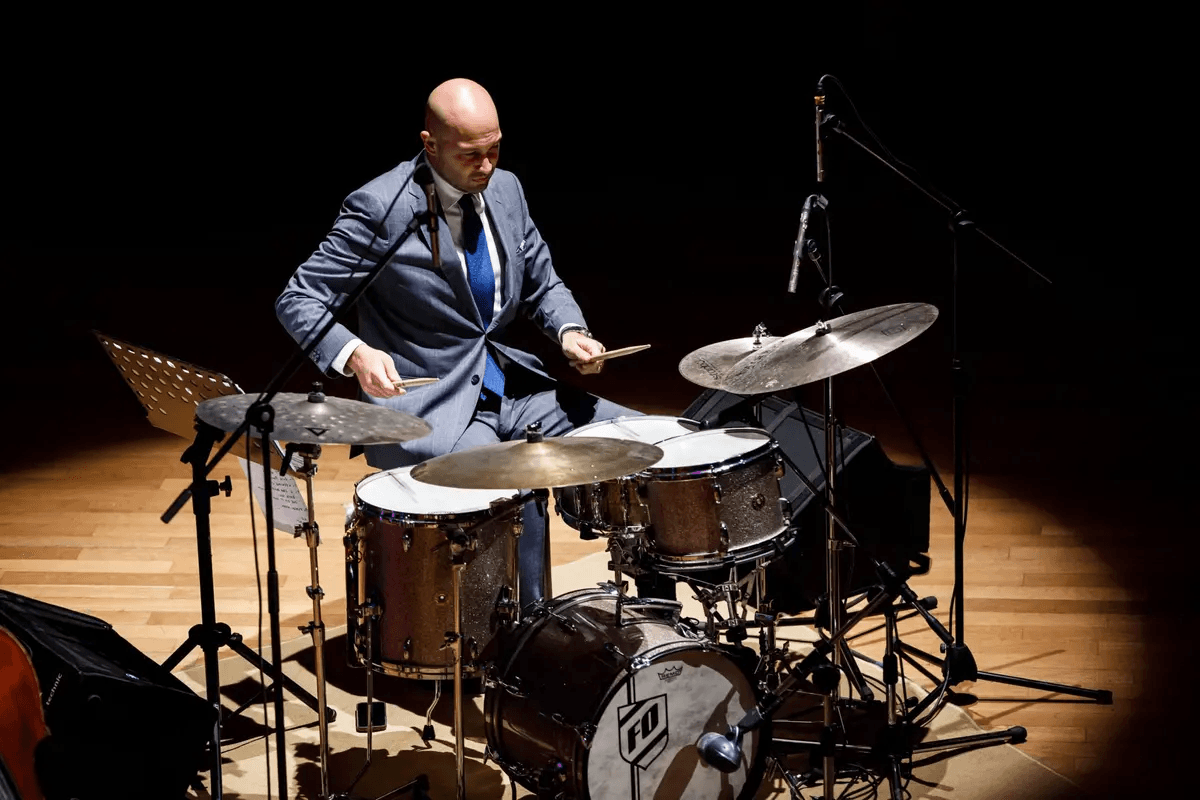
From Bursa to New York, Ferit Odman has embraced jazz as a way of life. Today, he keeps track of time both behind the drum kit and through the vintage watch on his wrist.
Ferit Odman is one of those musicians who shape time. As one of the most internationally visible drummers on Türkiye’s jazz scene, throughout a career spanning more than two decades he has done far more than simply keep the beat; he has brought together musicians from different generations, musical sensibilities from different eras and diverse geographies within a shared sense of time.
His story began in Bursa before taking him first to Sweden and then to New York, widely regarded as the heart of jazz. Yet Ferit Odman’s world extends far beyond the drum kit. Records, analogue recording technologies, hi-fi systems and mechanical watches are among the passions that complement his approach to music. Perhaps that is why he seeks the same qualities in the warmth of a Blue Note recording and in the movement of a vintage Rolex: character, craftsmanship and the traces left by time.
Credit: Cem Gültepe
Dear Ferit, when you look back today on your journey from Bursa — where, like me, your roots and family elders are — to New York, what was the turning point that truly connected you to jazz?
I don’t think there was a single turning point; I’d say it was a combination of several important moments. Music was always part of my life growing up in Bursa, but my father’s records prepared me for becoming a jazz musician. Being selected for the school big band in Sweden and studying in the music department made my life decisions much clearer. During my university years, and especially after moving to New York, I realised that jazz wasn’t simply a genre of music but a way of life. So, in every period of my life, I was wholeheartedly devoted to jazz.
You just mentioned your early youth in Sweden, followed by your New York experience. How did living in and experiencing different cultures shape your music?
Without even realising it, you pick things up from every place you live. Sweden gave me a sense of discipline and order. New York gave me courage. Everyone there is trying to find a voice of their own. Experiencing different cultures also makes you more open-minded musically. It changes not only what you play, but also how you listen.
What do you think is the most fundamental difference between being a “jazz” musician in Türkiye and being one in the United States?
In America, jazz is a natural part of life. It is embedded in the country’s history, culture and everyday existence. You could even say that jazz is the most important art form to have emerged from America. In Türkiye, jazz is more of a field sustained by passion. But there is something beautiful about that too. Jazz musicians here do it because they genuinely love it. The community may be smaller, but the bonds are very sincere and strong.
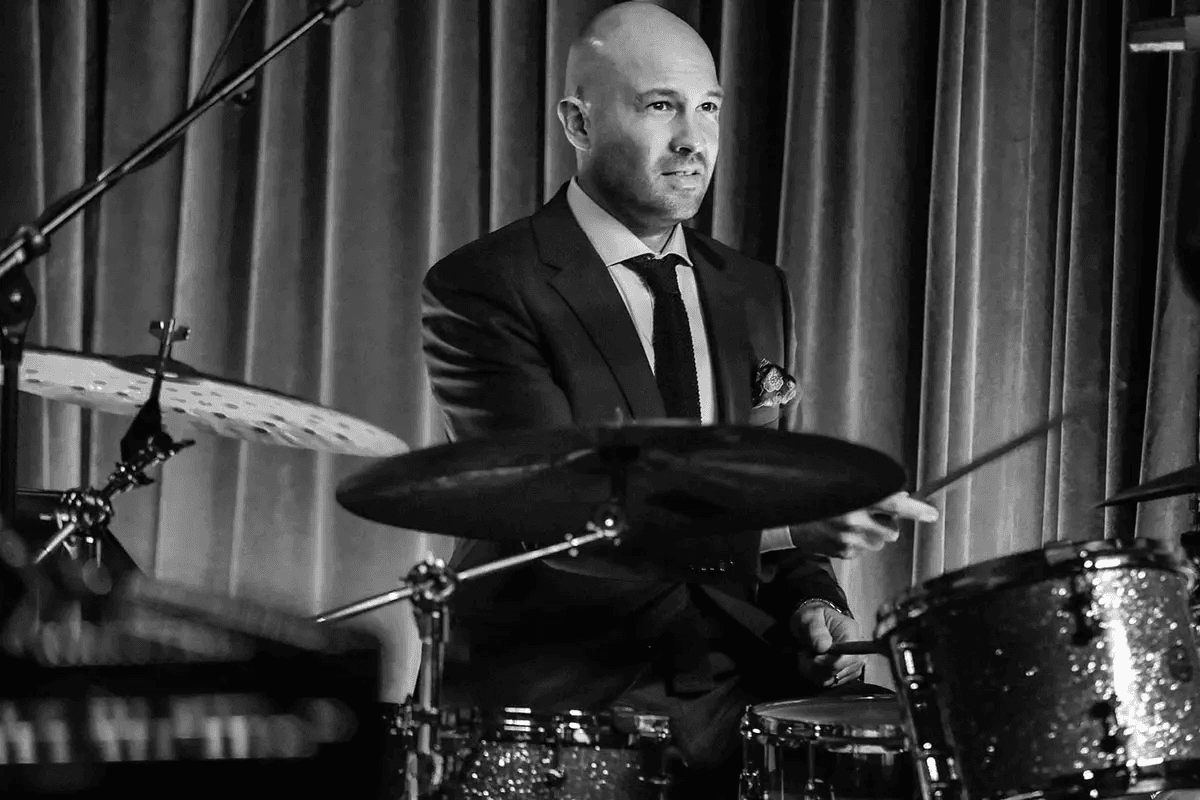
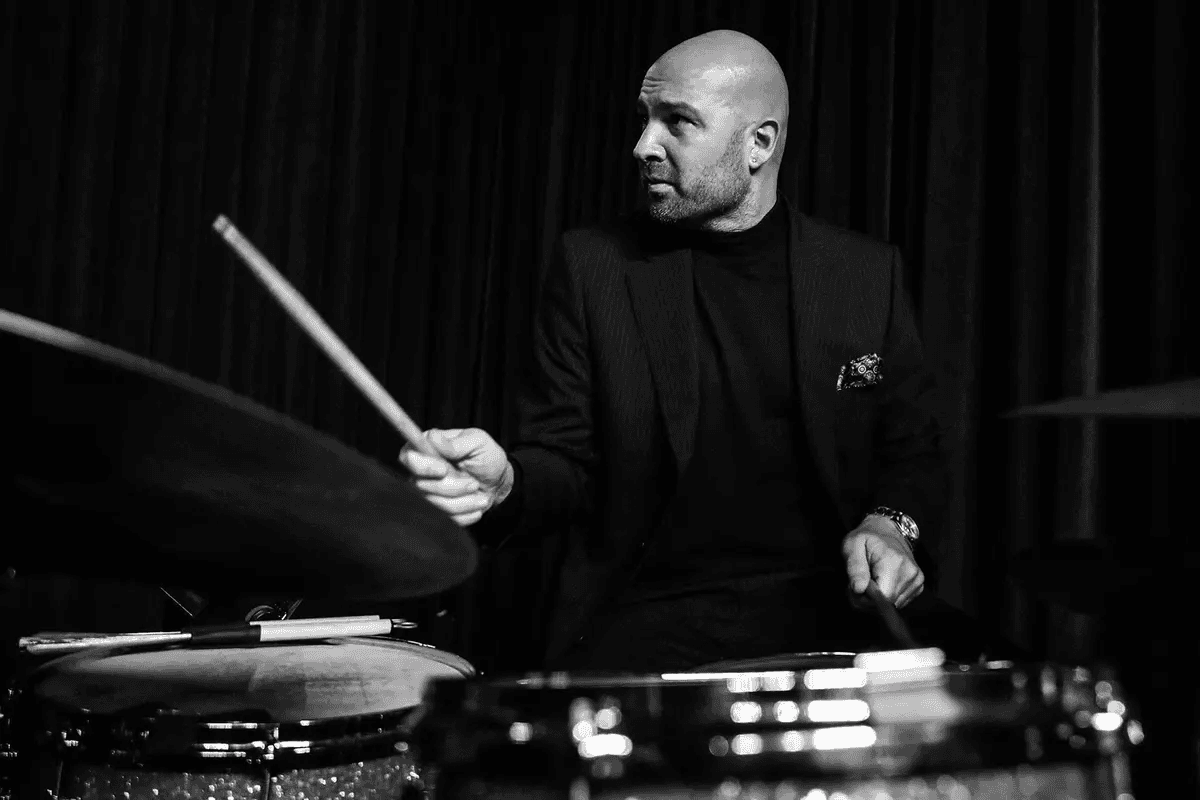
Drummers are often seen as the force behind the band. How do you define the role of the drums within an ensemble?
I’ve always seen the drums as the heartbeat of an orchestra. Beyond keeping time, they are an instrument that influences the group’s energy, direction and character. There’s a saying among musicians: “A band is only as good as its drummer.” I genuinely believe that, and I always strive to bring out the full potential of every group I play with.
Credit: Kadir Şenses
I’d like to ask something jazz enthusiasts and your fans are surely curious about. If you had to name a few musicians who taught you the most throughout your career, who would they be?
During my student years, my drum teachers Can Kozlu and Cengiz Baysal had a huge influence on me, as did Mulgrew Miller in America. Kerem Görsev, with whom I have performed for many years, is an incredibly important figure who taught me both about music and about life. I’m naturally curious and always try to learn something from every musician I play with. So, in a way, I could say everyone I’ve shared the stage with.
I keep the signed copy of your album “Dameronia With Strings” with great care in my record collection. This project, dedicated to Tadd Dameron, reflects your particular interest in jazz history. Where does this connection with the past come from?
It’s a special, limited-edition, fully analogue album. For me, jazz history is a living heritage. There is an extraordinary elegance in Tadd Dameron’s music. My interest in the past also comes from wanting to understand where the music we make today comes from. The better you know the roots, the more firmly you can look towards the future.
Since you mentioned your analogue recording project, I’d like to ask: what developments in today’s jazz world excite you most? And alongside these developments, do you have any new projects in the works?
What excites me today is how quickly young musicians from all over the world can communicate with one another. Information that was once difficult to access is now readily available. Recently, I’ve also been devoting more time to creating with artists from different disciplines and musicians from different generations. There are my ongoing concerts with Fazıl Say, new recording projects and a few surprise collaborations I’m working on. Thanks to the possibilities offered by the digital world, we can now create much more quickly with musicians in different cities, even different countries.
Credit: Cem Gültepe
What strengths and weaknesses have you observed in young jazz musicians in recent years?
Their technical level is genuinely very high. Access to information is also far easier for them than it was for us. But with the influence of social media, I sometimes see more focus on short videos and technical displays than on the music itself. A generation of one-minute, thirty-second Instagram musicians has emerged. We see heavily edited, technique-driven content where you only hear their best, most flawless moments. In other words, I don’t think some of the musicians who go viral could play a two-hour concert the way we do.
Your interest in analogue recording technologies now seems inseparable from your identity as a musician. How did that passion begin?
At some point, I realised that all the records I loved shared a certain character. Then I began to understand that this had something to do with the recording process. What started as curiosity gradually turned into a serious passion. Today, whether I’m recording or listening, I take great pleasure in being part of that world.
What, then, is the main motivation behind continuing to choose analogue recording in the digital age?
For me, it’s not about nostalgia. Analogue recording forces musicians to focus more intensely on the moment. Instead of correcting mistakes endlessly, you trust the performance itself. That gives the music a different kind of energy.
Would you say you’re obsessive about sound quality when recording an album?
You could say that, to some extent. But the reason has less to do with technical details than with my respect for the music. Wanting music you’ve worked on for months to be heard in the best possible way feels completely natural to me.
Is listening to records a musical experience for you, or a ritual in its own right?
Both. Taking a record off the shelf, cleaning it, studying the cover and lowering the needle all feel like part of the music to me. It reminds you to slow down a little and really listen.
What kind of journey led to the listening system you have at home today?
Being an audiophile is a long journey that requires patience. Equipment changes over the years, but the goal always remains the same: to hear the music you love in as natural a form as possible. It’s also very important to stop when you feel all the components are working in harmony. Otherwise, it’s a bottomless pit.
Credit: Cem Gültepe
If I asked you to choose three records representing different periods of your life, which would they be?
Toto’s IV would represent my youth, D’Angelo’s Voodoo the period that broadened my perspective on music, and Clifford Brown & Max Roach the foundations of my understanding of jazz.
Wonderful albums. Clifford Brown is very special to me too, particularly his recordings with female vocalists… So, what still excites you about the world of hi-fi?
Sometimes it’s hearing a new detail in a recording I’ve known for years. That little sense of discovery never disappears. Quite often, it happens when you visit another audiophile’s home and listen to their system. You find yourself swallowing hard and thinking, “The systems some people have…”
Credit: Cem Gültepe
Turning to watch collecting, when did collecting watches become part of your life?
It really began when I started looking at the Rolex I inherited from my father with different eyes. At first, I was more interested in the stories than in the watches themselves. Then, little by little, I entered the world of mechanics. I have a genuine passion for watches, which are really the only accessory men have. Drumming, like watchmaking, is also about time. In both, tiny deviations can change the entire picture.
That brings me to exactly what I wanted to ask, dear Ferit. Do you think your interest in mechanical watches is connected to your identity as a musician?
Absolutely. Time is central to both. There are more similarities than we might think between the way a jazz group works together and the way the components inside a mechanical watch work together.
When buying a watch, what draws you in most: technical features, design or the story behind it?
I think design catches my attention first, then the story keeps me engaged. The technical side is like a bonus layered on top of all that.
Do you think collecting is about ownership, or about becoming part of a story?
I’m closer to the second. Simply owning an object isn’t very meaningful on its own. Knowing its story, preserving it for a while and then passing it on to the next generation is far more valuable.
Watches, records, sound systems… What is the common feeling that drives you to collect?
I think it’s curiosity. At the centre of all of them is the desire to learn. With a record, you pursue the music; with a watch, the movement; and with a sound system, the sound itself.
We know you have a strong appreciation for food and drink culture. How did your interest in whisky begin? Are there points where it intersects with your music-listening habits?
When you’re a musician, it naturally starts with nightlife and backstage environments. Then I realised that whisky, like music, is a layered world. My love of food and drink reaches another level when it comes to whisky. There are few things in this world that give me as much pleasure as choosing a whisky to accompany a record.
Credit: Cem Gültepe
I’d like to move into slightly more emotional territory. Did the birth of your daughter Mavi change the rhythm of your life?
Completely. I used to plan my time around myself; now it takes shape around her. But that change has been one of the most beautiful changes in my life.
What has being a father taught you that life as a musician could not?
Patience. Music teaches you many things, but raising a child gives you an entirely different kind of patience and empathy. It also rearranges your priorities.
Finally, when you look back today, what do you think is actually the most valuable collection in Ferit Odman’s life?
I think my albums and the people I’ve gathered around me. My family, my friends, the people I’ve made music with and those who follow what I do… Looking back, I think they are my most valuable collection, while the albums I’ve made are what will remain.
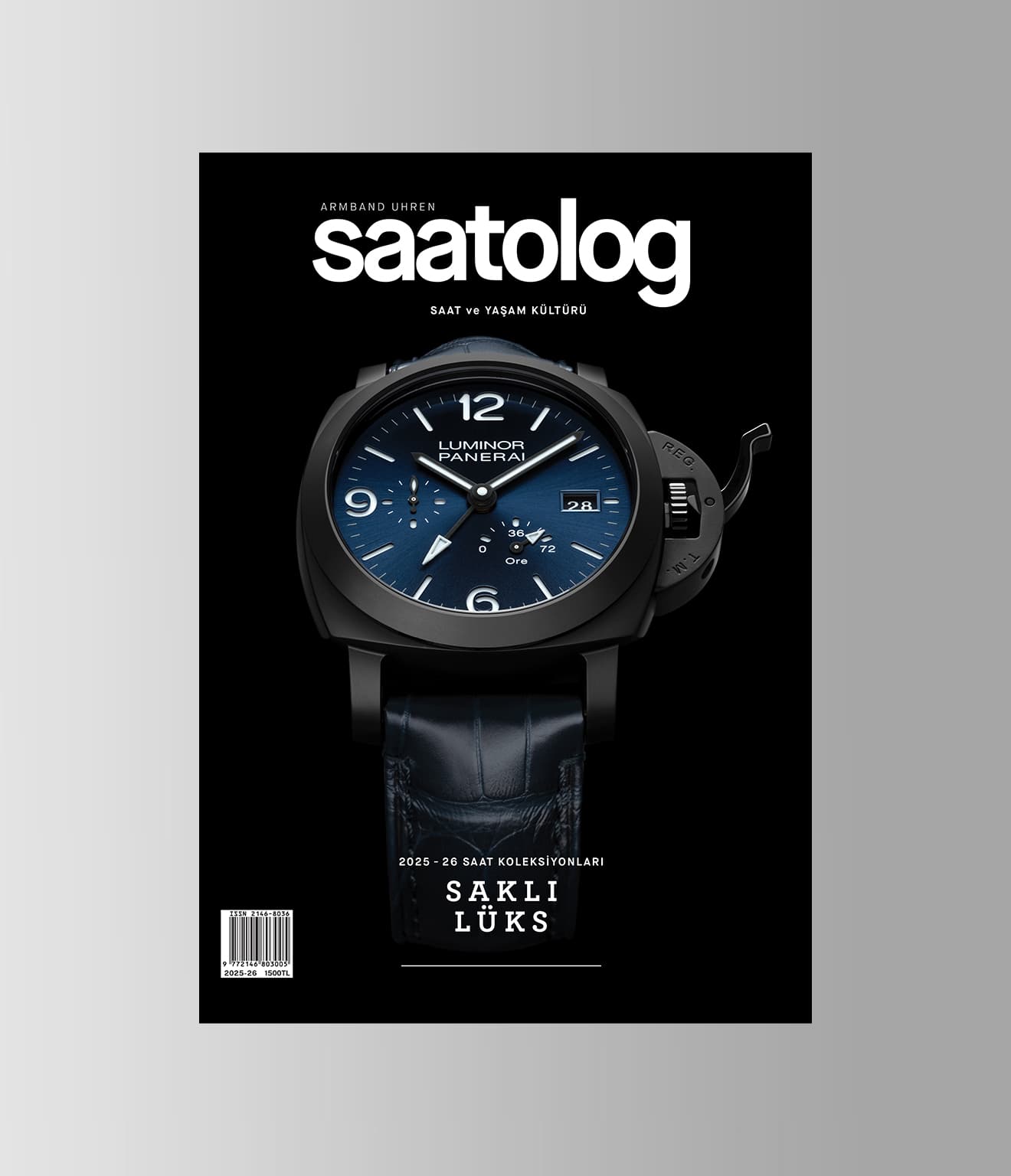
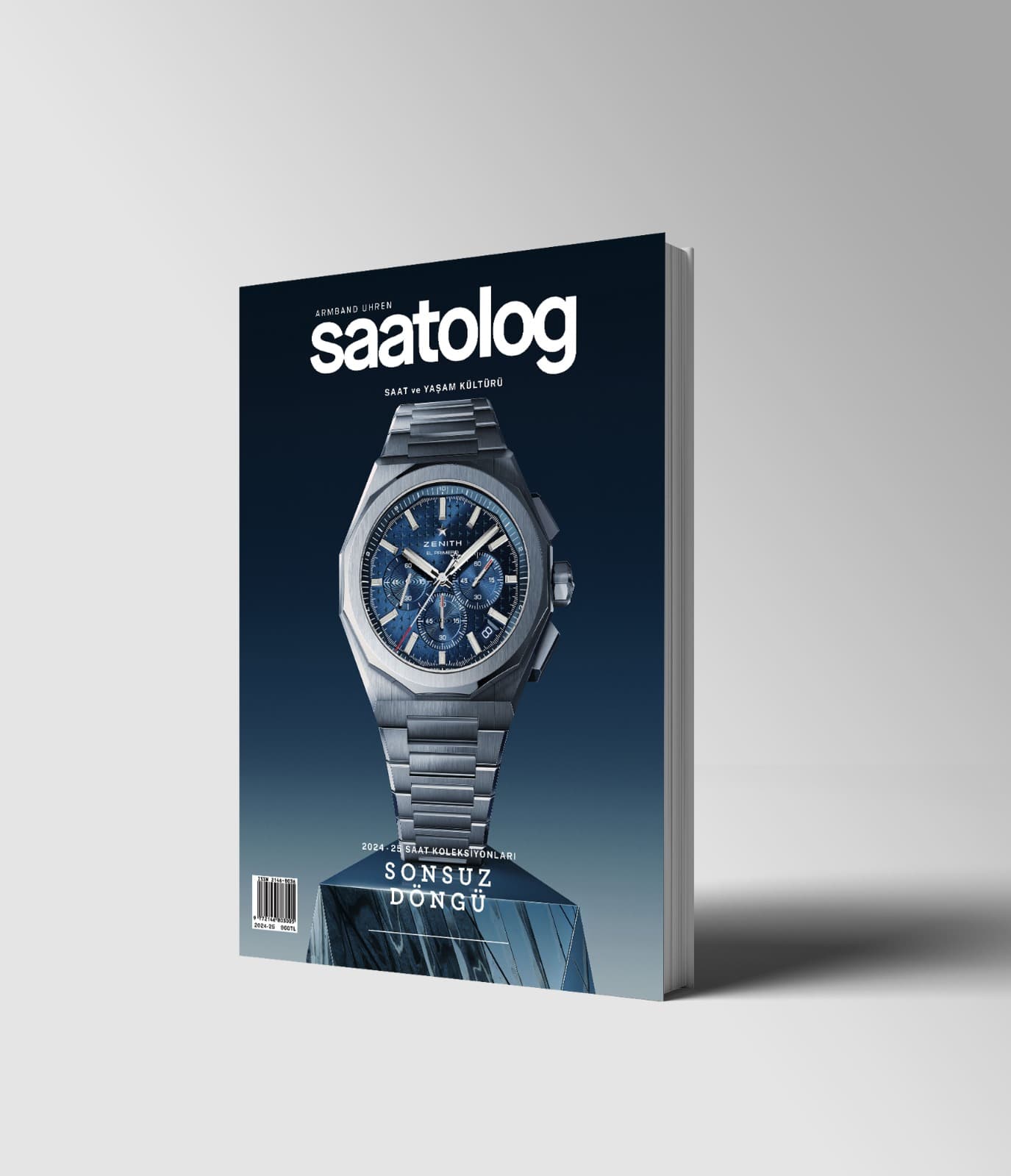
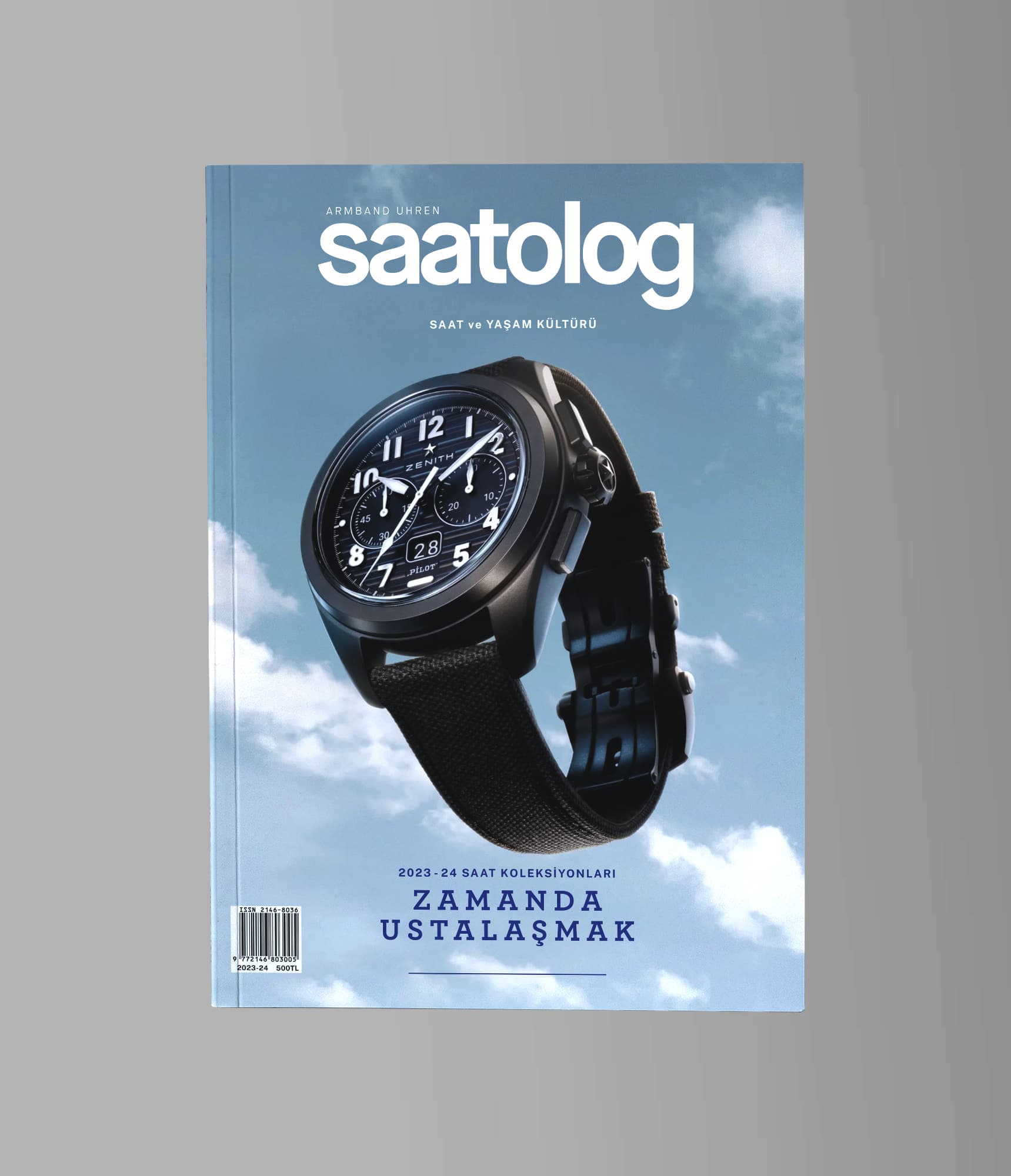
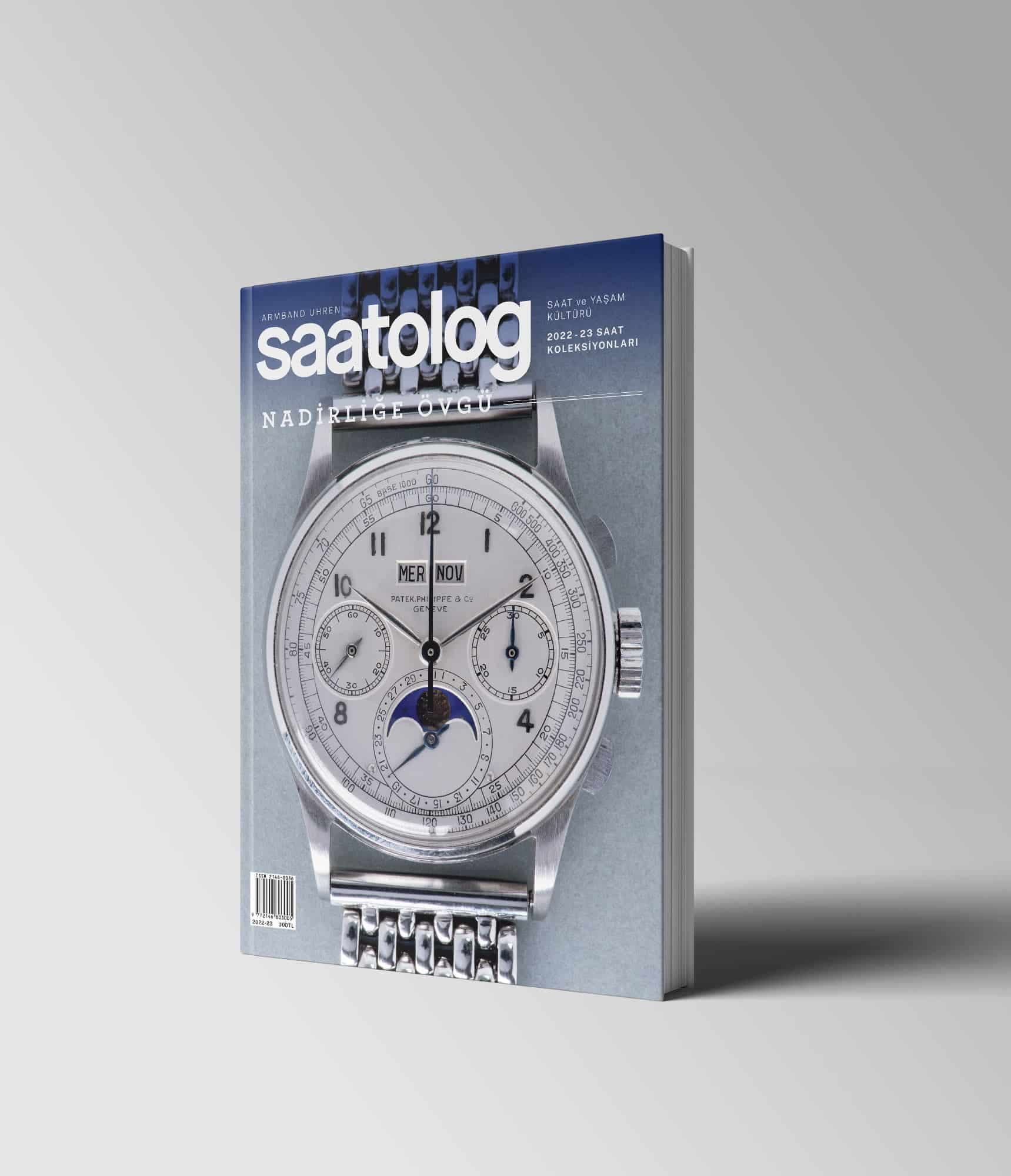
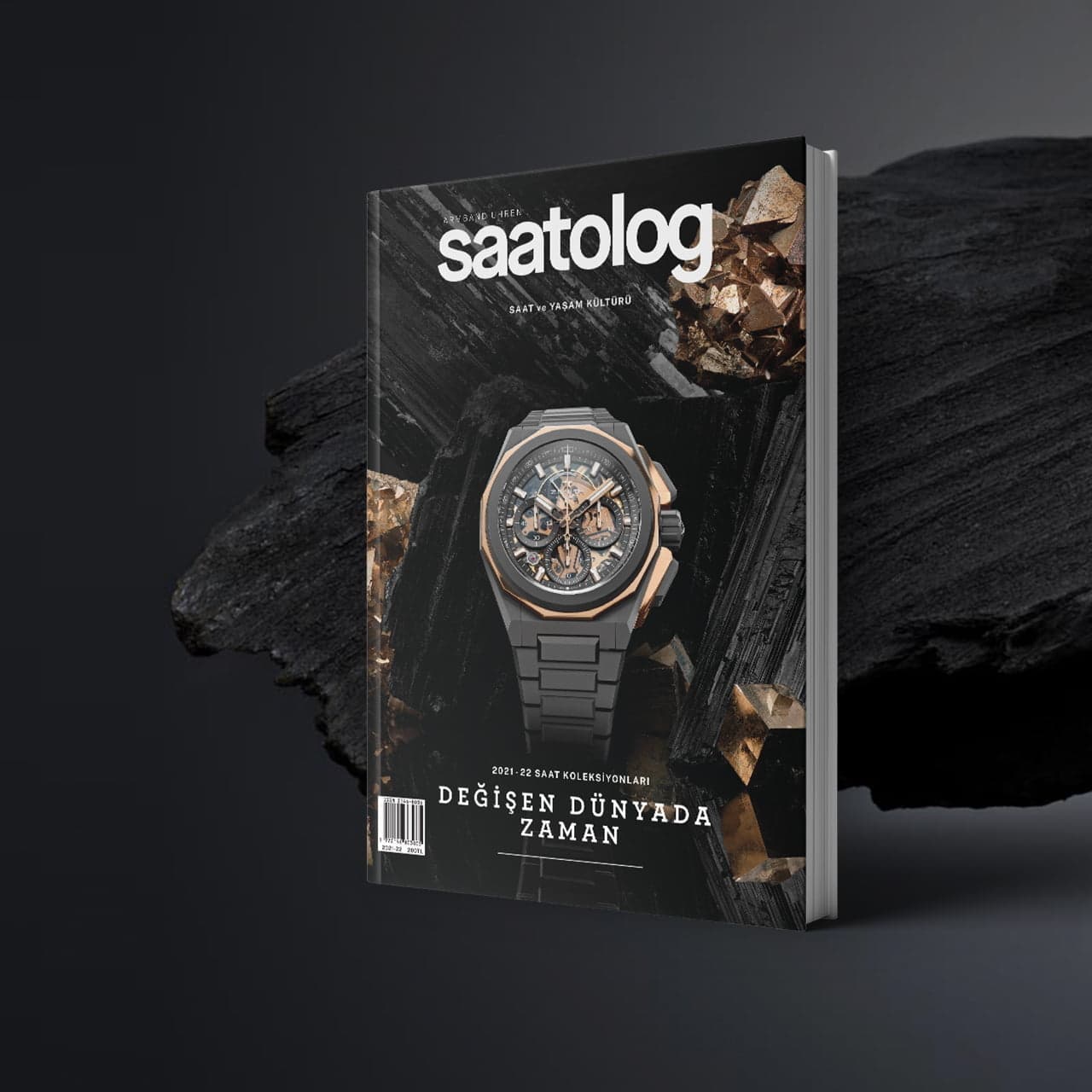
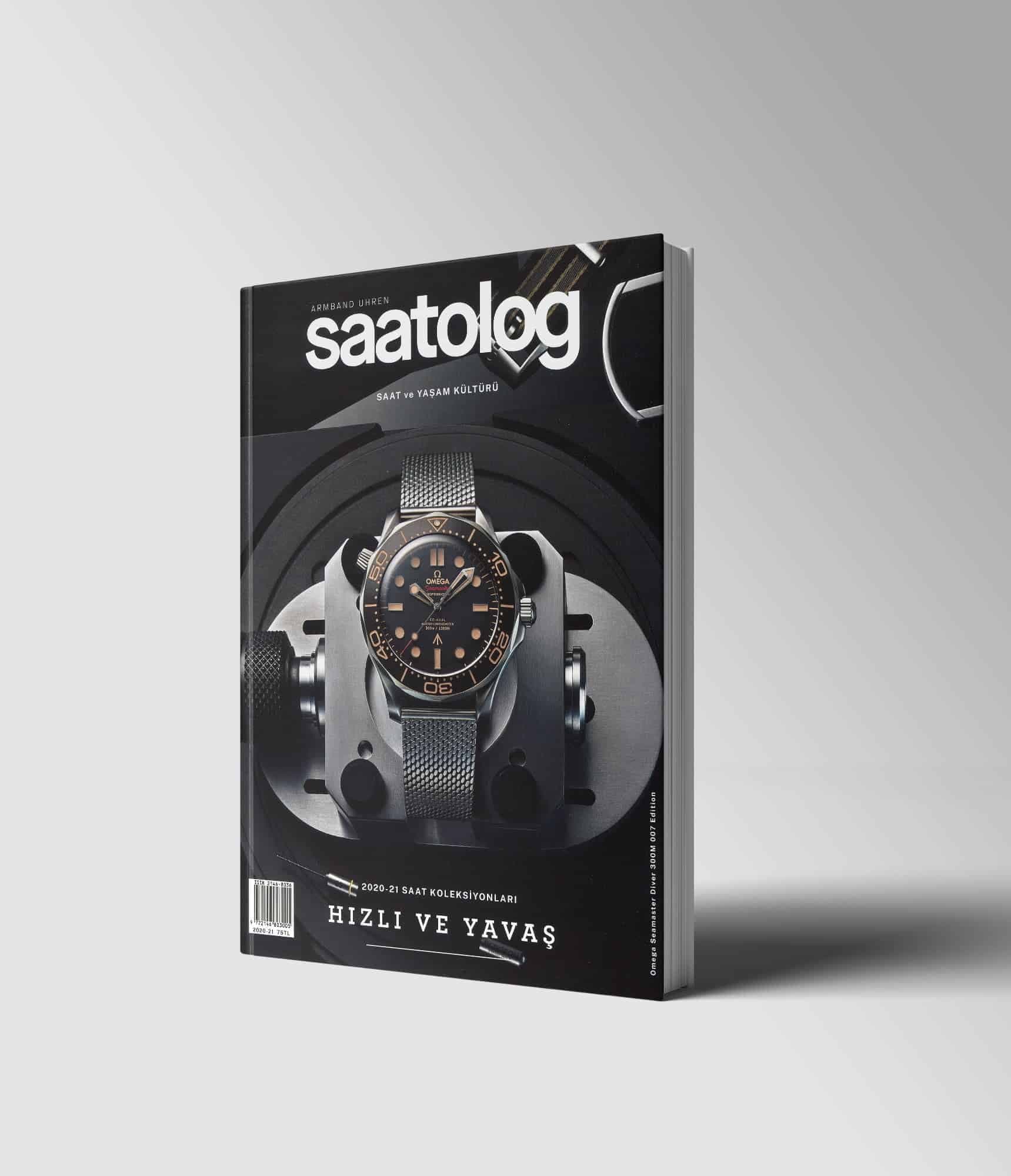
Saatolog Yıllık Saat Dergisi Saatolog’un yeni sayısı, 2020’nin yarattığı bu dönüştürücü etkiden ilham alarak hazırlandı. Dünya dijitalin etkisiyle her zamankinden de hızlı bir şekilde ilerlerken yavaşlamanın da önemini sonunda kavramış bulunuyoruz ve bu tezatlık hayatlarımızın her anına etki ediyor. Biz de bundan yola çıkarak Saatolog 2020/21 sayısını ‘‘hızlı ve yavaş’’ teması altında hazırladık.