From Yeşilçam scenes to revolutionary histories… Food engineer and educator Ezgi Coşkun Gümüş blends the culture of alcohol with storytelling, turning exclusive tastings into a mindful, layered experience.
The founder of Ayrıcalıklı Tadımlar, food engineer and educator Ezgi Coşkun Gümüş, is preparing to meet readers with her first book in October, following the success of her widely followed social media content on alcohol culture. In this upcoming book, she traces the stories of both alcoholic and non-alcoholic beverages—from rakı to cocktails—while exploring the inseparable bond between gastronomy and drink through the lens of conscious consumption. Published under the Masa Kitap label, the book invites readers into a world that stretches far beyond glasses, lavish tables, and the never-ending debates that surround drinking. Ahead of its release, we spoke with Ezgi Coşkun Gümüş about this culture and the journey that shaped her voice within it.
As tradition dictates, let’s begin with the question: Who is Ezgi Coşkun Gümüş? Of course. I was born in Istanbul, but my family moved to Mersin when I was just three months old. My mother is a Bulgarian immigrant, and my father is originally from Malatya-Adıyaman. I lived in Mersin until I went to university. As a child, I dreamed of becoming a basketball player. I started playing when I was about 8 or 9 years old and pursued it professionally for many years. I achieved quite a lot, but as often happens, my family wanted me to have a more conventional profession. That’s when I decided to study engineering. I chose food engineering because it brought me close to chemistry. First at Ankara University, then later at the Technical University of Munich… Within food engineering, I specialized in fermentation. While studying food science in Munich, my department was located in the town of Weihenstephan, which is home to the historic Weihenstephan Brewery. Because the campus was integrated with the brewery, I immersed myself in the technical and laboratory side of production.
I began my professional career as a food engineer. After graduating, I worked in Mersin for a while, then returned to Ankara and took on a trainer role under the umbrella of Mey Diageo. This meant I was back in the field, working directly at the source of the drink. After Ankara, I transferred to Istanbul with the same company. In October 2021, I resigned in order to work independently. Around the same time, my husband Gürkan, who was also working in the liquor sector, decided to step away as well. Together, we founded Ayrıcalıklı Tadımlar. Since then, I’ve been conducting all my liquor education and training under this brand.
Most people know you particularly for your content on rakı.Yes, that was a deliberate choice. Professionally, I could speak about any type of liquor, but rakı is drink. More importantly, most people had no idea that rakı education even existed. They consume it, of course, but often without truly knowing what they’re drinking—especially now that there are so many varieties and options available.
Isn’t the variety we see today something that has emerged especially in the last 10 years? Alcohol was privatized in 2004–2005, and with privatization came the rise of many liquor companies. This shift introduced a wave of brands and different types of spirits to the market, marking the beginning of true variety. But when it comes to rakı, the diversification you mention has really accelerated in the past decade—particularly in the last five years. A turning point came with the introduction of a product known as göbek. Its smooth, easy-drinking quality drew back many people who had previously avoided rakı because they disliked anise. Naturally, producers focused on this trend, since it represented a “safe zone” for consumers.
What do you think about so many new products being launched? We have consumers who regard rakı as sacred. Yet when you look at wine, there are hundreds of varieties. The same is true for beer, whiskey, and gin. People don’t find this strange—but when new rakı products appear, they ask, “Why?” That’s a double standard. Do we want rakı to stand proudly as a global drink, open to different styles and interpretations? Or do we want to lament that “our rakı has lost its essence”? This is one of the main reasons I emphasize rakı education. Why do we place rakı on such a pedestal, lifting it out of the category of a drink and placing it somewhere untouchable?
In my sessions, I often ask: Do you drink rakı alone at home, or do you only consume it when there’s a set table, meze, and a crowd? If you enjoy it alone, then you see it as an alcoholic beverage—you like the drink itself. If you only consume it when you gather with others, then you love not the rakı itself but the culture and the table it represents. Those who see rakı as a drink in its own right are usually less open to innovation, while those who value the culture and entertainment surrounding it tend to be more receptive. Personally, I’m not against new varieties. On the contrary, I believe rakı should be brought down from its “sacred” status and appreciated as a convivial table companion. After all, rakı has no real aroma other than anise. Diversification gives consumers choice—and without it, we’d be stuck drinking the same single profile over and over.
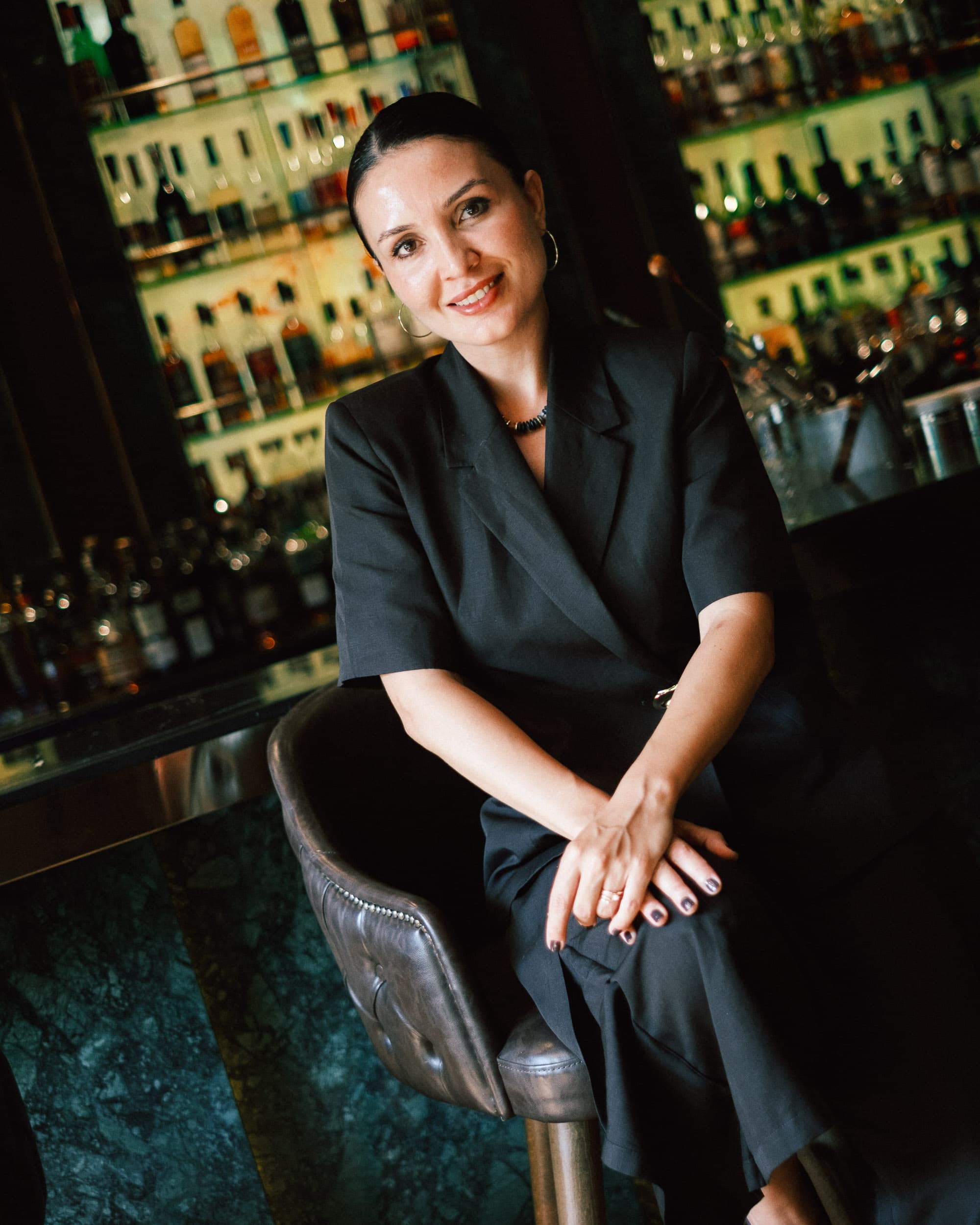
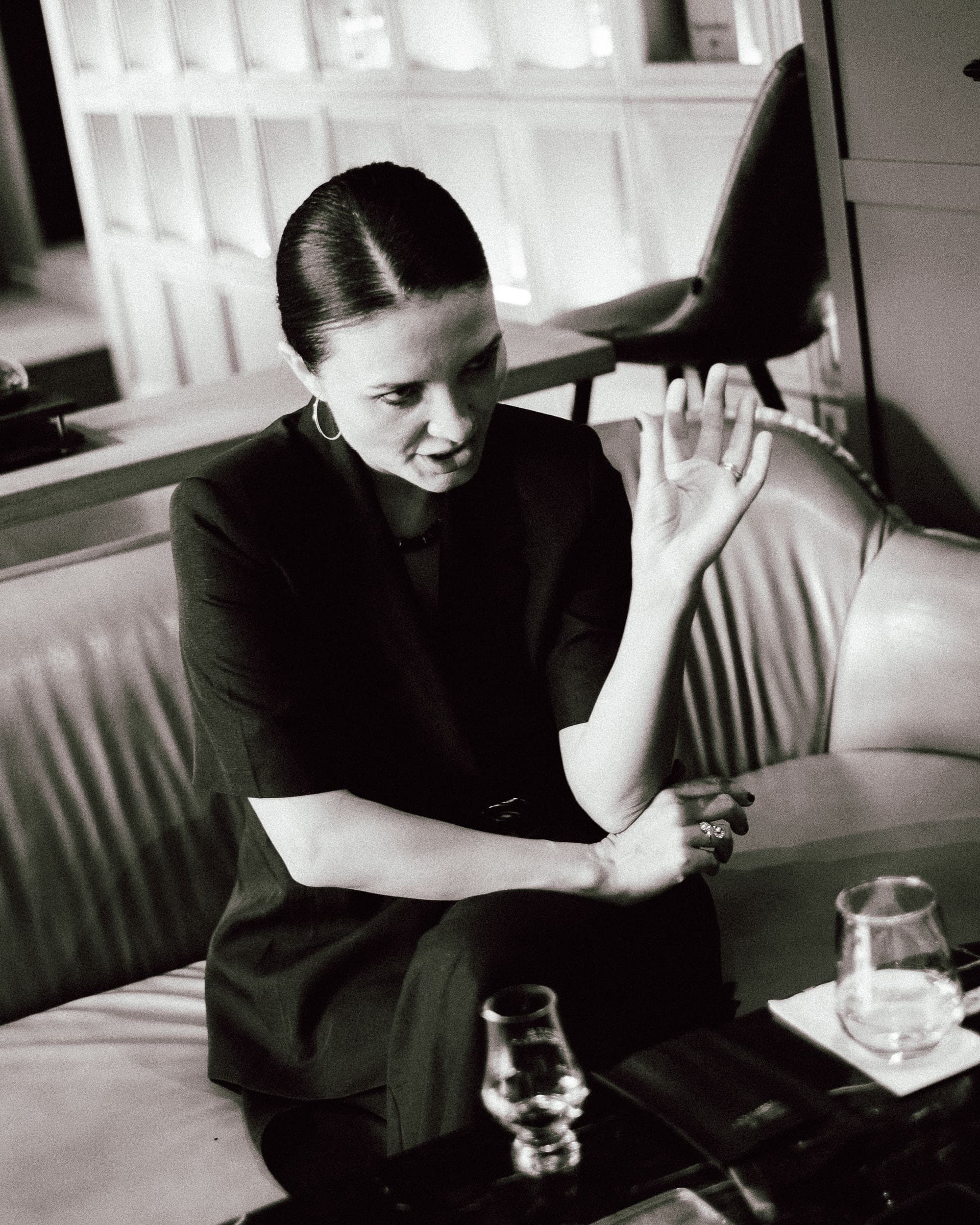
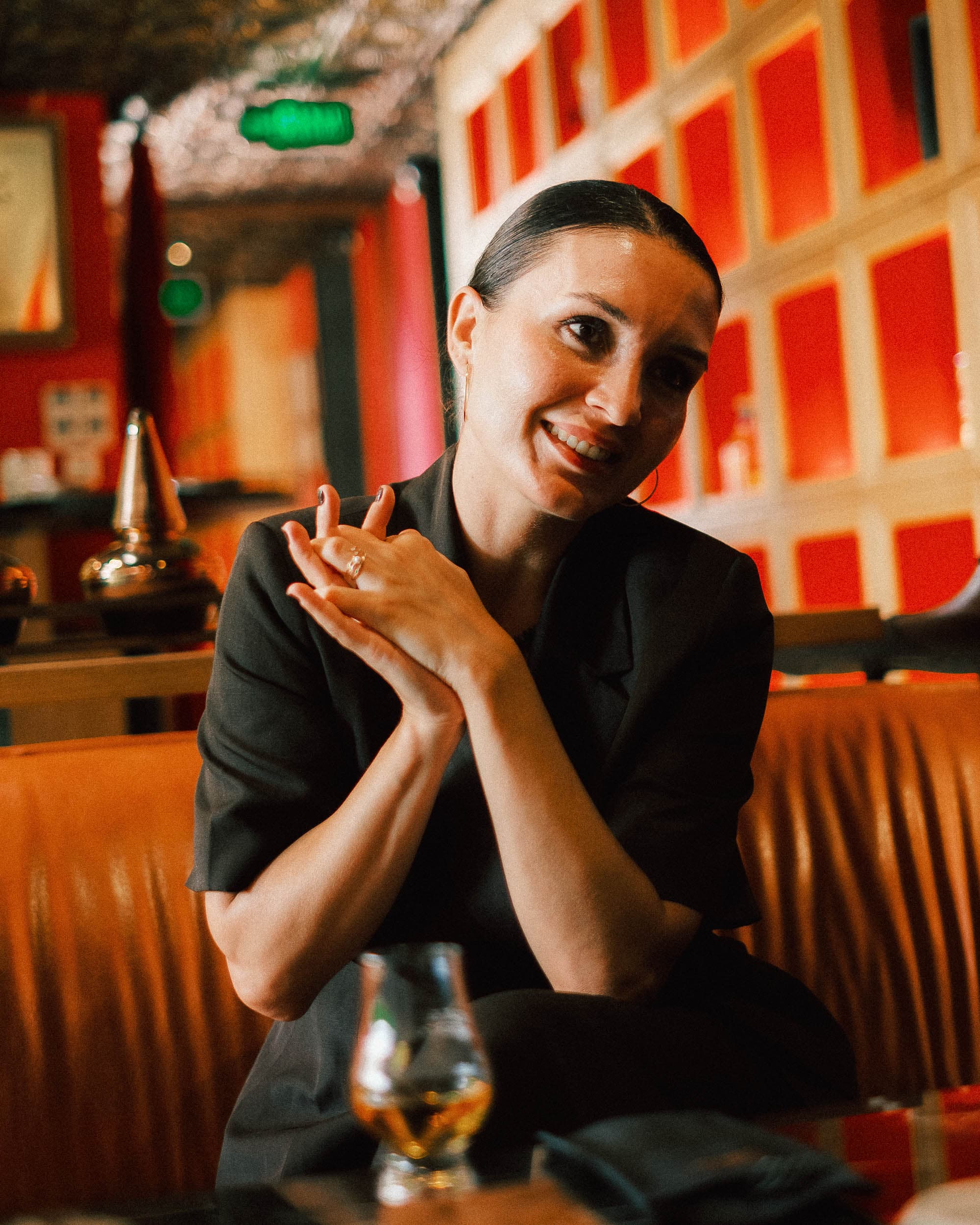
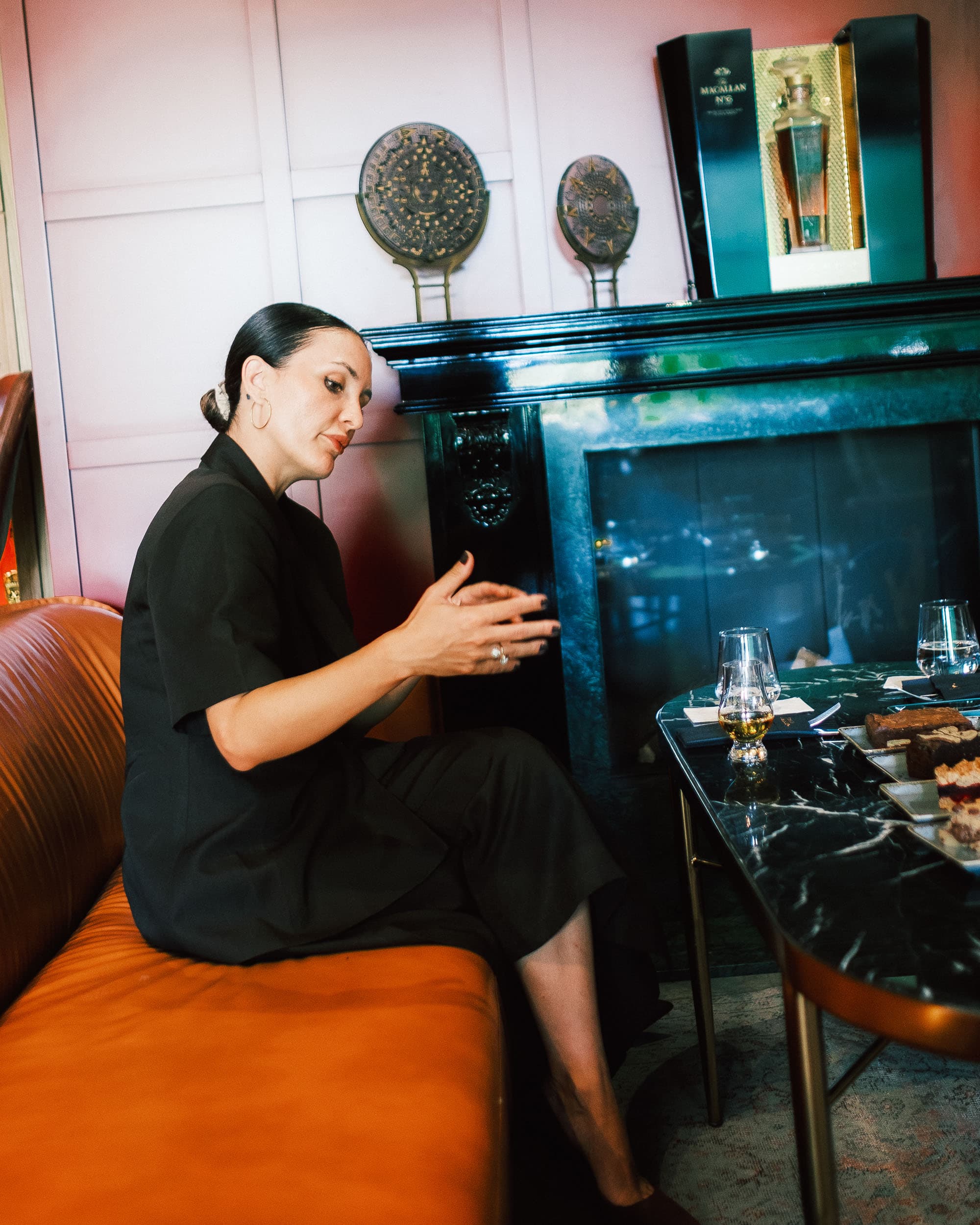
Ezgi Coşkun Gümüş / Credit: Yiğit Şişmanoğlu
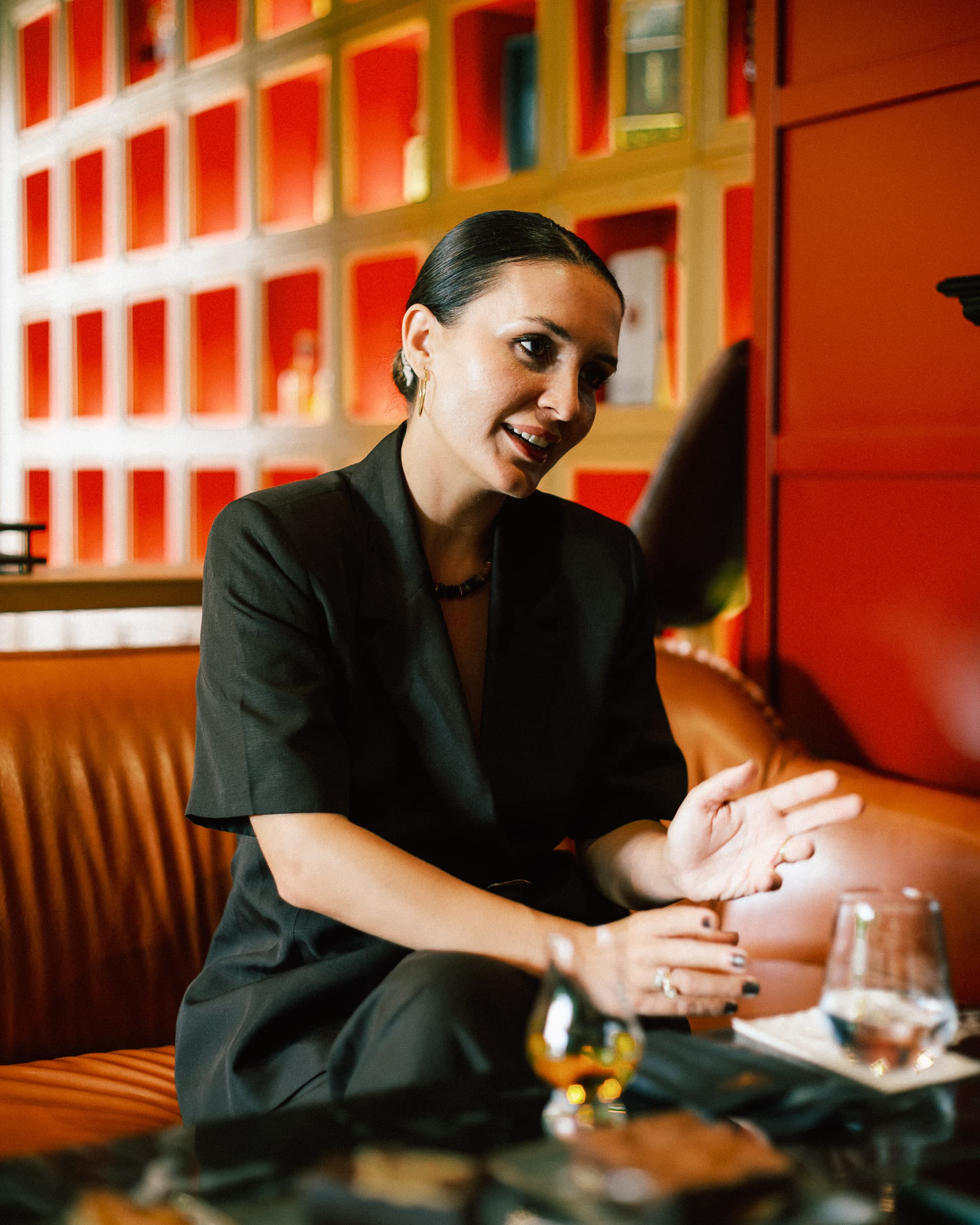
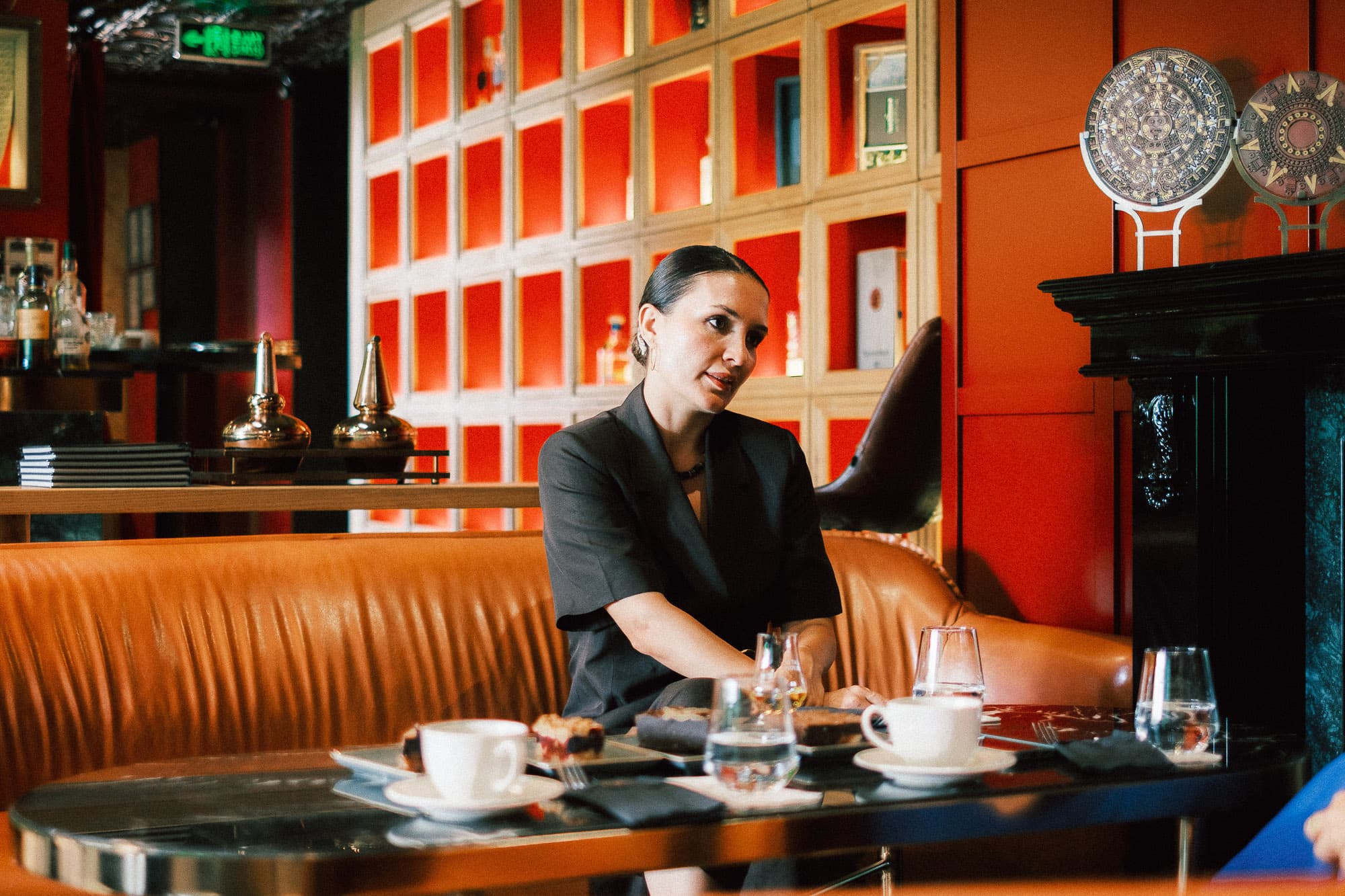
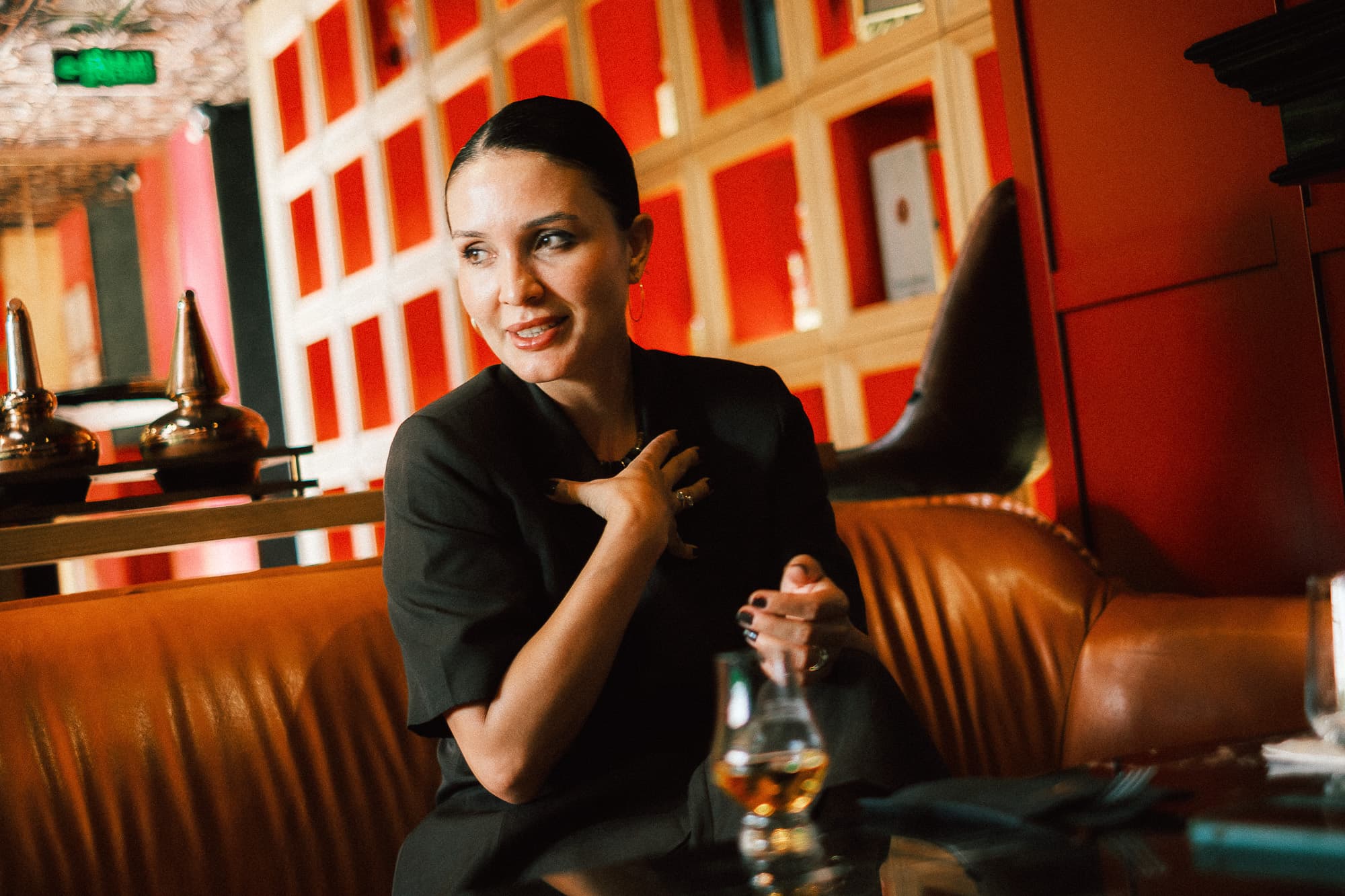
Ezgi Coşkun Gümüş / Credit: Yiğit Şişmanoğlu
“We have consumers who view rakı as sacred. Yet when you look at wine, there are hundreds of varieties. The same is true for beer, whiskey, and gin. People don’t find this strange—but when new rakı products appear, they ask, ‘Why?’”
Easy-Drinking, Aromatic, and Classic Rakı
How do you categorize rakı? Traditionally, rakı was divided into very distinct categories. Today, as an educator, I tend to classify it into three main groups: easy-drinking rakı, aromatic rakı, and what I call traditional rakı.
Easy-drinking rakı is made by reducing the anise content to the legal minimum, so its aroma is barely noticeable. Alternatively, when rakı is distilled multiple times and carefully refined, the result is also smoother and lighter on the palate. These styles pair wonderfully with simple meals such as grilled fish—or even modest snacks like chickpeas.
Aromatic rakı, on the other hand, is often produced from dried grapes, which gives it a more intense aroma compared to fresh grapes. It may also be aged—by law, at least one month—but the aging vessel changes the character. Stainless steel tanks produce clear rakı, while oak barrels impart a golden hue and added complexity. These richer, more aromatic rakıs are well-suited to heavier dishes: grilled meats, kebabs, or saucy appetizers.
Finally, there is what I call baba rakı—the strong, traditional style. Some are bottled at 50% ABV, others with particularly high anise content. You can recognize them immediately by their thick, milky whiteness when diluted. The drier versions pair surprisingly well with simple desserts. For example, immigrants have a dish known as incir uyutması—a humble, mildly sweet fig pudding born out of scarcity. It makes an excellent partner for a robust, dry rakı.
In our culture, pairing rakı with dessert is seen with suspicion. Why is that? There’s a widespread belief that “if I eat dessert with alcohol, I’ll get drunk faster.” But this simply isn’t true. If you’ve already eaten meze or fruit, you’ve consumed glucose anyway. Complaining about dessert after eating melon with rakı makes no sense. To give perspective: a slice of Ezine cheese and three shots of rakı contain about the same calories. There’s no scientific basis for the prejudice against pairing rakı with sweets.
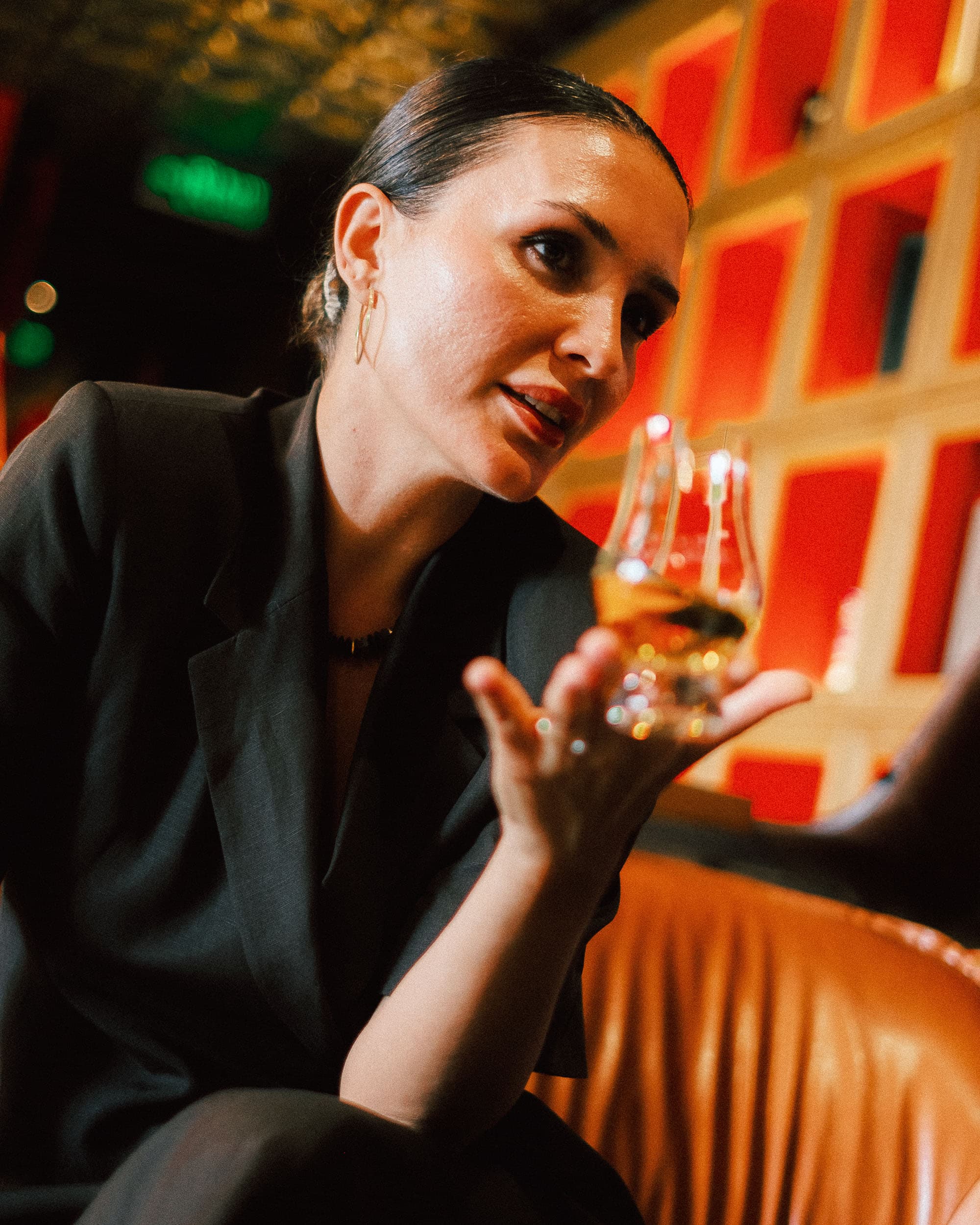
Ezgi Coşkun Gümüş / Credit: Yiğit Şişmanoğlu
Suppose someone doesn’t like to eat much with rakı, and they’re only snacking on a yogurt-based meze. Which rakı would you suggest? Yogurt actually makes pairing easy—you can pair almost any rakı with yogurt-based dishes. But let’s say you’re serving a dried plum cacık. In that case, a fresh-grape rakı would be a good match. Producers often label these with green tones to emphasize their vegetal and floral notes.
Can There Be Innovation in Rakı?
What do you think about the new rakı varieties? These belong to the innovative category. They don’t yet have strong consumer demand, but they’re crucial for progress. Some even go up to 68% alcohol. Of course, these aren’t made for casual table drinking. They’re more like experimental pieces in the world of spirits—similar to how certain watches aren’t designed to be worn daily, but to showcase craftsmanship.
We’ve discussed Turkish rakı. What about rakı abroad? First, we need to define rakı itself. Rakı has a local geographical indication, but not an international one. That means anyone abroad can produce a spirit and label it “rakı.” Indeed, there are factory-made versions in Germany and the Netherlands—but they bear little resemblance to our rakı.
If we had international protection like “ouzo,” producers worldwide would have to comply with Turkish state regulations. Since that isn’t the case, many countries simply distill the fruits of their region in homemade stills, without oversight. The problem is that producing high-alcohol beverages requires strict controls. Distillation triggers many chemical reactions, and without supervision, harmful compounds can end up in the drink. Even if nothing seems wrong immediately, the long-term accumulation of these substances in the body can lead to serious health issues.
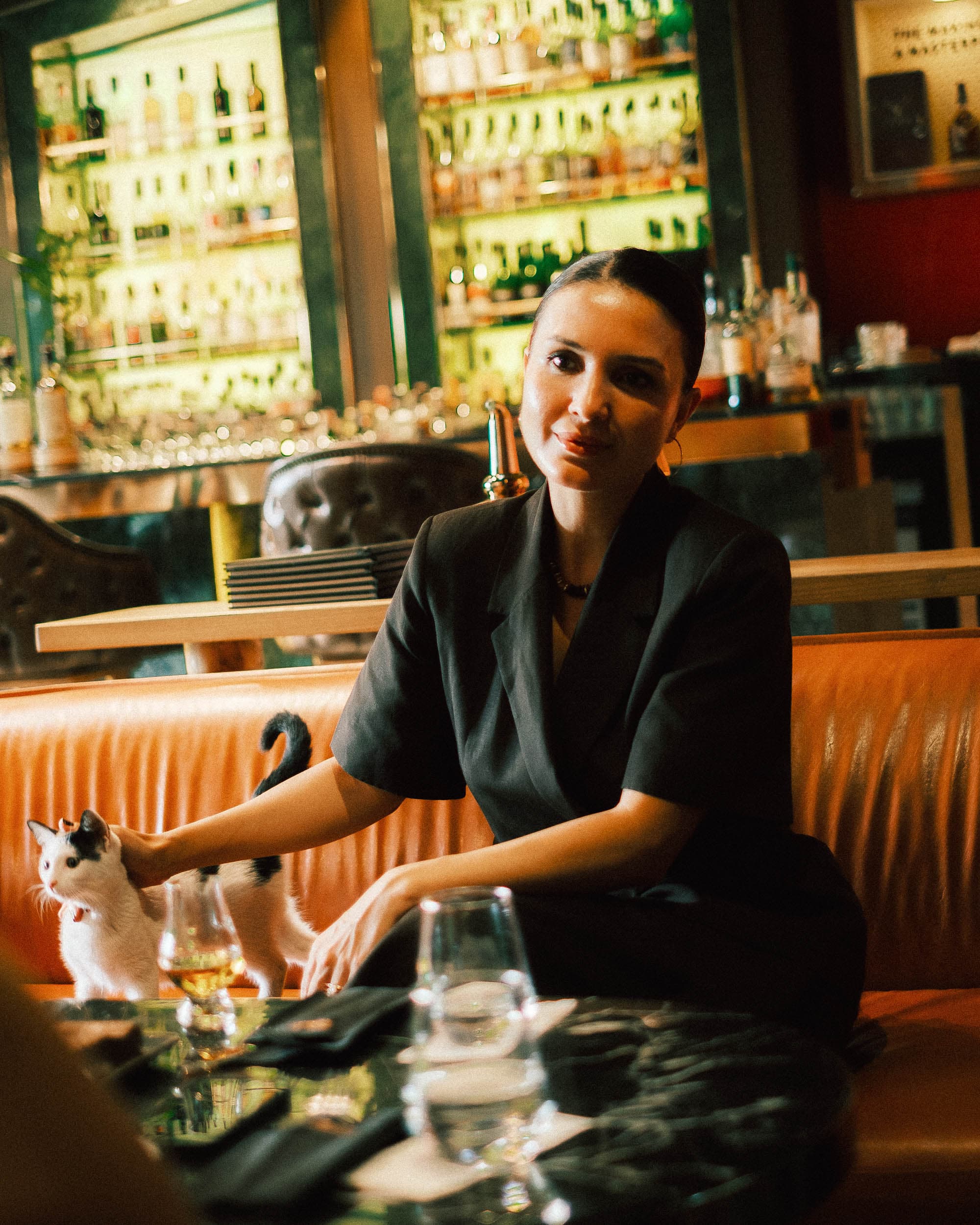
Ezgi Coşkun Gümüş / Credit: Yiğit Şişmanoğlu
Ezgi Coşkun Gümüş / Credit: Yiğit Şişmanoğlu
The Rakı–Tea Dilemma
Now I want to ask about a debate that resurfaces from time to time: rakı or tea? It’s really a pointless debate. Rakı is a drink. You place it on your table to relax, to enjoy conversation, to take pleasure. You invest both money and time into it. To then dictate rules like “don’t drink it with this” or “don’t do that” is unnecessary.
Tea, of course, became common at the rakı table for specific reasons. Those who aren’t fond of rakı often use it as a way out—if others at the table are drinking rakı and they don’t care for it, tea lets them blend in. Another factor is economic. In the past, four friends could easily share a 70cl bottle, enjoy a full meal, and perhaps even order a little extra. That’s no longer possible. Rising prices have made rakı less accessible. Still, people want to linger at the table for three or four hours. To stretch the evening, tea has become a substitute.
Ezgi Coşkun Gümüş / Credit: Yiğit Şişmanoğlu
There is no etiquette for drinking—only for the drinker.
Tavern Culture: Timeless or Tired?
Tavern culture has always been central to Turkish life—from literature to music. But do you think it has become clichéd and devalued today? Rakı began overshadowing wine in the 17th century, particularly in Istanbul, sparking the rise of the tavern era. Tavern owners, often barbers by trade, shifted from selling wine to selling rakı, which transformed their clientele. Wine drinkers who once sipped and moved on were replaced by rakı drinkers—some of whom lacked awareness about drinking high-alcohol spirits responsibly. As a result, fights and disorder increased. Tavern owners responded by setting their own rules: No more than two glasses per person,Only come at proper hours,Avoid certain topics to prevent conflict.
This is how rakı etiquette was born—out of necessity. But over the centuries, we’ve inflated it far beyond its original purpose. We created a whole canon of “rules”: the older person must clink from above, the eldest at the table says “cheers” once and no more, glasses must be clinked only in certain ways… These traditions might have served a function in the 17th century, but 2025 is another world.
The truth is simple: there is no universal etiquette for rakı. There is only the etiquette of the drinker. If you carry yourself with respect and keep the table’s atmosphere pleasant, you’ll have a wonderful evening—whether with rakı or wine. If you spoil the mood, no rule or ritual will save it. Ironically, by burdening rakı with excessive rules, we stifle its ability to evolve. Many consumers no longer want to navigate this web of expectations.
Ezgi Coşkun Gümüş / Credit: Yiğit Şişmanoğlu
Ezgi Coşkun Gümüş / Credit: Yiğit Şişmanoğlu
“Michelin or similar awards may serve as reference points in Turkey, but globally they’re under heavy criticism. Personally, I place no faith in them. For me, Michelin is my palate.”
Those Who Spend Their Budget According to Their Taste
Shall we talk a little about Exclusive Tastings? What kind of experience do participants get? My liquor education is, in a sense, a luxury business. First of all, you need to have the curiosity and awareness to want to learn more deeply about the drink you consume in your daily life. It is a kind of luxury—both for the wallet and for the mind. That is why, when I offer these courses, I feel a responsibility to explain the product in the most comprehensive and engaging way possible. I make every effort to do this, and over the years Ayrıcalıklı Tadımlar (Exclusive Tastings) has built up a loyal following. The participants are usually well-off white-collar professionals, doctors, or dentists. In short, they are people who are interested in gastronomy, have achieved success in their own fields, and now wish to spend their budget according to their palate. Every training I give is paired with carefully selected food, and I must first approve of the places I choose.
We’ve been talking about rakı, but you also do tastings with many other drinks. I even saw your mezcal/tequila training recently. Yes, I organize training sessions on all kinds of drinks. The great privilege of working independently is that I can create a concept around whichever drink I want to highlight at that time. I choose the venue depending on the type of drink—sometimes it’s a grill house, sometimes a fish restaurant. Occasionally, I envision such a special menu that no existing venue can meet my expectations; in those cases, we host the event in a private space with a chef preparing a tailored menu. I also keep the groups small, never more than 14 people.
Ezgi Coşkun Gümüş / Credit: Yiğit Şişmanoğlu
Ezgi Coşkun Gümüş / Credit: Yiğit Şişmanoğlu
Speaking of carefully prepared pairings, I want to ask you something. You are very meticulous about the menus. Absolutely. My relationship with gastronomy began in my childhood. Mersin has a very cosmopolitan food culture, and everyone cooks well. They even have a word for it—Beşirikli. There you find the cuisine of the East, of immigrants, of nomadic peoples… and when all these traditions come together, you get an incredibly rich table. From an early age, everyone around me was skilled in the kitchen, and the ingredients themselves were of excellent quality. That’s why I don’t tolerate mediocrity.
If I’m going to eat or drink something, I want it to be the best. Because of my profession, I travel to many places across Turkey and abroad. And I’m not the kind of educator who treats alcohol in isolation; for me, food and drink are inseparable. Gastronomy is a whole. This, in fact, is Turkey’s biggest shortcoming—treating food and drink as separate categories. That’s why I always emphasize quality cooking. And this doesn’t necessarily mean luxury. You might have the best meatballs of your life in a simple, humble eatery—paired with a glass of good rakı. You don’t need a Michelin star for that.
I understand you don’t put much faith in labels like Michelin… I don’t. Michelin or similar awards and labels are often open to misuse in Turkey, and even globally they are the subject of much criticism. I don’t believe in them. For me, Michelin is my own palate. Something that tastes wonderful to me might feel too spicy for someone else. Of course, there are places that the majority of people would agree are excellent. But beyond that, I think Michelin is about one’s personal palate, one’s own senses—especially the nose, even before the tongue.
Ezgi Coşkun Gümüş / Credit: Yiğit Şişmanoğlu
Ezgi Coşkun Gümüş / Credit: Yiğit Şişmanoğlu
“Looking at the current data worldwide, 30% of whiskey consumers are women.”
Traces of Sexism in Glasses
Looking at the current data worldwide, 30% of whiskey consumers are women. Why then are some drinks defined as “women’s drinks” and others as “men’s drinks”? To answer that, we need to look back to antiquity. Women were, in fact, the first to produce beer and wine—two of the oldest alcoholic beverages. In the case of beer, for instance, priests eventually took production away from women and began brewing it themselves. There was even a time when women were branded as witches, in part to exclude them from this domain.
Throughout history, alcohol was often seen as something that corrupted women. This holds true everywhere in the world. Women were not welcomed at the drinking table. Personally, I haven’t experienced disadvantages as a woman in the world of alcohol, but many others certainly have. The result is a field where male dominance is still palpable—both in production and in consumption. There is this pervasive idea that women should drink beverages with lower alcohol content, so they “don’t get drunk easily.” Wine, for instance, is associated with women, considered gentler and linked with art. Beer is viewed as rougher and positioned as a man’s drink. Stronger spirits were never marketed as “for women.”
Yet the data tells a different story: today, 30% of whiskey consumers worldwide are women. That is a significant figure.
Is that number rising? Yes, and whiskey is already a growing trend. Gin, tequila, and mezcal are also on the rise among strong spirits. In fact, globally, high-alcohol drinks are trending more than low-alcohol ones.
Why do you think that is? People say: “If I’m going to invest my time and energy, I want to do it with a drink I truly enjoy.” And there are so many unique, local high-alcohol beverages around the world that people are eager to explore them. According to a study conducted last year, Turkey was ranked as the 10th largest whiskey-consuming country in the world. Whiskey is hugely popular here, though it still caters to a specific demographic.
Ezgi Coşkun Gümüş / Credit: Yiğit Şişmanoğlu
Finally, I’d like to touch on the health aspect. Alcohol is ultimately harmful to our bodies, and you often stress the importance of conscious consumption. From the perspective of someone who also has an athletic background: how can people who love alcohol protect their health? The biggest downside of alcohol is that it accelerates fat accumulation. As soon as alcohol enters the body, your metabolism shifts its priority—it stops burning carbohydrates and fat and focuses all its energy on breaking down alcohol as a toxin. This doesn’t always translate directly into weight gain, but it does contribute to fat storage.
I’m 37 years old. Why am I lucky? Because exercise has been part of my life since childhood, so my body has built a natural level of resilience. What I always recommend—to both my audience and my students—is going back to a simple, balanced diet and avoiding eating out too often. No one likes cooking at home anymore, but even the salad you order outside comes with unnecessary calories.
And of course, exercise—at any age. Whatever your body allows you to do, just don’t stay sedentary. I’m not just talking about walking. Especially for women, it’s important to focus on the abdomen and inner thighs. Even if you do nothing else, just a few minutes of ab exercises in the morning when you wake up makes a real difference.
And never forget water. The World Health Organization advises that women should not exceed one to two glasses of wine per day. Let’s say you’ve had two glasses—then you should give your body at least three or four days to recover before drinking again. This rhythm is essential. Alcohol should not become an everyday habit. Conscious drinking is about finding balance: safeguarding your health while also deepening your appreciation of flavor.
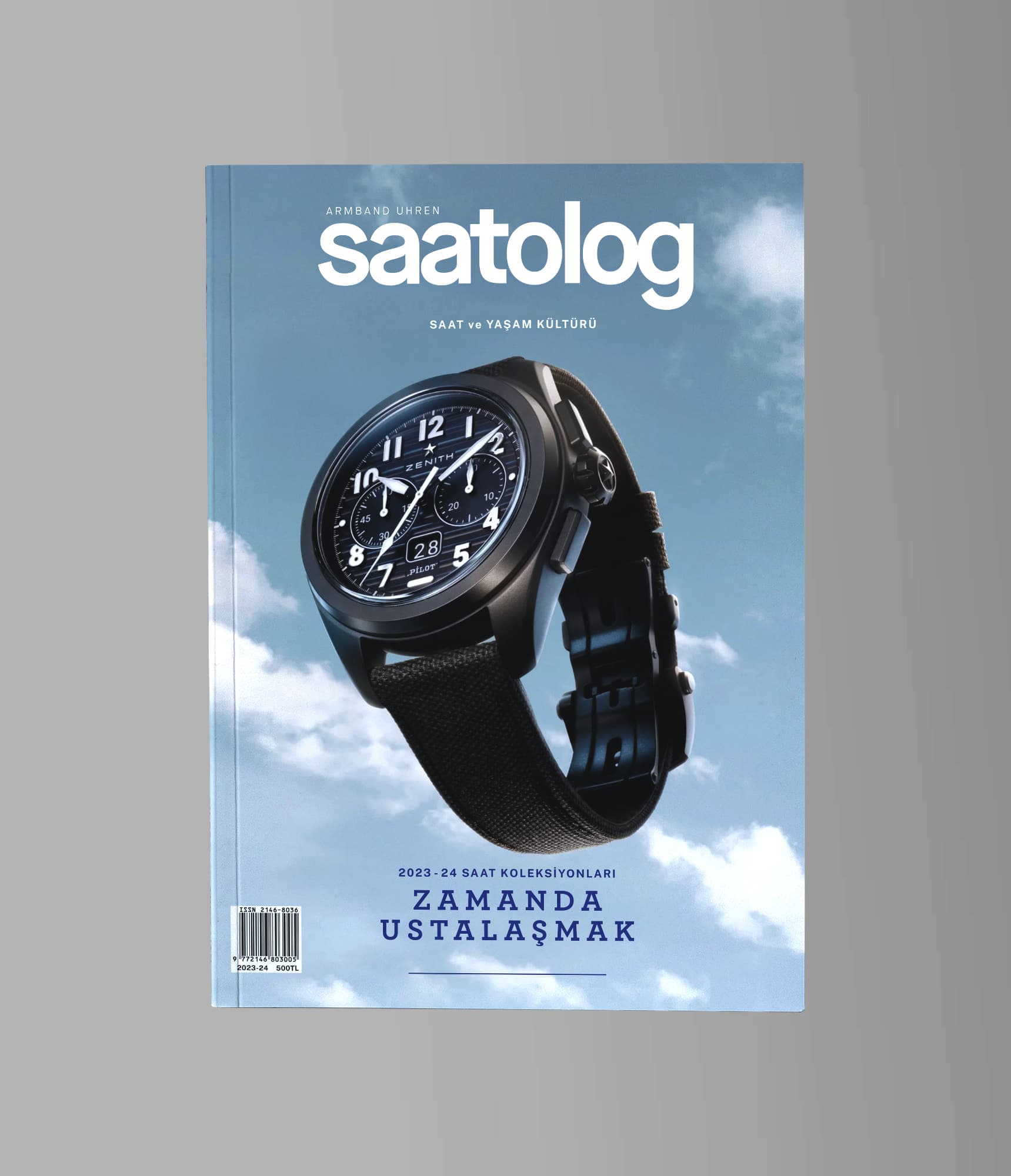
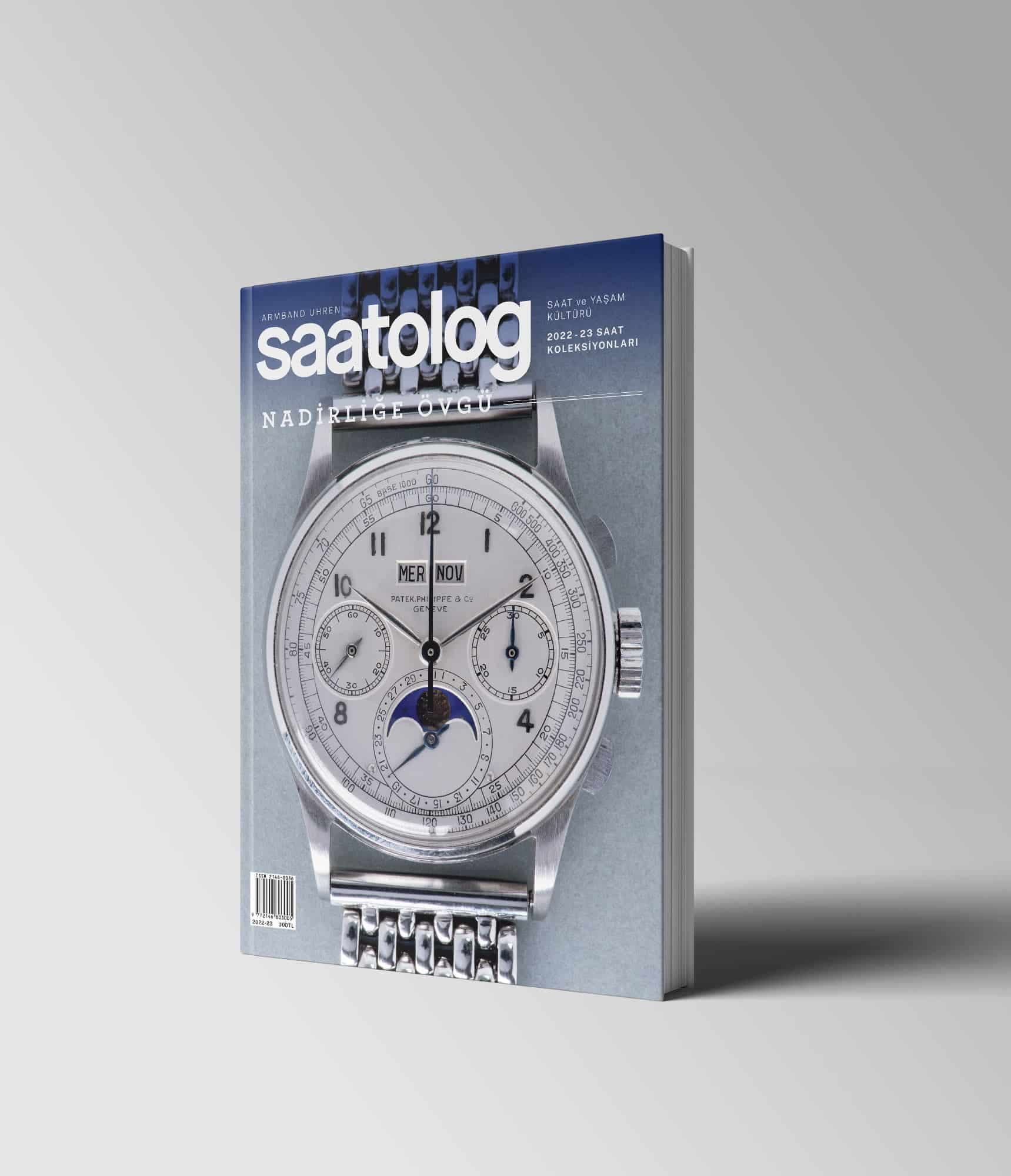
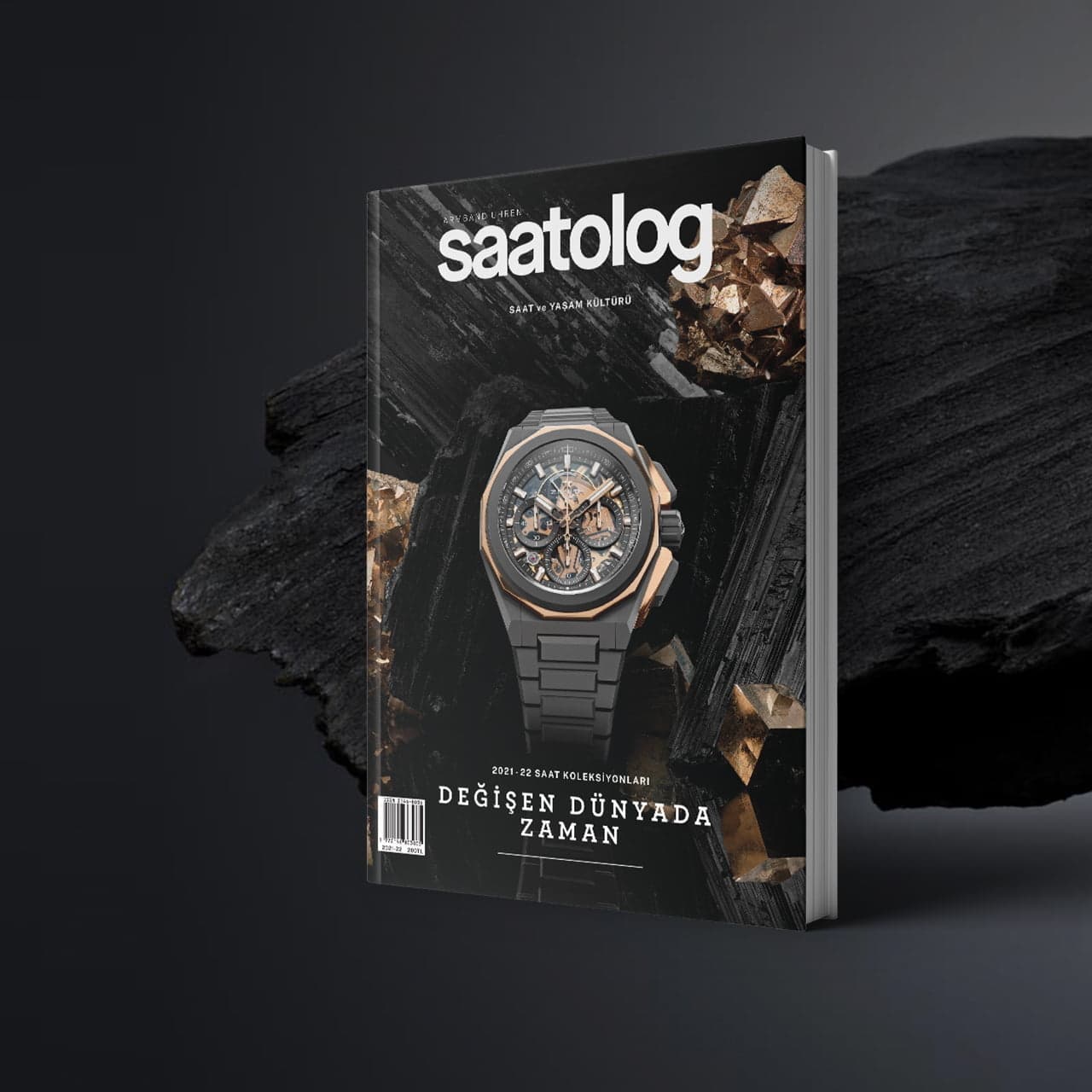
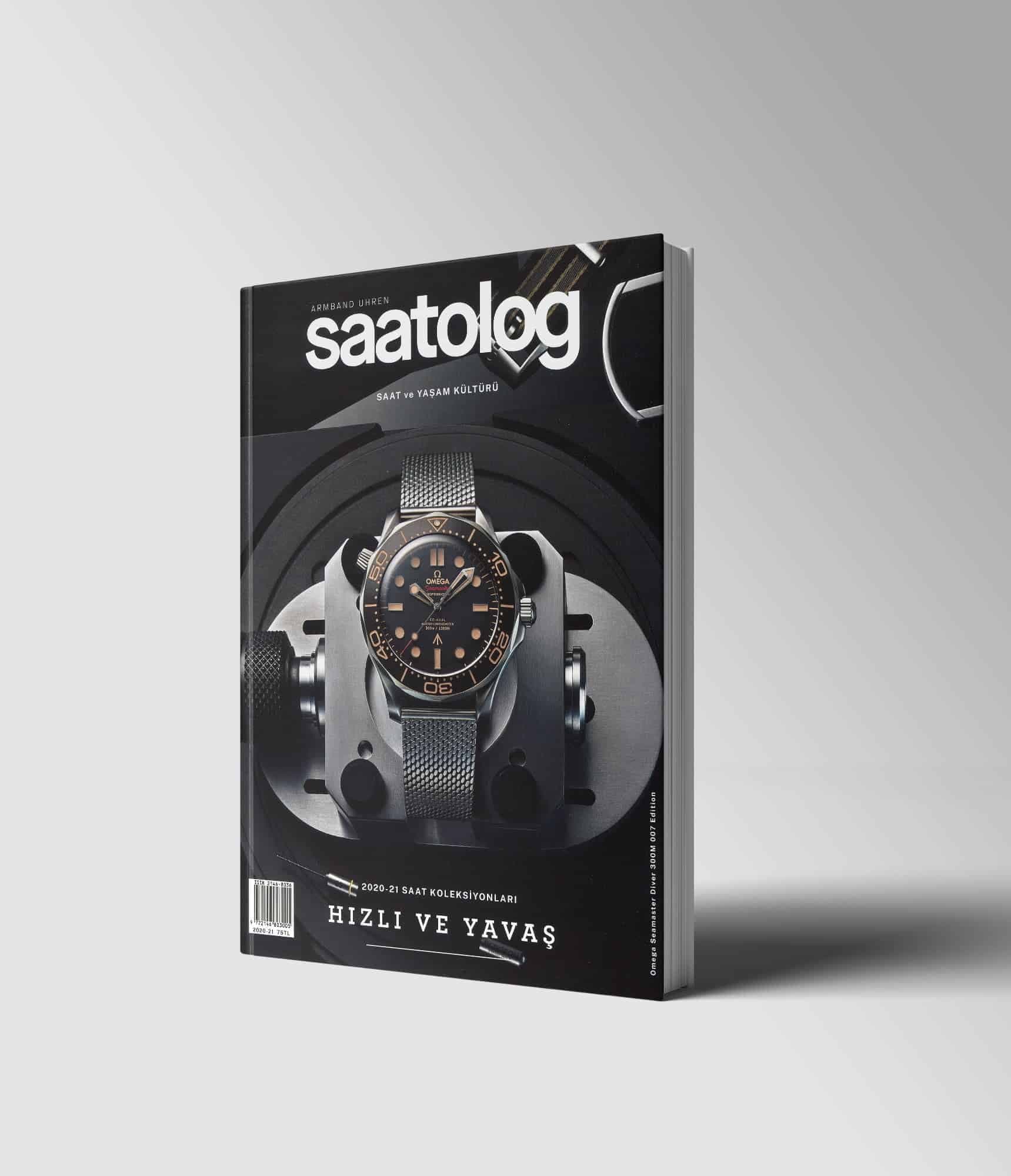
Saatolog Yıllık Saat Dergisi Saatolog’un yeni sayısı, 2020’nin yarattığı bu dönüştürücü etkiden ilham alarak hazırlandı. Dünya dijitalin etkisiyle her zamankinden de hızlı bir şekilde ilerlerken yavaşlamanın da önemini sonunda kavramış bulunuyoruz ve bu tezatlık hayatlarımızın her anına etki ediyor. Biz de bundan yola çıkarak Saatolog 2020/21 sayısını ‘‘hızlı ve yavaş’’ teması altında hazırladık.