A Chronograph Beyond Time: Zenith El Primero

In the midst of the Quartz Crisis, when all hope for the future of mechanical watches had been lost, Charles Vermot stored all the parts and drawings for the El Primero in the attic of the Zenith factory.
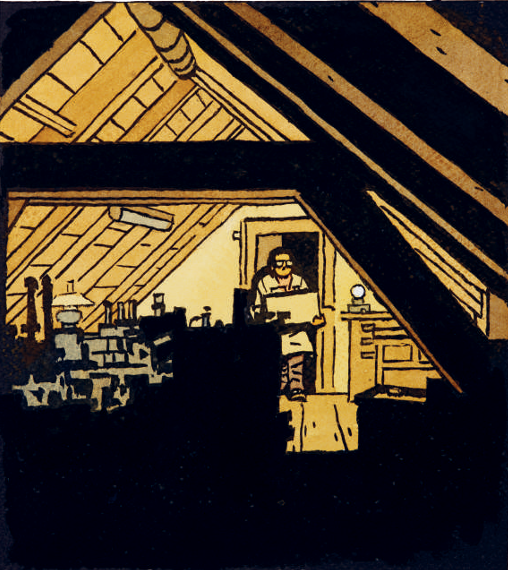
We are in the attic of the Zenith factory in Le Locle. Hundreds of watch parts, tools, molds, dials, and handwritten notes are arranged meticulously on wooden shelves… This attic, located near the section of the factory once connected to the railway, feels like a time tunnel into Zenith’s history. The drawings and components of the El Primero, the world’s first integrated automatic chronograph caliber, were kept here for many years. The story of El Primero — a chronograph ahead of its time — is as compelling as the watch itself.
Precision has always been in Zenith’s DNA. The brand’s founder, Georges Favre-Jacot, set out to create the most accurate wristwatch possible. In 1900, he was awarded the Grand Prize at the Paris Universal Exhibition. Between 1950 and 1954, Zenith’s caliber 135-0 won first place for five consecutive years in the Neuchâtel Observatory competition. In the first half of the 20th century, Zenith watches were renowned for their precision, chosen by observatories, banks, and even armies. The introduction of El Primero in 1969 marked the beginning of a revolutionary new chapter.
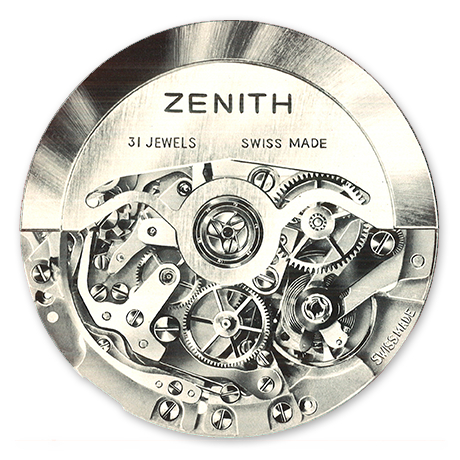
In 1965, as the brand approached its 100th anniversary, Zenith set out to create a caliber worthy of the milestone. Workshops in Les Ponts-de-Martel buzzed with activity. The new caliber was not ready in 1965, but after roughly seven years of development, the world’s first integrated automatic chronograph, El Primero, was finally born in 1969 — the same year the first tremors of the Quartz Crisis were being felt in the watch world. El Primero, meaning “first,” was officially announced on October 10, 1969.
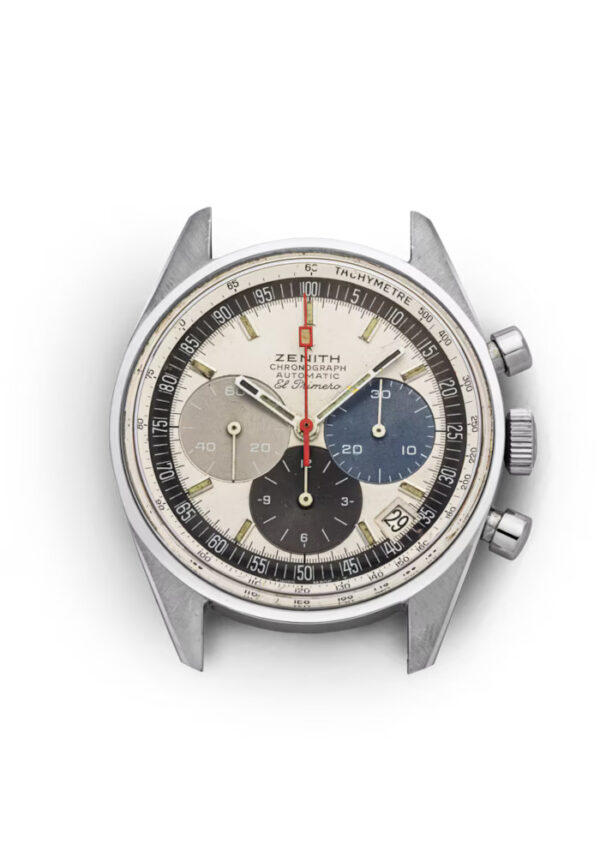
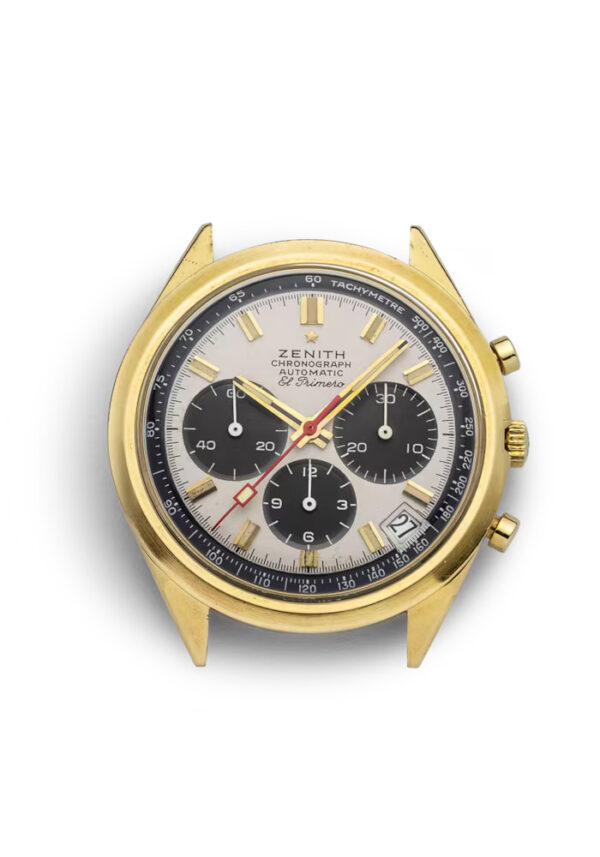
The chronograph caliber was groundbreaking: operating at a frequency far above the traditional standard, El Primero ran at 36,000 VpH and could measure one-tenth of a second. With a power reserve exceeding 50 hours and an automatic winding system that kept the chronograph gears in place, it was a true innovation. At just 6.5 mm thick, it was also one of the slimmest mechanisms of its time. The first watches powered by El Primero were unveiled in September of that year. Their dials, with three subdials in contrasting colors, also introduced a new design language.
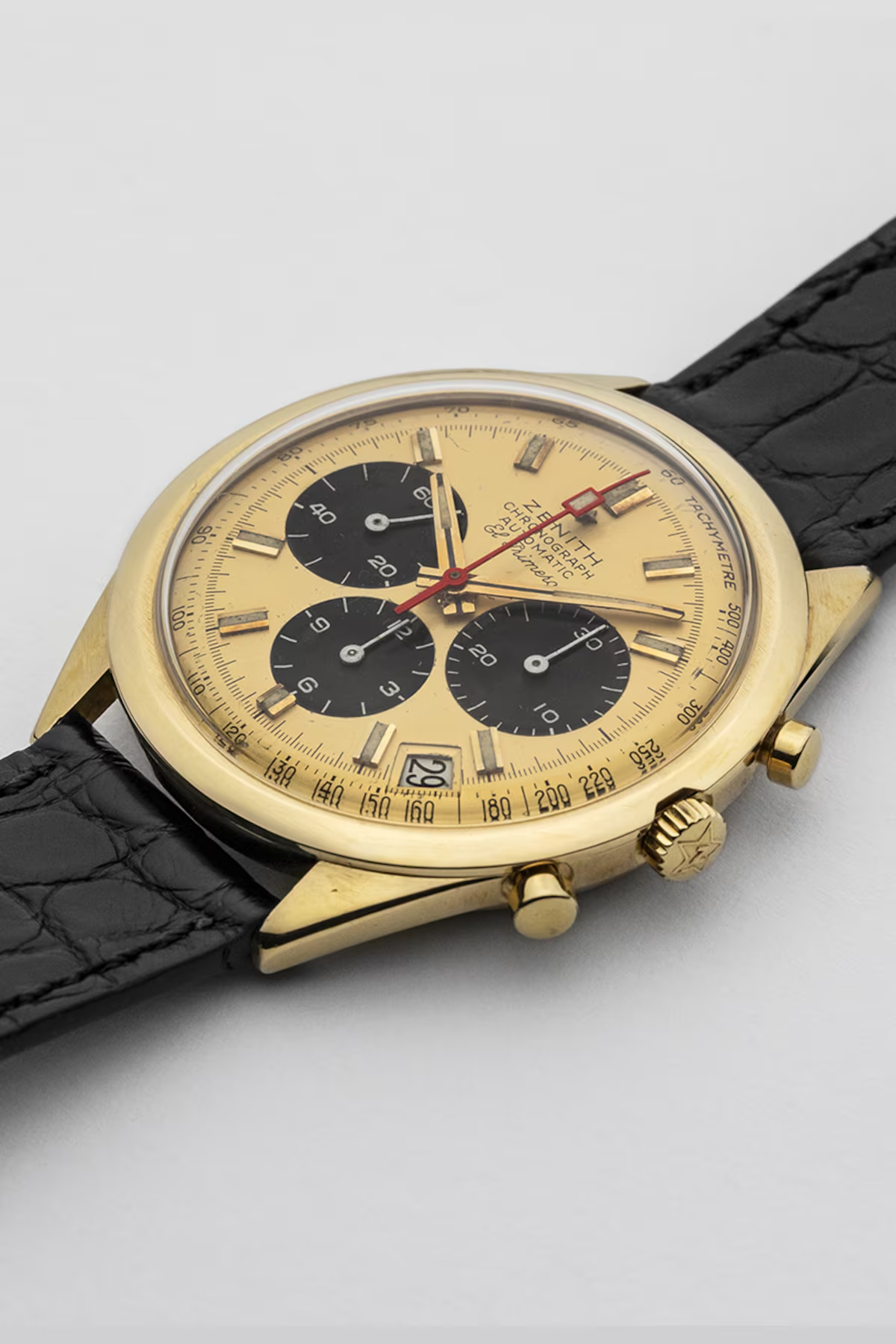
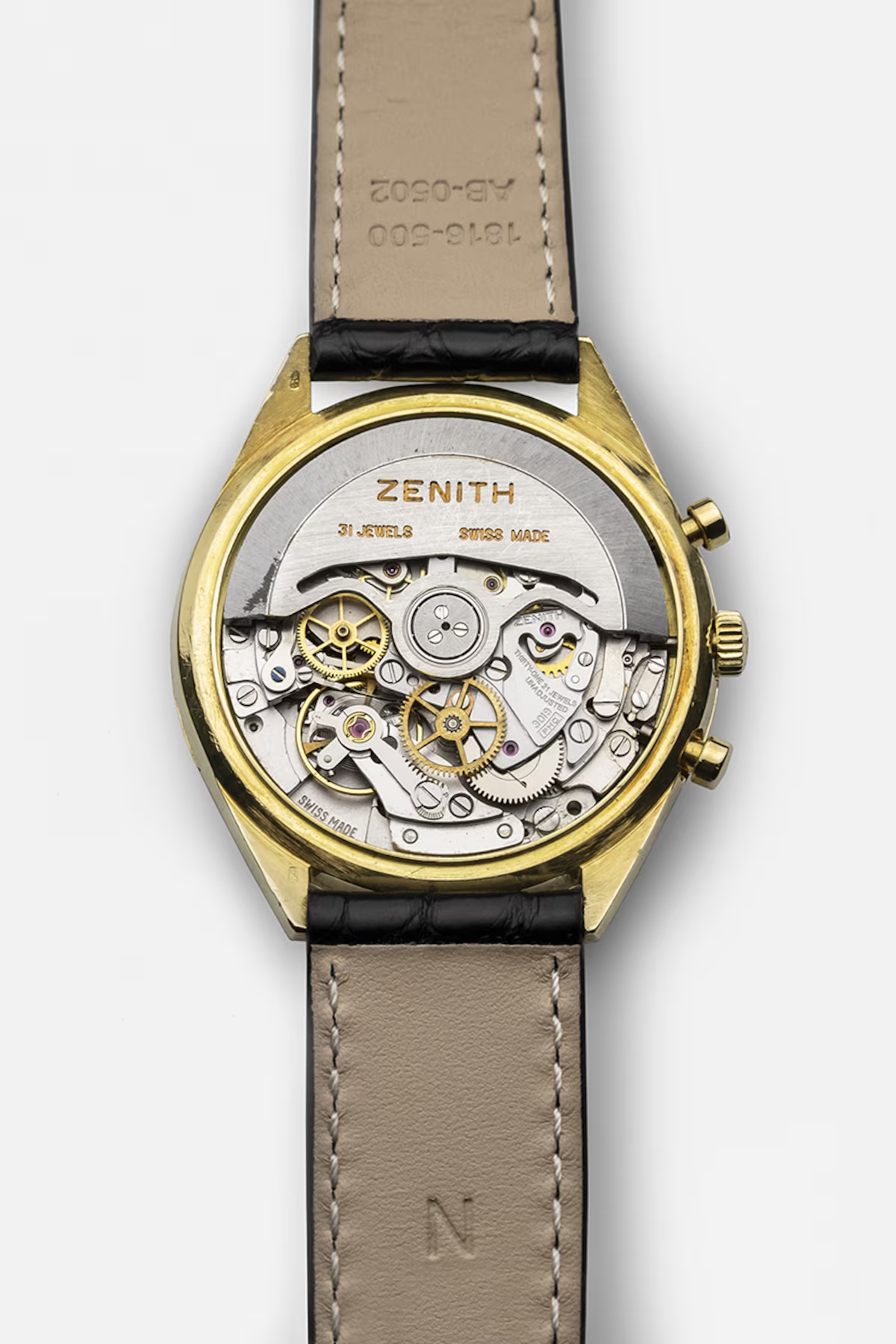
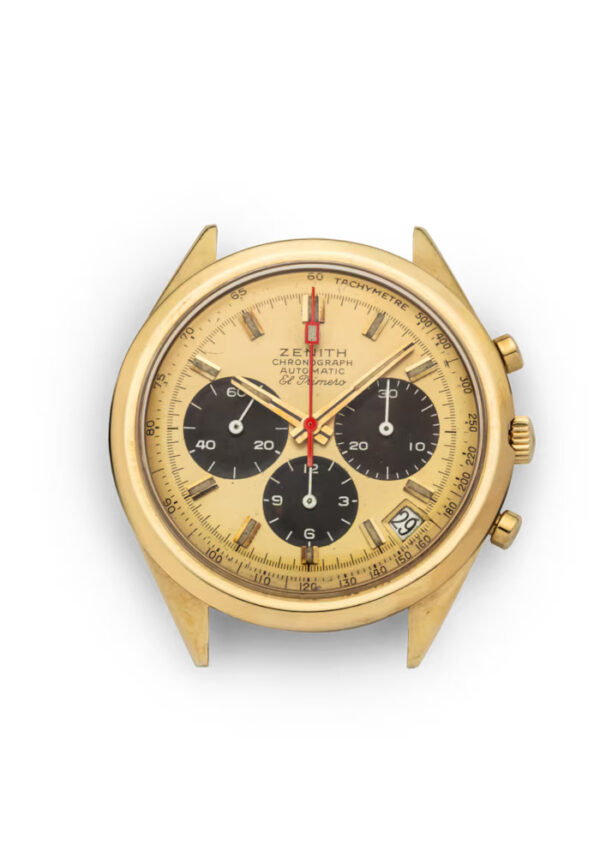
Within a few years, iconic models such as Ref. A385 and Ref. A386 were produced, alongside rarities like the brown-dialed, gold-cased Ref. G381 and the gold-dialed G582. However, as mechanical watchmaking declined in value due to the Quartz Crisis, the American-based company then owning Zenith discontinued production of the El Primero in 1975.
From the Attic to the Spotlight
In 1975, the decision was made to cease production of El Primero and all other calibers. Charles Vermot, a Zenith engineer at the time, wrote to the company’s management in Chicago, insisting that El Primero would play a pivotal role in the brand’s future and that the automatic chronograph should not be abandoned. His efforts were in vain; in fact, the tools and all components used to produce the mechanism were slated for disposal or sale.
Undeterred, Vermot believed mechanical watches would one day return to favor. Taking a personal risk, he dismantled the equipment and drawings needed to produce El Primero and stored them in the attic of the Ponts-de-Martel facility. The parts remained hidden for nearly ten years, waiting for the day they would come back to life.

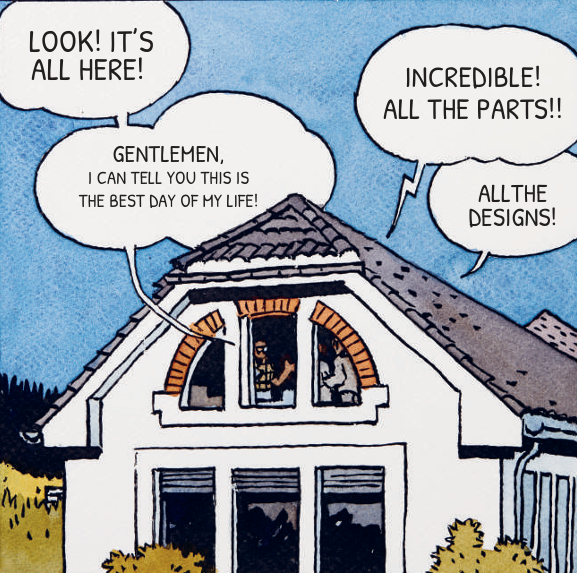
After the Quartz Crisis, mechanical watches regained popularity, and El Primero returned to production. Thanks to Vermot’s careful preservation, the stored parts and notes made the revival possible. Since then, the El Primero has powered thousands of Zenith watches, earning accolades such as the “Chronograph Watch of the Year” at the 2021 GPHG for the Zenith Chronomaster Sport, featuring the El Primero 3600 caliber.
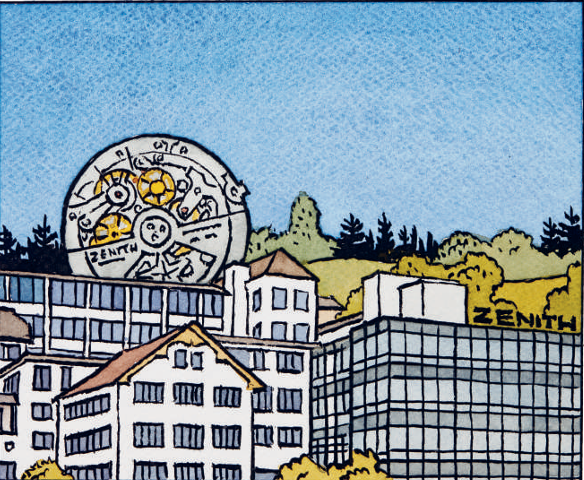
From the first caliber produced, “Zenith,” to El Primero, the brand has amassed approximately 2,300 awards, a testament to its mastery in chronometer precision. About 600 different calibers have been developed, and nearly 300 patents have been obtained for its innovations.
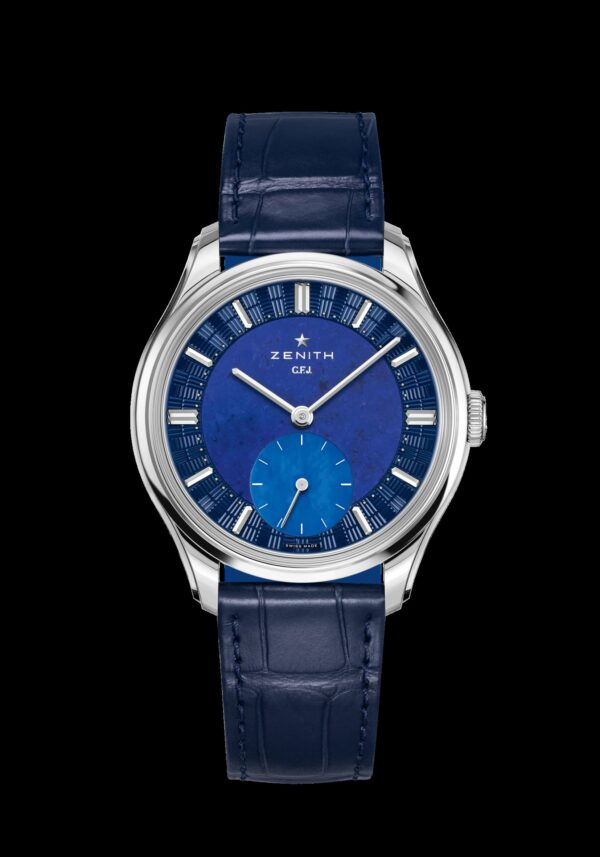
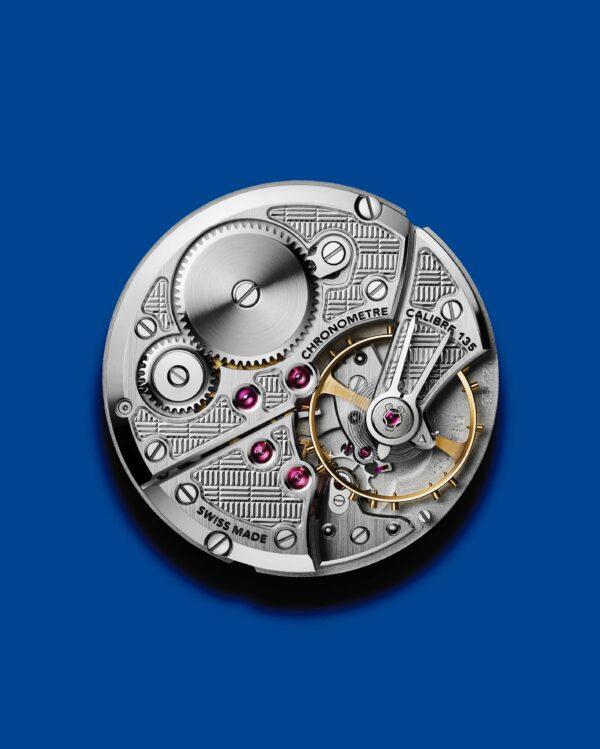
For its 160th anniversary, Zenith introduced the G.F.J. model, honoring its founder. Distinguished by deep blue tones, the G.F.J. features the brand’s iconic caliber 135, whose predecessor, the 135-O, set a watchmaking record by winning 235 chronometer awards. The caliber 135 in the new watch maintains the same dimensions as its predecessor while offering a 72-hour power reserve.