From Kind of Blue by Miles Davis to the cosmic universe of Kamasi Washington: 25 archival records from the history of jazz.
To fit over a century of jazz history into 25 albums is like trying to fill an ocean into a glass. But sometimes a single glass of water can be enough to taste the sea. This list is a starting route within the vast universe of jazz. It is neither an academic archive nor a didactic guide. Perhaps it should simply be read as a series of notes born from the writer’s personal quest. Moments distilled from the century’s memory — from the silence of studio recordings, from the electricity of live performances. Some are timeless classics, some quiet revolutions, and some still treasures waiting to be discovered.
And jazz, in fact, is the music of such moments. Miles Davis not giving his musicians the notes before recording Kind of Blue and saying, “feel it,” Billie Holiday asking for the lights to be dimmed when she entered the studio to record Lady in Satin, or Keith Jarrett giving the greatest concert of his life on a mediocre piano… Jazz history is full of moments like these. And sometimes, to understand them, all one needs to do is listen. This is a starting point. The rest will take shape — in your own playlist.
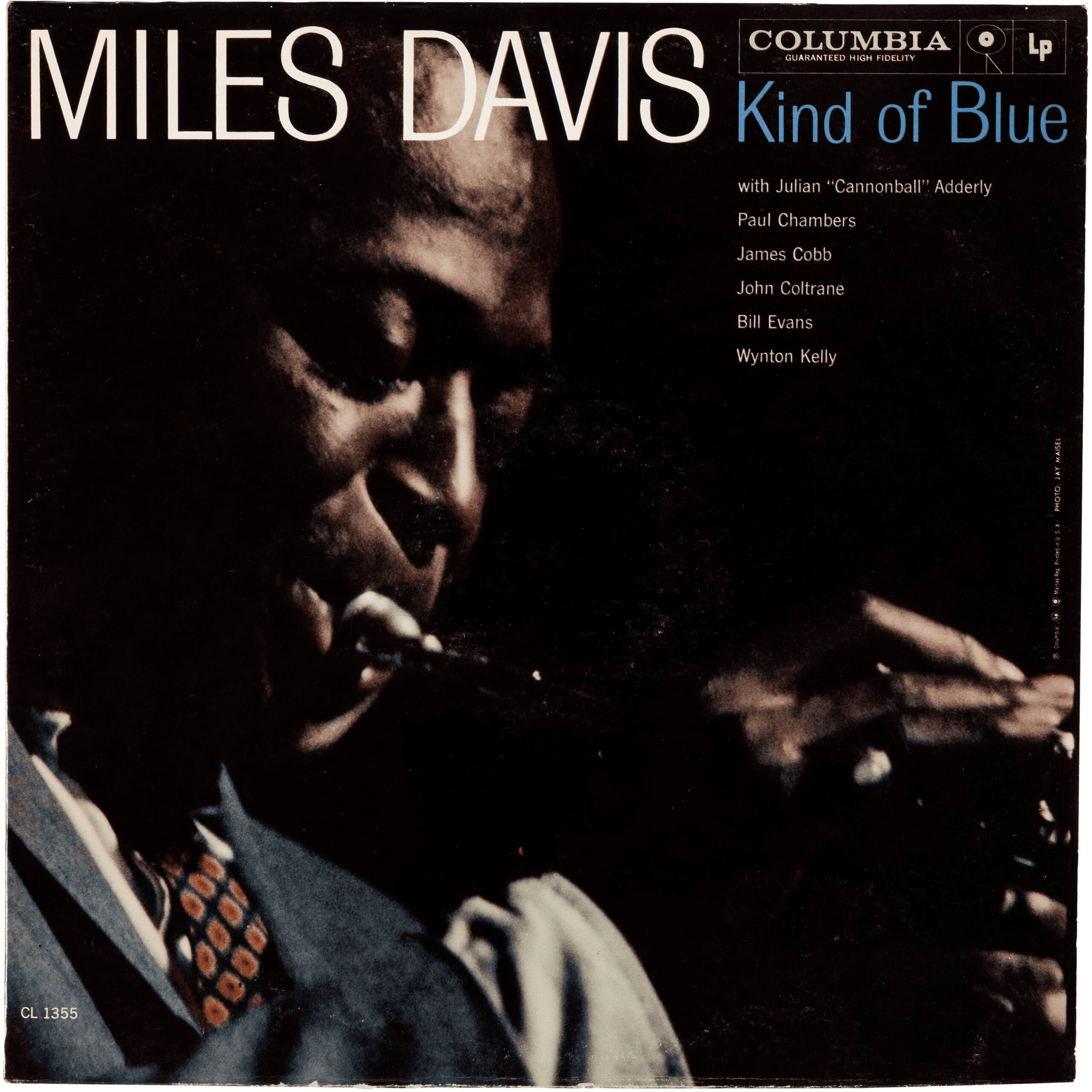
Miles Davis – Kind of Blue (1959)
If we begin by saying that with this album Miles Davis redefined not only jazz but modern music from top to bottom, it wouldn’t be an exaggeration. The legendary musician recorded Kind of Blue together with masters like Bill Evans, John Coltrane, and Cannonball Adderley — a work confirming the power of minimalism, the aesthetics of silence, and the meaning of sound and stillness. That’s why defining it as merely a jazz album would be insufficient. It coincides with one of the purest moments of transformation in music history. Another important detail: the album was recorded in the legendary Columbia Studios, 30th Street Studio. Known among musicians as “The Church,” the studio’s 15-meter-high ceilings and perfect acoustics witnessed the birth of countless unforgettable works — Kind of Blue being one of them.
The Memory of a Century: 25 Archival Records from the History of Jazz
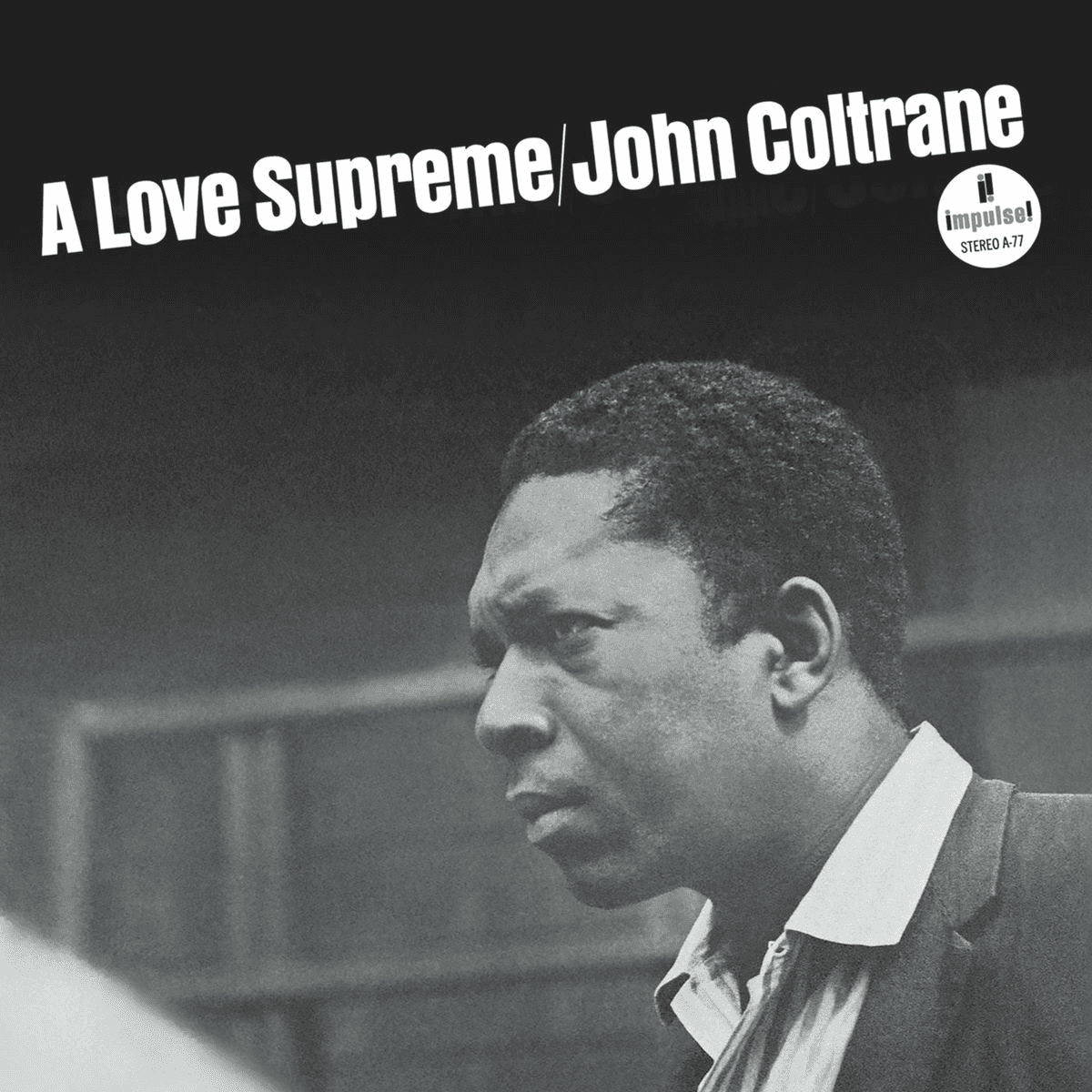
Who could have guessed that an album recorded in a single day would have such a tremendous impact? But when the subject is a musical genius, the extraordinary becomes expected. This four-part suite, where Coltrane’s gratitude to God finds its voice in notes, is regarded as the holy scripture of spiritual jazz. The accompaniment of Elvin Jones, McCoy Tyner, and Jimmy Garrison adds a profound spiritual dimension to Coltrane’s inner enlightenment.
The Memory of a Century: 25 Archival Records from the History of Jazz
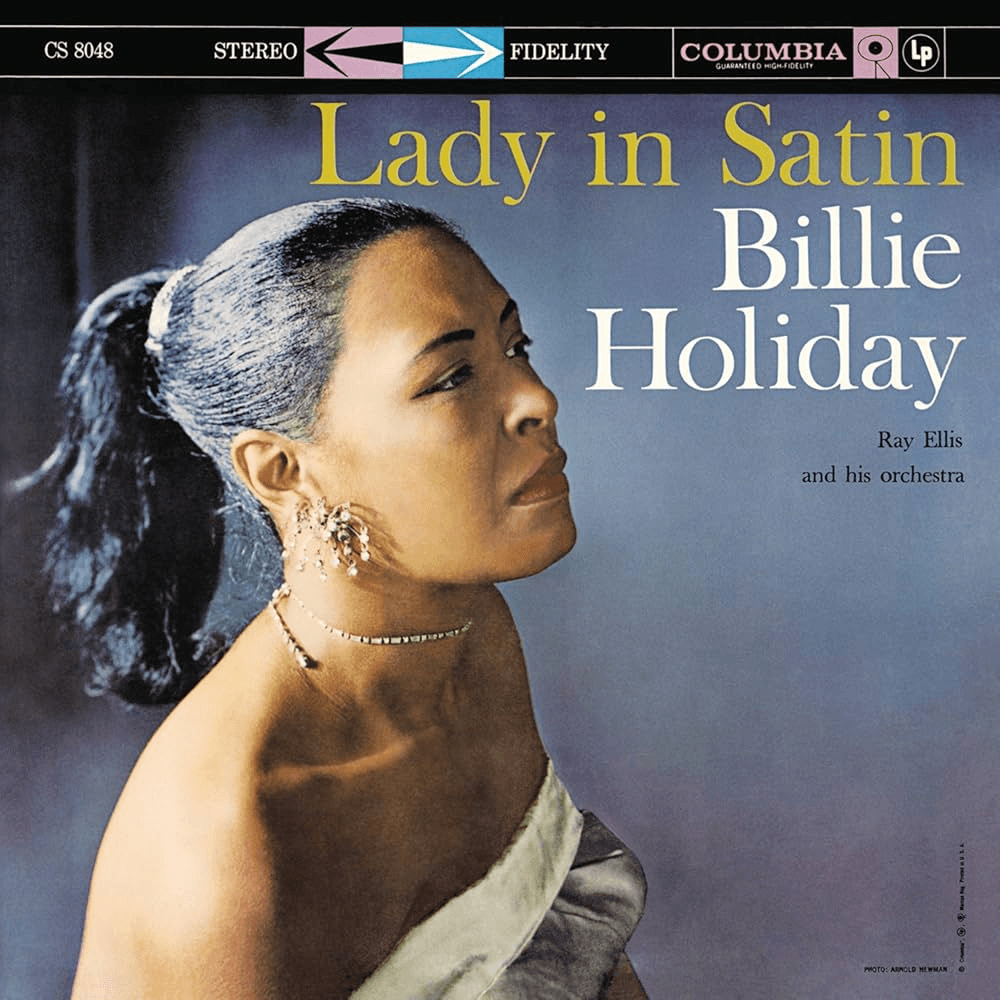
Billie Holiday – Lady in Satin (1958)
In the last year of her life, with a broken heart and a weary body, Billie Holiday stepped to the microphone — perhaps to tell her story one last time. Recorded at Columbia Studios, Lady in Satin no longer features the flawless voice she once had. Yet, in every crack that echoes through the microphone, one can hear the woman who stood with grace despite her pain. The opening track, “I’m a Fool to Want You,” is undoubtedly enough to move even the hardest hearts. As one of the most poignant albums in jazz history, Lady in Satin deserves to be heard as the final note Billie Holiday left to this world.
The Memory of a Century: 25 Archival Records from the History of Jazz
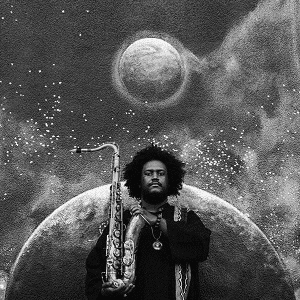
Kamasi Washington – The Epic (2015)
Are you ready to open the doors of a musical universe for three hours? The album Kamasi Washington recorded with a 20-piece orchestra, choir, and strings carries jazz to a cosmic dimension. If you think it evokes the spirit of Coltrane, you’re not mistaken. Washington develops the inspiration he drew from Coltrane by blending it with hip-hop, funk, and orchestral jazz influences. Moreover, with a far more political narrative — because Washington’s concern isn’t merely musical; it’s about remembering who we are. It’s impossible not to be mesmerized while listening.
The Memory of a Century: 25 Archival Records from the History of Jazz
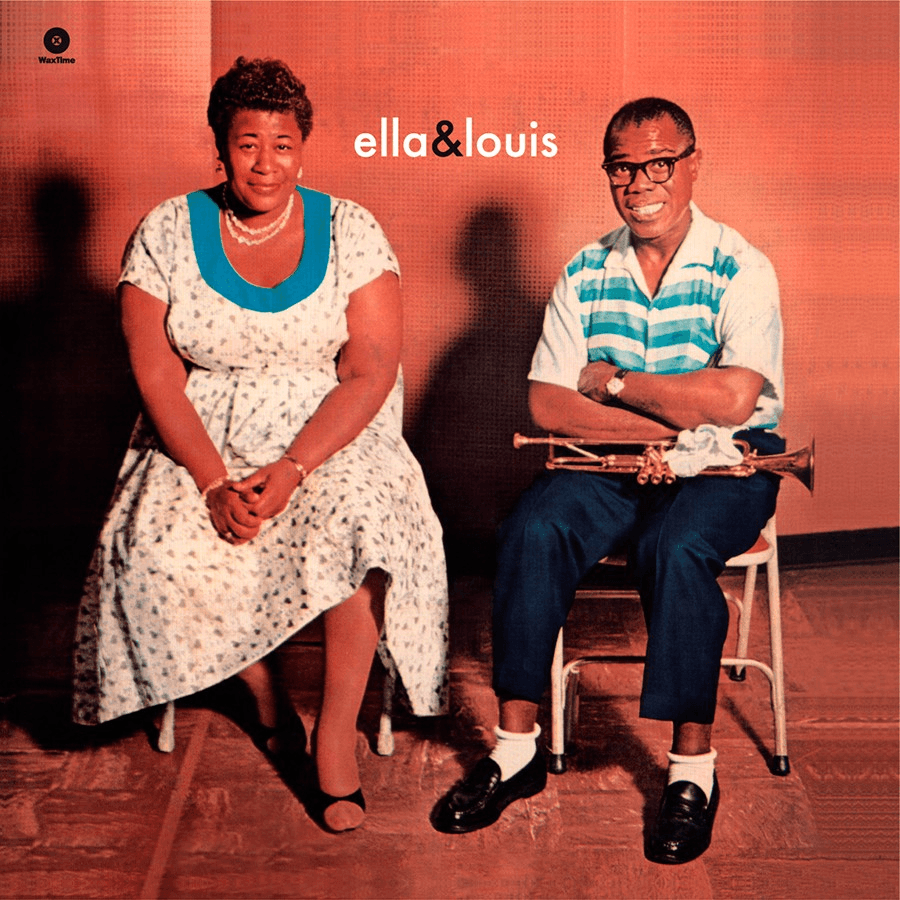
Ella Fitzgerald & Louis Armstrong – Ella and Louis (1956)
One of the most elegant albums in jazz history, Ella and Louis stands out not only for the magnificent musical feast shared by two legends but also for the warmth it conveys. Fitzgerald’s crystal-clear voice and Armstrong’s deep, resonant tone intertwine to create a sense of homeliness. Undoubtedly, the flawless accompaniment of the Oscar Peterson Trio provides a perfect ground for the intimate dialogue of these two giants. Like a beautiful relationship, this album makes you happy even as you listen.
The Memory of a Century: 25 Archival Records from the History of Jazz
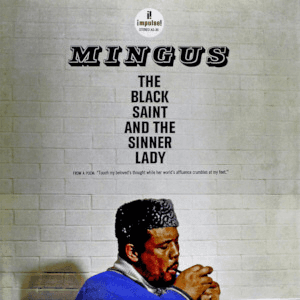
Charles Mingus – The Black Saint and the Sinner Lady (1963)
Let’s admit it — The Black Saint and the Sinner Lady, a six-part piece, can be challenging if you’re not a trained jazz listener. After all, the work was originally written as a ballet suite. Each section reflects a different state of mind. The album is, in this sense, a jazz symphony in which Mingus transforms his inner turmoil into music. It’s worth noting that in the album’s liner notes, there’s even a commentary by his own psychiatrist and close friend, Edmund Pollock — proof of how personal and profound this work is. Naturally, it demands effort to listen to — but it rewards you deeply.
The Memory of a Century: 25 Archival Records from the History of Jazz
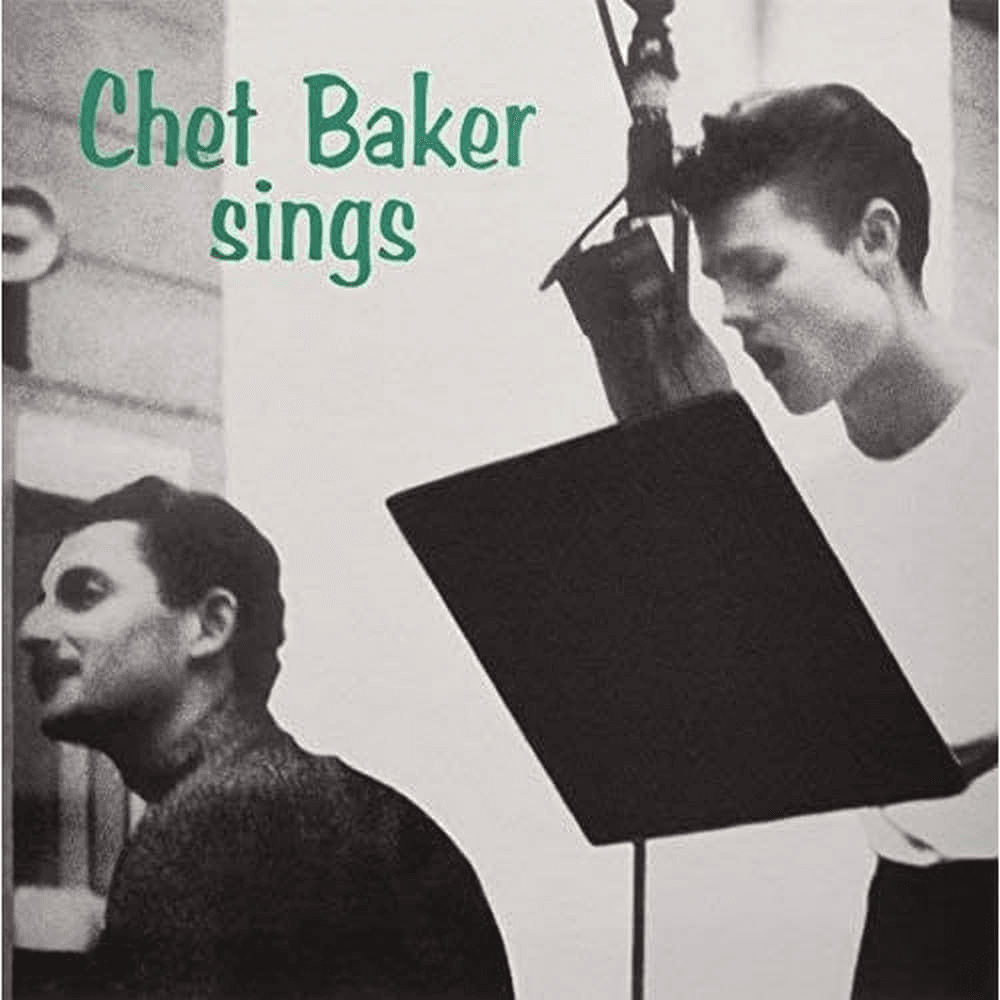
Chet Baker – Chet Baker Sings (1954)
The naïve poet of the trumpet, Chet Baker, doesn’t just play here — he sings. In the early 1950s, Baker became the symbol of West Coast jazz, and in this album, he combines the cool elegance of the trumpet with the fragility of his voice. The vulnerability in his rendition of “My Funny Valentine” is undoubtedly the album’s cornerstone. But the other tracks shouldn’t be overlooked either — every note feels like a confession, every breath a pause of longing. After this album, critics remarked that Baker’s vocals were “technically flawed but enchanting.” Indeed, it remains one of the finest examples where emotion transcends technique.
The Memory of a Century: 25 Archival Records from the History of Jazz
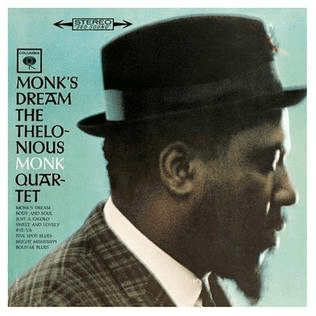
Thelonious Monk – Monk’s Dream (1963)
His first recording under the Columbia label, Monk’s Dream can be described as a mirror of Thelonious Monk’s maturity. His angular chords, unexpected silences, and deliberate imbalance in timing emphasize the freedom in his music. Charlie Rouse’s saxophone perfectly matches Monk’s sharp humor on the piano. Monk’s Dream shows that “wrong” notes in jazz can actually be remarkably right, and stands as one of the albums that changed the way modern jazz thinks.
The Memory of a Century: 25 Archival Records from the History of Jazz
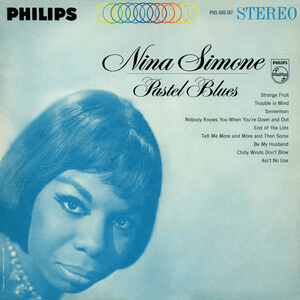
Nina Simone – Pastel Blues (1965)
Before assessing the album musically, it’s worth remembering what kind of period it coincided with in Simone’s life. The year 1965 was a turning point for Simone: amid the storms of her private life, on the edge of mental collapse, and under growing political pressure, she had become not just a stage star but a voice of resistance. She was battling depression while also receiving threats because of her support for the civil rights movement. Recorded in precisely such a period, Pastel Blues echoes like the heart-wrenching reverberation of a soul cracking apart. Behind the pastoral landscape in the lyrics of Strange Fruit, she rebels against racism, and in Sinnerman, she cries out a ten-minute ritual of inner reckoning. In this sense, Pastel Blues is a masterpiece in which Simone transforms jazz into a language of conscience, redefining both the social and emotional boundaries of music.
The Memory of a Century: 25 Archival Records from the History of Jazz
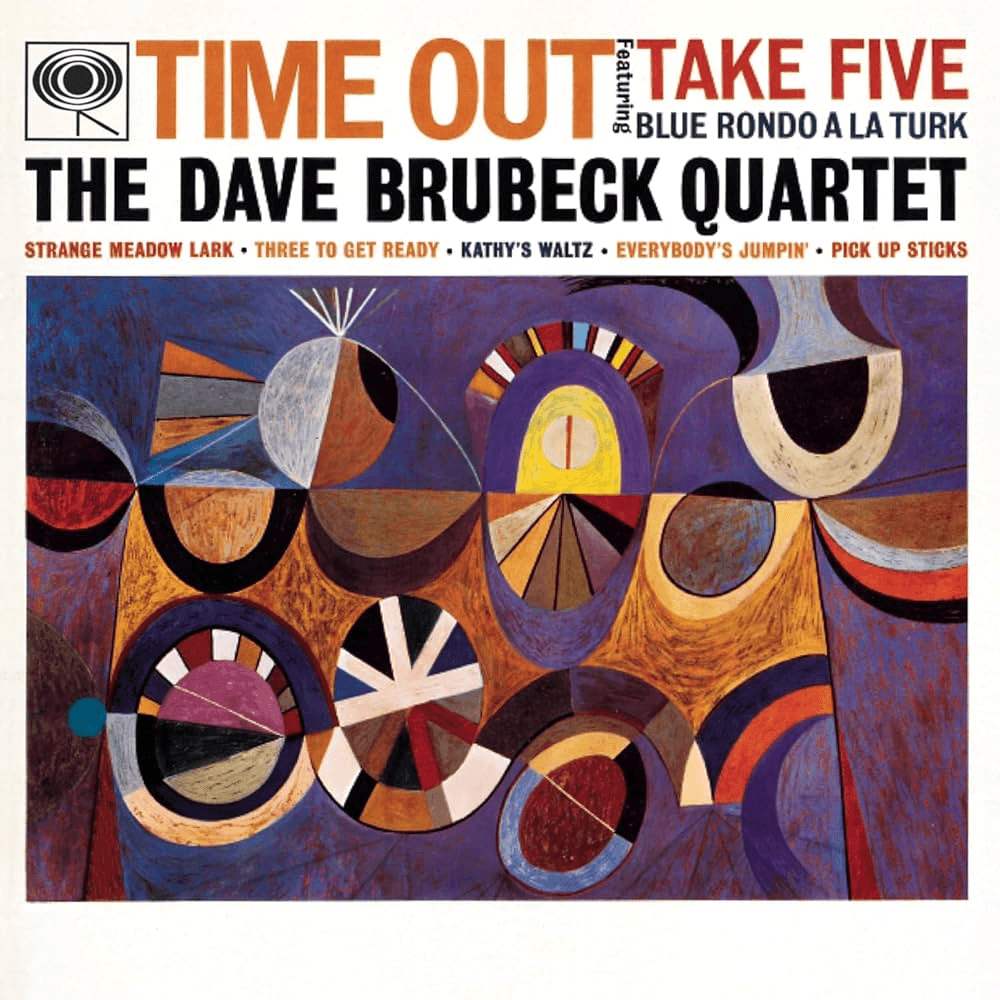
Dave Brubeck Quartet – Time Out (1959)
Another masterpiece born out of Columbia Studios. Time Out holds a special place in music history as the album that displaced jazz’s rhythmic foundations. Its pieces, written in unusual meters such as 5/4, 9/8, and 7/4, completely transformed the structure of jazz that until then had relied on the sense of “swing,” presenting the key to an entirely new musical form. For most listeners, the album is synonymous with Take Five. Paul Desmond’s saxophone solo in that track is less about technical mastery and more like the poetic form of rhythmic intelligence. Brubeck, the creator of the quartet, presents the complexity of jazz with an accessible, graceful elegance. In this sense, Time Out not only opens the door to modern jazz but also shows listeners how enjoyable it can be to find delight in musical exercise.
The Memory of a Century: 25 Archival Records from the History of Jazz
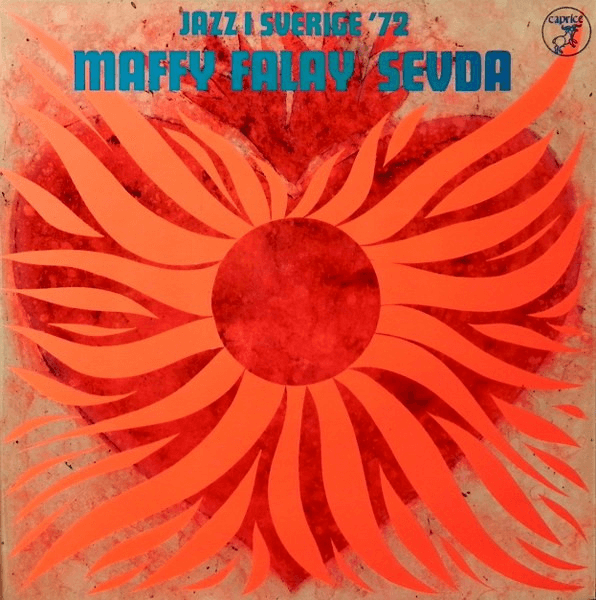
Maffy Falay – Sevda (1970)
Recorded in Sweden, Sevda is one of the first bridges carrying Turkish melodies into European jazz. Ahmet Muvaffak Falay — or, as the world knows him, Maffy Falay — merges mode-based melodies with modern jazz harmonies, as Swedish and Turkish musicians create a poetic dialogue between East and West. Sevda should not be seen merely as an album; it is more accurate to call it an emotional and musical memoir built upon migration, belonging, and cultural identity. The sorrow of Anatolia meets the clarity of Scandinavian jazz, and the tone in Falay’s trumpet tells of a longing suspended between these two worlds. It’s worth remembering, from time to time, that this was the first door through which Turkish jazz opened itself to the world.
The Memory of a Century: 25 Archival Records from the History of Jazz
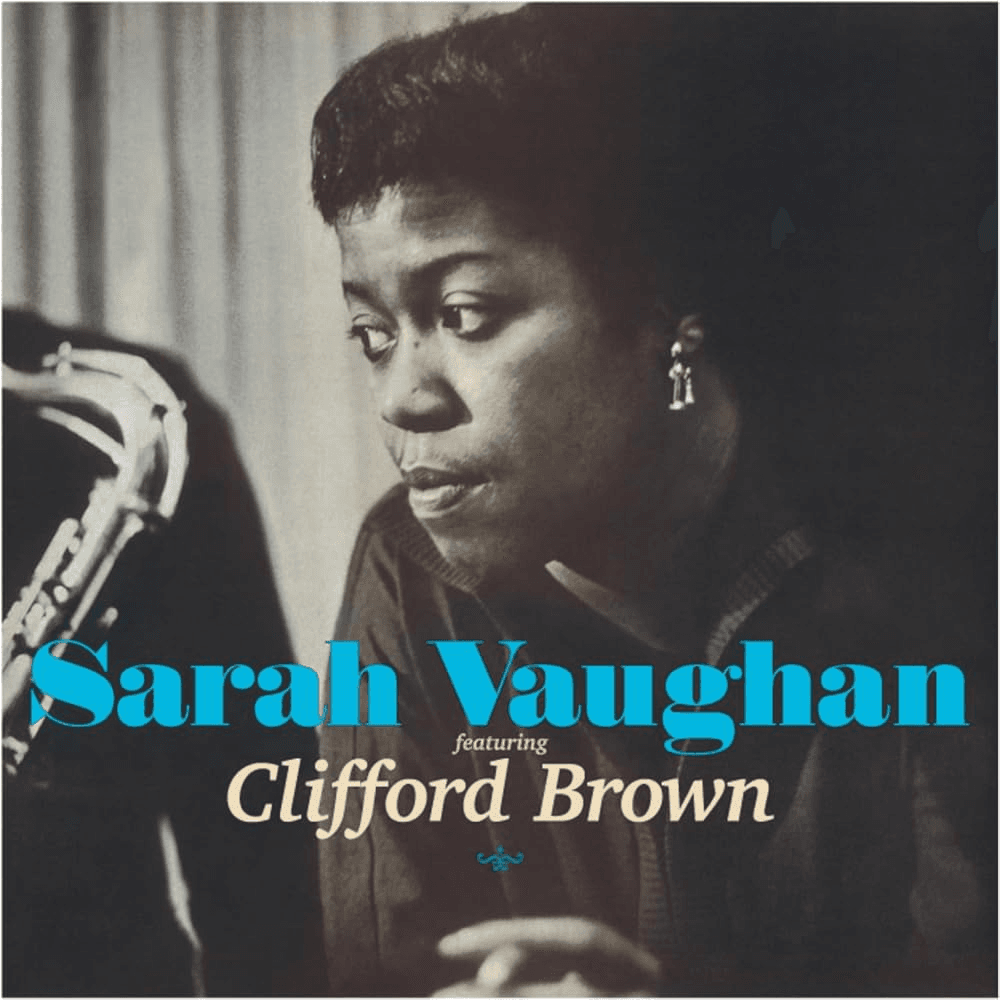
Sarah Vaughan – Sarah Vaughan with Clifford Brown (1954)
Opening with a classic like Lullaby of Birdland, this album is a flawless, one-time collaboration between two virtuosos. Vaughan’s voice pushes the limits of jazz vocal technique almost to the level of classical music, while Clifford Brown’s trumpet accompanies her with crystalline sensitivity. If one were to summarize the album in a single word, it would probably be “balance.” It’s like watching romance and discipline dance together on a seesaw. The fact that Brown lost his life only two years after this recording, of course, multiplies the album’s melancholy several times over.
The Memory of a Century: 25 Archival Records from the History of Jazz
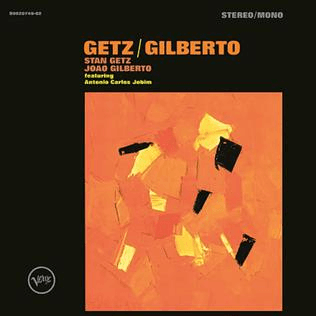
Stan Getz & João Gilberto – Getz/Gilberto (1964)
Astrud Gilberto’s nearly whispered vocals and Stan Getz’s silky saxophone intertwine like a gentle evening breeze. Yes, it’s not just a feeling — that’s the essence of the entire album. Bossa nova stepped out from the beaches of Brazil and onto the world stage with this very record. To grasp the album’s significance, it’s useful to look back to that era. Getz/Gilberto, with The Girl from Ipanema front and center, became the first jazz album to win “Album of the Year” at the Grammys in 1965, competing directly with genres far beyond jazz.
The Memory of a Century: 25 Archival Records from the History of Jazz
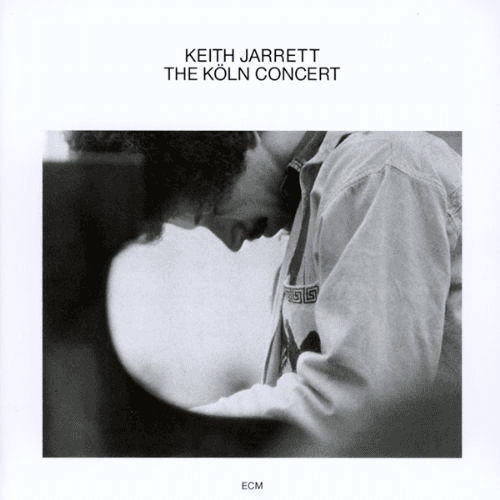
Keith Jarrett – The Köln Concert (1975)
Jarrett’s Köln Concert is composed of a fully improvised solo performance that pushes the limits of what a single piano can express. But the magic of this concert lies not only in the music, but in its circumstances: Jarrett discovered that a low-quality piano had been delivered to the venue by mistake — its keys stiff, its pedals faulty. Despite this, he went on stage, turned every flaw into an advantage, rediscovered tonal ranges, and transformed melodies as if in dialogue with the instrument itself. A masterpiece reminding us how even a moment full of mistakes can be profoundly beautiful.
The Memory of a Century: 25 Archival Records from the History of Jazz
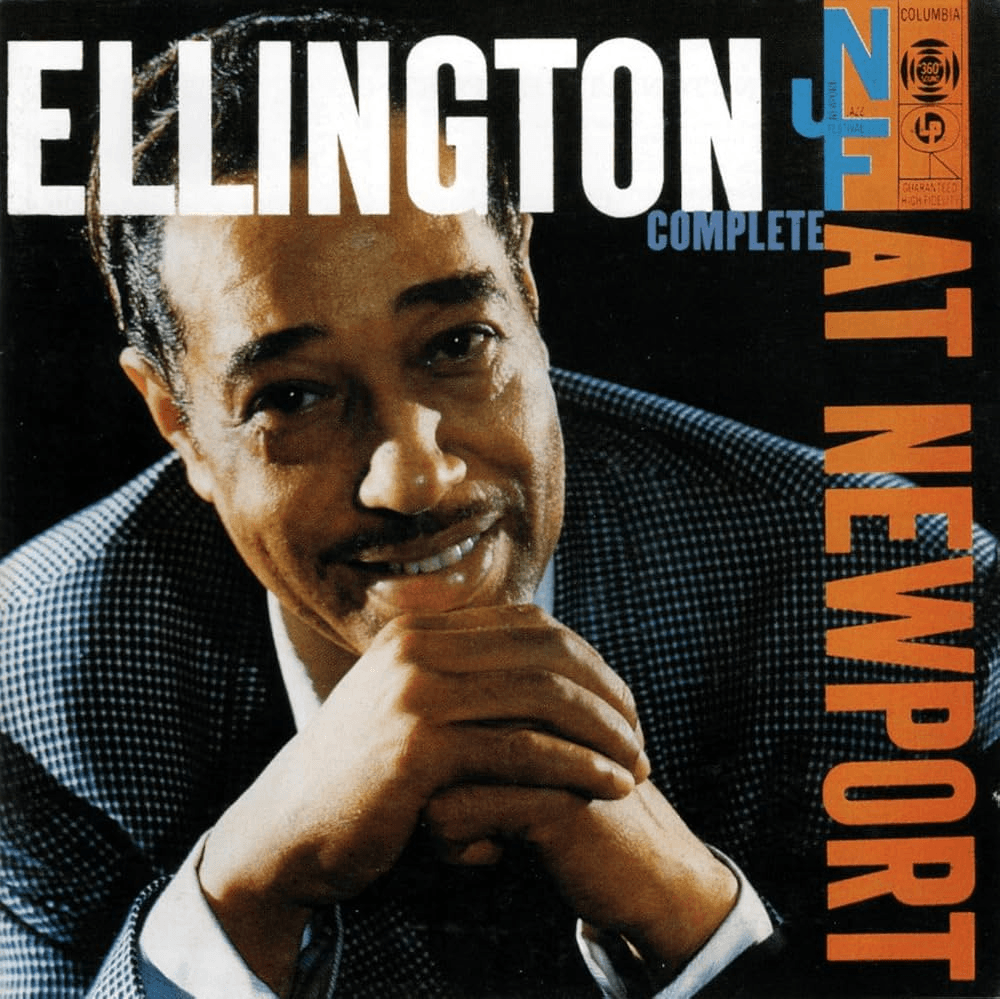
Duke Ellington – Ellington at Newport (1956)
If you’re ready to witness the second spring of a living legend, put on Ellington at Newport right away. By the mid-1950s, the jazz world was brimming with young names, and Ellington had come to be seen as a figure of the past. That is, until he took the stage at the Newport Jazz Festival and made the entire audience rise to their feet. Saxophonist Paul Gonsalves’s solo in Diminuendo in Blue became one of the most unforgettable moments in jazz history. With this performance, Ellington not only revived his own career but also restored the prestige of big band jazz. An energetic album and an immortal document of jazz’s onstage magic.
The Memory of a Century: 25 Archival Records from the History of Jazz
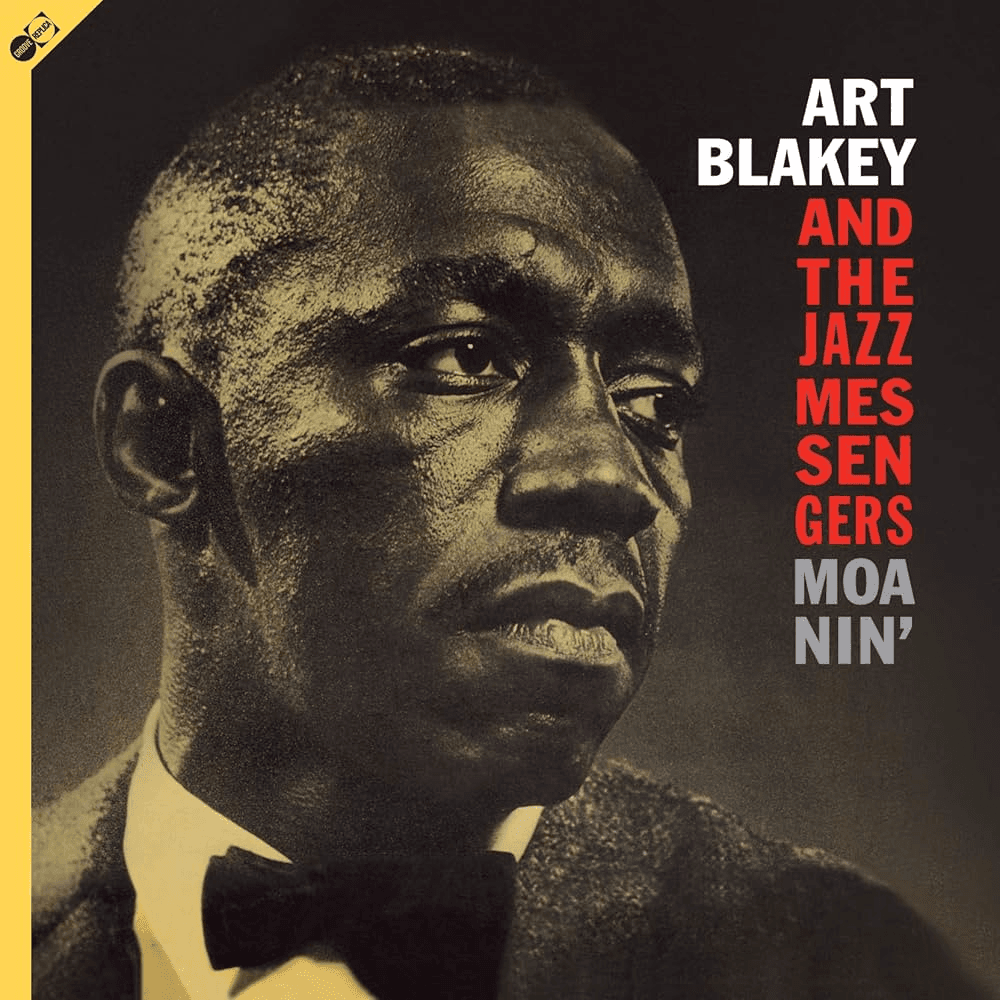
Art Blakey & The Jazz Messengers – Moanin’ (1958)
By the mid-1950s, jazz had become complex, technical, and intellectual with the rise of bebop, ceasing to be music everyone could dance or easily listen to. It had become the music of clubs rather than the streets — until Blakey and The Jazz Messengers brought it back outside with this album. With Lee Morgan’s blazing trumpet, Benny Golson’s melodic intelligence, and Blakey’s drumming that merged anger and joy, the album became the manifesto of hard bop. In this sense, Moanin’ is not just a song but a call — a march where rebellious spirits, blues, and street rhythm become one voice.
The Memory of a Century: 25 Archival Records from the History of Jazz
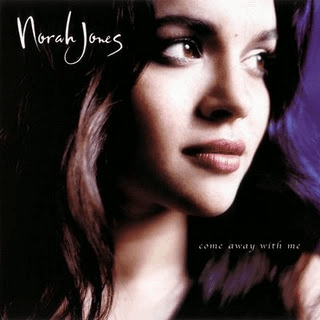
Norah Jones – Come Away With Me (2002)
Norah Jones’s first album released under the Blue Note label was like a quiet revolution in the crowded music scene of the early 2000s. This soft, melancholic voice combined with acoustic guitars and piano succeeded in bringing the intimate, calm, and emotional tones of jazz to a global audience. And there was no showmanship, no grand claim — only a sincere connection built through Jones’s gentle music. The album sold millions worldwide and earned the artist eight Grammy Awards.
The Memory of a Century: 25 Archival Records from the History of Jazz
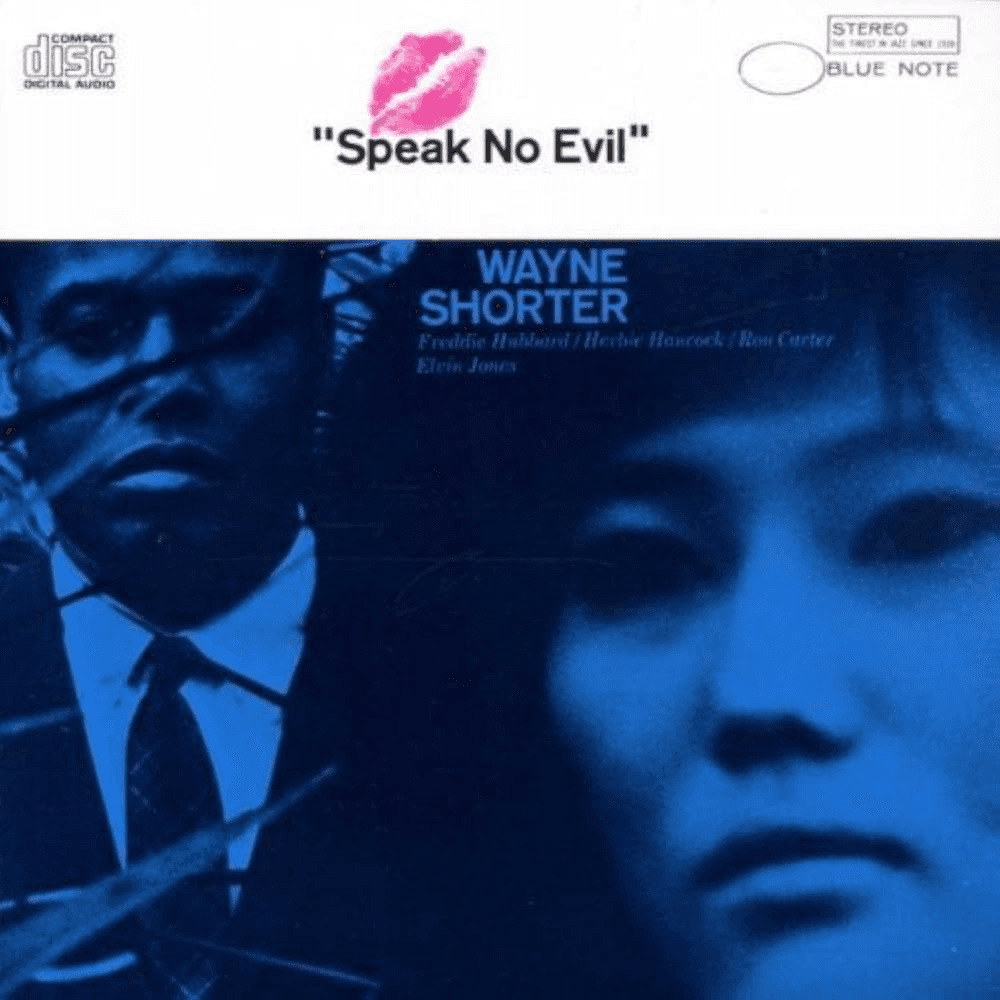
Wayne Shorter – Speak No Evil (1966)
Speak No Evil can be considered one of the most mysterious recordings of modern jazz. Combining the complex intellect of bebop with the freedom of modal jazz, it’s seen as the peak of the post-bop era. Here, Shorter turns music into a language that is not only played but also thought. His compositions are filled with shadows; the melodies sound familiar but are never fully decipherable. On piano, Herbie Hancock; on trumpet, Freddie Hubbard. You’re certain to find a timeless depth within.
The Memory of a Century: 25 Archival Records from the History of Jazz
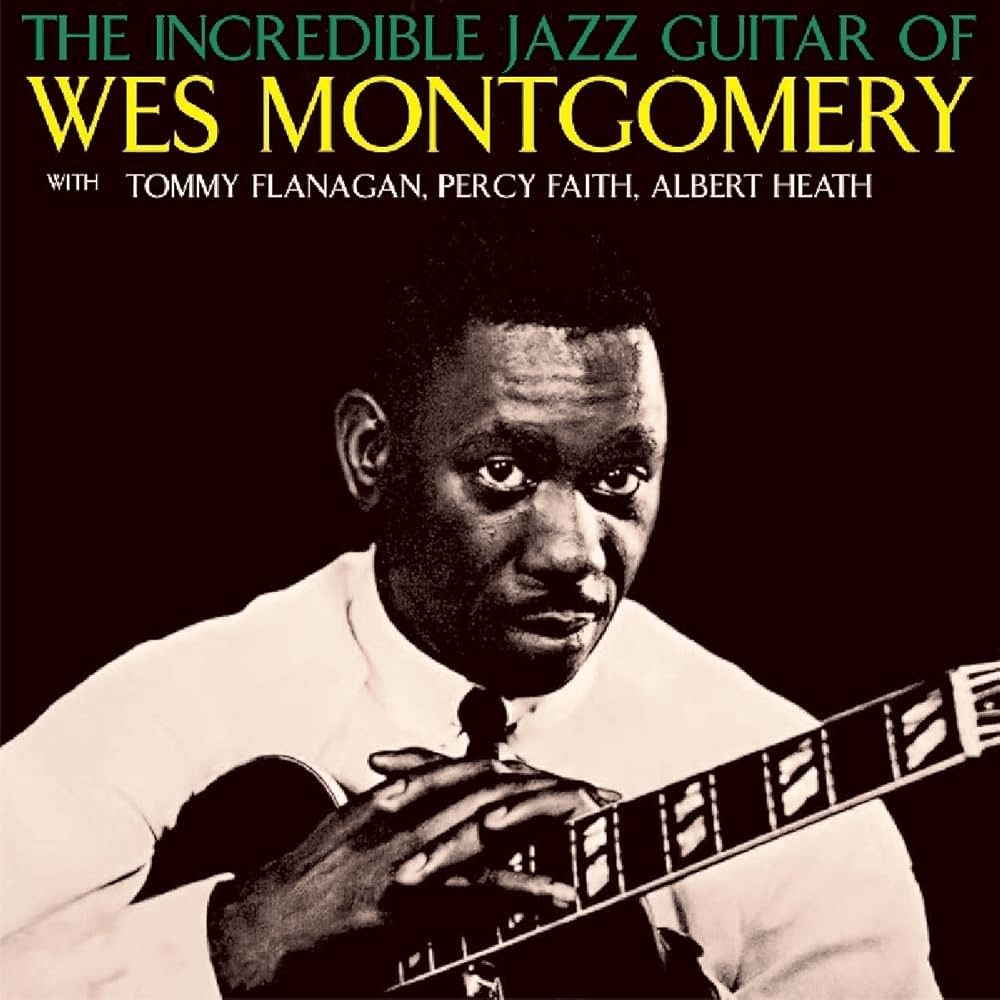
Wes Montgomery – The Incredible Jazz Guitar of Wes Montgomery (1960)
There are certain names that are indispensable to a list like this — but the real challenge lies in choosing which work to represent them. Montgomery is certainly one of these figures. He was one of the first jazz virtuosos to make the guitar speak like a human voice. Using his thumb instead of a pick, he created those soft, velvety tones that changed the character of jazz guitar forever. This album is unquestionably a classic, flawless both technically and emotionally. Although In Your Sweet Way is the most streamed track on music platforms, one should not overlook Four on Six, which is like a masterclass in itself.
The Memory of a Century: 25 Archival Records from the History of Jazz
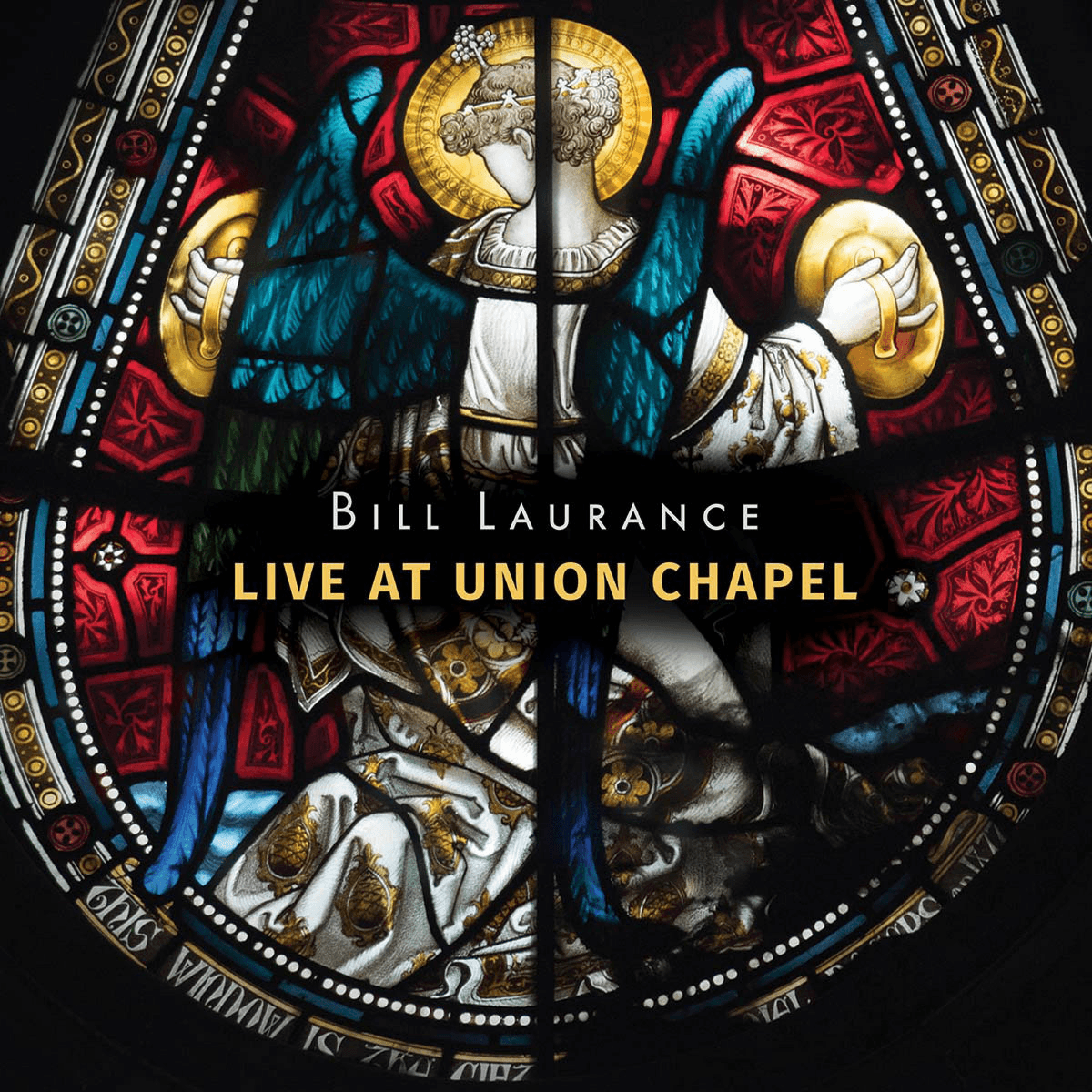
Bill Laurance – Live at the Union Chapel (2016)
In Live at Union Chapel, one of the modern faces of jazz, Bill Laurance, undoubtedly takes music out of the laboratory and into a spiritual space. Recorded in the historic church of Union Chapel in London, this live performance reveals the spellbinding power Laurance creates with his piano in its most unadorned form. Analog synths, ambient textures, and acoustic piano blend with the natural echo of the venue, forming a hypnotic balance. The star of the album is undoubtedly December in New York.
The Memory of a Century: 25 Archival Records from the History of Jazz
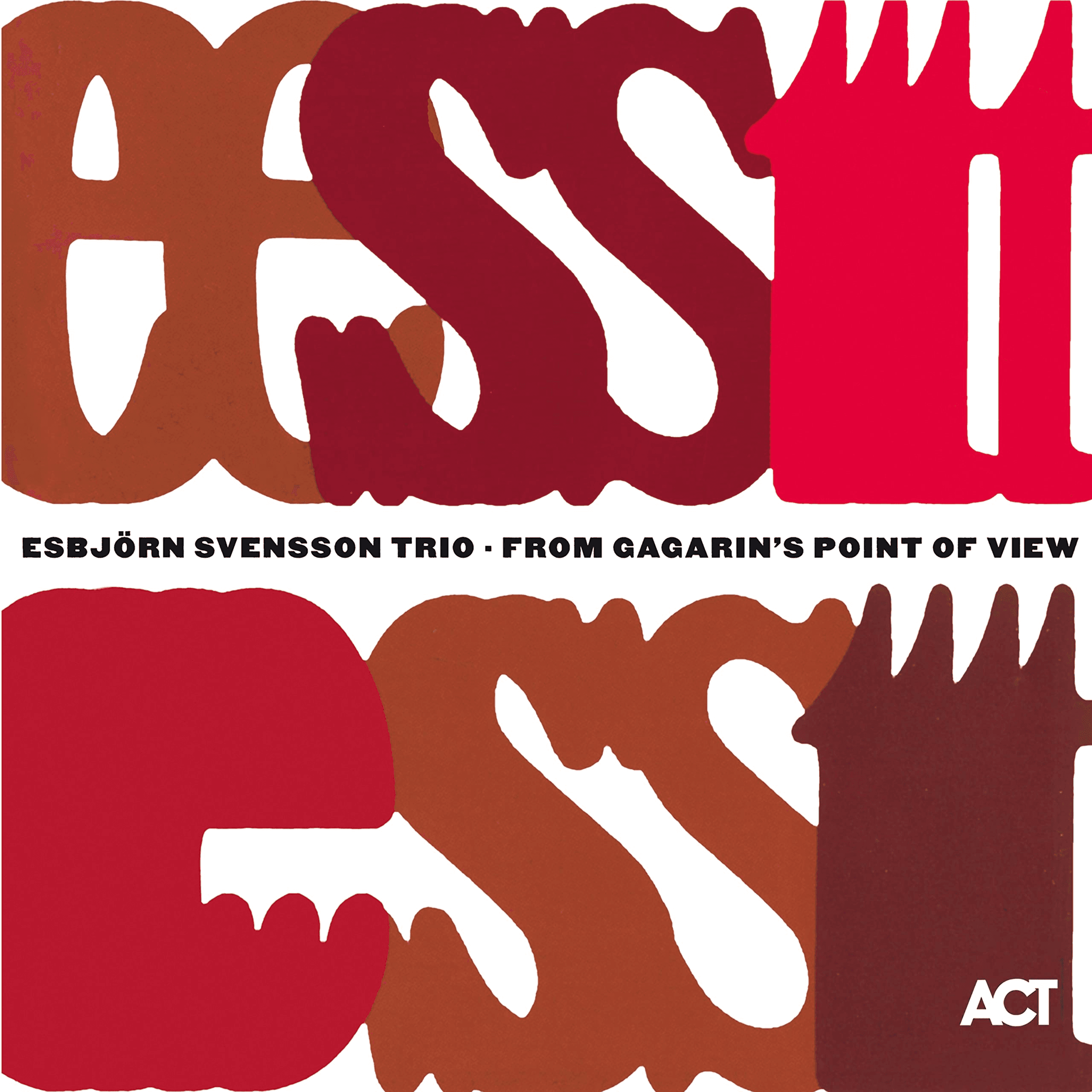
Esbjörn Svensson Trio – From Gagarin’s Point of View (1999)
No such list would be complete without the Esbjörn Svensson Trio. One of the founding members, Esbjörn Svensson, remains perhaps one of the most painfully unfinished stories in music—an artist whose depth felt inexhaustible. His untimely death in 2008 left an irreplaceable void, not only for the trio but for the entire jazz world. Together with his longtime collaborators Magnus Öström and Dan Berglund, Svensson helped shape what we now recognize as the defining language of Nordic jazz. Their 1999 release From Gagarin’s Point of View is widely regarded as the album that carried the trio onto the global stage. From the title track onward, the record unfolds with a distinctly cinematic atmosphere. Here, Svensson leans away from sheer virtuosity, instead arriving at a rare equilibrium—one that fuses the austere solitude of the North with the quiet intensity of an inner emotional world. Recorded by Öström and Berglund in 2024, the tribute album e.s.t. 30 carries the legacy of this legendary trio into the present, reframing it through a contemporary lens.
The Memory of a Century: 25 Archival Records from the History of Jazz
Christian Scott aTunde Adjuah – The Emancipation Procrastination (2017)
First, a reminder: Christian Scott aTunde Adjuah is no more. He is now Chief Xian aTunde Adjuah. To understand his music, one must first grasp this journey of identity. The Emancipation Procrastination, the closing part of his 2017 trilogy, coincides with the period when this quest reached its maturity. It is a series of works where the trumpet transforms from an instrument into a vessel of memory. Adjuah stretches from his New Orleans roots to the African diaspora, pursuing not political but spiritual freedom, presenting it as a kind of musical ceremony. With every note, he reconciles past and present, liberating not only melodies but the sound of memory itself.
The Memory of a Century: 25 Archival Records from the History of Jazz
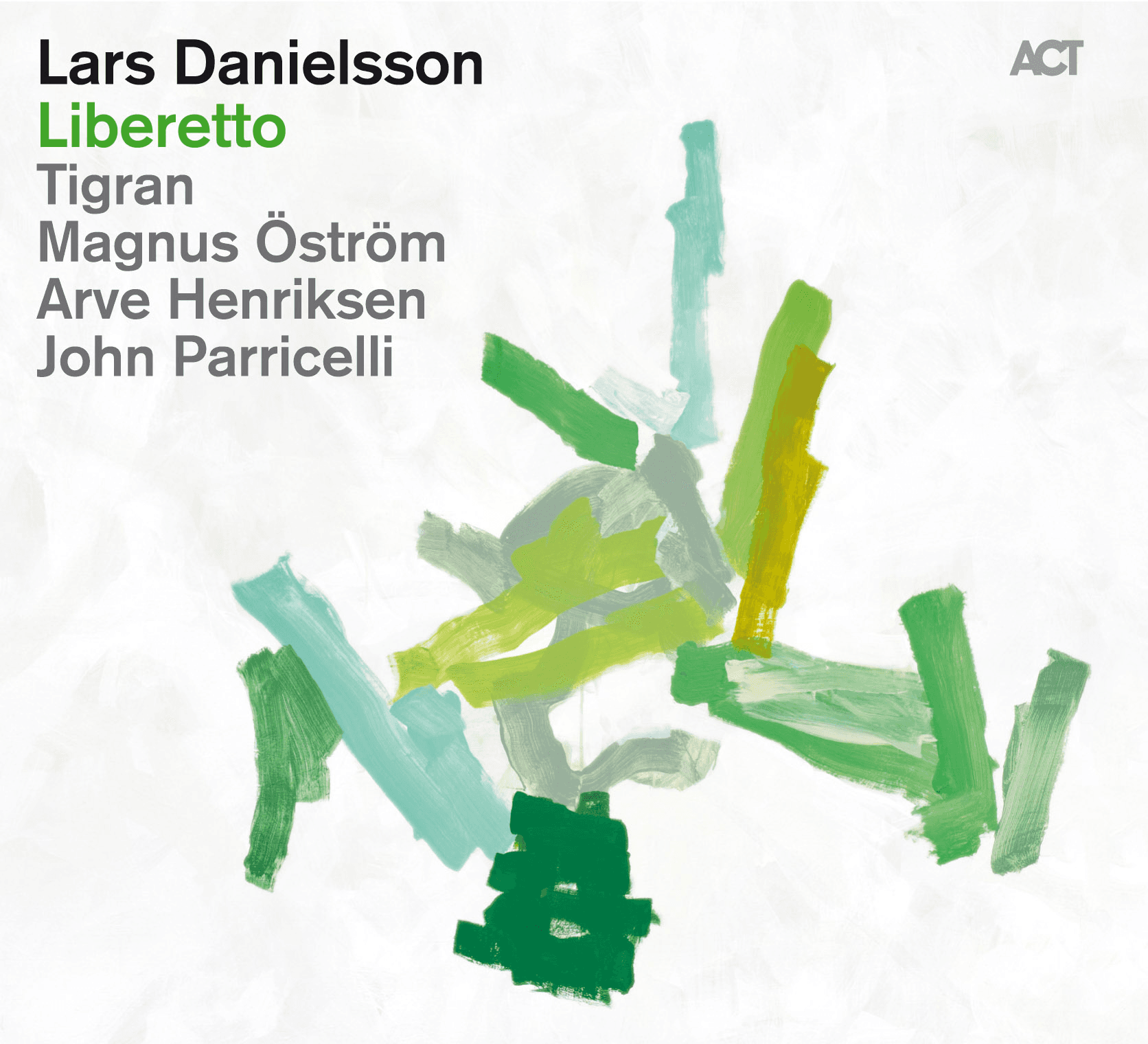
Lars Danielsson – Liberetto (2012)
Choosing a single album by Danielsson is a difficult task, as every one of his records, every concert, every composition is a journey of the mind in itself. He is one of the most emotional figures of Scandinavian jazz. Liberetto represents the most touching moment in his story. In this recording, Danielsson — who has freed jazz from virtuosity and carried it into a human realm — plays alongside Magnus Öström, Tigran, and John Parricelli. The 2014 follow-up, Liberetto II, takes that lingering story somewhere entirely new. It’s worth noting that the piece Grace is dedicated to Esbjörn Svensson. With its fragile melody, it is one of the most heartfelt elegies ever written for a friend.
The Memory of a Century: 25 Archival Records from the History of Jazz
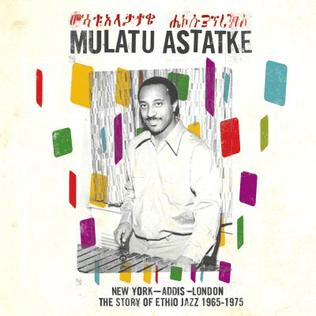
Mulatu Astatke – The Story of Ethio Jazz (1969)
We return to 1969. Recorded in Addis Ababa, this album is one of the most enduring marks left by Ethiopian composer and vibraphonist Mulatu Astatke on the history of jazz. By blending the harmonic structure of Western jazz with Ethiopia’s traditional pentatonic melodies, he introduced the world to an entirely new genre: Ethio-jazz. Tracks like Yekermo Sew, Mulatu, and Dewel stand among the most essential works of this style. For that reason, this record shouldn’t be seen merely as a compilation; it feels as though we’re witnessing the moment when African jazz discovered its identity.
The Memory of a Century: 25 Archival Records from the History of Jazz
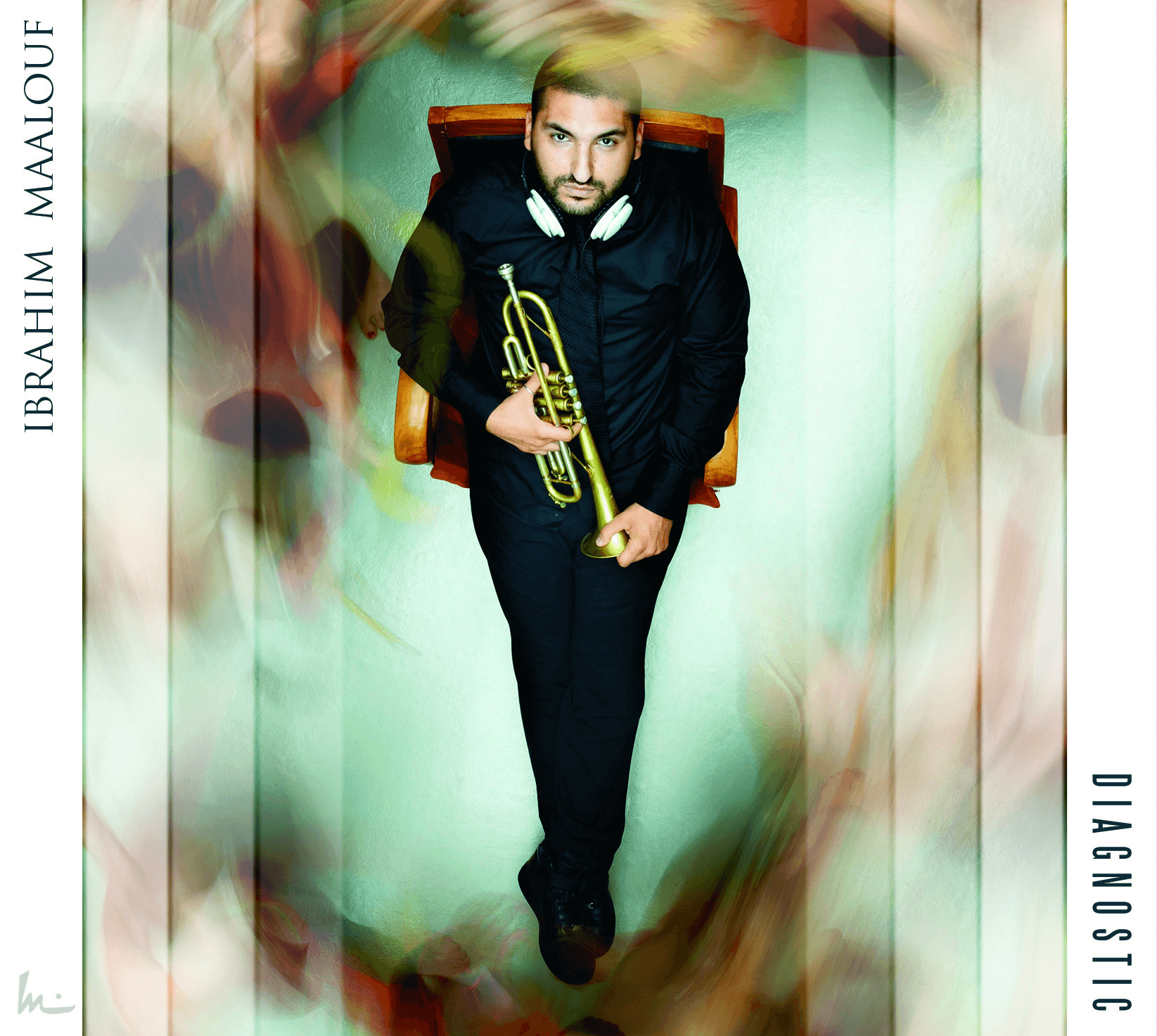
Ibrahim Maalouf – Diagnostic (2011)
Over the years, you’ve probably felt that familiar ache in your heart while listening to one of his pieces. That’s because he uses the fusion of Arabic maqam scales and classical jazz improvisation like a key — unlocking untouched corners of the human soul. Born in Paris and raised in the shadow of Beirut, this trumpet virtuoso’s Diagnostic can be considered the starting point of his story. It’s a recording where the trumpet doesn’t just speak — it cries, shouts, and becomes the voice of passion.
The Memory of a Century: 25 Archival Records from the History of Jazz
Of course, the story doesn’t end with these 25 albums. Some will sound familiar, some will surprise, and some may never be fully understood — yet countless others continue beyond this list. As long as you lend your ear to the wind of jazz, the route keeps changing, opening up to universes you never knew existed.
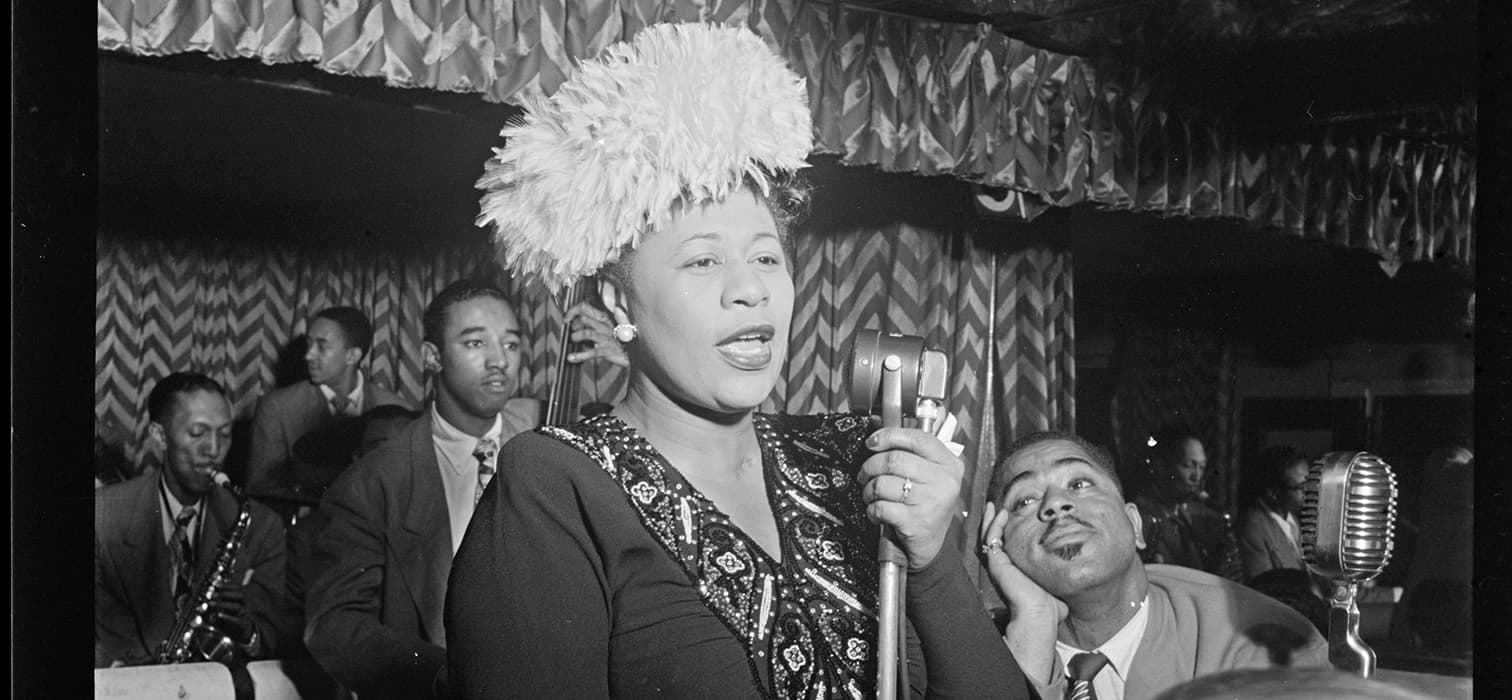
Cover photo: William P. Gottlieb / Ira and Leonore S. Gershwin Fund Collection, Music Division, Library of Congress.
Saatolog Yıllık Saat Dergisi Saatolog’un yeni sayısı, 2020’nin yarattığı bu dönüştürücü etkiden ilham alarak hazırlandı. Dünya dijitalin etkisiyle her zamankinden de hızlı bir şekilde ilerlerken yavaşlamanın da önemini sonunda kavramış bulunuyoruz ve bu tezatlık hayatlarımızın her anına etki ediyor. Biz de bundan yola çıkarak Saatolog 2020/21 sayısını ‘‘hızlı ve yavaş’’ teması altında hazırladık.