🌑--:--TR


The same defiance flickers in Miles Davis’s piercing gaze that once froze an audience mid-breath, in the chilling silence Billie Holiday conjured with Strange Fruit, and in the Harlem nights when Parker and Gillespie ignited a fire in young musicians. Jazz clubs were never simply places to perform; born under the weight of prohibition and censorship, they became sanctuaries where forbidden notes spilled out of half-closed doors and spread into the world like whispers of freedom. On these cramped stages, the unspoken found its voice, and legends etched themselves into history not only through their music but also through the unforgettable moments that unfolded in real time.
At New York’s Village Vanguard, you can still feel Miles Davis’s presence. One night, annoyed by the murmurs of distracted listeners, he stopped mid-performance, turned his icy glare on the crowd, and asked, “Are we going to listen to you, or are you going to listen to us?” The room fell silent at once, and in that instant, his uncompromising stage discipline became legend.
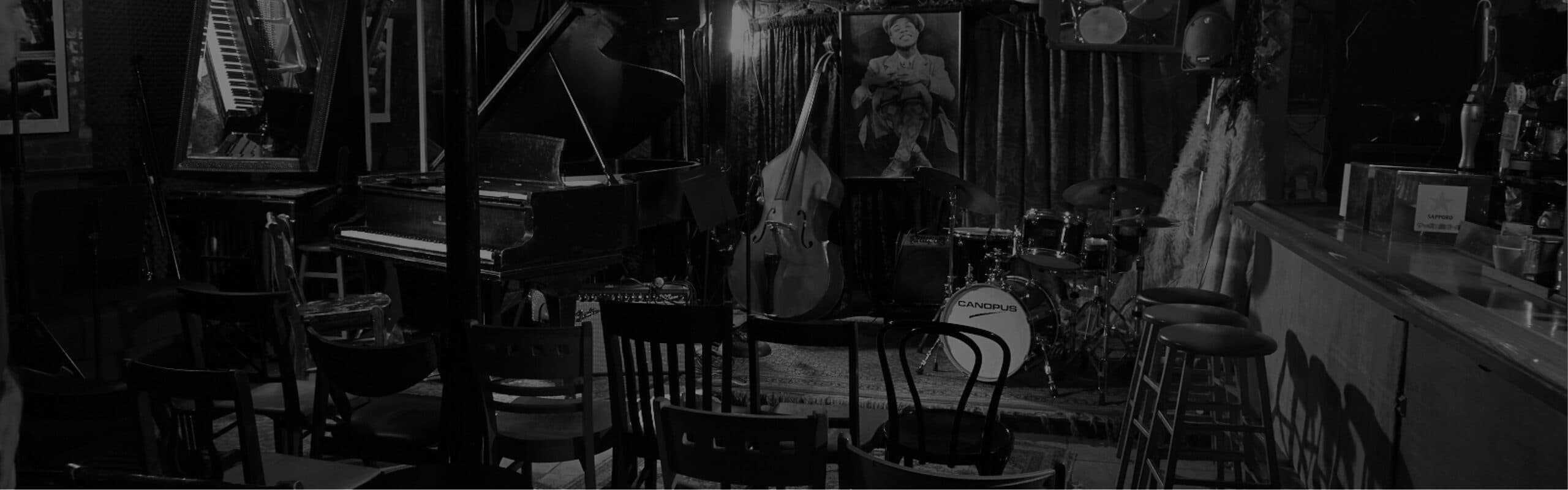
Café Society, meanwhile, was the birthplace of one of the most powerful performances in jazz history. In 1939, Billie Holiday stood beneath the spotlight and sang Strange Fruit for the very first time. The haunting lyrics floated through the room, and when the final note dissolved, silence lingered like a wound. No one dared to clap. That night, jazz was no longer only music—it was transformed into a manifesto, a raw outcry of grief, rage, and resistance.
And then there was John Coltrane at the Village Vanguard in 1961. Playing in that low-ceilinged, wedge-shaped basement room, his tenor saxophone roared with such force and resonance that it filled every corner of the space. Those performances were later immortalized on the album “Live at the Village Vanguard.” The sound wasn’t just music; it was an earthquake of expression.
Stories like these reveal why jazz clubs are so much more than fixtures of nightlife. They are monuments to freedom, places where art defied its limits and left behind echoes that still vibrate in the collective memory of humanity. Today, these legendary clubs continue to attract music lovers from around the globe. Whether in the cradle of jazz in New Orleans, the smoky basements of Paris, the timeless stages of New York, or the rising jazz scene of Istanbul, these venues keep the spirit of rebellion and beauty alive—one note at a time.
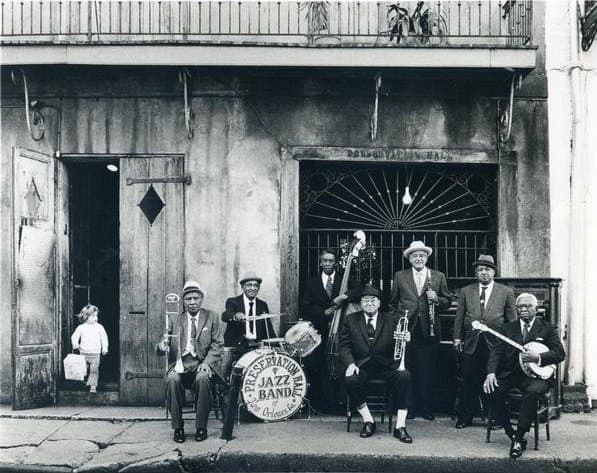
Since 1961, Preservation Hall has stood in the heart of New Orleans’ French Quarter as a sanctuary for classic New Orleans jazz. Housed in a timeworn historic building, the club is famed for its stripped-down, authentic atmosphere—no frills, no distractions, only the music. From the beginning, its mission has never been about commercial gain but about safeguarding the city’s jazz heritage. Legends such as Sweet Emma Barrett, Louis Armstrong’s pupil; trumpeter Kid Thomas Valentine; clarinetist George Lewis; and banjoist Lawrence Marrero have all filled the hall with their sound.
Today, more than six decades later, it still unites seasoned masters with emerging talents on its intimate stage every evening, carrying forward the rhythms and spirit of New Orleans. Among musicians and fans alike, Preservation Hall is more than a venue—it is revered as a true “temple of jazz.”
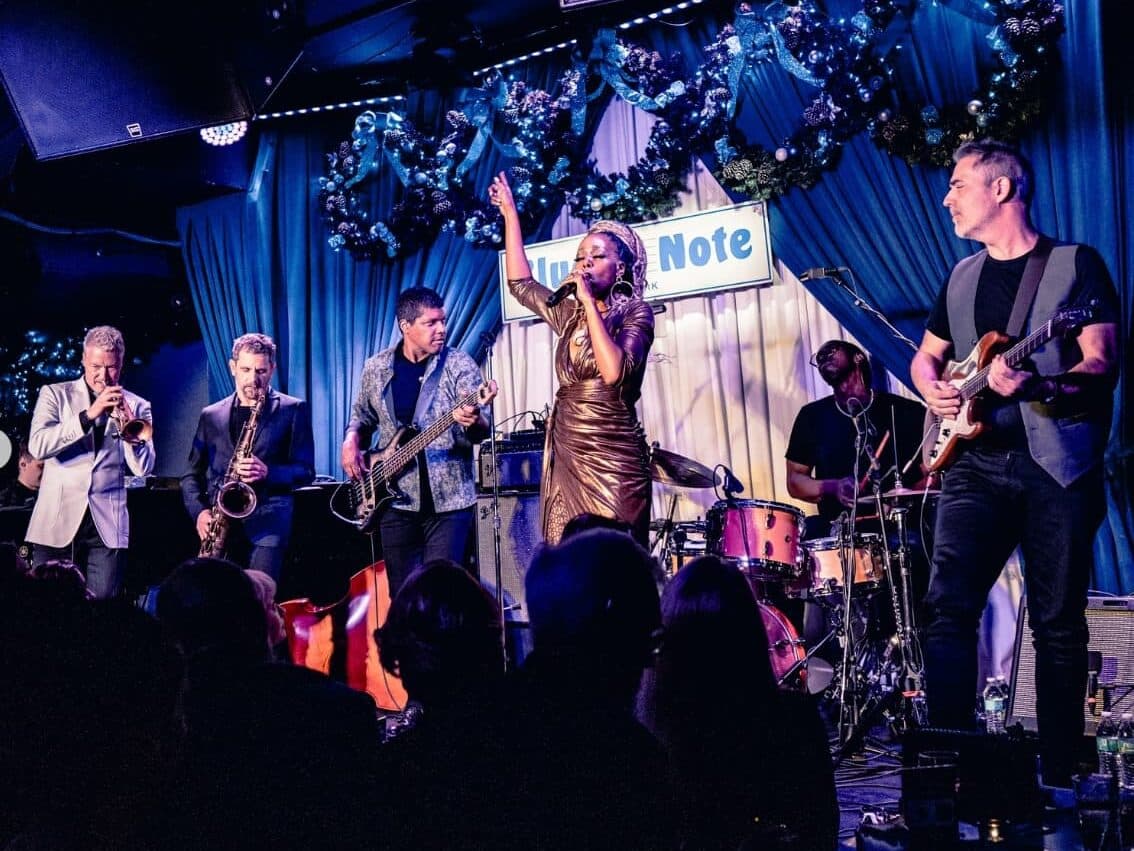
Nestled in Greenwich Village since 1981, Blue Note has become synonymous with modern jazz. With a capacity of just 200, its charm lies in its closeness: the stage sits almost at the audience’s feet, and the tightly packed tables make every performance feel electric. Here, the music isn’t just heard—it’s felt. When Herbie Hancock’s fingers dance across the piano or Chick Corea’s improvisations spiral through the air, the intimacy magnifies every note. Founder Danny Bensusan created the club with a mission to make jazz accessible beyond the elite, and that inclusive spirit still pulses through its walls. An evening at Blue Note isn’t just a concert—it’s a vivid expression of New York’s cultural heartbeat.
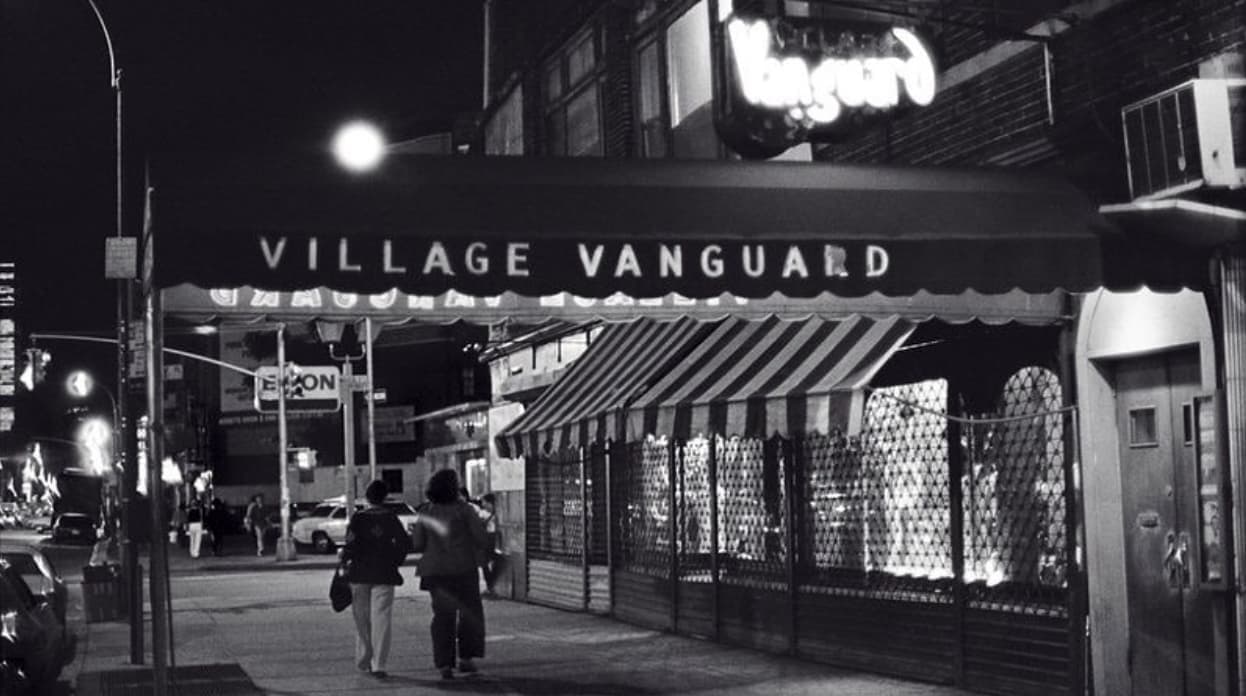
Few places embody jazz history like the Village Vanguard. Opened in 1935 by Max Gordon, this triangular basement venue is world-renowned for its unique acoustics and storied past. With only 120 seats, it has hosted some of the most iconic performances ever recorded—John Coltrane’s Live at the Village Vanguard and the timeless sessions of the Bill Evans Trio among them.
Entering the dimly lit room, with vintage posters lining the walls, is like stepping back in time. Yet the music is never frozen in history: every night, the artists on stage create moments that feel both rooted in tradition and startlingly new. Its scale may be small, but the emotional impact of a live performance here often eclipses even the grandest festival halls.
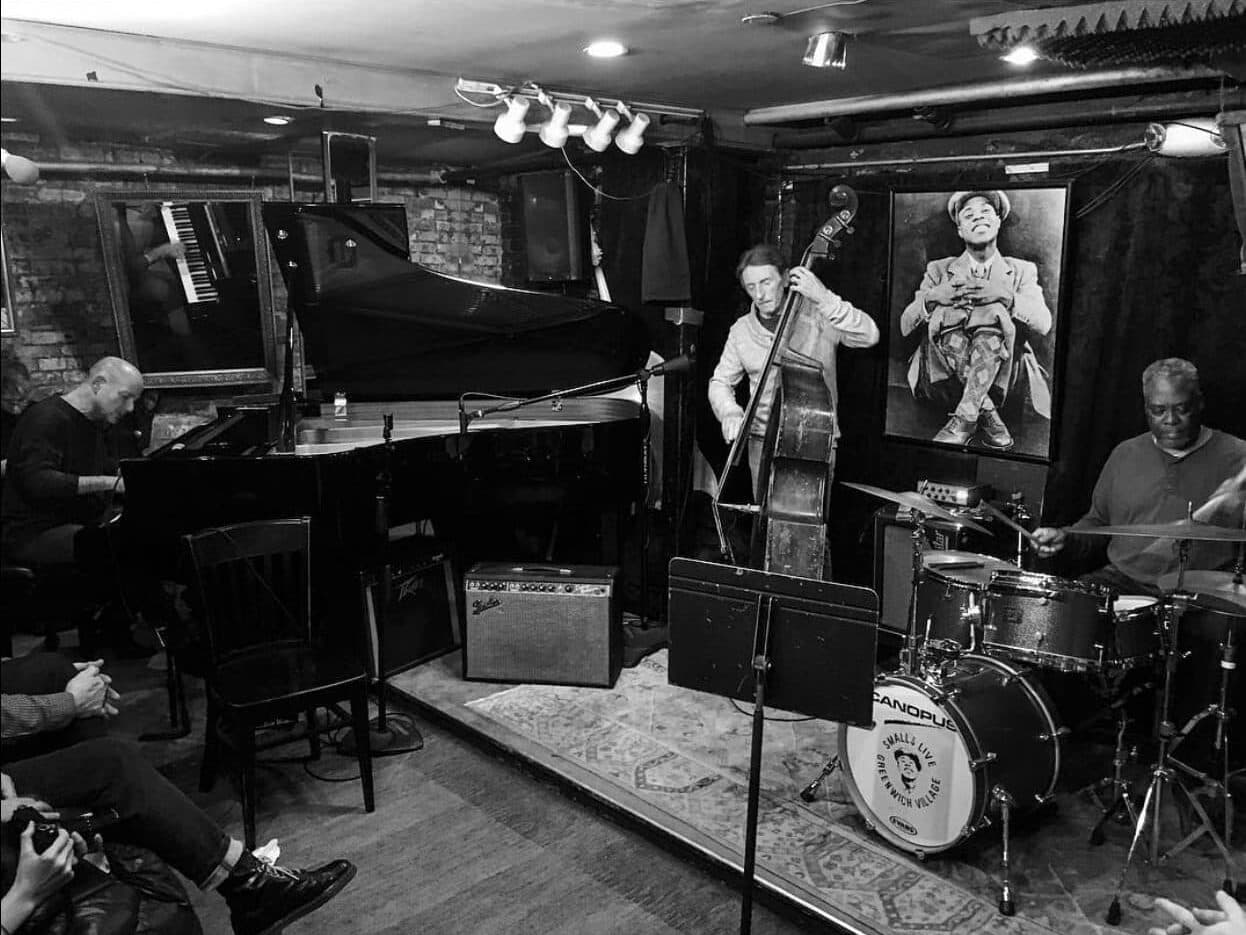
Since opening its doors in 1994, Smalls has embodied the raw, underground energy of Greenwich Village’s jazz scene. Tucked away in a narrow basement and seating only about 80 people, it thrives on late-night jam sessions that often stretch until dawn. Smalls is less a polished venue than a living organism, constantly reinventing itself with each performance. Its magic lies in spontaneity: stories abound of greats like Roy Hargrove stepping in unannounced to join young musicians on stage, blurring the lines between legend and newcomer. For those who descend the club’s stairs, Smalls offers not just music but an atmosphere of intimacy and discovery—an ever-changing heartbeat of the city’s jazz underground.
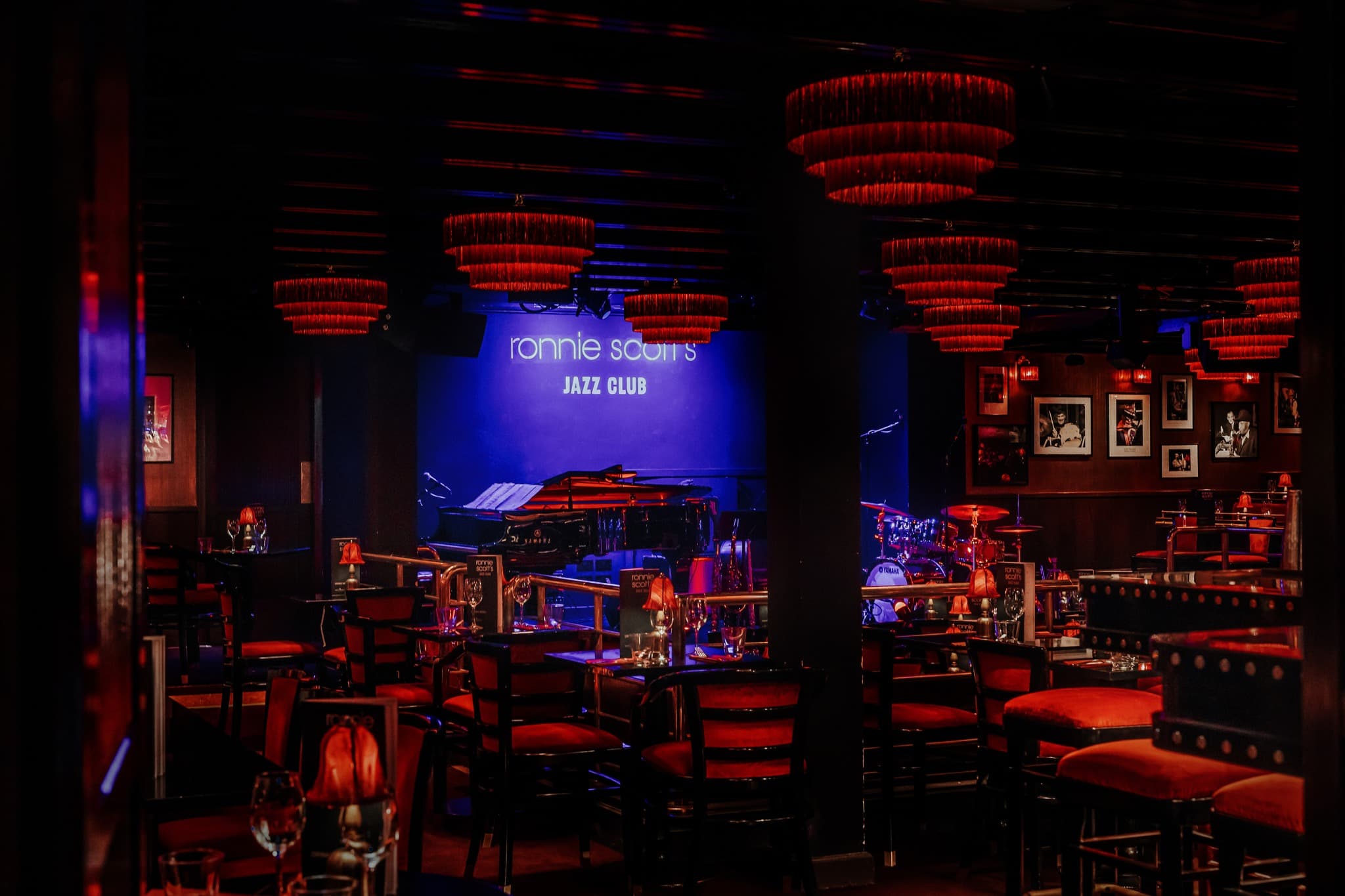
Across the Atlantic, Ronnie Scott’s has been at the center of London’s jazz life since 1959. Founded by saxophonist Ronnie Scott, the club has long been a bridge between the city’s own scene and the wider international stage. With its plush red velvet interiors, buzzing bar, and 250-seat capacity, it achieves the rare balance of exclusivity and intimacy. Over the years, it has welcomed legends such as Miles Davis, Ella Fitzgerald, Chet Baker, and Nina Simone, while also championing fresh new talent. Today, Ronnie Scott’s continues to draw devoted jazz lovers to Soho, offering a timeless space where history, sophistication, and creativity share the spotlight.
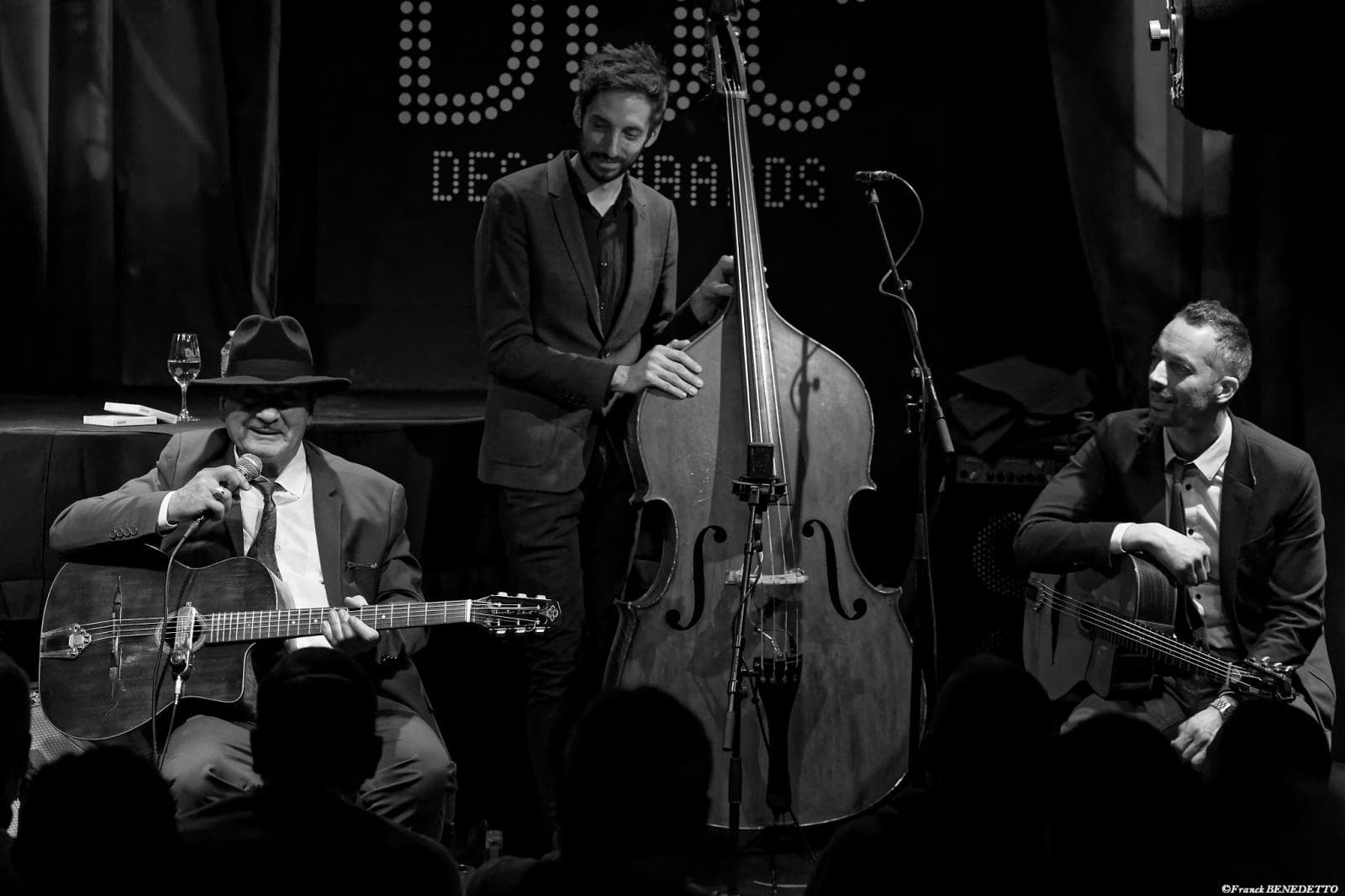
Since opening its doors in the 1980s, Duc des Lombards has been one of Paris’s most beloved jazz sanctuaries. Nestled in the heart of the city, this intimate 120-seat venue offers the kind of closeness where an artist’s breath seems to mingle with that of the audience. Its stage welcomes both rising stars of the French jazz scene and international masters, with names like Brad Mehldau and Roy Haynes among its past performers. More than just a club, Duc des Lombards has become a cornerstone of Parisian nightlife, proving night after night that jazz remains a living, universal language.
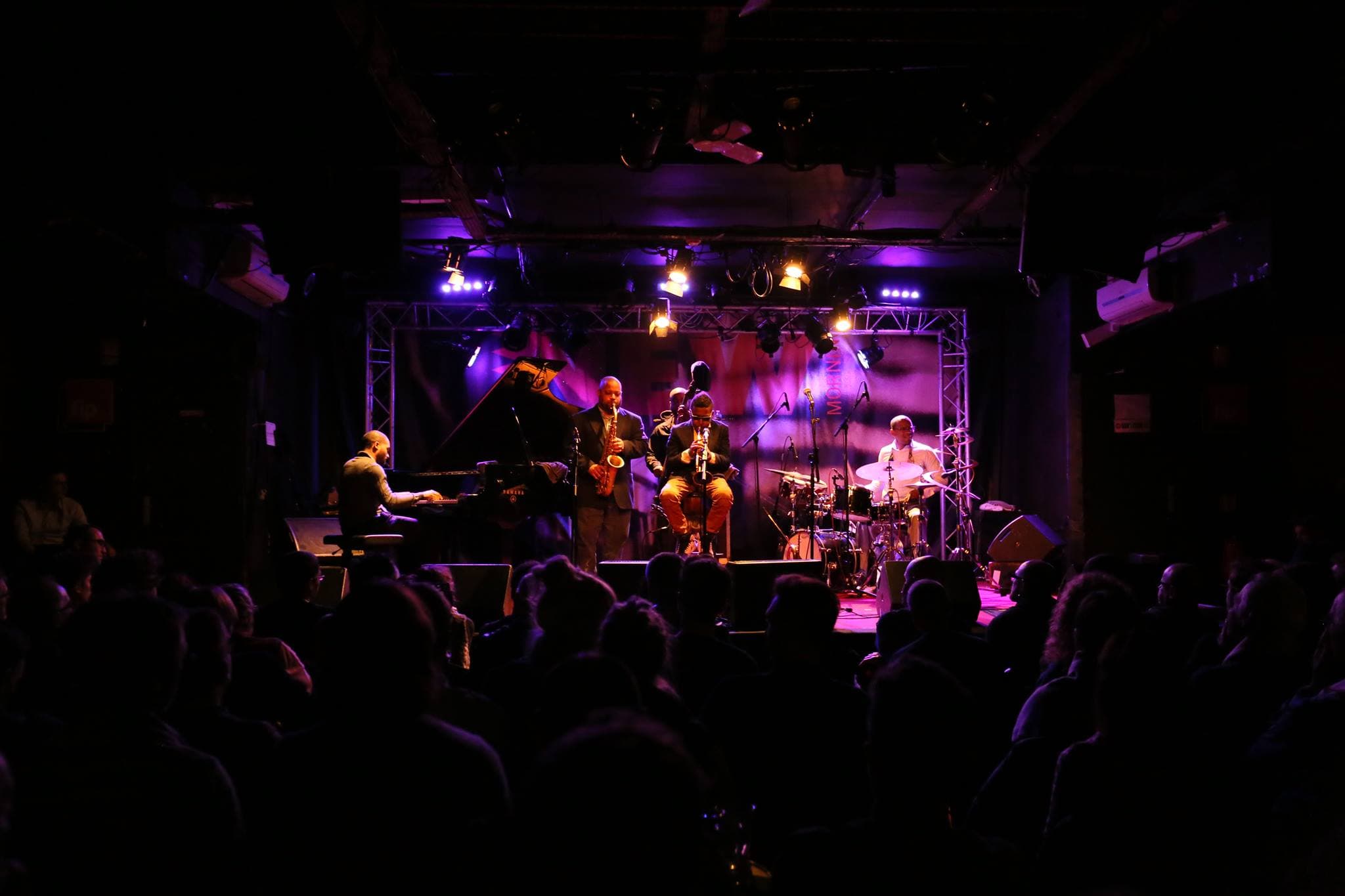
Since 1981, New Morning has been a stronghold for jazz, blues, and world music in Paris. With a capacity of 500, it’s larger than many other clubs, yet its warm lighting and industrial-chic décor give it the feel of an intimate gathering. Dizzy Gillespie, Stan Getz, B.B. King, and Pat Metheny are just some of the legends who have graced its stage, cementing its reputation as a must-visit destination. Known for its eclectic programming and welcoming atmosphere, New Morning continues to be a cultural hub where jazz lovers from around the world converge.
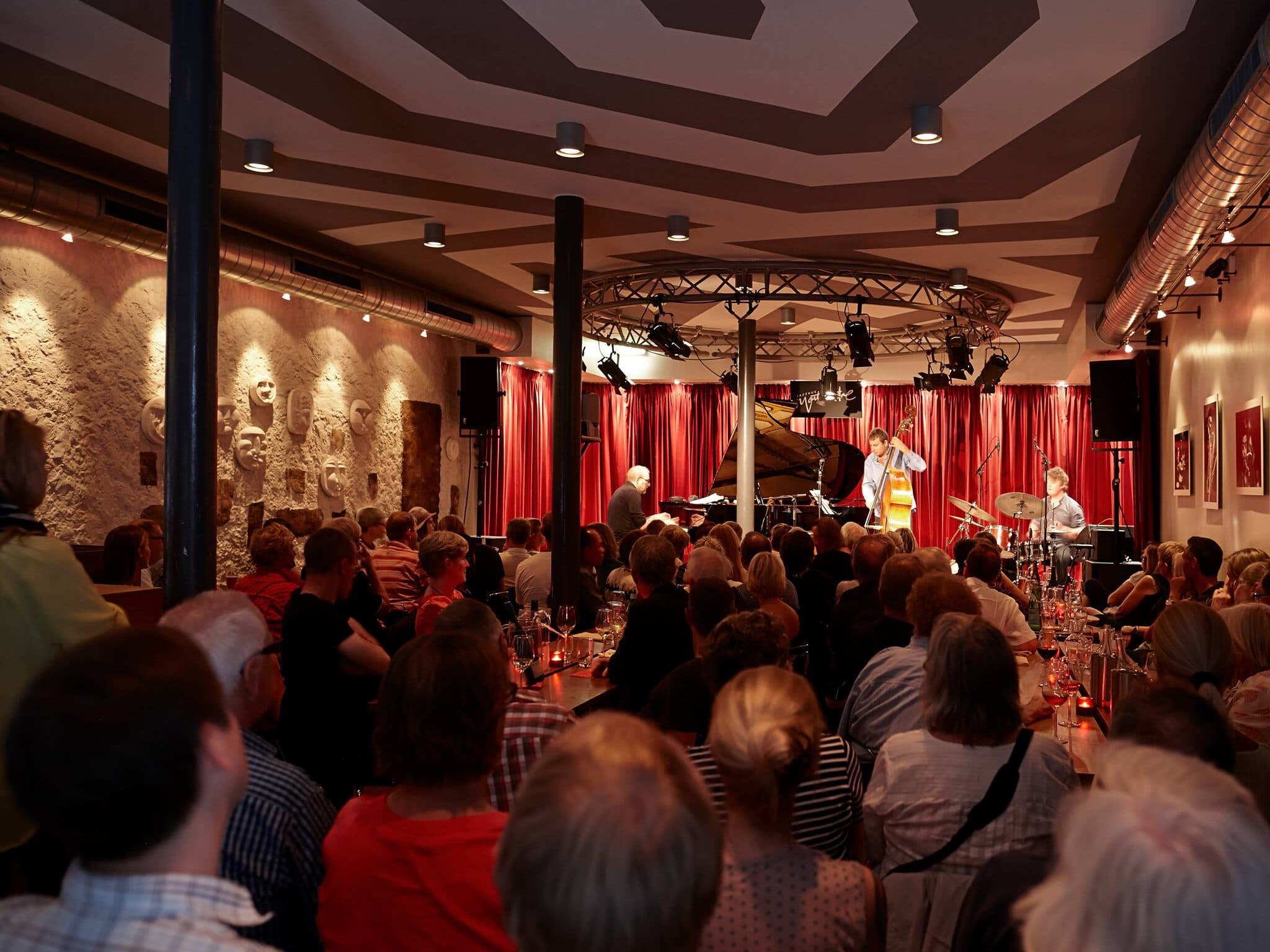
When Jazzhus Montmartre opened in 1959, it quickly became a second home for American jazz musicians in Europe. Dexter Gordon and Ben Webster not only performed here for years but also made Copenhagen their adopted home. With its intimate 150-seat space, the club radiates the bohemian spirit of the city while also marking the birthplace of Nordic jazz. More than just a stage, Jazzhus Montmartre holds a unique place in European jazz history as a bridge between artists and audiences, fostering a dialogue that still resonates today.
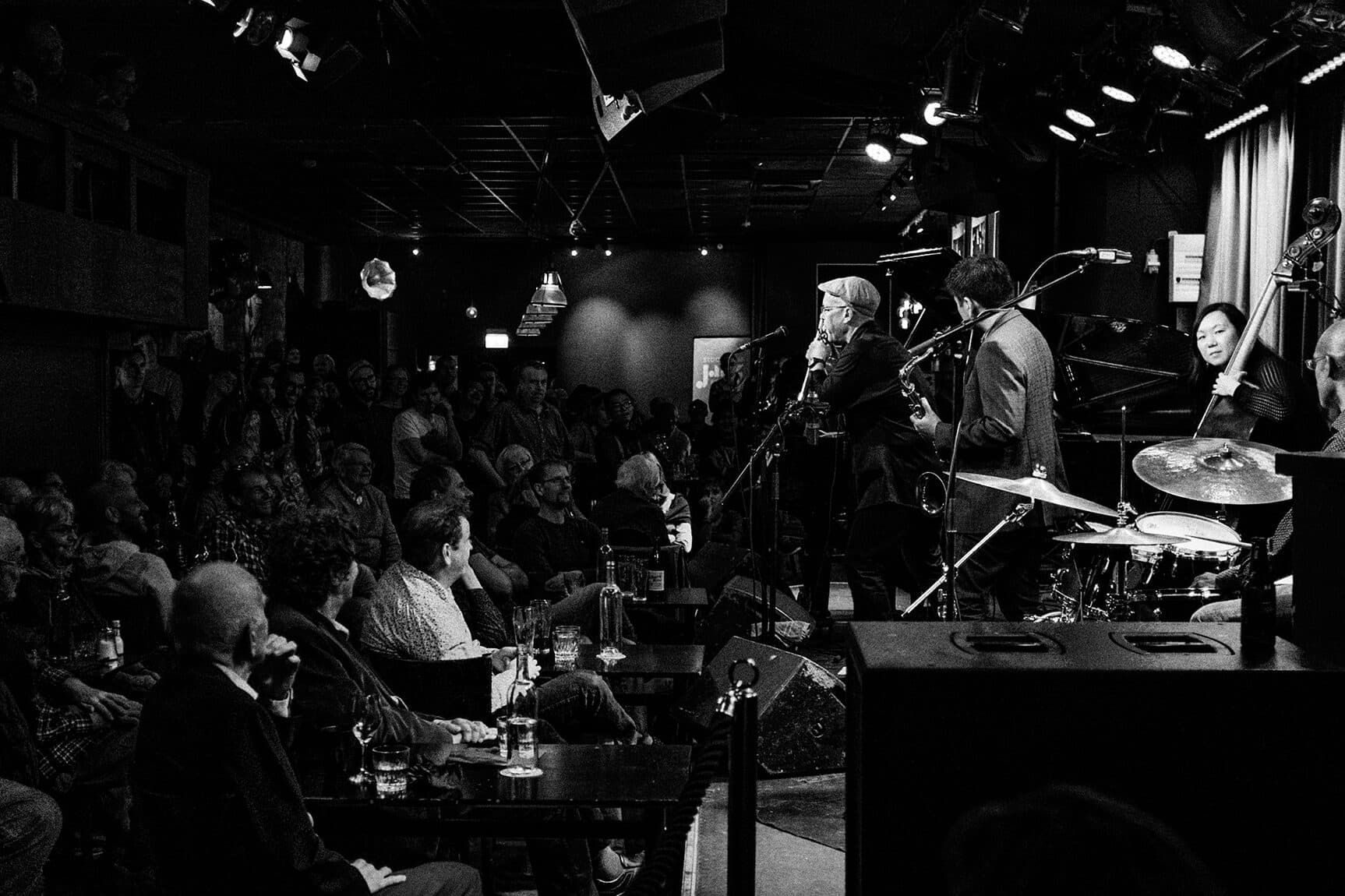
Since 1977, Fasching has been Scandinavia’s most important jazz venue. With its 350-seat hall, long bar, and inviting design, it balances intimacy with energy. Icons such as Jan Garbarek and the Esbjörn Svensson Trio have left their mark on its stage, while late-night jam sessions and parties keep its spirit vibrant well into the early hours. Fasching isn’t just a club—it’s a cultural institution where Stockholm’s music lovers gather to celebrate jazz in all its forms.
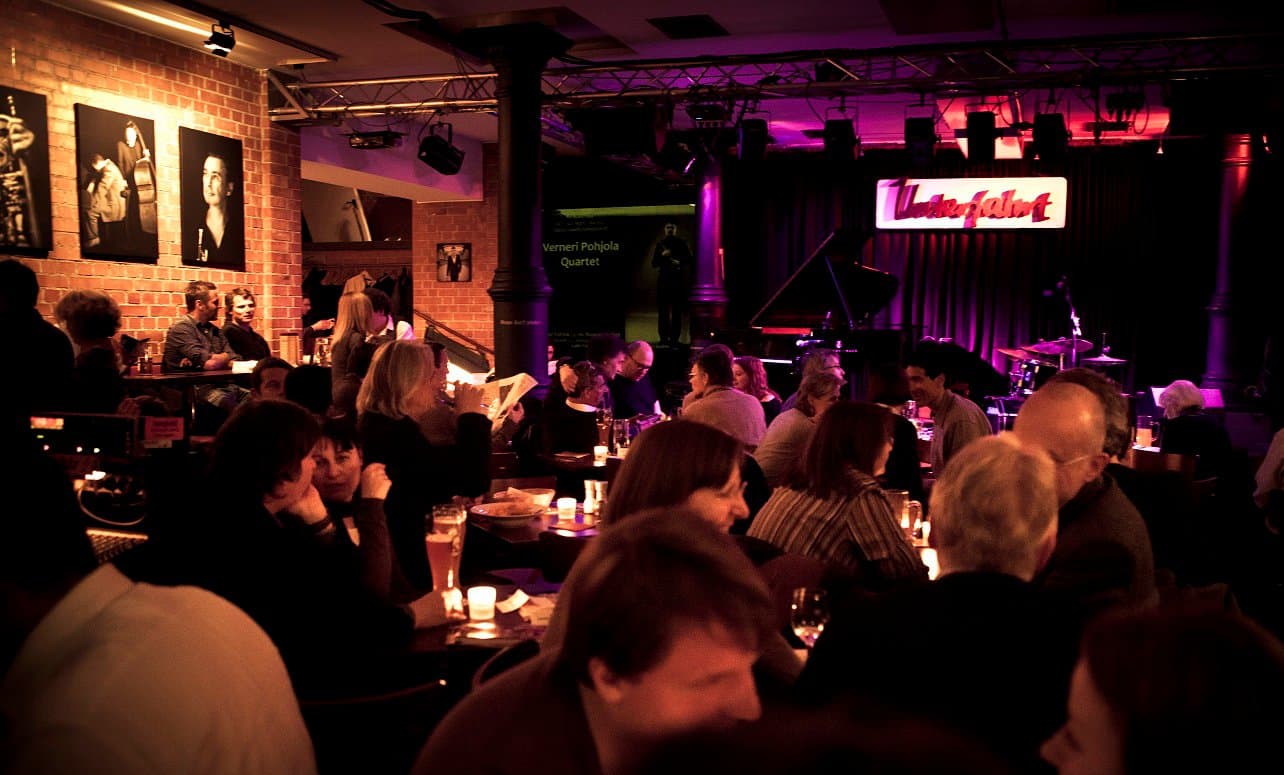
Founded in 1978 as a student initiative, Unterfahrt has grown into one of Germany’s leading jazz venues. Its 200-seat hall combines warmth with excellent acoustics, drawing both international masters and local talents. Over the decades, Charles Lloyd, Enrico Rava, and Abdullah Ibrahim have all performed here, adding to its prestige. With its steady calendar of concerts and a welcoming atmosphere, Unterfahrt stands as a vital pillar of Europe’s jazz network.
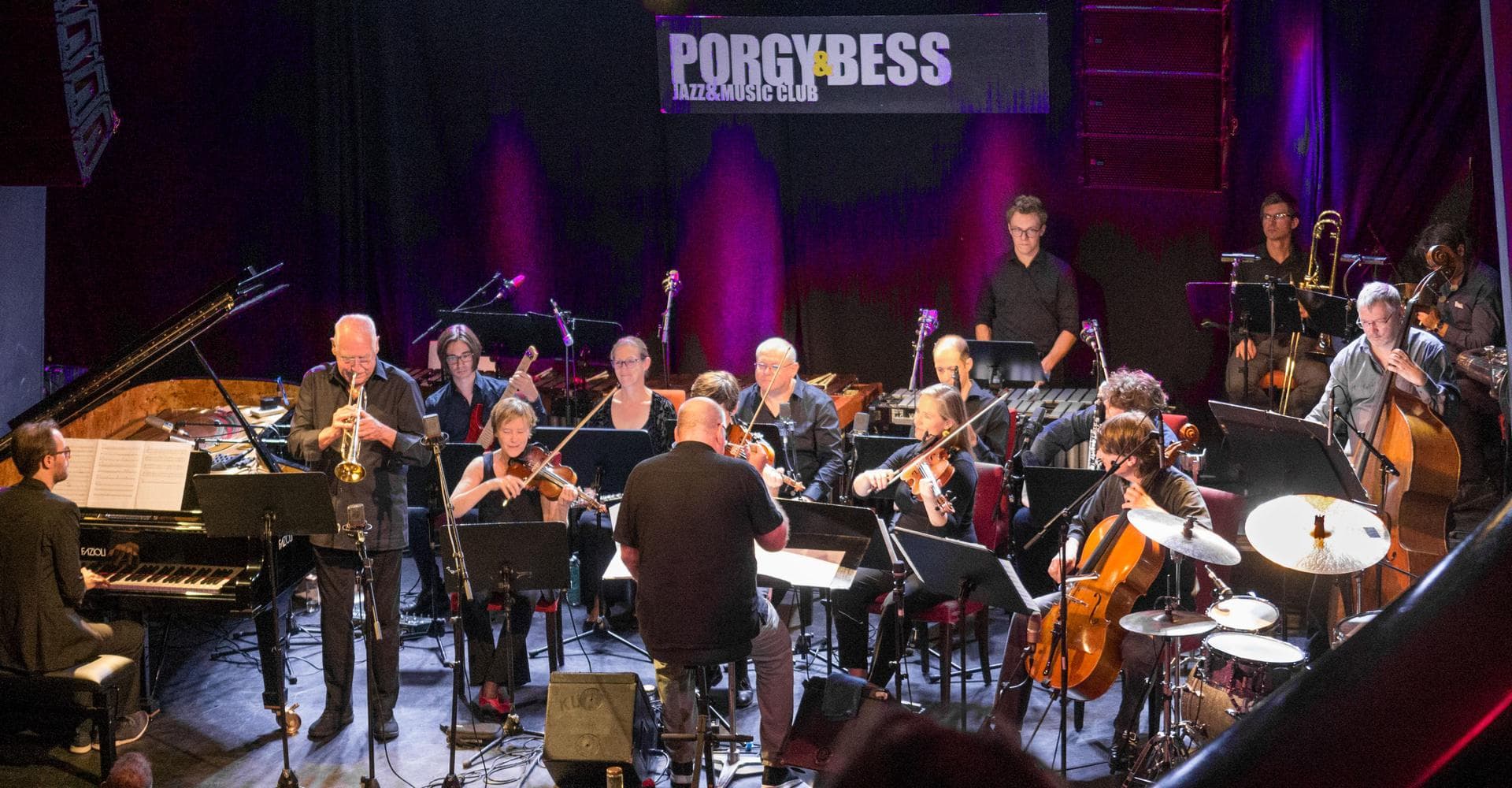
Since 1993, Porgy & Bess has been a contemporary landmark on Vienna’s cultural map. Its modern 300-seat hall, flawless acoustics, and thoughtful programming have made it one of the continent’s most prestigious jazz venues. Legends such as Chick Corea, Dee Dee Bridgewater, and Joe Zawinul have performed here, alongside bold new voices pushing the genre’s boundaries. For those seeking both sophistication and experimentation, Porgy & Bess remains an essential stop in Europe’s jazz journey.
With its striking glass façade overlooking the IJ River, Bimhuis is as much an architectural icon as it is a jazz institution. Founded in 1974, its 300-seat hall is renowned for both its acoustics and its breathtaking views. Over the years, Charles Mingus, Art Blakey, and Archie Shepp have filled its space with unforgettable performances. Today, Bimhuis continues to serve as the beating heart of Dutch jazz, embracing everything from classic concerts to daring experimental projects.
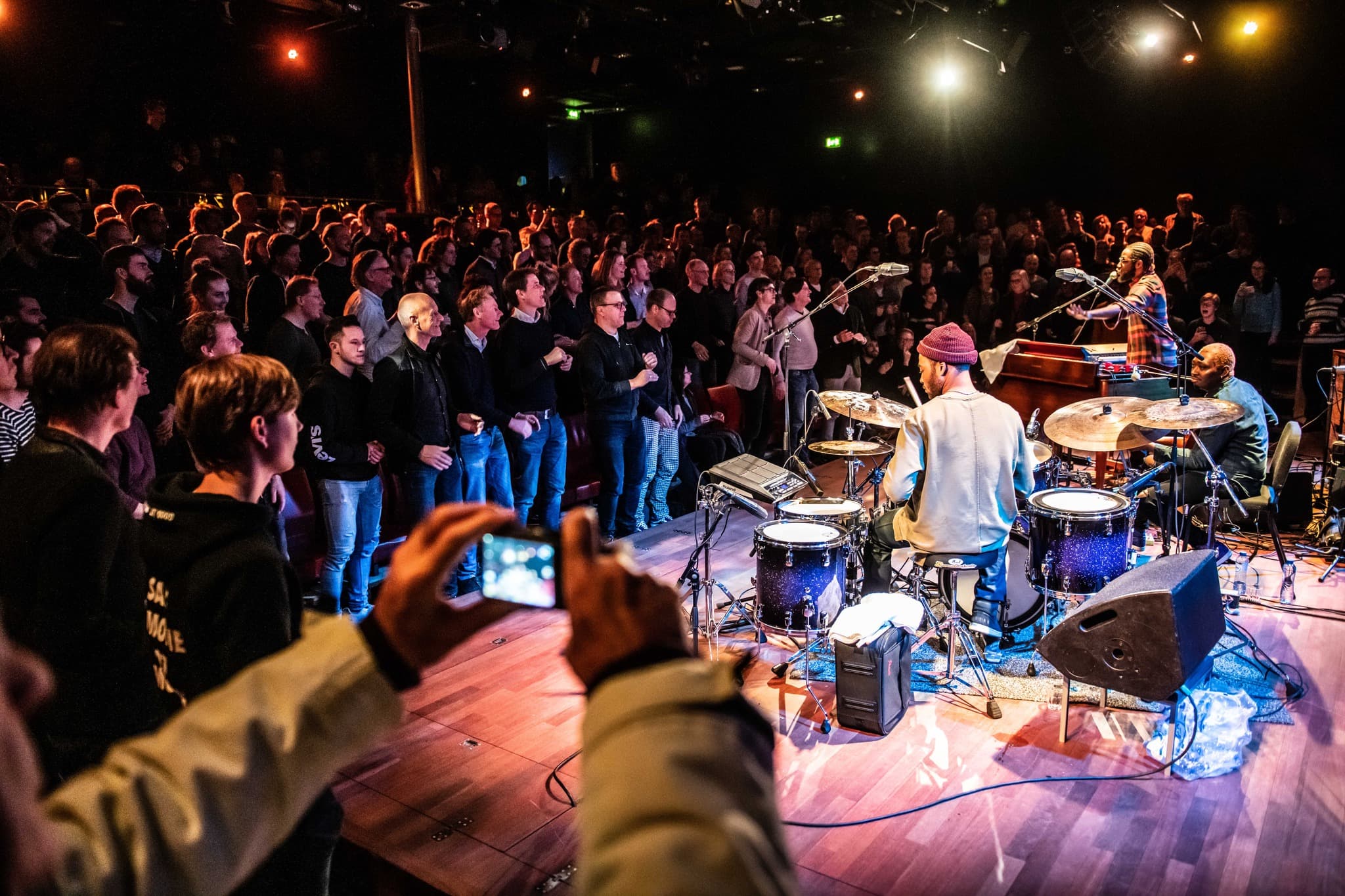
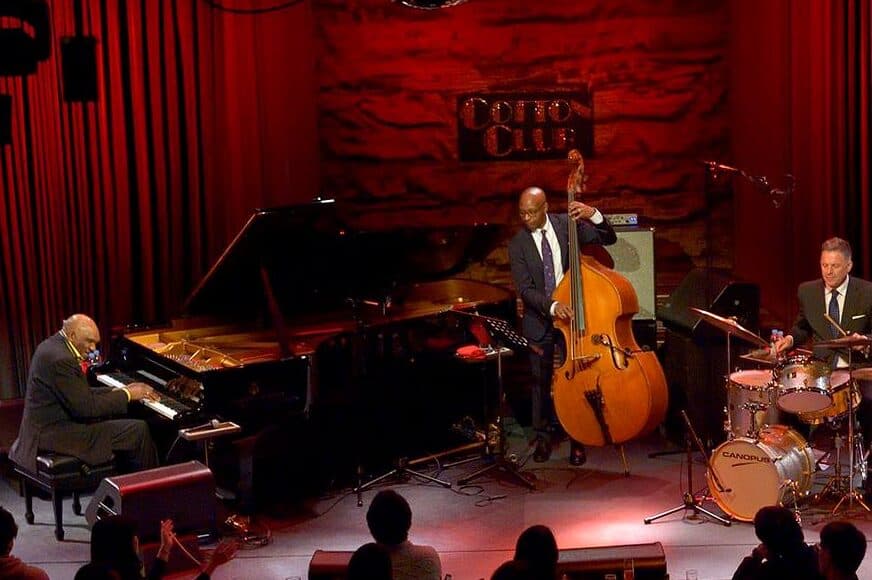
Inspired by its legendary New York namesake, Tokyo’s Cotton Club has been setting the standard for jazz sophistication since 2005. With seating for 180 and décor that blends elegance with intimacy, it offers an atmosphere as refined as its lineup. From Herbie Hancock to Diana Krall and Chick Corea, some of the world’s greatest artists have graced its stage. Today, it is regarded as one of Asia’s foremost temples of jazz—a space where tradition and modernity meet in perfect harmony.
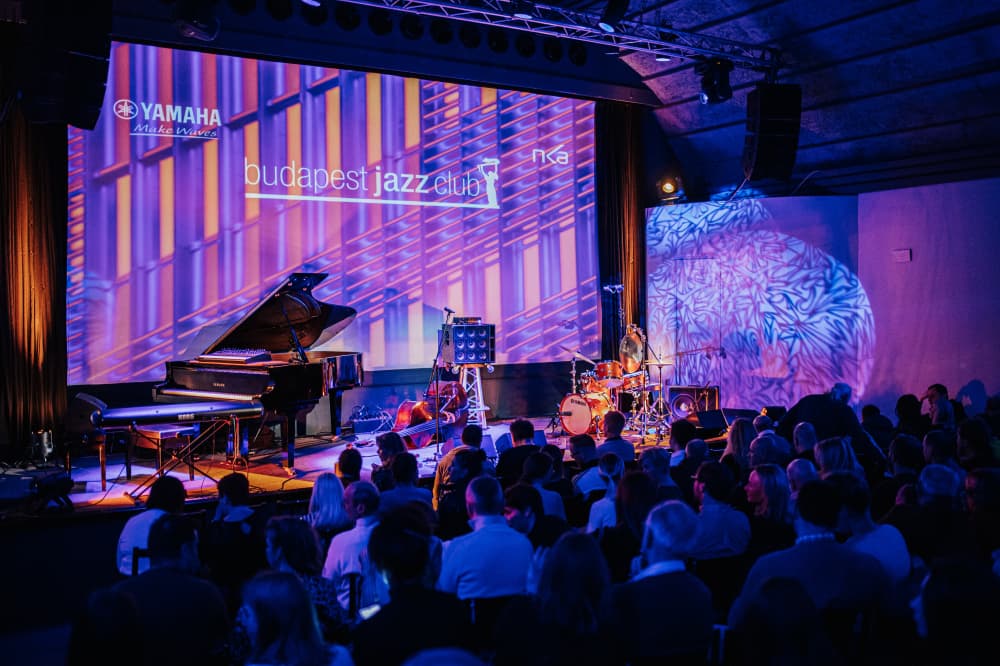
Opened in 2007 in a converted cinema, the Budapest Jazz Club combines flawless acoustics with a relaxed, contemporary setting. With its 300-seat hall, lively restaurant-bar, and free jam sessions five nights a week, it has become a cultural hotspot in Hungary’s capital. Hosting stars like John Scofield, Stacey Kent, and Terence Blanchard, the club not only elevates Budapest’s local scene but also strengthens its place on the global jazz map.
Nardis Jazz Club – Istanbul
Since its founding in 2002 beside the Galata Tower, Nardis has been the beating heart of Istanbul’s jazz scene. Created by Önder and Zuhal Focan and named after Miles Davis’s composition Nardis, the club was envisioned as a permanent home for jazz in Turkey. With only 120 seats, superb acoustics, and a stage so close you can almost touch it, the experience is intimate and powerful. Over the years, legends such as Benny Golson, Roy Haynes, Ron Carter, and Dianne Reeves have performed here, while countless young Turkish musicians have found their voice on its stage. Recognized internationally—ranked among the world’s best by DownBeat magazine—Nardis is not just a venue, but a cultural emblem of Istanbul itself.
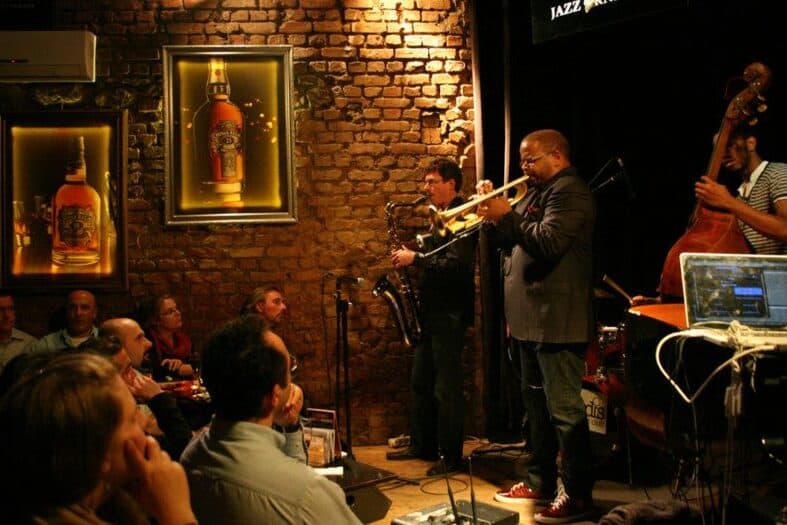
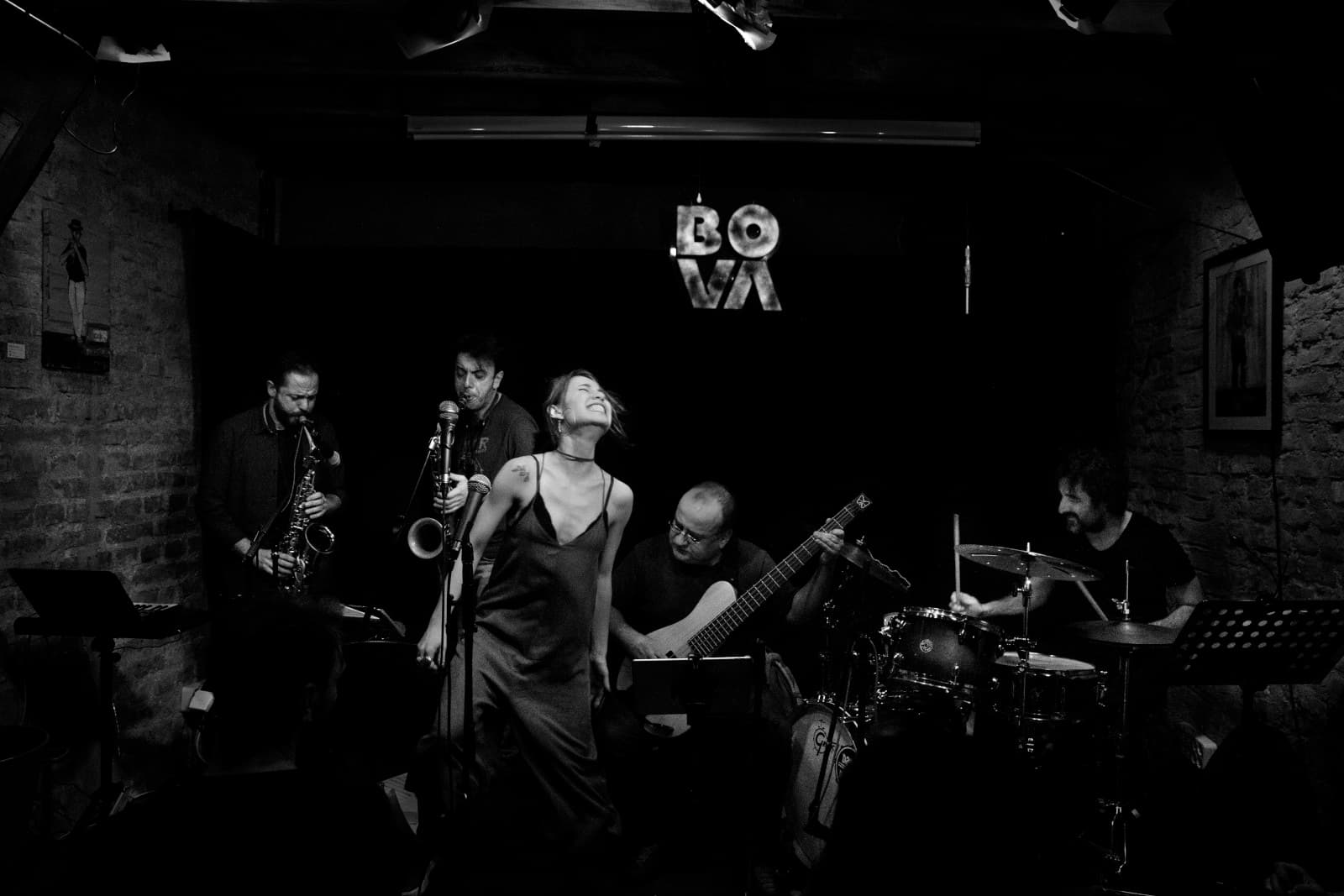
Located in the vibrant district of Beyoğlu, Bova Jazz Club has carved out a reputation for its stylish ambiance and eclectic programming. With performances that blend jazz, soul, and blues, it offers a refined yet relaxed setting for music lovers. Its stage welcomes both Turkish and international artists, ensuring a rich, diverse repertoire. With live performances almost every night, Bova adds a distinctive rhythm to Beyoğlu’s already dynamic cultural life.
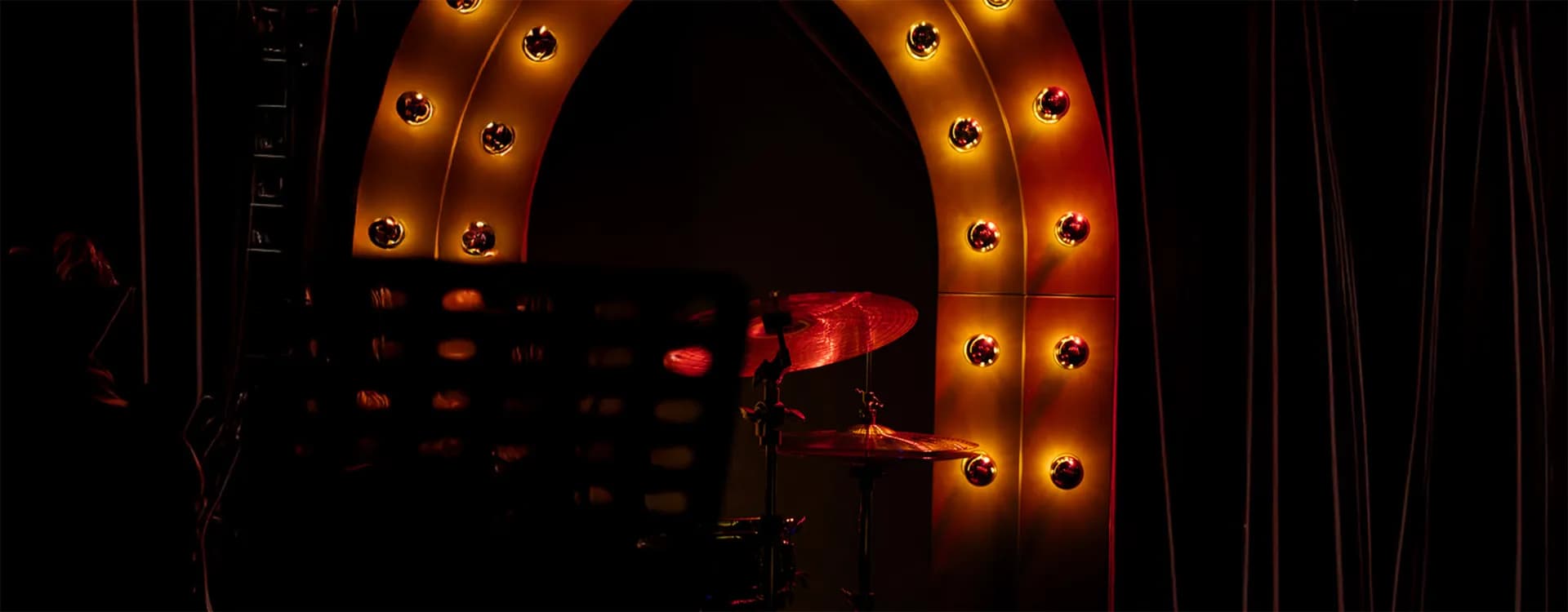
Housed within the Khai Hotel in Karaköy, Asa-Khai is a more recent addition to Istanbul’s jazz circuit. Hosting performances three nights a week—on Wednesdays, Fridays, and Saturdays—it curates an intimate program that appeals both to fans of classic jazz and to those seeking fresh discoveries. With its warm atmosphere and carefully chosen lineups, Asa-Khai is already winning over a devoted audience.
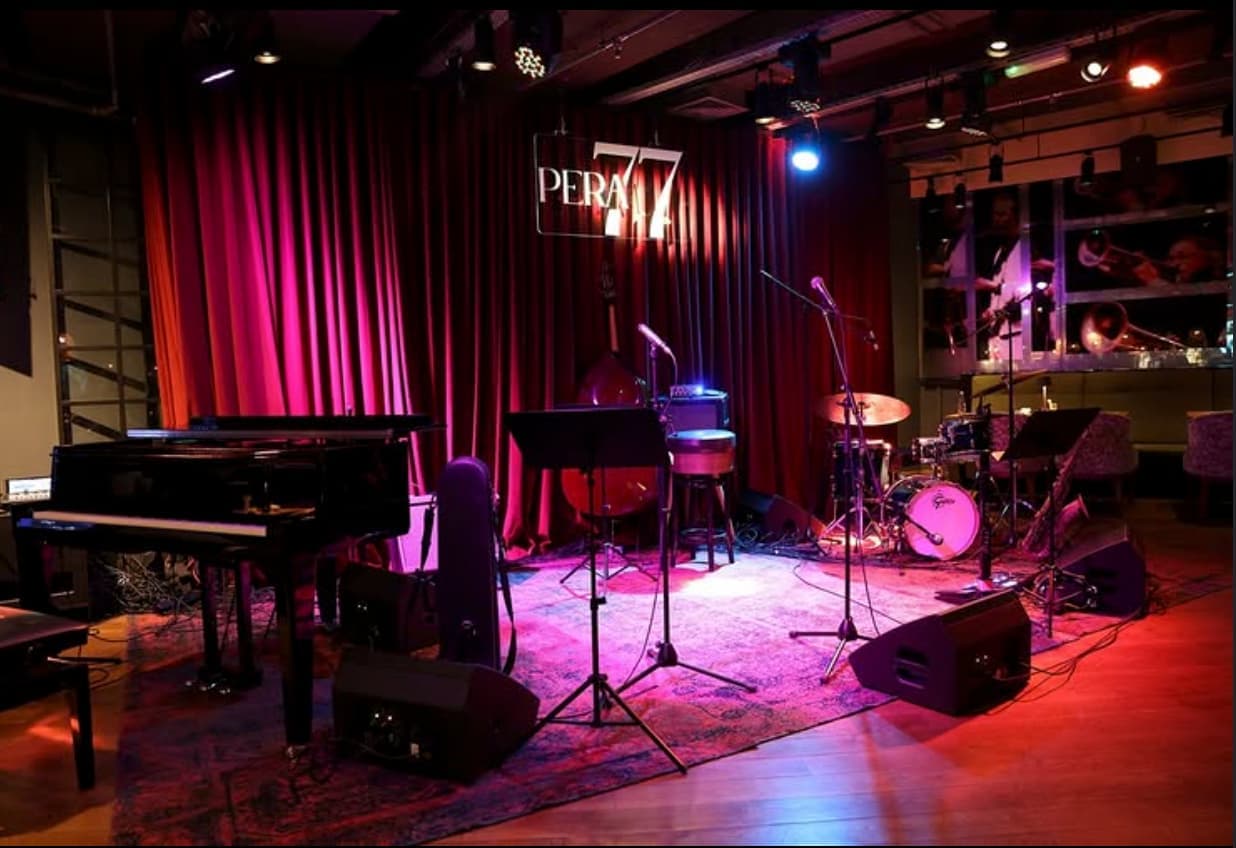
Affiliated with The Marmara Pera, Pera 77 is another elegant address for jazz in Beyoğlu. Hosting both Turkish and international artists four nights a week, it combines a refined ambiance with an extensive bar menu, making it an appealing choice for those who want to enjoy music in a stylish, laid-back setting.
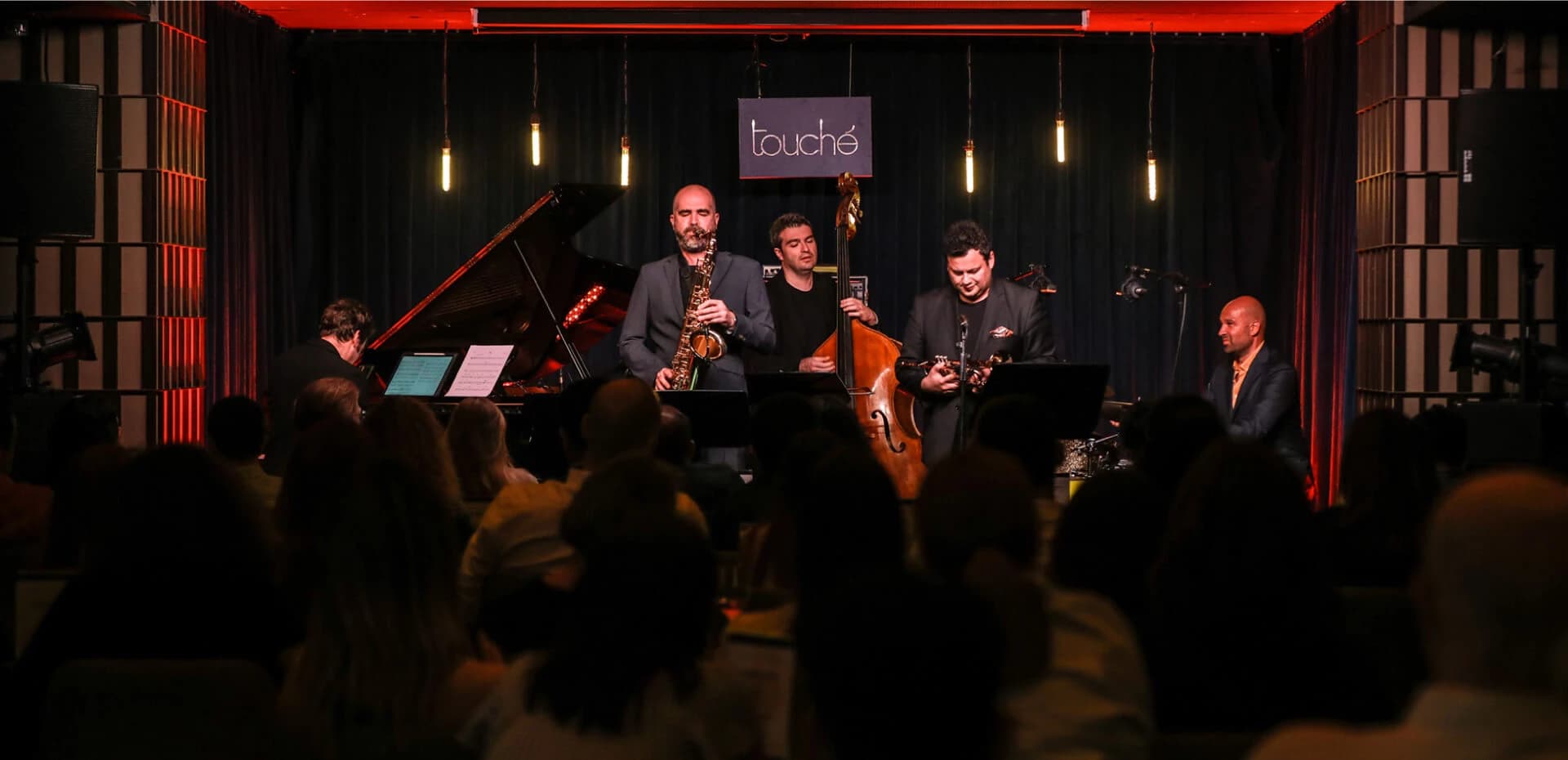
As one of Istanbul’s most modern jazz venues, Touché by N Kolay brings a contemporary sensibility to the scene. With seating for around 100, it offers an intimate listening experience enhanced by excellent acoustics and sleek design. Its carefully curated program showcases both Turkish jazz stalwarts and international guests, making it a forward-looking stage that reflects the city’s evolving cultural energy.