We have compiled a list of the world’s best museums that will saturate you with art from the moment you step inside.
Visiting museums is perhaps one of the most intellectually and culturally stimulating activities. Museums are one of the first places we visit when we go to a foreign city. Apart from having clues about the city and country they are in; they are also a preferred option because they have a distinct beauty and texture in terms of aesthetics and architecture. Here is a list of the world’s best museums that will leave your jaw hanging open the moment you step inside, saturate you with art and are highly recommended to be seen.
Metropolitan Museum of Art, Manhattan, USA
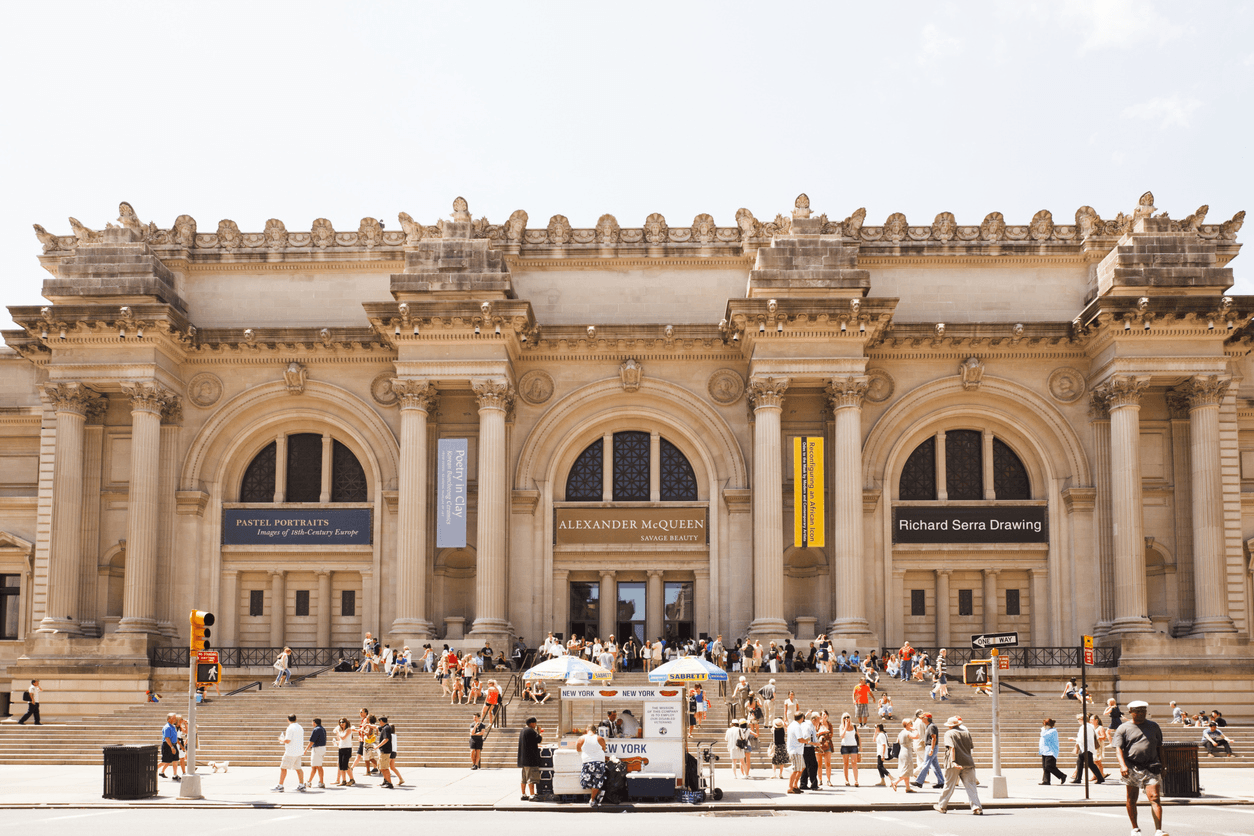
The Metropolitan Museum of Art, one of the largest museums in the United States of America, fascinates everyone who sees it with its unique collection pieces. The museum exhibits many valuable works of art from ancient times to modern times. It was first founded in 1870 by a group of industrialists, businessmen and art lovers from New York, combining the pieces they collected to revitalize the city and increase cultural activities.
The Metropolitan Museum of Art, one of the most visited museums in the world, contains countless artifacts from the Egyptian, Greek, Byzantine, Roman and Ancient Eastern periods. Located right next to Central Park in New York City, the museum is home to some of the most well-known cult pieces from Vincent Van Gogh’s “Self-Portrait with Straw Hat” to “Starry Night”, from Claude Monet’s famous “Water Lily Pond” to Edgar Degas’ “Dance Class”, from Jacques-Louis David’s “The Death of Socrates” to the Hatshepsut Sphinx. The fascinating atmosphere of the museum, which welcomes many visitors, is sure to add a lot to your cultural experience.
World’s Best Museums
Louvre Museum, Paris, France
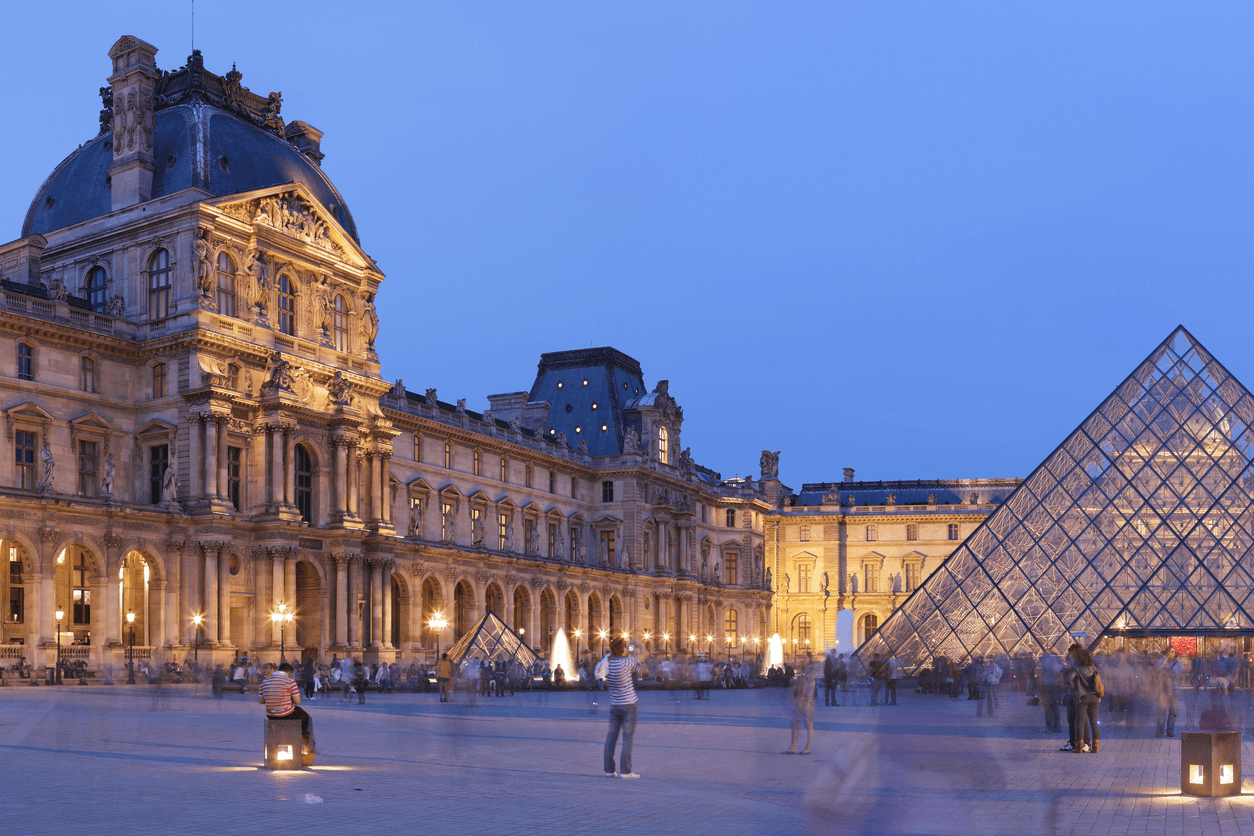
The Louvre Museum, the world’s most visited art museum with an average of 9 million visitors a year, is located on the banks of the Seine River flowing through the capital city of Paris. The museum, which consists of seven sections including painting, sculpture, drawing, Greek, Egyptian and Oriental arts, has a history of 800 years. Built in the early 13th century as a fortress by the then king Philippe II and later converted into a palace when the city expanded, the Louvre was turned into a state museum after the French Revolution.
Napoleon Bonaparte brought many artifacts especially from Italy to the museum, which was full of stolen artifacts. The giant Louvre Pyramid, which has become the classic symbol of the Louvre Museum, where many works are exhibited, including Leonardo Da Vinci’s famous “Mona Lisa”, Nike of Samothrace, Venus de Milo, Basilica of San Marco and Michelangelo’s sculptures, attracts as much attention as those inside the museum. The Apollo Gallery is a magnificent area with its ornate, gold-plated and frescoed walls. The Louvre Museum is one of the must-see museums in Paris, with a rich archive of both classical and modern artworks.
World’s Best Museums
British Museum, London, England
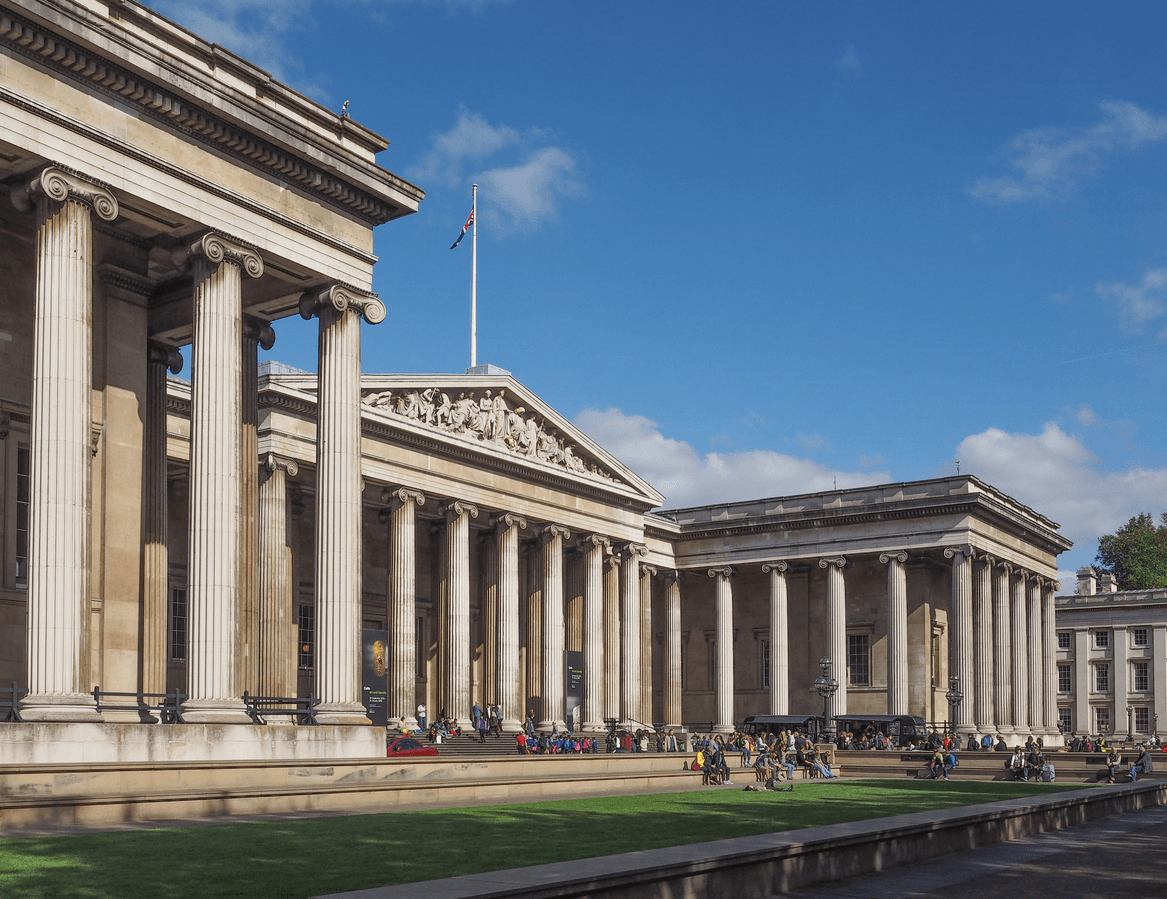
With artifacts from all over the world, the British Museum is one of the oldest and largest museums in the world. The museum, which has become a symbol of the city of London, consists of four main sections: ancient artifacts, coins and medals section, prints and drawings section, and the ethnography section, which is separate from the building. The museum contains almost 8 million historical artifacts from all over the world, including some from Turkey.
The Mausoleum of Halicarnassus in Bodrum, which is considered one of the wonders of the world, the Nereidler Monument in Kaş, Antalya, the Lion of Cnidus in Muğla and the statues of Nemrut are just a few of them. There are also valuable artifacts such as the Parthenon Frieze and Sculptures from Greece, the Rosetta Stone from Egypt, the Lewis Chess Figures from Scotland and the “Discus Throwing Athlete Statue” from Italy. The museum is almost always crowded due to its free service and its worldwide reputation. The museum, which houses especially ancient artifacts and ethnography collections, fascinates visitors with its artifacts and makes them want to look and visit for hours.
World’s Best Museums
Vatican Museum, Vatican City
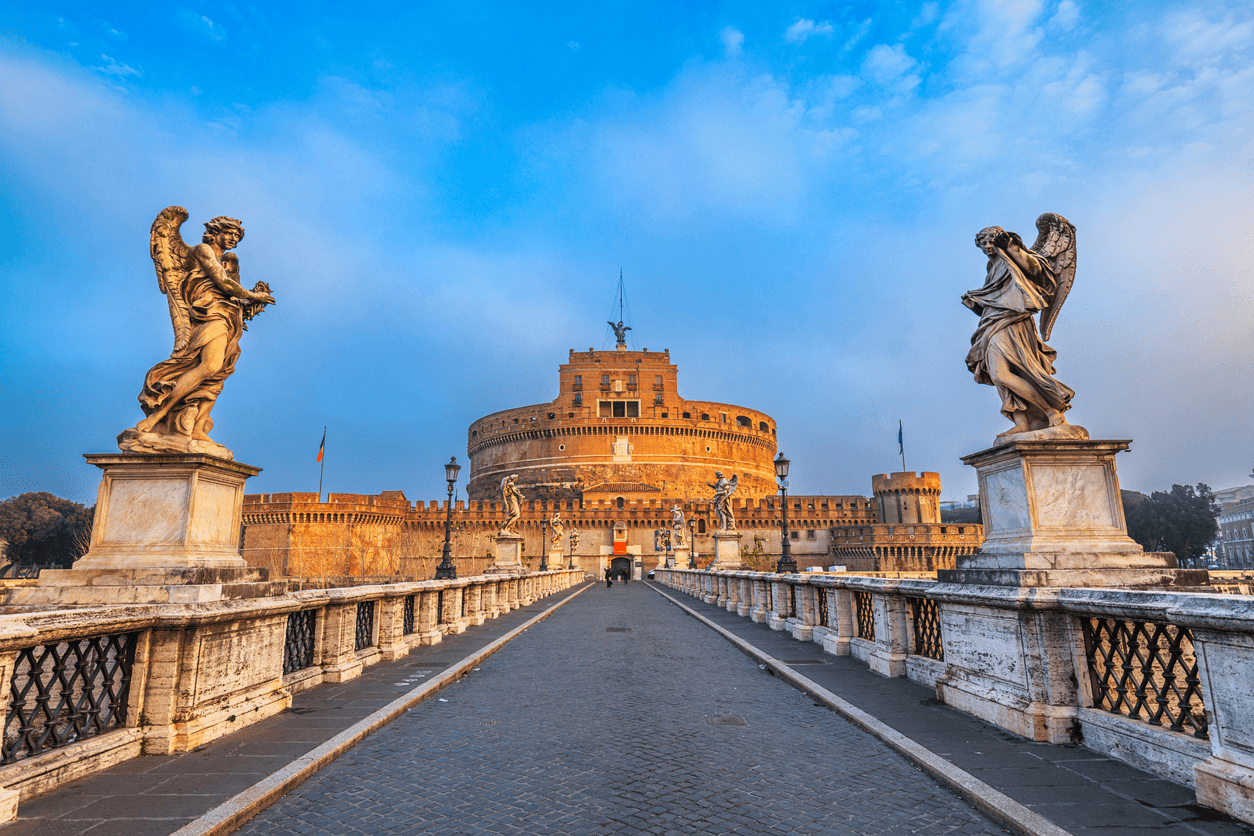
Although the Vatican is the smallest state in the world, the Vatican Museum is of great importance with tens of thousands of artifacts. For this reason, you cannot visit Rome, which comes to mind when it comes to art and civilization, without visiting the Vatican Museum. Built by the Roman Catholic Church during the Renaissance Period, the museum is also home to world-famous sculptures. In this museum, Michelangelo’s Sistine Chapel ceiling, Raphael’s frescoes, Bernini, Giotto, Perugino, Maderno and Caravaggio’s unique works are exhibited. Unlike in other countries, the sculptures in the Vatican Museum, which consists of 54 galleries in total, can be described as flawless. For example, you will hardly see any headless statues here.
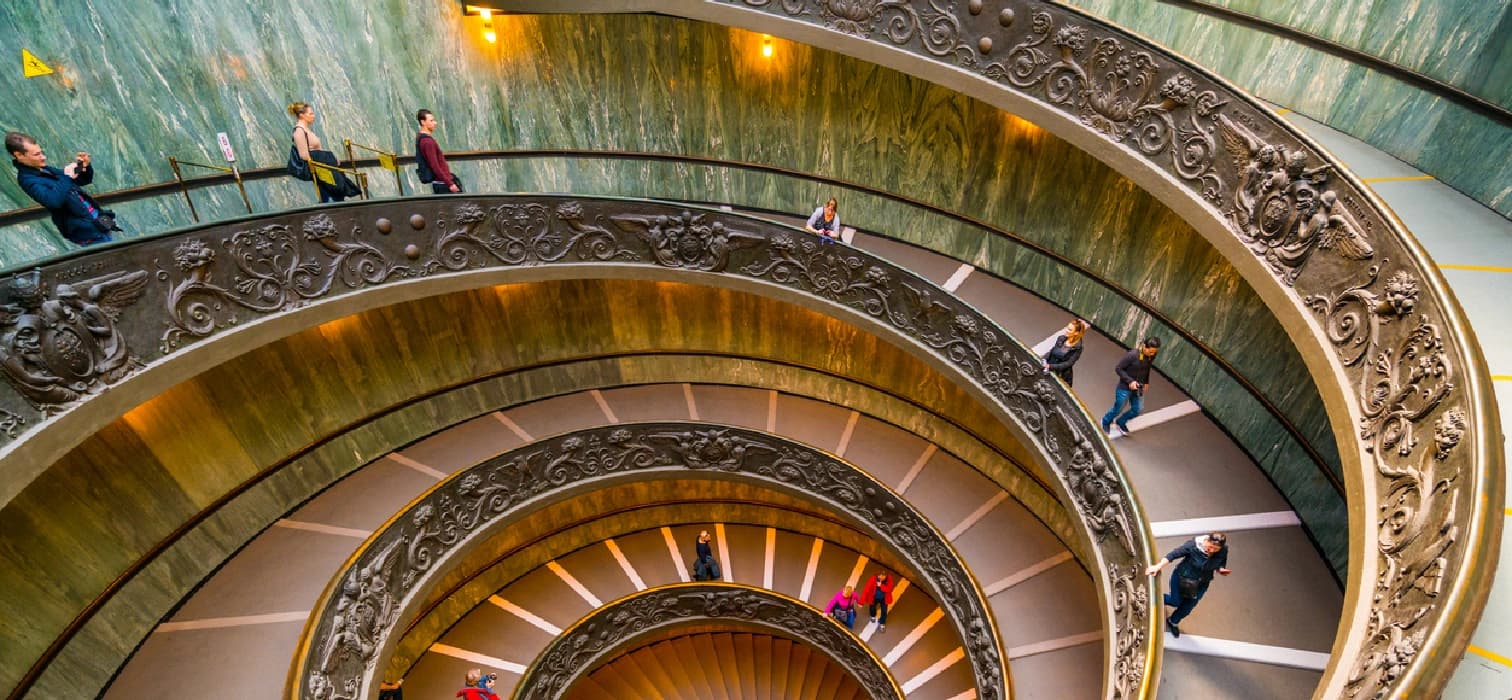
From the moment you enter the museum, which consists of approximately 70 thousand artifacts, you are teleported to a completely different world and travel through the pages of history. In addition to these, the spiral staircases in the museum are one of the most impressive parts of the museum. One of the two intertwined staircases goes down and the other one goes up. The bronze sculptures on the sides create an ornate visual. So much so that these stairs have the title of the most photographed stairs in the world. In short, this place, which is full of art at every point, attracts visitors from all over the world throughout the year and fascinates those who see it.
World’s Best Museums
Hermitage Museum, Russia-St. Petersburg
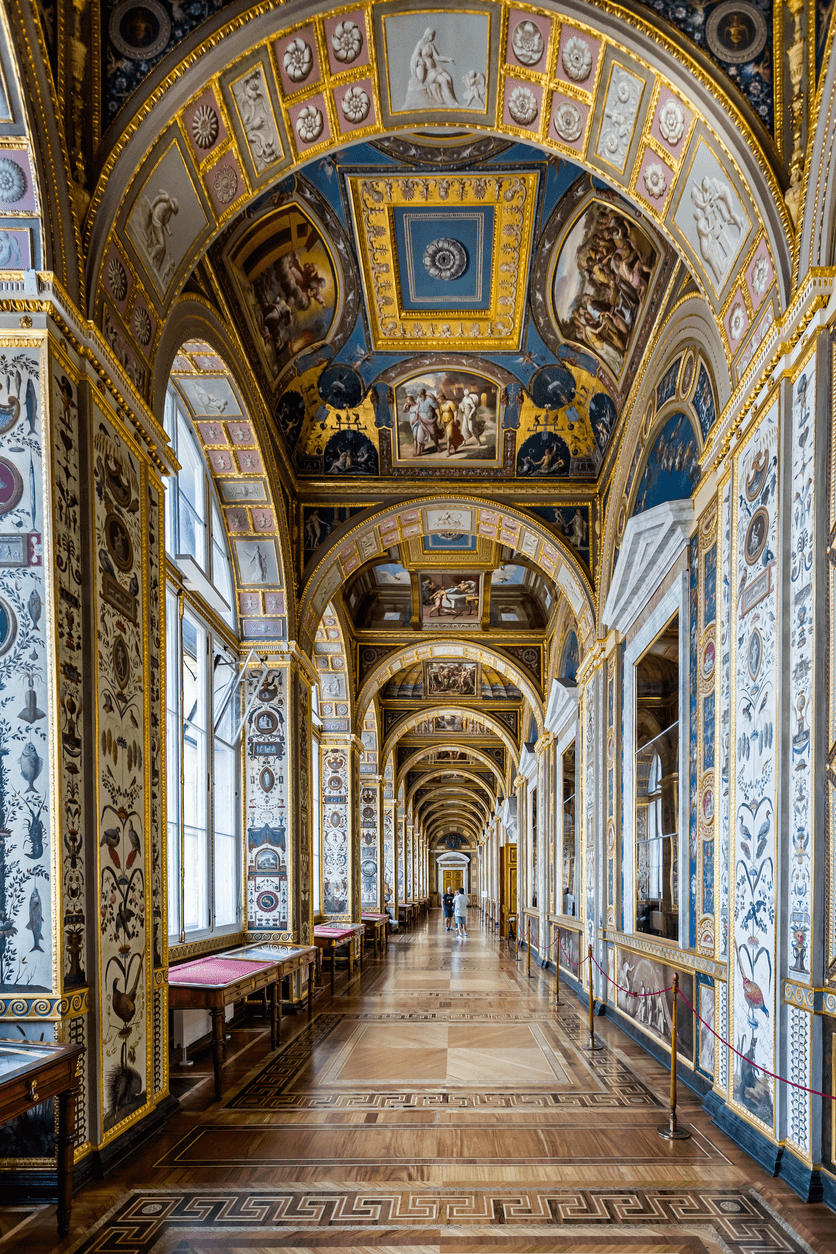
Located in St. Petersburg, Russia, it is the second largest museum in the world. More importantly, it has the largest collection of paintings in the world. It has a very rich history with more than three million works collected over thousands of years. It is possible to see examples of works by famous artists such as Leonardo Da Vinci, Michelangelo, Rembrandt and Van Gogh. The museum, which was originally a small collection created by the Russian Empress Catherine the Great for her love of art, has become a place with great works of art in 1754.
With the ceremonies and events held in the museum, it has become one of the symbols of the Russian state and an important treasure of its cultural heritage. There are artifacts from ancient Greece, Rome and Egypt, as well as from the Caucasus and Central Asia. The magnificent building on the banks of the Neva River in St. Petersburg is right in the heart of the city. Built in the Baroque architectural style, even the “Atlas Sculptures” just outside the museum are proof of how fascinating the museum is. The museum has a magnificent beauty with its endless structure.
World’s Best Museums
Rijksmuseum, Netherlands-Amsterdam
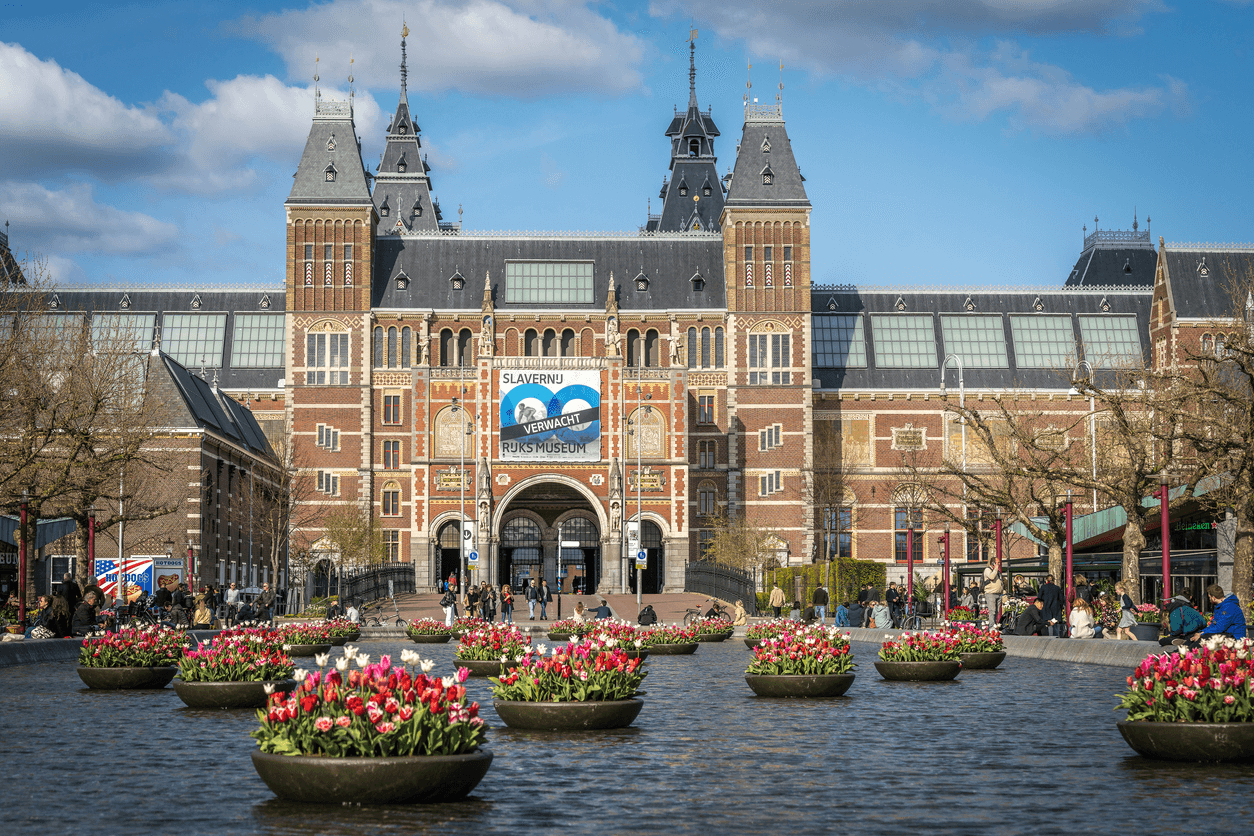
“Rijksmuseum” means state museum. We can call it the national museum of the Netherlands. Founded in 1800, the Rijksmuseum is known for the importance it attaches to the Netherlands and its art, especially Dutch painting. The largest part of the museum is dedicated to the Netherlands. Although the museum was initially established in The Hague, it was moved to Amsterdam in 1885 by order of Louis Bonaparte during the French occupation. In the museum you can see Rembrandt’s “Night Watchmen” and “The Jewish Bride”. Apart from Rembrandt, there are also works by famous artists such as Vermeer and Hals.
There are also artworks from Asia, from China, Japan, India and even Indonesia. One of the highlights of the museum, designed by the famous Dutch architect Pierre Cuypers, is the Cuypers Library. The museum, which contains more than three hundred thousand manuscripts, catalogs and books on culture and art history, promises to offer its visitors a great experience with its paintings, silver collection, Delfware collection, which exhibits blue and white ceramics created in Delft, the Netherlands, and a comprehensive tour that dives into the maritime history of the Netherlands.
World’s Best Museums
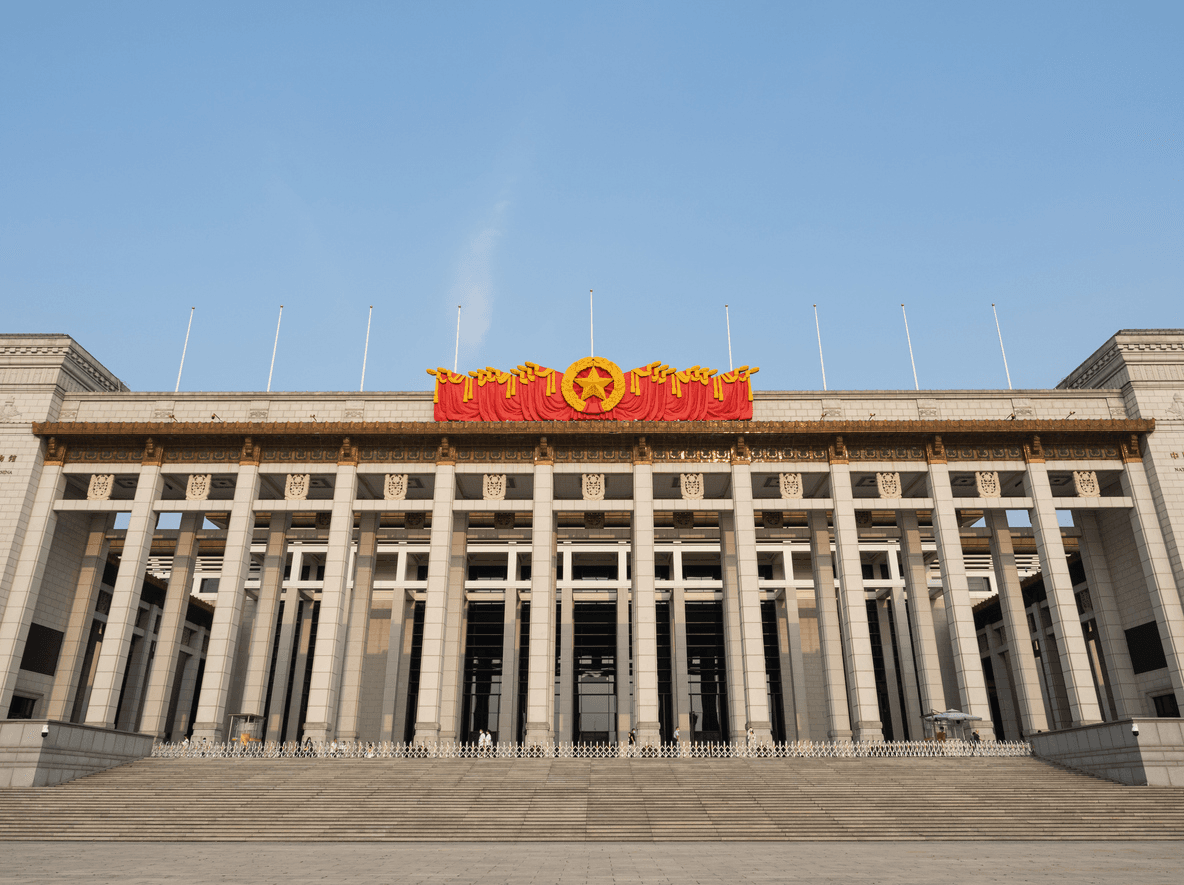
National Museum of China, Beijing
Located near Tiananmen Square in Beijing, it is the third largest museum in the world. Founded in 1959 to reveal the historical and cultural heritage of China’s rich past, the artifacts inside the national museum have a long history. Built in neoclassical style, the museum stands out with the pieces that are unique to the history of the Chinese State, which has a history of thousands of years, although it contains many cultures.
Archaeological artifacts, sculptures, traditional clothes and paintings in the museum, which also attracts attention with its architecture, show the greatness of China’s history and art to its visitors. Archaeological finds from the Shang, Ming and Qing Dynasties and palace items are among the most prominent artifacts. The Terracotta Army, bronze vessels from the Zhou Dynasty and the Jade dragon are among the popular artifacts that visitors are interested in. The National Museum of China, which contains nearly one and a half million artifacts, also has the largest collection in the world. For these reasons, the National Museum of China is one of the most popular places to visit to get to know China and its culture.
World’s Best Museums
Bonus
The job of museums is not just to hang artworks on their walls and open their doors to those who want to see them. The works of art in museums are not just randomly selected and hung, they also have background jobs such as the air, cleaning, repair and maintenance of the place where they are located. We congratulate all museum staff, especially curators, on Museum Week and wish you a day full of art.
Saatolog Yıllık Saat Dergisi Saatolog’un yeni sayısı, 2020’nin yarattığı bu dönüştürücü etkiden ilham alarak hazırlandı. Dünya dijitalin etkisiyle her zamankinden de hızlı bir şekilde ilerlerken yavaşlamanın da önemini sonunda kavramış bulunuyoruz ve bu tezatlık hayatlarımızın her anına etki ediyor. Biz de bundan yola çıkarak Saatolog 2020/21 sayısını ‘‘hızlı ve yavaş’’ teması altında hazırladık.