While sustainability is one of the most talked about topics in the fashion world, it is impossible for the cosmetics industry to remain indifferent to this field. Many makeup and care brands have started to work to reduce their carbon footprints and waste. While the number of brands created with an environmentally friendly vision is increasing day by day, perfumery cannot remain indifferent to this trend.
The understanding of “clean beauty”, which enters our lives with sustainability, has a direct effect on perfume formulas. Leveraging fear marketing, the clean beauty creates an alienation against the word chemical while promoting products labeled “natural” as good. While chemophobia, which has emerged with the infamous reputation, causes the gaze of natural good and synthetic evil, things get a little more complicated when it comes to perfumery.
Natural vs. synthetic. We can say that the dilemma is the gray zone of the fragrance world. Natural perfumes are produced with ingredients obtained from nature, synthetics are produced in a laboratory environment. But modern perfumery is based on the interaction of natural and synthetic ingredients. In fact, it is possible to obtain some natural notes with the introduction of synthetics. In some perfumes with natural ingredients, the synthetic ratio can even go up to 70 percent.
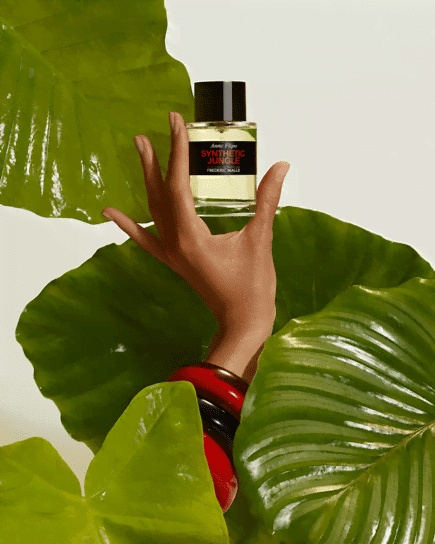
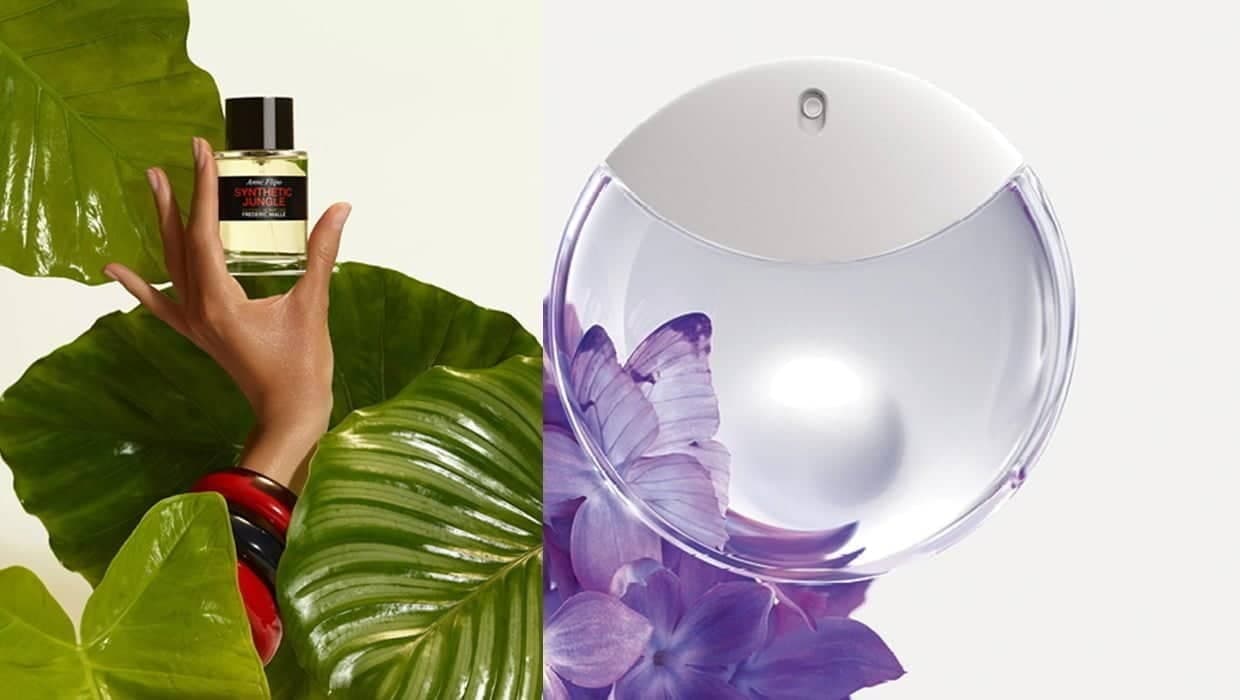
Towards the end of 2021, brands that adopt a more transparent attitude towards laboratory-derived substances are asking “Can synthetics be cool again?” The new perspective of the perfumery industry helps you break the bad label on lab-grown ingredients. For example, Synthetic Jungle, one of the last perfumes of the iconic fragrance house Frederic Malle, was created as a reaction to this understanding. This perfume, which is a carefully designed synthetic cocktail, brings together the fresh and attractive fragrance harmony of nature in a bottle, creating irony with its emergence process.
The fragrance house Escentric Molecules, which exhibits the perfect combination of laboratory and perfumery, embraces synthetics with modern and minimalist notes consisting of aroma-molecules. The brand treats perfumery as an art of chemistry. Creative director Paul White states that Escentric Molecules’ vision is driven by chemistry, science and technology, while the brand, which debuted in 2006, opens a brand new page in the fragrance industry.
First of all, the contents designed in the laboratory have a more intense and strong character than their natural stakeholders. At the same time, the shelf life of synthetic fragrances is longer than natural fragrances. While perfumes consisting of natural components can last for 1-2 years, this period can be up to 5 years for synthetic perfumes. In addition, synthetic perfume retains its density and aroma better. It is also possible to obtain more adventurous, new olfactive fragrance families with laboratory-made notes.