Ryan Gander disrupts the tyranny of the hour and minute hands with his “Pussies and Places” at Pilevneli, inviting viewers to follow the rhythm of the “right moment” through whispers, cats, and clocks that refuse to tell time.
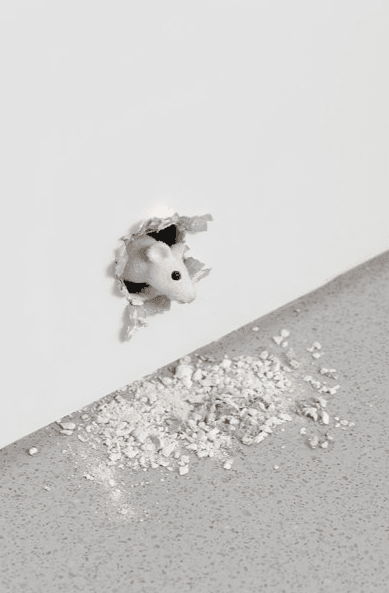
You step into an elevator. As the doors begin to close, a high-pitched sound emerges from a small hole at the bottom of the wall. A tiny mechanical mouse, its eyes sparkling with curiosity, seems to try to communicate with you, though its message comes in fragmented, intermittent whispers. The sound is unclear, half-heard, half-imagined. This scene isn’t a cartoon or a prank by a mischievous friend. It is real—and it takes place in the elevator lobby of the Bourse de Commerce – Pinault Collection in Paris. This small encounter offers a glimpse into the whimsical, thought-provoking world of contemporary artist Ryan Gander. You might not know him yet, and that little mouse may never have popped up on your social media feed. So let’s rewind and explore the story of Ryan Gander:
Freedom of Imagination
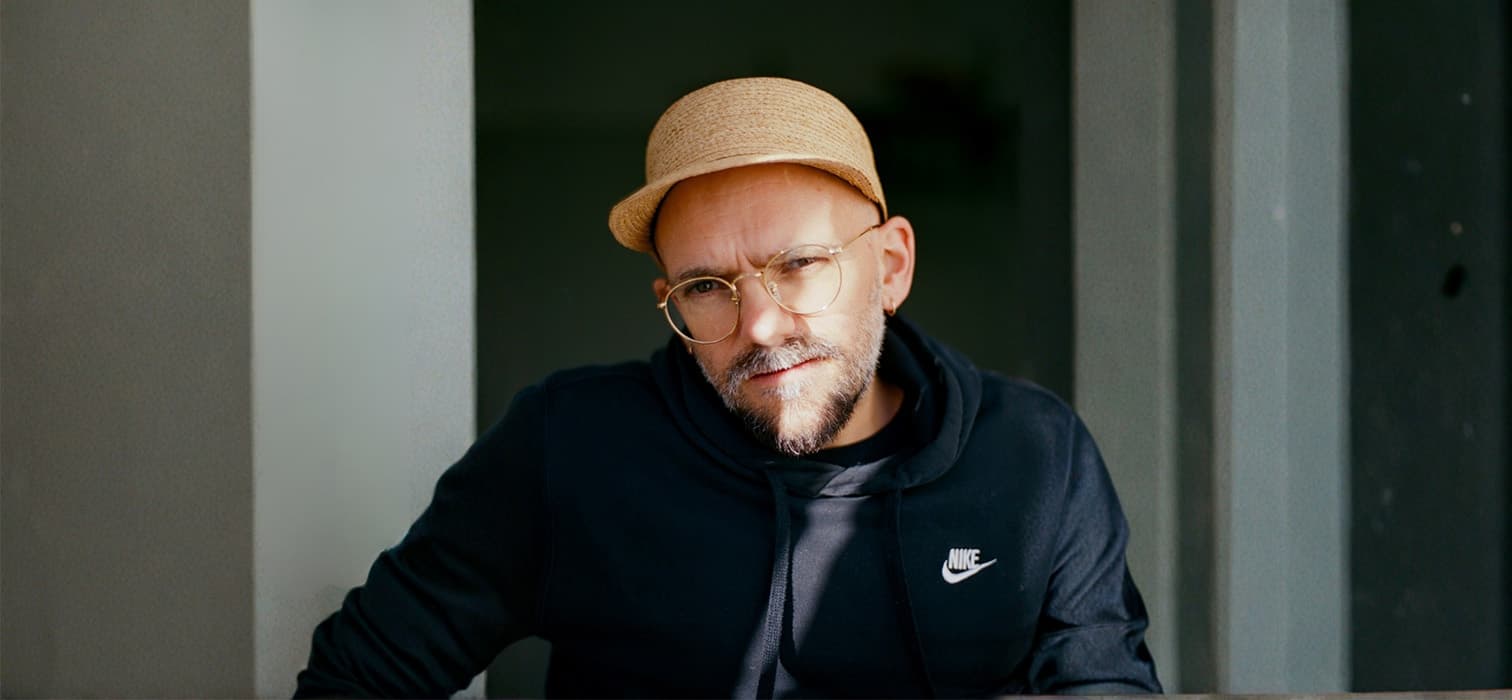
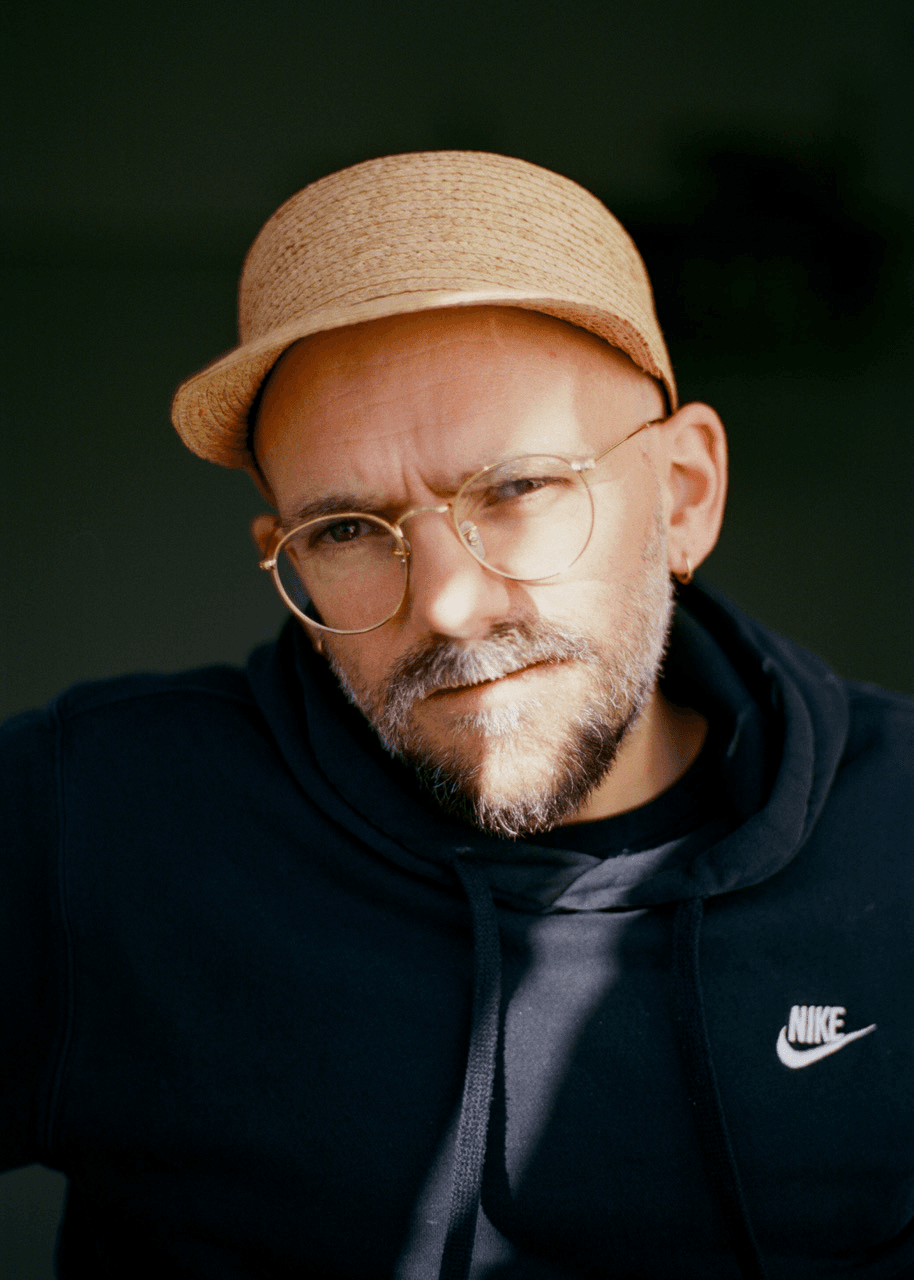
Ryan Gander was born in 1976 in Chester, in northwest England. His father was an engineer at a car factory; his mother was a teacher. From an early age, Ryan experienced childhood differently from his peers. Born with brittle bone disease, he relied on a wheelchair, spending more time in hospitals than in playgrounds. Yet, rather than limit him, this shaped his imagination. Hospital corridors became arenas for his inventive mind, making creativity his constant companion. So strong was this imaginative life that, later, he resisted the label of “disabled artist,” insisting, “I don’t even feel disabled,” determined not to let circumstance define his identity.
Ryan’s first encounter with art came through his father, who took him to the British Art Show, a contemporary art exhibition. There, young Ryan was mesmerized. A child with limited mobility discovered the limitless freedom of imagination. Did he wonder how the artists thought? Probably—but perhaps more tellingly, he may have wondered how long they worked each day and what fueled their creative energy. (Inner voice: The reason I couldn’t be an artist is obvious… though with such questions, I might have made a fine chef!)
“If there are a thousand ways to describe a work of art, why choose just one?”
By 1996, Gander had enrolled at Manchester Metropolitan University, studying Interactive Arts—a field perfectly aligned with his experimental, boundary-pushing interests. After graduating, he briefly worked at a carpet shop in Chester. Yet the shop offered little room for curiosity, so he moved to the Netherlands, working as a research artist at the Jan van Eyck Academy in Maastricht and participating in the artist-in-residence program at Amsterdam’s Rijksakademie. These international experiences expanded his horizons and enriched his artistic vocabulary.
Gander’s creativity soon spilled into public performance. In 2002, he launched a series of unconventional lectures called “Loose Associations.” In these peculiar conferences, he leaps from topic to topic—linking the film Back to the Futurewith Italo Calvino’s literature, modernist architecture with children’s books—playfully exploring the connections between minds. As Gander himself notes, “If there are a thousand ways to describe a work of art, why choose just one?”
A turning point came in 2005 when his video work Is this Guilt in You Too (The Study of a Car in a Field) won the Baloise Art Prize at the Basel Art Fair. Suddenly, Gander’s name resonated in international art circles: a rising star, impossible to ignore. During this period, he received the Prix de Rome Sculpture Award, the ABN AMRO Art Award, the Zurich Art Prize, and an OBE from the British Queen for his contributions to contemporary art—an impressive cascade of recognition.
Discussing Gander’s work is like opening a field without boundaries. He refuses to confine himself to a particular material or style. Sculpture, video, installation, design objects, writing, performance… his practice embraces them all. Sometimes, his work exists as little more than a feeling.
In projects like Locked Room Scenario in London, the exhibition itself is absent—only the rumor of its existence circulates. In I Need Some Meaning I Can Memorise (The Invisible Pull) at Documenta 13 in Kassel, visitors enter an empty room and encounter nothing but a gentle breeze. Here, art is not an object; it is an experience, a sensation.
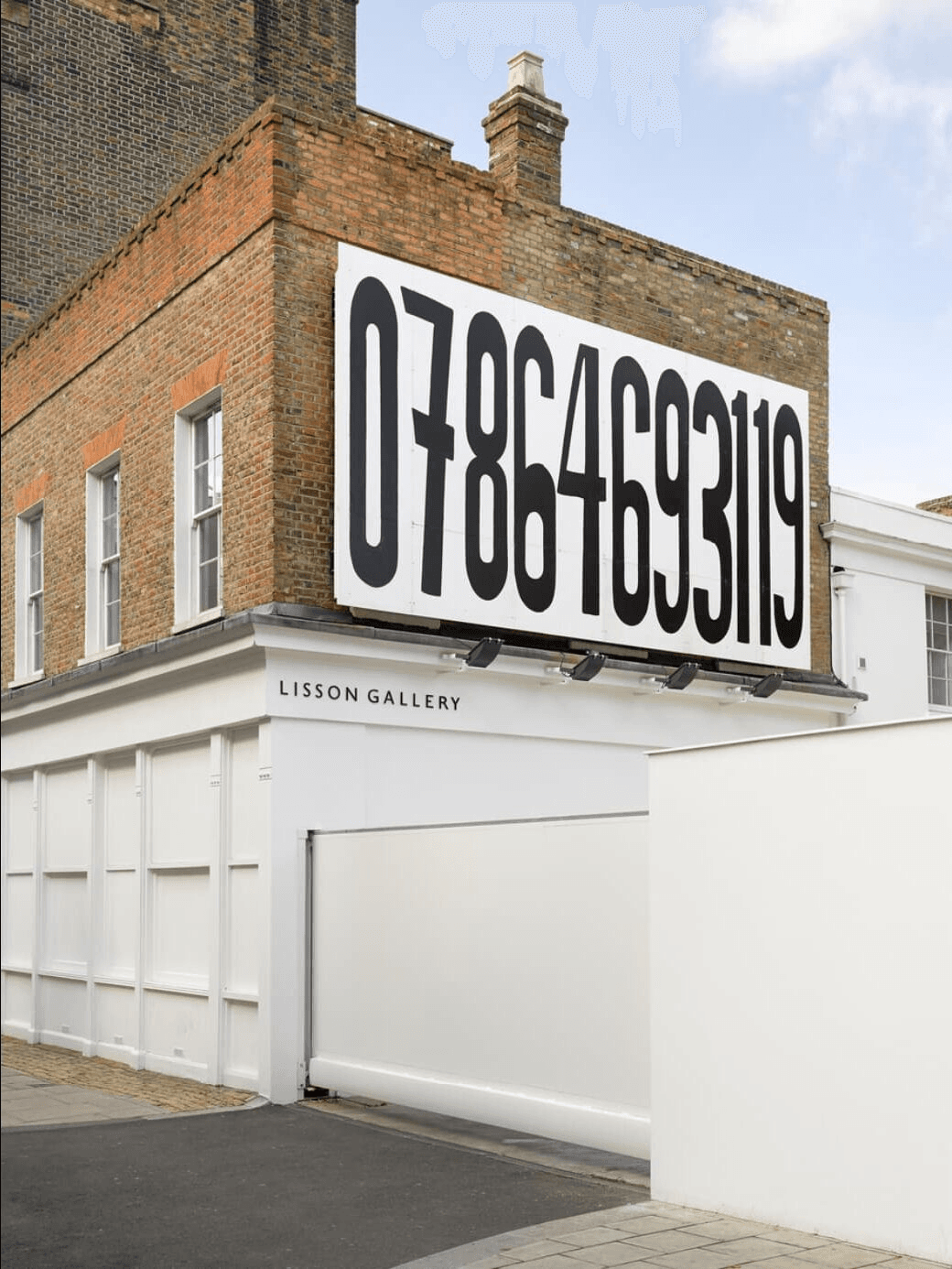
“The Artist’s Second Phone” (2015) is another example of Gander’s audacious imagination. He painted his phone number in enormous letters on a billboard against a blank backdrop. Anyone passing by could call or text him, dissolving the traditional distance between artist and audience, and challenging the very boundaries of interaction.
“I Love the Symbolic Language of Clocks”
Sometimes, artists create devices that don’t work at all—objects that are non-functional. Clocks, for instance. This is a topic that fascinates both you, the reader, and me, so let’s linger on these “non-functional devices” for a moment. Imagine a wristwatch or a wall clock—but one that does not show the time. Stylish in appearance, yet devoid of hour or minute hands. Frozen, perhaps never-existent fragments of “time”… But why?
According to Gander, humanity’s obsession with time is a contradiction, one that runs counter to the essence of being human. Hours, minutes, calendars… Living under these strictures can condition us in unhealthy ways. The artist observes, “Humanity used to be focused on stillness, not growth,” and adds, “Accelerated capitalism is so ingrained in us that it’s hard to notice.”
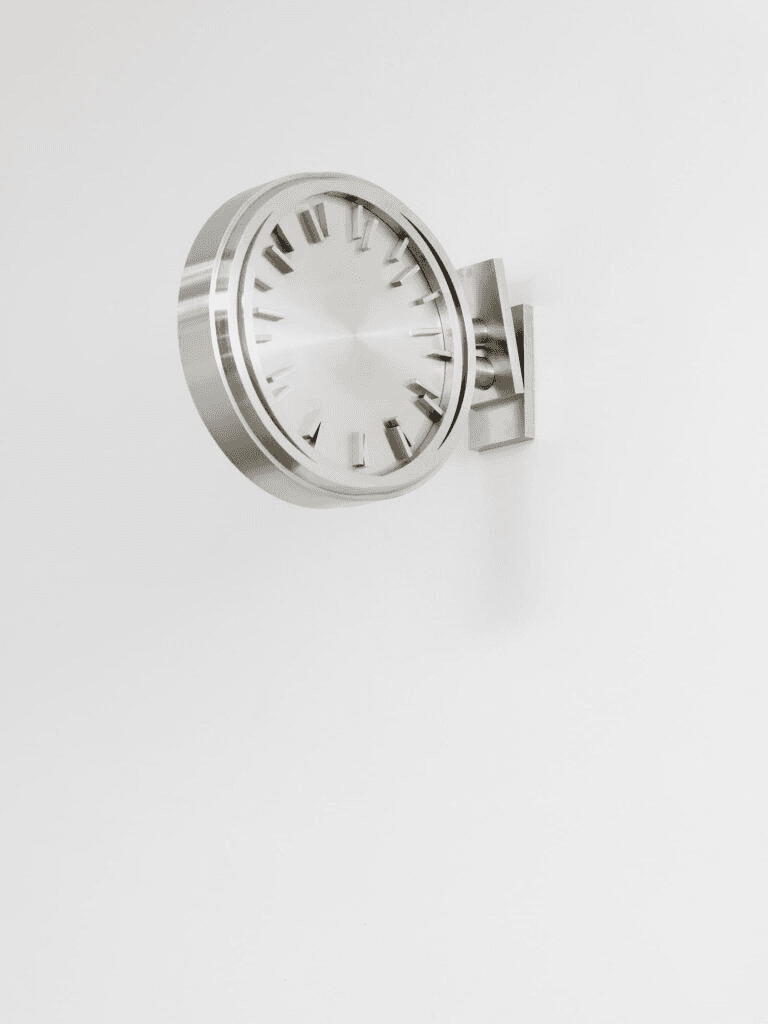
In ancient times, people lived by the concept of kairos rather than chronos—the pursuit of the “right moment” instead of the ticking of the hour and minute hands. Actions occurred not because the clock dictated them, but because one was ready. Meals were eaten not because the clock signaled dinner time, but because hunger dictated it. Gander’s clocks, which deliberately avoid showing the time, are poetic objects: reminders of a human rhythm beyond the tick-tock.
Ryan Gander’s Chronos/Kairos wall clock, crafted in stainless steel, does not show the time, alluding to the ancient concept of kairos time.
Although Gander conceptually removes the hour and minute hands from his clocks, he is, paradoxically, an avid collector of them. “Even though I have countless clocks, it’s not about wealth,” he explains. “Anyone with a smartphone doesn’t really need a clock. So why do we wear wristwatches? Is it just for status? I love the semiotics of watches—their symbolic language.” For Gander, a watch is a subtle reflection of its owner’s personality, valued for its design history, emotional resonance, and even its superstitions.
During his visit to Istanbul, we asked him about his fascination with watches:
You urge us to think of Kairos rather than Chronos. On one hand, you design watches that don’t show the time; on the other, you collect them. It sounds like a contradiction—perhaps that’s where the poetry lies. Which is the oldest watch in your collection, and which was the first one you owned?
The first watch I ever owned was a Casio calculator watch in middle school. Everyone had one; if you didn’t, you were a bit of a “nerd.” The oldest watch I now own is a Yema, small and blue. My mother bought it on the SS Ramps when she and my father emigrated from America back to England.
What do these watches tell you when you look at them?
They tell me different things every time. Objects like watches are as flexible as time itself—like “duration,” like the flow of time. I truly believe that people have some control over time through their minds and imaginations; they can stretch it.
A cigarette outside a shop can feel like half an hour—or three minutes. Sitting alone in a café, waiting to meet someone, time can stretch into eternity. Yet other afternoons slip by unnoticed. Time, in other words, is elastic, and our perception of it—its flexibility and duration—is intertwined with the Chronos–Kairos distinction. Chronos measures time, while Kairos represents its fluidity. Kairos is about readiness. Ancient civilizations thrived by responding to Kairos, not Chronos—acting when the moment was truly right, not when the clock demanded it.
Another signature aspect of Gander’s practice is his fascination with animatronic figures. The tiny robotic mouse in the Bourse de Commerce elevator in Paris is one such creation. The magpie and black fly featured in the Istanbul exhibition are further examples, which we will discuss below.
“Attention Deficit in a World of Content Obesity”
What does the mouse convey—the one that occasionally pops up in our social media feeds? For Gander, it embodies our desire to leave a mark as we pass through the world, a monument to the human need to communicate. “Language is the magical ability that distinguishes humans from animals. The squeak of a mouse signals our urge to tell stories, to be heard, even when we have no story to tell.” Gander calls this phenomenon “attention scarcity in a world of content obesity”—an era where content is abundant but attention is rare. That tiny mouse whispers, “Please hear me.” Yet often, we ignore it, snapping photos for social media rather than listening.
Interestingly, this doesn’t concern Gander. Any act of noticing—or passing by—is itself an interpretation. He observes, “This is one interpretation, but another viewer might see something completely different. The purpose of art is not to communicate, but to create ambiguity that acts as a catalyst.” He continues boldly, “If I knew what it meant, it wouldn’t be a very good work of art.” His ideal work intrigues, puzzles, and resists reduction to a single meaning.
Choose Your Own Adventure!
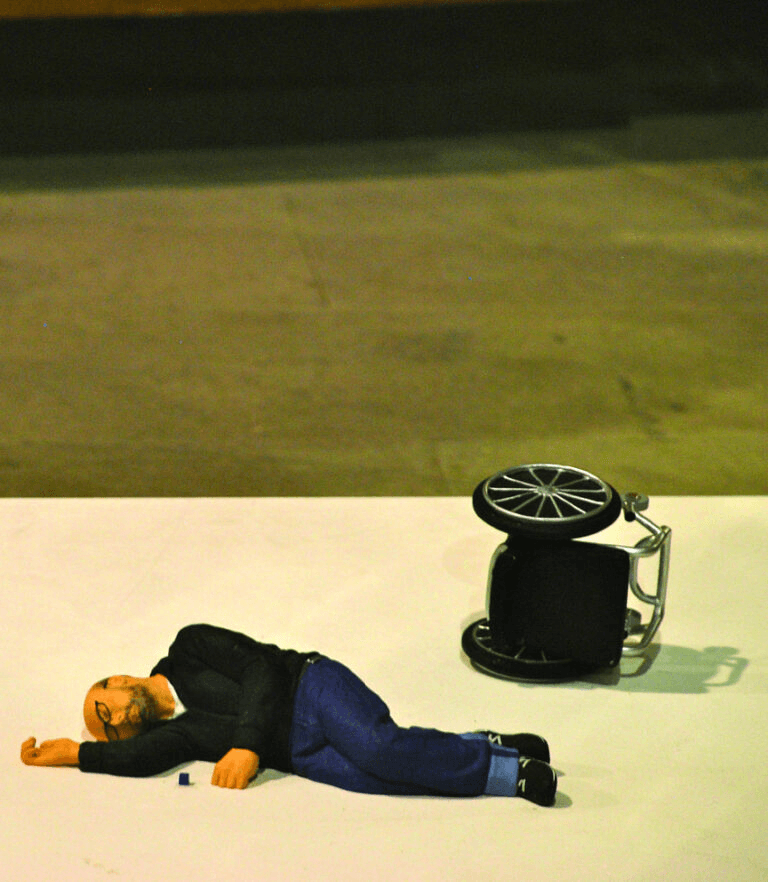
Sometimes, Gander inserts himself into this expansive “art game.” In the 2011 Venice Biennale, he included a miniature figure of himself falling from his wheelchair—objectifying his experience while allowing viewers to observe it from the outside. At the Whitechapel Library in London, he deliberately filled spaces with obstacles, inviting visitors to experience wheelchair-bound navigation and empathize.
Gander’s work reflects a world without barriers. “I don’t want to be known as a disabled artist,” he says, yet he weaves fragments of his own life into universal stories. Each project begins anew; repetition is foreign to him. He collaborates with his daughters, adopts pseudonyms, and crafts art as a branching narrative, like the “Choose Your Own Adventure” books he cherished as a child. Every page offers a new possibility; every viewer, a new meaning.
“Pussies and Places” at Pilevneli
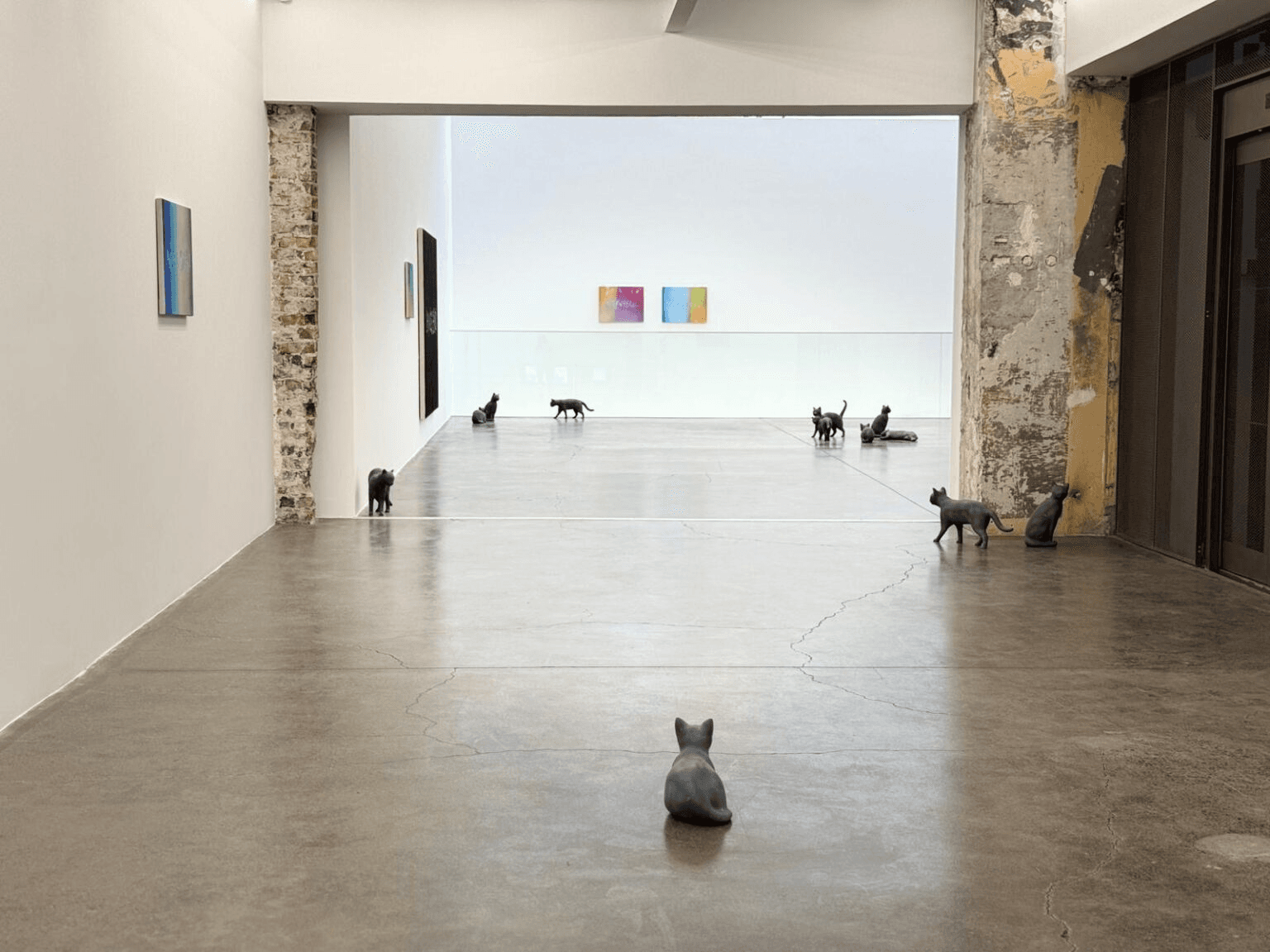
Now, the journey brings us to Istanbul. In November, Gander opened his first solo exhibition in Turkey at Pilevneli Dolapdere: Pussies and Places. As the title suggests, cats and places take center stage.
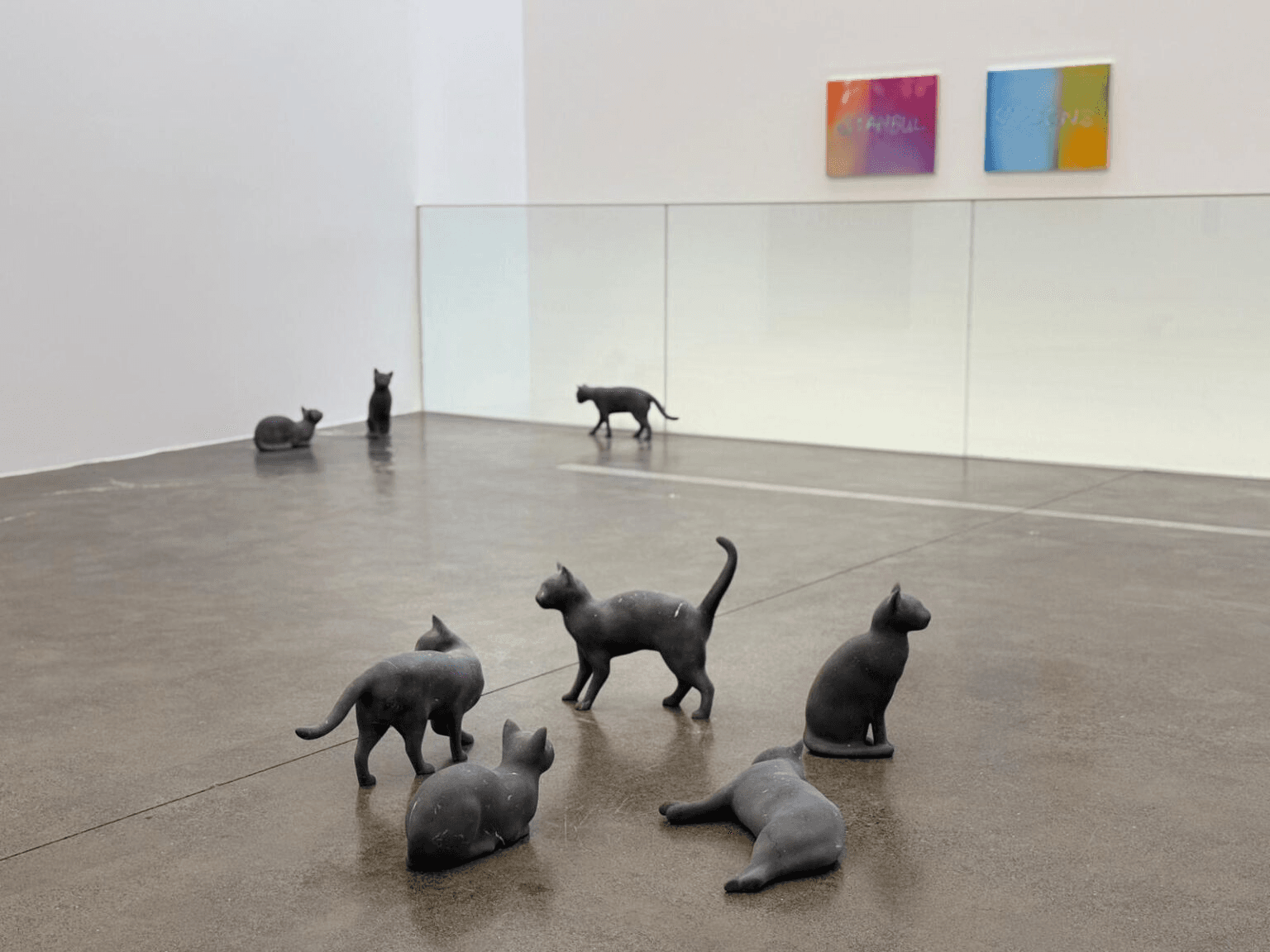
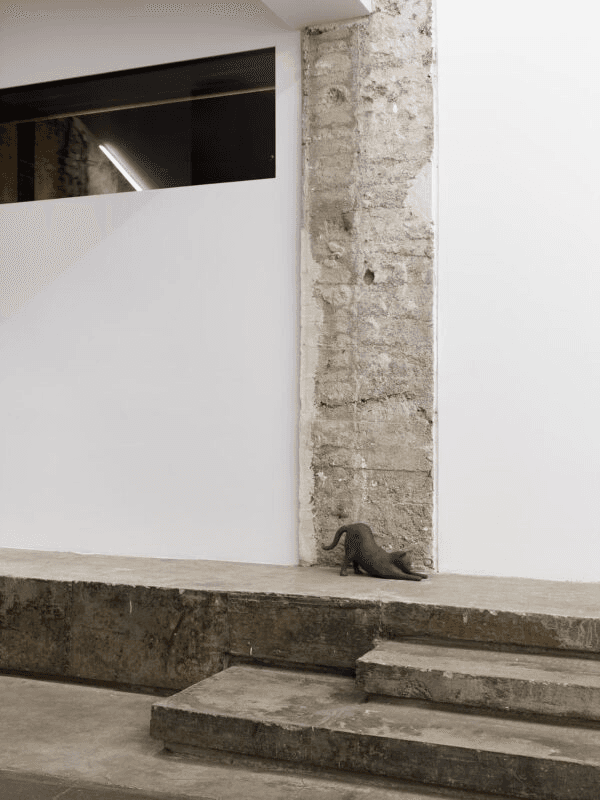
Cats greet visitors from the entrance. Across two floors, how many can you spot? The ground floor resembles a low-ceilinged, cramped office—an archetypal white-collar workspace. What does it evoke? Work? Money? Capitalism? A magpie animatronic perched above recalls a fable about greed.
And there’s another clue: an animatronic housefly, moving sporadically across the space. I won’t explain its meaning—consider it a hook for your imagination. In Gander’s art, the role of the viewer is to become a detective, piecing together narratives, noticing details, and embracing ambiguity.
On the second floor of Pussies and Places, cats and spaces take center stage. Here, Gander invites us to consider the metaphorical weight of his marble cats.
Finally, we meet in Istanbul with your work, your marble cats. How would you describe this encounter at Pilevneli Gallery?
I think cats are a very effective metaphor for people in general. In the context of Istanbul or Turkey, their placement wasn’t deliberate—it was entirely coincidental, random even. Yet the questions these works raise extend far beyond the gallery. They carry an intellectual and weighty significance.
“I think cats represent a silent minority or a noisy majority in the world,” Gander continues. They are connected to everything that happens around us. They embody debates about what is inside and outside, the line between public and private, who is invited and who is excluded, who enjoys freedom, will, or privilege—and who does not. They question what it means to be perceived as lower class, whether sociologically, economically, religiously, or politically; what it means to belong to a collective; what it means to be an individual; what it means to be part of the majority or the minority.
For Gander, then, the exhibition is essentially sociological—a space of reflection rather than conclusion, of questions rather than answers.
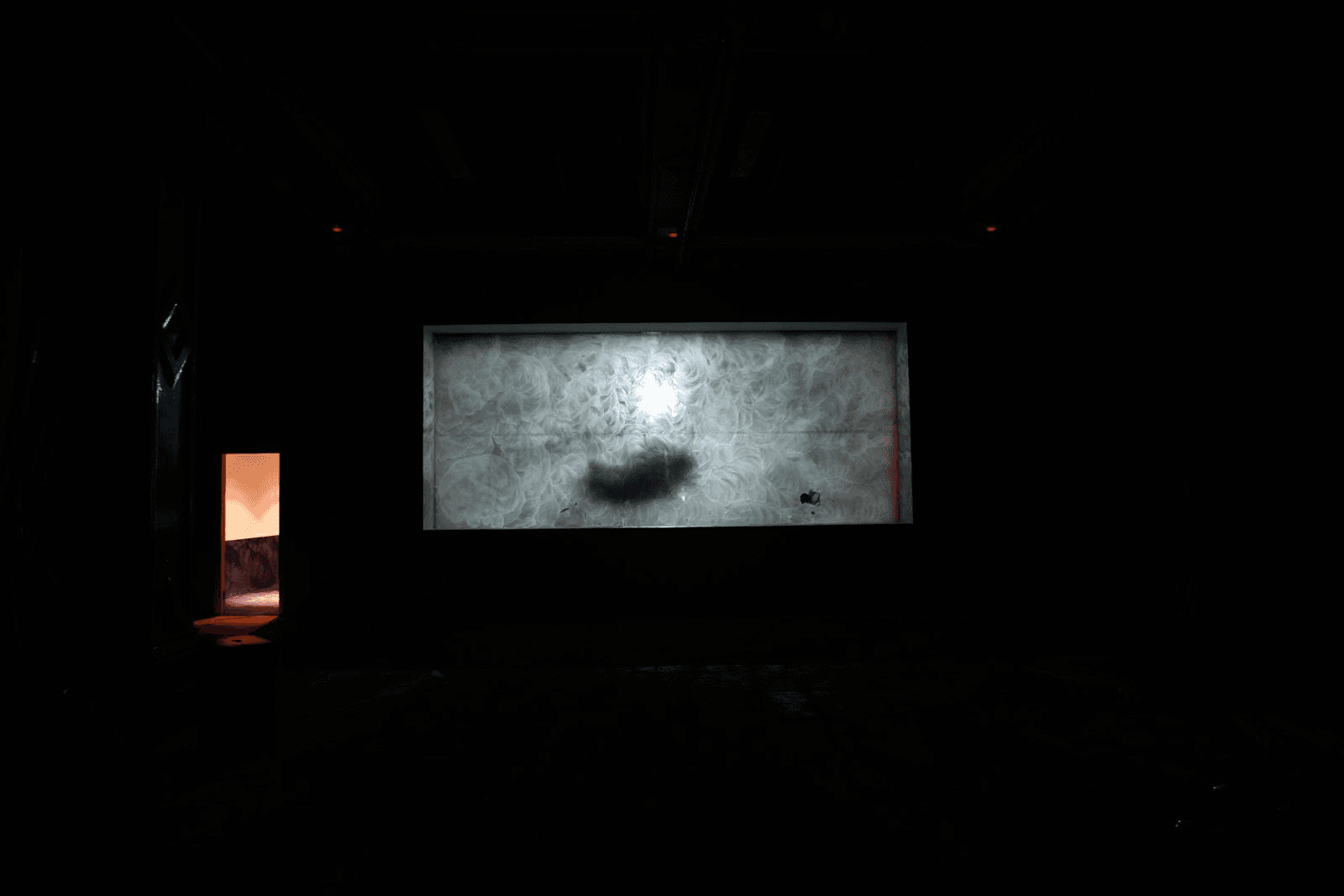
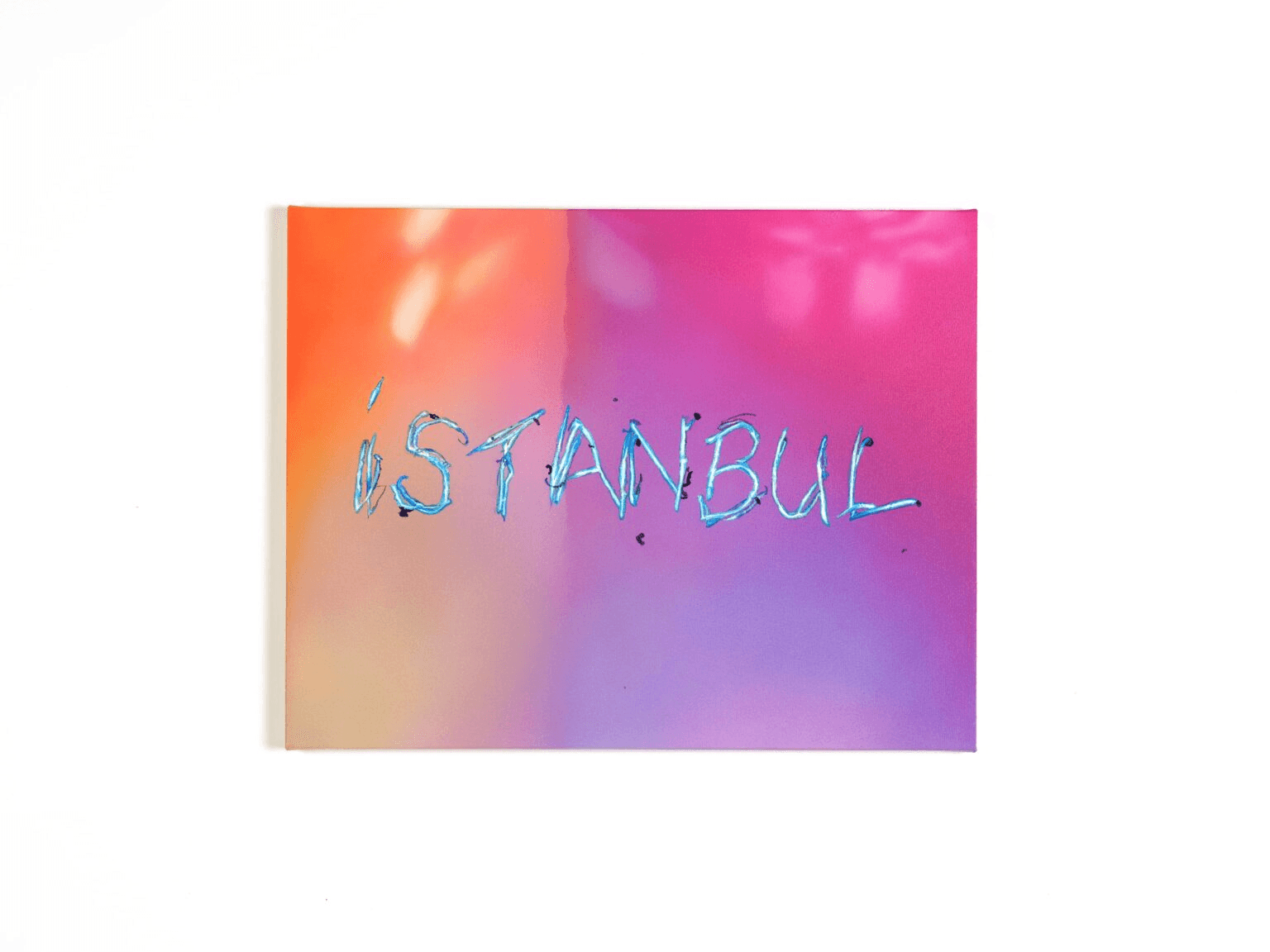
Adjacent to the cat installations, place names appear on paintings, resembling road signs affixed to the wall. These works trace their lineage back to the slide cards Gander’s father used decades ago. He recalls being ten years old, watching his father set up a projector and show slides from family trips. Tiny notes scratched into the cards—like “Washington D.C.”—and imperfections on the film surface transformed under the projector’s light into abstract images.
“Today,” Gander reflects, “these images are not words or pictures, but light itself. The light seeping through the flaws in the film becomes a completely different place in the mind of each viewer. For some, it is a memory; for others, a cliché; for others still, an imagined geography.” These paintings are, for Gander, “landscapes of memory”—not a single depiction, but a thousand possible visions, abstract terrains shaped by each person’s own imagination and experience.
A canvas from Ryan Gander’s Pussies and Places exhibition. Place names in vivid colors, such as “ISTANBUL,” reflect the artist’s ongoing exploration of space, memory, and belonging.
As we wander through Ryan Gander’s world, one question emerges repeatedly: Are we really looking?
In an interview, you mentioned, “Humanity used to be stagnant, not growth-oriented.” Looking at contemporary art today—with its relentless exhibitions, content streams, and production speed—do you think art also needs moments of conscious stagnation, moments of silence?
Absolutely. We live in a world of content gaps and attention scarcity. Information, words, and ideas have lost meaning because there is simply too much of everything. For something to matter, it must be rare; scarcity creates significance. But in the contemporary art world, value is determined almost entirely by commercial forces. All my work, however, centers on the human condition: the values we hold, and the tensions we experience with them. These include time, attention, collectivity, and money.
Gander’s art, in every form—from animatronic cats to abstracted landscapes of memory—challenges us to stop, observe, and reflect. It asks us to consider not just the world he constructs, but the ways we perceive, engage with, and assign meaning to our own.
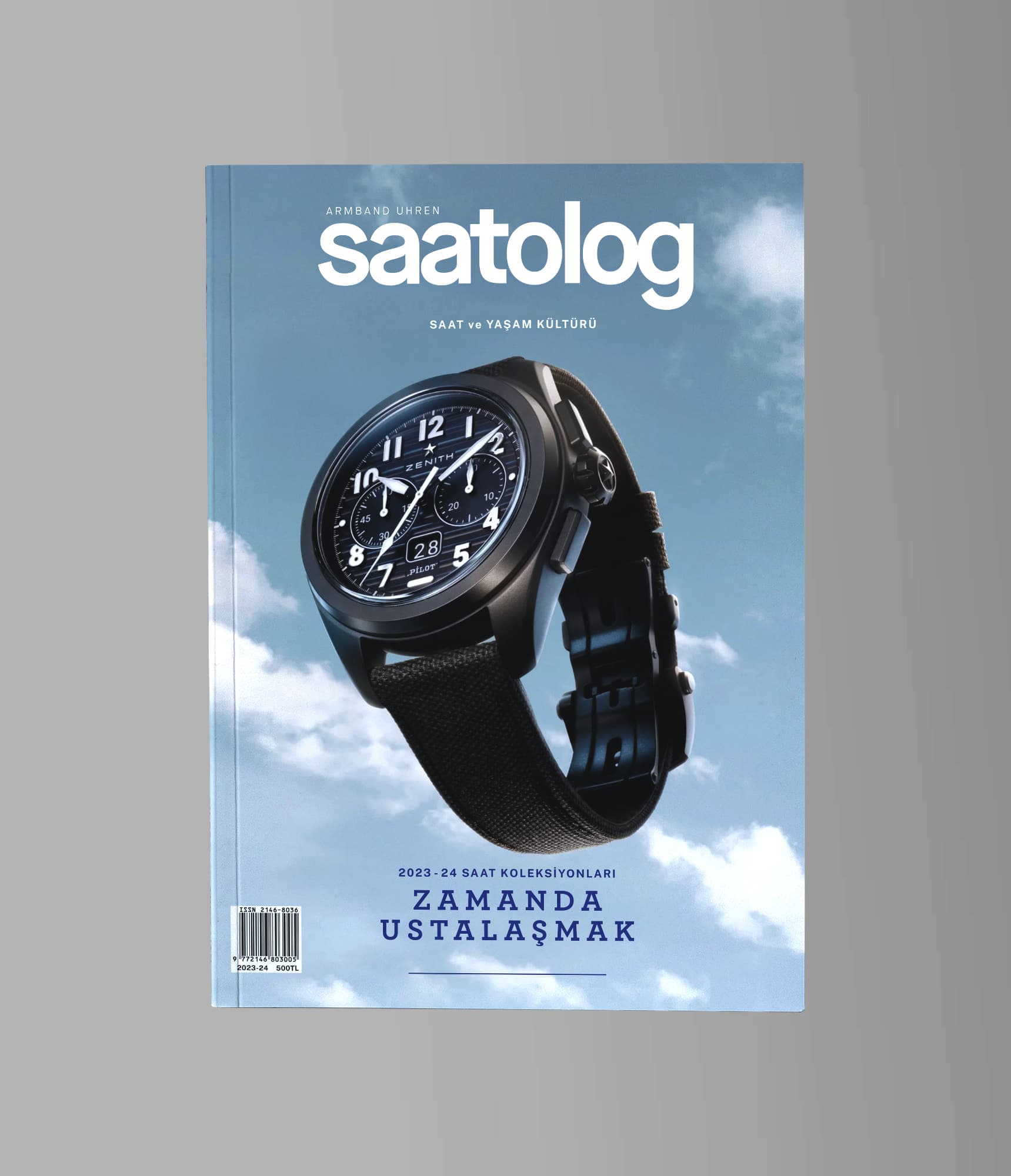
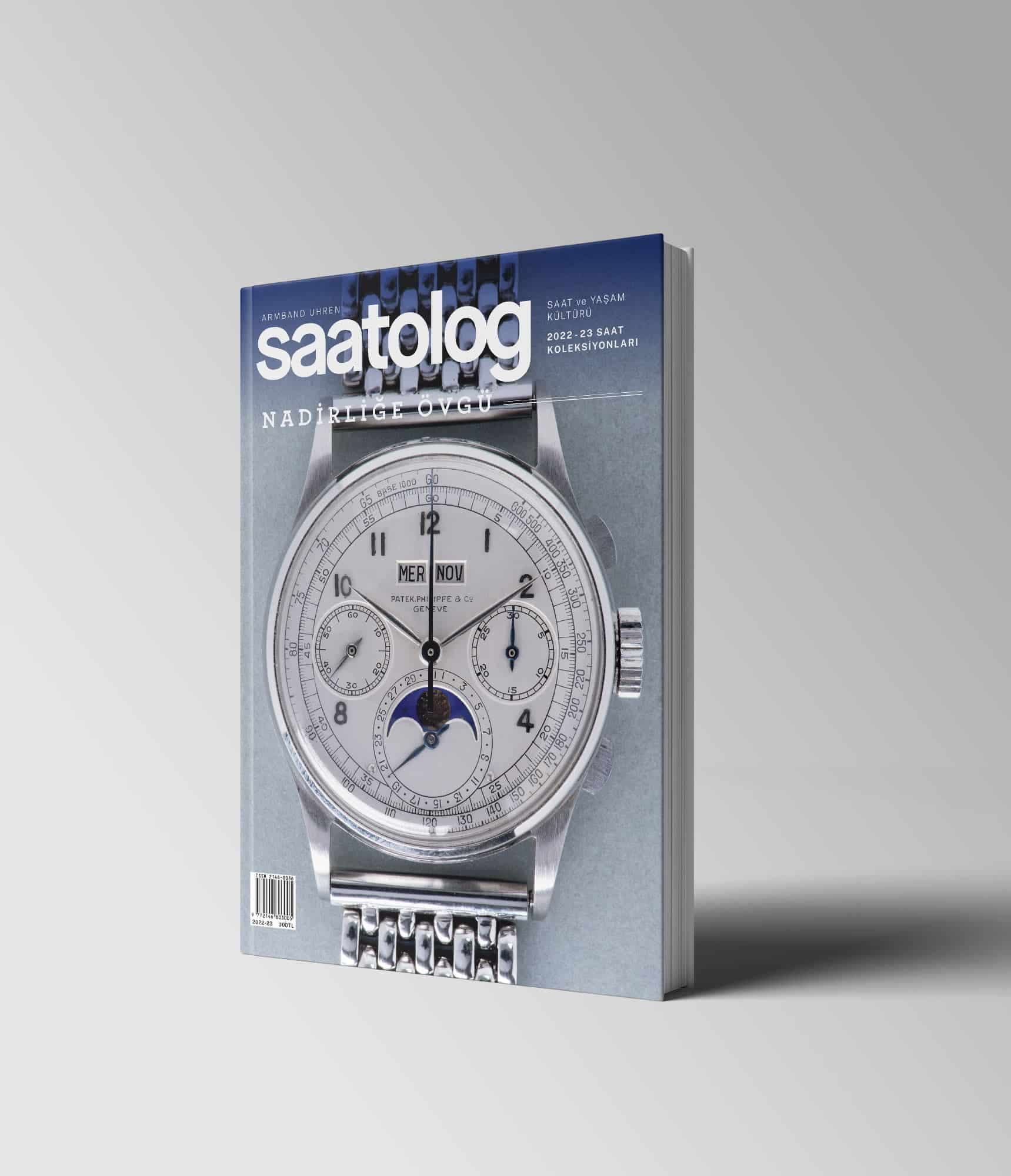
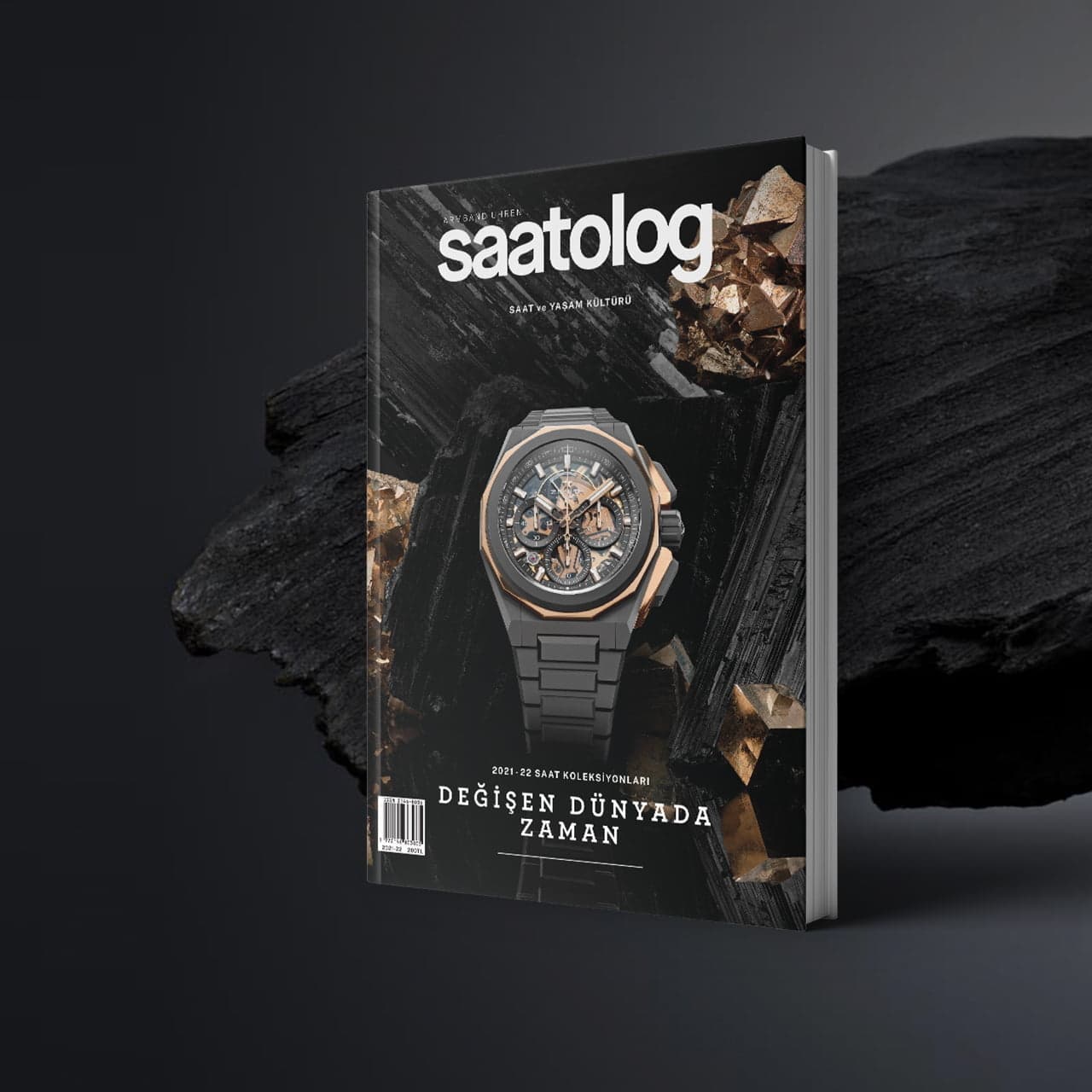
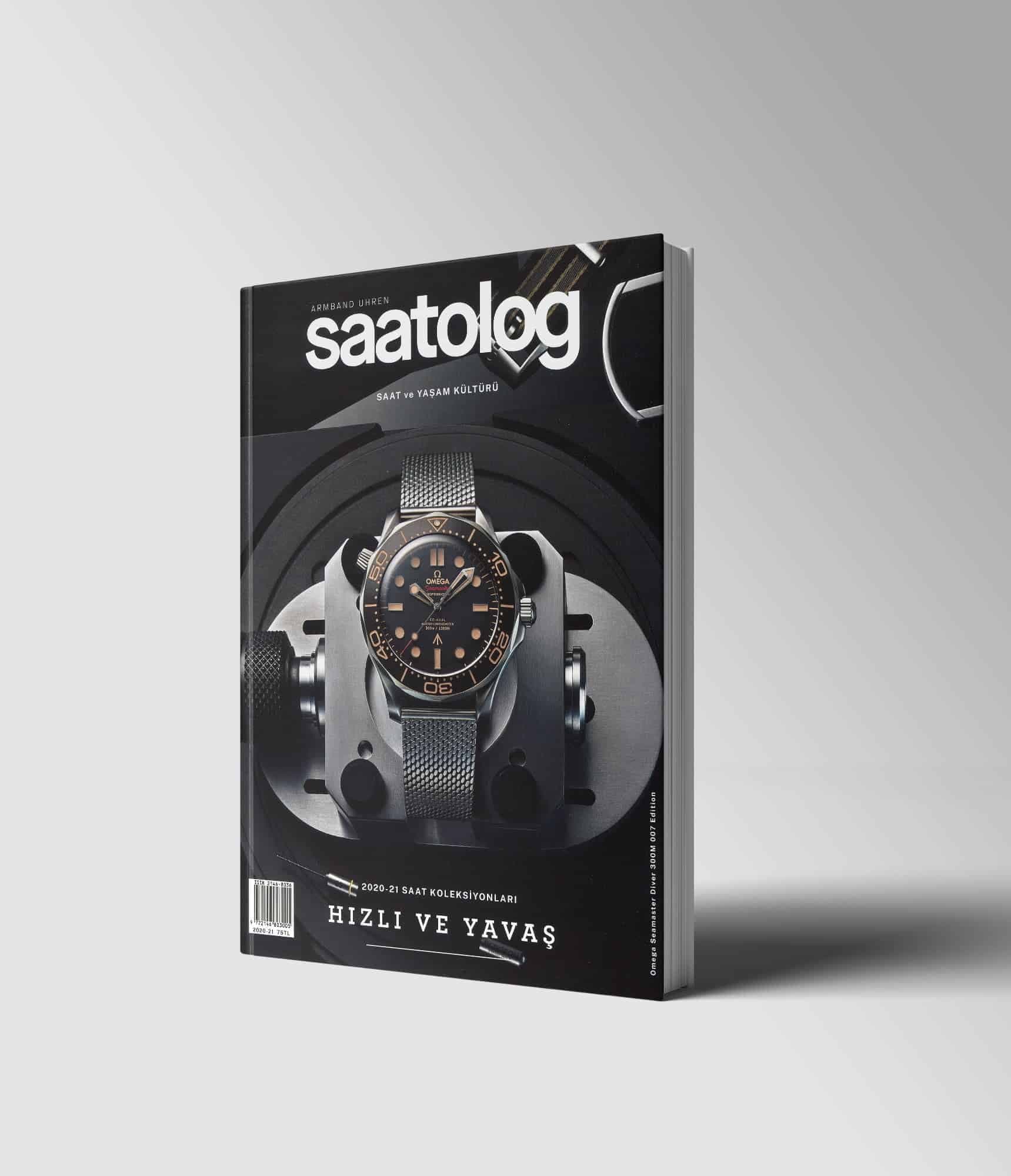
Saatolog Yıllık Saat Dergisi Saatolog’un yeni sayısı, 2020’nin yarattığı bu dönüştürücü etkiden ilham alarak hazırlandı. Dünya dijitalin etkisiyle her zamankinden de hızlı bir şekilde ilerlerken yavaşlamanın da önemini sonunda kavramış bulunuyoruz ve bu tezatlık hayatlarımızın her anına etki ediyor. Biz de bundan yola çıkarak Saatolog 2020/21 sayısını ‘‘hızlı ve yavaş’’ teması altında hazırladık.