🌑--:--TR

Is it Swiss quality, timeless design codes, a captivating backstory, or a moment of cinematic fame on the wrist of a Hollywood star? For nearly two centuries, hundreds of models have been produced in Swiss watchmaking, but only a few have written their names into history as true icons. Some accompanied humankind on its first steps on the Moon; others introduced designs far ahead of their time. The ticking of these legendary watches still echoes today.
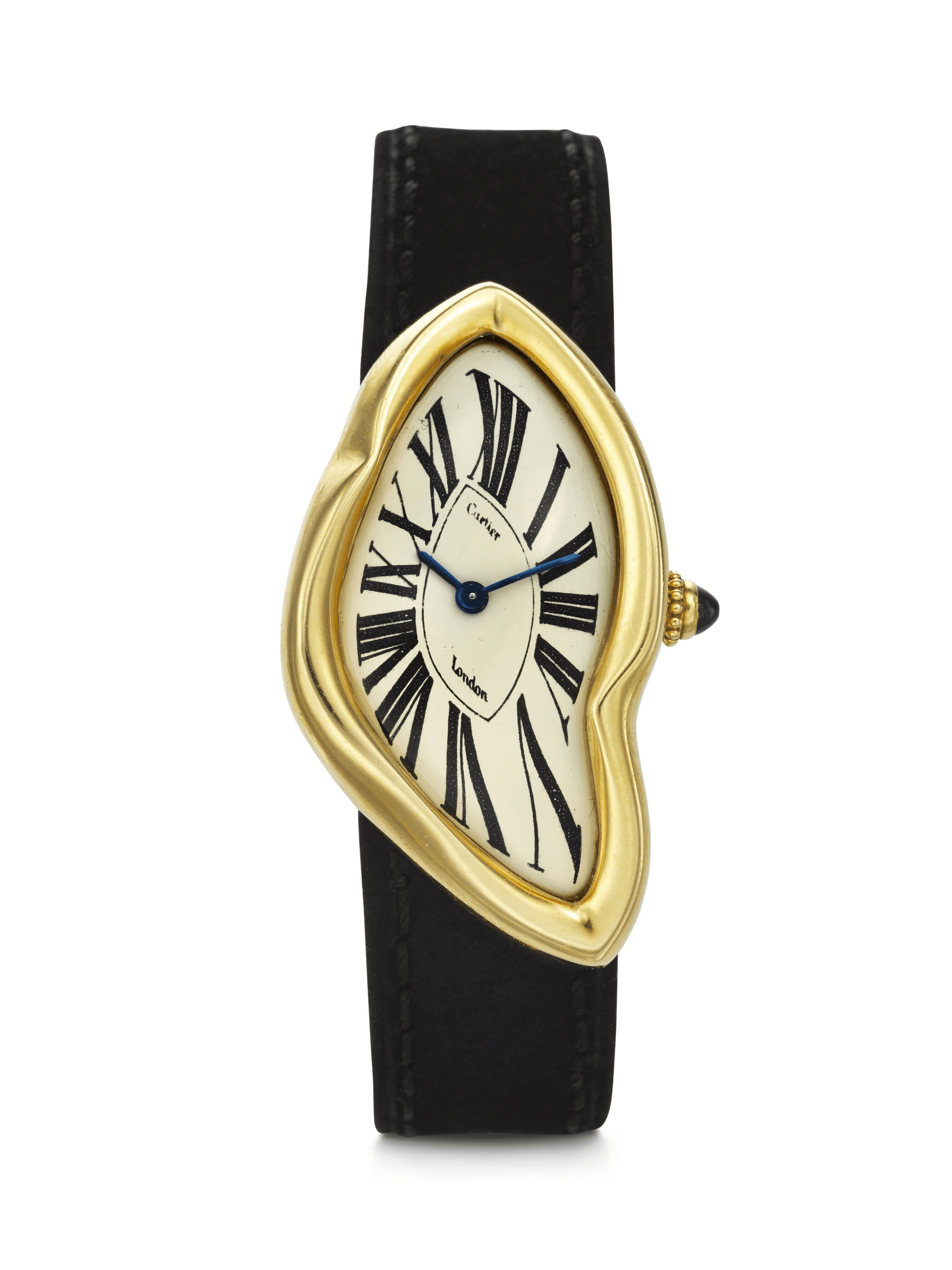
One of the most avant-garde watches ever created, the story of the Cartier Crash is said to have begun in 1967 when a customer brought a deformed Baignoire watch, damaged in a car accident, to Cartier’s London boutique. Jean-Jacques Cartier and designer Rupert Emmerson took inspiration from the distorted case to create the Crash. Another claim is that Salvador Dalí’s The Persistence of Memory inspired its melting silhouette. Yet another version says Cartier’s loyal clients of the 1960s simply wanted something utterly unique. Whatever the truth, the result — a watch that looks as if it were squeezed at both ends or crushed in an accident — became one of the most recognizable designs in horological history.
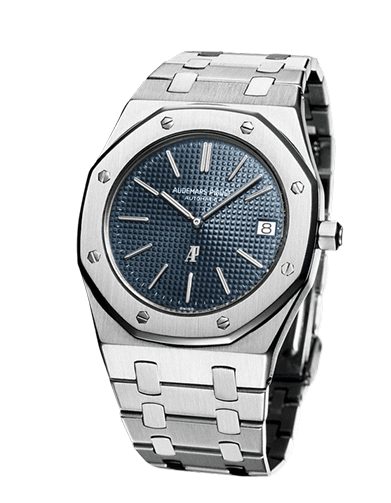
Early 1970s. Young watch designer Gérald Genta receives a late-night call from Audemars Piguet’s managing director George Golay, asking him to design a never-before-seen steel sports watch — overnight. Genta sketches the Royal Oak that same night, just in time for the Swiss Watch Fair the next day. After two years of refinement, the Royal Oak debuted in 1972 as the first luxury sports watch made of stainless steel, featuring its signature octagonal bezel — a design that forever changed watchmaking.
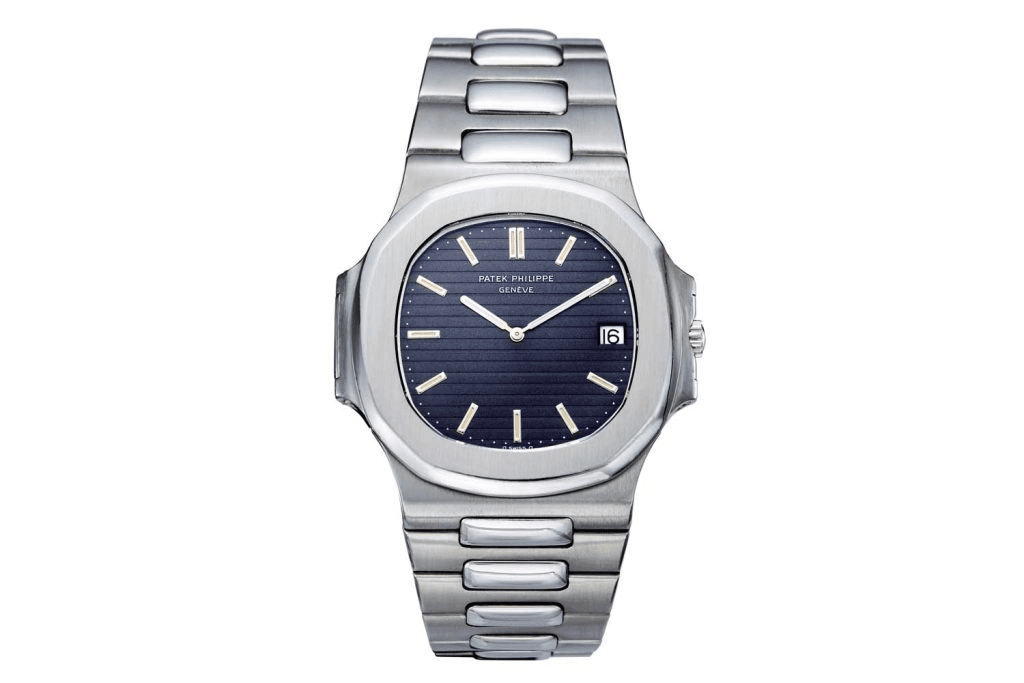
Another of the world’s most sought-after steel sports watches also bears Gérald Genta’s signature: the Nautilus. Designed in 1976 for Patek Philippe, Genta reportedly drew it in just five minutes on a restaurant napkin. Its name comes from Captain Nemo’s submarine in Jules Verne’s Twenty Thousand Leagues Under the Sea. With its rounded octagonal bezel, horizontally embossed dial, and integrated steel bracelet, the Nautilus has since become an object of desire for collectors worldwide.
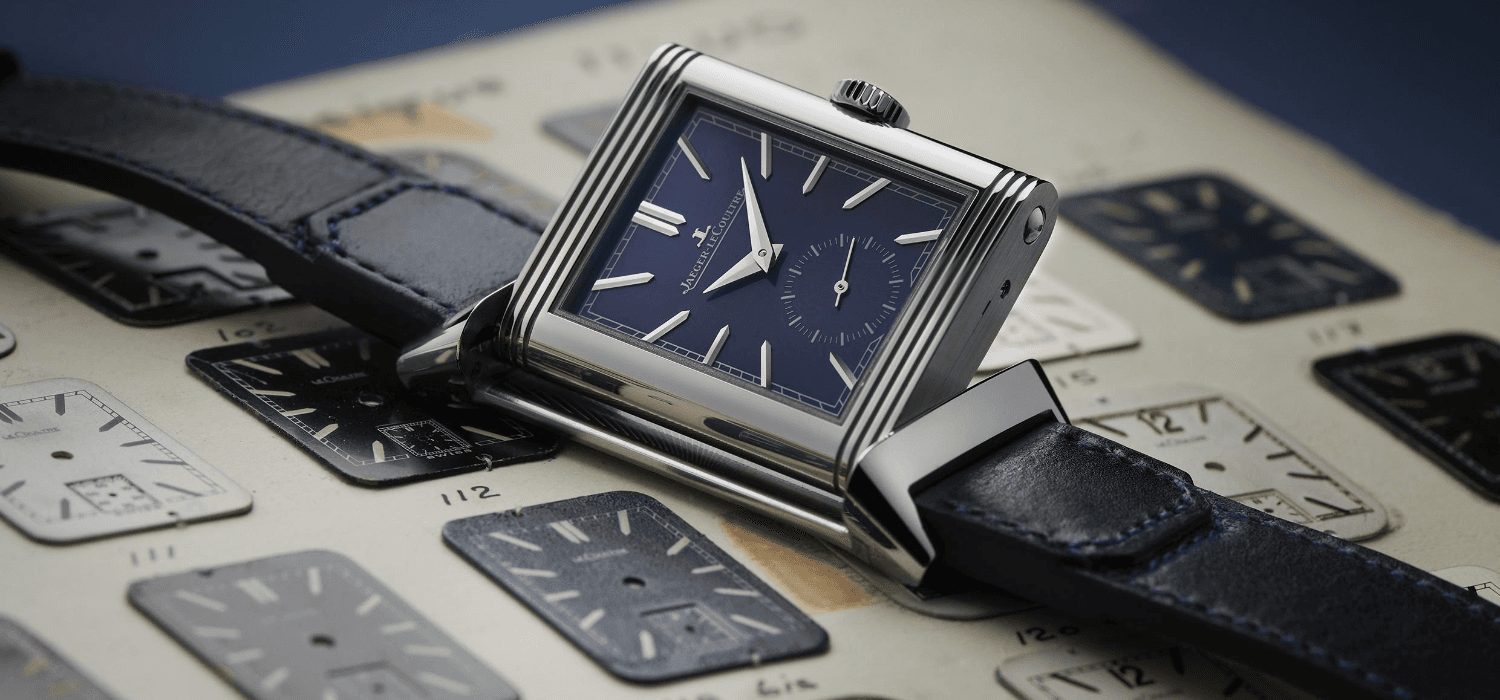
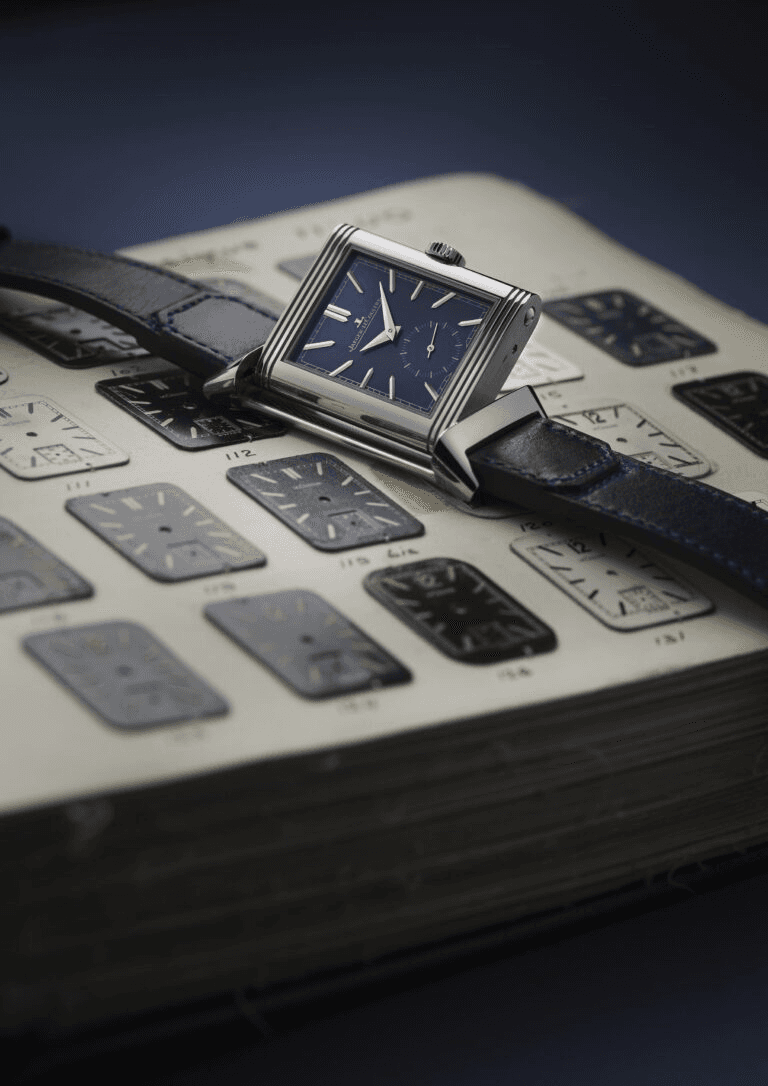
With its reversible case and Art Deco design, Jaeger-LeCoultre’s Reverso dates back to the early 1930s. At the time, British army officers stationed in colonial India often played polo during their leisure hours. One such officer showed his shattered watch to Swiss businessman and watch enthusiast César de Trey, asking if a watch could be made tough enough for polo. De Trey brought the idea to Jaeger-LeCoultre’s president Jacques-David LeCoultre. The result was the Reverso, whose case could flip 180 degrees to protect the dial. Over the years, it became not only a symbol of durability but also a canvas for engravings and miniature artworks.
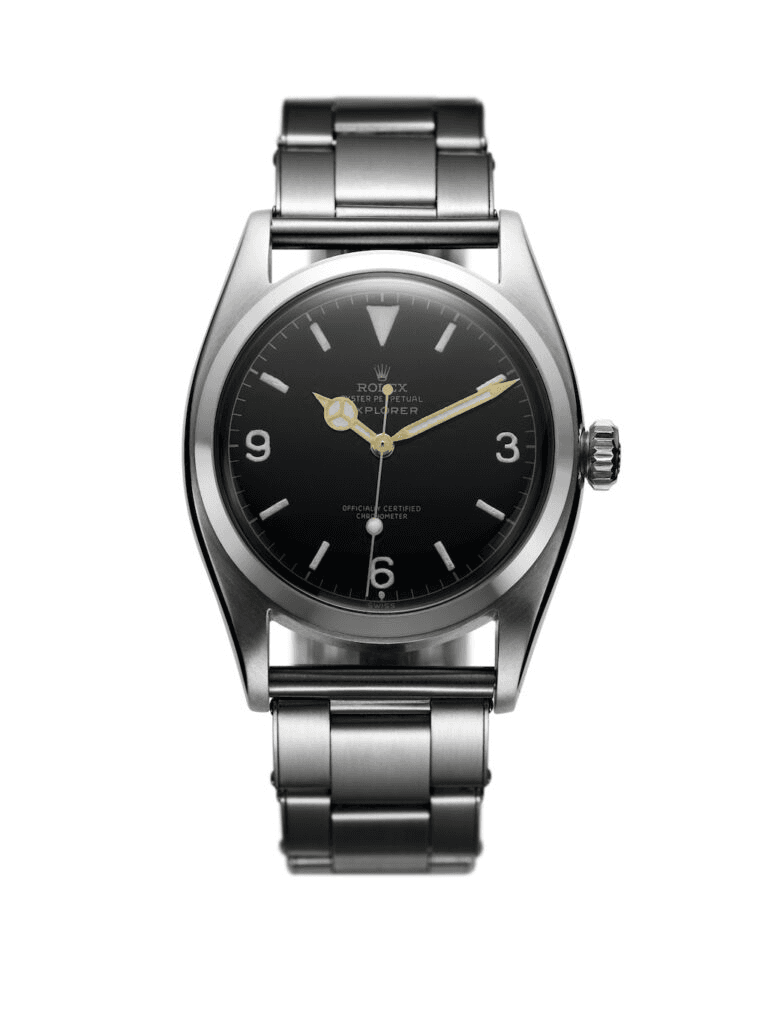
While Rolex has many icons — the Day-Date, Explorer, GMT-Master — none have achieved the enduring fame of the Submariner. Introduced in 1953, it was the first dive watch water-resistant to 100 meters. Beloved by professionals for its robustness, dark dial, and distinctive Mercedes hands, the Submariner became synonymous with both adventure and style. Recently, Rolex released Oyster Perpetual Submariner – The Watch That Unlocked The Deep, a book written by historian Nicholas Foulkes in collaboration with Wallpaper, featuring never-before-seen archival materials.
Omega introduced the first Speedmaster in 1957, but it earned the name “Moonwatch” after accompanying Apollo 11 astronauts on their 1969 Moon mission. Having passed NASA’s rigorous tests, the Speedmaster became the first watch worn on the Moon. With its black dial, white hands, three subdials, and tachymeter scale, it became a symbol of human achievement — seen on the wrists of global icons, including U.S. President John F. Kennedy. Today, the Speedmaster Moonwatch remains a cornerstone of Omega’s collection in numerous variations.

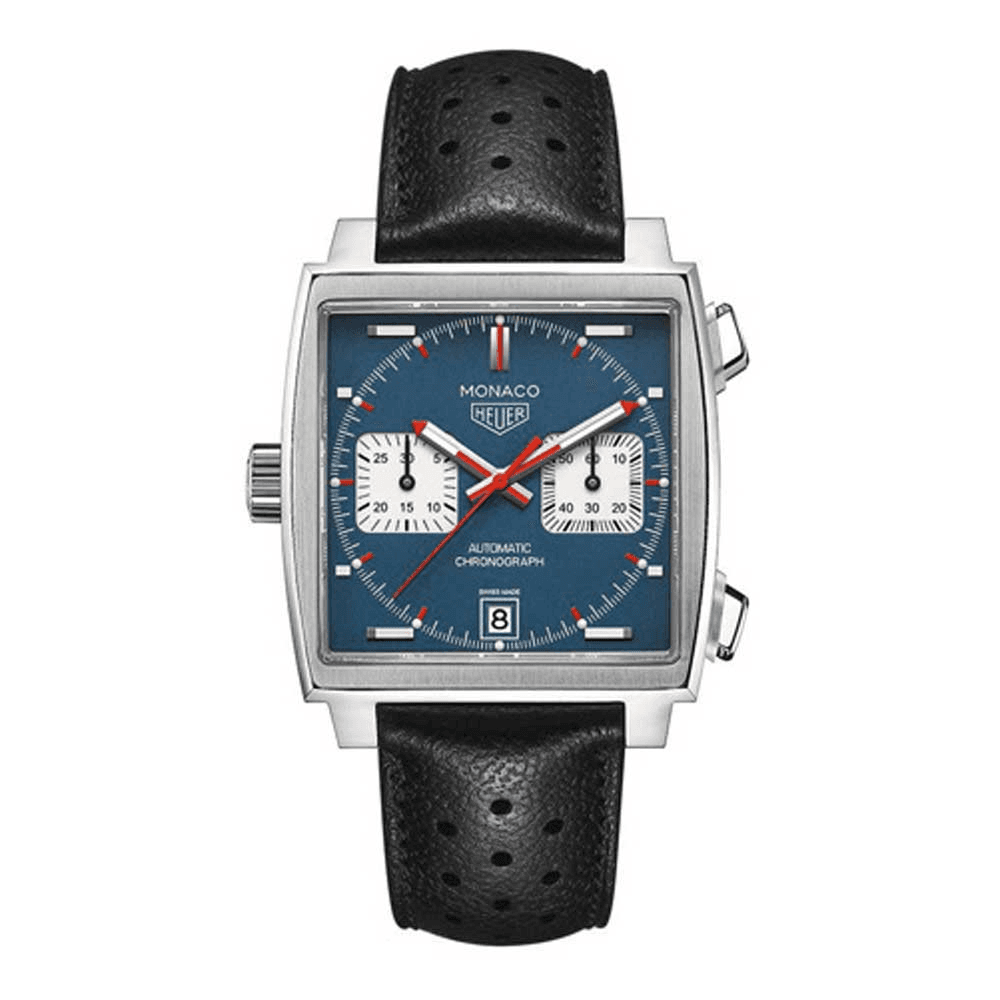
Introduced in 1969, the TAG Heuer Monaco was the world’s first square chronograph that was also water-resistant. Its fame skyrocketed when Steve McQueen wore it in the film Le Mans. The exact model from the movie — Monaco Steve McQueen Ref. 1133 — set a record in 2020 when it sold for USD 2,208,000 at auction, cementing its place as one of TAG Heuer’s all-time greats.
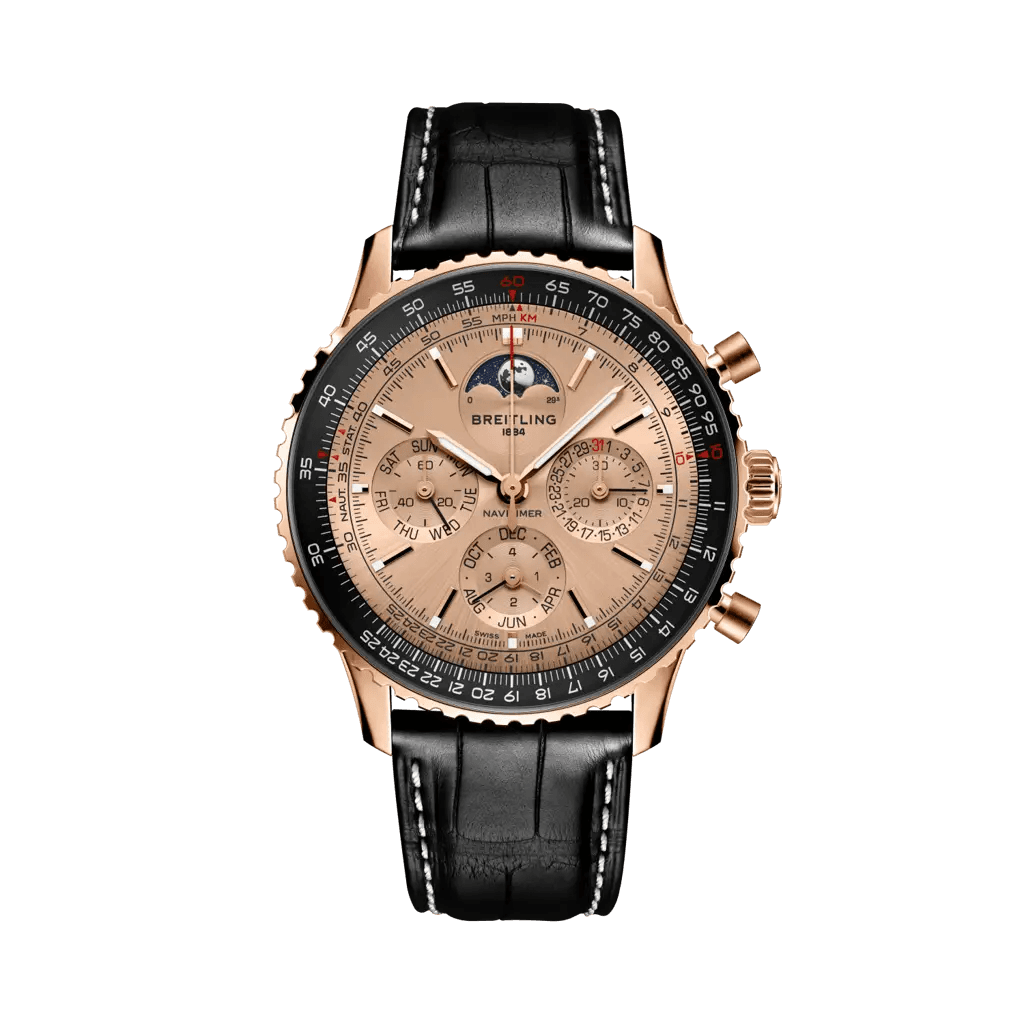
Celebrating its 70th anniversary in 2022, the Navitimer remains one of Breitling’s and the watch industry’s most recognizable models. The name combines “navigation” and “timer,” reflecting its aviation roots. Though its dial looks complex at first glance, its slide rule bezel, bold case, and large crown have made it a timeless favorite among pilots and enthusiasts for decades.
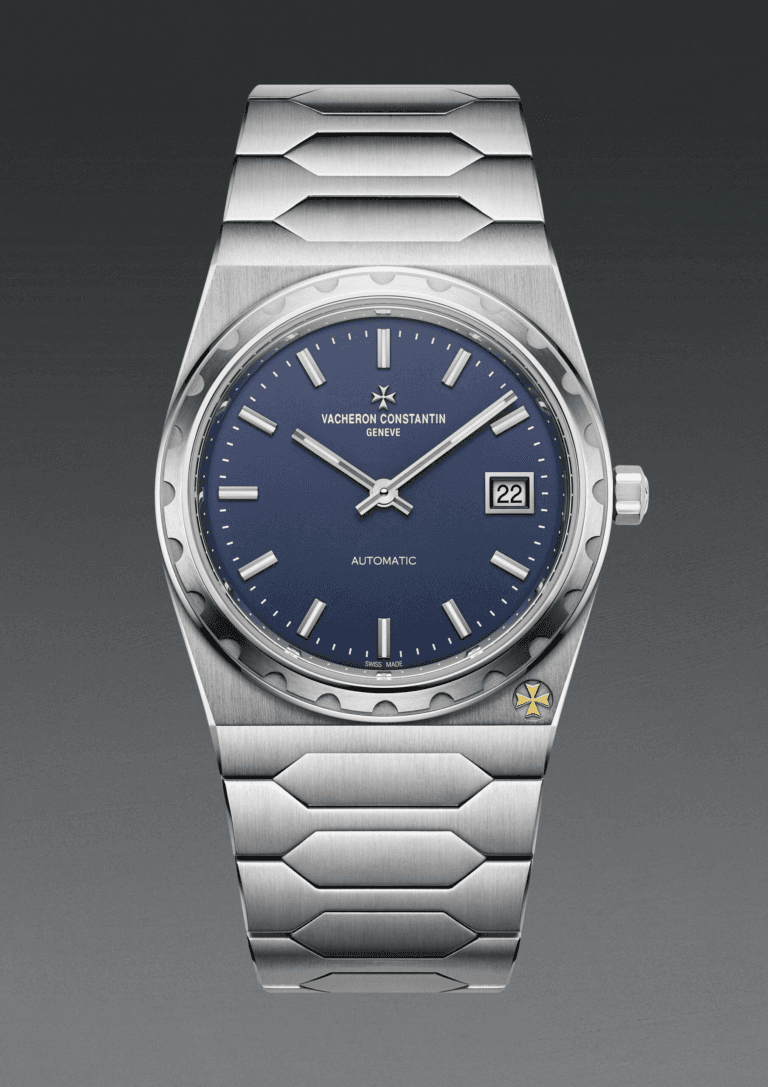
Among the most iconic luxury sports watches ever, the Vacheron Constantin 222 was unveiled in 1977 to celebrate the brand’s 222nd anniversary. Crafted in yellow gold with an integrated bracelet and notched bezel, the Historiques 222 became a cult classic. As Vacheron Constantin approaches its 270th anniversary in 2025, the maison has revived the Historiques 222 in stainless steel — a modern tribute to an enduring design.