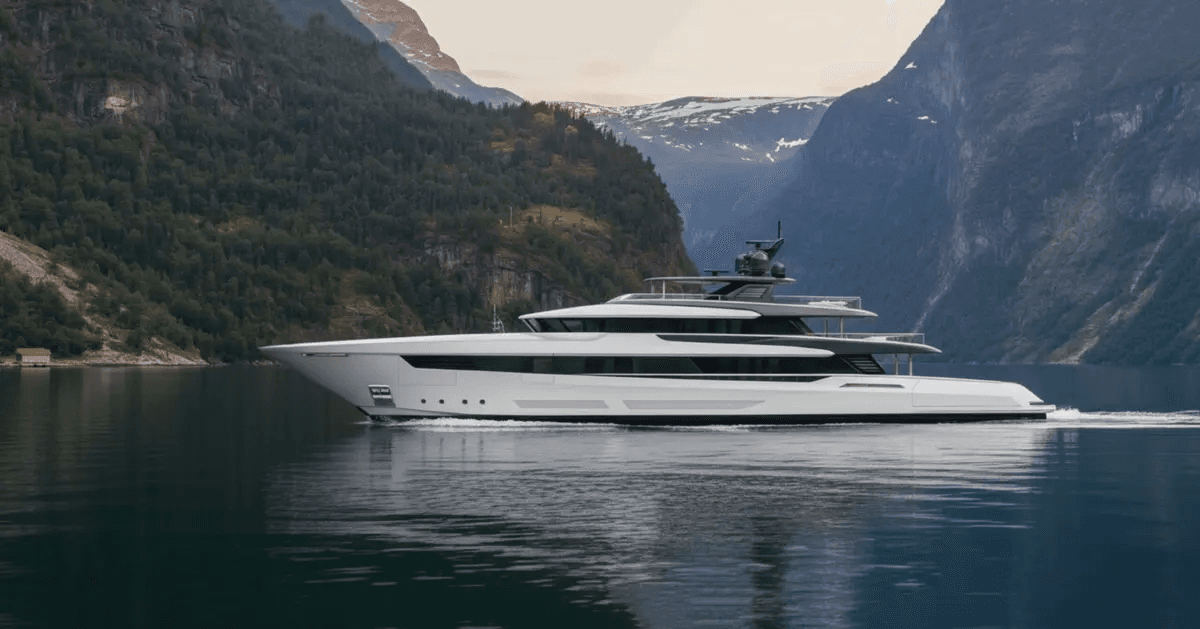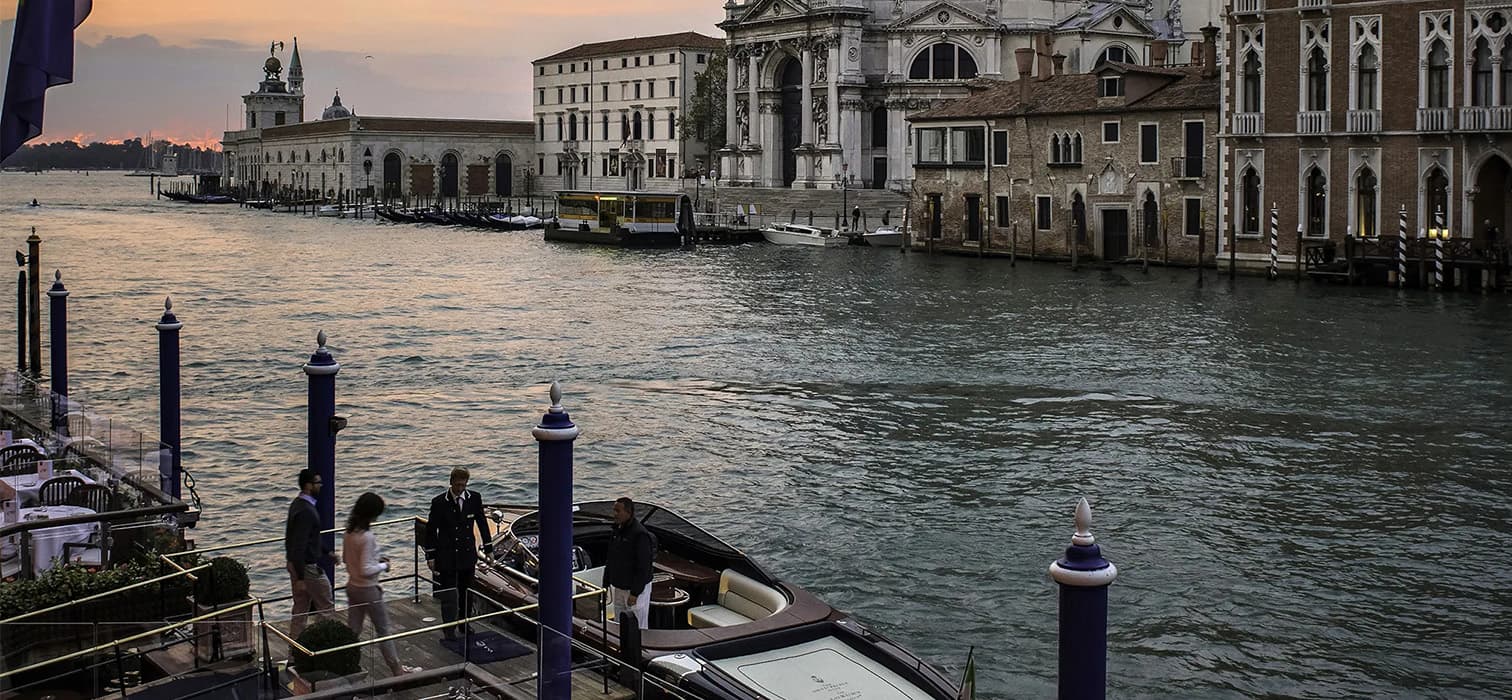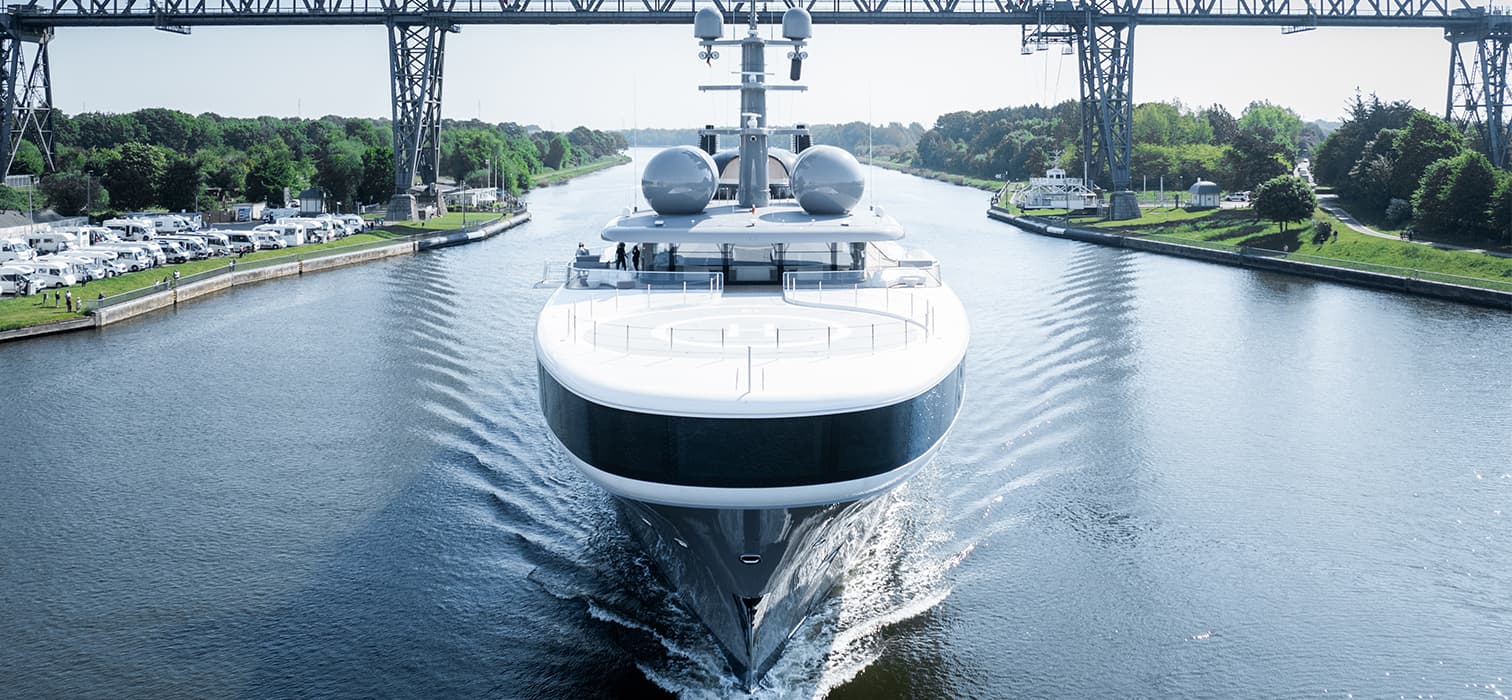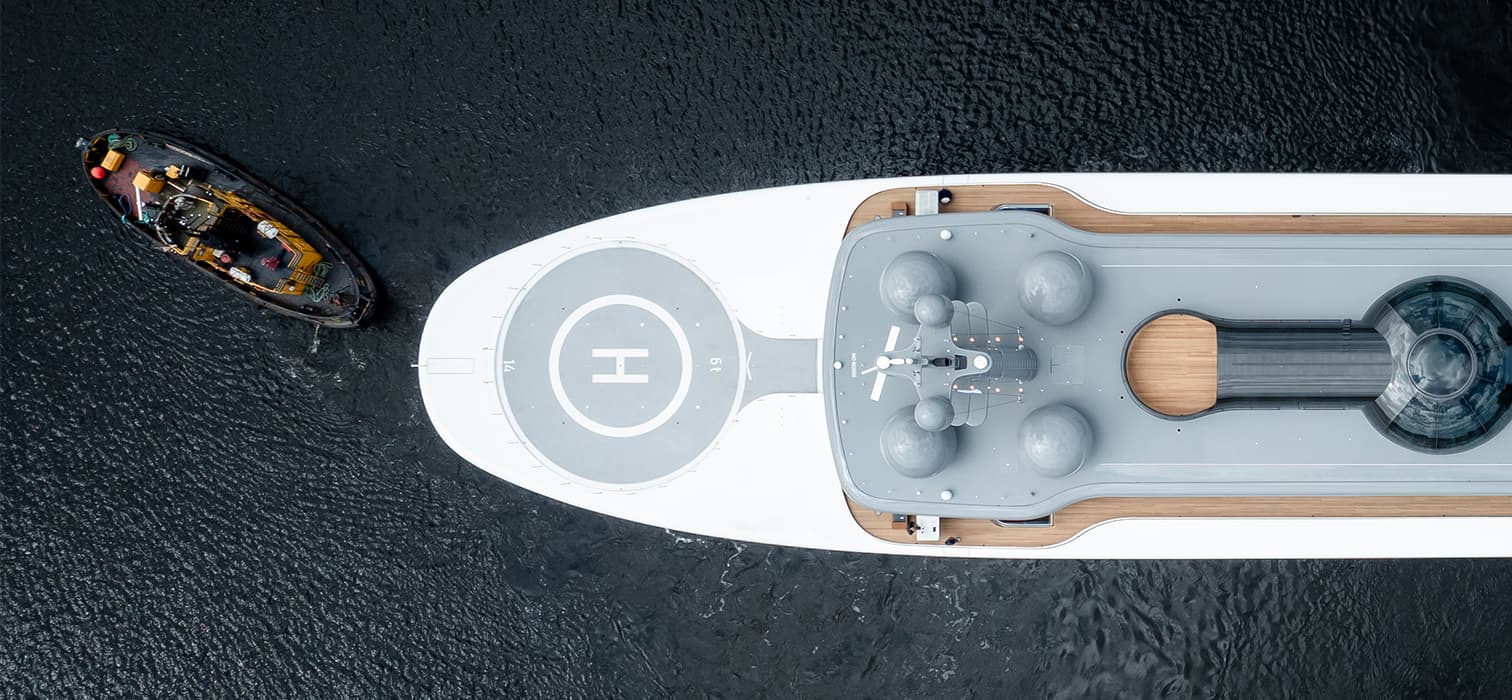
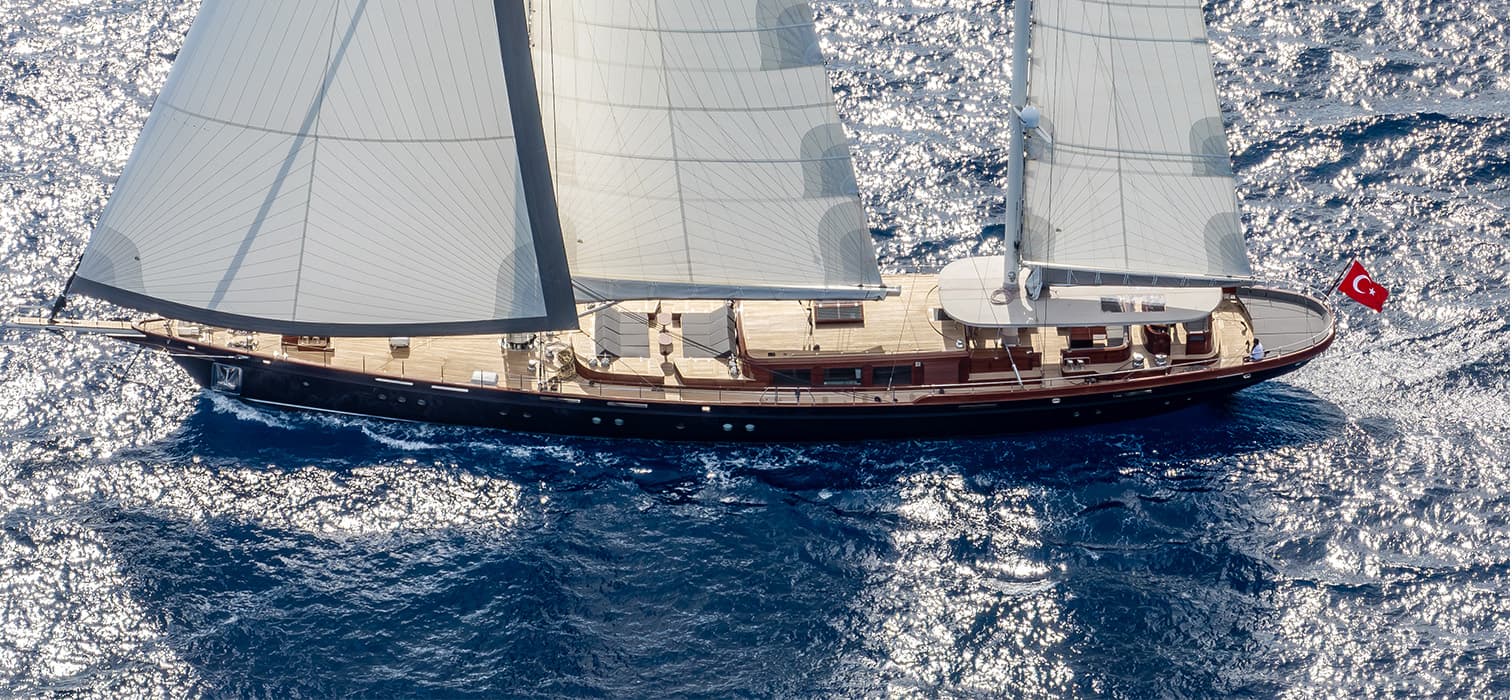
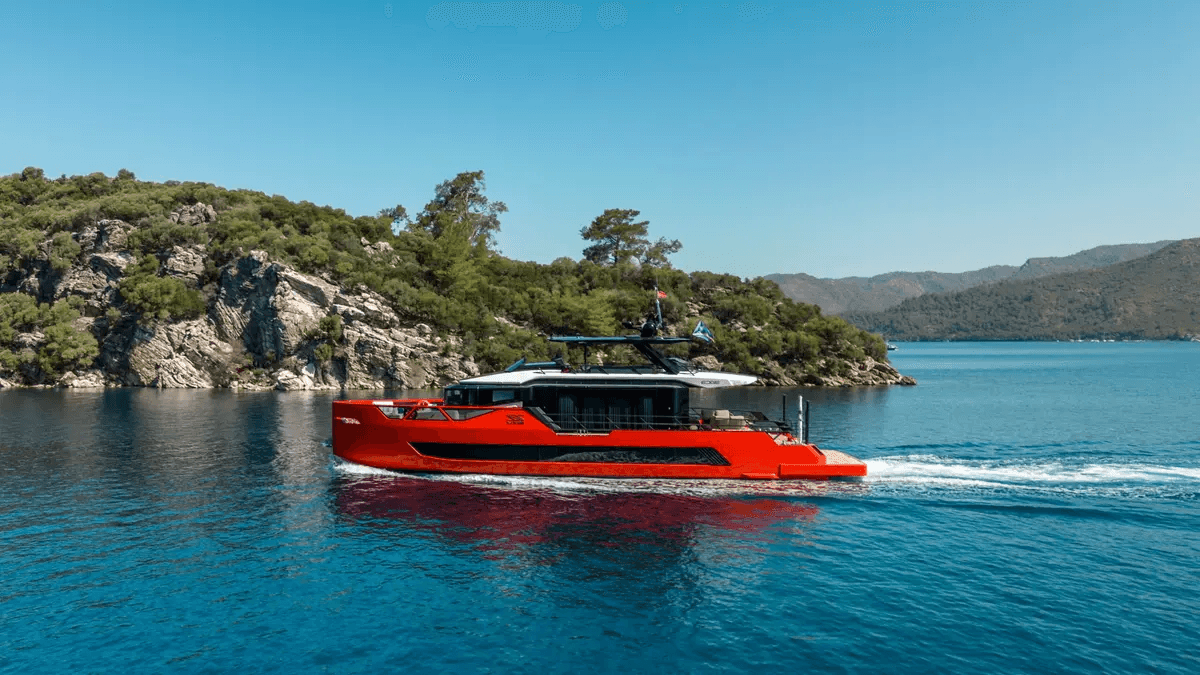
Türkiye is already one of the world’s leading countries in megayacht construction. Now it stands at a new threshold. Can the trust built around “Made in Türkiye” also turn “Designed in Türkiye” into an internationally recognised mark of prestige?
Türkiye no longer needs to prove to the world that it can build large and ambitious yachts. Turkish shipyards have established their credentials across a wide range of areas, from engineering and craftsmanship to custom-build capabilities and the ability to respond to different owners’ expectations. Today, the real question is whether this success in production can also be translated into design.
Italy is associated with design, the Netherlands with engineering and the Scandinavian countries with simplicity. None of these reputations was built on a single successful product. Behind them lies an approach sustained over decades, brands that reinforce one another and design stories that have been communicated effectively to the world.
Türkiye could embark on a similar journey. In fact, perhaps the greatest strength of Turkish yacht design is precisely that it has not yet been reduced to a single formula.
Is There Such a Thing as a Definitive Turkish Yacht?
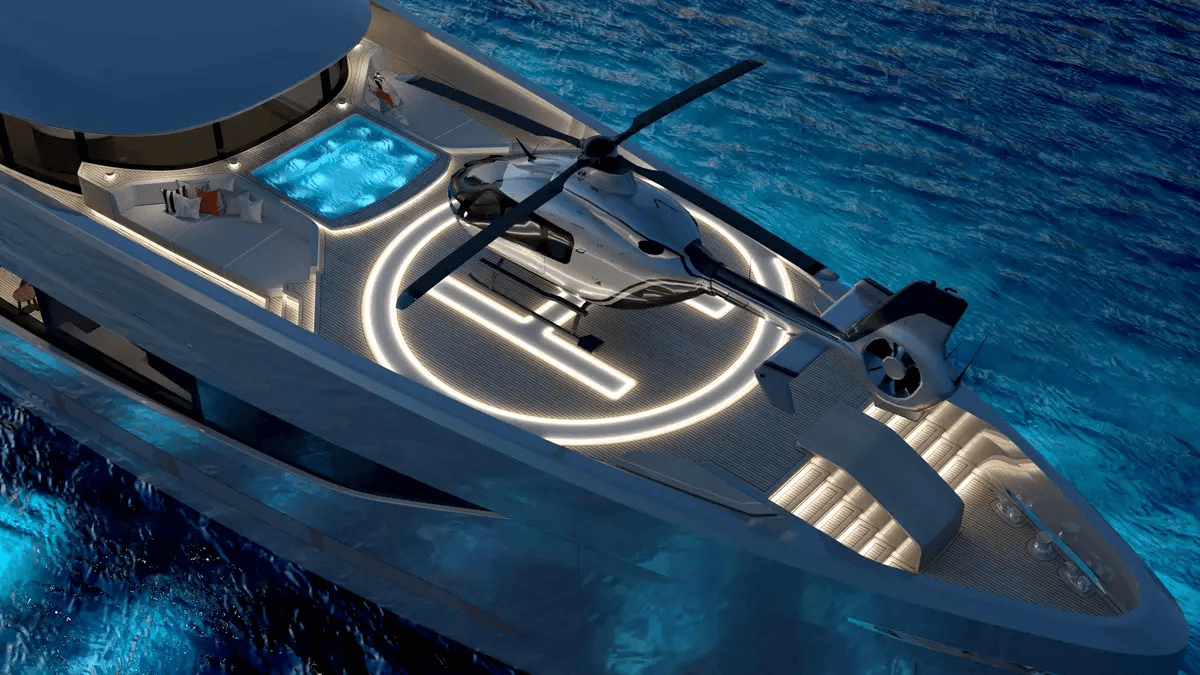
Today, the phrase “Turkish yacht” does not immediately evoke a particular silhouette or a shared set of aesthetic codes. Yet it would be wrong to see this purely as a shortcoming. Designers in Türkiye are capable of creating very different worlds, ranging from the warm, sociable lifestyle of the Mediterranean to explorer yachts, generous-volume models and more understated, personal projects.
Can Yalman’s statement, “Identity is the result; it is not the starting point,” is particularly relevant here. A design identity cannot be created simply by deciding on a few lines, colours or traditional motifs. As Yalman puts it, “You cannot wake up one morning and create a design language.” Identity takes shape over time, as original and consistent work builds upon what came before it.
Türkiye’s maritime heritage offers a powerful resource in this respect. But the point is not to reproduce the gulet, tirhandil or Bosphorus boat exactly as they once were. It is more valuable to understand the way of life behind these vessels. Tanju Kalaycıoğlu captures this idea perfectly when he says, “The character of a Turkish boat lies in the quality of the time spent on board.” Being close to the sea, living outdoors, creating shade, hosting guests and valuing time spent together… The success of a design is revealed not only in how a yacht looks from a distance, but also in how it makes people feel on board.
“Good designers do not simply create square metres; they create volume while preserving the character of the yacht,” says Kalaycıoğlu. Larger salons and cabins alone do not create luxury. The right proportions, natural light, a close relationship with the sea and genuinely liveable spaces offer far more enduring value.
Beyond a Beautiful Line
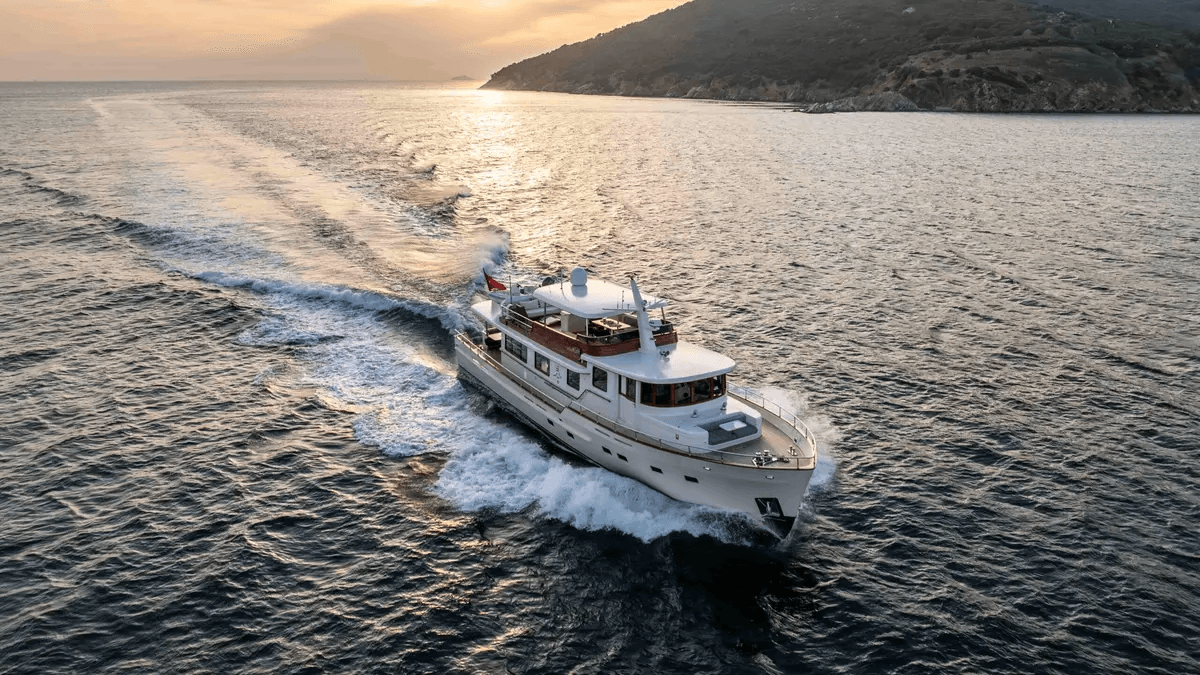
One of the significant advantages Turkish designers have is their proximity to production. They understand how every line they draw will be built, which materials can bring it to life and how it will function in everyday use.
“Creating a beautiful line is not enough on its own. That line also needs to be buildable, marketable and liveable, while genuinely adding value for its owner,” says Fatih Sürekli of RED Yacht Design. His words, “Even when we dream, we never lose touch with production and real life,” neatly sum up one of the strengths of the Turkish design approach.
BAZ Yacht Design’s perspective also suggests that Turkish design does not necessarily need to evolve into a single stylistic language. In their view, when people hear the phrase “Turkish yacht” in the future, they should think of yachts that are “well designed, intelligently engineered, built to a high standard and trusted at a world-class level.”
Perhaps this is precisely where Türkiye’s design language will emerge: not from one silhouette, but from yachts that maintain a close relationship with the sea, are liveable and well built, understand different cultures and inspire confidence.
Talent alone, of course, is not enough. Designers need to be given more room, original ideas need to be supported and the resulting work needs to gain greater international visibility. As Can Yalman says, “The problem is not a lack of designers; it is the courage to create original design and the determination to invest in it.”
One day, “Designed in Türkiye” could become a mark of prestige. But the path to that point does not lie in finding a new slogan. It lies in consistently producing designs that leave a mark on the world, with the same level of quality and courage. Türkiye has already made its statement in yacht construction. Now it is time to write its own design story.
We Asked Türkiye’s Internationally Recognised Designers:
Can Türkiye Become a Country Known for Design Prestige?
CAN YALMAN / Can Yalman Design & Numarine Yachts
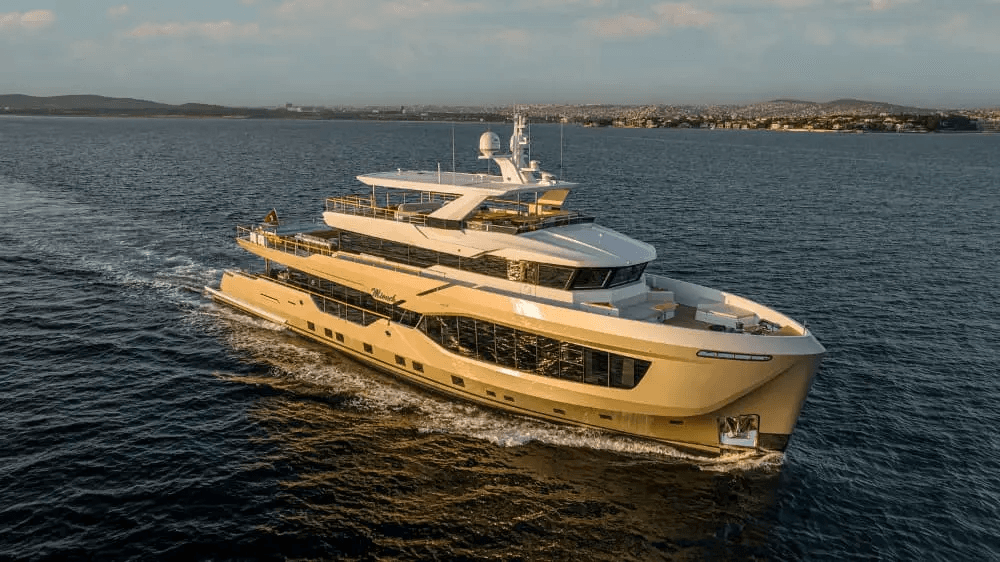
Can Yalman has been developing projects spanning industrial design, product development and yacht design through Can Yalman Design, the studio he founded in 2002. His long-standing collaboration with Numarine has played an important role in shaping the design language for which the brand is recognised today.
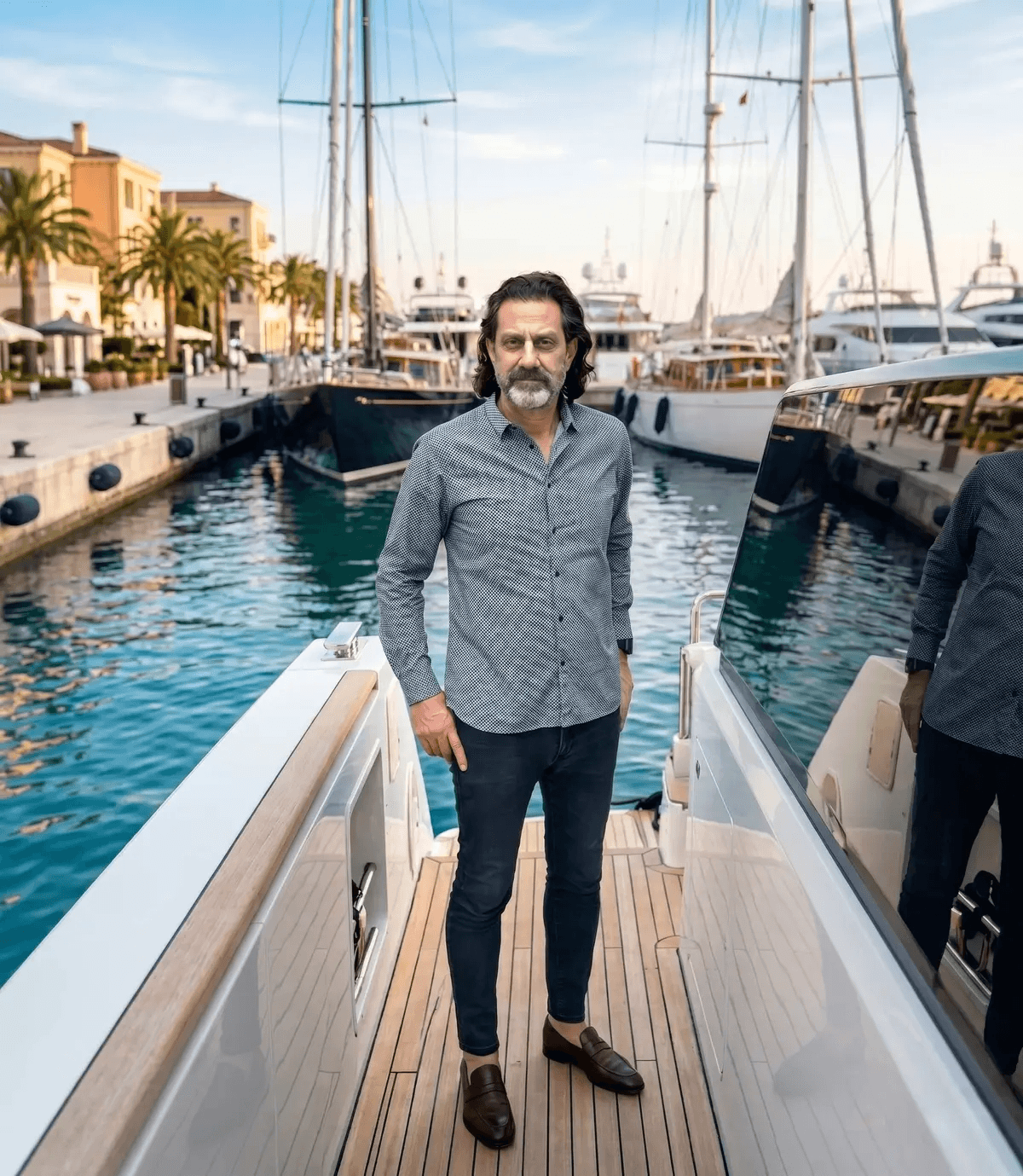
What did he say?
First of all, we need to have greater confidence in our own designers. Türkiye has highly accomplished designers and studios producing work at an international level. I do not believe we lack talent; on the contrary, we have enormous design potential.
However, simply giving a designer a project is not enough; they also need to be given the freedom to make a difference. Repeating successful examples may appear safer, but true design value does not come from copying what already exists. It emerges from developing a new perspective.
The problem is not a shortage of designers, but a lack of courage to create original design and the determination to invest in it. If we constantly ask, “What is the rest of the world doing?”, we will remain followers. We need to ask more often, “Who are we? What is our story? How can our maritime culture and way of life be reflected in design?”
Italy’s success comes not only from producing good designers, but also from believing in its own design culture. For Türkiye to reach a similar position, brands, shipyards and investors need to give Turkish designers more room and allow original ideas to develop.
OSMAN TANJU KALAYCIOĞLU / Taka Yacht Design
Osman Tanju Kalaycıoğlu has worked on yacht design and boatbuilding projects for many years under his brand, Taka Yacht Design. With an approach that brings together traditional maritime culture, the heritage of wooden boatbuilding and contemporary yacht design, he is one of the most experienced figures in Turkish yacht design.
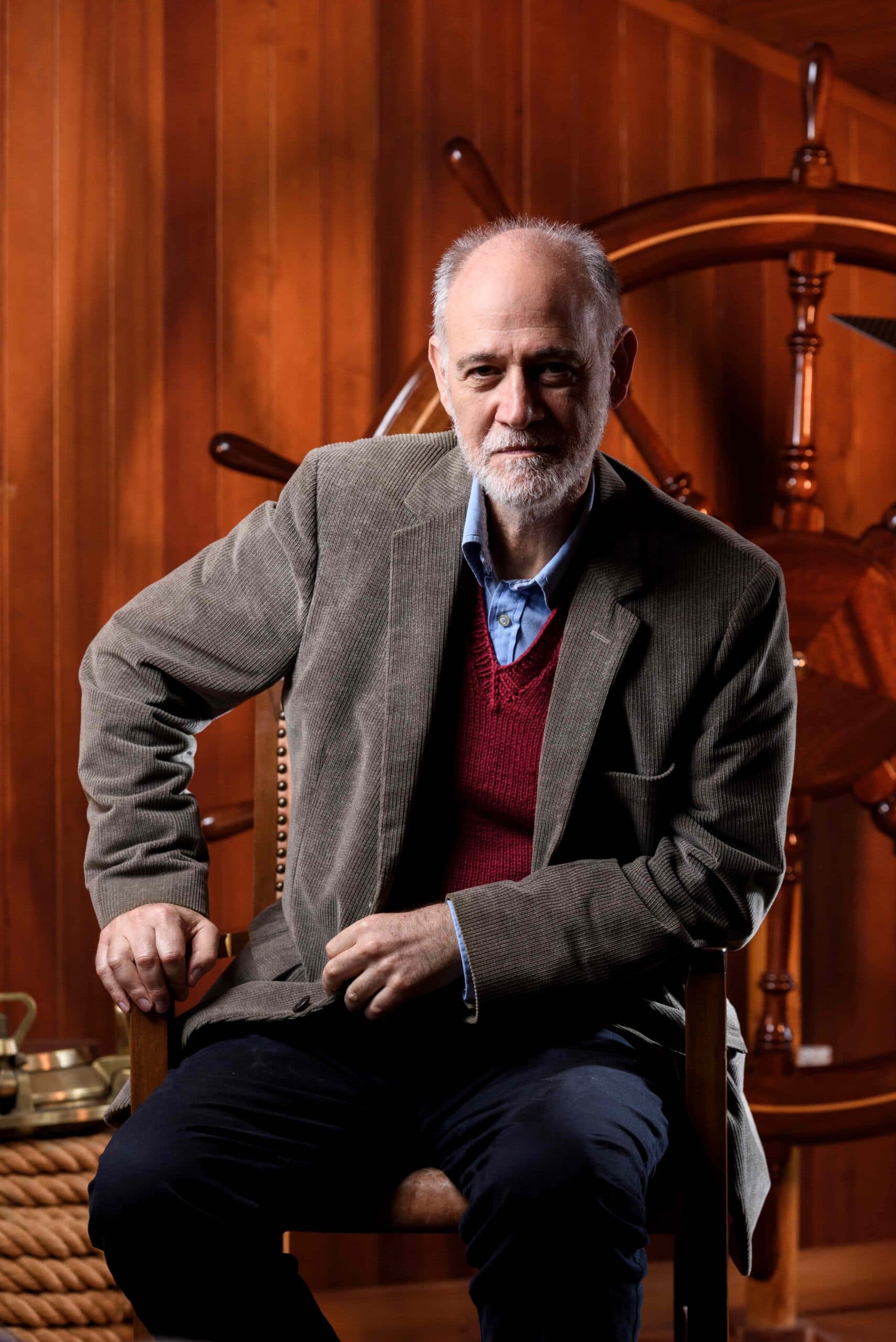
What did he say?
This is no longer a dream; it is an achievable goal. Türkiye is already one of the world’s leading yacht-building centres in terms of production quality. But true prestige does not come from flawlessly producing somebody else’s designs. It comes from exporting our own ideas and our own design philosophy to the world.
To achieve this, we need to develop an original design language and cultivate designers who are recognised internationally. Turkish brands also need to create their own stories. Alongside all this, there is another extremely important factor: the Turkish industry needs to trust its own designers.
Design culture develops not only through talent, but also through opportunity. A country can only establish its own school of design by trusting its own people. With its maritime history, wooden boatbuilding tradition, Blue Voyage culture and contemporary manufacturing strength, Türkiye has that potential.
Our goal should not simply be to see boats bearing the words “Made in Türkiye”. We should also aspire to see “Designed in Türkiye” become a recognised design reference in the global yachting world. I believe Türkiye is now closer to crossing that threshold than ever before.
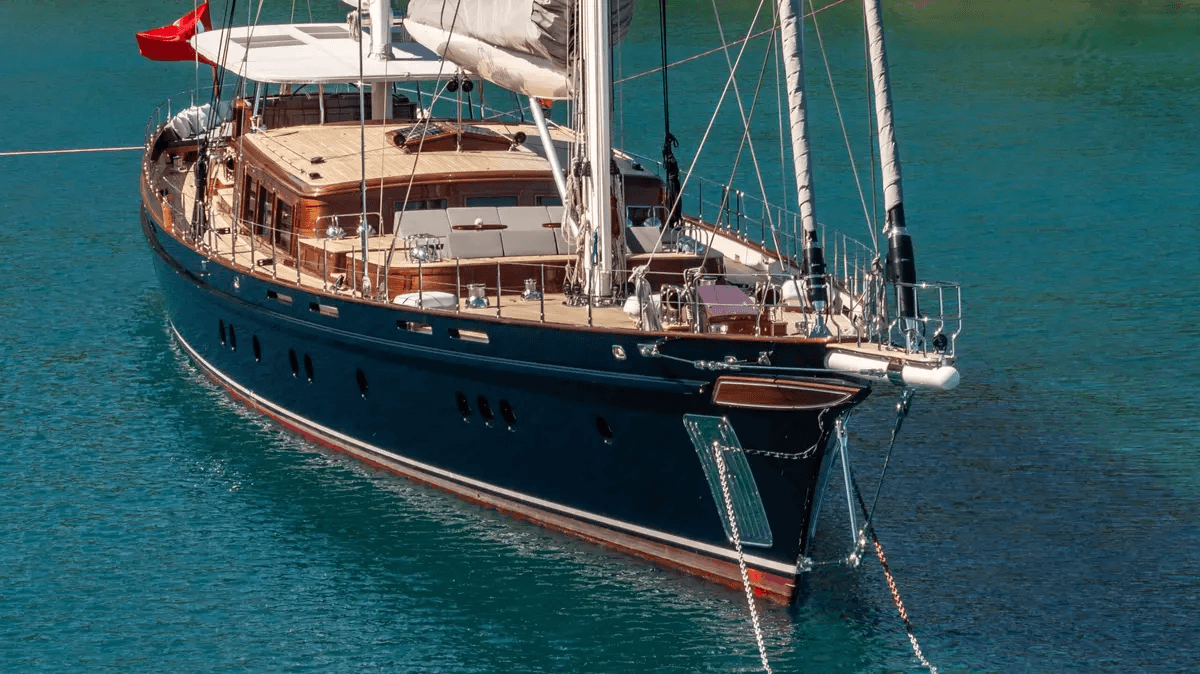
FATİH SÜREKLİ / RED Yacht Design
Fatih Sürekli is one of the founding partners of RED Yacht Design, a studio born in Türkiye that has gone on to deliver projects on an international scale. The studio operates globally with an approach that considers design together with production, engineering, user experience and brand value.
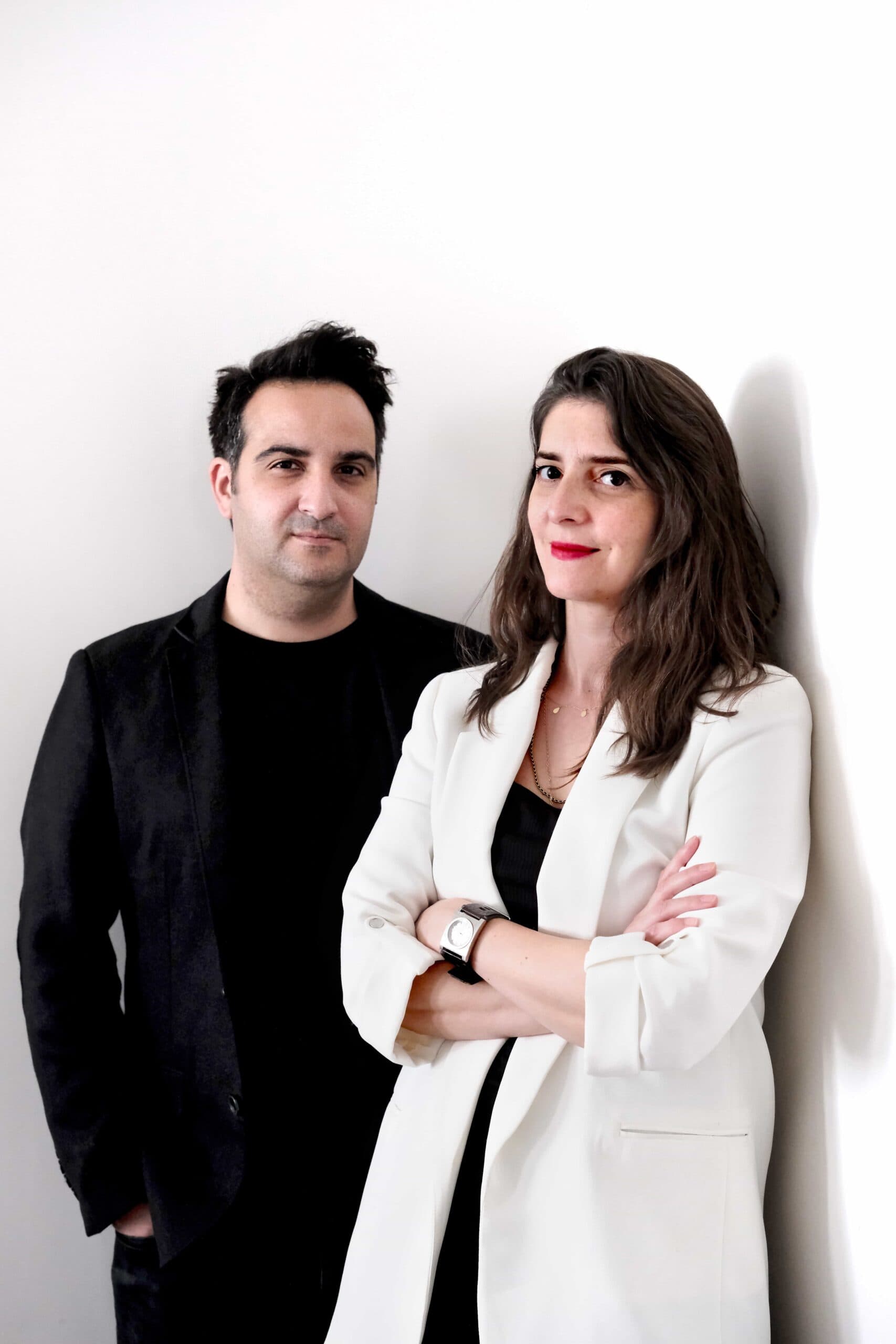
What did he say?
Yes, I believe it is possible. But I also know that it will not happen on its own. The perception of “Designed in Italy” was not created overnight. It was built through years of consistent quality, design culture, brand investment and global visibility.
For Türkiye to create a similar perception, producing well is not enough. We also need to communicate that success properly, demonstrate it through the right projects and maintain continuity in international markets.
Today, “Made in Türkiye” is increasingly becoming a phrase associated with confidence in manufacturing. But when it comes to “Designed in Türkiye”, we need to be a little bolder. Turkish design studios need to work with more global clients, collaborate with more international shipyards and take part in more visible projects.
The biggest threshold to overcome is perception. The way to break through it is to produce better work, become more visible and demonstrate the same level of quality again and again. I believe design studios emerging from Türkiye can create that confidence. The story is no longer only about manufacturing. It is time for design to speak to the world with a strong voice from Türkiye as well.
BİLGE ZAPTÇIOĞLU ATAL & BARBAROS ATAL / BAZ Yacht Design
Founded by Bilge Zaptçıoğlu Atal and Barbaros Atal, BAZ Yacht Design is one of a new generation of Turkish design studios reaching international markets. Through projects developed for manufacturers and owners in different countries, they have approached the profession from a global perspective from the very beginning.
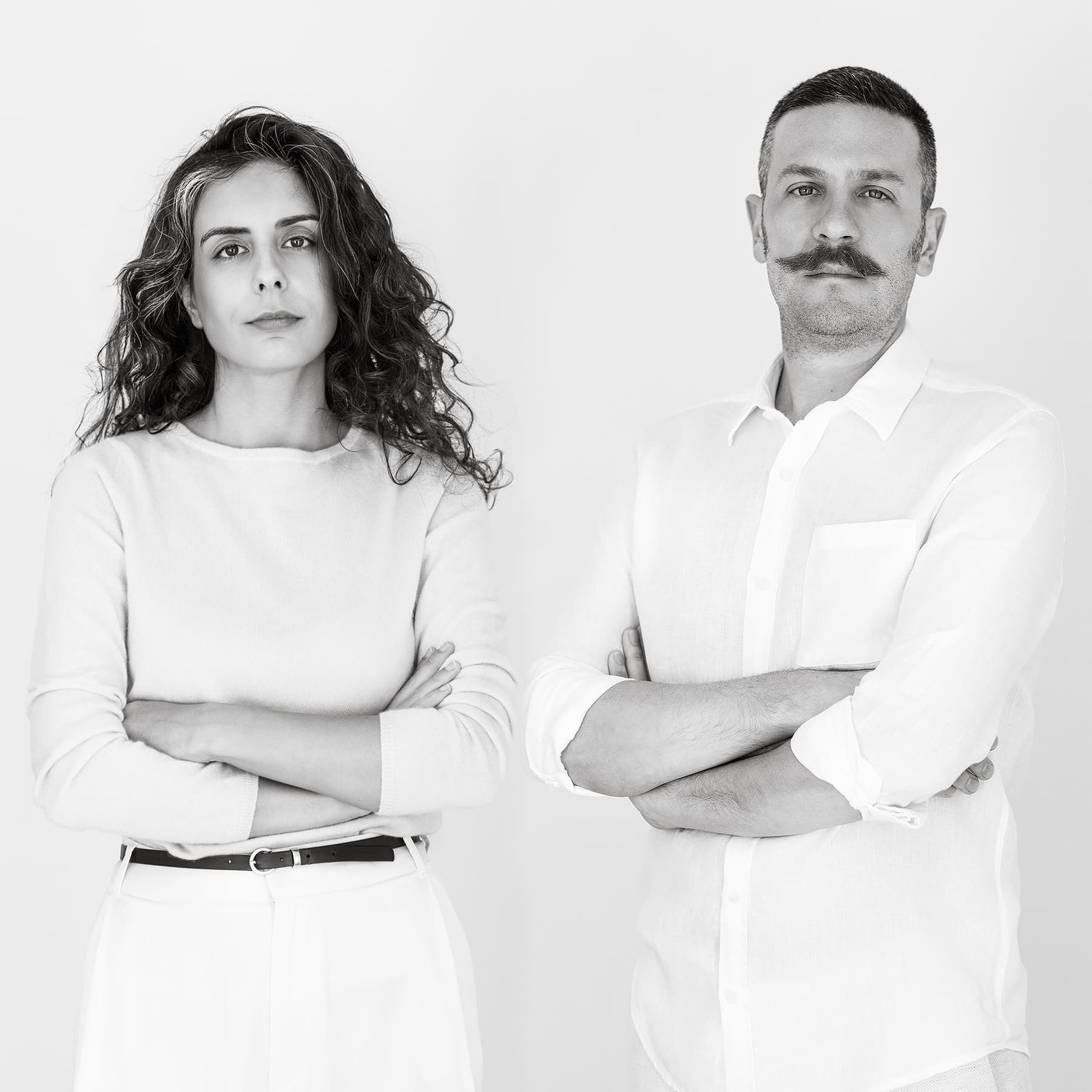
What did they say?
Rather than dwelling on what was missing in the past, our generation is taking responsibility for creating Türkiye’s new design memory. We believe that the examples emerging in recent years are no longer isolated coincidences. Their number is increasing, although it is still too early to say that this has become entirely commonplace.
Our goal is for Türkiye to be recognised not only as a country that manufactures other people’s designs, but as a centre that exports its own design stories and brands.
In the future, when people hear the phrase “Turkish yacht”, they should not think of one specific style. They should think of yachts that are well designed, intelligently engineered, built to a high standard and trusted at a world-class level.
After all, when an owner commissions a designer or a shipyard, they are not simply ordering a yacht. They are entrusting them with a dream, their time and a significant investment. This is why trust needs to be at the heart of both design and production.
We believe this is exactly where Türkiye can differentiate itself on a global scale.