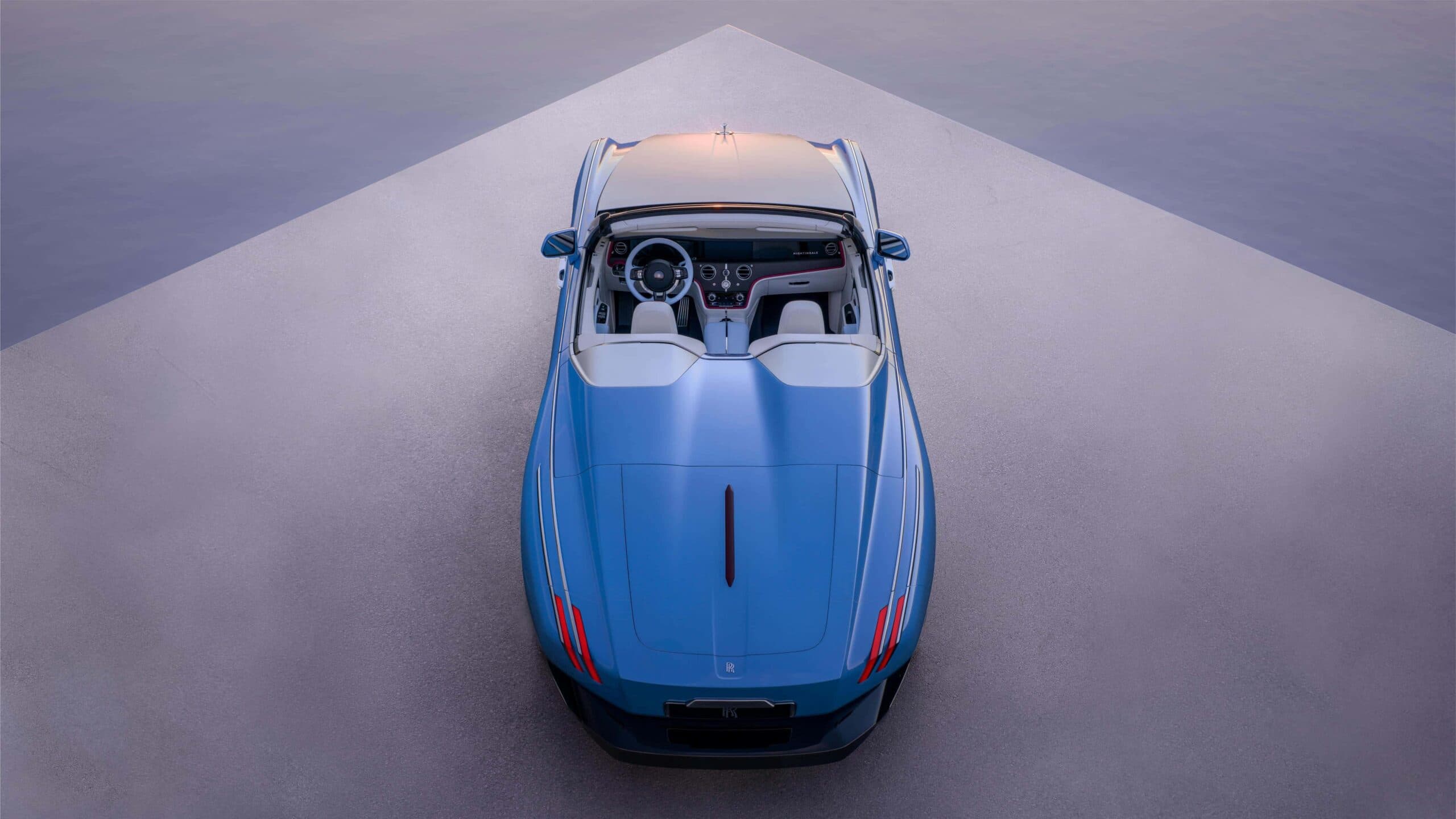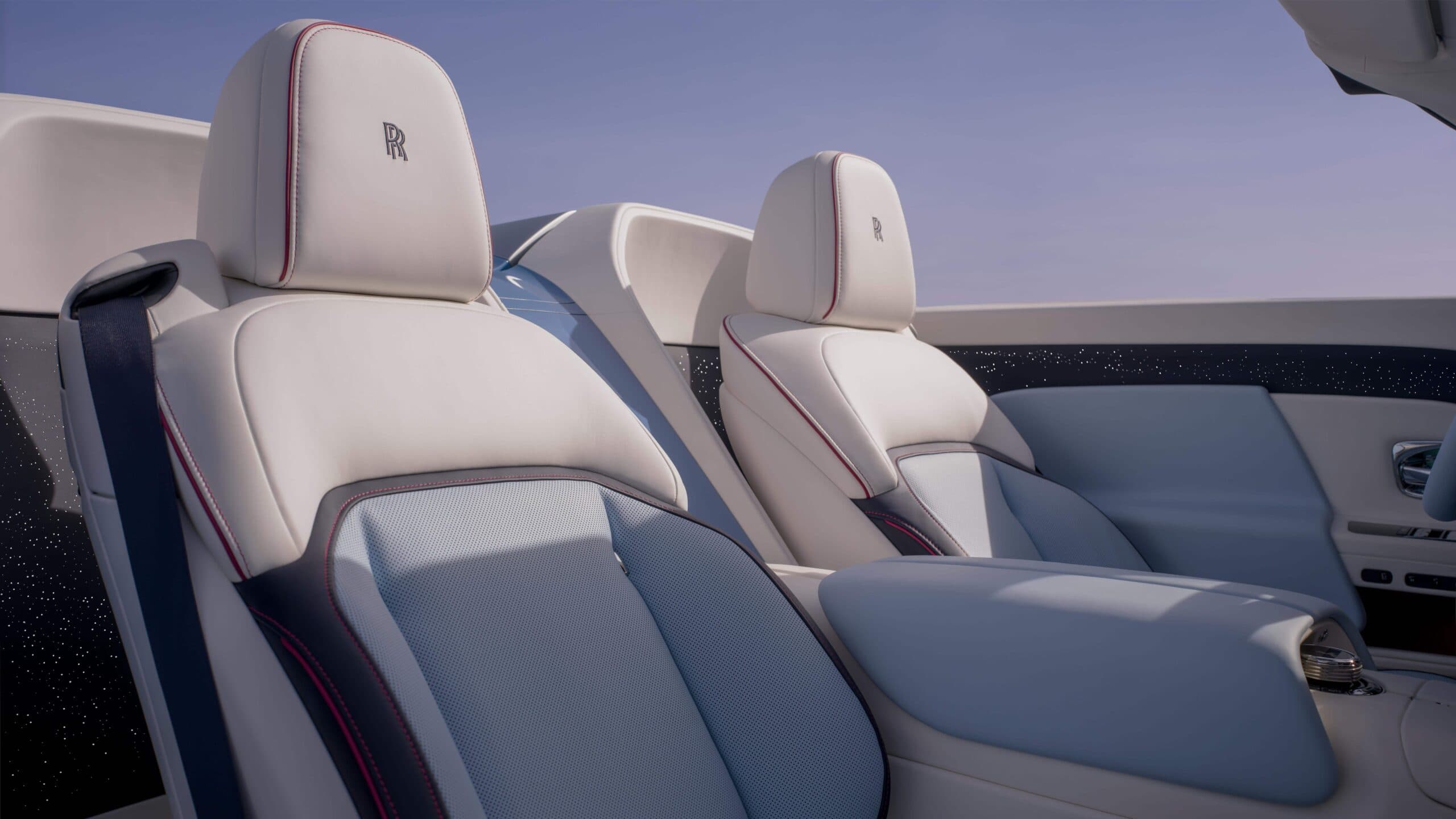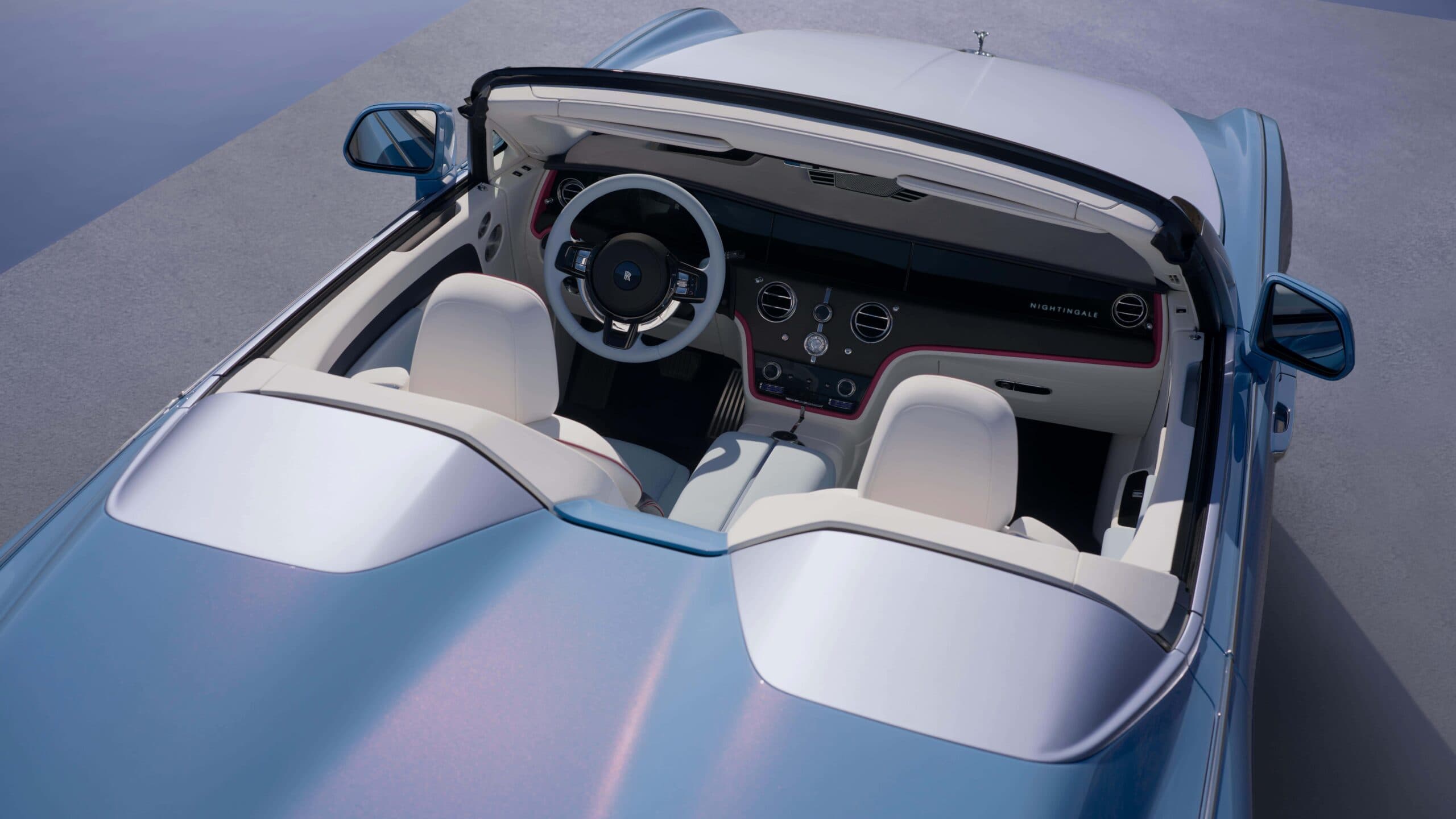
The 2026 creation of Rolls-Royce’s Coachbuild department, Nightingale, may be seen on the roads more often than recent limited productions—this time not in just a handful, but with a cap of 100 units.
Dedicated to creating automobiles even more exclusive than bespoke cars, Rolls-Royce Coachbuild has stirred a new conversation in the world of the ultra-wealthy with the Nightingale, named after the nightingale bird. Inspired by Henry Royce’s winter home on the Côte d’Azur, “Le Rossignol,” the Rolls-Royce Nightingale also represents the brand’s new design philosophy.
A New Design Language
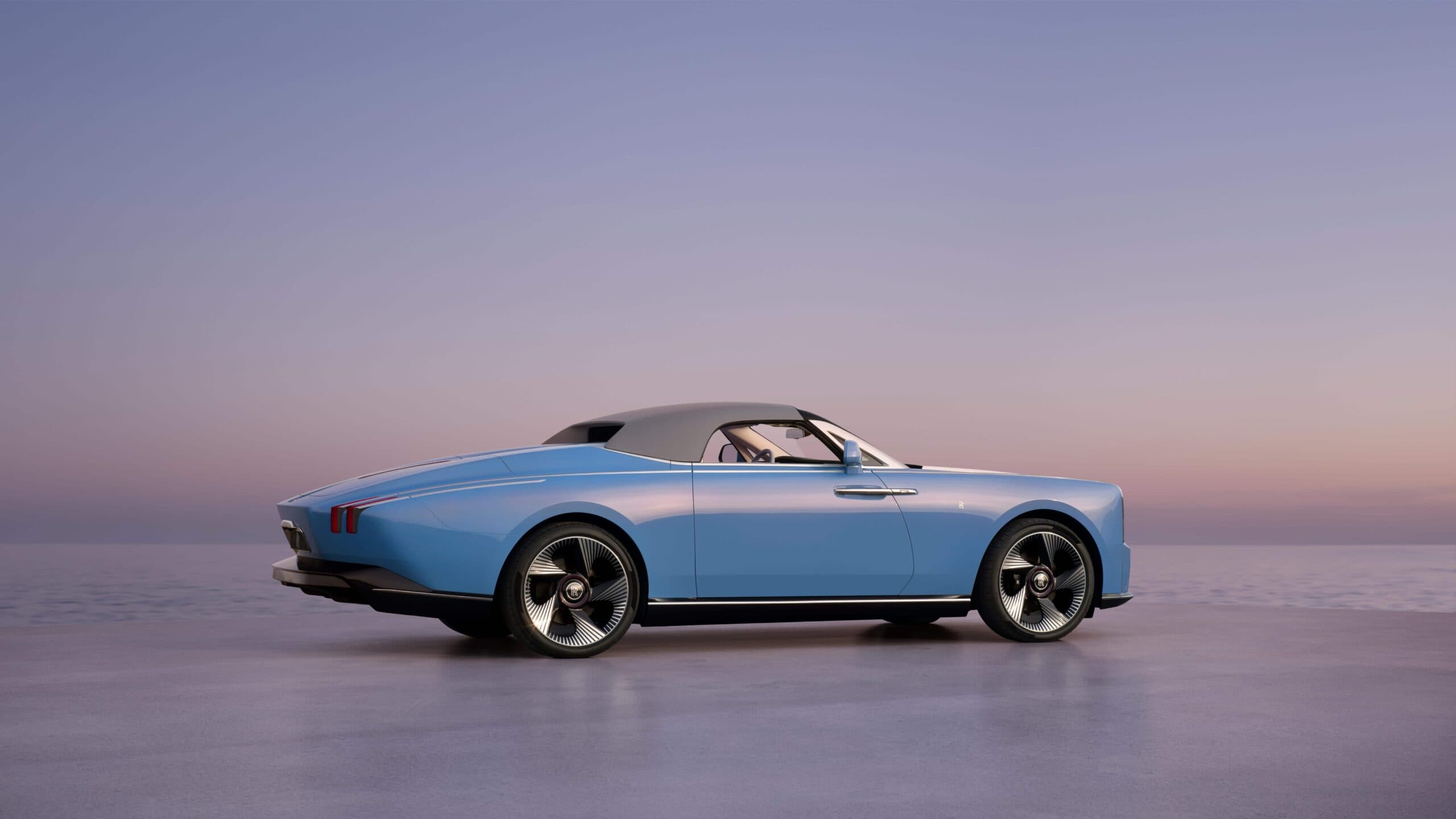
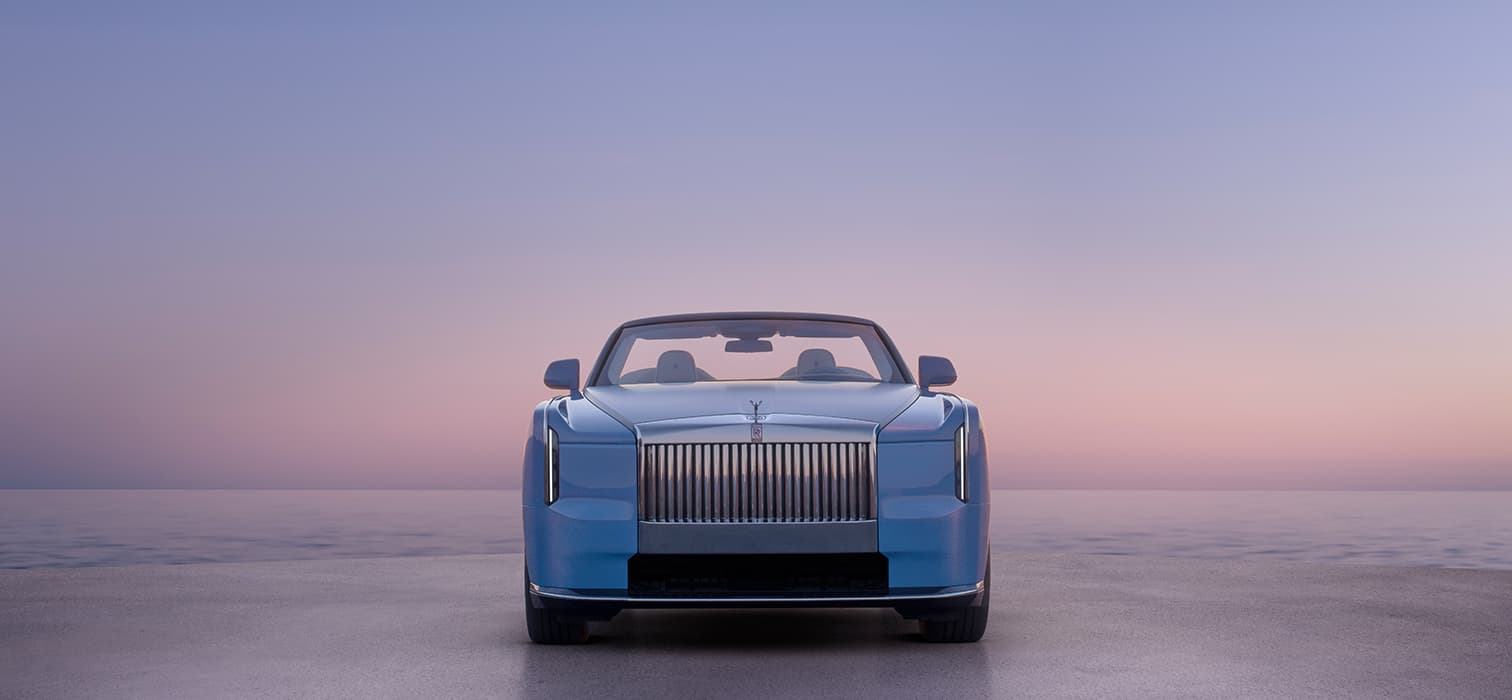
Carrying elements from different eras of the brand, Nightingale is shaped according to the “Streamline Moderne” design approach. Referencing the “Art Deco” period of the 1920s and 1930s, the design combines the aesthetics of block forms with the harmony of flowing curves. Featuring the largest wheels ever offered on a Rolls-Royce—24 inches—the Nightingale gains an even more imposing stance, while its “Pantheon” grille, carved from a single piece of aluminum and designed once again around the number “24,” unmistakably asserts its identity as a Rolls-Royce.
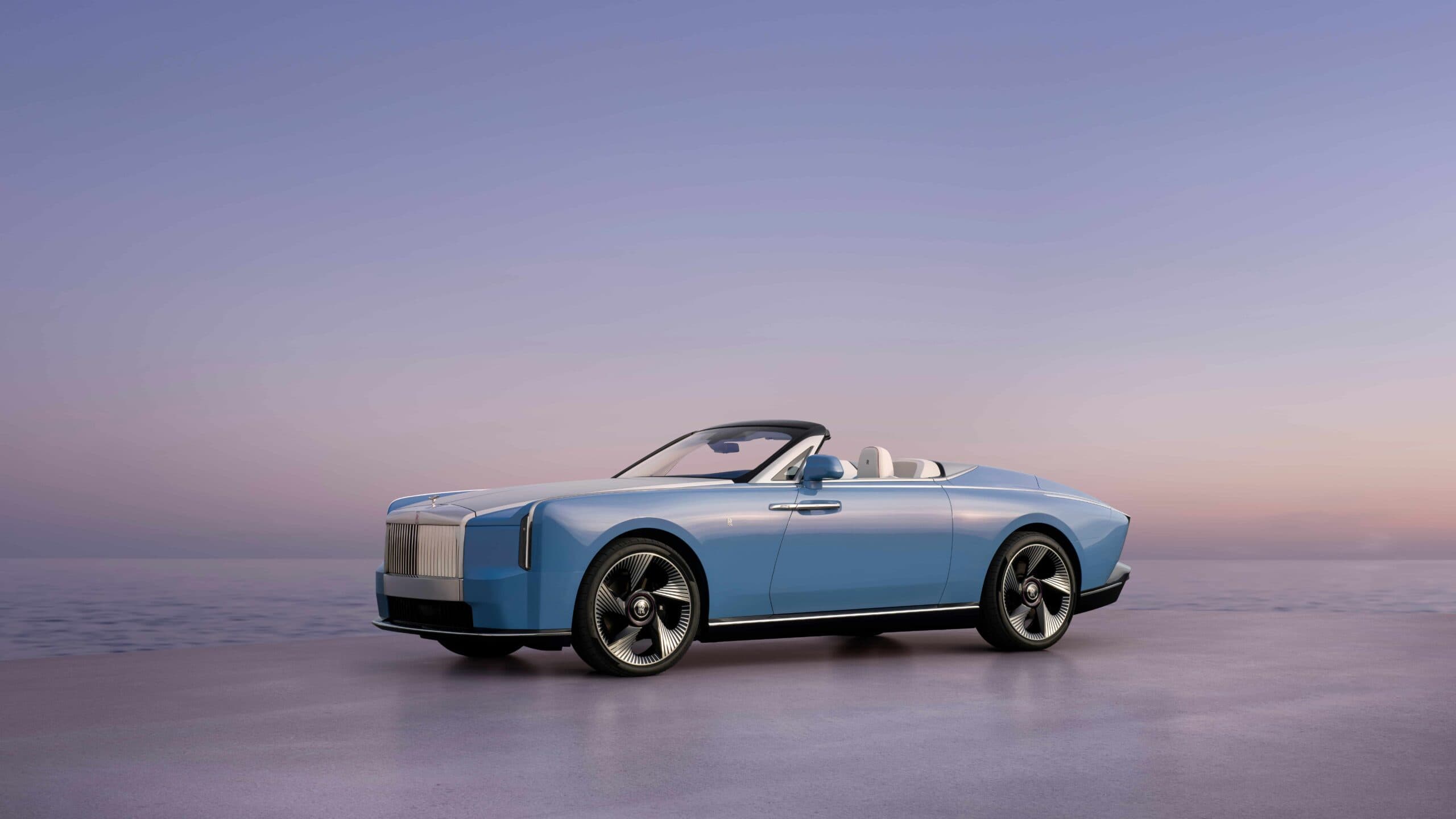
Strictly a Two-Seater
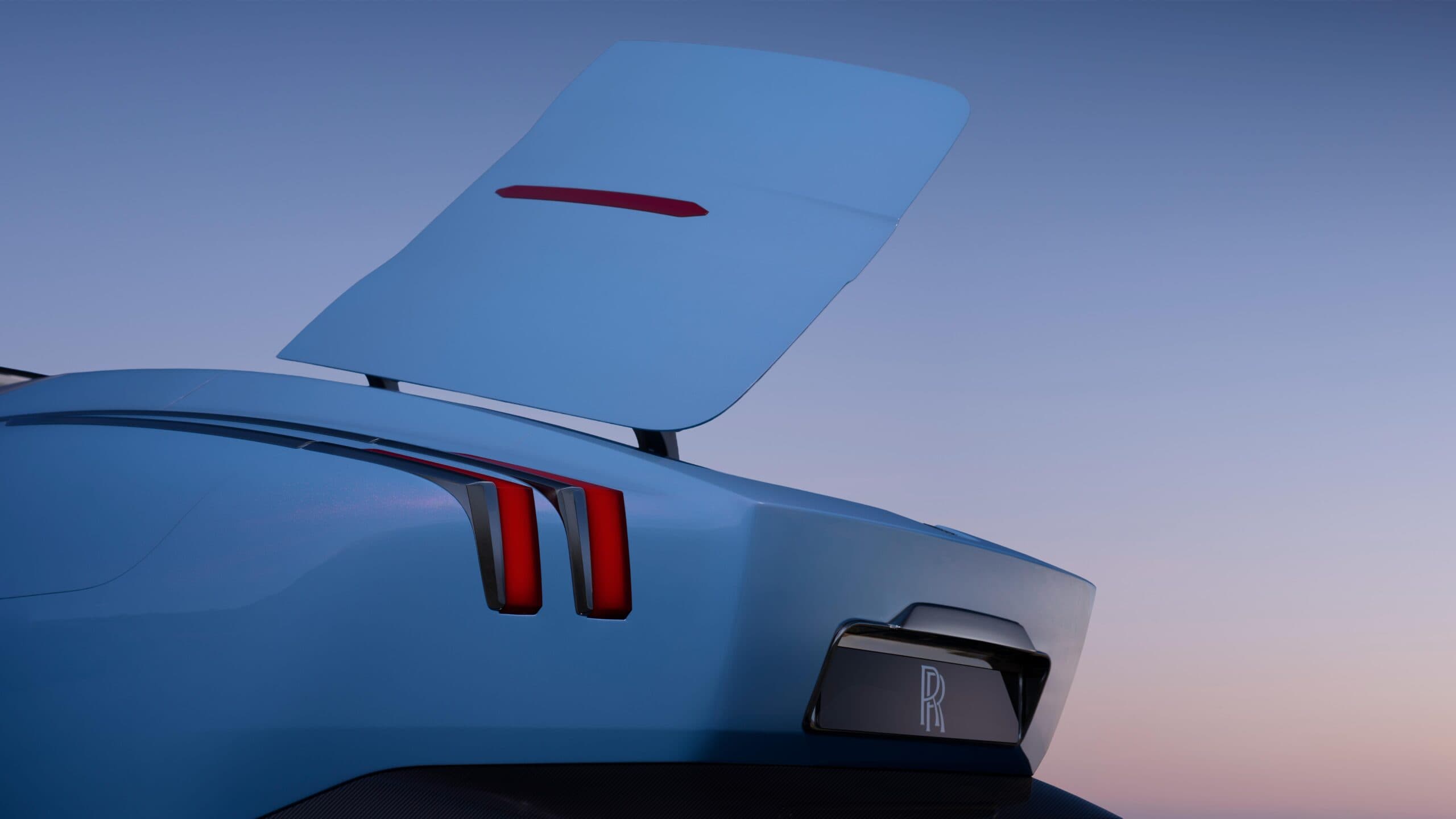
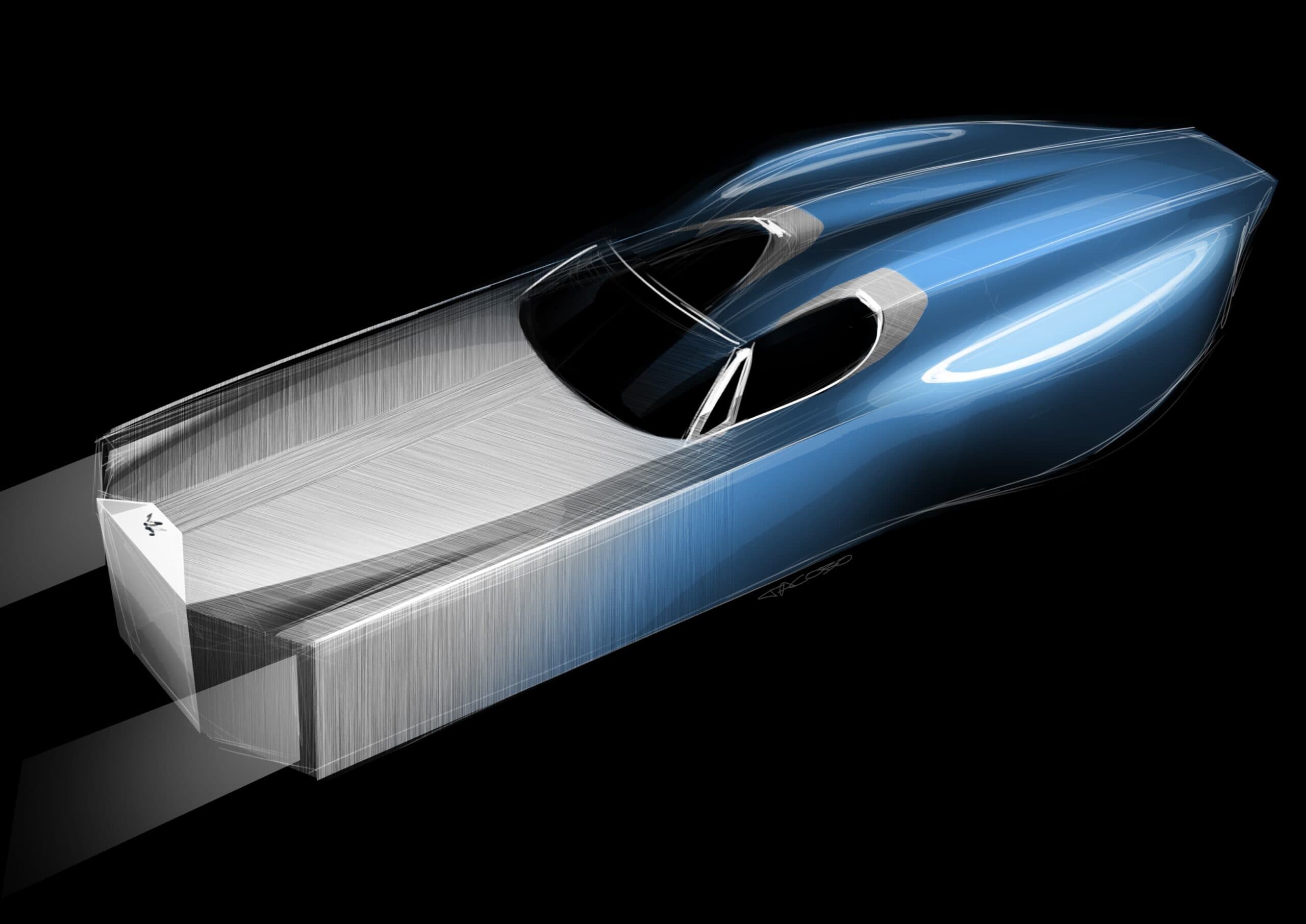
With a length of 5.76 meters, nearly matching the brand’s flagship Phantom, the Nightingale is a two-seater cruiser-roadster. The front section combines an aluminum grille with carbon-fiber panels to create a bold visual field. The softly turning corners pay homage to the Art Deco skyscrapers of the 1930s. The vertically positioned front lights are a rare feature for production Rolls-Royce models. Stainless steel details beginning around the headlights extend across the entire body, reaching the rear lighting units.
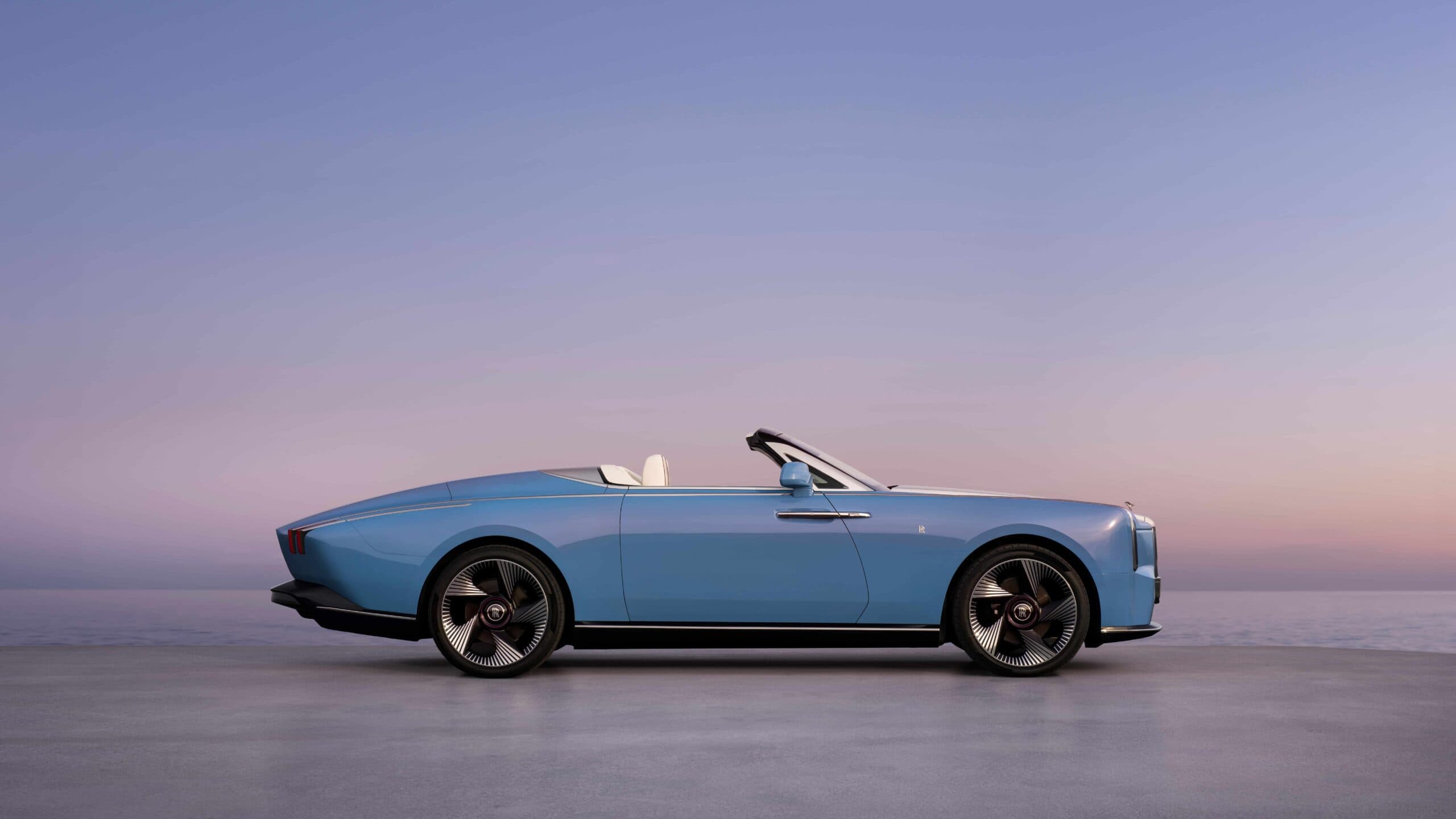
A Reference from the Past: 1928 Rolls-Royce 17EX
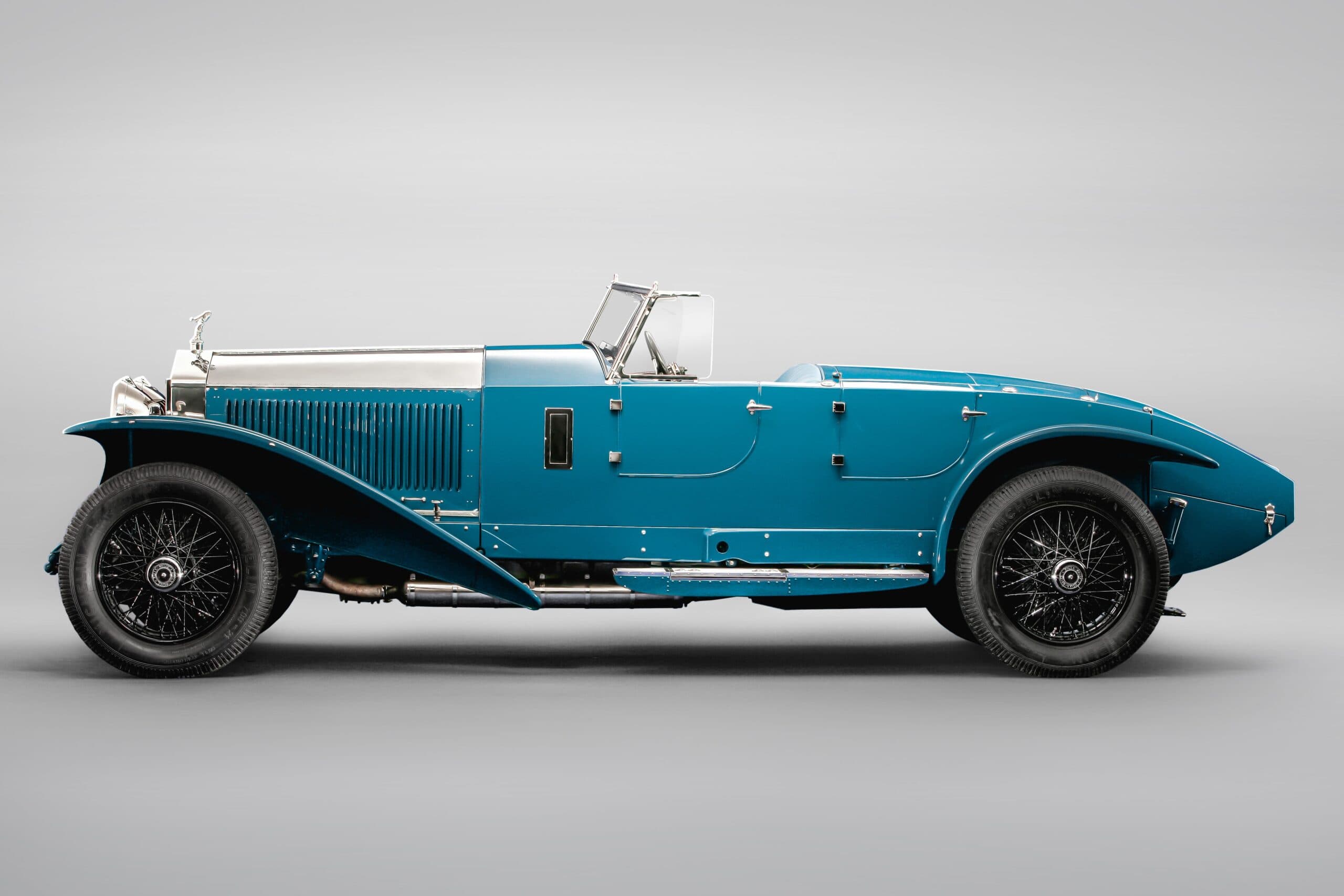
The Nightingale’s silhouette, designed to resemble a torpedo, draws inspiration from the 1928 17EX model. At the time, Henry Royce and his team named their high-speed test prototypes “EX,” short for “Experimental.”