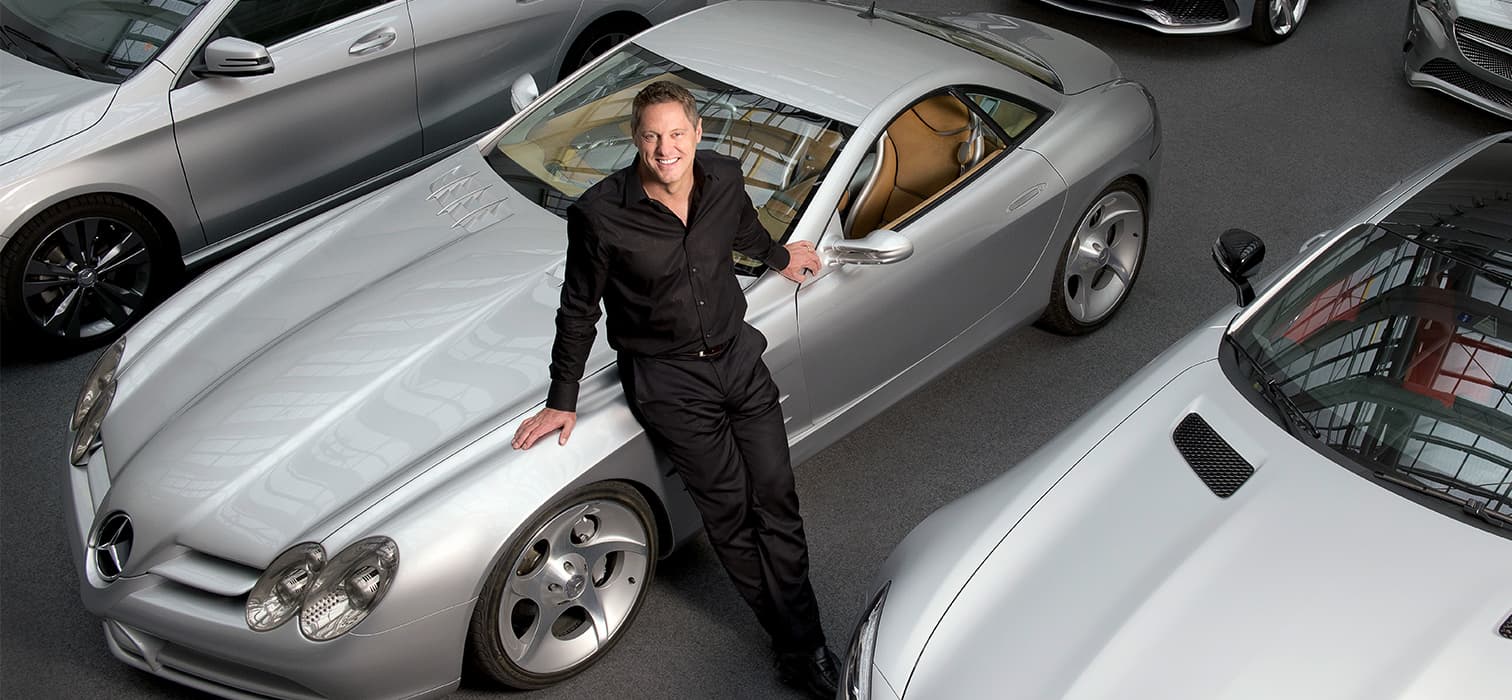
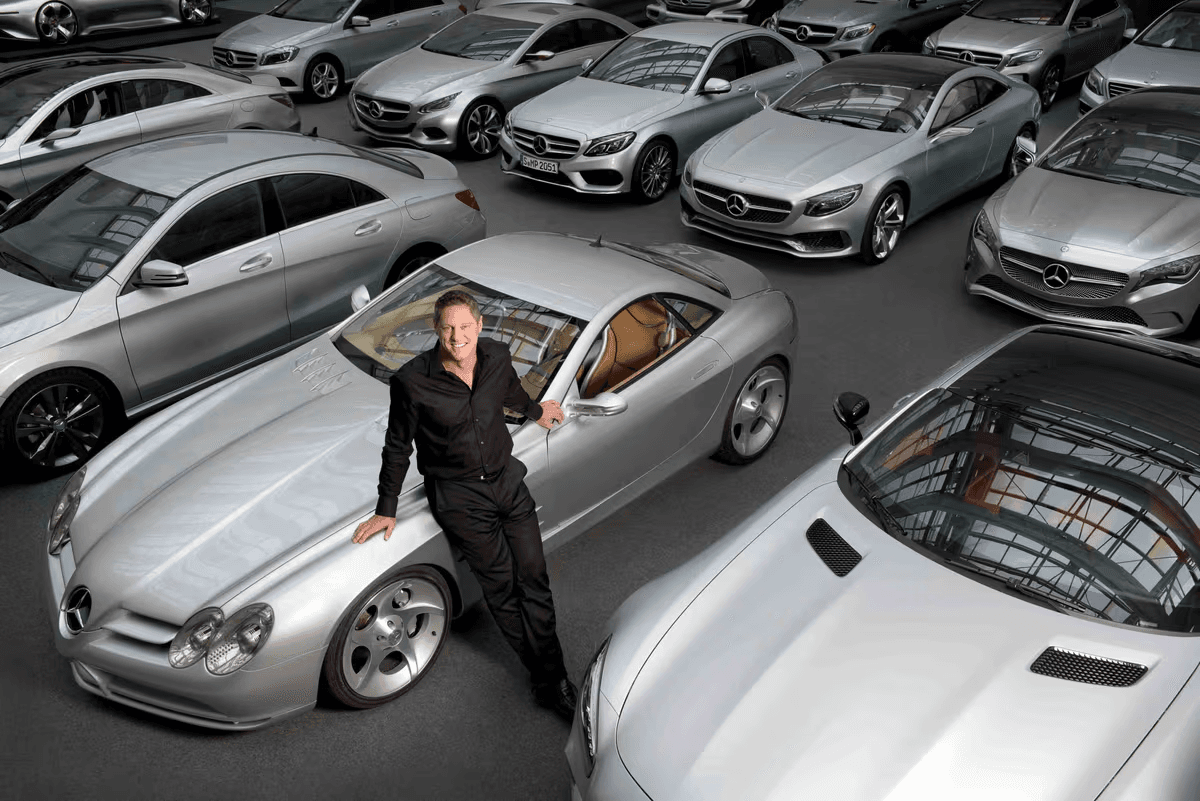
As the Chief Design Officer of Mercedes-Benz, Gorden Wagener determined how hundreds of automobiles should look until his retirement on January 31, 2026. Get ready to discover the most iconic Mercedes models from Wagener’s 30-year career.
While designing for one of the world’s first and most valuable automotive brands is significant in itself, maintaining a leadership position that shapes the design language of such a brand for nearly 30 years is an exceptionally rare achievement. We are talking about Gorden Wagener, who concluded his 29-year journey with Mercedes-Benz with his retirement on January 31, 2026, at the age of just 58.
Gorden Wagener
Born in Essen, Germany, in 1968, Gorden Wagener studied Industrial Design at the University of Duisburg-Essen before continuing his education in Transportation Design at London’s Royal College of Art. After working on exterior design projects at Volkswagen, Mazda and General Motors, Wagener joined Mercedes-Benz in 1997.
In 1999, he was appointed to a managerial position responsible for both the exterior and interior designs of the R, ML and GL Series. In the years that followed, model lines such as A, B, C, E, CLK and CLS were also entrusted to Wagener. With his appointment to the highest level of design within the company in 2006–2007, he also took his place on the board of directors. Under Wagener, the design philosophy of “Sensual Purity” came to define Daimler AG.
Gorden Wagener
With his signature on hundreds of automobiles, Wagener also revealed a selection of his best designs among both production cars and concept vehicles that previewed future visions before his retirement. Using his Instagram account “gorden.wagener” very effectively, Wagener stands among the designers who use social media most successfully. He collaborates with celebrities, partners with dozens of fashion and design companies, and presents his work with a fluid narrative and strong visual language. Now, let’s take a closer look at what Wagener considers his finest designs.
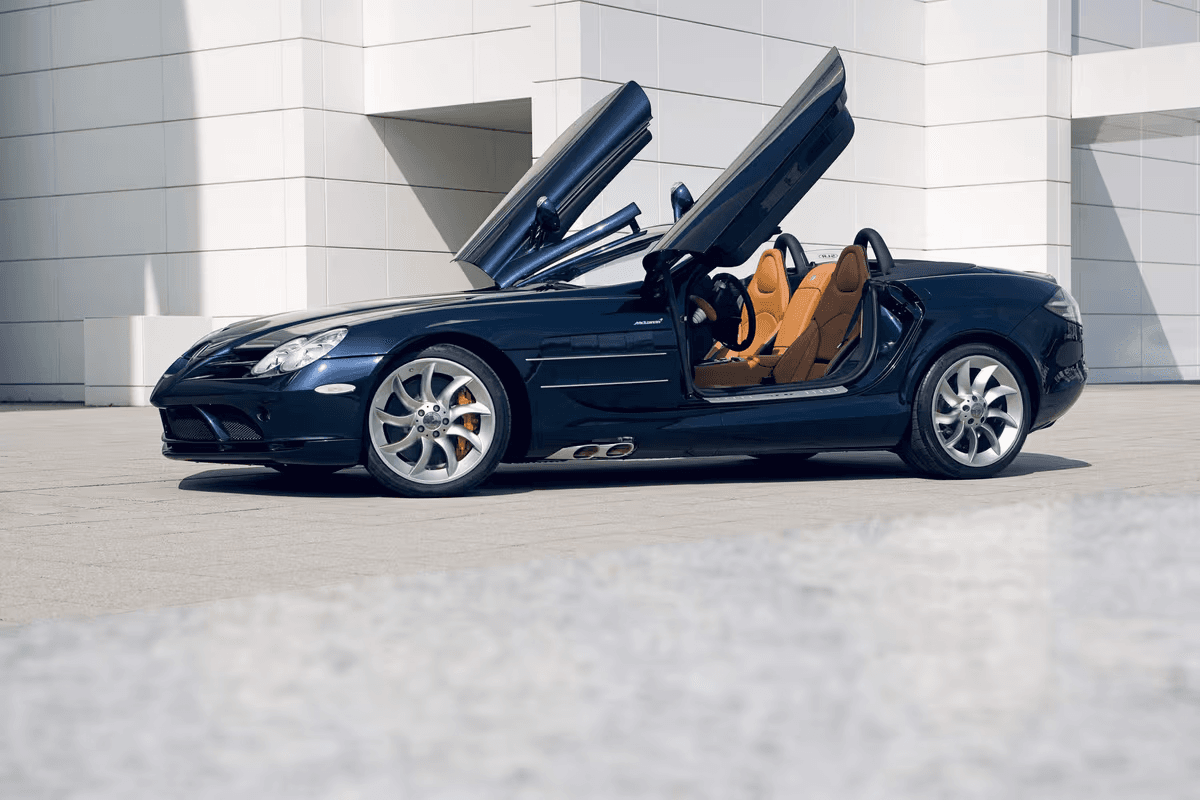
A super sports car from the Daimler-Chrysler era, the McLaren-Mercedes SLR was first unveiled at the 1999 Detroit Auto Show. Although it carried traces of Mercedes’ legendary SLR model, it fully embraced the advantages of the modern world and was developed in partnership with McLaren, Mercedes’ Formula 1 collaborator at the time. For this reason, the car is known as the McLaren-Mercedes SLR. Thanks to the collaboration with the legendary Gordon Murray, it is regarded as one of the masterpieces of both engineering and design. According to Wagener, it is surprising that the SLR’s design is still considered impressive today.
Gorden Wagener’s Legendary Mercedes Designs
“I’m surprised that it has remained so timeless despite not being a clean design. We captured a harmony of elements inspired by the Silver Arrows legends, and this project was approved during my early years,” says Wagener, who would go on to create new icons entirely under his own direction.
Gorden Wagener’s Legendary Mercedes Designs
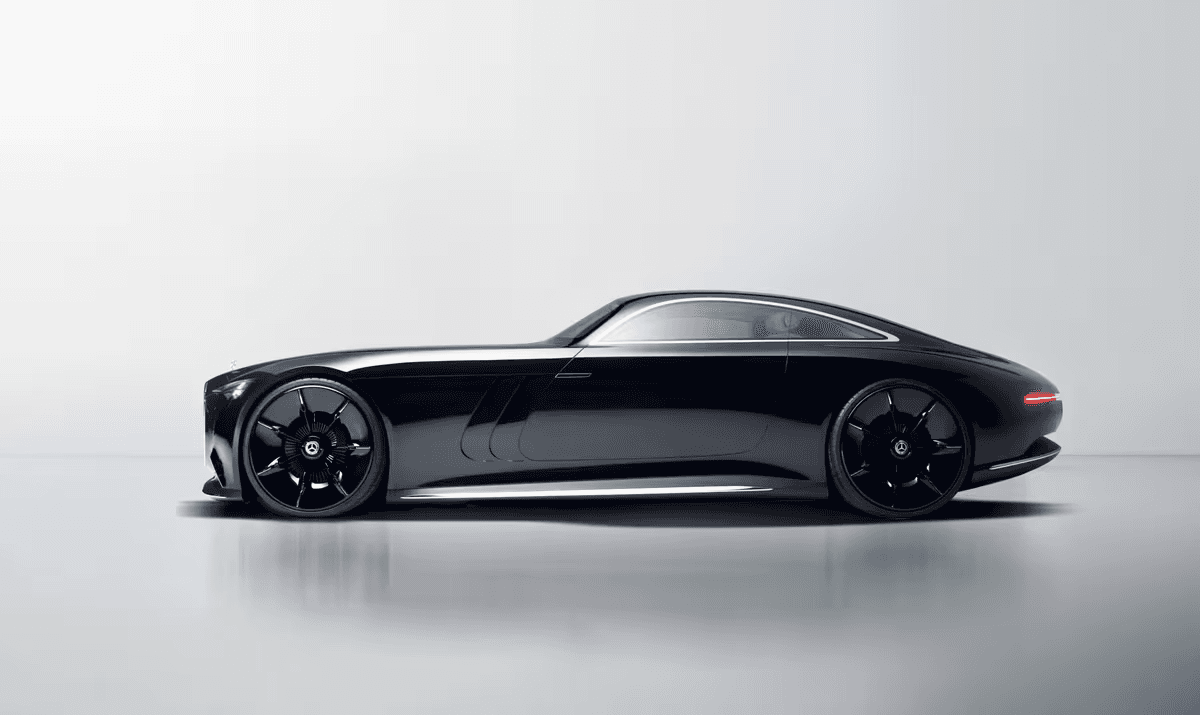
Vision Mercedes-Maybach 6 Concept
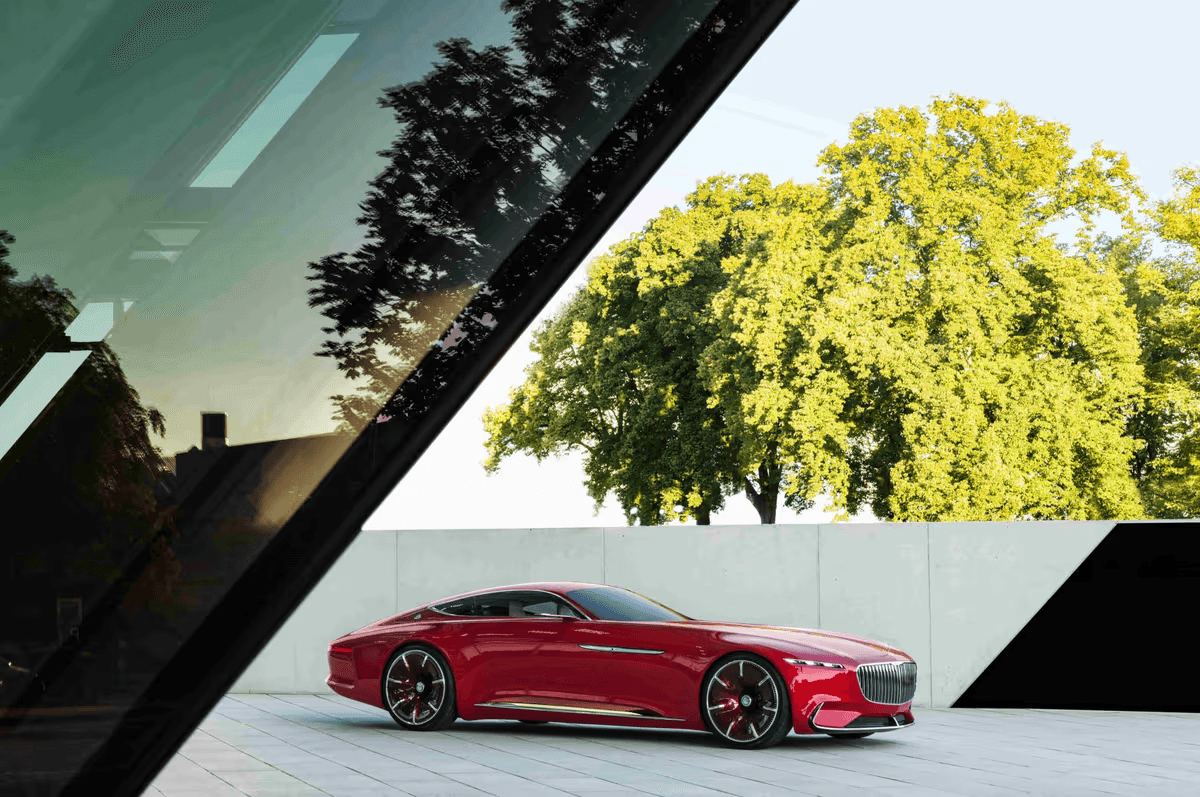
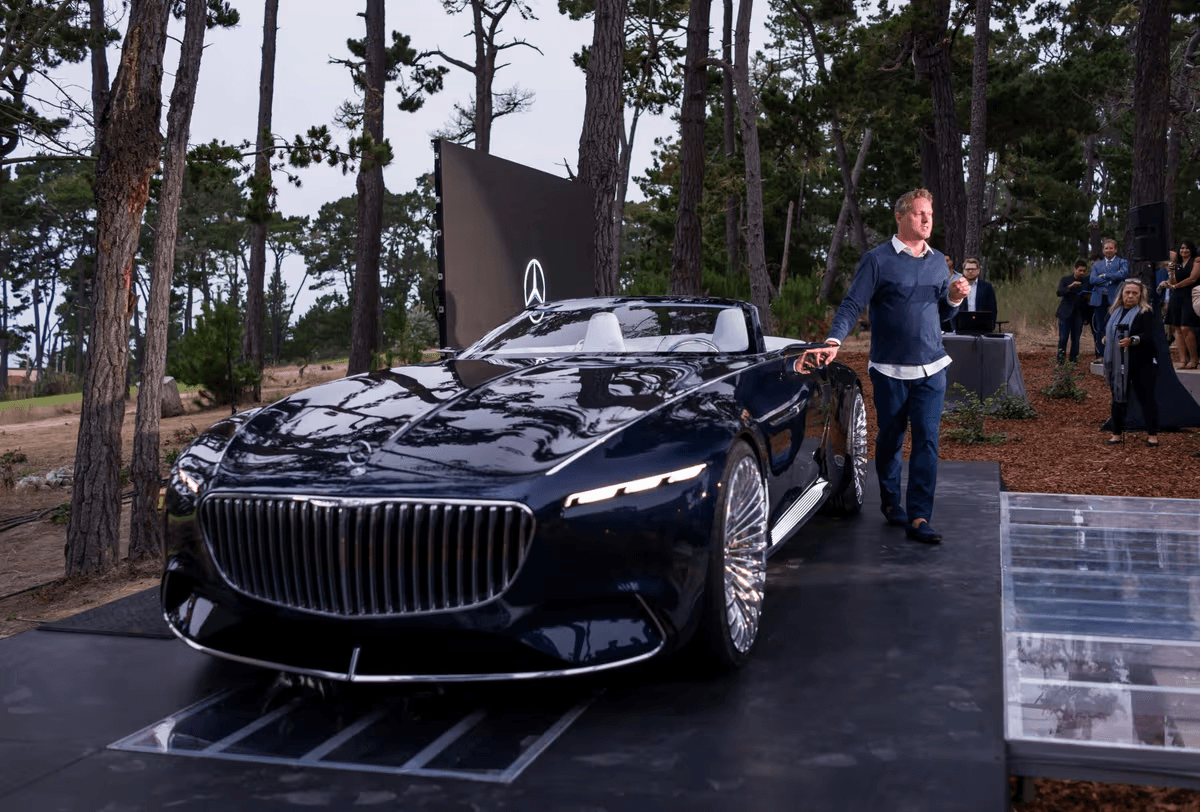
Developed at the design center in California, the concept was first presented before the board in Germany, where it is said that board members remarked about Wagener, “Alright, he’s lost his mind now.” Because this six-meter-long, two-seat ultra-luxury coupe was simply too beautiful to be real. Together with the navy-blue Roadster introduced a year later in 2017, the Vision Mercedes-Maybach 6 Concepts became some of the most widely shared cars on social media, even after a decade. Unfortunately, they never entered production.
Gorden Wagener’s Legendary Mercedes Designs
“We had designed a timeless car, much like the G-Class, but unfortunately it never received the green light for production,” says Wagener, claiming that many of Mercedes-Benz’s most exclusive clients had placed orders for the car.
Gorden Wagener’s Legendary Mercedes Designs
SLS AMG
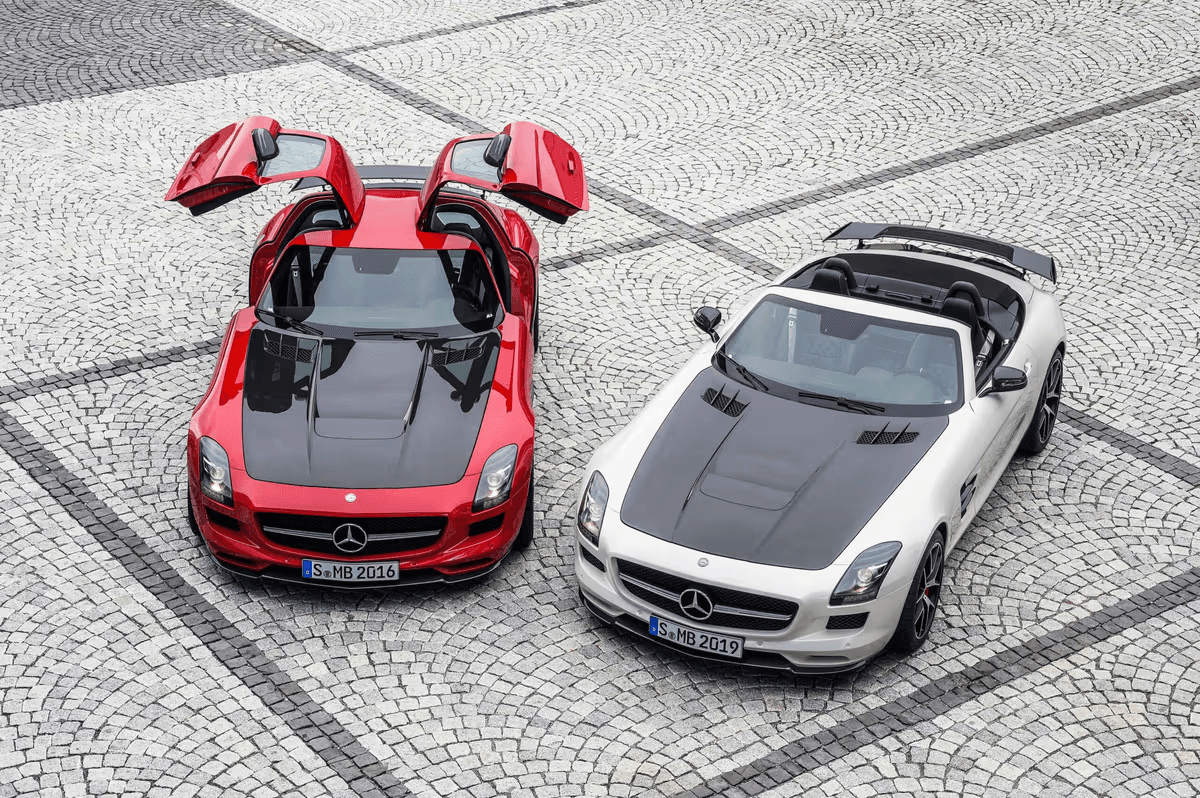
Mercedes-Benz, the only manufacturer in automotive history to produce “Gullwing” doors in series production, first introduced the SL, widely regarded as one of the earliest super sports cars, in the 1950s. According to Wagener, designing the SLS AMG was a challenge in itself. “There are many models in the brand’s history that can serve as inspiration. The SL was one of them. When designing our next ‘über’ car, we wanted to use upward-opening doors. Initially, we created a much longer and wider hood and front section. Over time, we refined these ambitious proportions into a more balanced form,” he explains.
As Wagener has stated in interviews over the years, “We never do retro design. We carry the brand’s DNA and design elements into the future, shaped by over 100 years of heritage.”
Gorden Wagener’s Legendary Mercedes Designs
When the SLS AMG was launched in 2010, it created a major impact. Sixty years later, a production car once again featured upward-opening “Gullwing” doors. The Coupe version (C197) was followed by the Roadster (R197). Naturally, the Roadster abandoned these doors, but even that was a bold statement in itself. Both designs demonstrate how defining the brand’s most ambitious models were then, as they remain today. In fact, no other car delivers the same feeling as the SLS AMG, and it continues to grow more beautiful over time, despite not conforming to conventional definitions of beauty.
Gorden Wagener’s Legendary Mercedes Designs
A-Class
One of Gorden Wagener’s greatest challenges was the A-Class hatchback. The first-generation A-Class, known for its “sandwich” structure and developed through nearly 20 years of R&D, became infamous after rolling over in the “moose test,” leading to one of the most controversial recall operations in automotive history. With the addition of technologies such as ESP, it went on to achieve strong sales figures. However, due to its short, narrow and tall proportions, it was neither particularly appealing nor aesthetically pleasing.
Gorden Wagener’s Legendary Mercedes Designs
After two generations, Mercedes-Benz decided that the third-generation A-Class should adopt a more conventional hatchback form, also benefiting from its partnership with the Renault-Nissan Alliance. The task of defining how this car should look was entrusted to Wagener.
Gorden Wagener’s Legendary Mercedes Designs
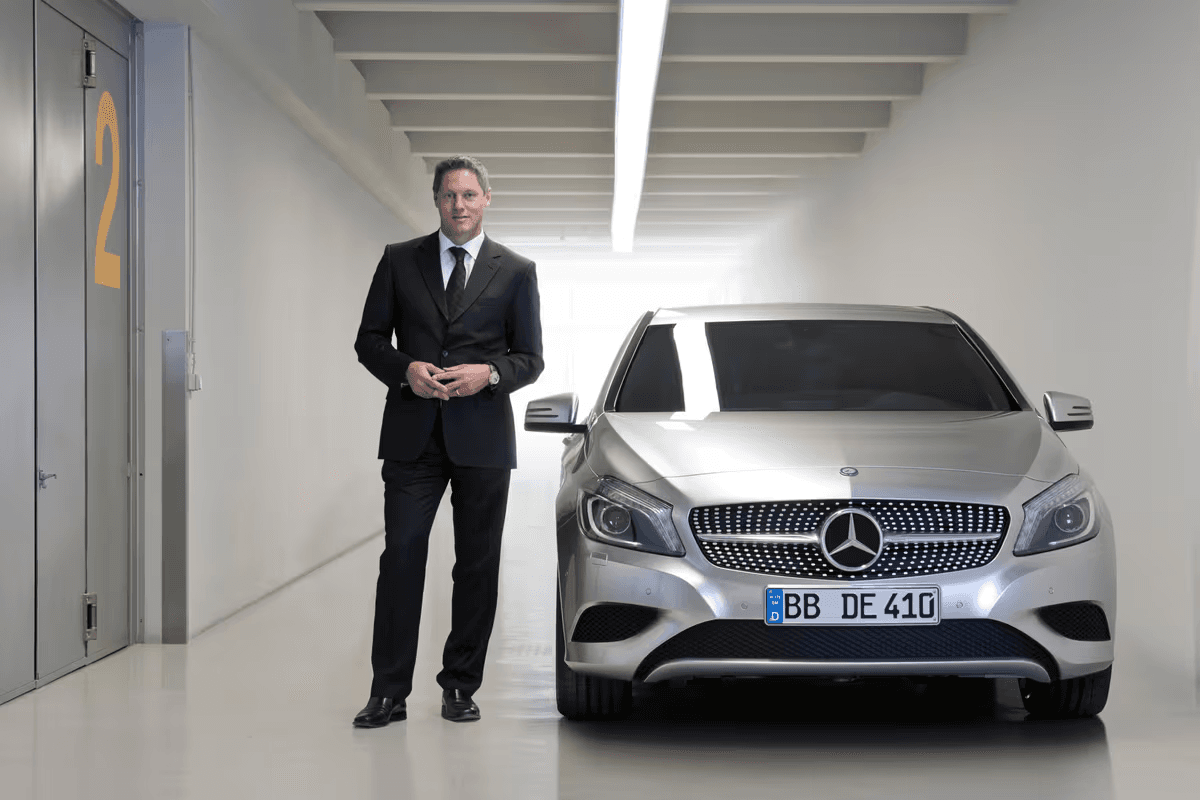
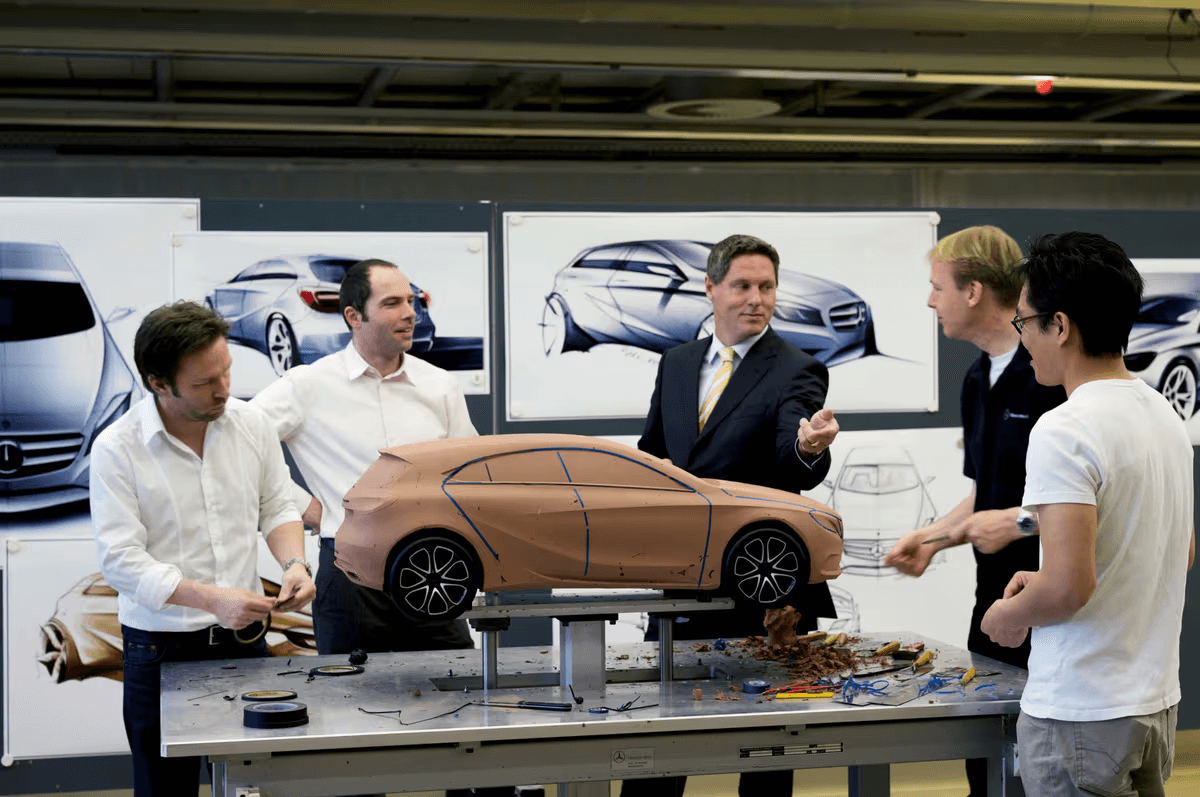
Positioning the A-Class against competitors such as the Audi A3 and BMW 1 Series in the compact hatchback segment defined by the Volkswagen Golf, Wagener created a design featuring a long hood, wide fenders, sharp creases and graphic elements. Despite being front-wheel drive, the A-Class quickly became a global object of desire as “the most accessible Mercedes.” It is even said that legendary designer Giorgetto Giugiaro personally congratulated Wagener, describing it as “the most beautiful hatchback I have seen in recent times.”
smart for two
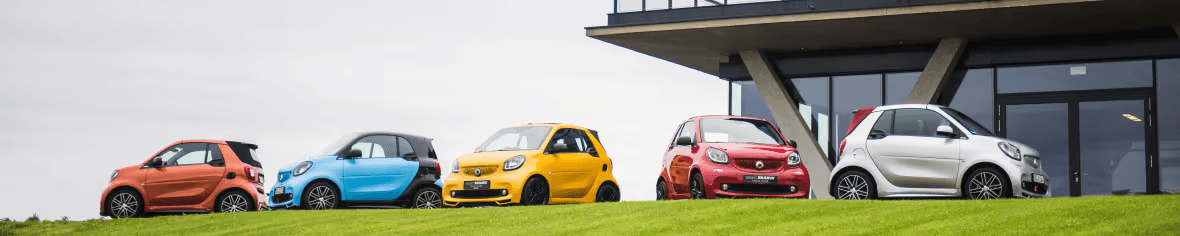
Wagener was also the designer who determined how the signature model of the smart brand, the for two, would look, a brand that Mercedes initially developed with Swatch and later partially sold to Geely.
Gorden Wagener’s Legendary Mercedes Designs
At least for the third-generation smart for two, this was the case. The two-seat micro city car, together with its four-seat version developed under Wagener’s supervision, reached a more mature phase. The brand’s signature TRIDION safety cell was preserved and left in its standard silver-grey finish, although it could also be produced in different colors or matched with the body panels. Not only did the headlamps grow in size, but all panels were given a stronger sense of volume, enhancing the visual presence of the micro car. Despite everything, with its sub-three-meter length, it continued to symbolize high-quality and safe micro mobility.
Gorden Wagener’s Legendary Mercedes Designs
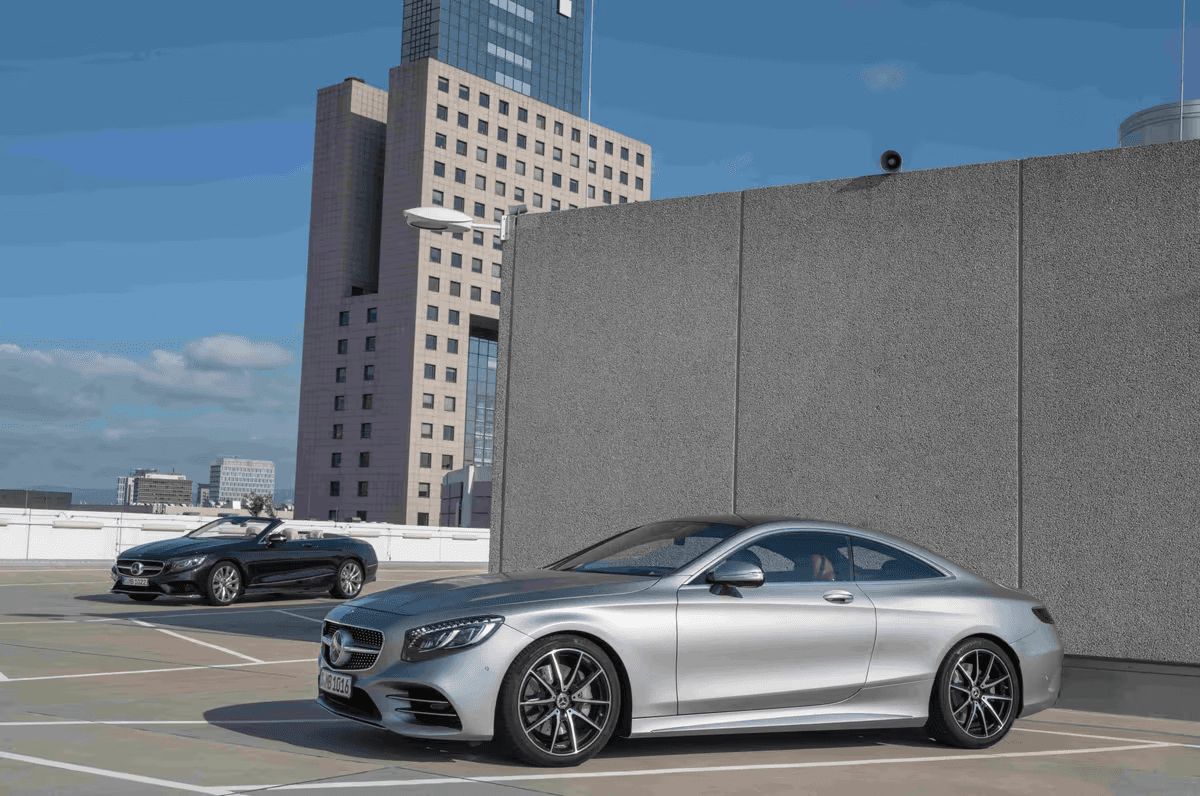
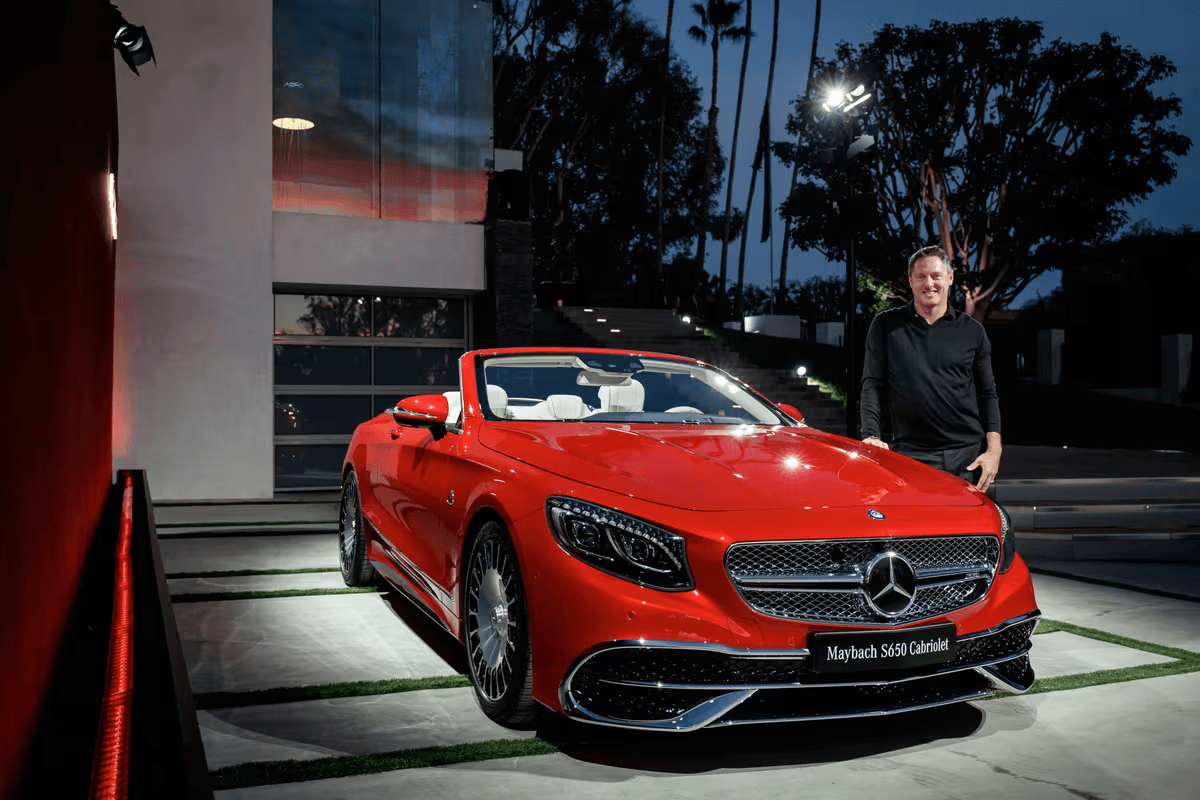
S-Class Coupe & Cabrio
The C217 S-Class Coupe and Cabriolet combined elegance and presence with a sense of restrained passion, competing at the very top of the brand’s flagship hierarchy. “Mercedes means S-Class,” says Wagener, who skillfully transferred the design elements of the C217 to lower segments.
Gorden Wagener’s Legendary Mercedes Designs
It is a well-known approach in automotive history that many innovations first appear in the S-Class before being gradually introduced to more accessible models. Similarly, the “Sensual Purity” design philosophy first appeared in the S-Class Coupe & Cabriolet before being “democratized” across models such as the A-Class and CLA.
Gorden Wagener’s Legendary Mercedes Designs
Having worked on four different S-Class designs throughout his career, Wagener described the previous generation S-Class Coupe (CL-Class, C215) as long, lacking sportiness and possessing awkward proportions. Faced with the question of whether engineering or design should dominate the development of the new S-Coupe, Wagener convinced the board to prioritize design, ultimately bringing this masterpiece to life.
G-Class
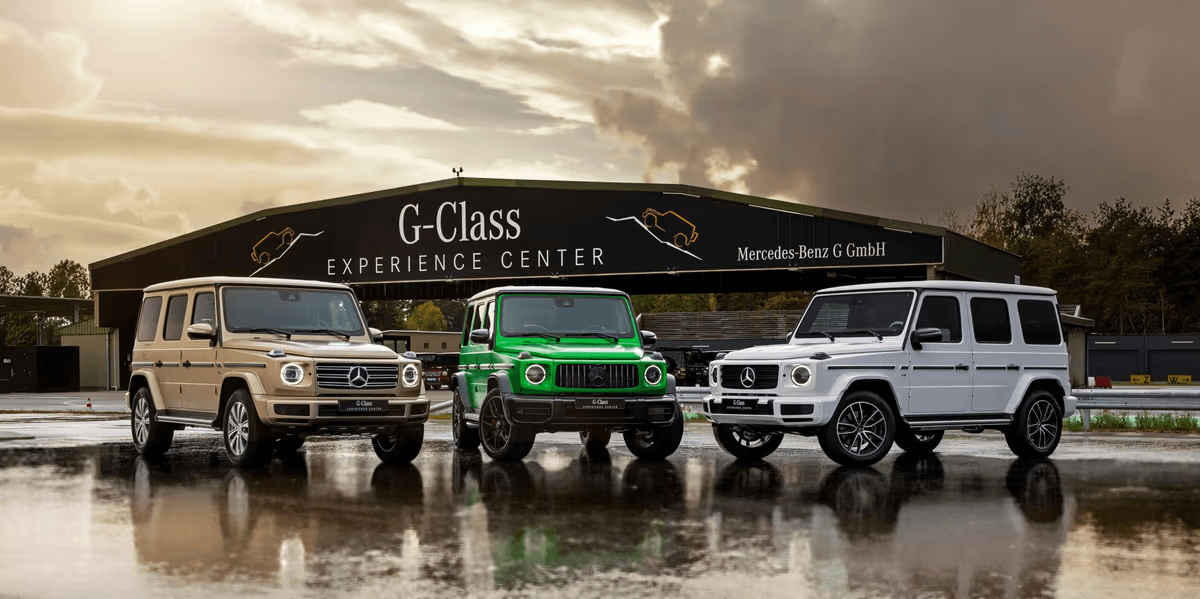
Wagener was also tasked with redesigning the G-Class, originally commissioned by the Shah of Iran as a luxury military vehicle and whose design had remained largely unchanged for 40 years. At first glance, the differences between the 40-year-old G-Class and the version introduced in 2019 may not be immediately apparent, even to experts. However, upon closer inspection, the vehicle was entirely re-engineered with new panels, doors and a completely redesigned interior.
Gorden Wagener’s Legendary Mercedes Designs
Without compromising the integrity of an icon, subtle interventions created significant differences. The familiar front-end elements were combined with new technologies. The boxy edges were slightly softened, yet the imposing character was preserved. Regarding the interior’s digital screens, Wagener commented, “Despite the short distance between the windshield and the cockpit, we found a solution, but sometimes I think it should have remained analog.”
Gorden Wagener’s Legendary Mercedes Designs
Wagener’s approach to collaborations also attracted considerable attention. One example was Project Mondo G, showcased at London Fashion Week 2023. In collaboration with Moncler, a 1990s G-Class was imagined as if wearing an inflated jacket on the surface of the moon.
Gorden Wagener’s Legendary Mercedes Designs
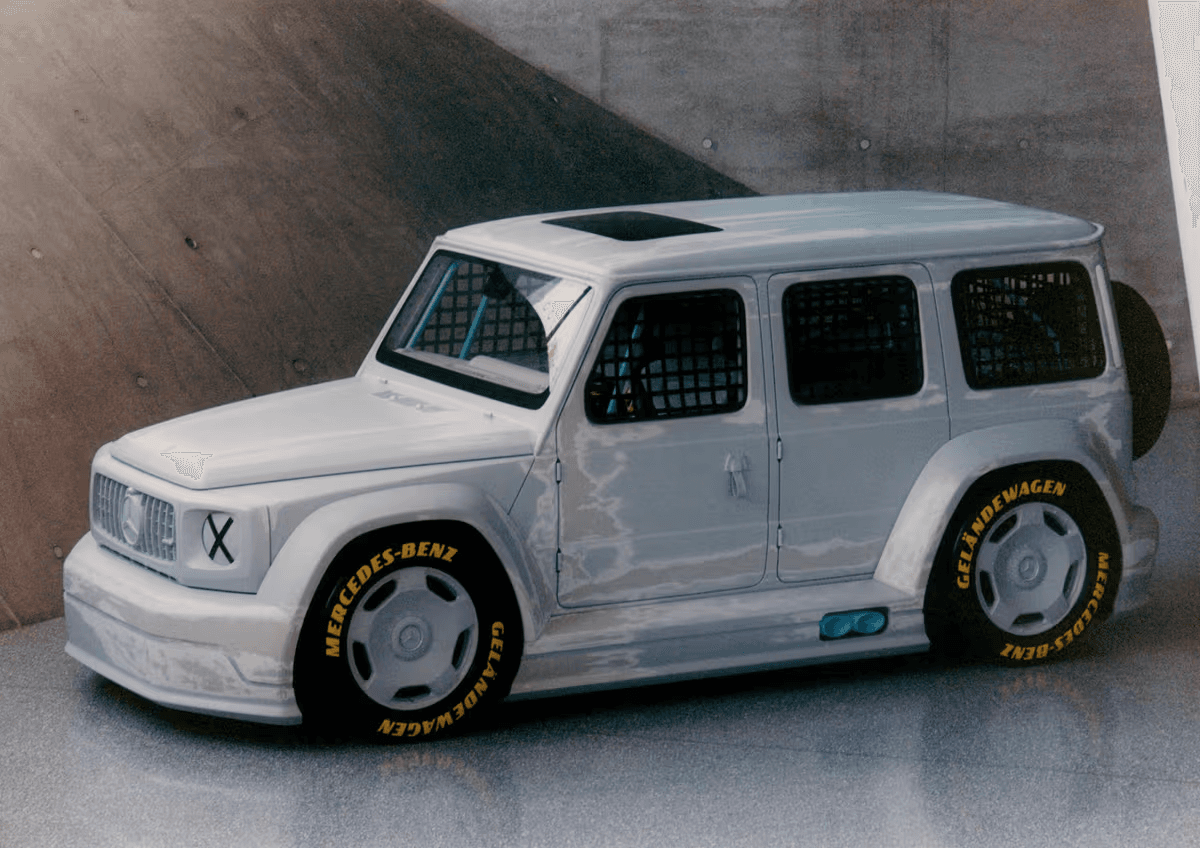
Another collaboration, Project SUV with Virgil Abloh, sparked significant debate. Based on the idea of how a G-Class might look if built for DTM racing, the project featured “Abloh” and “Wagener” lettering on racing-style seat belts.
Mercedes-Benz VISION AVTR
Another collaboration of the brand was developed for the second installment of the Avatar film. The Mercedes-Benz VISION AVTR was imagined as a living organism, much like the creatures in the film. Wagener entrusted this project to designer Alexander Wang. According to the designers, the greatest challenge was “bringing together the best of Avatar’s science-fiction world with our own world, while preserving the Mercedes-Benz identity.”
The VISION AVTR featured spherical wheels capable of enabling crab-like sideways movement instead of traditional steering. Its organic, bioluminescent surfaces allowed it to express different emotional states through light and color transformations.
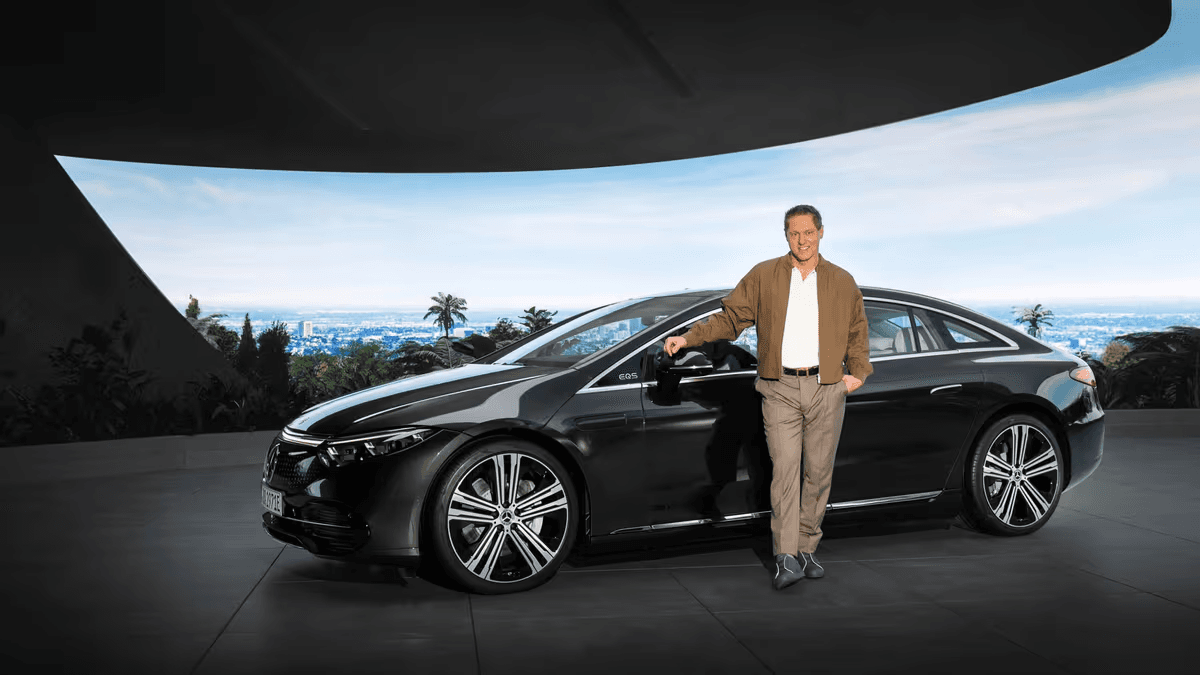
EQS
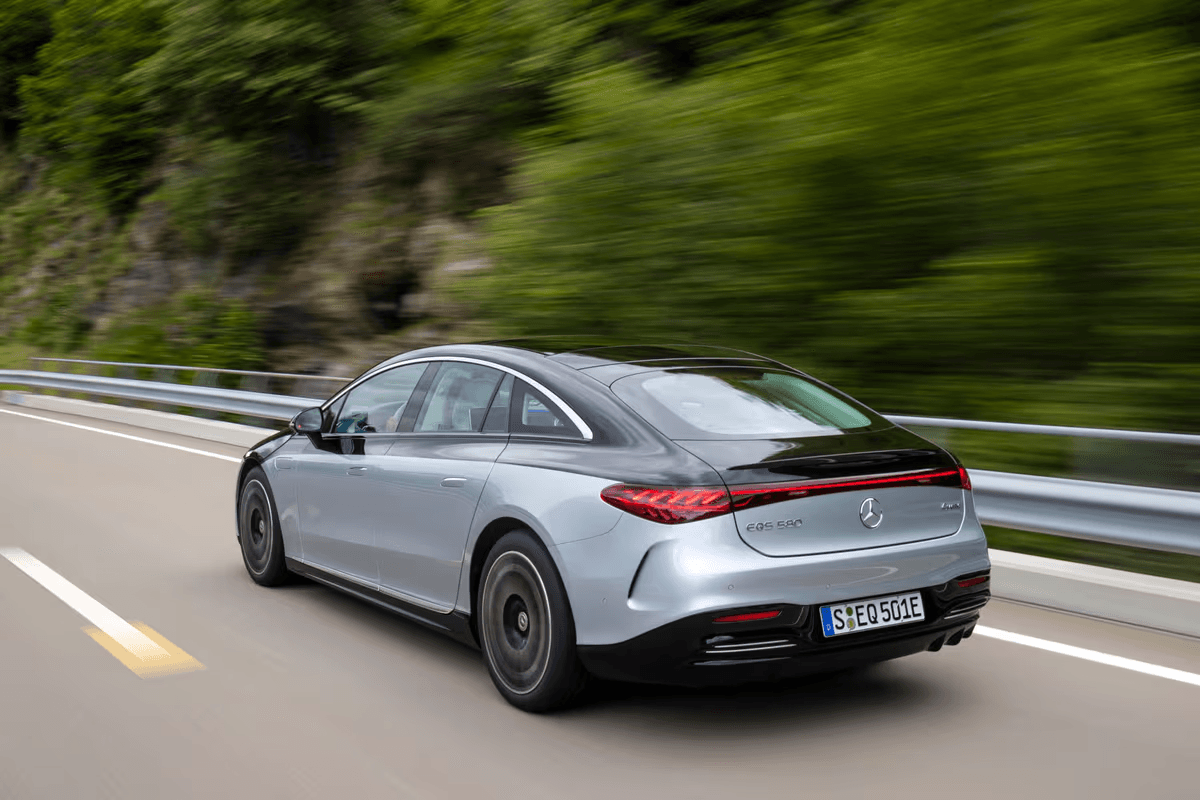
One of the most debated recent Mercedes models, the EQS features proportions that diverge from those of a traditional S-Class. This was a deliberate choice for several reasons, the primary one being aerodynamics. At launch, it was the most aerodynamic production car in the world. Although its teardrop shape was highly efficient, many likened it to a giant egg.
Wagener, referring to the EQS and similar models from his “master period,” explained: “We wanted to introduce a completely new era under the Mercedes-EQ brand. These cars could not look like traditional three-box sedans. Inspired by our 2015 F015 concept, we adapted the design for production. We were entering a new era and wanted to express this through design. It was a collective decision by the entire board. Perhaps our customers didn’t understand us, or perhaps we couldn’t explain ourselves well enough. But one thing was clear: it looked far more progressive, technological and futuristic. Perhaps the EQS arrived ahead of its time.”
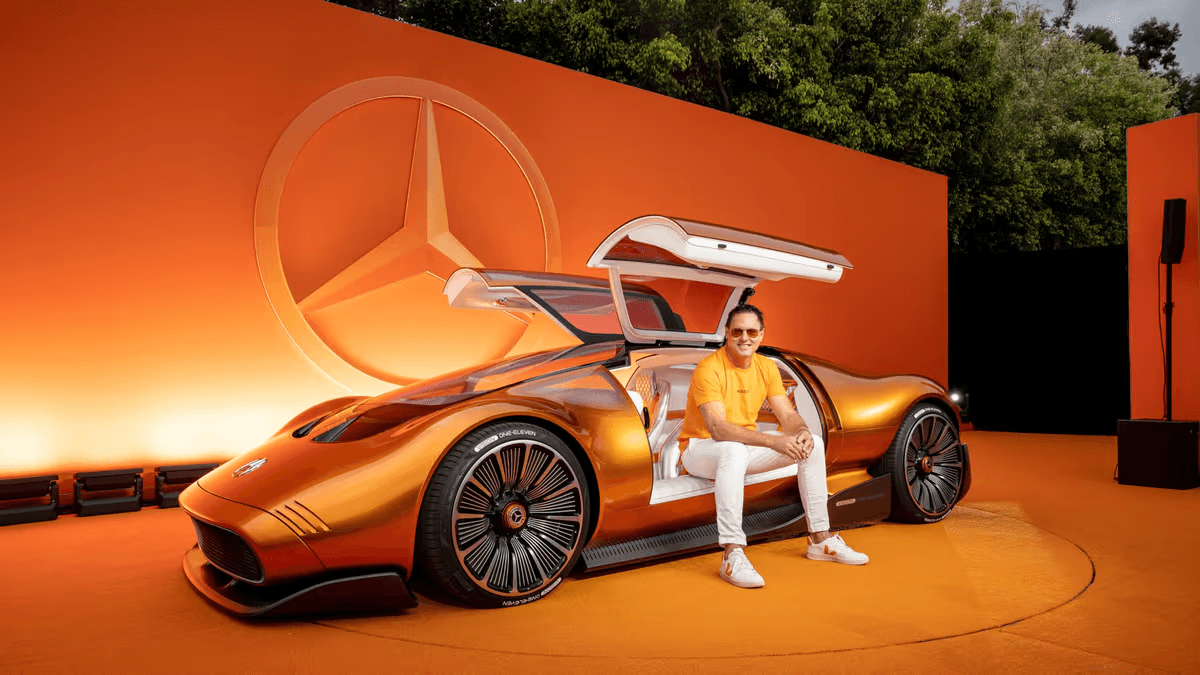
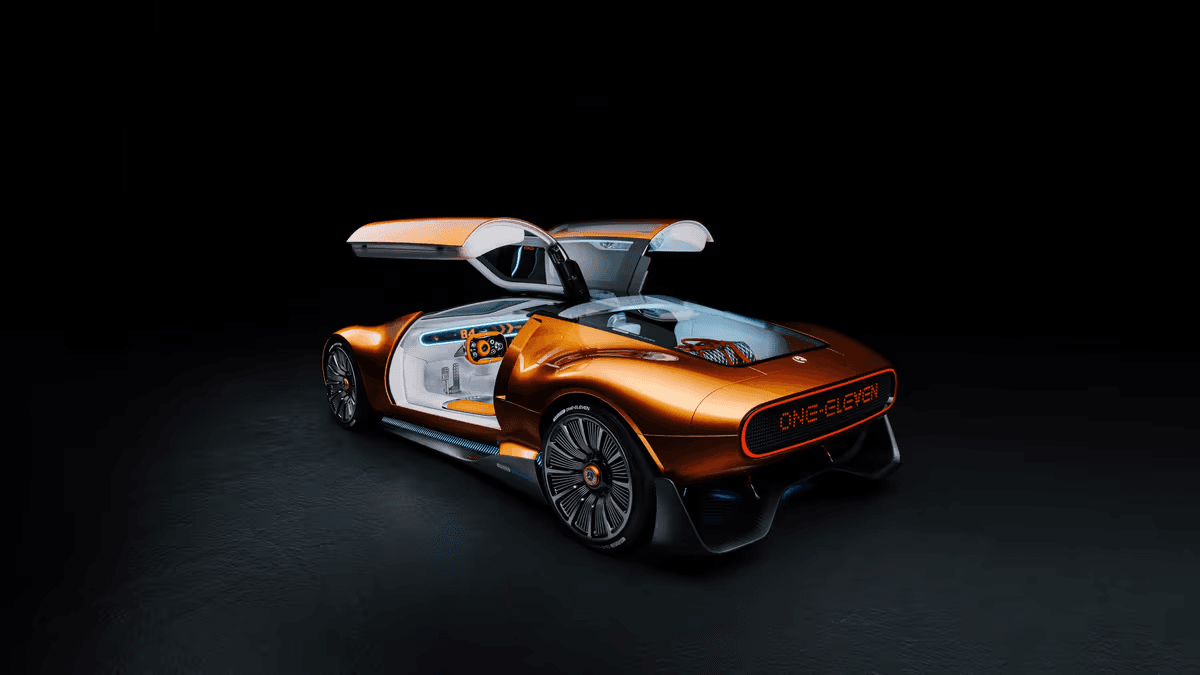
Vision One-Eleven
Created as a tribute to the electric Mercedes era, the Vision One-Eleven reinterpreted the experimental 1969 C111 concept. Designed according to Wagener’s “One Bow” philosophy, it features a continuous, tension-filled silhouette that cuts through the air like a drawn bow.
The iconic gullwing doors of the original concept were retained, while all design elements were adapted to contemporary technologies.
Vision Iconic
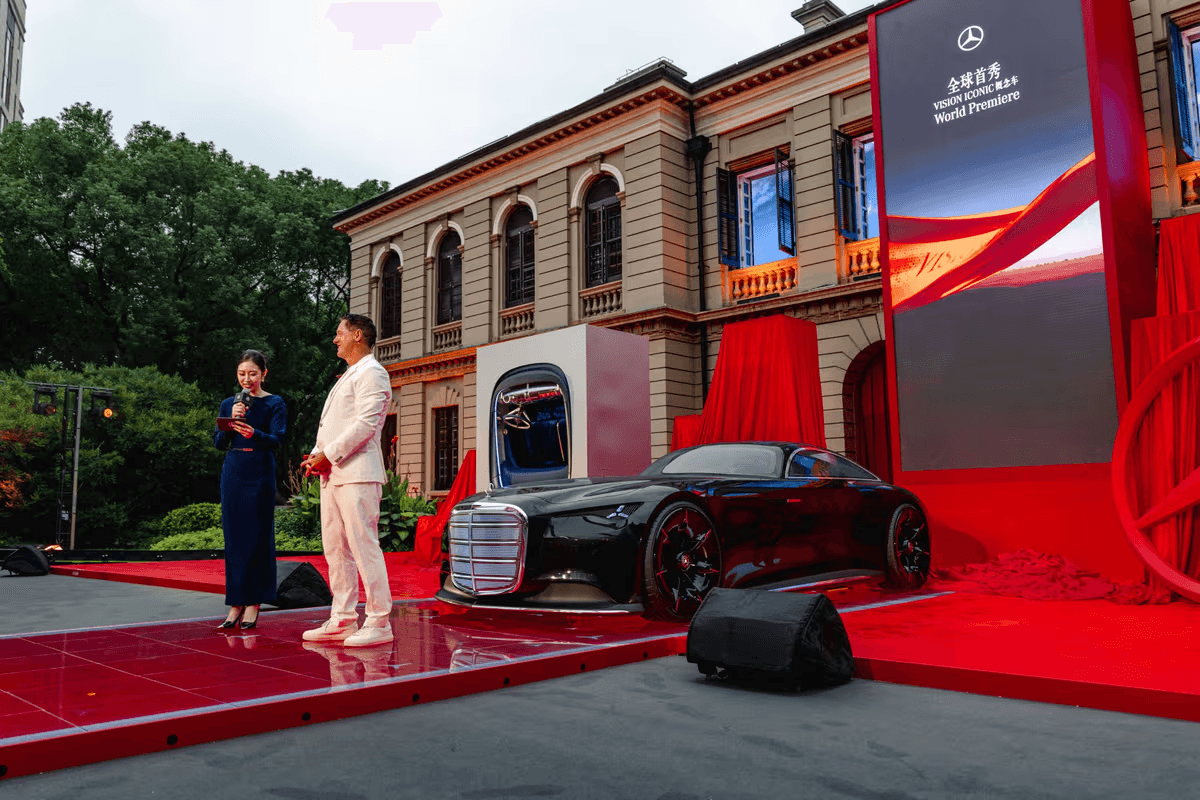
Described as Gorden Wagener’s “grand finale,” the Vision Iconic stands as proof that he left the stage at the peak of his career. Combining Art Deco influences from the 1930s with elements such as the imposing grille inspired by the 540K, and integrating technologies like solar-absorbing black paint to extend range, the result is a design that feels as if it belongs to a science-fiction film. It became one of the most talked-about concepts of 2025.
Speaking about what could be considered his final signature project at Mercedes-Benz, Wagener stated: “With its majestic hood, sculptural curves and Art Deco touches, it is a true icon candidate for the automotive world. It is not just a car, but a moving sculpture, a timeless elegance and a reference to the future. It is the most beautiful, most prestigious and most representative of our values.” He was anything but modest—and perhaps rightfully so.
Saatolog Yıllık Saat Dergisi Saatolog’un yeni sayısı, 2020’nin yarattığı bu dönüştürücü etkiden ilham alarak hazırlandı. Dünya dijitalin etkisiyle her zamankinden de hızlı bir şekilde ilerlerken yavaşlamanın da önemini sonunda kavramış bulunuyoruz ve bu tezatlık hayatlarımızın her anına etki ediyor. Biz de bundan yola çıkarak Saatolog 2020/21 sayısını ‘‘hızlı ve yavaş’’ teması altında hazırladık.