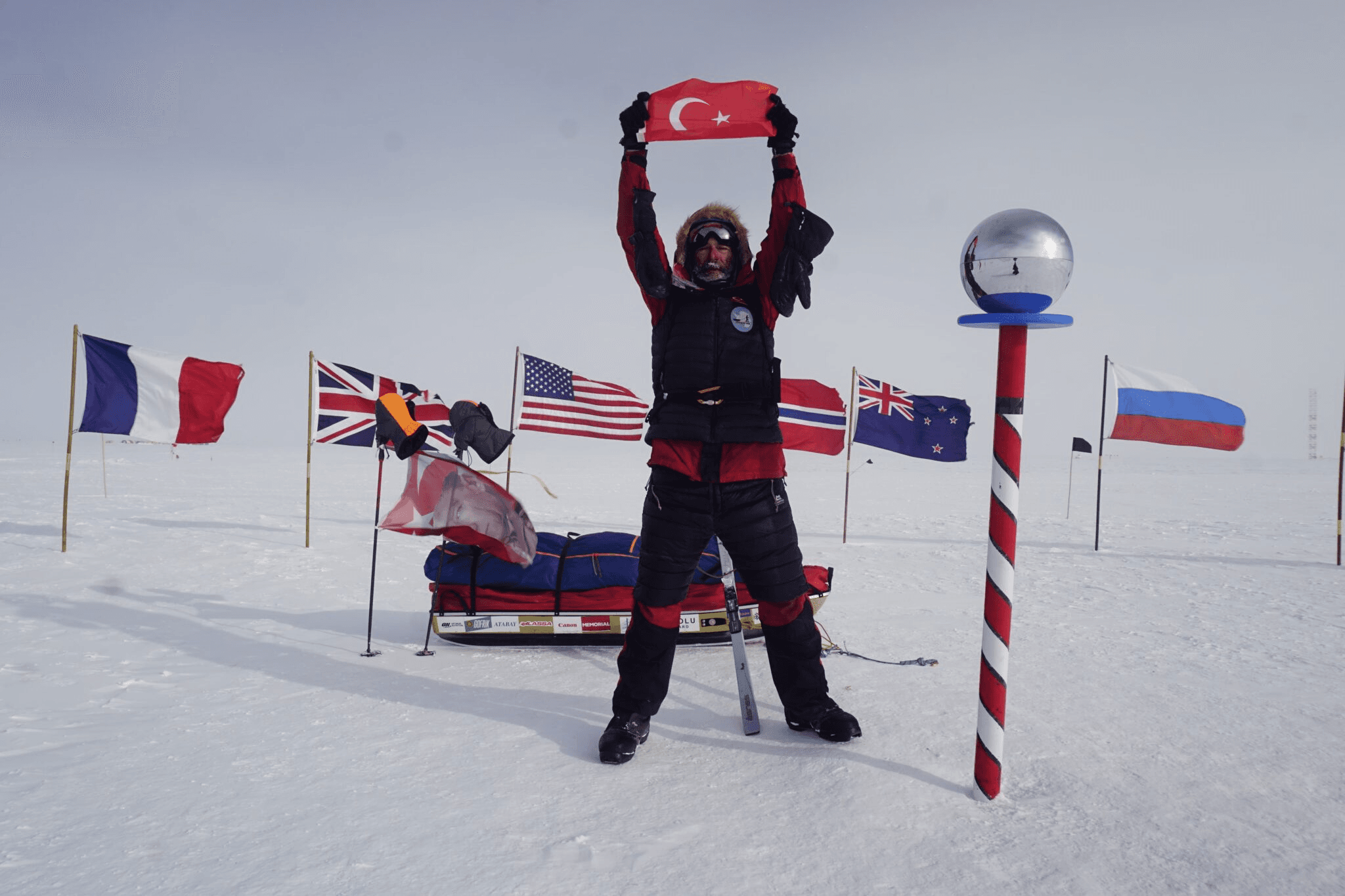
The odyssey of Ali Rıza Bilal, the inaugural Turk to journey on foot to the South Pole, is a testament to a struggle against the psyche rather than the elements; it is the narrative of a resolute mark left by those who refuse to surrender within the vast, white infinity.
Those who venture there for the first time invariably share the same sentiment: Upon arrival, you do not simply reach a destination; you encounter whatever remnants of yourself remain. Altitude, frigid temperatures, silence, or sheer distance… none of these constitute the true ordeal. The genuine test lies in that protracted march where an individual is left entirely alone with their own thoughts. Mountaineers grasp this truth at the summit. Explorers realize it where the map terminates. Those who trek to the poles understand it in that boundless void where whiteness dissolves everything. When Nasuh Mahruki returned from Everest years ago (1995), he remarked, “What remains there is not a footprint, but a decision.” Ali Rıza Bilal’s story commences precisely with that decision. Not merely as an athlete, but as a human being. Not to reach a final stop, but to persist upon the path. Because, as he articulated, “That is precisely what life is all about!”
The first Turkish rower to represent our nation at the Olympics.
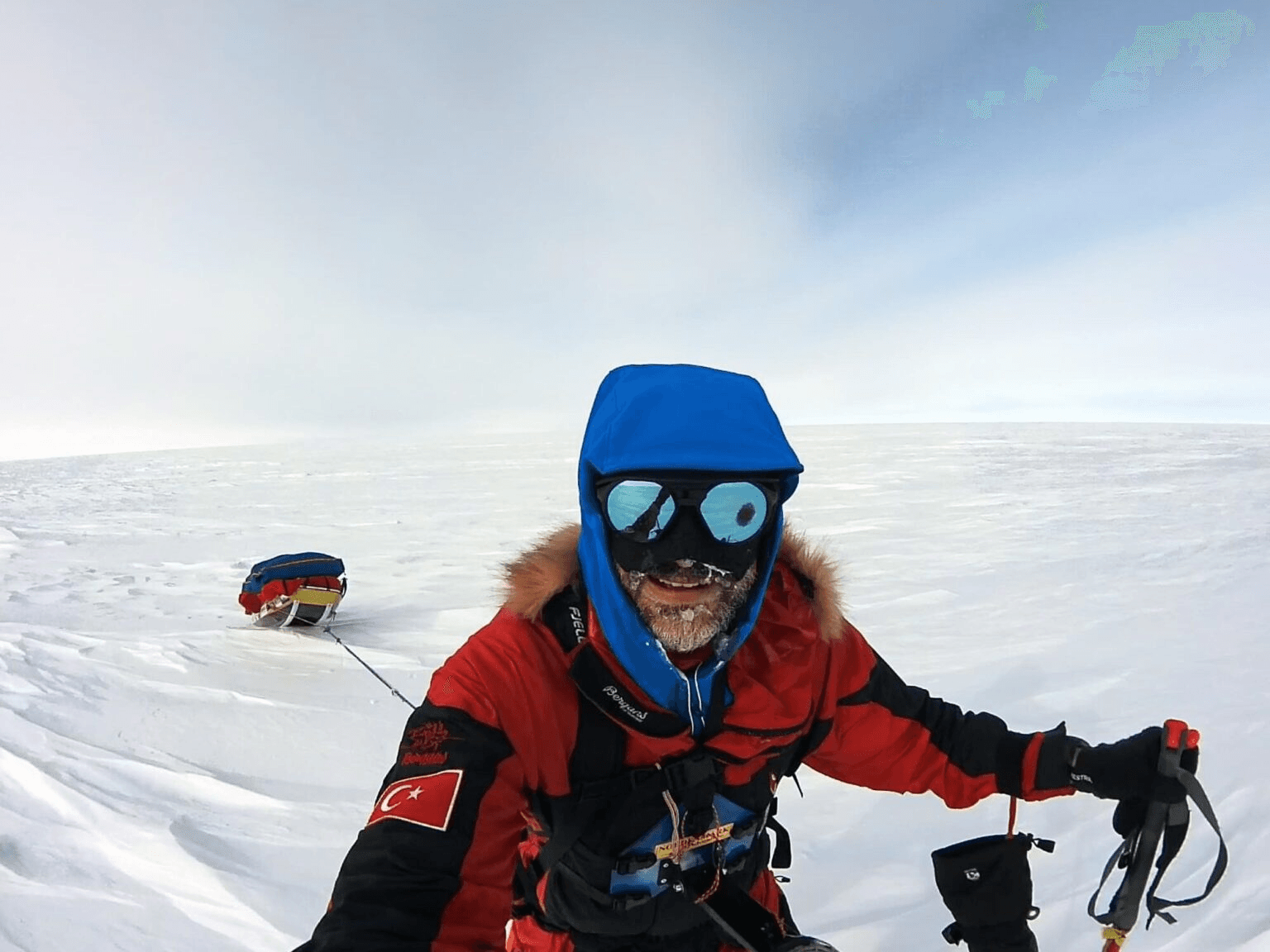
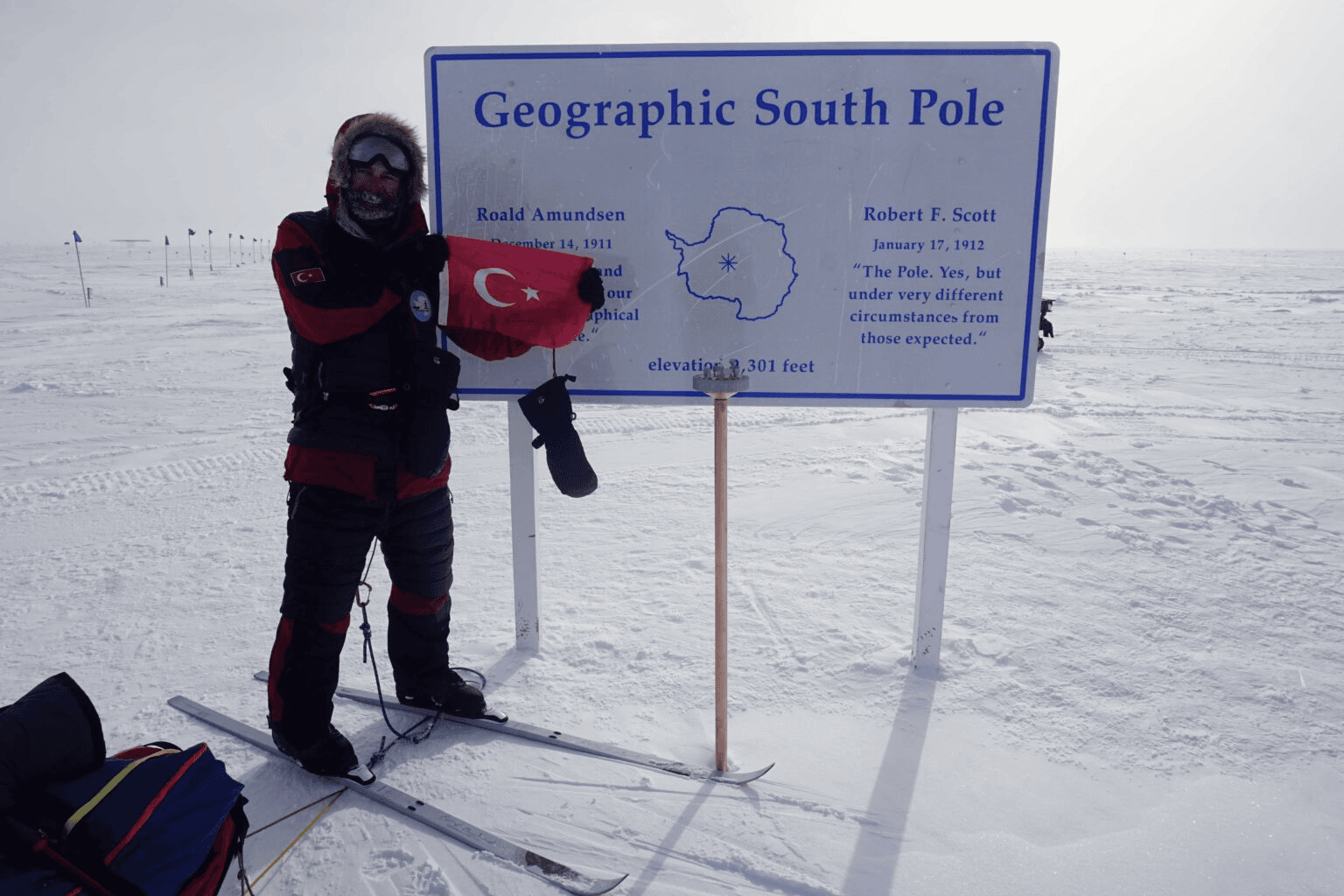
The first Turk to reach the South Pole by trekking solo across Antarctica.
The first Turk to traverse Greenland from east to west.
This interview does not merely chronicle a “first”; it is the narrative of the journey behind that milestone…
Hello Ali Rıza Bey, as I became acquainted with your story, I wondered about the family environment you were born into. When exactly did this passion for sports ignite?
My mother and father consistently encouraged my sister and me to engage in sports. They were not professional athletes themselves; my father wrestled during his academic years but eventually abandoned sports entirely. My mother was involved in athletics briefly during high school, but sports subsequently faded from her life as well. Perhaps their own unfulfilled relationship with athletics was channeled toward us. My sister was four and a half, and I was five and a half when we commenced gymnastics during the summer. By the time I reached middle school, I played basketball for approximately three years on the Efes youth team. We resided in Kanlıca at the time. My uncle’s daughters were rowers at the Anadolu Hisarı Sports Club. I would travel from Kanlıca to Merter to play basketball—a three-hour commute followed by two hours of rigorous training. It was an incredibly demanding routine.
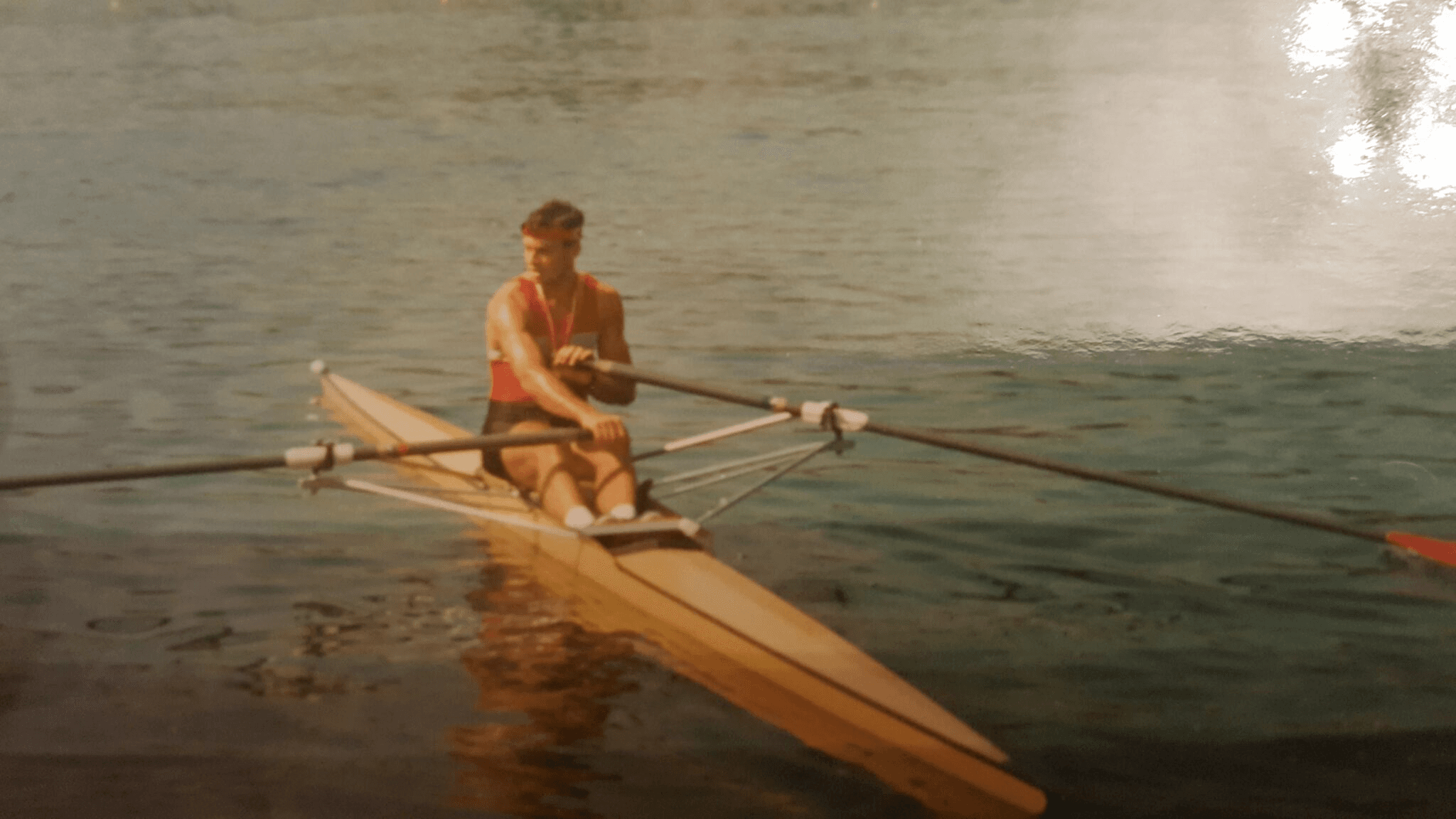
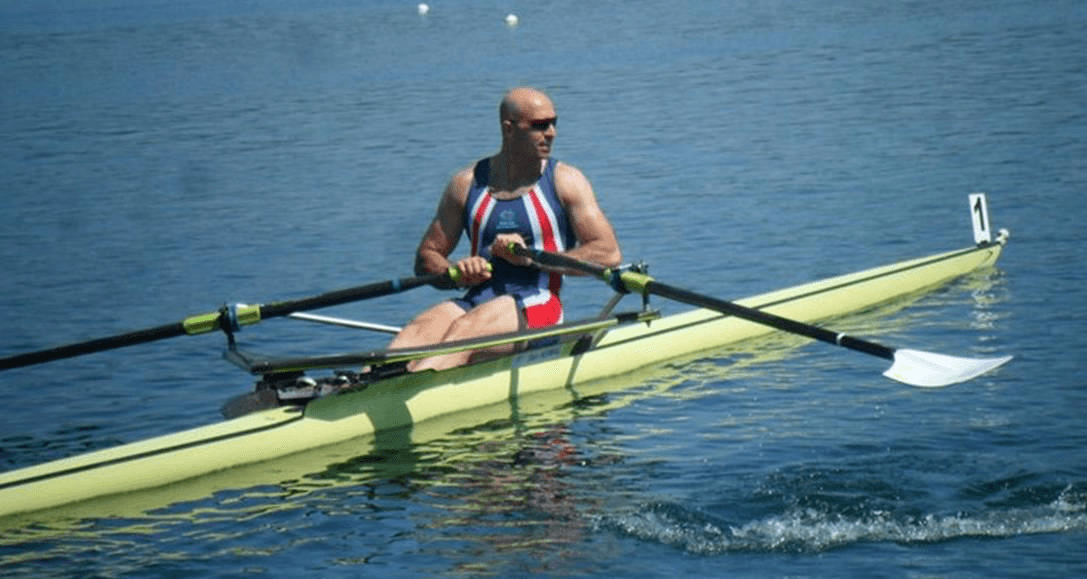
One day, I participated in the tryouts held by the late Aydan Siyavuş for the youth team. The evaluations lasted for hours. There were no mobile phones then, only public payphones; I couldn’t find any coins to contact home. I had departed at seven in the morning, and by eight in the evening, I still hadn’t returned. My family had alerted the police and even contacted hospitals. When I finally arrived home, they were distraught with worry. They declared, “No more.” I conceded, saying “Okay,” and decided to pursue rowing with my cousins instead. That was the genesis of my rowing career. I rowed for nearly 18 years. I secured third place in the world. I was the first athlete in the history of Turkish rowing to participate in the Olympics, competing in the 1992 Barcelona Games. I earned both Balkan and Turkish championships.
Eventually, my professional career took precedence, and I retired from rowing. Following that, I pivoted toward adventure racing. Alongside three companions, we competed in races across various corners of the globe. In 2008, we achieved a third-place world ranking in an expedition adventure race in Patagonia.
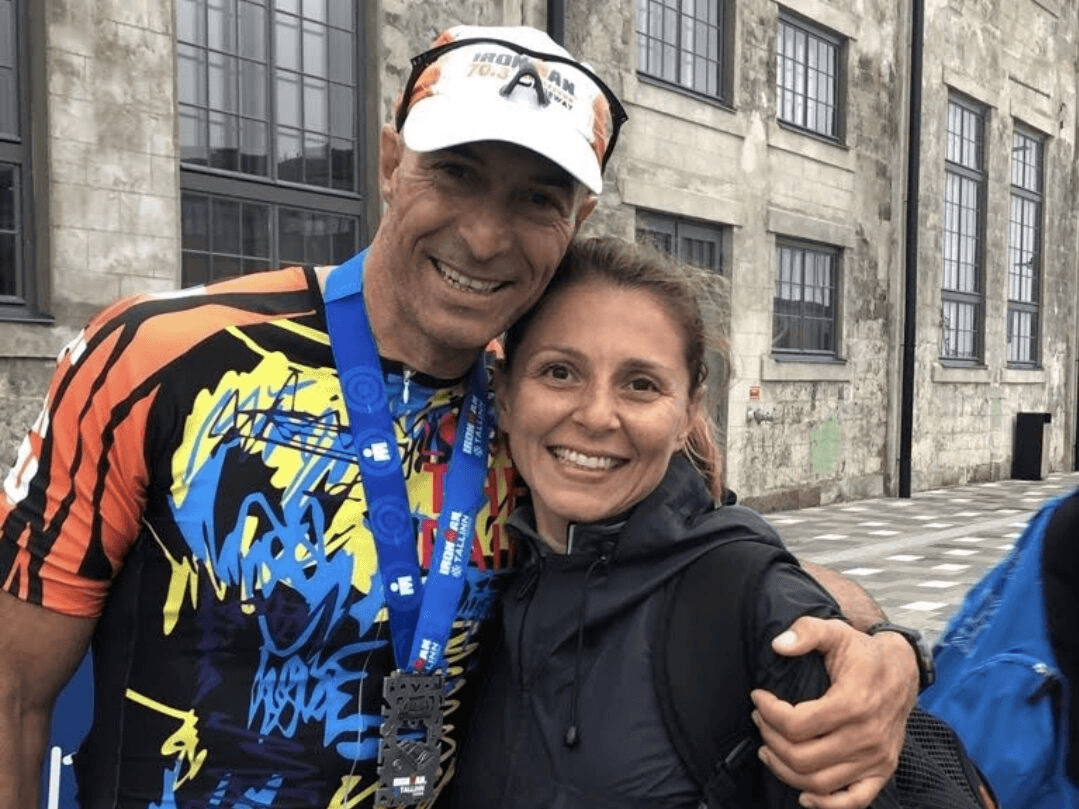
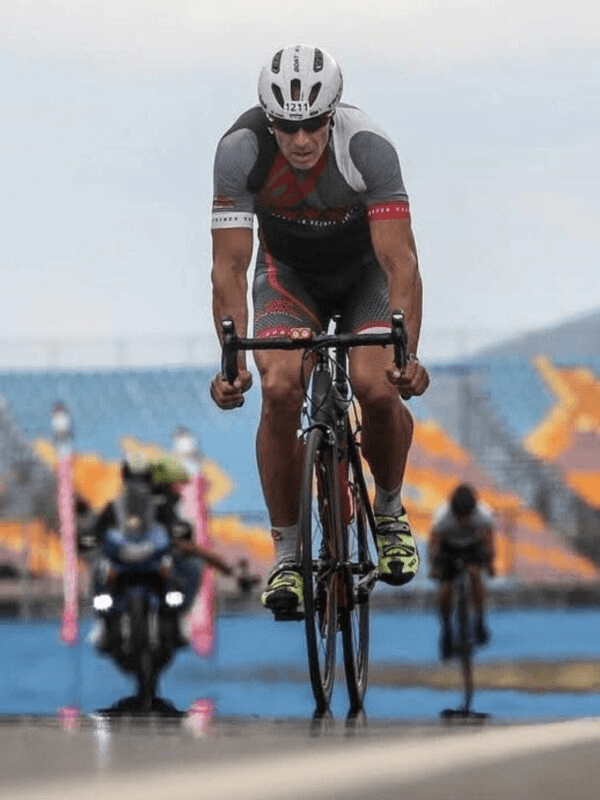
Securing sponsorship for a four-person team proved exceedingly difficult. At that juncture, I realized, “I should pursue something independently.” People in my circle were interested in Ironman and encouraged me to “do Ironman.” So, I began. I have been immersed in this sport for about 12-13 years; though I haven’t competed in the last few years, I remain actively involved.
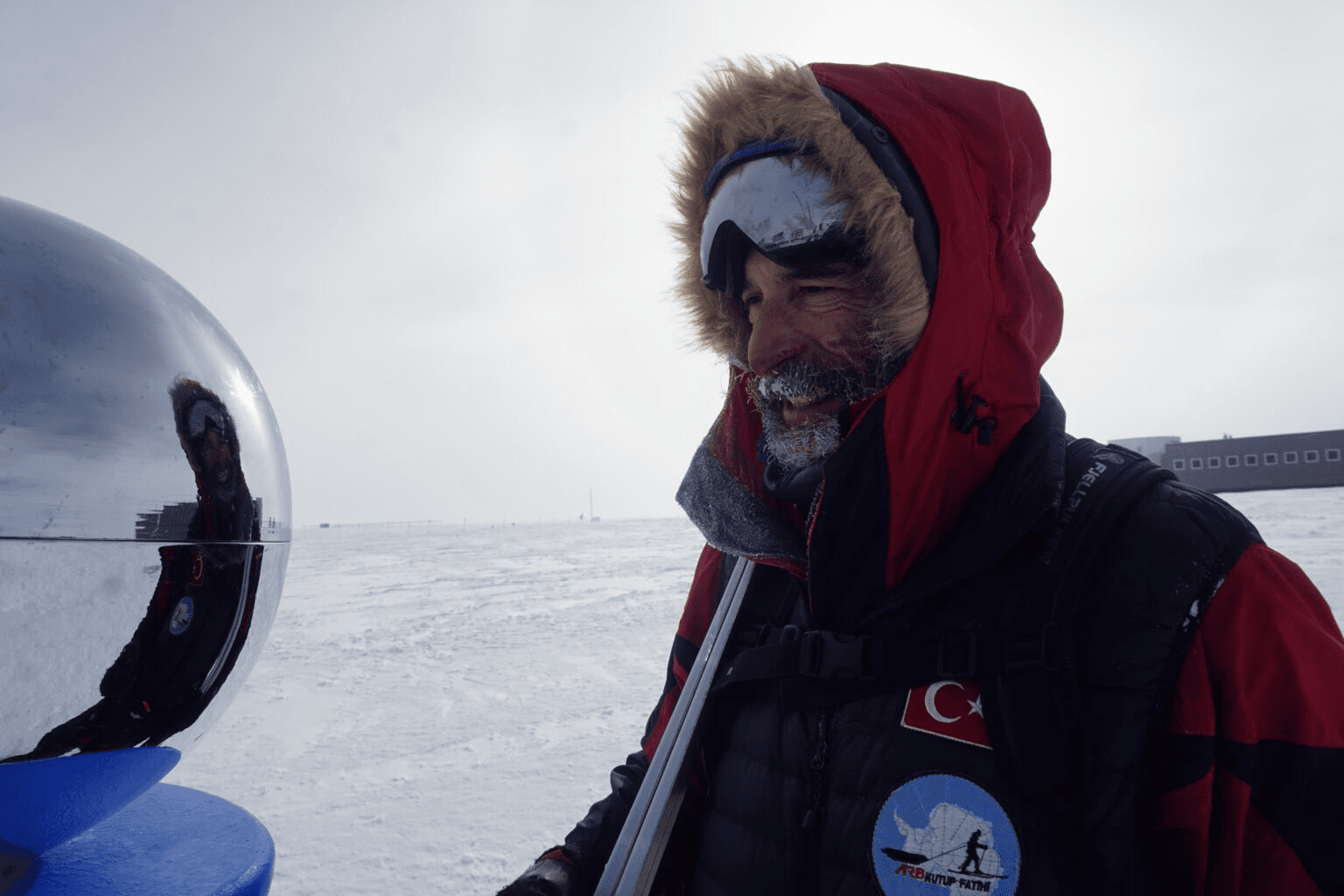
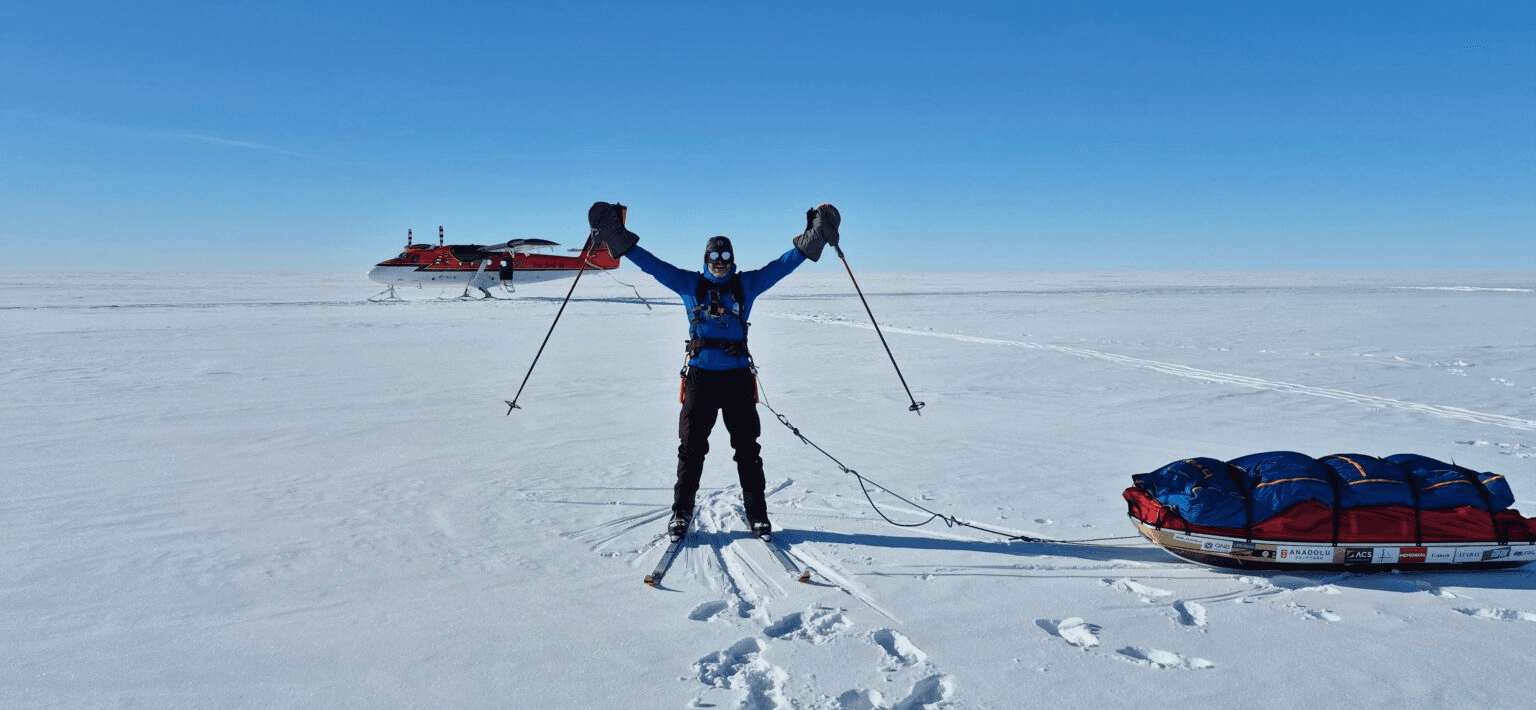
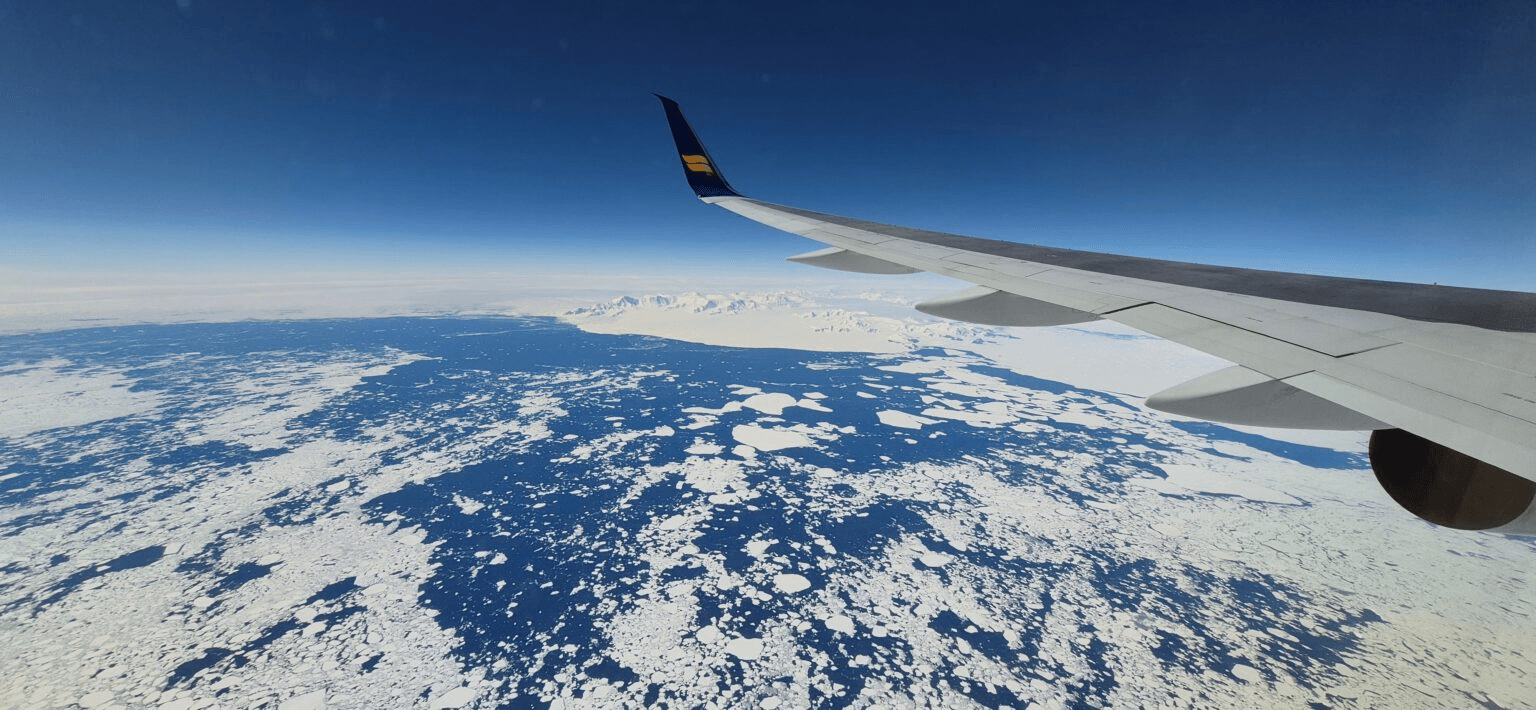
Last season, in November 2024, I became the first Turk to reach the South Pole by trekking across the Antarctic continent. In September 2025, I became the first Turk to traverse Greenland from east to west. I essentially made history in two distinct geographical realms.
How did your fascination with outdoor sports evolve?
Since my youth, I have been intrigued by various vocations. At one point, I aspired to be a police officer, then an astronaut, then a mountaineer. As a child, quite instinctively, I would invent mountaineering games for myself. I would take a friend along, pretend to go trekking, and suspend makeshift equipment I had seen—like an ice axe or a hammer—from my belt. It was all through a child’s perspective, based on what I had observed.
There was always an adventurous streak within me. As I matured, I gravitated more toward outdoor sports and dedicated significant time to them. I never possessed an affinity for soccer; in fact, I detest it. As a Turkish man, I may be a rare exception in that regard. However, I have experimented with most extreme sports. I observe keenly, analyze thoroughly, and then execute. That is my story in essence.
Did you envision sports as a professional path from the very beginning?
My family intended for me to study tourism. However, during my final year of high school, my mind was made up; I wanted to study physical education and attend a sports academy. I did not gain admission to the tourism program. To be perfectly honest, there was a calculated side to this. My English proficiency was slightly better than my peers’, but I deliberately left the English portion of the entrance exam blank or answered incorrectly. This was because my father had set a specific condition: “If you don’t get into tourism, you’ll go into physical education.” I failed to get in. In effect, I played a small trick on myself. Ultimately, I was accepted into physical education and attended the sports academy.
“Rıza, You Must Stop Immediately!“
In the world of sports, retirement typically arrives prematurely. Basketball is abandoned at what we consider a tender age, as is soccer… Is there a definitive age limit for these pursuits? Has anyone ever looked at you and insisted, “You should settle down now that you’re over forty”?
Yes, they certainly did. On numerous occasions. This very theme is explored in my upcoming documentary. Approximately six and a half years after relocating to Estonia, I began experiencing persistent back pain. After exhausting options like massage and physical therapy, the discomfort began to impede my daily life; even the simple act of tying my shoes became painful. We performed an MRI in Turkey. A close friend of mine, a professor, reviewed the results and was incredibly blunt: “Ali Rıza, you need to stop now.” “What do you mean?” I countered. “You have two herniated discs, a third is developing, and you have hip impingement in both hips,” he explained. When I mentioned my intention to travel to Antarctica, he shot back, “Abandon these extremes immediately; stick to standard fitness.”
My spirits were utterly crushed. Seeking a second opinion, I sent the scans to another friend of thirty years—also a professor, a sports physician, and an exercise physiologist who has known me since my initial national team trials. He concurred: “My colleague is right. I know your penchant for the extreme, but you are going to break yourself.” I was devastated. Finally, I consulted one more specialist: an orthopedist who is also an Ironman triathlete. He offered a different perspective: “Medically, my colleagues are correct. However, if you quit entirely, you will simply sit in a corner and rust. That would be far worse for you. Whatever you are doing, continue—but do it wisely.”
That was my definitive turning point. I overhauled my training regimen to build strength without compromising my back. And I went to Antarctica. I persevered, I returned, and then I tackled Greenland. Instead of halting, I chose to evolve and continue the right way.
I imagine your wife has been a steadfast pillar of support throughout this journey.
Psychologically, she provided the ultimate foundation; she was perpetually by my side, both financially and emotionally. My wife works in customer experience, but she is also an Ironman athlete like myself. Consequently, she understands me deeply and anticipates how I will respond to challenges.
And what of your mother? Mothers often tend to lean toward the “don’t make me regret bringing you into this world” side of things…
My mother is the one who brought me into the world, introduced me to sports, and understands me better than anyone. Because she is well-acquainted with my extreme nature, she now simply sighs, “May God reform you, my child.” She lives in Beykoz. Back when I was single, I would host barbecues for my friends, and for the return trip, I would lower them from the roof of a building using a climbing rope. When her friends would ask in bewilderment, “What on earth is that boy doing?” my mother would simply reply, “He’s training his friends.” She is both accustomed to it and chooses to look the other way.
When someone approaches her saying, “Aunt Nedret, this madman is about to cross Greenland,” she responds, “What can I do, son? I’m in for more sleepless nights and a great many prayers.” She knows that once my mind is set, the task will be done. That is where my happiness lies.
I’d love to virtually join your Antarctic trek. How did you occupy your time during that 51-day journey? How did you manage your nutrition, hydration, sleep, and stamina in such unforgiving conditions?
Each day follows a very disciplined rhythm. I typically wake around six in the morning. Since the sun never sets in Antarctica, an eye mask is mandatory for sleep. Rising immediately is difficult; you often toss and turn for twenty to thirty minutes. My first priority upon waking is igniting the stove, as you must melt snow or ice to obtain any water. I use that water for tea, coffee, and rehydrating my meals.
The rations used on these expeditions are specialized—freeze-dried meals in sealed pouches with all moisture removed. Once you add boiling water and seal the bag, the meal is ready in seven or eight minutes. This is why water production is the morning’s primary task. While the water boils, I contact my wife via satellite phone; they are six hours ahead, so it is lunchtime for her. We speak for a minute or two, and then I eat.
You complete one hour of trekking, take a brief reprieve, and eat. You begin the next hour, and a specific psychological pressure sets in: “What will I occupy my mind with now?
10 Hours a Day, 20 Kilometers
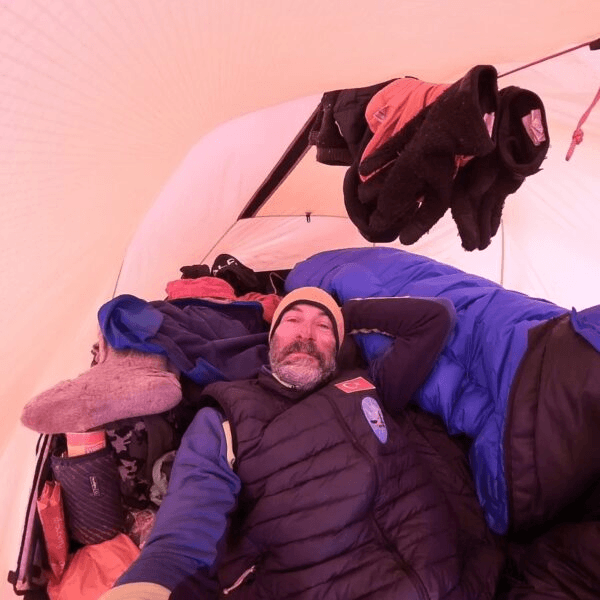
Then comes the process of preparing and dressing: wool socks, wool base layers, windproof ski trousers, a windproof jacket, and a heavy expedition parka over that. I add down shorts over the pants and a down vest on top. I apply Vaseline and sunscreen to protect my face. My sleeping bag, inflatable mat, standard mat, and electronics are all stored in waterproof dry bags. I specifically tuck the electronic devices inside the sleeping bag to prevent them from freezing.
I haul everything out of the tent and secure it to the sled. Striking the tent and readying for departure takes roughly thirty minutes. If I light the stove at 6:30 a.m., I am usually walking by 8:45 a.m. Speed is essential; I need to sustain about 10 hours of movement per day. My target was 20 kilometers daily, a goal I largely met.
I trek for an hour or seventy-five minutes without pause. Then, I take a break—sitting on the sled to consume snacks and water. I have 300–400 gram rations pre-packaged for each day, consisting of high-calorie, high-fat items like nuts, peanuts, chocolate, protein bars, and candies. In the morning, I prepare three liters of water: one liter with an isotonic tablet, one liter of plain water, and one liter kept warm in a thermos for midday soup.
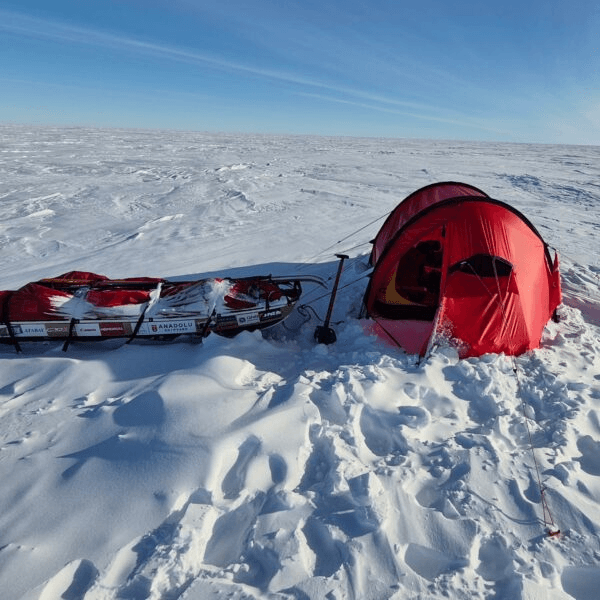
I repeat this cycle of consumption every hour to ninety minutes. I burn an average of seven thousand calories daily, and by the end of the 51 days, I had lost 11 kilograms. Upon completing my twenty kilometers, I immediately pitch my tent. Setting it up is straightforward, but you must anchor it with snow to prevent it from being swept away by the wind. You use a shovel to bury the tent’s edges.
I dig a knee-deep trench at the entrance so I don’t have to crawl inside; this allows me to step in. When seated inside, your feet rest in the trench, making it far easier to operate the stove. Then, I ignite the stove once more to melt more water. I swap my damp clothes for dry ones. Depending on the sun’s trajectory, I position the solar panel outside to charge my power banks. The process of preparing food and water begins anew.
In the evenings, I check in with the logistics center that monitors me 24/7 and transmit my coordinates. I review the map, compress a photo from the day’s journey, and send it to my wife via satellite link so she can share it on Instagram. I generally retire to sleep around 11:30 PM. This cycle repeated without fail for 51 days.
Regarding the issue of damp clothing… Antarctica is among the driest environments on the planet, with nearly zero humidity. Nothing remains moist for long. The only items that truly get damp are the merino wool base layers; I carried three of them and rotated them only a few times. They dry rapidly against the warmth of your body and never remain truly saturated.
The Paramount Challenge: Deciding What to Think
What did you hear during those fifty-one days of profound silence? How did your perception of time transform?
The perception of time is a fascinating phenomenon. While my primary sponsor was Polar and I utilized a sports watch, I also carried a quintessential military timepiece: a Casio FT1000. It is a rudimentary, old-fashioned model featuring only the time, a stopwatch, and the date. That is its entirety. I acquired it during a trip to Chile, replaced the strap, and suspended it inside my jacket.
The Polar watch synchronized with my phone on two occasions. Despite the lack of a network, the watch reverted to the time last displayed on the phone. One evening, I realized the watch was advancing too quickly. Every night at 8:30 p.m., I was required to contact the logistics center monitoring my progress to report my status. It turned out I was an hour and a half behind schedule. When I called, they asked, “Ali, where have you been for the last ninety minutes?” At that moment, I fastened the Casio to my wrist and proceeded, constantly cross-referencing the two.
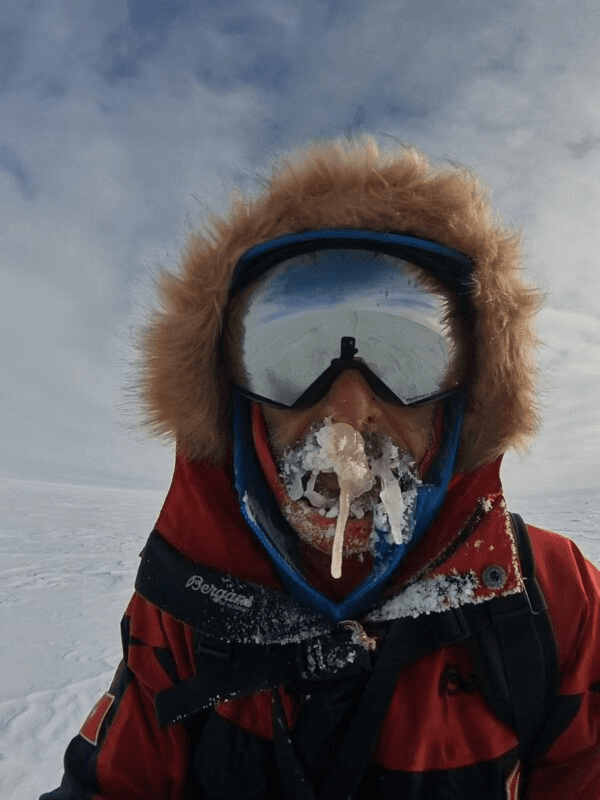
I didn’t feel untethered from time because I was forced to trek with statistical precision. I monitor my hourly distance, my heart rate—everything. You advance based on that data. However, the true ordeal during the march is determining what to occupy your mind with. There is a total absence of sound. No stimuli. Only whiteness. You either count your strides, pray, or glance at your watch and speculate: “What is my wife doing at this moment? Is my son in class? Where is my mother?” You complete an hour, take a reprieve, and eat. Then a new hour commences, and a specific anxiety takes hold: “What will I think about now?” I would then establish a mental landmark and resolve, “I shall reach that point in 300 steps.” I count. The minutes feel stagnant. You enter a grueling psychological duel with your own consciousness. There is an incredibly intense friction between the objective passage of time and your internal world.
Like Being Adrift in Space
In a YouTube interview, you mentioned that you couldn’t even feel the wind. I wondered how that was possible—is it the result of wearing so many protective layers? You also mention walking with a specific target in mind, but have you ever spent consecutive days without seeing anything at all?
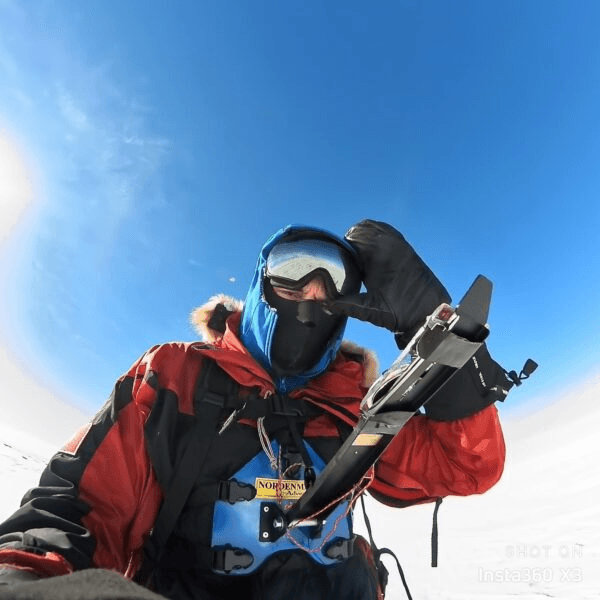
Indeed, the wind is imperceptible. The primary reason is, as you noted, the layering. Your face is entirely shielded; you cannot register the physical sensation of the wind against your skin. Secondly, there is the silence—an absolute, haunting quiet. The wind exists, but it produces no sound. Consequently, you don’t feel it against your body or in your ears. It is remarkably similar to being in outer space. Truly. There are no points of reference surrounding you. There are no trees, no objects—nothing bending, swaying, or oscillating. There is nothing to visualize the wind’s influence.
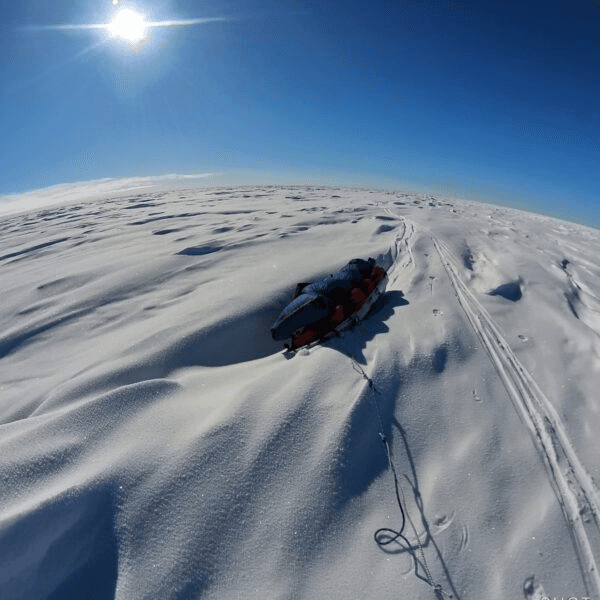
You march toward a destination, yet you may see nothing ahead for days. Three days, four days… the longest stretch was six. I walked for six days without a single visual cue in front of me. Imagine navigating a pure, white void, devoid of any visual landmarks.
I am intrigued by the solitude you endured. We often attempt to escape the urban sprawl to seek a little isolation. Following this experience, did you ever feel that you never wanted to be alone again?
This is a form of isolation that exists far beyond what one can typically imagine. Nearly everything that stimulates the five senses is absent. There is no sound. Your vision is met only by white. In foggy conditions, you cannot even discern where your feet are landing. There is no tactile connection—no contact with another living being or entity. There is taste, certainly, but it serves survival rather than pleasure; it is merely fuel. Personally, I don’t have a refined relationship with flavor anyway. There is no scent either; there is nothing to inhale. No flora, no fauna. People speak of the “scent of snow,” but you eventually become desensitized to that as well. Effectively, almost all five senses are neutralized.
It is exceedingly difficult for someone in Istanbul, Uruguay, or Chile to conceive of this. It isn’t merely being alone in a house, or even retreating to a forest for a weekend. Even in a forest, there are myriad alerts: sounds, colors, weather, the aroma of damp earth. You touch bark, branches, and soil. You can keep your mind and emotions engaged. In Antarctica, none of that exists. You are entirely solitary. Fear inevitably creeps in. For instance, I would occasionally wonder, “What would I do if something approached from behind?” Then I would command myself, “Do not turn around.” Because I knew there was nothing there. Yet, I would entertain such thoughts simply to keep my mind occupied.
Before my departure, I was told many things: “The world is flat, you’ll fall off the edge of Antarctica,” or “There are walls you cannot breach,” or even “Reptilians will decapitate you.” I recalled these myths and laughed. Then, one day, I decided to seriously entertain one—I needed to pass the time, after all. As I walked, I began to envision: “If a portal opened in the firmament now, and a figure like Zeus appeared, spear in hand, summoning me with thunder…” For a fleeting moment, I had goosebumps, but that was the extent of it. People begin to dwell on the impossible; they try to frighten themselves just to evoke a different sensation.
One of the things I yearned for most was incredibly simple: sharing a coffee with my wife or a friend in a comfortable setting. Sitting, conversing, engaging with others. In a metropolis like Istanbul, with 20 million people, the congestion and the noise can be maddening. But when someone says, “I want to be alone,” the solitude I experienced is not the loneliness they envision.
You are on a razor’s edge out there—on the precipice of madness. Today, people pay for “dark room” retreats to be blindfolded and alone for two days. This is not that. I discussed this in my TedX talk; that was when I began speaking to God. I spoke to Him as if He were a friend, even as I told myself, “Don’t be absurd, Ali Rıza, you’ll be struck down.” But He became my companion there.
What natural phenomenon most affected you in the heart of this silence?
In the conventional sense, there were no dramatic natural events. But there was a specific moment… people often insist, “There are walls.” I heard that frequently. On approximately the twelfth day, I suddenly felt as though a massive white wall stood before me. I thought, “My God.” As I advanced, that wall seemed to grow, as if something were rising to block my path. I eventually realized it was a distant hill. That day involved a significant ascent of nearly five kilometers.
Toward the conclusion of the trip, another event occurred. The sky took on an alien appearance. The sun was obscured by clouds, yet its rays were piercing downward. Initially, I couldn’t comprehend it. It looked like a towering gray wall in front of me; I could even perceive its height. “This must be the wall people speak of,” I thought. I then realized the sun was filtering through the clouds and reflecting off the snow, creating an optical wall. It was purely an illusion. Curiously, it is impossible to photograph. I tried, but the image didn’t capture it. What the eye perceives there does not always translate to film.
Preserving the Purity of the Polar Regions
A subject we must address more frequently is the climate crisis… Polar imagery is often the face of this crisis. I’ve recently seen claims that these narratives are exaggerated. As an eyewitness, what is your perspective?
To begin, I am not a scientist, so I cannot speak with academic authority. To make definitive declarations, one must revisit the same locations repeatedly, collecting data and maintaining statistics. I can only describe my personal observations. Unfortunately, many people—especially certain YouTubers—are too quick to believe sensationalist videos. With special effects and artificial intelligence, unrealistic claims propagate easily.
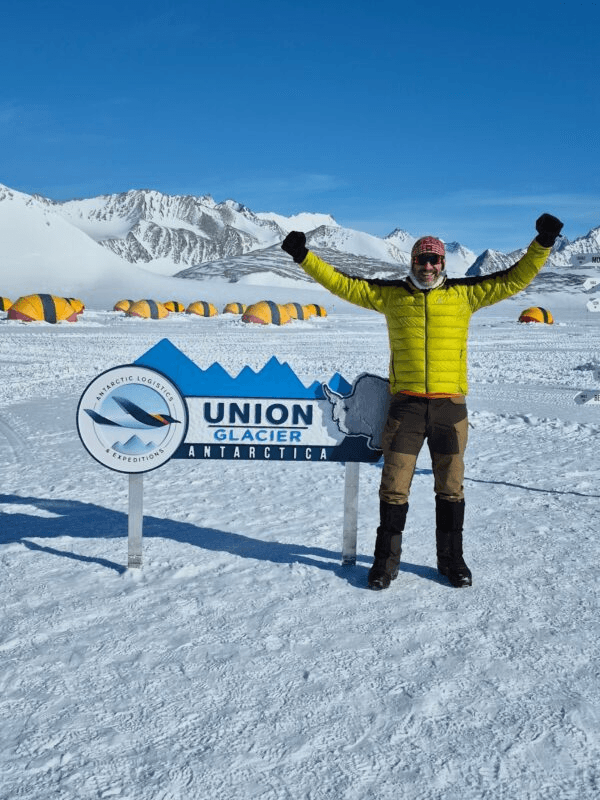
Prior to entering Antarctica, we were given explicit instructions at the base camp. Upon reaching the final parallel—the last 110 kilometers toward the South Pole—you are required to use specialized bags for human waste. They even demonstrate the procedure. When I asked why, they replied, “At least let us keep this polar region pristine.” Note the emphasis on “at least.”
To date, only about 430 individuals have reached the South Pole solo on foot. Only nine people globally have traversed the specific route I took. In minus forty-degree temperatures, waste products freeze solid in the snow and do not decompose. If the ice melts in the future, it is unknown how this would impact the water. Thus, they strive to keep those final 110 kilometers as clean as possible. They estimated it would take me six days, provided me with six bags, and collected them at the Pole to fly them back to the mainland.
Even when I explain this, some people immediately pivot to conspiracy theories, suggesting “they must be hiding something.” This skepticism exists everywhere. Yet the 1959 Antarctic Treaty is unambiguous: No nation owns Antarctica. No military bases or mining operations are permitted. Only scientific research, exploration, and limited tourism are allowed. There are over 100 scientific stations on that vast continent, and they are dedicated to science.
From my own observations in Antarctica, I didn’t witness anything that allowed me to say, “The glaciers are vanishing, it’s the end.” This was, after all, my first visit. However, I saw it clearly in Greenland. We arrived at Tasiilaq and began our trek. There were gargantuan icebergs in the water. During my four-day stay, they melted and vanished before my eyes. Initially, I found this quite dramatic and filmed it. Later, I realized it was part of a seasonal cycle: melting in summer and refreezing in winter.
However, our guide in Greenland had traversed the route four times. She pointed to a lake and noted, “Two years ago, a 200-meter-high glacier sat on this lake; now it is gone.” It was present for two of her crossings and absent for the others. That is a tangible statistic. She offered another example: “Three years ago, we crossed a certain section in three hours; two years ago, it took three days.” This was because the melting had created impassable crevasses. So, there is significant melting. I can state that with certainty. My experiences and the data I gathered confirm it.
Additionally, we were asked to collect ice samples during the Greenland crossing. Every 100 kilometers, we bottled a sample for a research group. The protocols were strict: we had to wear the same clothing, avoid direct contact, and seal the caps precisely to prevent contamination. That, too, was part of the mission.
Not everyone has an Everest to climb, and not everyone is capable of it. But the experiences gained and the lessons learned while attempting your own version of that summit… those are truly priceless.
What message would you offer to the youth, and to those who say, “It is simply too late for me now”?
Let me address the younger generation first. The fundamental issue is the ability to dream. Regrettably, I observe that young people today—particularly in Turkey—find it nearly impossible to dream. The primary culprit is the relentless cycle of three-letter examinations: LGS, ÖYS, and the like. We are racing our youth as if they were thoroughbreds. Their aspirations are narrowed down to a singular, clinical point: passing a test to secure a seat at any university. But human existence is not defined by such narrow parameters.
I recently encountered a young man named Berk Armağan at a TedX event. Under the moniker Seyyahart, he travels the globe painting on cardboard cups. It is a spectacular narrative, and I felt an immense sense of pride for him. I wish my own child possessed the audacity to embark on such a venture. I am not suggesting one must dedicate their entire life to it, but I recognize how profoundly enriching these experiences are. You broaden your horizons; you accumulate a wealth of experience.
Consider this: I learned to skateboard on asphalt after I turned 49. If you invited many of today’s youth to simply “give it a try,” they might lack the courage. Why did I do it? Because I had a definitive objective. First, you conceive a dream, and then you pursue it relentlessly. The dream itself may never materialize, but the wisdom gathered during the pursuit is the essence of life. That is truly what it is all about.
Not everyone possesses an Everest, and not everyone is destined to reach its peak. But the experiences and insights gained while attempting that ascent are beyond any price tag. This is why dreaming is not just for the young—it is for everyone. There is no expiration date on the capacity to learn, to experiment, or to experience.
Two years ago, I worked with a man named Boddy, who was 60. He remarked, “I am only just entering the middle phase of my life.” Then there is Alex Zanardi, the Formula 1 driver. Following a catastrophic accident that cost him the use of his lower body, he declared, “I am an athlete; I will not surrender my sport.” He now completes Ironman races in a wheelchair—swimming 3,800 meters, hand-cycling 180 kilometers, and completing a 42-kilometer marathon. Consequently, it is never too late for anything, and you do not have the right to claim, “I cannot do this.”
There are precedents. And if there are not, then you shall be the first. People often say, “There is no need to reinvent the wheel”—or discover America, as the saying goes. I say, discover it for yourself. Why merely follow in another’s footsteps? People asked me, “Would it not be better to have a companion in Antarctica?” I deliberately chose solitude. I wanted to be the first. If someone else could have achieved it, they would have by now. When you establish a goal and seek it with conviction, becoming a pioneer is entirely possible.
Looking back today, what is the significance of the traces you left in that infinite white void?
To me, those traces are not a final result. They are the marks of a journey, of courage, and of sheer perseverance. That is all. I take immense pride in what I achieved. In the future, someone may come along and complete that path in 45 days, or even 30; that is inconsequential. I will always be the first to have ventured there. That distinction is permanent. I paved the way. Thus, I am profoundly happy and proud to have left such a legacy there. Naturally, I possess a competitive spirit, and this achievement satisfies that part of me as well.
When asked if I would do it again, my answer is no. I have no desire to repeat the same feat. However, if someone approached me and said, “Six people from Turkey wish to trek to the South Pole; will you lead them?” I would be there in a heartbeat. I would do it alongside them. But as for a solo journey… I have already fulfilled that chapter.
So, what lies on the horizon?
Ali Rıza Bilal: I have completed Greenland and returned. Perhaps in five years, I might revisit some of the routes I found most captivating. But for now, we are immersed in a new project. We are not yet ready to announce the details. My sponsor and I will unveil it together in due time; let us keep it a secret for the moment.
Thank you for your time…
The insight I gathered from my conversation with Ali Rıza Bilal is that surrender should never be an option when you know a path will lead to your happiness. May your route remain clear, your steps remain firm, and your journey remain long…
Saatolog Yıllık Saat Dergisi Saatolog’un yeni sayısı, 2020’nin yarattığı bu dönüştürücü etkiden ilham alarak hazırlandı. Dünya dijitalin etkisiyle her zamankinden de hızlı bir şekilde ilerlerken yavaşlamanın da önemini sonunda kavramış bulunuyoruz ve bu tezatlık hayatlarımızın her anına etki ediyor. Biz de bundan yola çıkarak Saatolog 2020/21 sayısını ‘‘hızlı ve yavaş’’ teması altında hazırladık.