
Hyeon-gyu Oh: Beşiktaş Is My Destiny!
South Korean Hyeon-gyu Oh’s poignant reference to “destiny” upon his arrival at Beşiktaş transcends a mere transfer narrative; it stands as a potent new symbol of the enduring brotherhood between Turkey and South Korea, a bond stretching from the 1950s to the milestone of 2002.
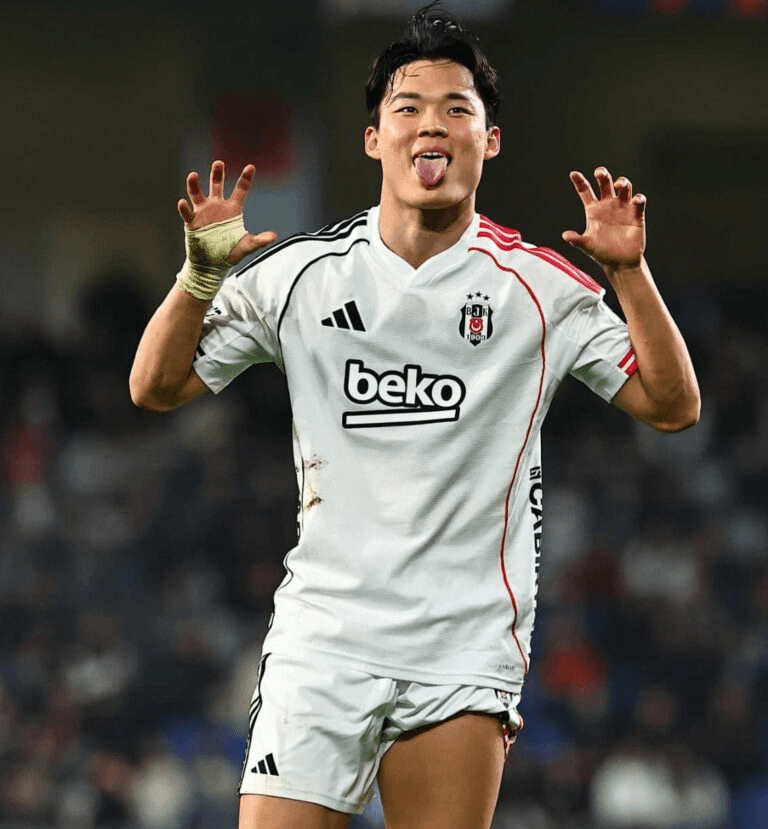
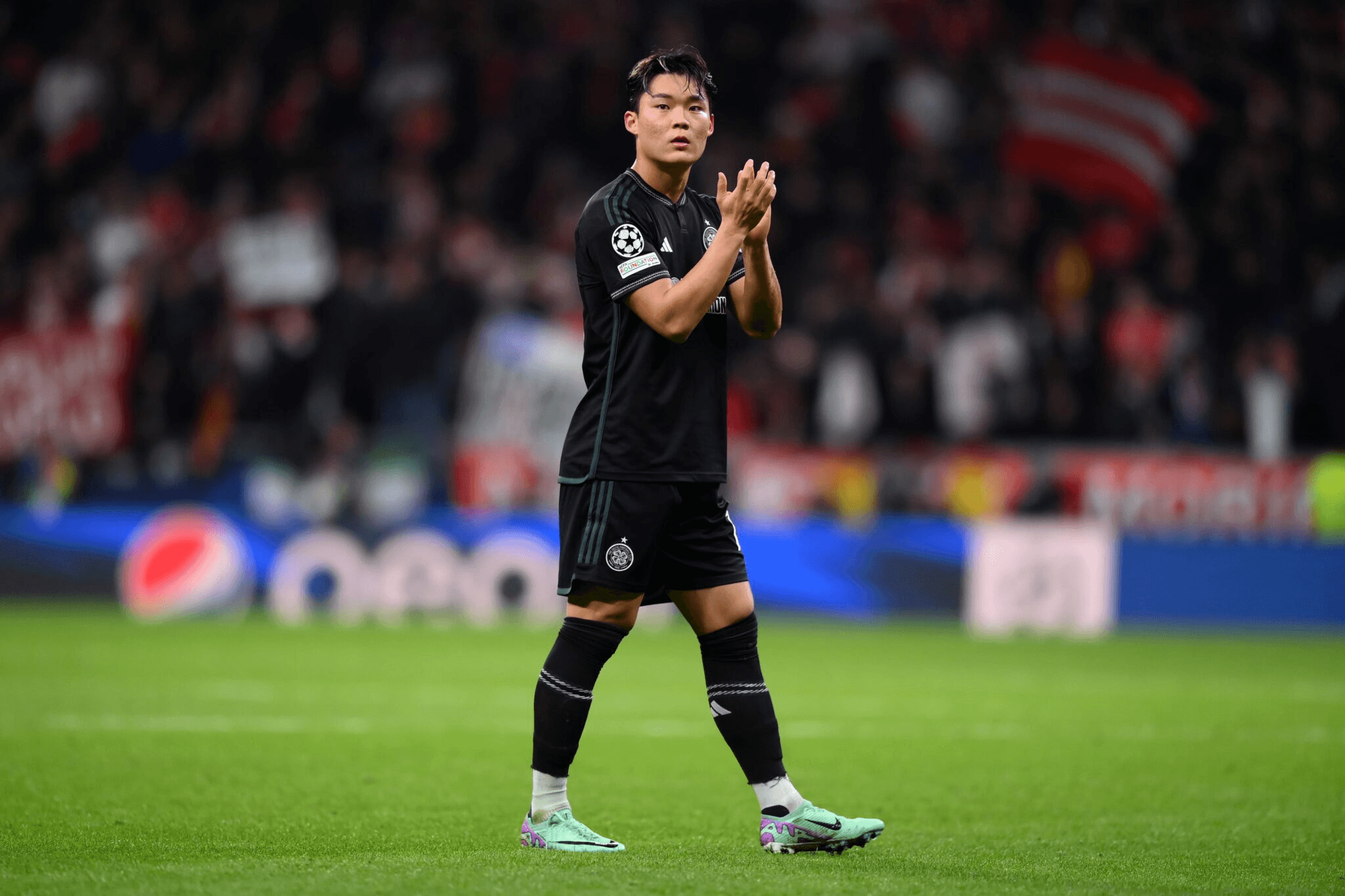
Following a standout performance of one goal and one assist during the Başakşehir vs. Beşiktaş fixture on February 15, 2026, he remarked to the press, “I harbored a profound desire to come here. Beşiktaş is my destiny. I cherish every day I spend within this club.” Although the path of Hyeon-gyu Oh, who journeyed to our nation from the far reaches of South Korea, has only recently merged with that of Beşiktaş, the fates of these two peoples had intertwined on multiple occasions long before.
In 1950, Turkish soldiers embarked on a mission to bring peace to a peninsula thousands of kilometers from their homeland. There, they did more than engage in conflict; they forged a fraternal bond with the Korean people. The Ankara School, established by the Turkish brigade during the Korean War to care for orphaned Korean children, served as perhaps the first tangible manifestation of this brotherhood. Countless narratives, similar to the heart-wrenching film Ayla—which achieved great popularity upon its release—were authored between the two nations in those days. A shared meal in the trenches and the children of two distinct cultures providing warmth to one another in the biting cold constructed a spiritual foundation that far exceeds the goals scored on the pitch today.
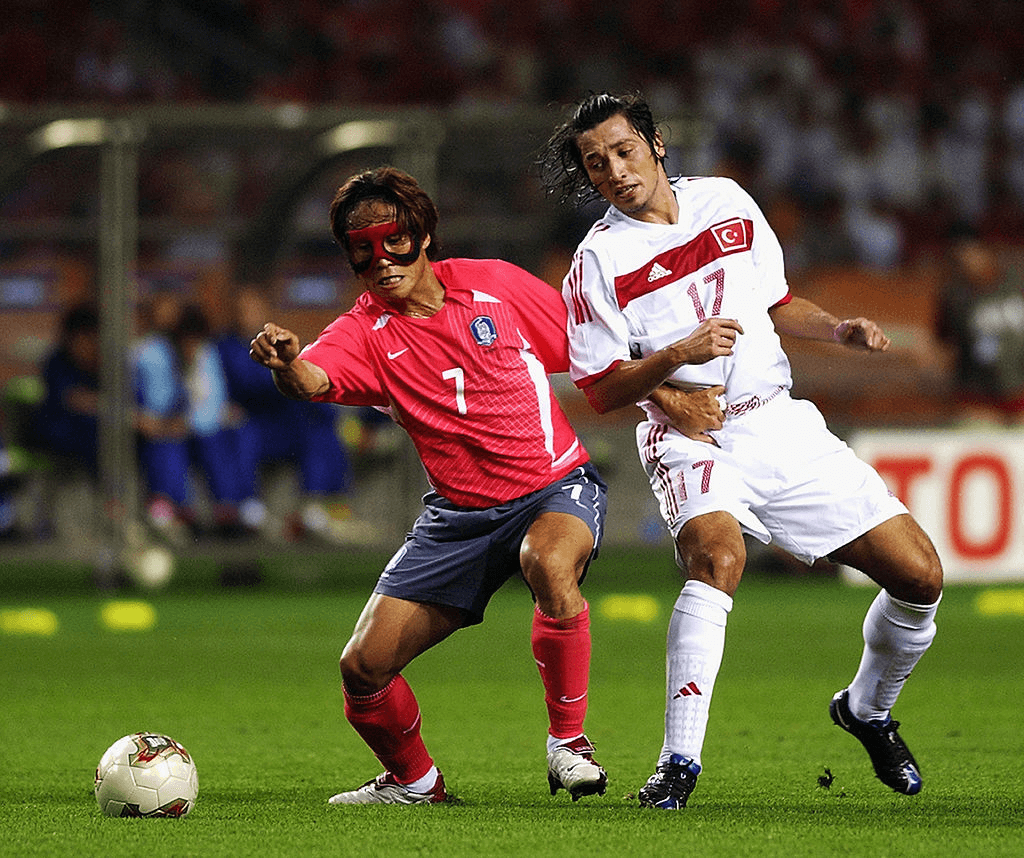
Fast-forwarding through history, we arrive at the 2002 World Cup. The Turkish National Team, under the stewardship of Şenol Güneş, secured its most prestigious historical result by finishing third in the tournament co-hosted by South Korea and Japan. One player, in particular, captivated the spectators from the moment he graced the field: İlhan Mansız, who had transferred from Samsunspor to Beşiktaş and wore the number 26 jersey. Mansız was an expatriate who had refined his footballing skills in Germany, yet his roots were in Eskişehir, giving him Tatar ancestry and distinctive features. When he tied back his long hair in a samurai-like fashion, his resemblance to the people of the Far East was striking. Naturally, his stellar performance throughout the World Cup amplified this popularity. His legendary nutmeg on Roberto Carlos—one of the premier fullbacks of that era—and his golden goal against Senegal in the quarterfinals left an indelible mark on the tournament.

Ultimately, Turkey, having been narrowly eliminated by Brazil in the semifinals, faced South Korea in the third-place play-off. In that match, İlhan Mansız scored twice and provided an assist, cementing his status as a beloved figure among Asian fans. They embraced this man who scored against their national team yet mirrored their own likeness. Following the final whistle, players from both squads circled the stadium hand-in-hand, and tens of thousands of spectators erupted in a standing ovation for this display of camaraderie. Indeed, the radiant smiles of Korean youths traversing the streets of Seoul while waving Turkish flags that day provided the simplest evidence that sport is not merely a competition, but a bridge.
Two years after that World Cup, İlhan Mansız transitioned to Japan’s Vissel Kobe, while Şenol Güneş, after his tenure at Trabzonspor, took the helm of the South Korean club FC Seoul in 2005. The enchantment of the 2002 World Cup remained vibrant. Thus, the ethereal bonds between Turkey and the Far East were fortified and etched into history with unforgettable grace.

Hyeon-gyu Oh, signed by Beşiktaş from KRC Genk in February 2026, represents more than a strategic striker acquisition; he is the latest blossoming of a deep-seated legacy of brotherhood extending from the cool waters of the Bosphorus to the heart of Seoul. If, in years past, Beşiktaş’s number 26 striker İlhan Mansız became a hero to the South Korean people, Hyeon-gyu Oh appears to have rapidly become a phenomenon for a Beşiktaş side that has struggled to find a clinical finisher in recent seasons. Oh, who has already tallied two goals and an assist in just two appearances, began his post-match reflections on the Başakşehir game not with the clichés of a typical athlete, but with the profound declaration: “Beşiktaş is my destiny.”
This emphasis on “destiny” was far from accidental. Oh presence on the pitch is defined not only by physical prowess but by the serene yet resolute discipline central to Far Eastern philosophy. With every touch of the ball, he seems to carry the heritage of the 1950s and 2002 upon his shoulders. The threads of fate woven over decades between two distinct cultures, despite the thousands of miles separating them, are now manifesting in the form of this 24-year-old striker. Perhaps Turkey is set to become the premier showcase for South Korean footballing talent.

With their unparalleled work ethic, respect, and boundless energy, South Korean footballers grace many of the world’s elite leagues, with several ascending to the status of national icons. For instance, Tottenham legend Heung-min Son is currently concluding his illustrious career in the United States, while Ji-sung Park, who arrived in England long before him, remains a Manchester United legend. The global football stage is well-acquainted with South Korean athletes who excel at Europe’s most prestigious clubs.

However, Turkey has not yet established itself as a league where South Korean players frequently shine. Aside from Kim Min-jae, who made a swift and successful transition from Fenerbahçe to Bayern Munich, few have left a lasting impression. Yet, in an interview given during his inaugural days in the country, Hyeon-gyu Oh—who warms up barefoot to draw energy from the earth and speaks of “destiny” in his interviews—remarked: “Wearing the Beşiktaş jersey is like a dream. I am aware that this kit represents not just a club, but a magnificent history.” He seems destined to dominate the headlines in both nations for years to come.
The winds at Dolmabahçe now mingle with the breezes from Seoul. As the “Oh” chants resonate through the black-and-white stands, we are celebrating more than just a goal; we are honoring the modern incarnation of a “blood brotherhood” woven over generations. The Turkish and South Korean peoples, who stood side-by-side on the front lines in the distant past and in the stadium rafters 24 years ago, have now converged to support the success of this young man. The growing presence of South Korean supporters at Beşiktaş’s home matches serves to confirm this burgeoning connection. Who knows—perhaps Hyeon-gyu Oh, like İlhan Mansız before him, will one day be remembered not merely for the goals he scored, but as the most brilliant symbol of the invisible bond that has fused the hearts of two nations together.