Her story began in a remote mountain village in Bitlis and, through unwavering determination and courage, reached extraordinary heights. Don’t forget Nuray Krein’s inspiring success story—you just might see her on the TEDx stage one day.
Nuray Krein is one of the “Kardelenler” (Snowdrops) supported by the Contemporary Life Support Association (ÇYDD). Her life began in a secluded mountain village in eastern Turkey, where the roads were often blocked for months by snow. Alongside the harsh geography, Nuray faced the devastating loss of both her parents at a young age. Yet, she steadily cleared each hurdle in her path, always choosing the road that led her forward.
Nuray Krein’s life story powerfully counters the commonly held belief that “you are defined by where you were born.” For her, being born into difficult circumstances may have been a disadvantage, but it was not a sentence. She believes the key to overcoming life’s limitations lies in perseverance and seeking the right knowledge.
She was never afraid to reach out to the right people, always patient in waiting for the results of her efforts, and, in her words, someone who “never stopped believing in miracles.” The first chapter of her journey, which began in a village atop a snowy mountain, concluded with her graduation from a university in California. Now, a new chapter begins—Nuray continues to chase dreams, hoping to inspire other girls from difficult backgrounds to stay determined and resilient.
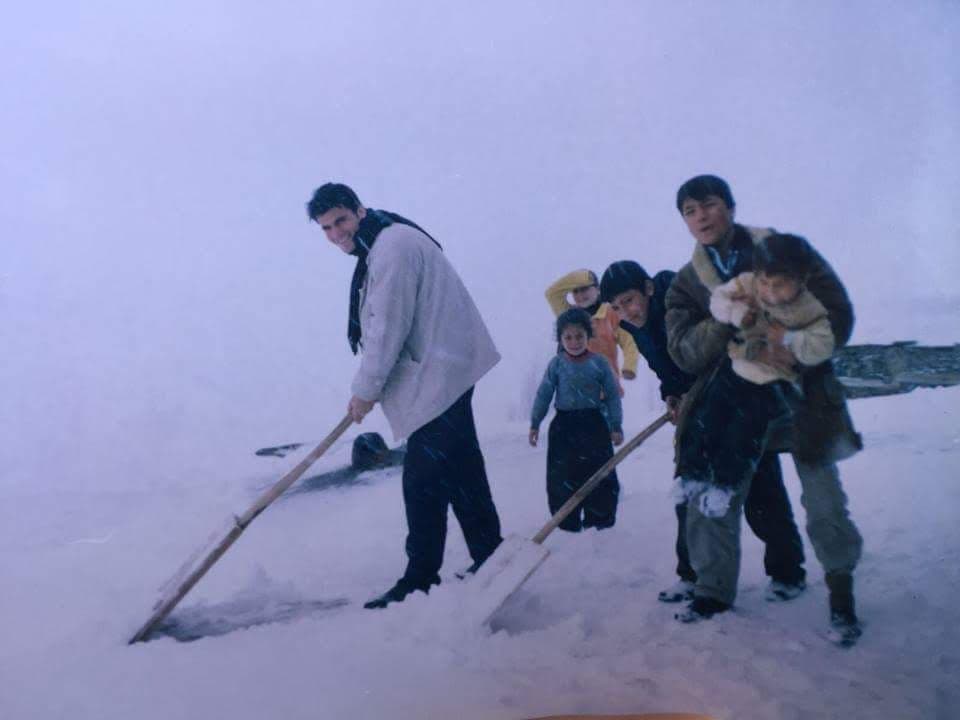
Where were you born? Can you describe your village? I was born in 1997 in Kayalı Village, a small settlement of just 15 houses in Bitlis. Perched atop a mountain and four hours from the city center, it was remote and isolated. The nearest hospital was two hours away, and the winters brought heavy snowfall. Although we had electricity, it often went out during the winter, so we only had reliable power in the summer. There was no running water—we fetched it from the village fountain. Each household had at least ten children, and the population hovered around 200. I grew up there with my 11 siblings.
Tell us about your family. My mother was diagnosed with a brain tumor while she was pregnant with me and sadly passed away shortly after I was born. The hospital was too far for her to get proper care. My father later married my mother’s cousin. When I was 11, my stepmother was diagnosed with cancer, and at 13, I lost my father to lung cancer.
What happened after your father passed away and your stepmother became ill? We had two options—either go to an orphanage or move in with our older brothers in Izmir. It was decided we would relocate to Izmir. I started eighth grade there. A year after my father’s death, we also lost my stepmother. At the time, I was caring for my four younger siblings, aged five, nine, 11, and 12. Later, I attended a boarding high school in Salihli, Manisa, while my siblings went to another boarding school in Bergama. I eventually studied field crops at Eskişehir Osmangazi University.
Can you describe village life and your early education? There was no school in the village, but a boarding school two hours away allowed us to continue our education from primary school onward. Having spent so much time wandering freely in the mountains, the boarding school felt like a prison to me—I always longed to escape.
Did your father support your education? Yes, and it made a big difference. Although he arranged marriages for my three older sisters, he didn’t want the same future for us younger girls. As the village headman, he had traveled and seen that women could become nurses or teachers. He wanted that for us. It’s one of the greatest gifts he gave me.
How did you first dream of going abroad? My older brother had come to the U.S. through the Work & Travel program, and that planted a seed in my mind. In high school, while receiving a ÇYDD scholarship, I attended the Ali Nesin Math Camp. There, I met peers from more privileged backgrounds. One of them was going on a summer tour across Europe and invited me. The cost wasn’t high, and my brother supported me from the U.S. That trip, with 50 students traveling by bus for 20 days, was my first taste of the world beyond. But I wanted to experience travel alone.
Why was solo travel important to you? When you’re with others, you end up speaking Turkish and sticking to the group. Traveling alone meant freedom. After that trip, I started researching how I could travel solo. Around this time, I joined free English classes offered by ÇYDD in Eskişehir. One of the teachers, who had traveled while teaching English, introduced me to WorkAway. Through a Facebook group, I got help from a student at METU. We met in İzmir, created my WorkAway profile, and applied to many hosts. A farm in Aalborg, Denmark, accepted me. I went there in 2017 with a 40-day visa and limited English, but the manual work didn’t require much speaking. That experience opened my eyes.
What opened your eyes most? The people you met? Exactly. I met volunteers from Argentina, Chile, Spain, and the U.S. It was the first time I’d heard of places like Mallorca or even California. I only knew of Dallas, where my brother lived. I once said to a Californian, “Maybe I’ll see you there someday,” never imagining that I’d live there one day.
What happened after Denmark? Back in Turkey, I was in my third year of university and started researching long-term opportunities abroad. I found an Au Pair group on Facebook. A Russian mother and Turkish father in California wanted someone to teach their children Turkish. It was a perfect fit—my English was still basic. In 2018, I arrived in Santa Clara, just 40 minutes from San Francisco.
Life in the U.S. isn’t easy. For example, if you don’t have a driver’s license or access to a car, getting around can be incredibly difficult. That often leads to a very isolated lifestyle. How did you manage to overcome that? Naturally, I didn’t have a driver’s license when I arrived. I lived quite far from the city center, and the nearest bus stop was a 15-minute walk from where I was staying. I found myself caught in a lifestyle entirely dependent on cars. In the beginning, I didn’t leave the house for two months. I was extremely shy and afraid of getting lost. During that time, I spent all my days with the host family. On weekends, I only went out if they took me somewhere. As a result, I didn’t make any friends, and I initially felt very lonely—it even made me consider returning home.
Toward the end of the second month, I slowly began exploring the neighborhood on foot. Even the closest café was a 30-minute walk away, and when I walked outside, I noticed that I saw far more cars than people. Eventually, I began attending monthly au pair gatherings. That’s where I met people from all over the world. Some of them had access to their host families’ cars and were kind enough to give me rides. Over time, I started using Uber occasionally, though it was quite costly given my au pair salary. The public buses were also very inefficient—it often took an hour to reach places that were only 15 minutes away by car.
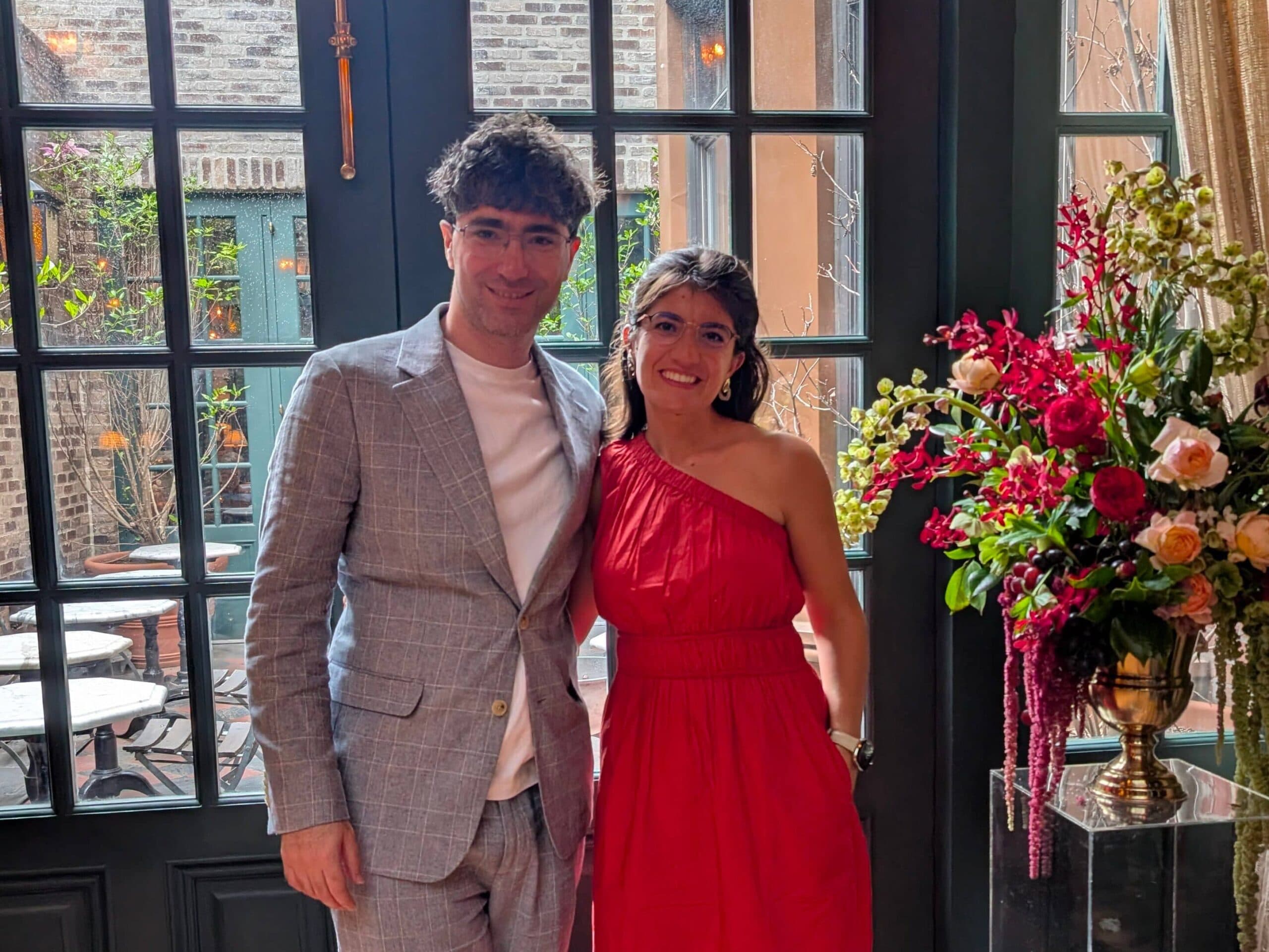
What made you stay there? As I began making friends, I slowly adapted to life in the U.S. But the biggest reason I stayed was Jason—my husband. Everything changed after I met him. We first met at a chess club about six months after I arrived. Our friendship started over a few games of chess and soon turned into spending time together—going to the movies, hiking, and attending plays. Jason became my entire world here. He works as a computer engineer at Google, and through him, I was introduced to a different way of life. My perspective broadened significantly thanks to what I experienced by his side.
How did you decide to get married? At first, marriage wasn’t on the table for either of us. When our relationship began, neither of us was thinking too far ahead. My legal status in the U.S. was still uncertain, and we were both young—just 22 or 23 years old. I only had a two-year residence permit and didn’t know what would happen afterward. Things were going well between us, but then the host family I was living with moved an hour away, and it became hard for us to see each other. That led us to break up.
A few months later, I found another host family that lived close to him, and we reconnected. About six months before my residence permit was due to expire, my future once again became unclear. Half-jokingly, I asked Jason, “Do you want a roommate?” and he said yes. I moved in with him, and we applied for a student visa with Jason as my sponsor. Unfortunately, my application was rejected. After that, Jason proposed to me, and we had a simple, beautiful wedding ceremony by the lake.
Then you started college. Is it easy to apply to college in the U.S.? After we got married, my residency status was resolved, and I could pursue my education without any issues. Getting into college in the U.S. with only a high school diploma is quite difficult. You need to take exams like the TOEFL and sometimes additional standardized tests. However, if you’ve already completed university studies in Turkey, it becomes much easier. The U.S. also has community colleges, which are more accessible. To enroll, you need to pass an English proficiency test—nothing too challenging—and score around 70 out of 100. Depending on your desired major, you might also need to pass a math placement test. Initially, I wanted to study computer engineering and was accepted after passing both exams. But I quickly realized it wasn’t the right fit for me and decided to switch to business administration.
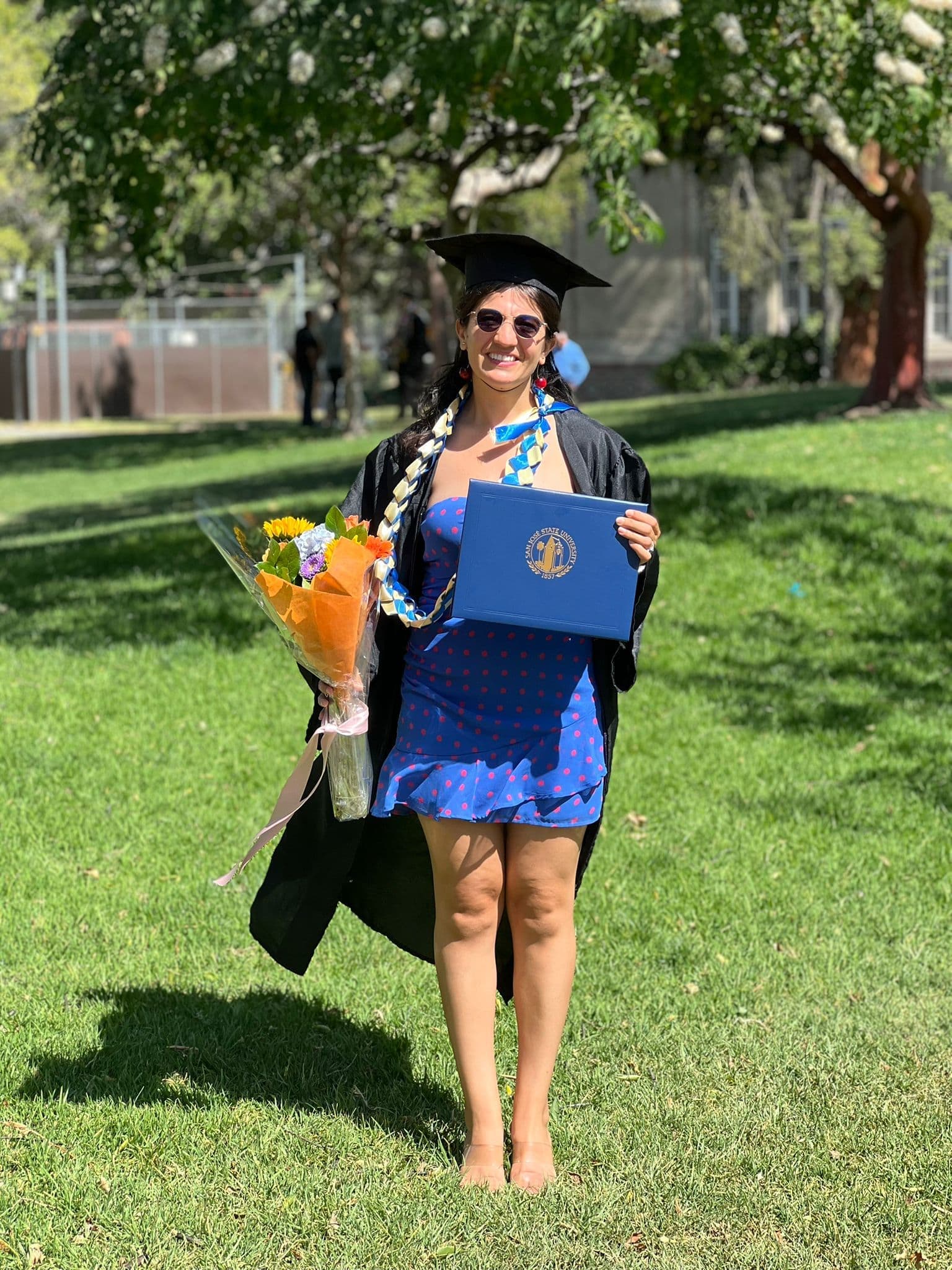
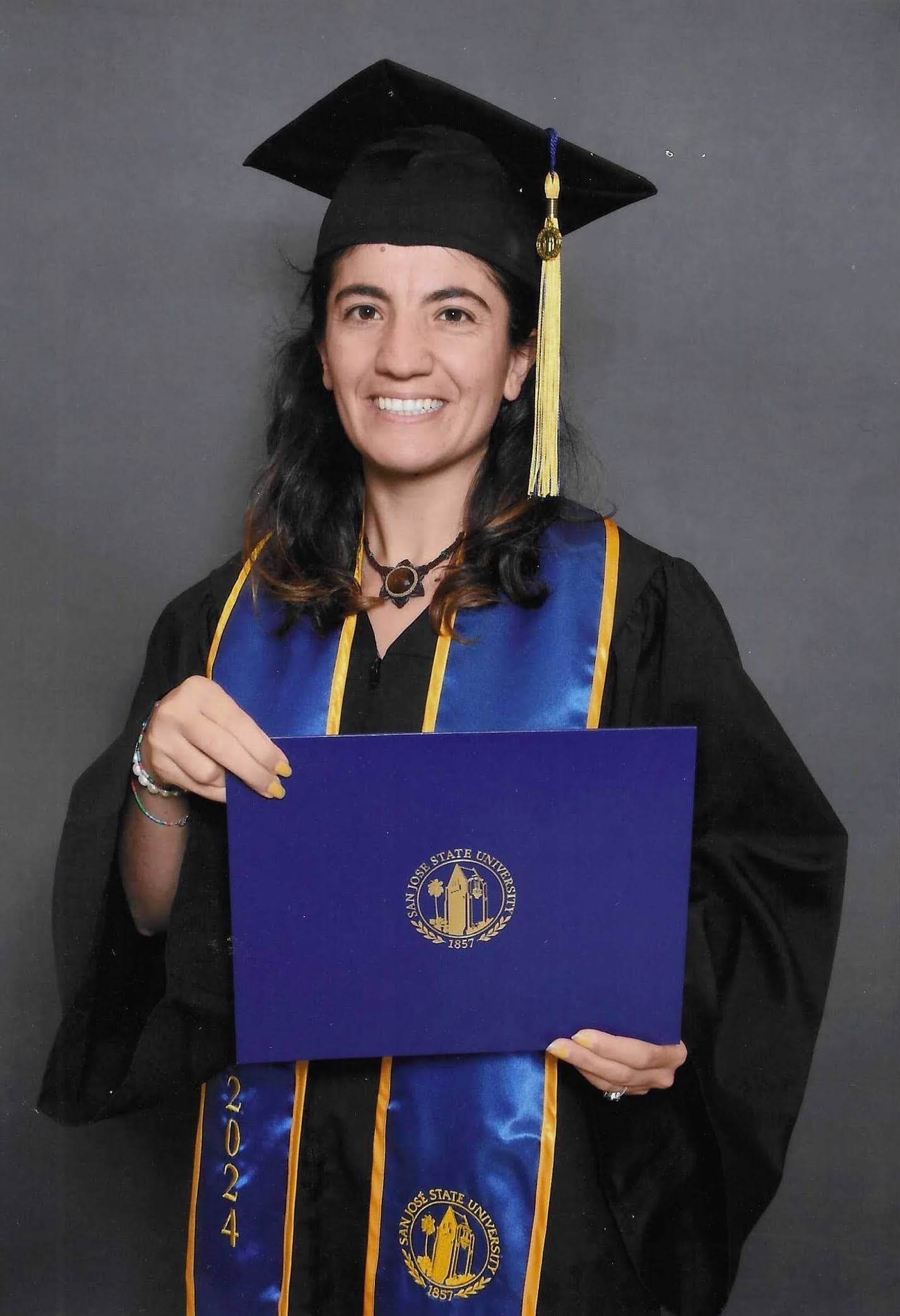
Community colleges offer the opportunity to transfer to a four-year university if you perform well. That’s what I did. After completing two years at community college, I transferred to San Jose State University. I studied there for a year and a half and eventually graduated.
What are you doing now? Right now, I’m actively looking for a job. At the same time, I’ve created my own community on Facebook as a way to meet new people and build connections. I organize an event every month through this group. Our focus is on career development, and we aim to create a supportive and inspiring environment. I hosted my first event under the title “What Is Your Dream Job?” and it was a great success—it really showed me how much potential this community has to grow and support one another.
A few years ago, you wrote a book about chess. Can you tell us about it? Chess was my favorite activity when I was in boarding school. For five consecutive years, I came first in my school, then in the district, and finally at the provincial level, qualifying for the national tournament. Unfortunately, I didn’t come in first in the final tournament. Around 500 participants competed, and I placed within the top 50. Even though I didn’t win, the experience was deeply motivating because chess opened so many new doors in my life. Through the tournaments, I had the chance to travel to places across Turkey that I otherwise wouldn’t have seen.
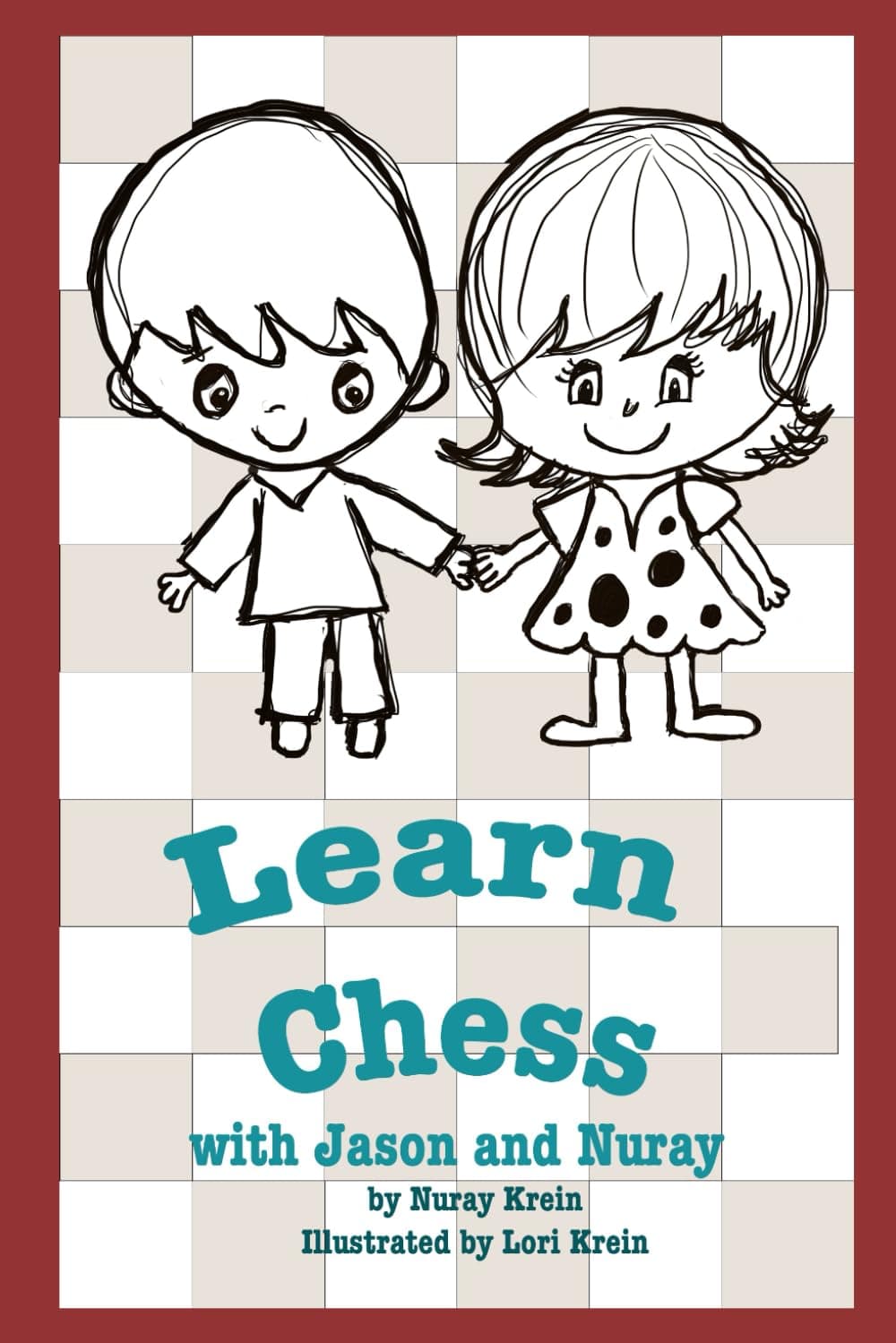
I continued playing chess during high school and university, and later, I began teaching it to young children here in the U.S. Eventually, Jason and I decided to write a book that teaches children how to play chess in a fun and accessible way. His mother, Lori, illustrated the book for us. The result was Learn Chess with Jason and Nuray. We also published a Turkish version of the book on Amazon to make it more widely available to children back home.
I believe you recently visited your village. How many years had it been since your last visit? After my father passed away in 2010, I moved to Izmir and never really had the chance to return to the village. Then, after moving to the U.S., I couldn’t travel to Turkey for four years due to my residence permit restrictions. When that period finally ended, the very first thing I did upon returning to Turkey was visit my village. I saw my two sisters who still live there for the first time in twelve years. I also met my nieces and nephews—children I had only seen in photos or heard about. It was an incredibly emotional reunion.
You returned to your village as a completely different Nuray. How did it feel? Everything in the village was exactly as I had left it. My nieces and nephews were now living the same childhood I once had. Nothing had changed there—but I had changed completely. The first thought that came to my mind was, “Wow, education really is everything.”
I saw so clearly where education had taken me and how different my life could have been if I hadn’t left. It made me appreciate, once again, the importance of the ÇYDD volunteers who supported me with a scholarship and helped guide my educational path. Organizations like ÇYDD pave the way for girls like me—girls who are born into difficult circumstances. It’s incredibly hard for people like us to move forward on that path alone. I’ve always believed that my mother and father continued to protect me from wherever they are. Thanks to that invisible protection, I was fortunate to meet kind, supportive people along the way. Because of the right people crossing my path, I realized how vast the world really is. I felt, deeply and fully, the joy and strength of being a free woman who can stand on her own two feet.
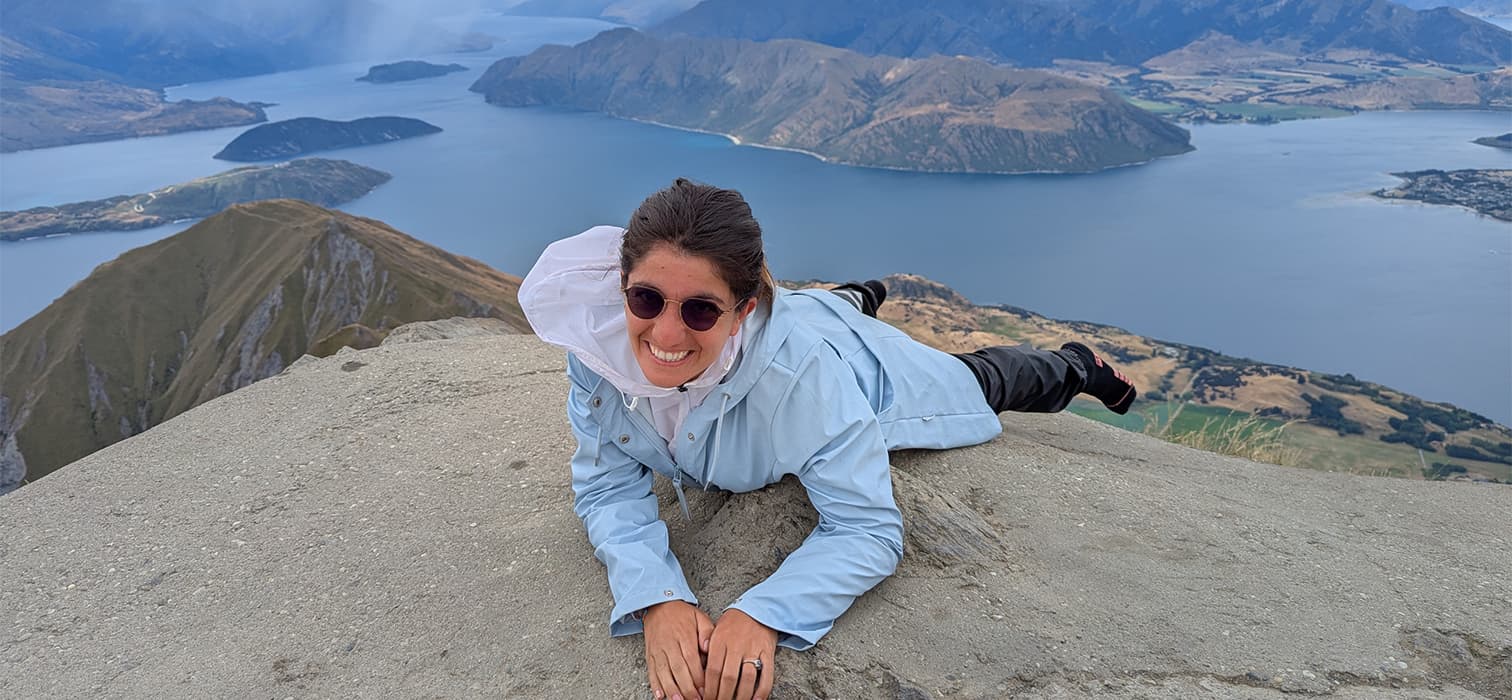
You’ve always seemed like someone who wanted to push boundaries—even as a child. From what I can see, that drive is still part of your character. What kept you motivated and gave you courage? I had a very free childhood in the village. Until the age of seven, my days were spent roaming the mountains with our animals. I would walk five or six hours through nature, completely on my own. I was never afraid—neither of getting lost nor of anything bad happening. Somehow, no one ever taught us fear.
If it wasn’t my turn to herd the cows or sheep, I would head off to pick fruit or mushrooms in the hills. Maybe if I’d grown up in an apartment in the city, I wouldn’t be this brave. But growing up close to nature gave me a sense of freedom and fearlessness that has stayed with me.
What advice would you give to girls who, like you, are born into challenging circumstances but have big dreams? I would tell them to always prioritize their education, because education expands your world and gives you options. Even if they can’t study in the most prestigious programs, they shouldn’t give up. They should use technology to access knowledge and look for it in the right places. Turkey has many wonderful organizations that support girls who want to continue their education. My advice would be to go and speak to these organizations in person—share your goals, ask for help, and don’t hesitate to reach out. They should also seek out people who will broaden their perspective and encourage them to dream even bigger.
What are your dreams for the future? After everything I’ve been through, I absolutely have big dreams. I’m someone who believes in miracles—and I believe that when you truly put in the effort, the universe finds a way to give back to you. One of my dreams is to write a book that will inspire girls like me. I’ve already started writing it, and although progress is slow, it’s something I’m committed to. I also want to coach and mentor people through the community I’ve built. One day, I hope to speak at a TEDx event. But my biggest dream is to partner with an organization in Turkey to create programs that support girls who want to push beyond the limitations of their environment. I want to help them see new possibilities and believe that a different future is possible—just like I did.
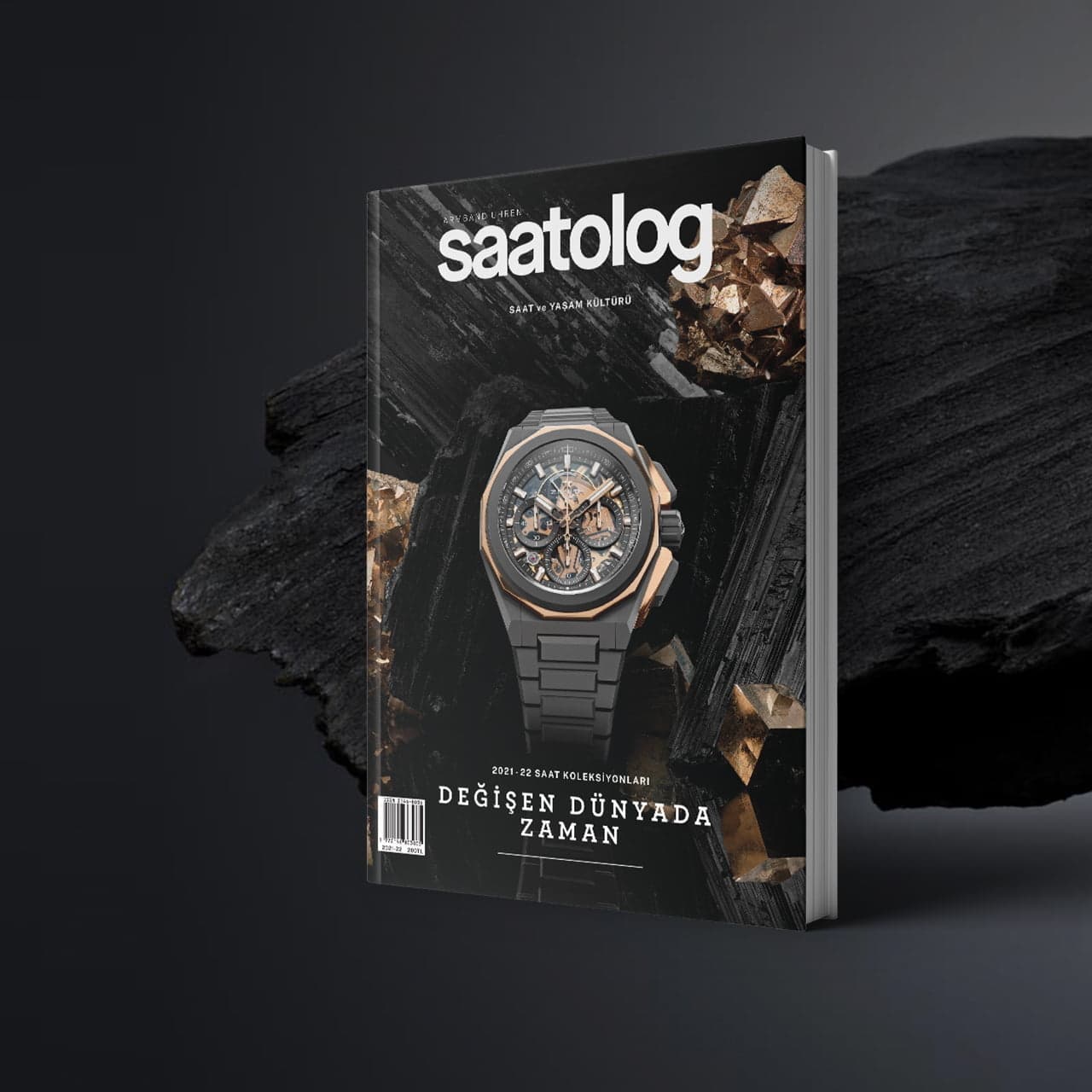
Saatolog Yıllık Saat Dergisi Saatolog’un yeni sayısı, 2020’nin yarattığı bu dönüştürücü etkiden ilham alarak hazırlandı. Dünya dijitalin etkisiyle her zamankinden de hızlı bir şekilde ilerlerken yavaşlamanın da önemini sonunda kavramış bulunuyoruz ve bu tezatlık hayatlarımızın her anına etki ediyor. Biz de bundan yola çıkarak Saatolog 2020/21 sayısını ‘‘hızlı ve yavaş’’ teması altında hazırladık.