A small farming village near Basel… The story of Oris begins in Hölstein, where a quiet river and a modest watch factory set the stage for a story that would travel far beyond the Swiss countryside.
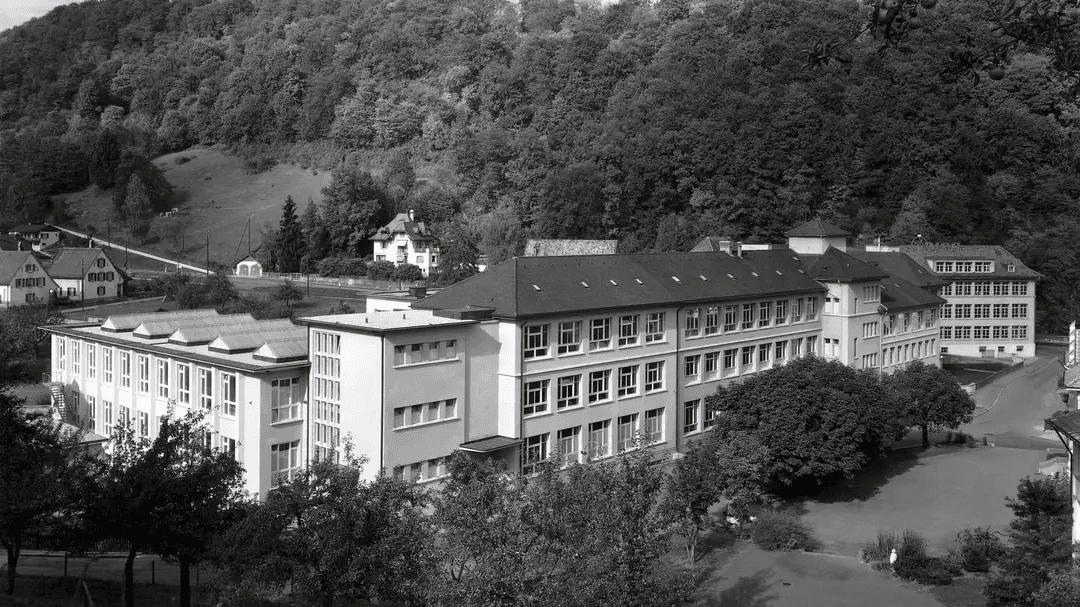
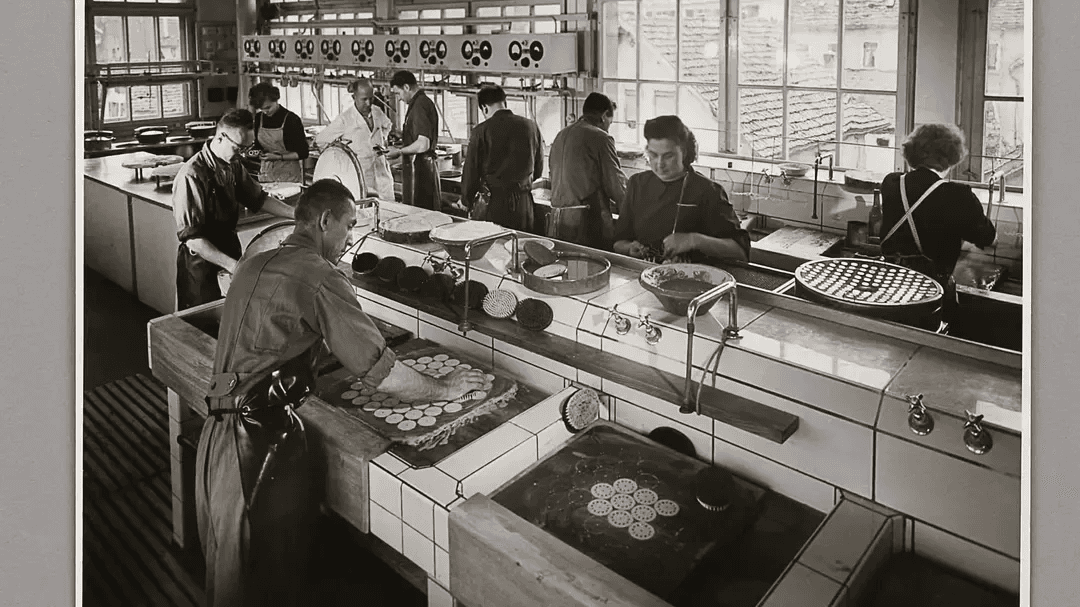
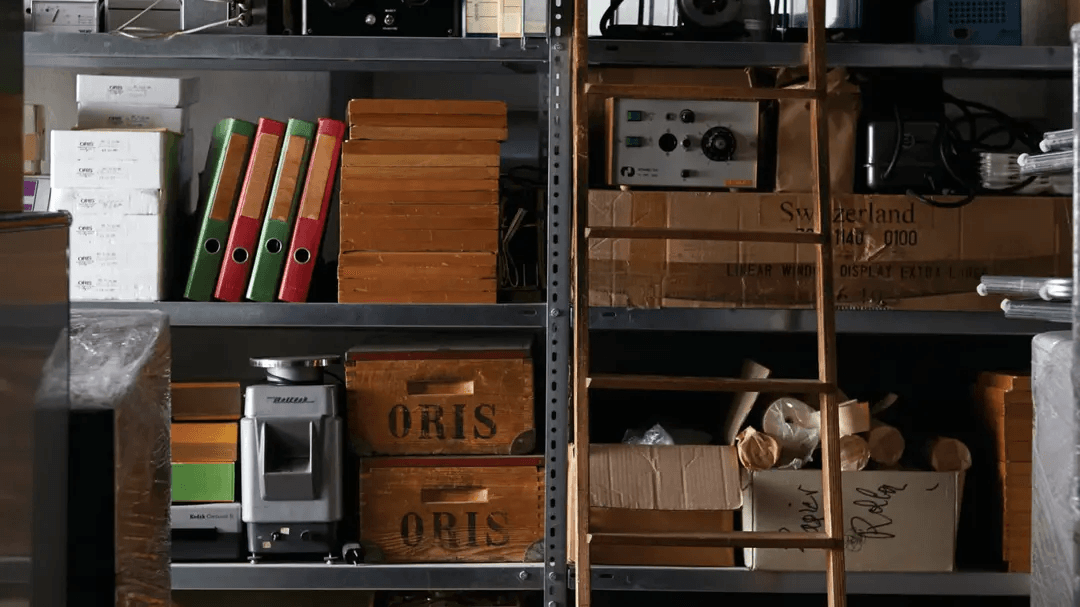
A pink factory rises among a handful of white buildings scattered across the green hills. Located in Hölstein, not far from Basel, this distinctive building is the home of Oris, and quite possibly one of the most unusual watch factories you will ever encounter. When it opened its doors in the early 1900s, Hölstein was a small Swiss farming village with a population largely dependent on agriculture. The arrival of the factory would ultimately transform the fortunes of the village itself.
Founded in 1904 by Paul Cattin and Georges Christian, Oris takes its name from the nearby Orisbach. Cattin and Christian acquired the recently closed Lohner & Co. watch factory and established Oris in its place. It was here, as Hölstein’s only watch manufacturer, that the story of a company that has retained its independent spirit to this day began.
Growth came remarkably quickly. By 1911, with more than 300 employees, Oris had become the largest employer in Hölstein. Housing was built to attract more skilled watchmakers to the area, while additional production facilities opened in other locations, including Como, Holderbank and Ziefen.
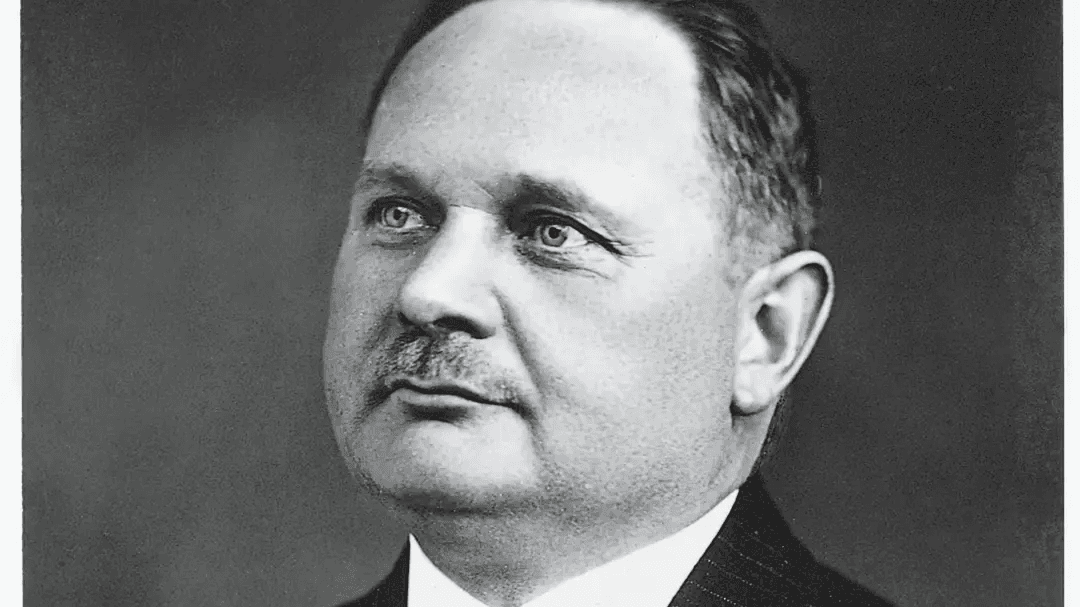
Georges Christian
As the village watchmaker continued to expand, co-founder Georges Christian died in 1927. Jacques-David LeCoultre subsequently became Chairman of the Board, while Christian’s brother-in-law, Oscar Herzog, took over as General Manager. Beginning his tenure in 1928, Herzog would remain at the helm of Oris for more than four decades. Until his departure in 1971, he witnessed both the company’s greatest periods of expansion and some of the most turbulent chapters in twentieth-century Swiss watchmaking.
Born in a small farming village with no established watchmaking tradition, Oris had travelled a remarkable distance in only a few decades. Yet, as with every enduring story, challenges lay ahead. Against the backdrop of the Great Depression, the Swiss government introduced the so-called Watch Statute, legislation intended to protect and regulate the country’s watchmaking industry. Under the new rules, manufacturers could no longer introduce new production technologies without official permission. For Oris, this meant that its ambitions to adopt more advanced escapement technology would have to wait. Even so, 1938 would prove to be a pivotal year in the company’s history.
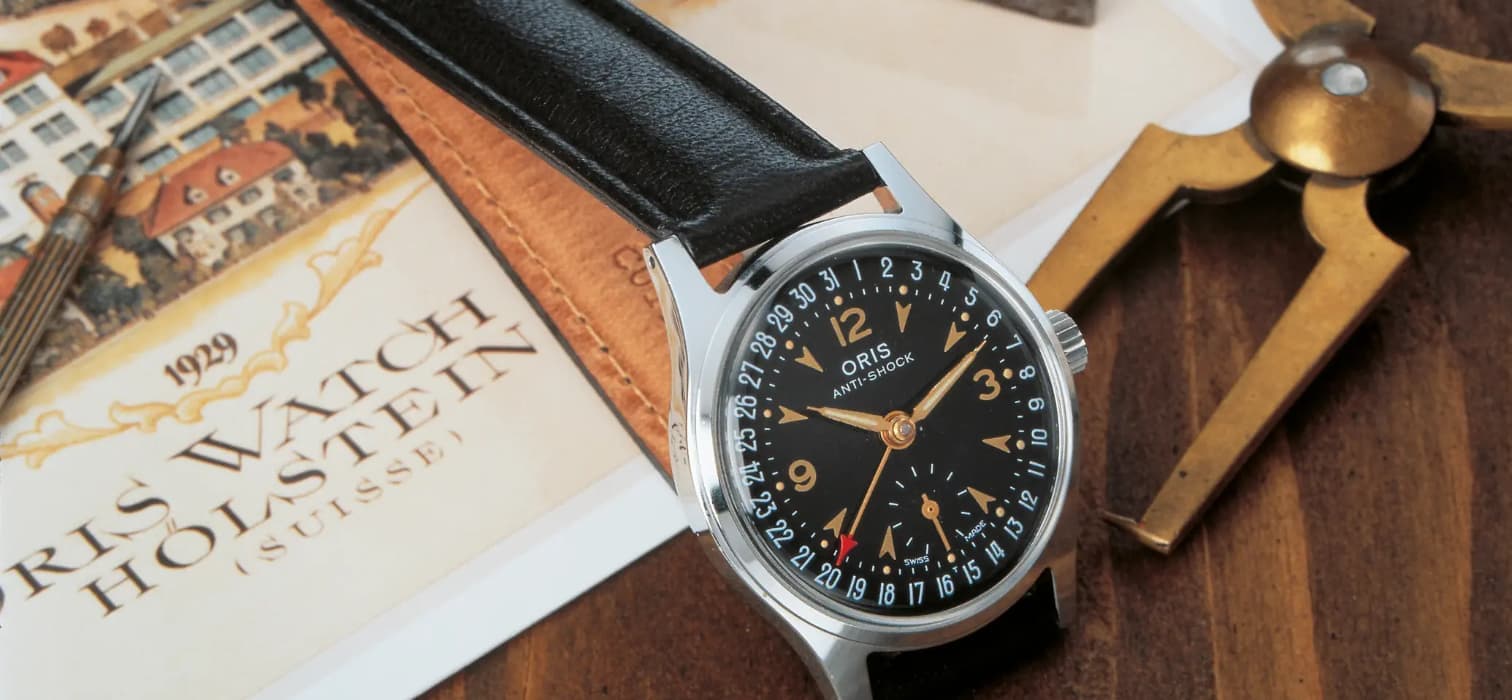
By then, Oris had begun producing its own escapements at its factory. The company also distinguished itself through its approach to its workforce, offering skilled watchmaking roles to both women and men. And in that same year, one of the most enduring signatures in Oris history was born: the Big Crown. Created as the brand’s first pilot’s watch, the model took its name from its oversized winding crown, conceived to make the watch easier for pilots to operate, even while wearing gloves.
During the first half of the twentieth century—a period in which the world seemed to move faster than ever—Oris accumulated milestone after milestone, gradually extending its reach far beyond Hölstein. Having weathered the First World War and the Great Depression, the company faced another challenge in the aftermath of the Second World War, when its distribution network outside Switzerland contracted significantly. To sustain its operations, Oris turned to the production of alarm clocks and table clocks. Introduced towards the end of the 1940s, a table clock offering an eight-day power reserve became one of the most distinctive Oris creations of the era.
The Dr. Rolf Portmann Years
The regulations introduced in the 1930s continued to restrict Oris’s ability to develop its escapement technology freely, placing limits on the company’s technical ambitions and independent progress. Determined to challenge these restrictions, Oscar Herzog enlisted the help of lawyer Dr. Rolf Portmann in 1956.
What followed was a legal battle lasting almost a decade, eventually clearing the way for Oris to use more advanced escapement technology. With calibres such as the Calibre 482 and Calibre 645, the company entered what would become one of the most successful periods in its history. Supported by these technical advances, by the end of the 1960s Oris ranked among the world’s ten largest watch companies. Its workforce numbered around 800, while annual production had reached approximately 1.2 million watches and clocks.
At the height of this expansion, Oris became part of ASUAG in 1970, the group that would later contribute to the formation of what is today the Swatch Group. Yet the timing could hardly have been more challenging. The arrival of the Quartz Crisis sent shockwaves through the Swiss mechanical watch industry. Oris’s workforce, which had grown to around 900 people, contracted dramatically, while the company gradually lost much of the independence that had defined its identity. At the pink factory beside the quiet waters of the Orisbach, production was slowing.
Until Dr. Rolf Portmann once again emerged at a decisive moment in the company’s history.
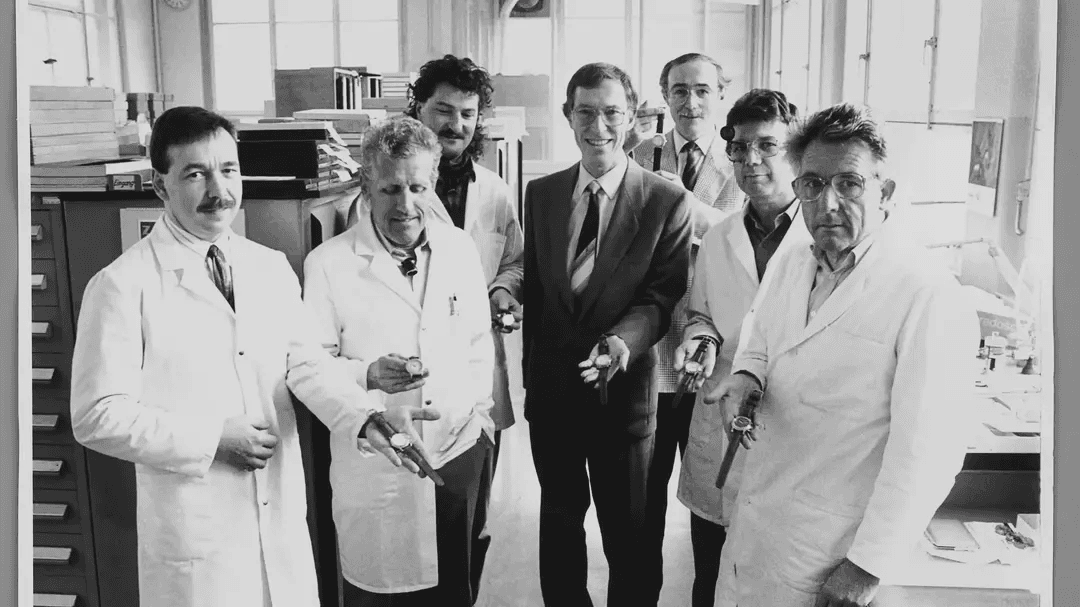
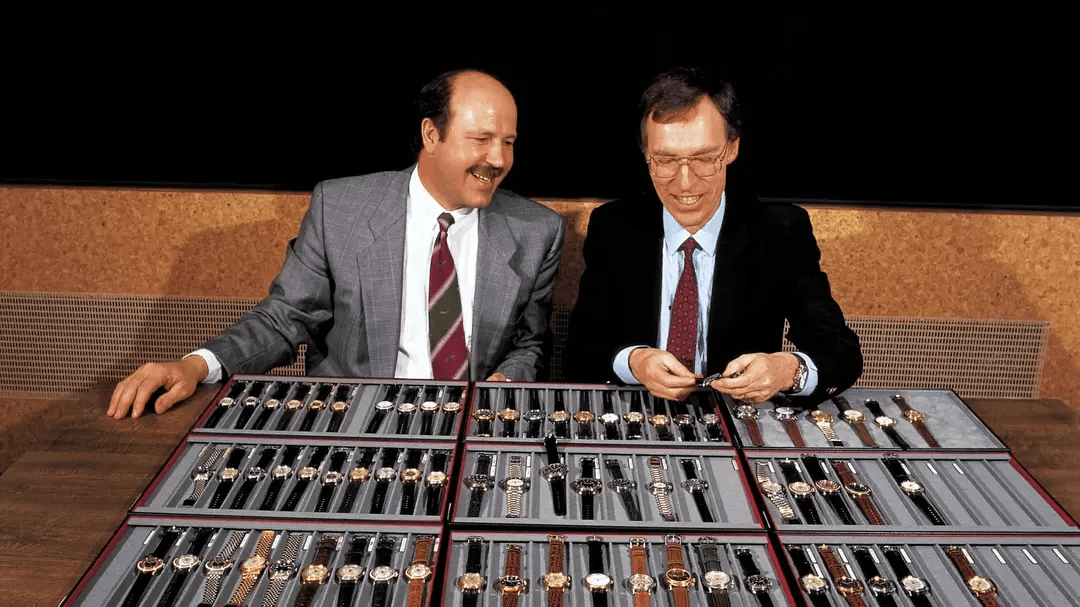
In 1982, Portmann and Ulrich W. Herzog acquired Oris through a management buyout, restoring the company’s independence. With the effects of the Quartz Crisis still reverberating across Switzerland, the pair made a bold decision: Oris would devote itself exclusively to mechanical watches.
It was, in many ways, a second beginning. From that point onwards, quartz movements would have no place in Oris watches. The company would build its future around the very technology much of the industry had begun to abandon: mechanical watchmaking.
More than 120 years have passed since the Oris story began in the small village of Hölstein. With its oversized winding crowns, increasingly ambitious approach to sustainability and philosophy brought to life through playful, colourful dials, Oris today occupies a distinctive place in the world of horology. The pink factory still stands in Hölstein, and watches are still being made there. In 2018, the company strengthened this connection to its origins by adding “Hölstein 1904” to its logo—a reminder that, despite its international reach, Oris remains deeply rooted in the place where everything began.
And perhaps the best way to conclude the story is with Oris’s own answer to a question that feels increasingly relevant today: What is the point of a mechanical watch in a connected world where time is everywhere?
The answer is remarkably simple:
“They make people smile.”
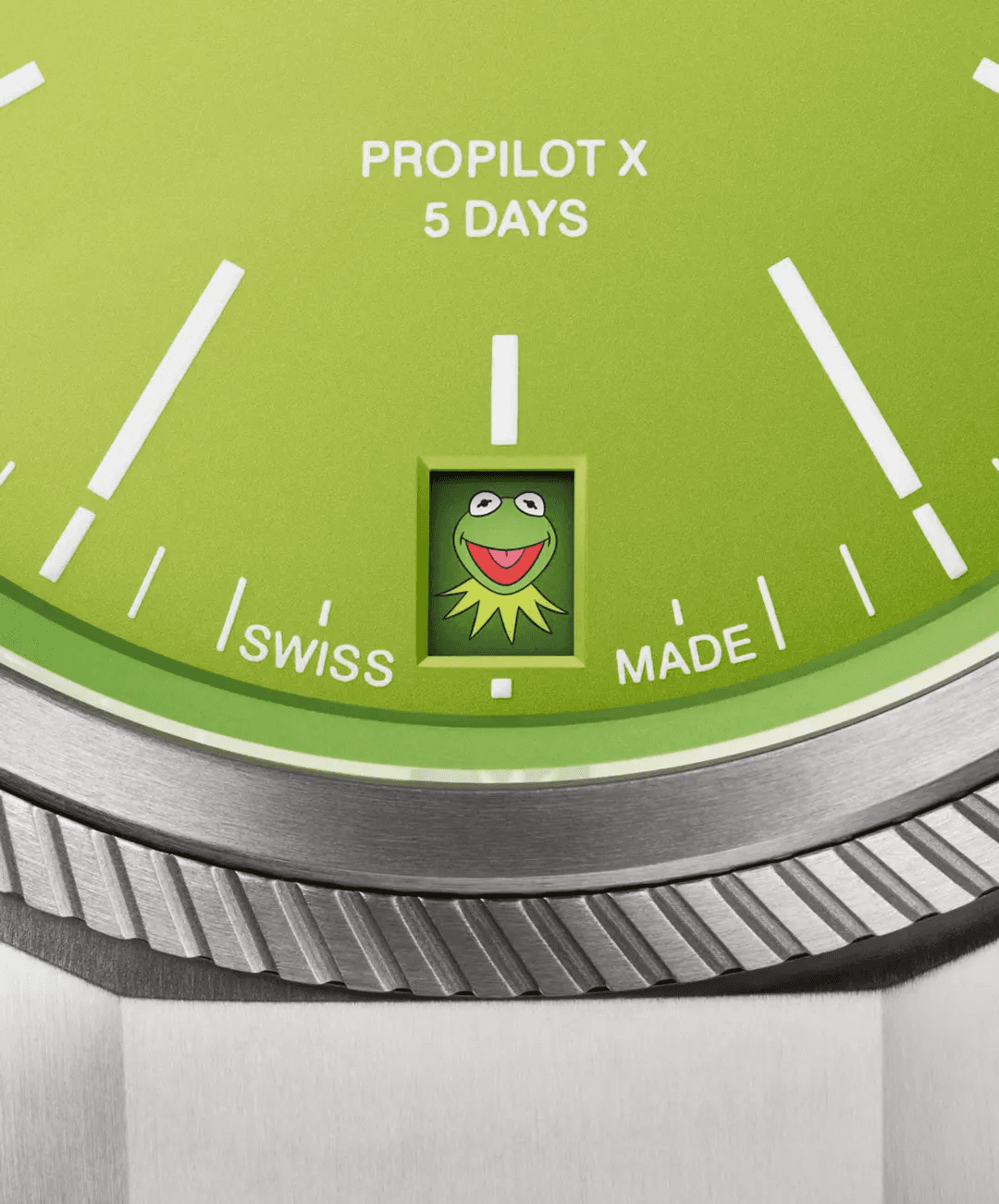
To understand that philosophy, one need only look at the cheerful face of Kermit appearing in the date window of the Oris ProPilot X Kermit Edition.
Saatolog Yıllık Saat Dergisi Saatolog’un yeni sayısı, 2020’nin yarattığı bu dönüştürücü etkiden ilham alarak hazırlandı. Dünya dijitalin etkisiyle her zamankinden de hızlı bir şekilde ilerlerken yavaşlamanın da önemini sonunda kavramış bulunuyoruz ve bu tezatlık hayatlarımızın her anına etki ediyor. Biz de bundan yola çıkarak Saatolog 2020/21 sayısını ‘‘hızlı ve yavaş’’ teması altında hazırladık.