The meticulousness we witnessed at Rado’s factory in Solothurn felt like the answer to why fine watchmaking is still considered an art form; in that atmosphere, what we sensed was not time itself, but dedication.
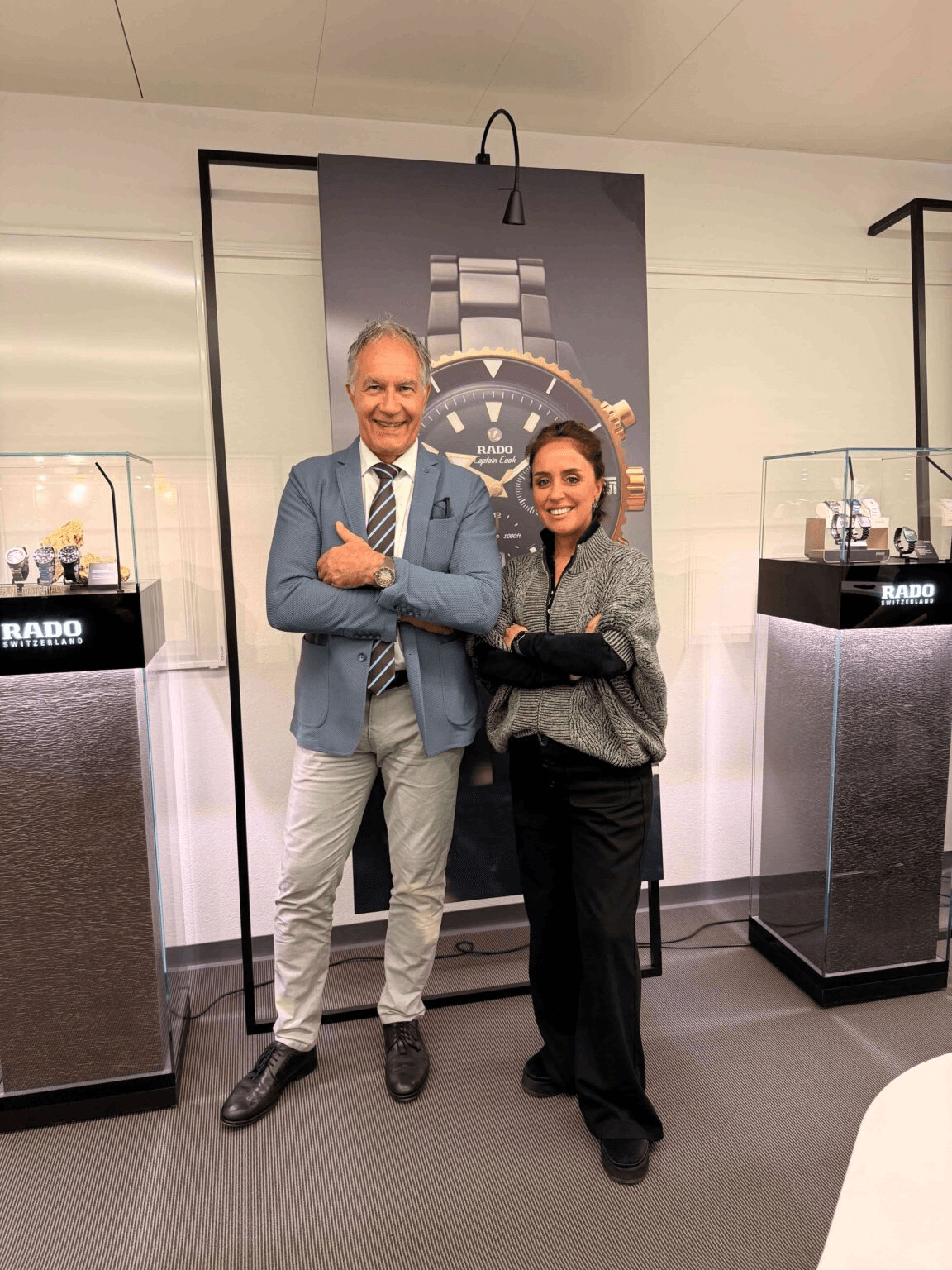
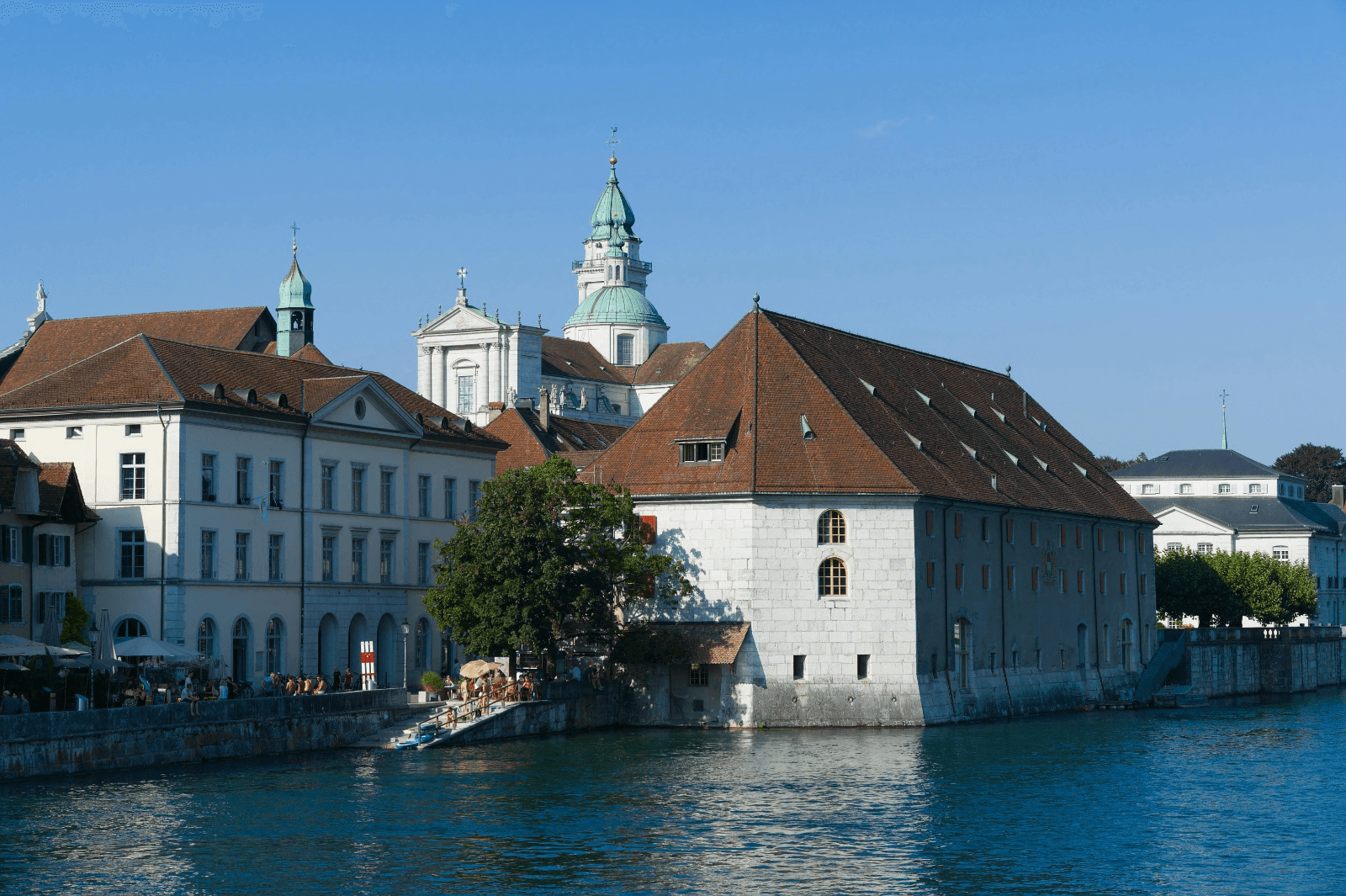
Nestled at the foot of the Jura Mountains, Solothurn is one of Switzerland’s most enchanting towns. With its pastel-colored lakeside houses, cobblestone streets, and the elegant silhouette of St. Ursus Cathedral, it resembles a timeless painting. On this special journey organized by Rado for members of the press from Turkey, we had the opportunity to discover the brand’s story in its homeland.
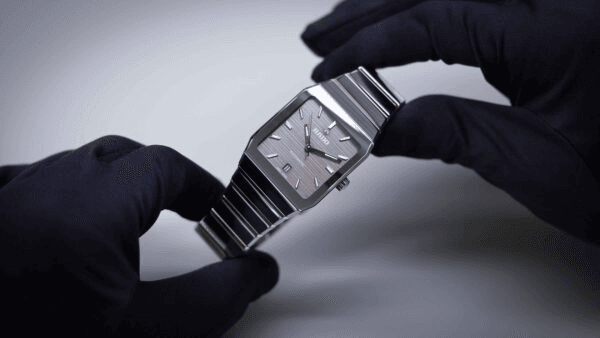
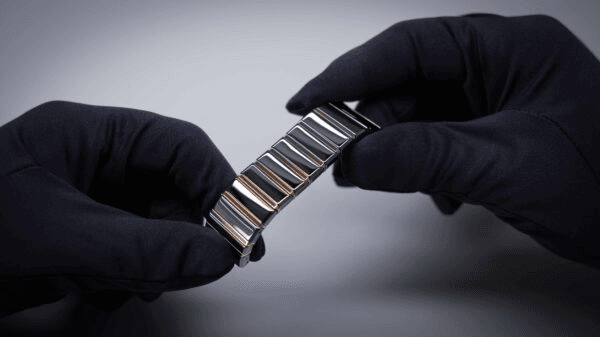
Our first stop was Comadur, where Rado’s production facility is located. The brand’s roots date back to 1917 in Lengnau, and the name “Rado” was registered in 1928. Known as the “Master of Materials,” Rado’s journey with ceramics began in the 1980s. In 1986, the brand introduced high-tech ceramic to the world of watchmaking—a move that evolved into an art form over the years. Today, Rado’s palette includes more than twenty ceramic shades.
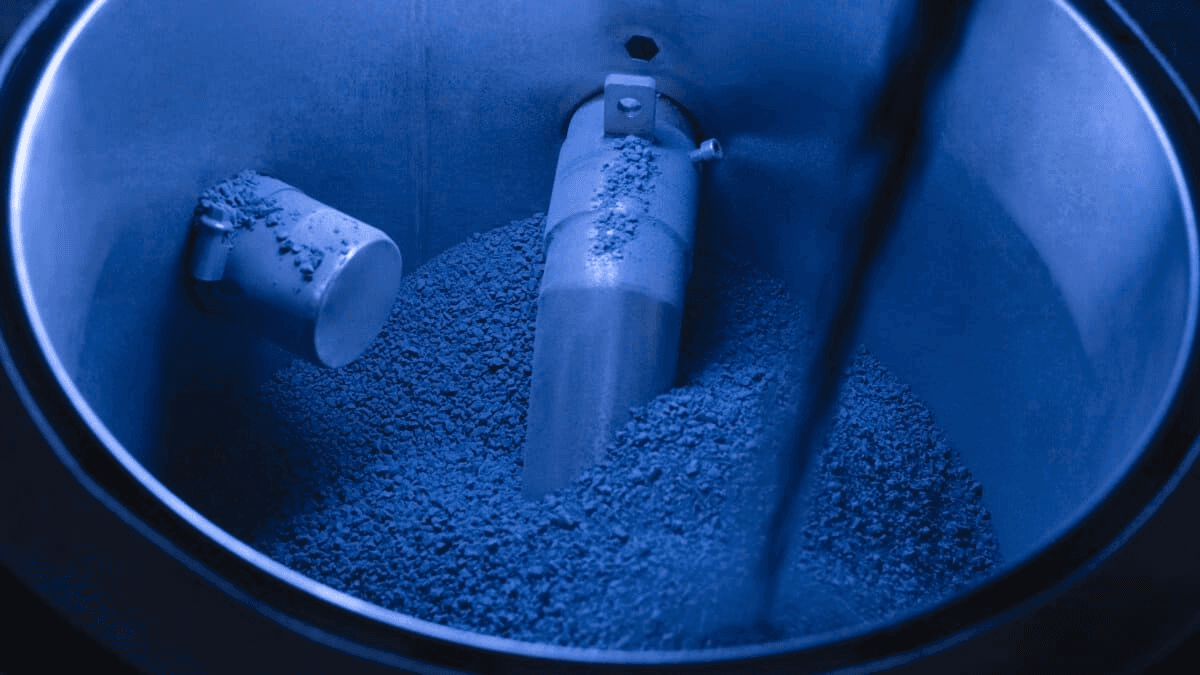
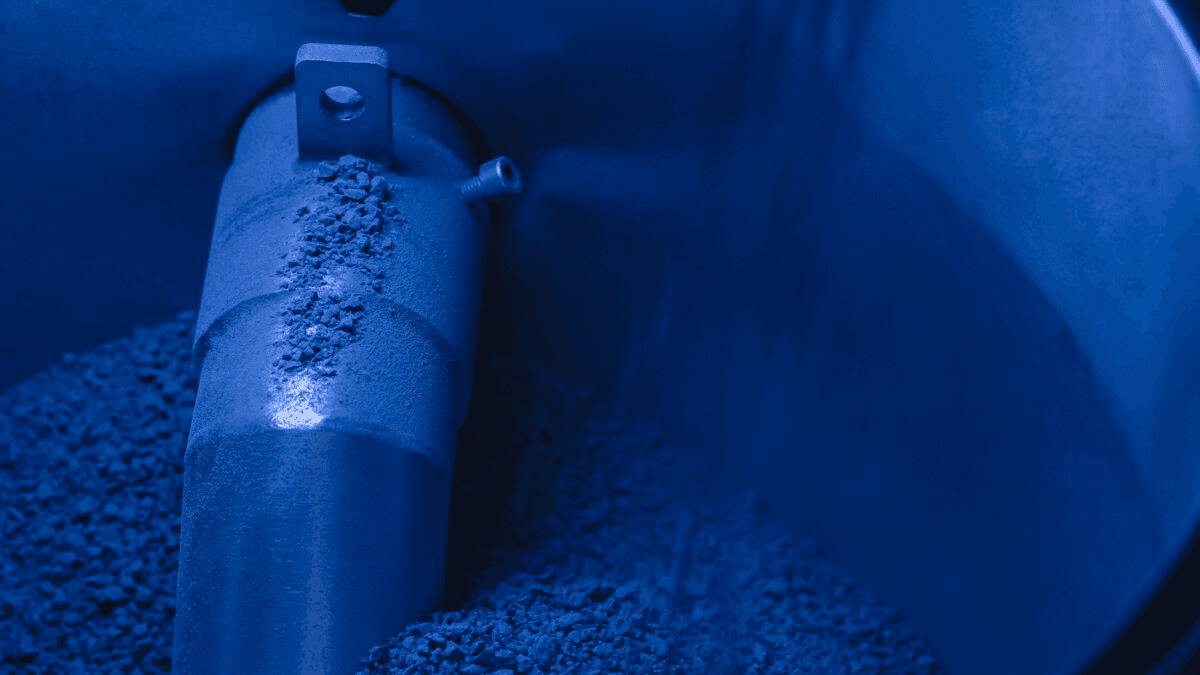
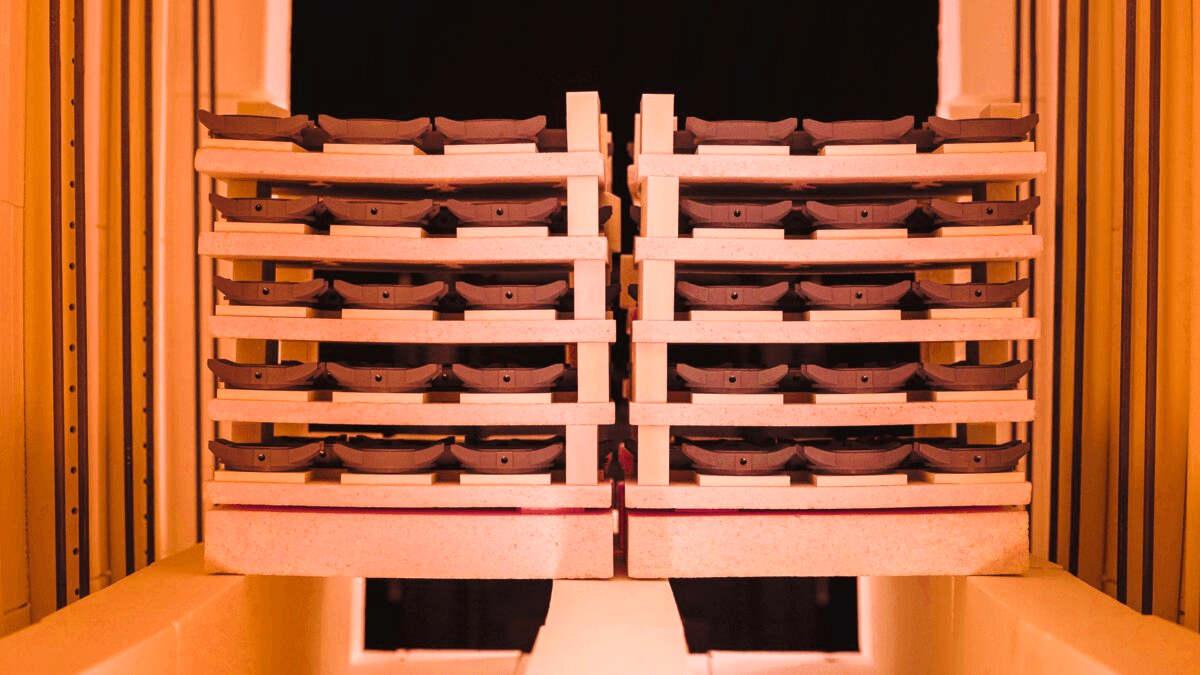
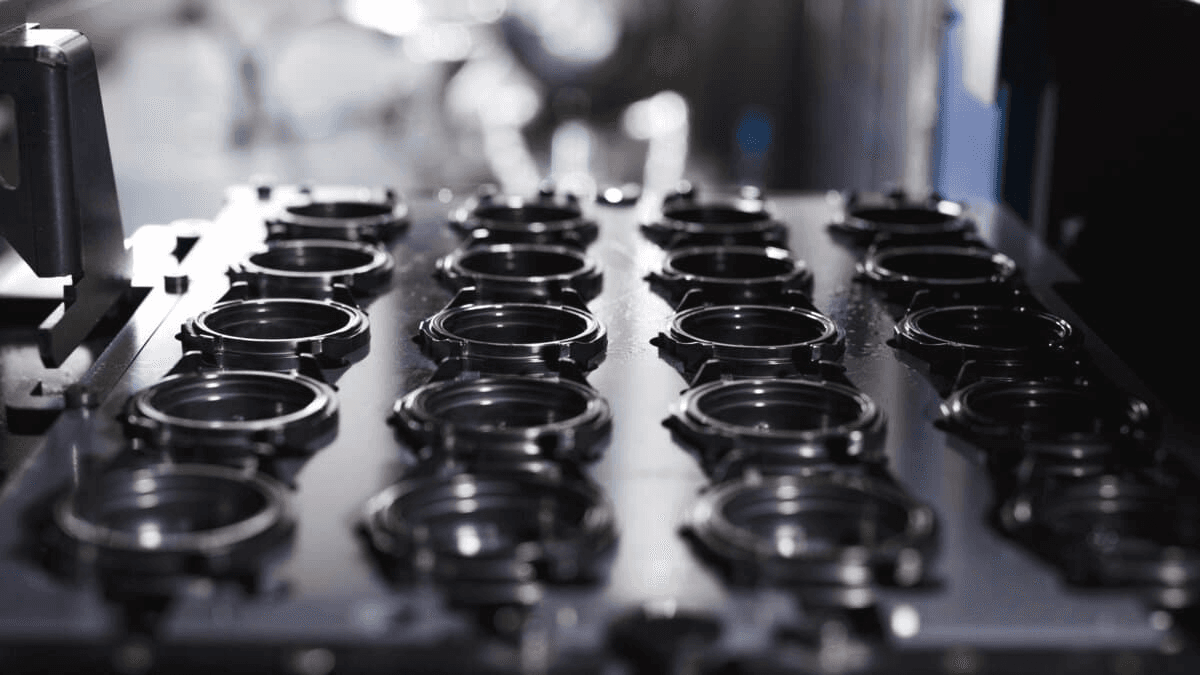
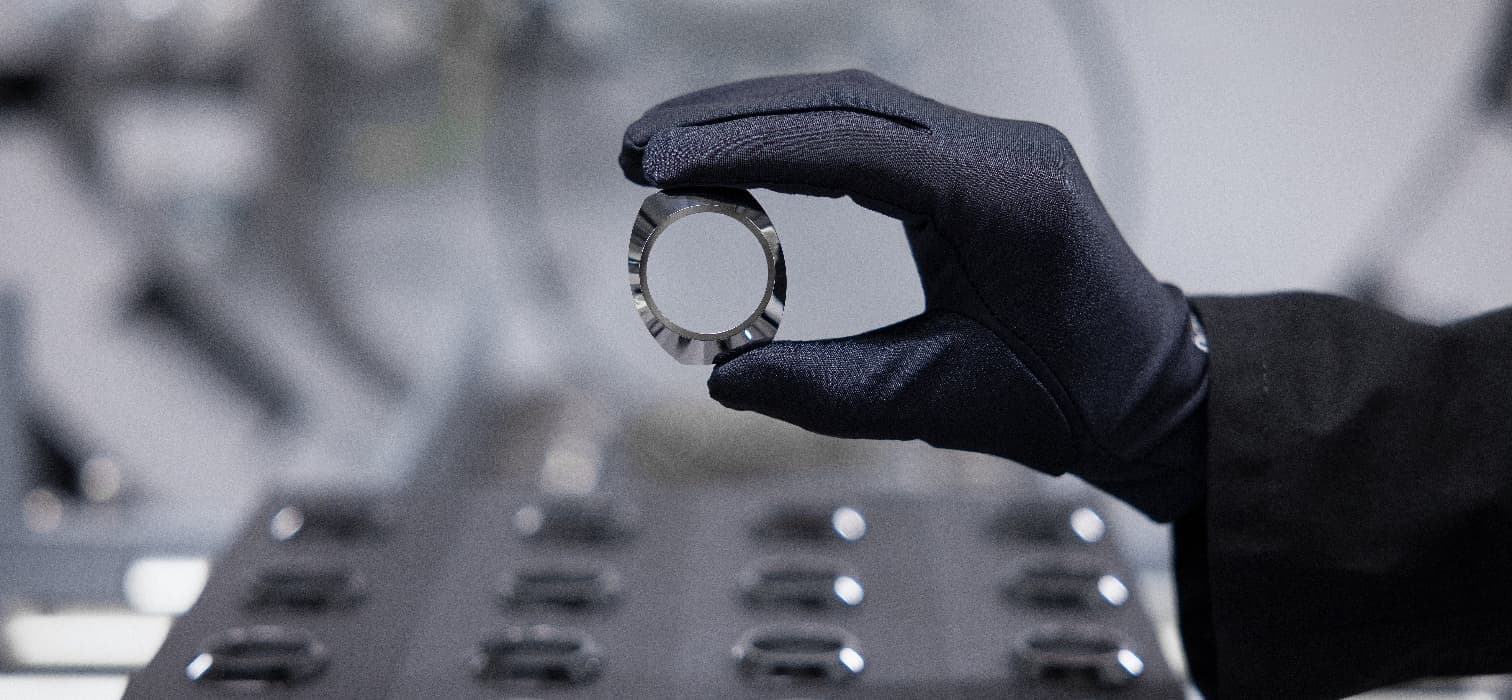
Upon entering the factory, we were immediately immersed in an atmosphere that reflects the very essence of Swiss watchmaking: precision, silence, and perfection. Watching ceramic transform from fine powder into an elegant watch case felt like redefining the concept of time itself. During the “sintering” process, cases are baked for hours at 1,450 degrees Celsius, shrinking by about 25% to reach their final form. After polishing, sandblasting, and laser treatments performed with diamond-tipped tools, the cases are completed in plasma furnaces reaching temperatures of up to 20,000 degrees—technology that seems almost extraterrestrial. The result is a watch case that is both exceptionally durable and surprisingly light.