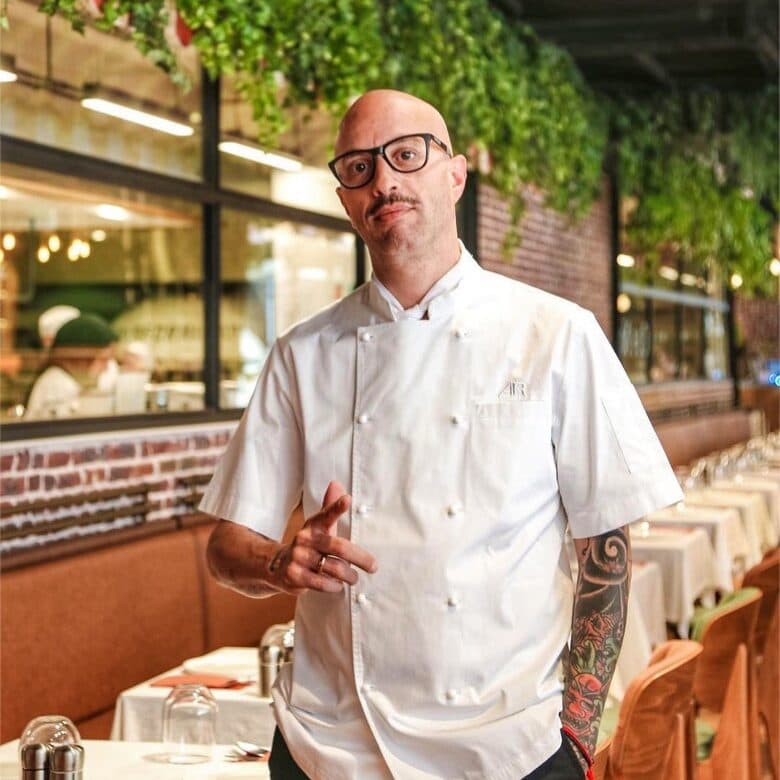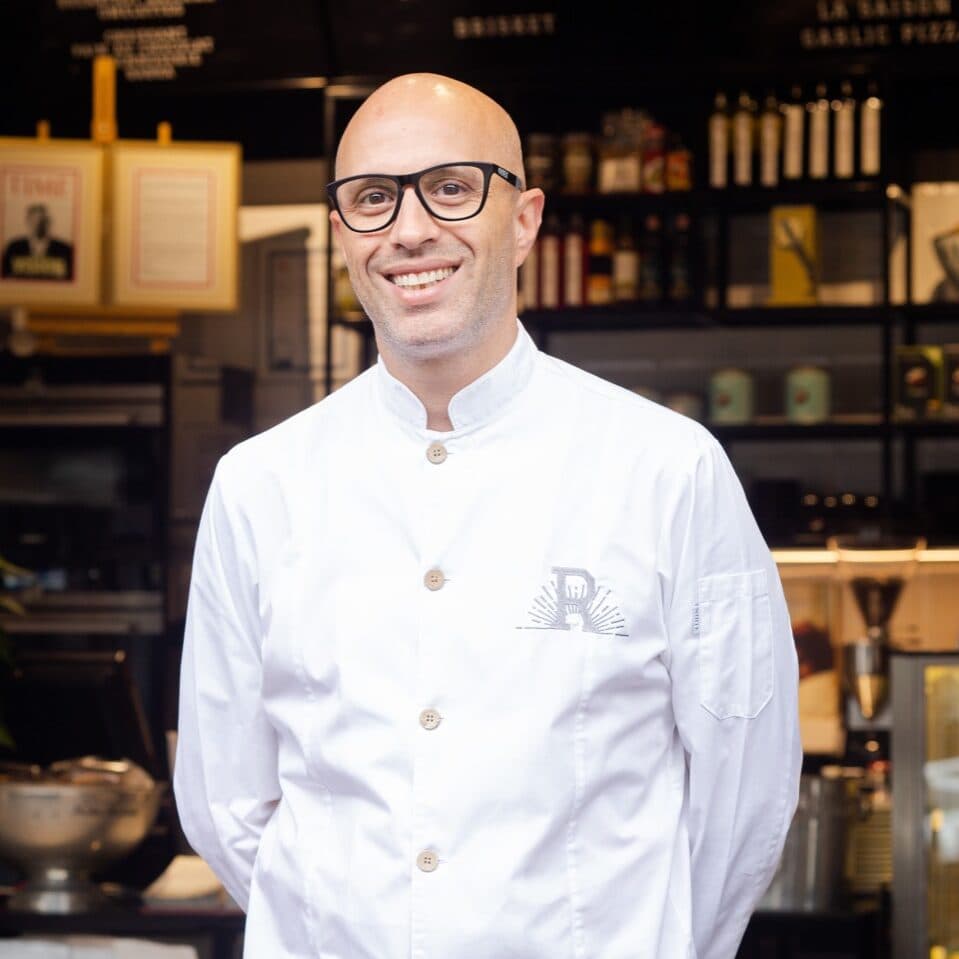
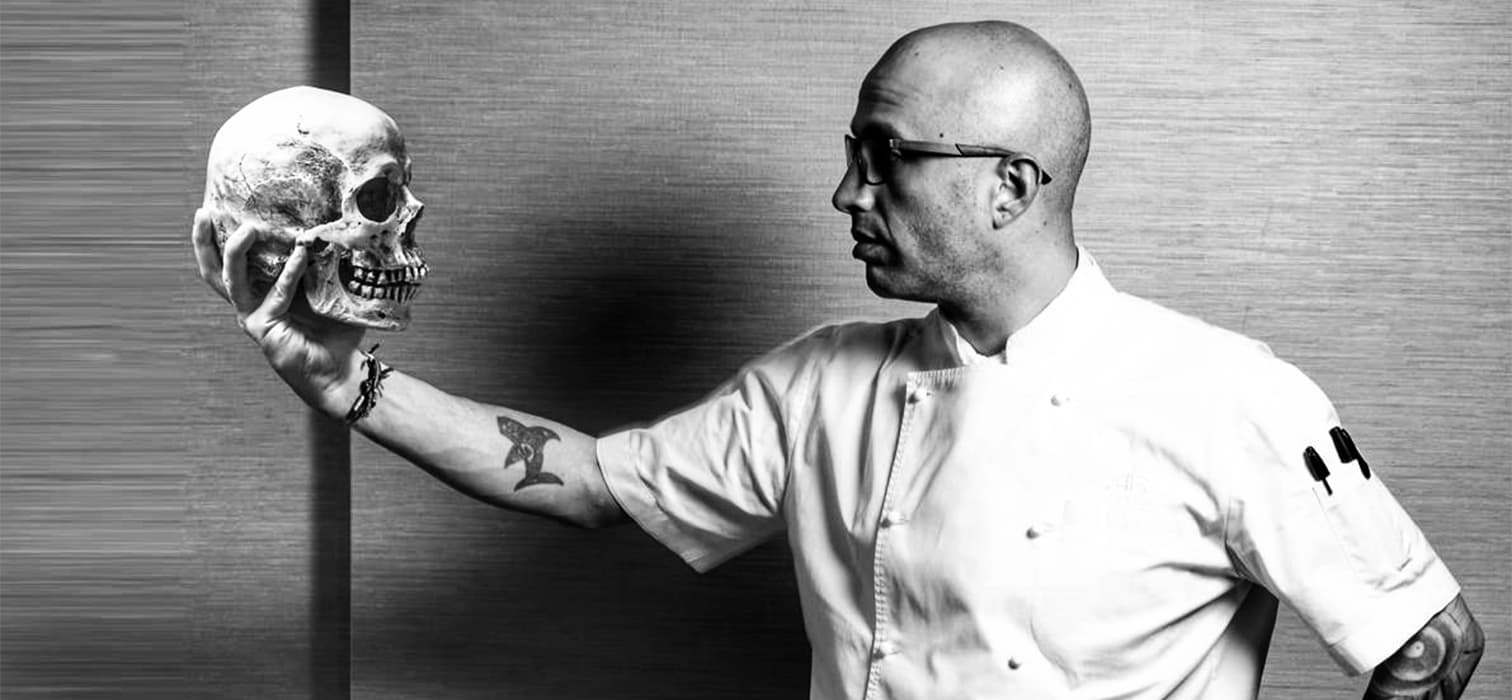
Gastronomy today is a global language—and chef Ali Ronay speaks it not just through his plates, but through space, design, and experience.
Food culture has outgrown its local roots to become a universal medium shaped by design, artistic vision, and technology. Ali Ronay is one of the creative minds helping define this evolution. Studio Ronay, his Istanbul-based platform, is more than a consultancy; it’s a producer of immersive, global experiences. In this interview, we delve into the mindset shaping the future of gastronomy.
Studio Ronay might look like a consulting studio, but there’s a deeper vision behind it. What led you to build this structure based on your career experience?
Studio Ronay is the natural continuation of a 25-year journey in the kitchen. I wanted to evolve into a structure that doesn’t just cook, but also generates ideas, designs experiences, and shares a vision. In Turkey, gastronomy isn’t just about taste—it intersects with culture, art, economy, and society. Studio Ronay was founded to build these interdisciplinary links and produce sustainable, meaningful gastronomic projects.
You approach a dish not just in terms of taste, but through design and experience. What does design mean to you—and how did this perspective emerge?
To me, design is where function and emotion meet. The color, shape, and feel of a plate must harmonize with the space’s light, sound, and scent. This wasn’t a perspective I developed over time—it came intuitively. Whenever I created something in the kitchen, I asked: What is this dish saying? Where does it belong? What atmosphere should surround it? Design is the answer to those questions.
You think about both the food and the space as one. In your view, what should the relationship be between a restaurant’s atmosphere and its food?
A restaurant is a stage. If the plate, the painting on the wall, or the music in the background are disconnected, the guest’s experience falls flat. Atmosphere completes the story. If the message is simplicity, that should be felt in both the plate and the room. If it’s excitement, it should resonate in every detail. This unity gives spirit to the place.
You collaborate with a wide range of creatives—from architects to graphic designers. What’s your process in these interdisciplinary projects?