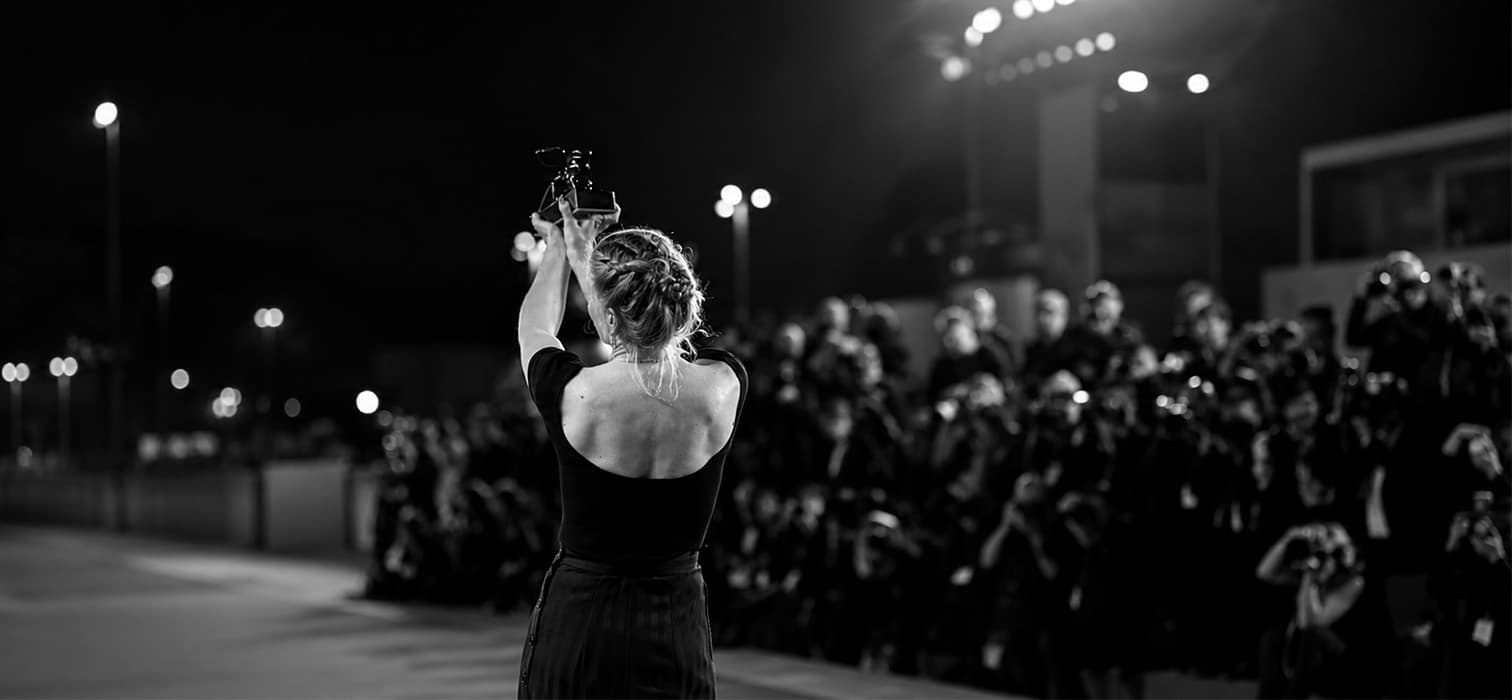
From the race for the Golden Lion to political controversies, from the year’s most anticipated films to the stars descending on the Lido, we bring together everything worth knowing about the 83rd Venice Film Festival.
September is here. Everyone is going to Venice. For 11 days, the Lido becomes the centre of the film world. Who will take home the Golden Lion this year? Can Robert Pattinson really pull off Chris Hansen? Will Lee Chang-dong blow our minds again after an eight-year absence? Can Liam and Noel Gallagher make it through the same press conference without a fight? And then there is a question that seems to matter more with every passing year: In 2026, can a film festival really talk only about films? The 83rd Venice International Film Festival runs from September 2 to 12. And until September 12, we too are out on the lagoon.
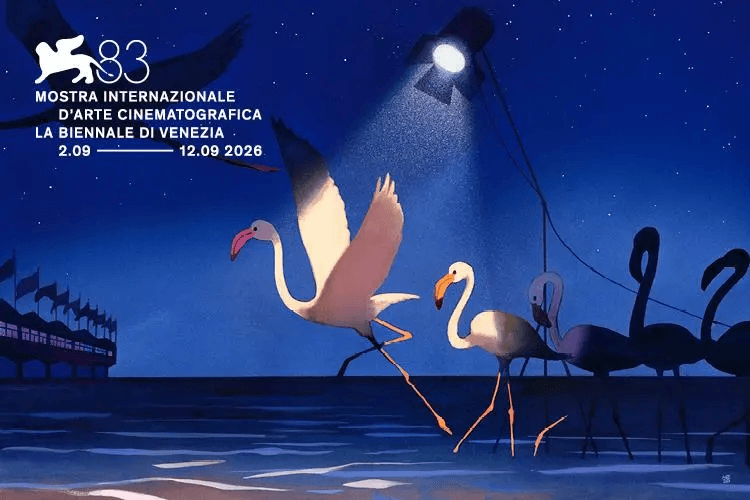
As it did last year, this year’s poster bears the signature of Venetian illustrator Manuele Fior and shows pink flamingos taking flight from the Lido into the night. It is difficult to imagine an image better suited to cinema’s sense of movement, the lagoon, migration and the endless flow of people in and out of Venice. The birds are taking off. Some of Hollywood’s biggest films, however, appear to have chosen not to land on the Lido at all this year.
Before the programme was announced, a number of heavyweights had been tipped for Venice: Alejandro González Iñárritu’s Digger, starring Tom Cruise; Aaron Sorkin’s The Social Reckoning; David Fincher’s Brad Pitt-led The Adventures of Cliff Booth; and Tom Ford’s Cry to Heaven, with Adele. None of them are here. Almost immediately, everyone started asking the same question: “Are the Oscar contenders avoiding Venice?”
Some films were not ready in time, others went to different festivals, but studios are also becoming more cautious about the risk of putting expensive Oscar hopefuls in front of international critics before awards season has even begun.
That does not mean Venice is weak. Where Hollywood has receded, auteurs have multiplied.
Still, Venice is hardly short of problems this year. The festival had already stumbled into its first minor crisis before it had even begun. You may remember that the Biennale itself got off to a turbulent start this year. On August 29, it emerged that one of Venice’s long-standing opening rituals, the main jury press conference, would not be held. The official explanation was a scheduling conflict; the plan instead was to host a more informal welcome cocktail with journalists.
The timing did not help. Venice4Palestine had only just published a new appeal signed by more than 200 filmmakers and artists, while questions about Gaza had dominated last year’s jury press conference. The festival rejected suggestions that it was trying to avoid political questions.
Then the internet intervened.
Following the backlash, the decision was reversed on August 30, and the traditional press conference was reinstated for September 2, the festival’s opening day. So the apparently unsolvable scheduling problem appears to have been solved in roughly 24 hours.
The festival continues to insist that the original decision had nothing to do with political pressure, and there is no evidence proving otherwise. But this small U-turn managed to crystallise the defining question of the year before the festival had even opened: Can a film festival still say, “We’re only here to talk about cinema”?
It is not especially difficult to guess one of the first questions that will be asked at that press conference.
The Jury: At Maggie Gyllenhaal’s Table
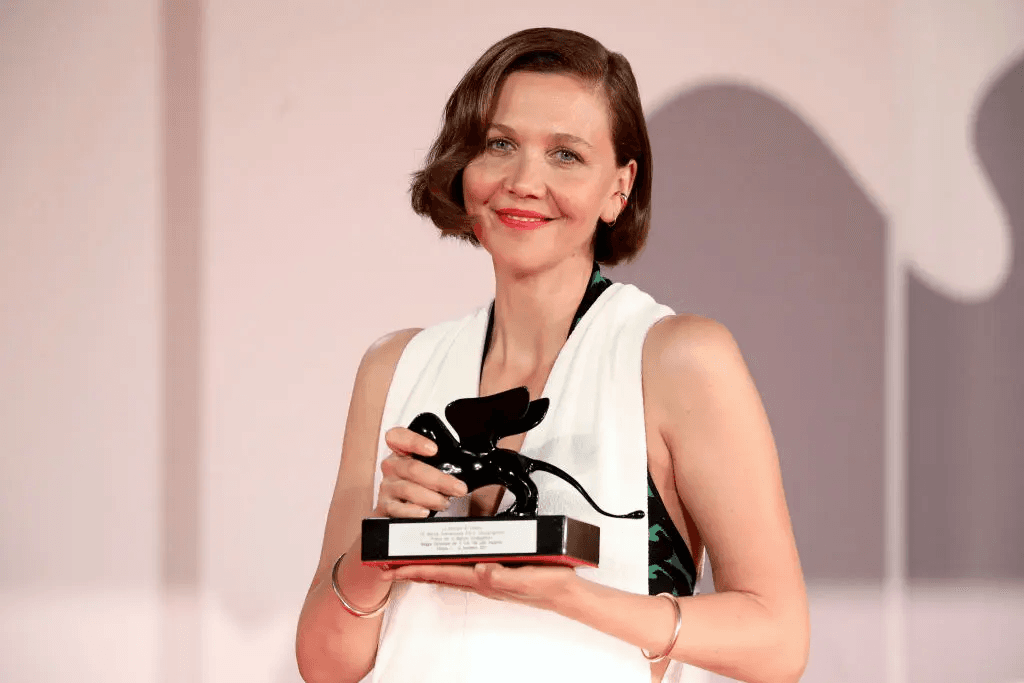
Maggie Gyllenhaal is president of the main jury. In 2021, she won Best Screenplay in Venice for her directorial debut, The Lost Daughter. This year, following The Bride, she takes the head seat at the table, and when accepting the role she made a rather lovely distinction: she said she would sit on the jury not to “judge”, but to remain curious.
That is probably exactly what you would like to hear from a Golden Lion jury.
The people sitting beside her are interesting too. The absence of Hollywood stars from the jury is almost as striking as the relative absence of Hollywood films from the programme.
Maggie Gyllenhaal (Credit: Marc Piasecki/Getty Images)
Kaouther Ben Hania: Last year, she won the Grand Jury Prize in Venice for The Voice of Hind Rajab. The Tunisian filmmaker has spent years probing the line between fiction and documentary, which makes her presence at the table particularly significant given the political films in this year’s selection.
Daniel Blumberg: Not a director, but a composer. He won an Oscar for The Brutalist.
Francesco Casetti: Film theorist and academic. He is the person at the table most likely to ask, “And where exactly does this sit in the history of cinema?”
Xavier Giannoli: The French director of Lost Illusions and Marguerite.
Shahrbanoo Sadat: The Afghan director we know from Cannes through Wolf and Sheep and The Orphanage, and a highly distinctive voice who approaches her country’s recent history through the textures of everyday life.
Johnnie To: One of the masters of Hong Kong action and crime cinema.
Opening Night and the Honorary Golden Lions
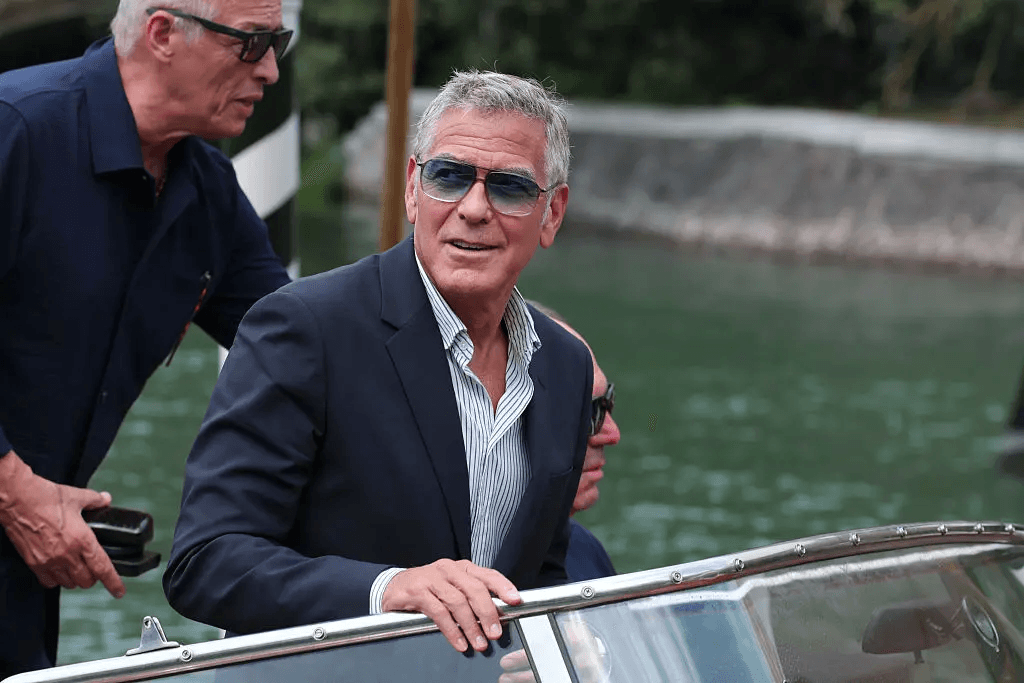
George Clooney (Credit: Victor Boyko/Getty Images)
The opening film is Danny Boyle’s Ink. Adapted from James Graham’s play, it follows Rupert Murdoch and editor Larry Lamb as they transform The Sun in 1969 and, in the process, change the course of British tabloid culture. Guy Pearce plays Murdoch, Jack O’Connell is Lamb, and Claire Foy is also in the cast.
Despite being the opening film, Ink is in competition, which means Danny Boyle is heading directly into the race for the Golden Lion.
There are two Golden Lions for Lifetime Achievement this year.
The first goes to George Clooney. His relationship with Venice is already a long one: Good Night, and Good Luck, Michael Clayton, The Ides of March, and last year, Jay Kelly… He will receive the award on opening night, September 2, with Laura Dern presenting it. Clooney will probably joke that it means he is officially getting old.
The usual classics.
The other recipient is Ellen Burstyn. The Last Picture Show, The Exorcist, the Oscar-winning Alice Doesn’t Live Here Anymore, Requiem for a Dream, Interstellar. After more than 90 years of life and over six decades of acting, it would be difficult to argue with that Golden Lion.
The Main Competition: Who Gets the Golden Lion?
The initial line-up featured 20 films. On August 24, the last-minute addition of Yuval Abraham and Rachel Szor’s NAZA brought the number to 21.
The key thing about this year’s selection is that it leans more heavily towards directors’ cinema than the giant American studio productions that have defined Venice in recent years. There is still plenty of Oscar hunting going on, but it is less visible than it was in the years of Joker, Dune, Maestro or The Brutalist.
Bunker
The Ones to Watch
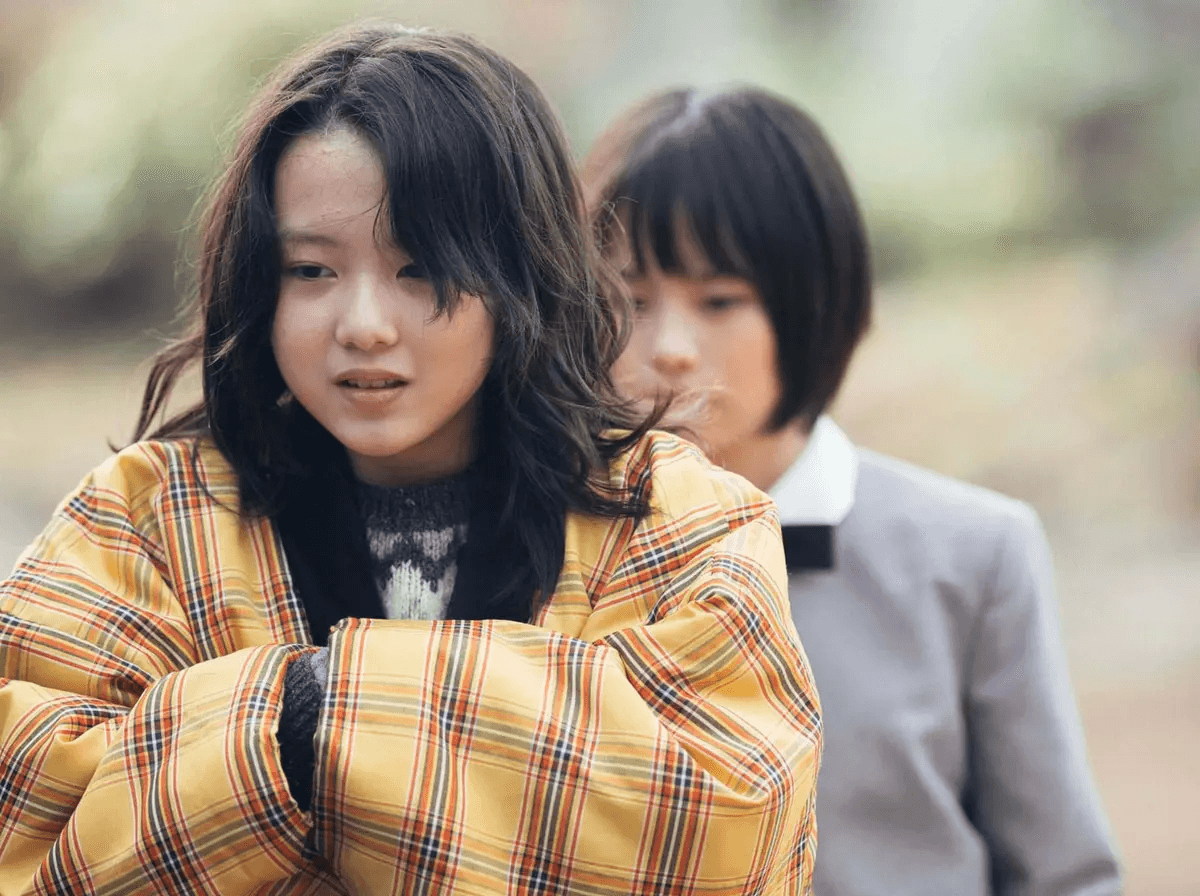
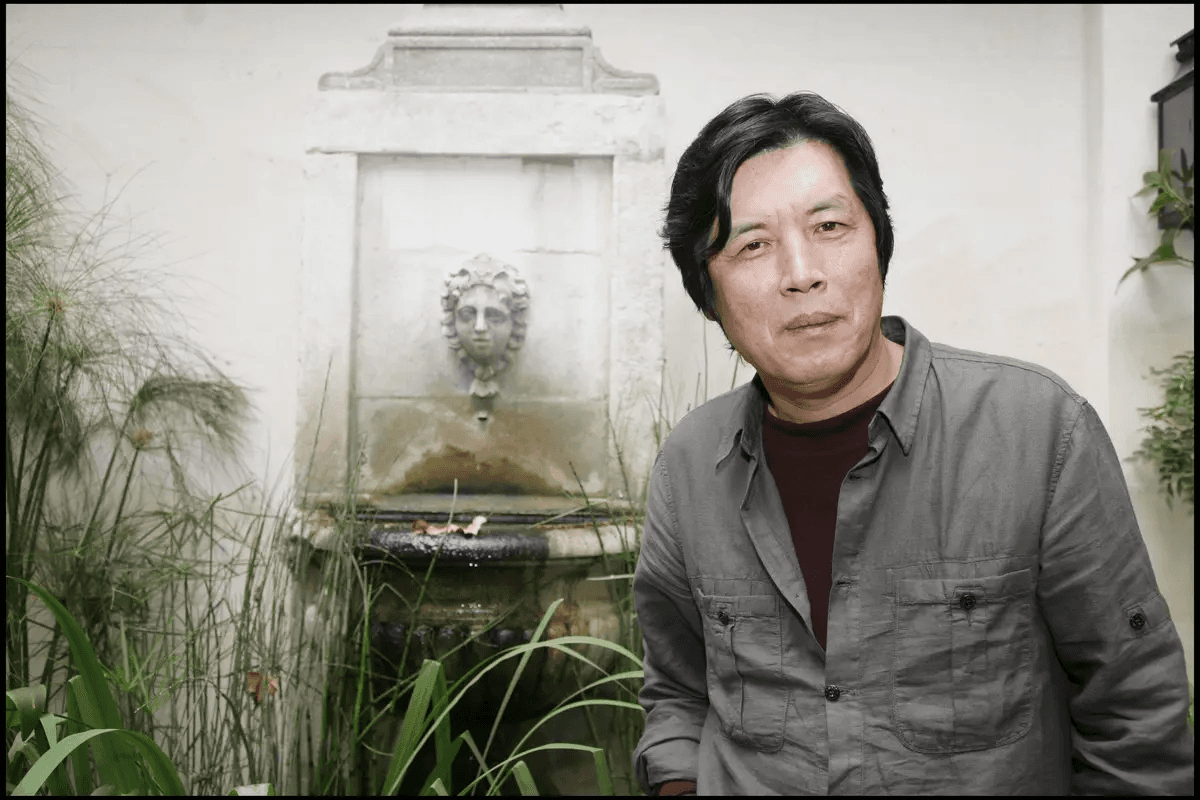
Lee Chang-dong — Possible Love: This is the film I most want to see at the festival. Lee is back eight years after Burning. Starring Jeon Do-yeon, Sul Kyung-gu, Zo In-sung and Cho Yeo-jeong, the film brings together two married couples: one consisting of a laid-off worker and his wife, the other of a female documentary filmmaker and her husband. Lee builds the film around the ways labour, capital, freedom and love can all squeeze against one another within the same life.
It runs for 164 minutes. Entirely reasonable for a Lee Chang-dong film. Almost short, really.
Look Back
Hirokazu Kore-eda — Look Back: Adapted from Tatsuki Fujimoto’s manga. It traces a 13-year friendship between Fujino and the withdrawn Kyomoto, built around their shared passion for drawing manga. At first glance, a manga adaptation may seem like a change of direction for Kore-eda, whom we associate so closely with family dramas. But when you consider that the story is ultimately about the ways a bond between two people is formed and fractured over time, it is actually very much his territory.
Wild Horse Nine
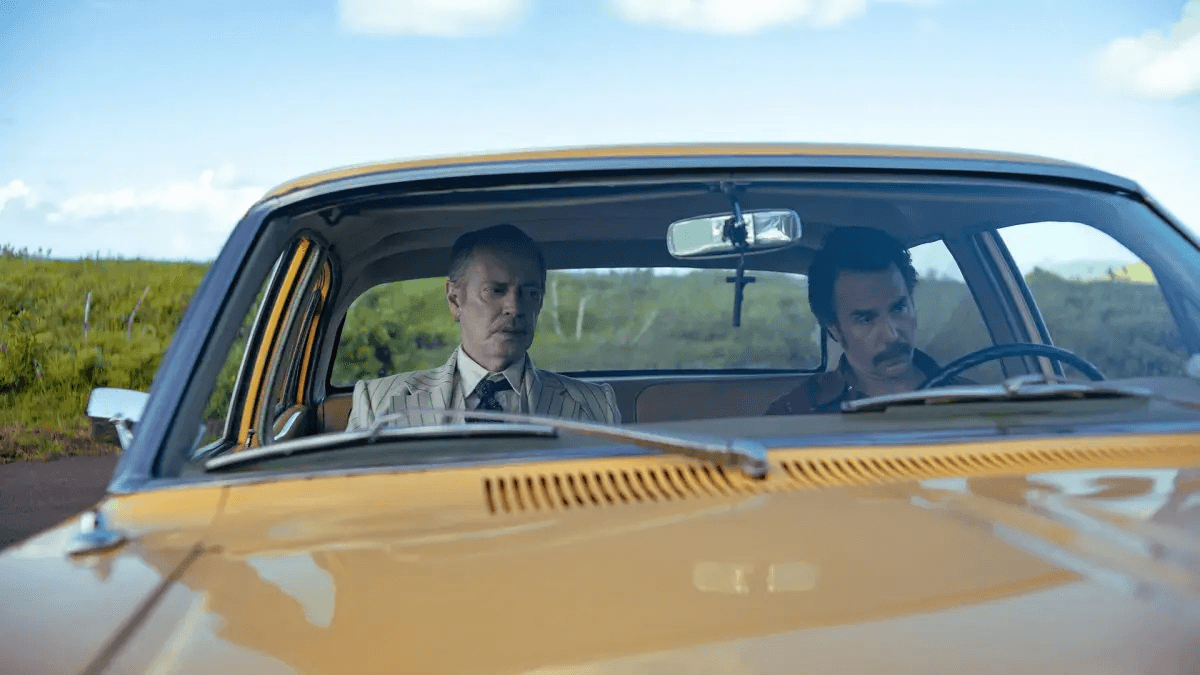
Martin McDonagh — Wild Horse Nine: At the moment, this is probably Venice’s safest bet at the Oscar table. Shortly before the 1973 Chilean coup, two CIA agents are sent to Easter Island. John Malkovich, Sam Rockwell, Steve Buscemi, Tom Waits and Parker Posey are all in the same film.
And given how McDonagh moved from Venice into awards season with Three Billboards Outside Ebbing, Missouri and The Banshees of Inisherin…
Werner Herzog — Bucking Fastard: Real-life sisters Rooney and Kate Mara play Jean and Joan, two sisters who speak at the same time, share the same dreams and fall in love with the same man.
That man is Orlando Bloom.
At some point, they begin digging a tunnel through the mountains in order to reach an imaginary place. Herzog is said to have been offered an Out of Competition slot at Cannes, turned it down and chosen instead to compete for the Golden Lion in Venice.
Do not expect a sensible 90-minute family drama.
Primetime
Lance Oppenheim — Primetime: Robert Pattinson plays a television host inspired by Chris Hansen, the figure behind the To Catch a Predator phenomenon. The year is 2006. Reality TV, moral outrage, crime turned into spectacle and television appointing itself judge and jury.
Ari Aster is among the producers of the A24 film, while Phoebe Bridgers appears in one of her first substantial acting roles.
The fact that 2000s internet culture is now material for a period film is mildly upsetting, but this could be very good.
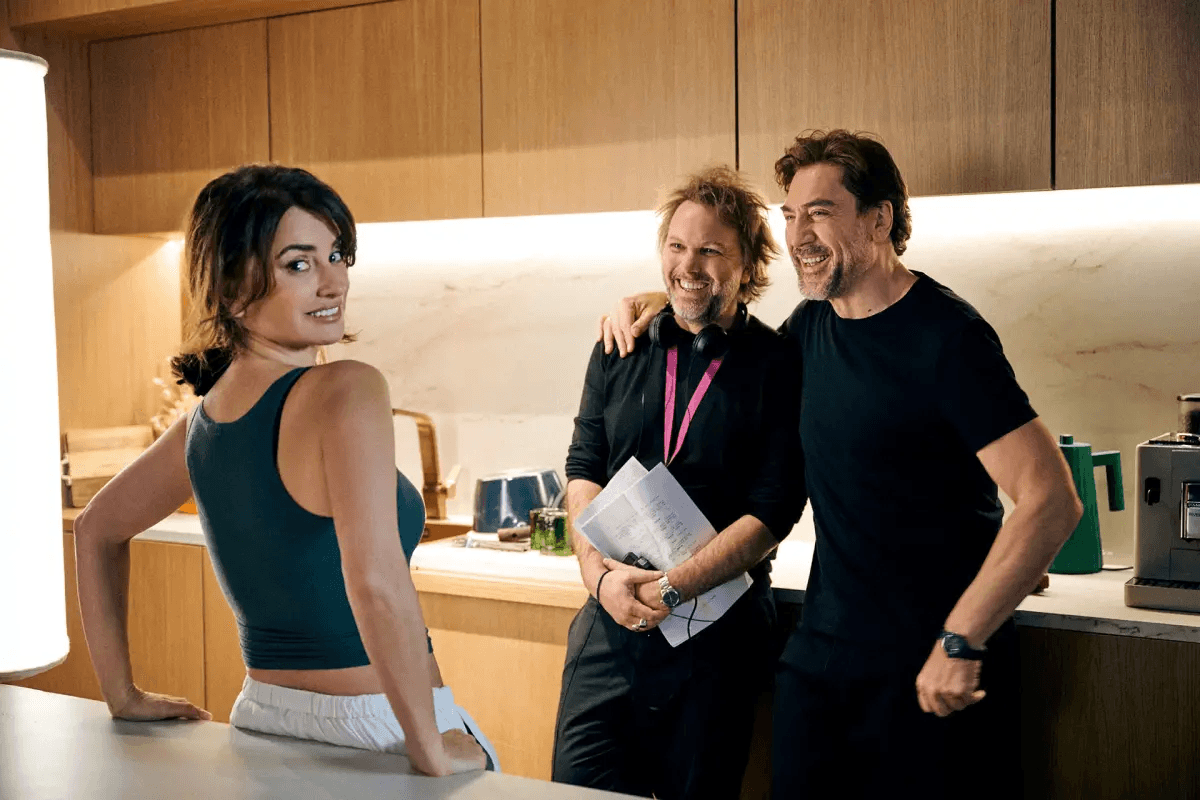
Florian Zeller — Bunker: Casting Penélope Cruz and Javier Bardem, who are married in real life, as a couple going through a marital crisis is a dangerous idea.
That is precisely why Zeller wanted to do it.
Bardem plays an architect who agrees to design an apocalypse bunker for a tech billionaire; the project begins to seep into the couple’s marriage. Paul Dano, Stephen Graham and Patrick Schwarzenegger are also in the cast.
Considering that Zeller directed Anthony Hopkins to an Oscar in The Father, it would hardly be surprising if conversations about a Volpi Cup and an Oscar for Cruz and Bardem begin rather quickly.
Andrea Pallaoro — The Echo Chamber: Luca Marinelli, Alicia Vikander, Susan Sarandon. But the real detail is in the credits: the screenplay is by Bernardo Bertolucci, Ilaria Bernardini and Ludovica Rampoldi.
One of the final screenplays Bertolucci worked on before his death is finally being turned into a film years later by Pallaoro.
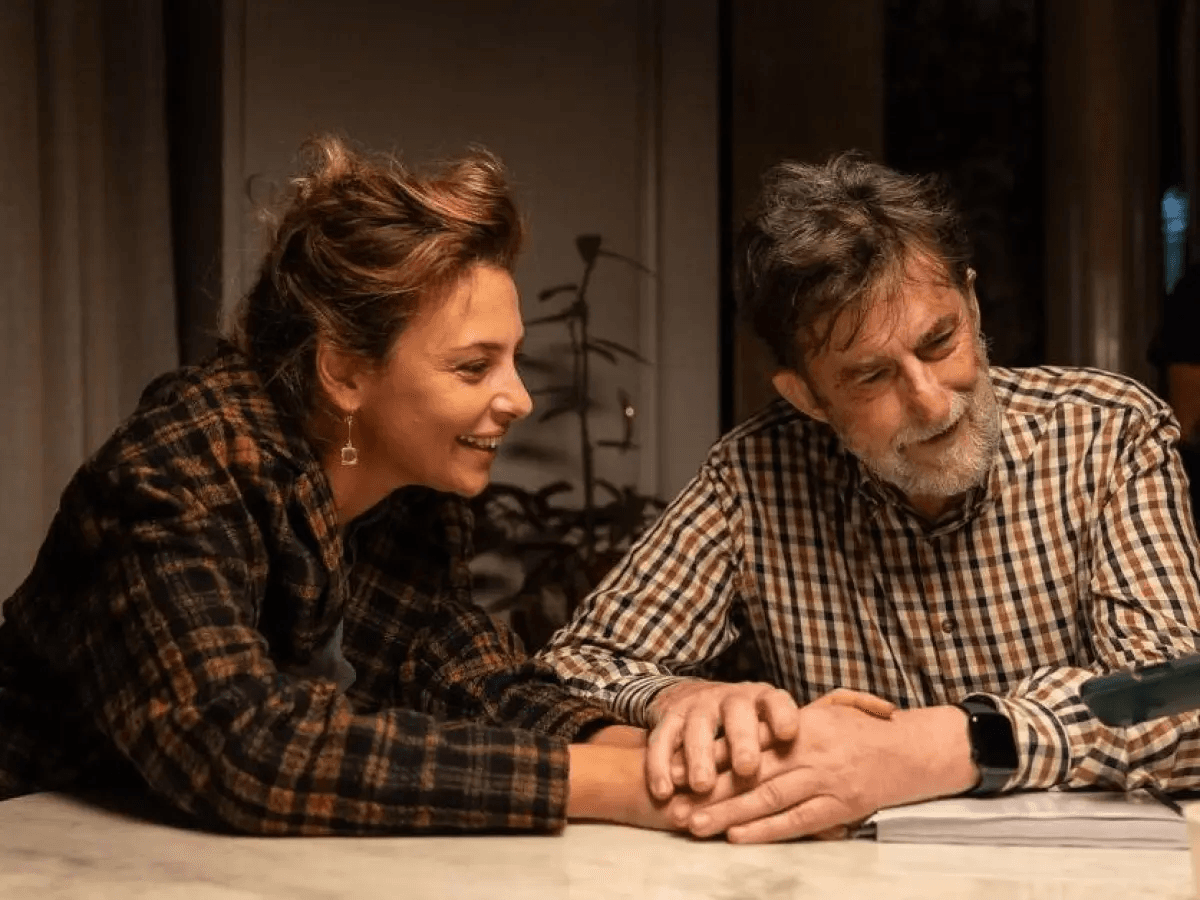
Nanni Moretti — Succederà Questa Notte: Louis Garrel, Jasmine Trinca and Moretti himself. There is nothing surprising about Italian cinema being represented in Venice; the fact that Moretti still feels like a natural fixture of the main competition, however, says something important about the festival’s institutional memory.
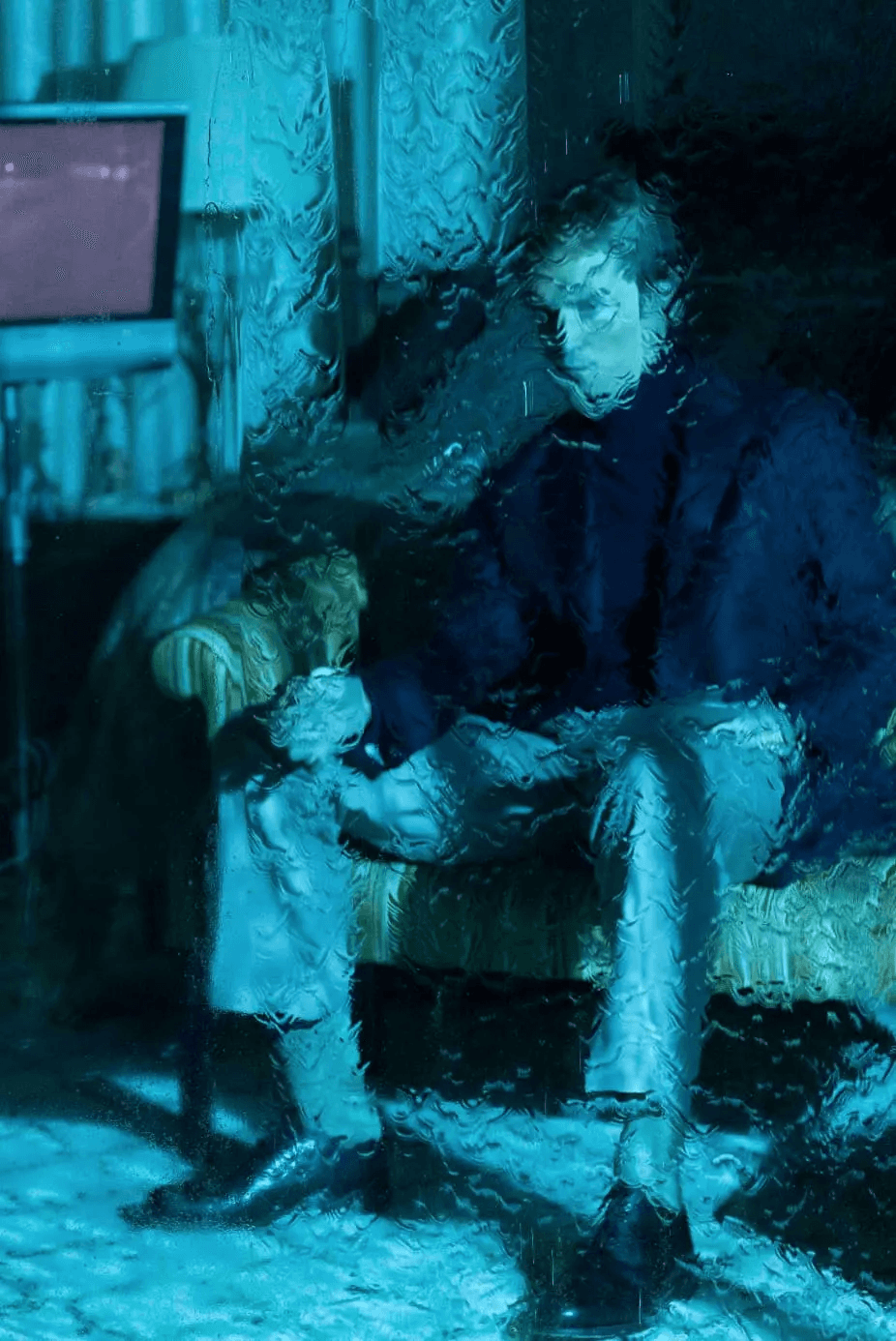
Succederà Questa Notte
Yuval Abraham & Rachel Szor — NAZA: The last-minute bombshell. Two of the four directors behind No Other Land, with The Guardian producing and Jonathan Glazer serving as executive producer.
Added to the main competition on August 24, it is the only documentary among the 21 competing films and will screen on September 10. According to the synopsis published by the festival, the film investigates Israeli military targeting systems that have resulted in civilian deaths in Gaza.
Before it has even screened, it has already placed itself at the political centre of Venice.
Ilya Khrzhanovsky — DAU: 195 minutes, plus a 15-minute interval. The DAU project is already one of the strangest and most ethically controversial undertakings in the history of cinema. This time, before the film has even reached the Lido, the Ukrainian government has objected to its inclusion in the competition.
We will get to that shortly.
Orizzonti: This Is Where the Real Surprises Are
What Un Certain Regard is to Cannes, Orizzonti more or less is to Venice. It is the section where you can escape the weight of major auteur names and ask: “Could we be watching today the director everyone will be talking about three years from now?”
In a year when the main competition has struggled to find female directors, eight of the 19 films in Orizzonti are directed by women.
Rubaiyat Hossain’s The Difficult Bride, Anuparna Roy’s Lovers in the Blue Night — Roy won Best Director in this section last year — Alina Marazzi’s La Ragazza Con La Leica, Jacqueline Lentzou’s A Day in the Life of Jo: Chapter Phaedra and Michelle Zhou’s Big Little Things are all worth putting on the radar.
That contrast makes Barbera’s defence in the debate over female directors rather more difficult to sustain.
And then there is Saoirse Ronan’s directing debut, Paper Plane, in the short-film section. Fifteen minutes, with a screenplay also written by Ronan.
After four Oscar nominations, she is moving behind the camera.
Out of Competition: Are We Ready for Seven Hours of Guadagnino?
This is the most entertaining part of the programme.
Alex Gibney — Musk: 225 minutes, plus a 10-minute interval. An almost four-hour Alex Gibney documentary about Elon Musk.
Justine Musk, Kara Swisher, Tesla co-founder Martin Eberhard and Geoffrey Hinton, one of the “godfathers” of artificial intelligence, are among the interviewees.
If you had to choose one film this year and say, “Its very subject tells us something about our age,” it would be difficult to find a more obvious candidate.
Luca Guadagnino — Joie de vivre: Even the full title is almost as long as a small film festival: Joie de vivre. Notes, thoughts, words, reflections, faces, visions, around Bernardo Bertolucci and the cinephilia of the 20th century that is no more.
Running time: 435 minutes.
Seven hours and 15 minutes on Bernardo Bertolucci and the 20th-century culture of cinephilia that Guadagnino believes no longer exists. Martin Scorsese, David Cronenberg, Alfonso Cuarón, Catherine Breillat, James Gray and Jeremy Thomas all appear.
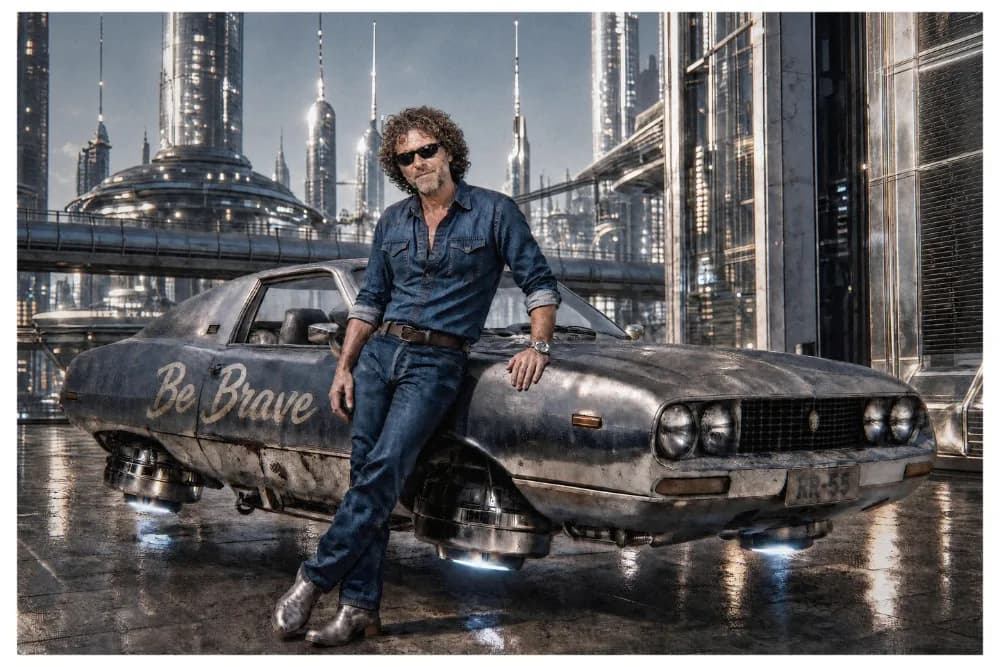
Be Brave
Francesco Carrozzini — Be Brave: A documentary about Renzo Rosso. But do not dismiss it as simply “the success story of Diesel’s founder”. Anna Wintour, John Galliano, Glenn Martens, Imran Amed, Adriano Goldschmied and Johan Lindeberg all feature.
Artificial intelligence was also used in the filmmaking process.
Fashion, luxury, creativity, business and AI, all compressed into the same 90 minutes…
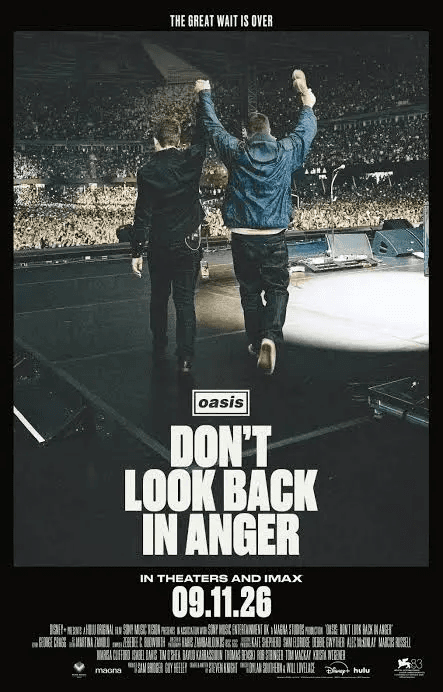
Oasis: Don’t Look Back in Anger: The film follows Liam and Noel Gallagher’s reunion tour and includes one of the brothers’ first joint interviews in more than 25 years.
More importantly, Alberto Barbera has confirmed that both are coming to the Lido.
We are now waiting to see what happens when the Gallagher brothers are placed in the same press conference amid some of the most tightly controlled PR machinery in the festival world.
Julia Loktev — My Undesirable Friends Part II – Exile: A 355-minute documentary following Russian journalists living in exile.
Yes, compared with Guadagnino, it is short.
Tsai Ming-liang — Dust: Lee Kang-sheng is there again. Some directors build their own conception of time over the course of a career simply by allowing the face of the same actor to grow older before their camera. Tsai is one of the most beautiful examples.
Lav Diaz — Makikiraan po: 151 minutes.
A short film by Lav Diaz standards.
Wim Wenders — From Inside Out – Architecture of Peter Zumthor: Wenders turns his gaze to the architecture of Peter Zumthor.
Three Major Controversies: Women, DAU and Gaza
The first is difficult to escape because the numbers speak for themselves.
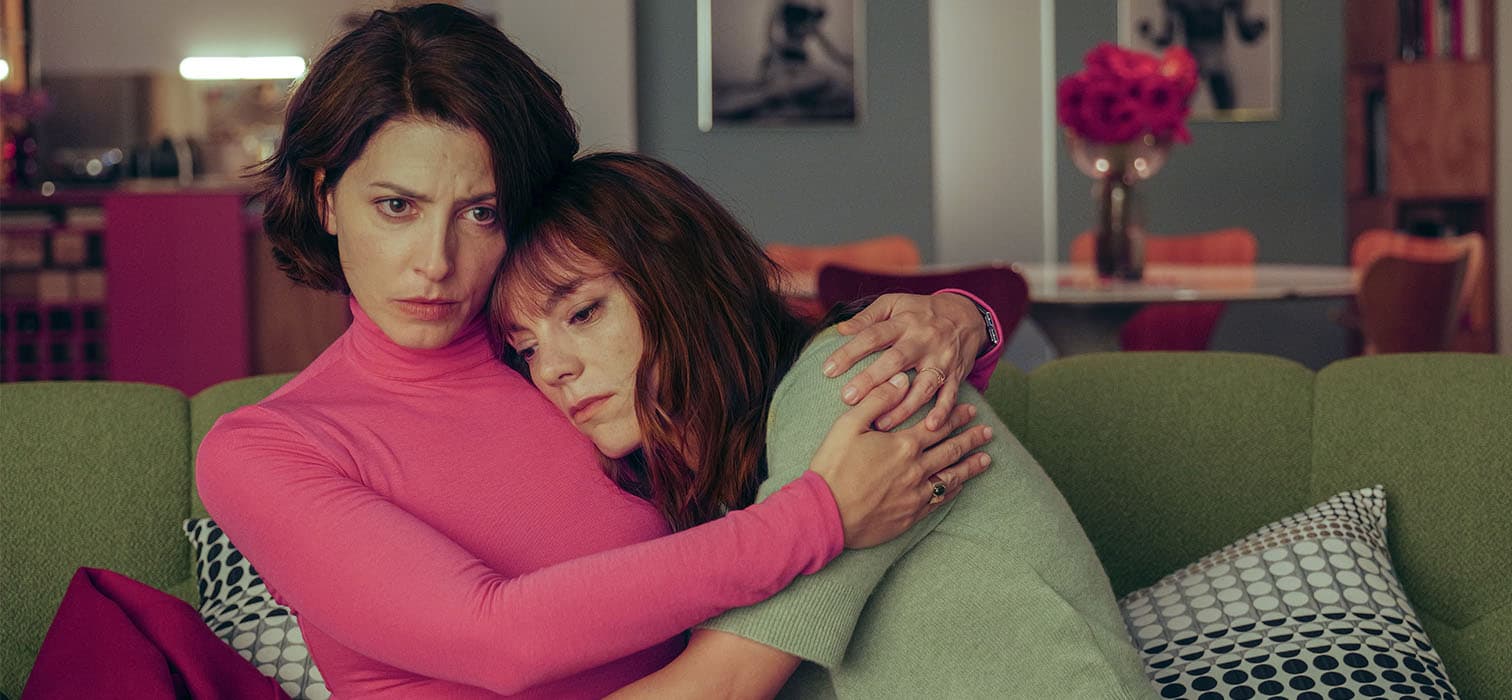
When the programme was first announced, only one of the 20 films in the main competition — May el-Toukhy’s Woman Unknown — was directed by a woman. Last year, there were six.
Barbera told The Hollywood Reporter that he was “desperate” over not being able to find more female directors, that fewer films by women had been submitted and that the quality of those he had seen was not sufficient for the main competition.
Yet the same festival managed to find eight female directors for Orizzonti.
Then things became slightly stranger.
When an Instagram user asked Barbera, “So who will defend the women in competition?”, the festival director replied: “It seems to me women are perfectly capable of defending themselves.”
Running a festival is sometimes an exercise in learning how not to answer the question.
This was not one of those times.
The late addition of NAZA, co-directed by Rachel Szor and Yuval Abraham, altered the arithmetic slightly. Two of the 21 films now have women directors attached to them. But Woman Unknown remains the only film in competition directed solely by a woman.
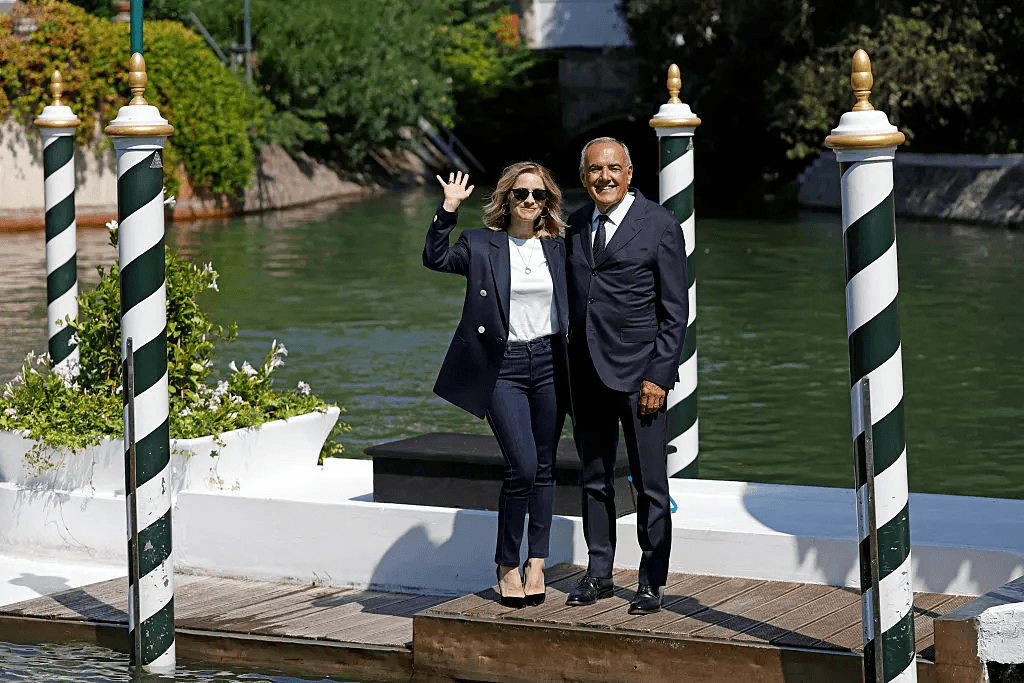
Greta Scarano and festival director Alberto Barbera (Credit: Benjamin Cremel/Getty Images)
The second issue is DAU.
Ukraine’s Ministry of Culture and Ministry of Foreign Affairs issued a joint statement objecting to the film’s inclusion in the main competition, questioning the project’s links to the Russian state and its networks of influence, and arguing that a cultural platform of this scale should investigate such connections with greater care.
The Biennale and Barbera reject the allegations.
Barbera says the film is not a Russian production, is not pro-Putin propaganda, is critical of totalitarian regimes, and that Khrzhanovsky is an opponent of Russia’s invasion of Ukraine. The director has also said that he received no financing from the Russian state and that the accusations against him misrepresent the project.
The third issue — and the one that could eclipse all the others once the festival begins — is Gaza.
A new appeal by Venice4Palestine, signed by more than 200 figures from cinema and culture, is asking the festival for more than statements of solidarity. Among its demands are the presence of the Palestinian flag on the Lido, greater transparency regarding ties to institutions connected with the Israeli government and the suspension of those relationships.
These are the collective’s demands; they are not policies that have been adopted by the Biennale.
Then NAZA was added to the main competition.
Then the main jury press conference was cancelled.
Then came the backlash, and the press conference was restored.
Before Venice has even opened its doors, it seems to have made its own film of the year:
How neutral can a festival really be?
Cartier as an Ambassador for Cinema
Cartier has been the Biennale’s cinema partner since 2021, and this year the Cartier Glory to the Filmmaker Award goes to Luca Guadagnino.
The award ceremony on September 8 will be followed by a screening of Joie de Vivre. Under the title “The Art and Craft of Cinema”, Cartier is also hosting masterclasses with Chloé Zhao and cinematographer Łukasz Żal, as well as a separate session with Guadagnino.
This has become something more than conventional logo-led sponsorship.
Cartier is positioning itself as a patron of the very idea of “craft” in cinema.
Seen from the watch world, it is a very familiar strategy.
High-Value Trivia
The sort of details that might come in handy over dinner:
Lee Chang-Dong – Possible Love
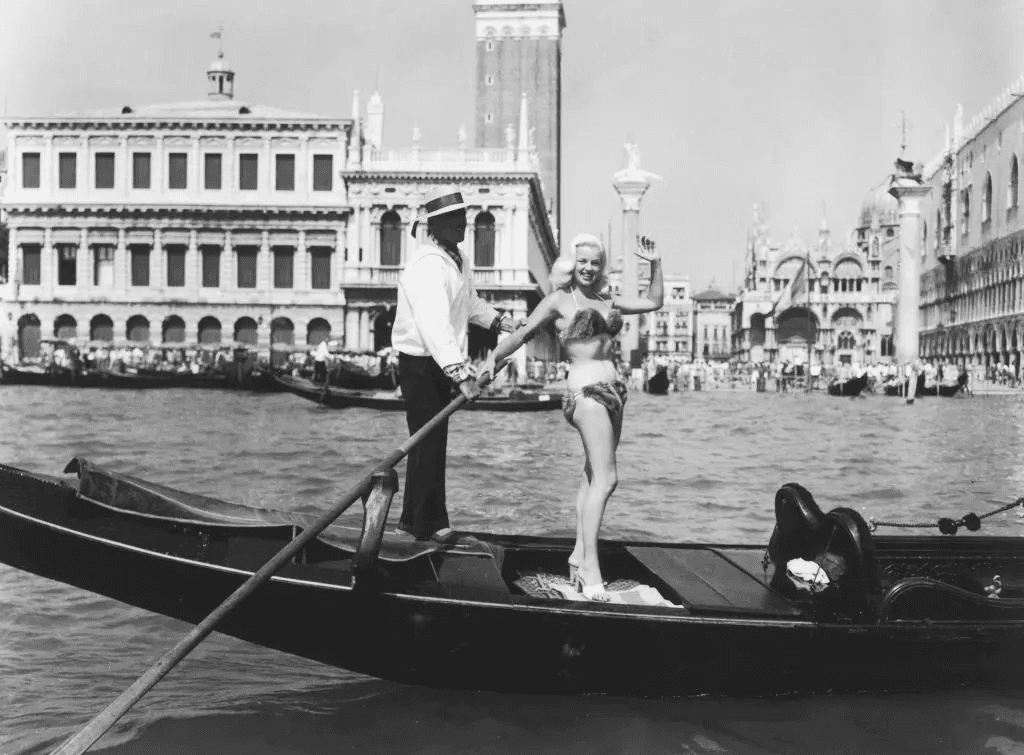
Venice is the world’s oldest film festival. The first edition took place in 1932. This year marks the 83rd.
Possible Love is Lee Chang-dong’s first film since Burning.
Bernardo Bertolucci’s name appears in the screenplay credits for The Echo Chamber.
Alex Gibney’s Musk runs for 225 minutes and includes an official 10-minute interval.
Julia Loktev’s My Undesirable Friends Part II – Exile runs for 355 minutes.
Luca Guadagnino’s Bertolucci documentary Joie de vivre is 435 minutes long. Seven hours and 15 minutes.
Saoirse Ronan is in Venice not only as an actor, but as the director and screenwriter of the 15-minute Paper Plane.
Liam and Noel Gallagher’s joint interview in the Oasis film is among their first together in more than 25 years, and Barbera has said both are expected to attend Venice.
Laura Dern will present George Clooney with his Golden Lion. Last year, the two shared the Venice red carpet for Noah Baumbach’s Jay Kelly.
Saatolog Yıllık Saat Dergisi Saatolog’un yeni sayısı, 2020’nin yarattığı bu dönüştürücü etkiden ilham alarak hazırlandı. Dünya dijitalin etkisiyle her zamankinden de hızlı bir şekilde ilerlerken yavaşlamanın da önemini sonunda kavramış bulunuyoruz ve bu tezatlık hayatlarımızın her anına etki ediyor. Biz de bundan yola çıkarak Saatolog 2020/21 sayısını ‘‘hızlı ve yavaş’’ teması altında hazırladık.