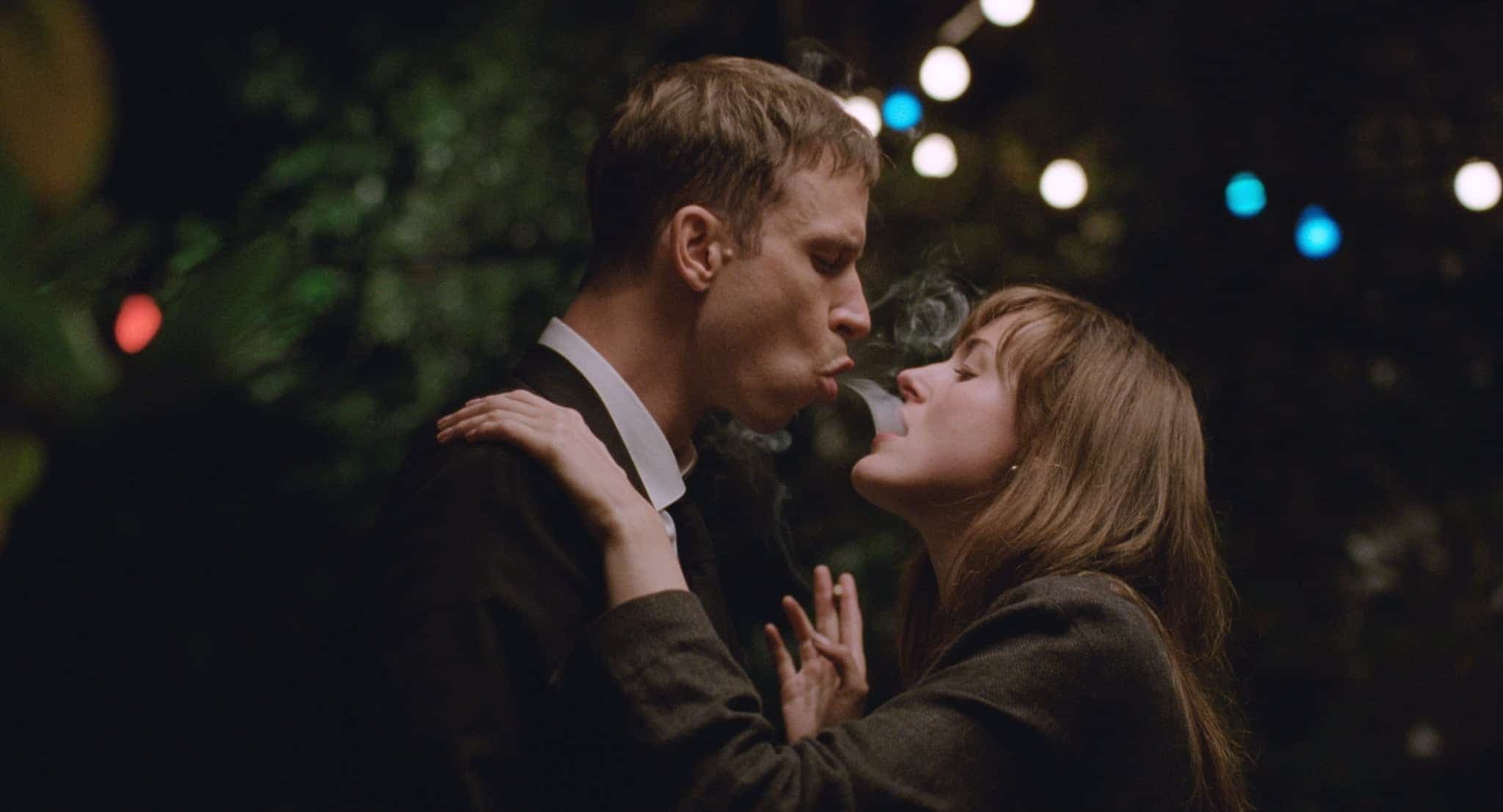
The Worst Person in the World, the last film of Joachim Trier’s Oslo Trilogy, has been one of the most critically acclaimed films of recent times since it premiered at Cannes last year. We take a closer look at The Worst Person in the World, which is currently being screened on MUBI.
A young woman secluded from people at a crowded party and smoking alone on the balcony (I don’t know why; this sentence reminds me of the lines “Rainy young woman crying on a distant phone.”) this is how Joachim Trier’s The World’s Worst Person‘s first scene was opened. Could a woman smoking alone on a balcony overlooking the streets of Oslo, far away from the crowds, be the worst person in the world? Consisting of a prologue and an epilogue, the 12-part film progresses the story of a young woman trying to discover herself and life, chasing her desires, by occasionally asking this young woman whether she is “the worst person in the world”. Trier describes The World’s Worst Person as “a movie about love and finding meaning in love today”. Another attribution is the story of adults who still feel immature.
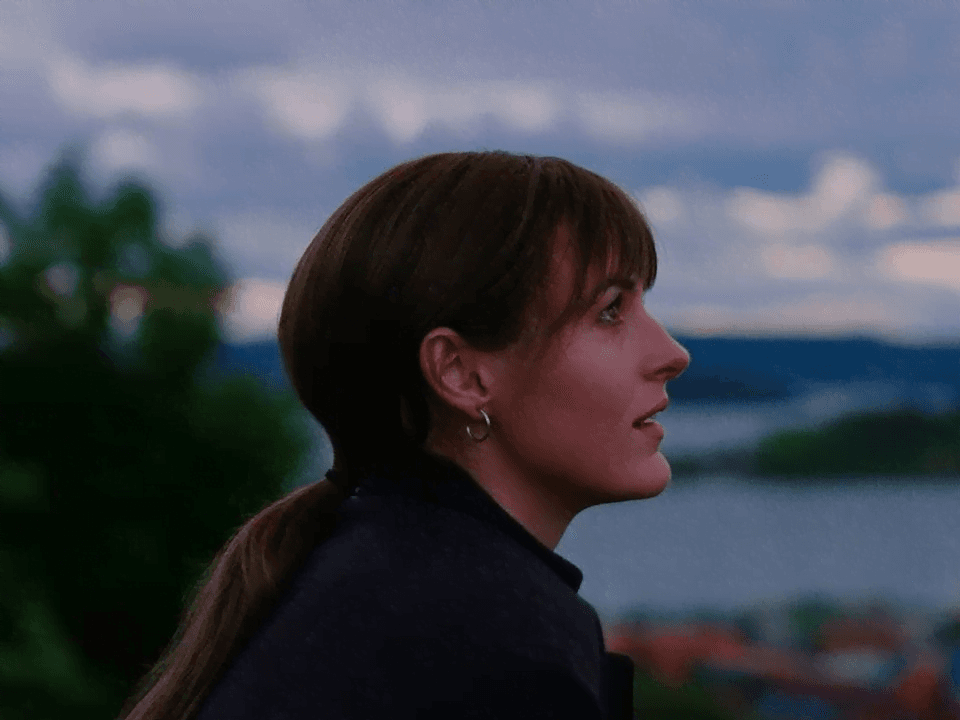
As in his previous films, the Danish director also wrote the script for The Worst Person in the World with Eskil Vogt. The film centers on Julie, a young woman in her early 20s studying at medical school. We watch Julie, who we see thoughtfully smoking a cigarette in the opening scene, away from everyone at the party she is at, with the flashback scenes that follow in the movie, with her indecision about which profession she wants to pursue. She leaves medical school and says she wants to “touch people’s souls, not their bodies”, Julie trains for a while to become a psychologist. Discovering that she does not want to be a psychologist, the young woman finally decides that she wants to be a photographer. Julie’s story opens by focusing on what she wants to discover in life, until she meets the famous cartoonist Aksel.