9 Feng Shui Steps to Transform the Energy of Your Home
Bring serenity and harmony back into your living space with these 9 Feng Shui steps to transform the energy of your home.
You may want to bring Feng Shui into your home but feel unsure where to begin. There’s no need to feel overwhelmed by questions like which room to start with, whether you should redecorate, or what to avoid altogether. The core principles of Feng Shui can guide you on a fulfilling journey toward a happier, more vibrant home.
9 Feng Shui Steps to Transform the Energy of Your Home
WHAT IS FENG SHUI?
Feng Shui is an ancient Chinese practice designed to harmonize the energy between you and your surroundings. The name itself means “wind” and “water,” two powerful, ever-moving forces of nature. In this philosophy, everything in your home carries energy—from where you place your furniture to the colors on your walls. It is rooted in five essential elements: fire, earth, water, metal, and wood. Each is connected to specific colors, shapes, and arrangements within your space. The ultimate aim is to create an environment that promotes peace, balance, and well-being.
SIX KEY FOCUS AREAS
Feng Shui considers every element not only in relation to its position but also to the other elements around it. While the philosophy’s guidelines touch on materials, layout, colors, and more, six themes form its foundation:
- The entrance door
- Natural materials
- Removing obstacles
- Plants
- A balanced color palette
- The dominant position
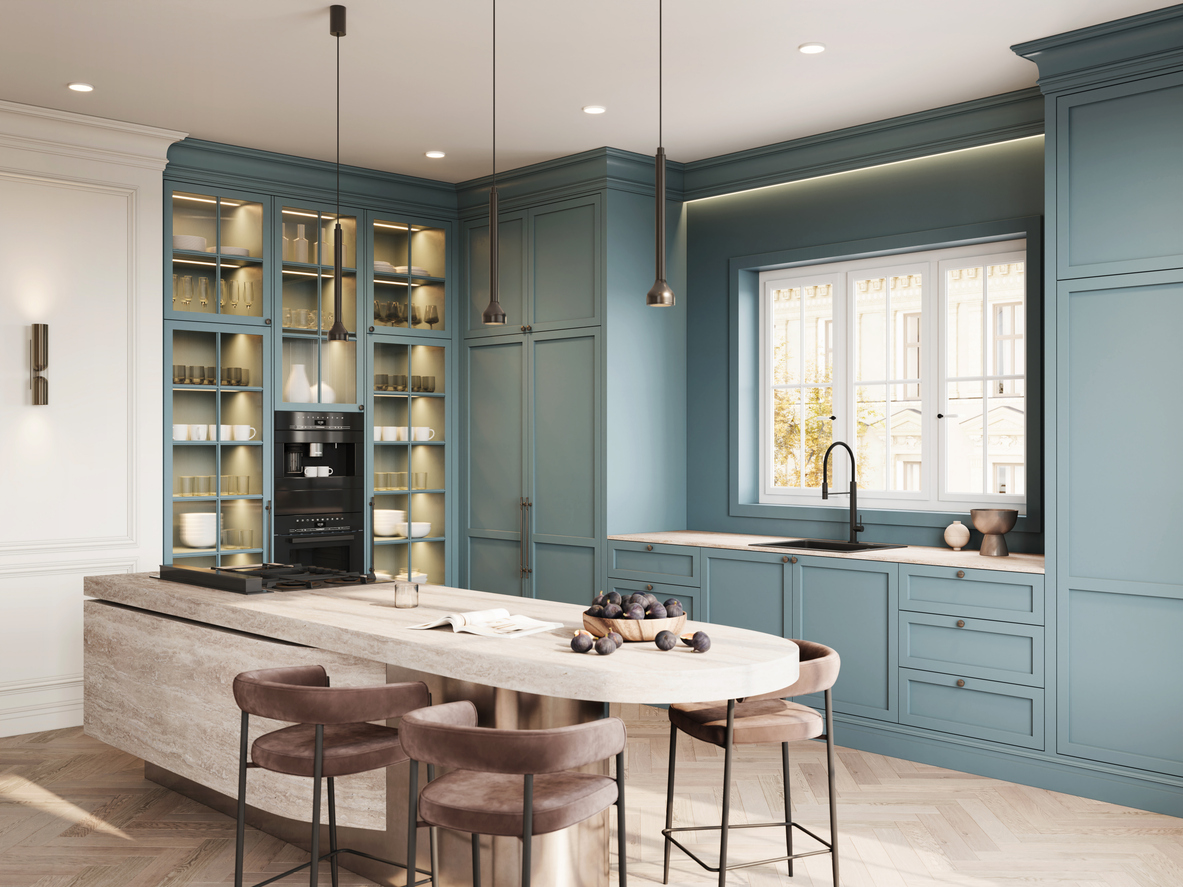
KEY AREA: YOUR HOME’S ENTRANCE
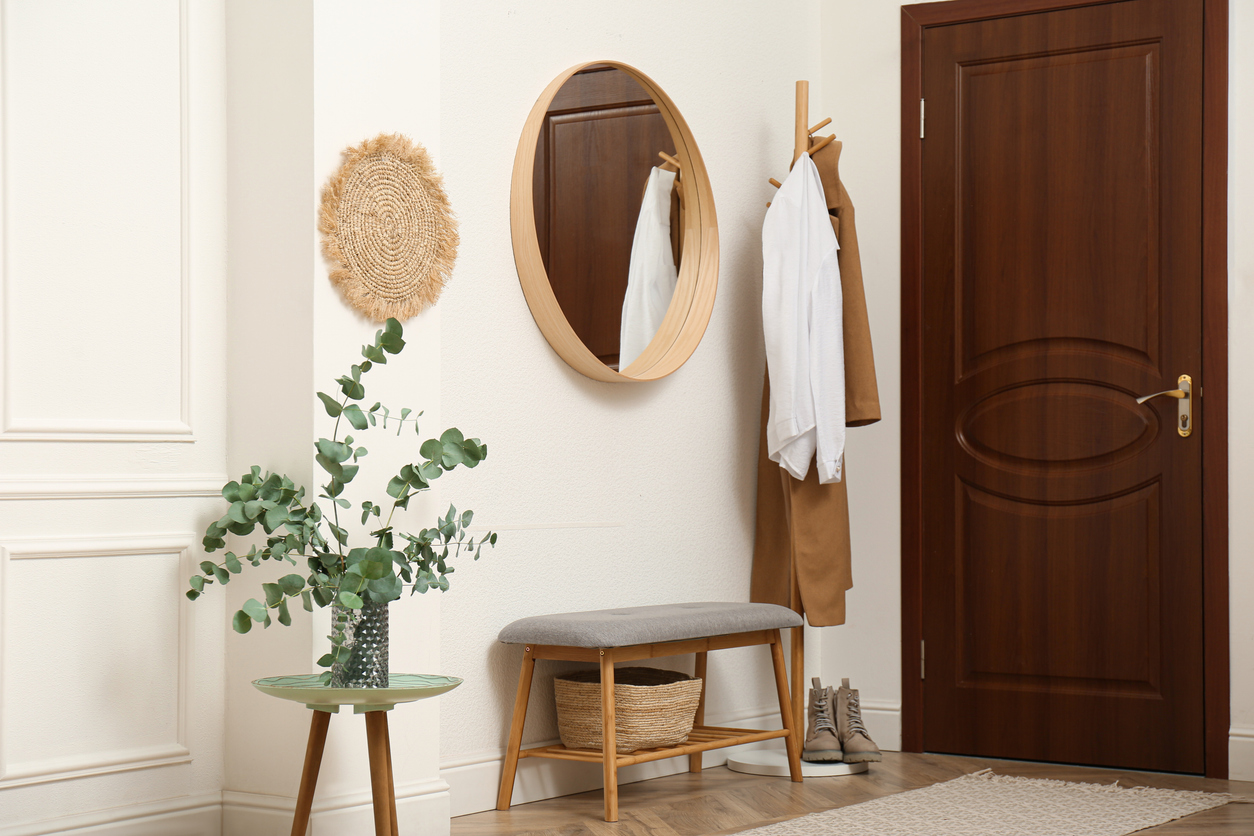
In Feng Shui, the entrance is more than just a doorway—it is the channel through which energy flows into your life. Often called the “mouth of chi,” this is where you should begin when creating good Feng Shui. Because entrances tend to collect clutter, the first step is to organize this space. It doesn’t need to be bare, but everything should have a clear purpose and place. Regularly sweep and clean the area, wipe down the front door (inside and out), and shake out the doormat. You can enhance its appeal by adding or removing decorative elements.
Remember: clearing the entrance allows incoming energy to settle and circulate, while blockages disrupt the flow. A well-lit entrance is essential. Along with an overhead light, consider adding lamps or wall sconces if space permits to make the space feel warm and inviting.
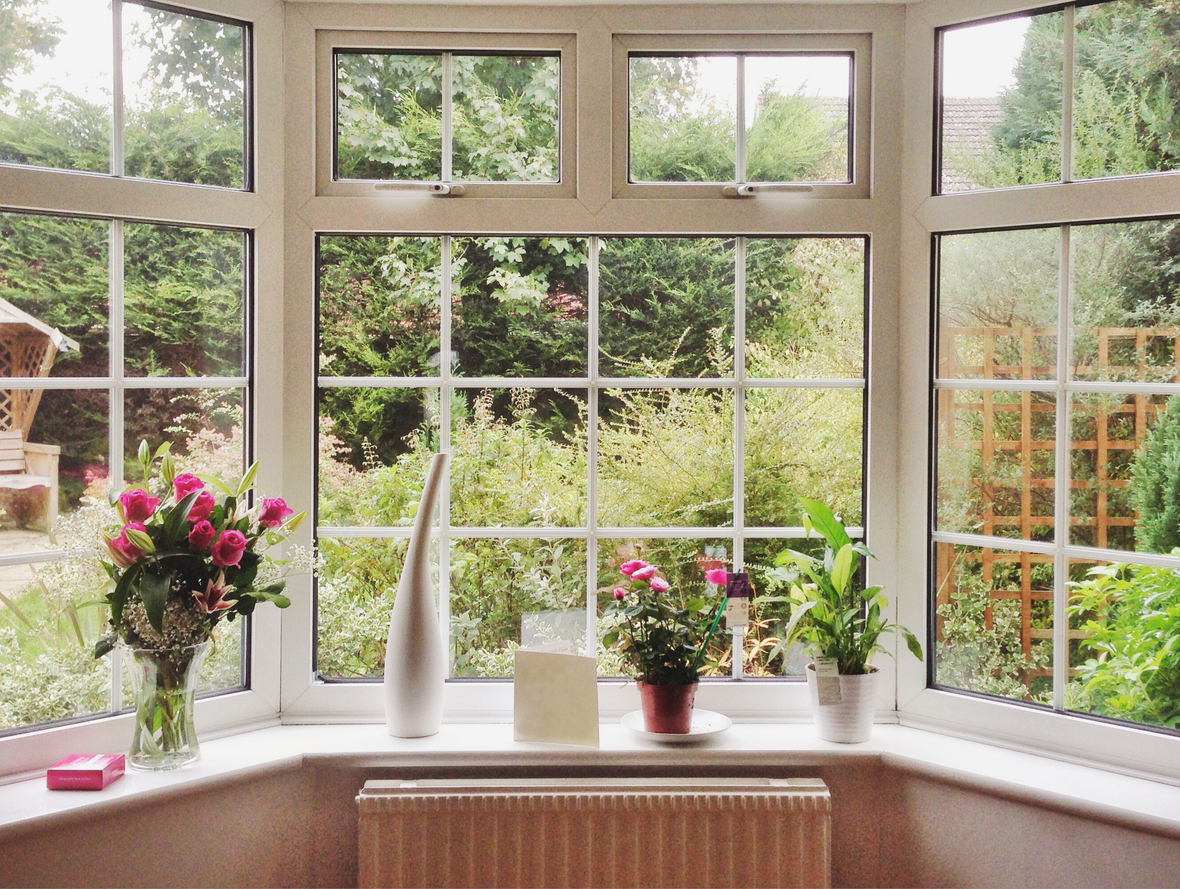
THE SYMBOLISM OF DOORS AND WINDOWS
In Feng Shui, windows are said to be the “eyes” of the adults in the home and the “voices” of the children. Keeping them clean encourages clarity, vitality, and more natural light. For a natural cleaning solution, try mixing white vinegar, water, and a gentle eco-friendly cleaner. Doors, on the other hand, symbolize your voice, communication, and the opportunities entering your life. To encourage these, ensure that each door opens at least 90 degrees; if objects block a door, you may be limiting your life’s opportunities. Also, keep doors in good condition—hinges strong, handles secure, and movement smooth—as these details influence how easily energy reaches you.
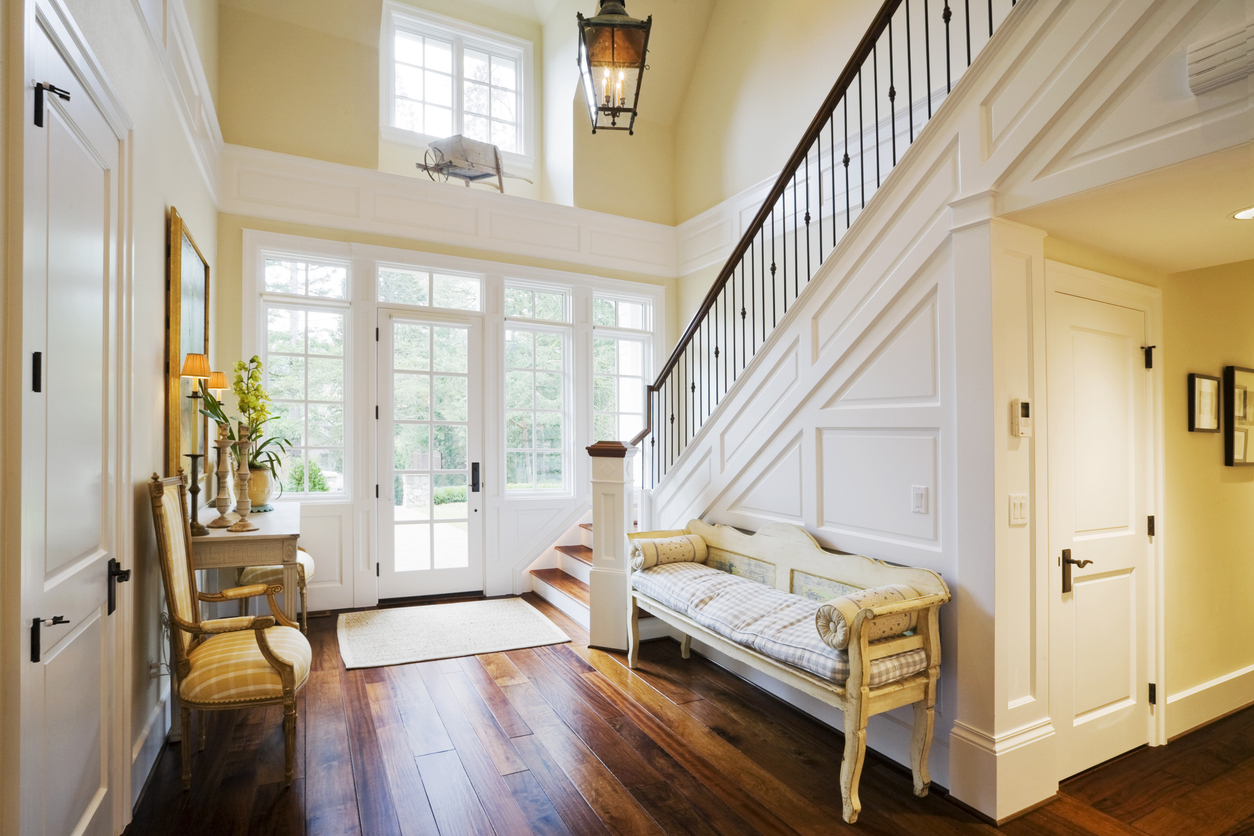
REMOVE OBSTACLES
Think about your daily movements at home—this is your Feng Shui in action. Notice the routes you take when waking up, heading to the bathroom, or leaving the house. Over time, it’s easy to stop noticing physical obstacles: a flickering light, a jammed door handle, a messy hallway, or a closet crammed with clothes you no longer wear. These small disruptions can accumulate and create stagnant energy. The first step is awareness; the second is removing one obstacle at a time. Each time you let go of something, you make space for fresh energy and new opportunities. And if clutter returns, don’t feel discouraged—energy naturally ebbs and flows. What matters is staying open to renewal.
RENEW YOUR LIFE ENERGY WITH PLANTS
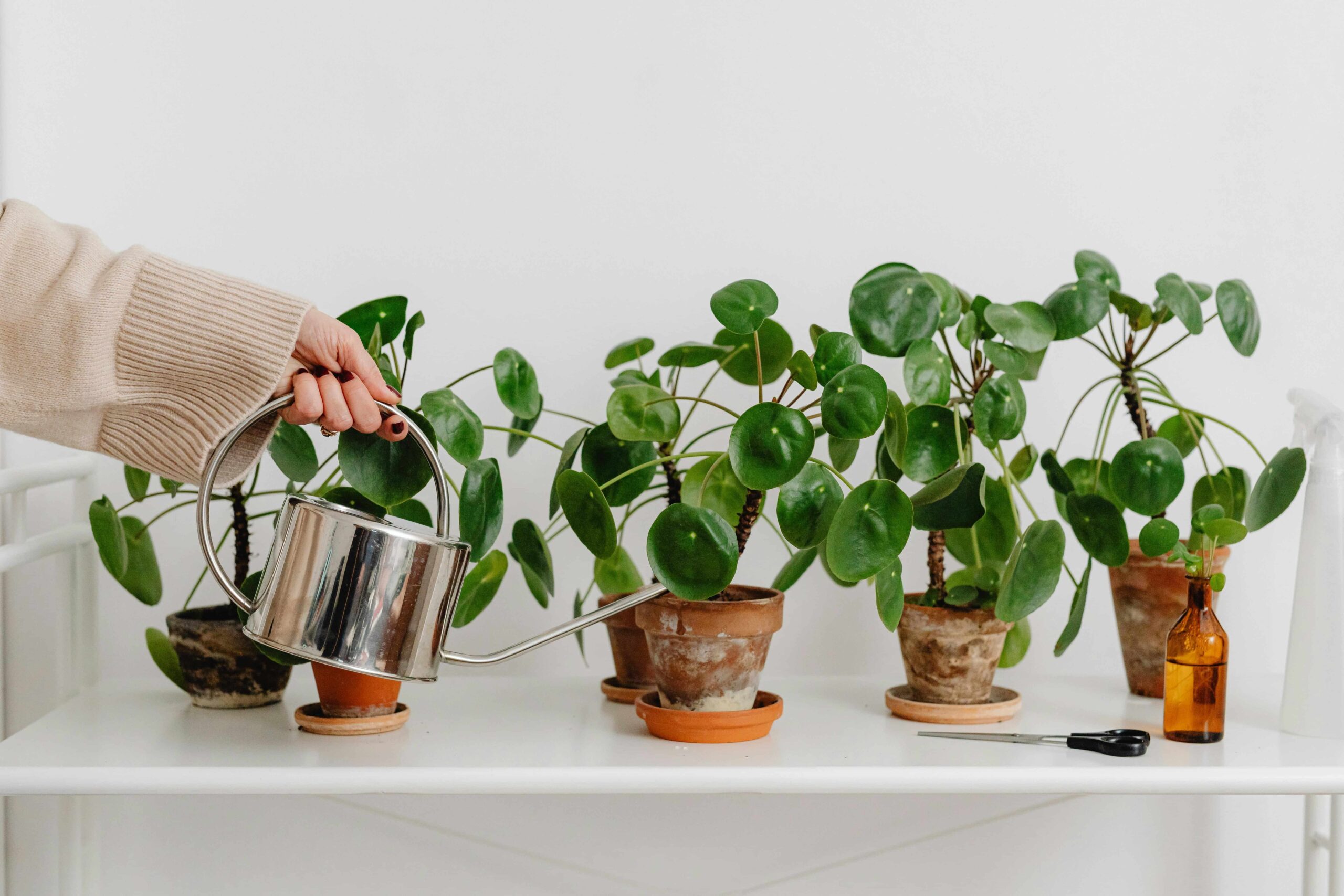
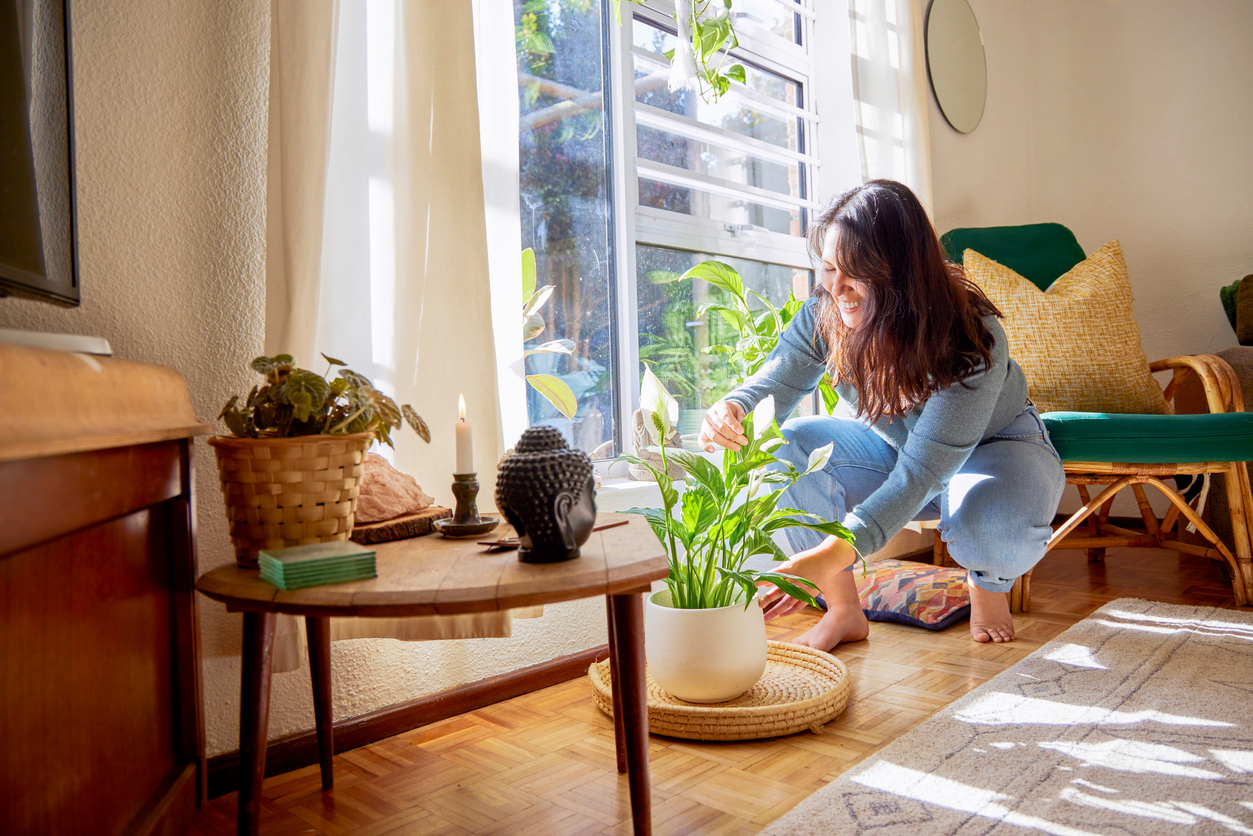
In Feng Shui, plants embody life force and vitality. Choose plants you can care for and that suit your space’s light conditions. If you’re new to plant care, start with hardy varieties such as pothos, sword fern, aloe vera, or peace lily.
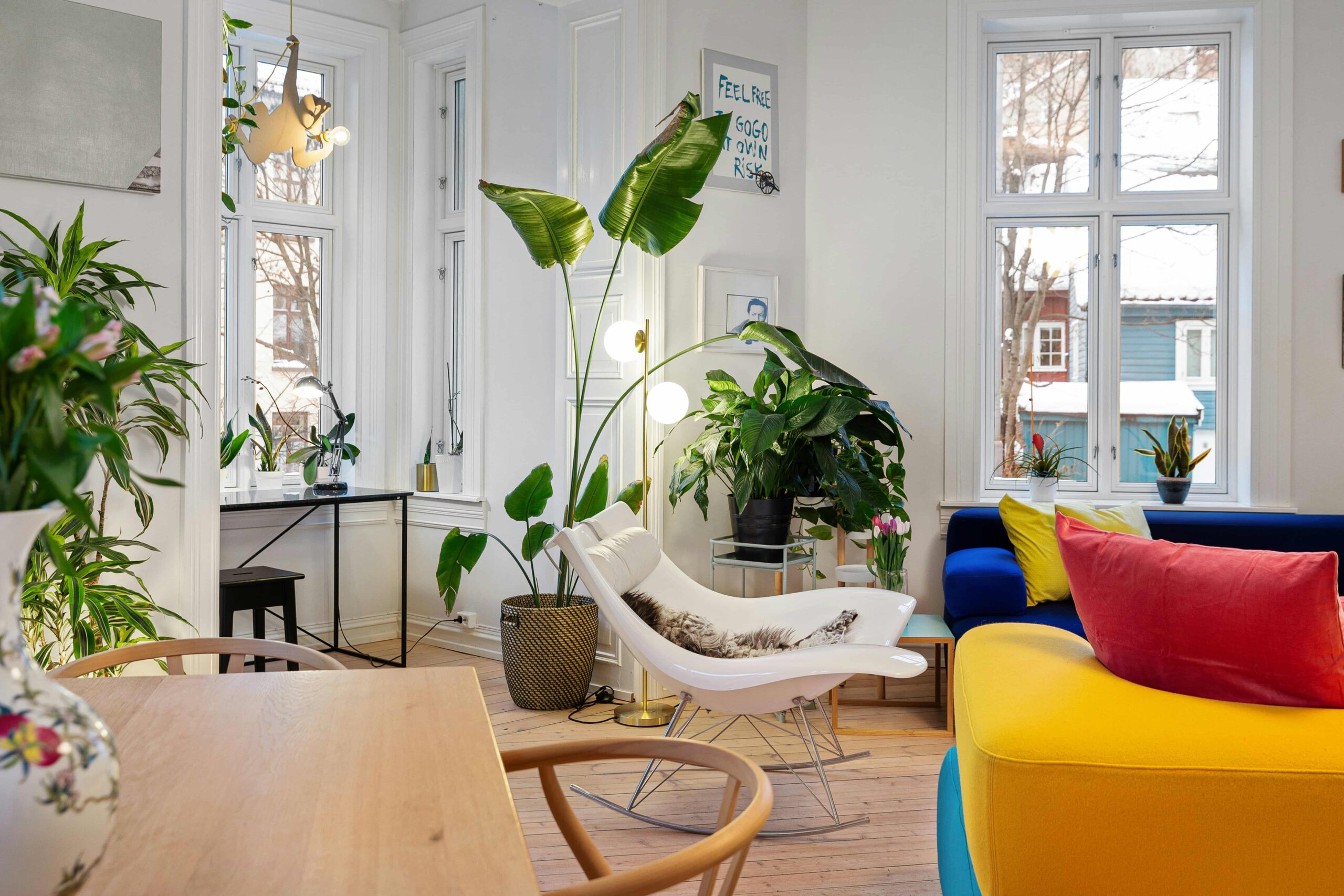
THE POWER OF PLACEMENT
The “dominant position” in a room is the spot farthest from the door with the clearest view of the entrance. This is where you should place the most important furniture, like the sofa in the living room or the bed in the bedroom. In Feng Shui, the bed represents you, the desk your career, and the stove your wealth. Position yourself so you can see the door without being directly in line with it—perhaps diagonally or from a corner. This arrangement reduces vulnerability and enhances the flow of positive energy.
BALANCE IN THE LIVING ROOM
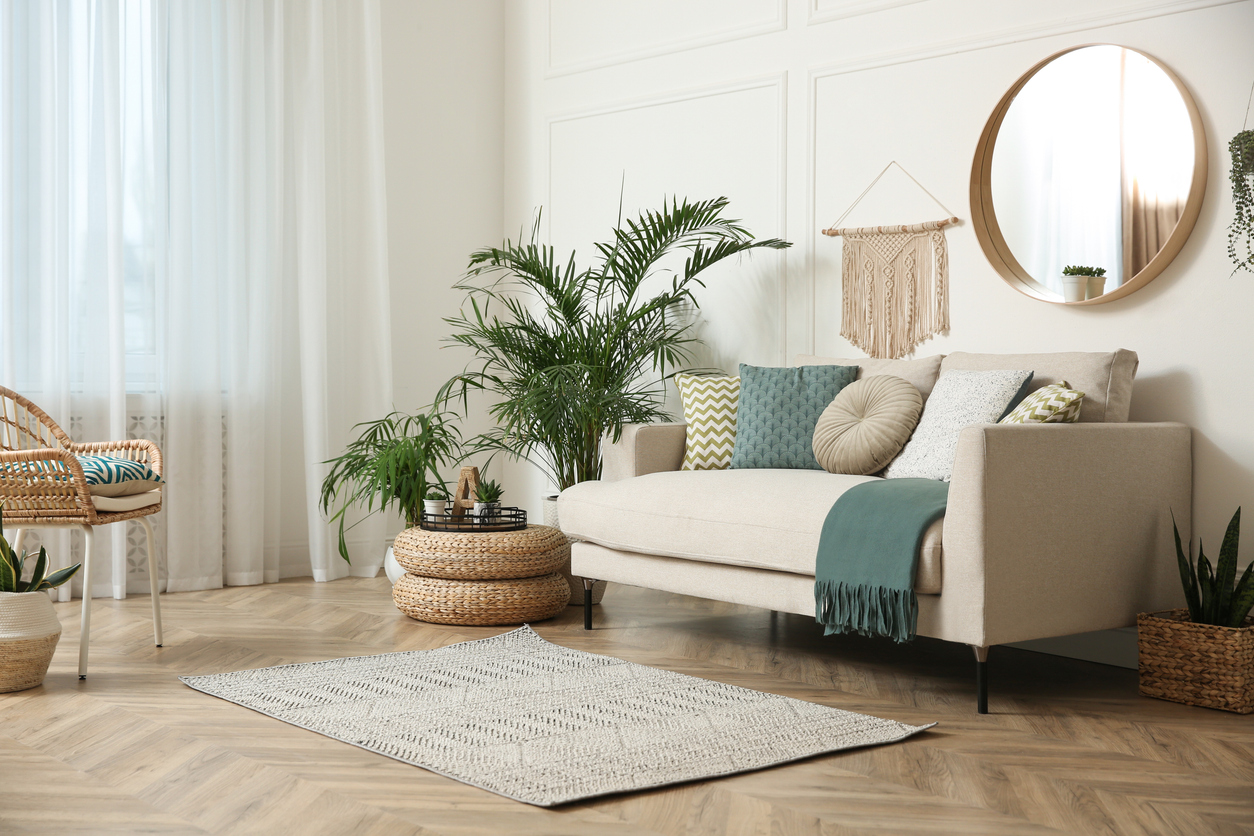
The living room serves as the social heart of the home—a space where family and friends gather, connect, and share moments. In Feng Shui, there are no strict limits to the color palette you can choose, but harmony is essential. As long as the shades complement each other and all five elements are represented through color, a sense of equilibrium can be achieved. Ideally, the living room should be rectangular or square in shape, as these forms promote stability and balance. The sofa, placed in a dominant position, should have a gentle curve or rounded edges and be positioned with its back supported by a wall, offering both comfort and a sense of security.
It is worth emphasizing once more the important role plants play in this area, as they bring vitality and fresh energy into the space. Mirrors also hold special significance in Feng Shui. Placed thoughtfully, they can reflect beauty back into the room, whether that’s a piece of art that uplifts you or a window framing a view you cherish. Choosing round mirrors is especially beneficial, as their shape symbolizes wholeness and unity.
BEDROOM LAYOUT SUGGESTIONS
In Feng Shui, the bedroom is a sanctuary for rest and renewal, and its placement is key. The ideal location is as far from the front door and the street as possible, shielding the space from noise and outside distractions. This arrangement aligns with both the philosophy and common sense, ensuring deeper relaxation.
Within the room, the bed should be positioned diagonally across from the door, allowing a clear view of the entrance without being directly in line with it. The headboard should face the morning sun, welcoming uplifting energy at the start of the day. Bedside tables are best when they have soft, curved forms and—most importantly—are perfectly symmetrical on either side of the bed, reinforcing balance.
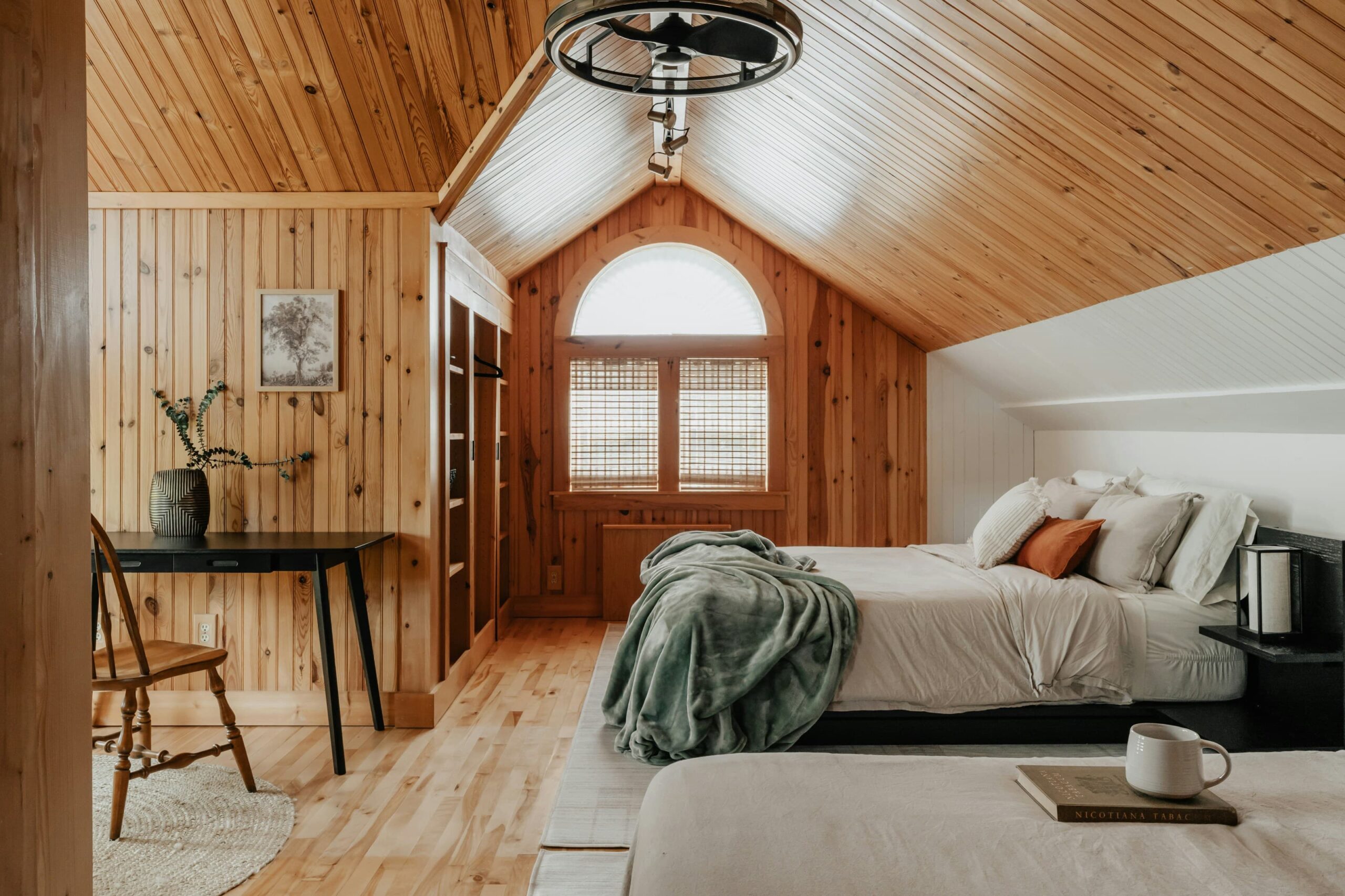
As for color, Feng Shui favors white, green, yellow, or black for bedrooms, each carrying a specific meaning: green for nature and growth, white for luck, yellow for revitalization, and black for restfulness. While mirrors are considered valuable in this philosophy, their placement in bedrooms must be handled carefully. It is best to avoid placing a mirror directly opposite the bed or door. Instead, position it vertically beside the bed or on a wardrobe, ensuring it supports rather than disrupts the energy of the space.
ELEMENTS TAKE CENTER STAGE IN THE KITCHEN
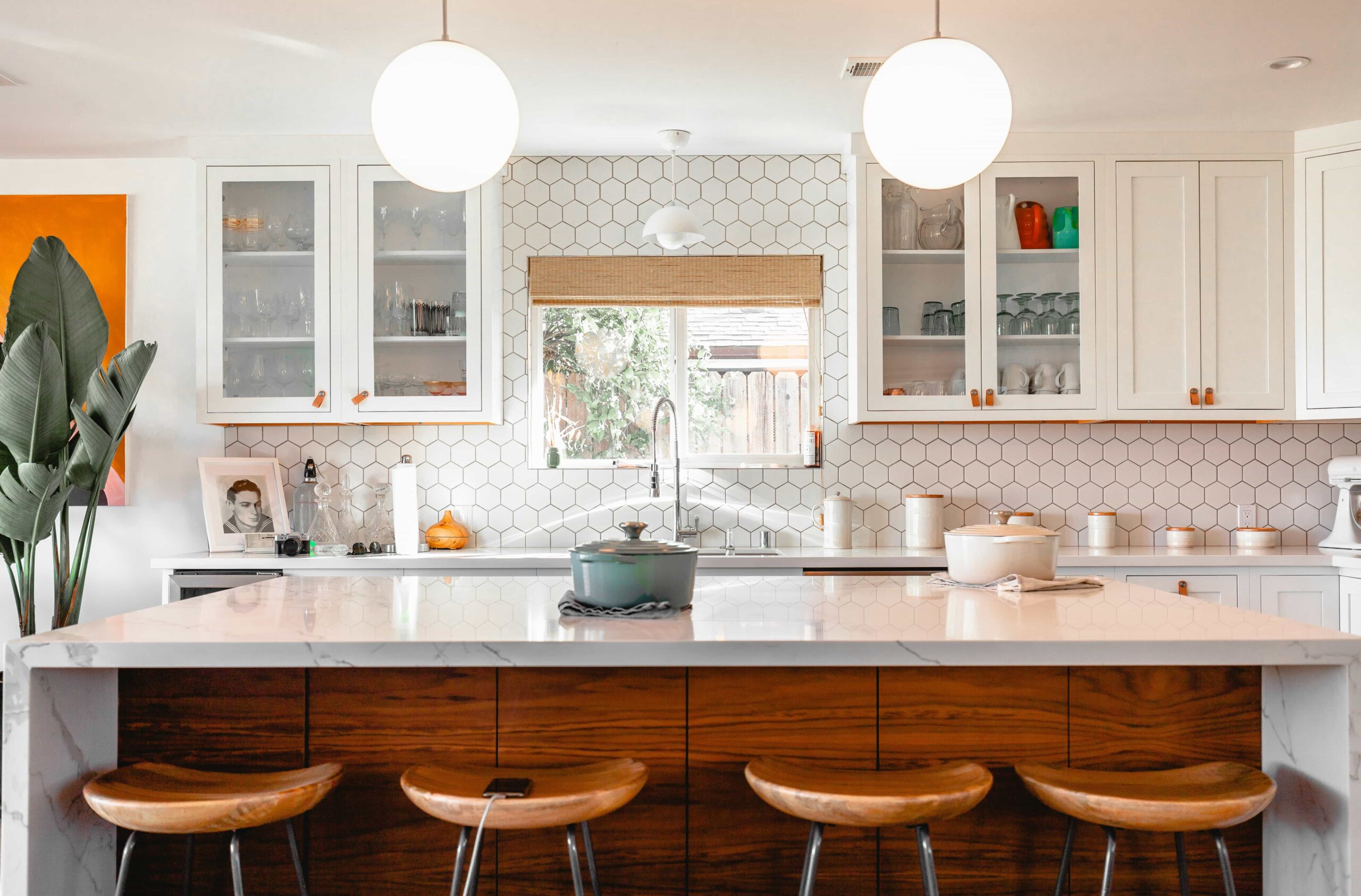
The kitchen, in Feng Shui, is a place where nourishment and energy merge, and its layout directly influences the household’s vitality. The most favorable design is rectangular in shape and oriented toward the south, where light is abundant. Natural light and good visibility are essential for food preparation, enhancing both the atmosphere and the cooking experience.
Furniture and appliance placement should respect the harmony of the five elements. For example, the oven (symbolizing fire) and the dishwasher (symbolizing water) should never be placed side by side, as this creates an elemental conflict. When it comes to color, lighter shades are preferred because they reflect light, brighten the space, and align with the active, uplifting energy of yang.
MATERIAL SELECTION IN THE BATHROOM
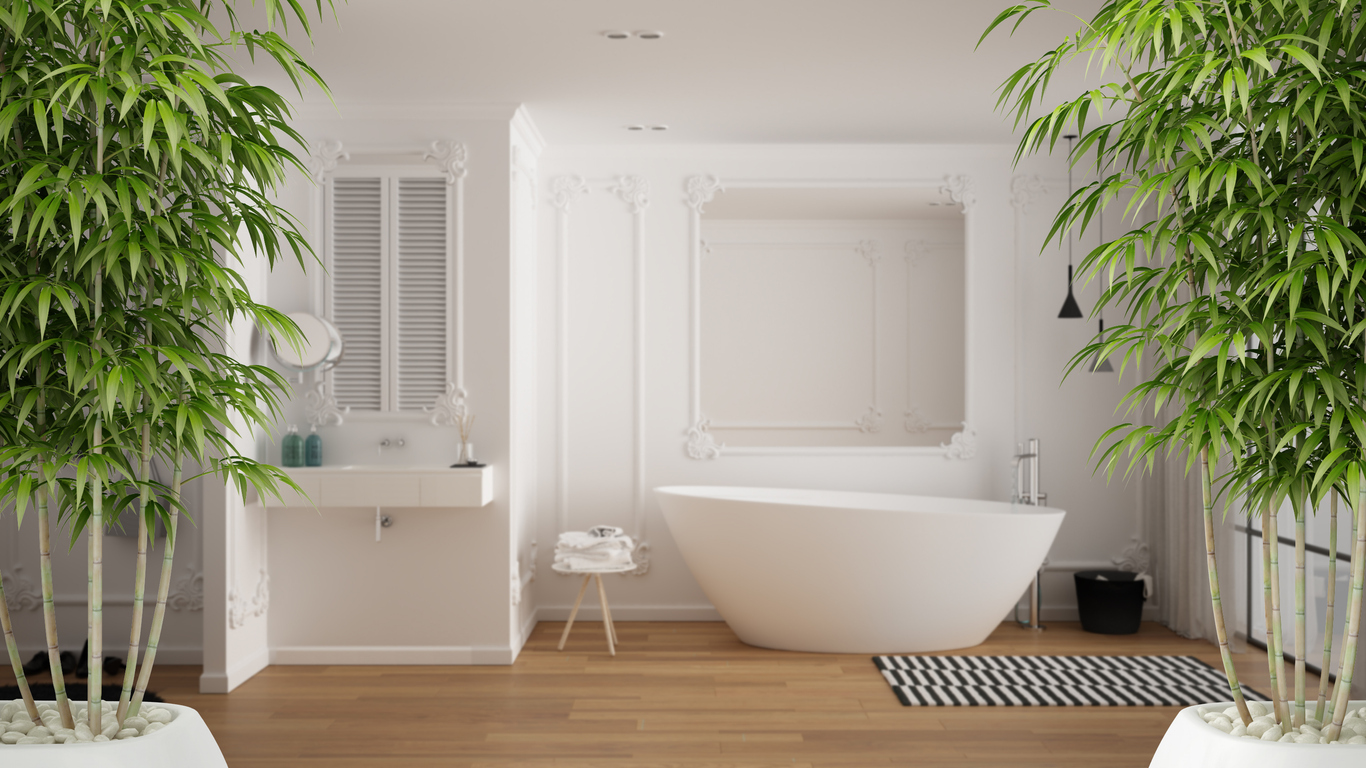
The bathroom is one of the most intimate spaces in the home—a retreat for physical care and mental relaxation. In Feng Shui, it is best located away from the entrance and the kitchen, ideally in the northern section of the house. This is because the bathroom is associated with the water element, while the kitchen is linked to fire, and keeping them apart preserves elemental balance.
For bathroom design, curved and rounded shapes are encouraged, as they mirror the natural movement of flowing water. The use of natural materials such as wood and stone adds warmth and grounding energy, creating a tranquil space that supports both rejuvenation and harmony.
6 Secrets of the Scandinavian Art of Living