A new wine culture is gaining ground—one in which naturalness is not only experienced in the vineyard but also tasted in the glass. Doğuhan Atış delves into the rising natural wine movement.
If you are even slightly familiar with wine, you’ve likely noticed that the “natural wine” movement has become a major talking point, reshaping the global wine world in recent years. Even if you simply enjoy drinking wine without following developments closely, you will soon encounter the concept of “natural wine.” This movement, which has swept across the world’s major wine-producing regions, has cultivated its own distinct culture. Today, a new generation of wine lovers expresses its identity through natural wine. It has become fashionable to visit wine bars that exclusively serve “natural wine.” In many ways, this trend represents a rebellion against the long-established norms of the wine industry. In this article, I will explore the concept of “natural wine” not merely as a technical term, but as a reflection of the broader cultural transformation it has inspired.
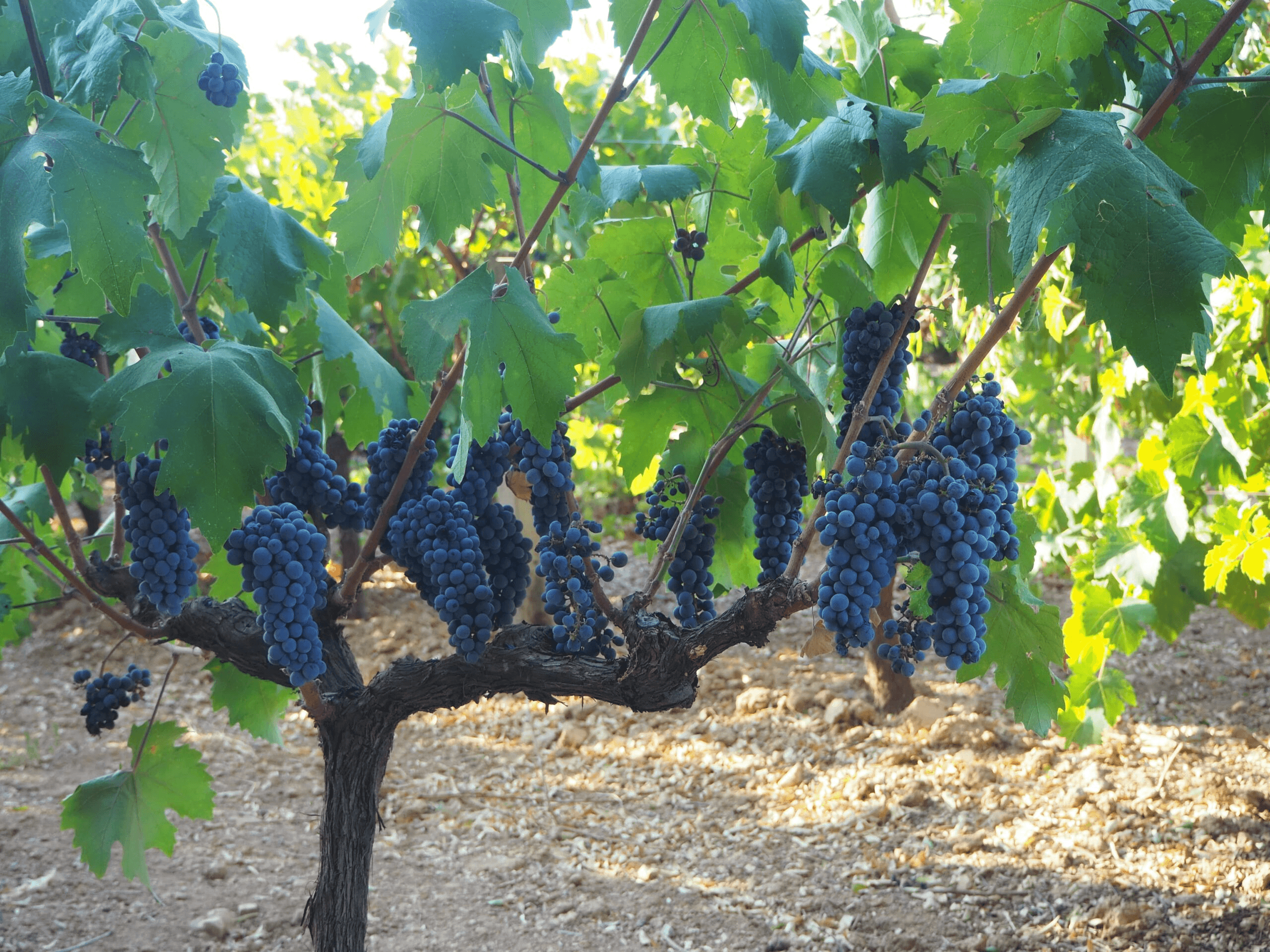
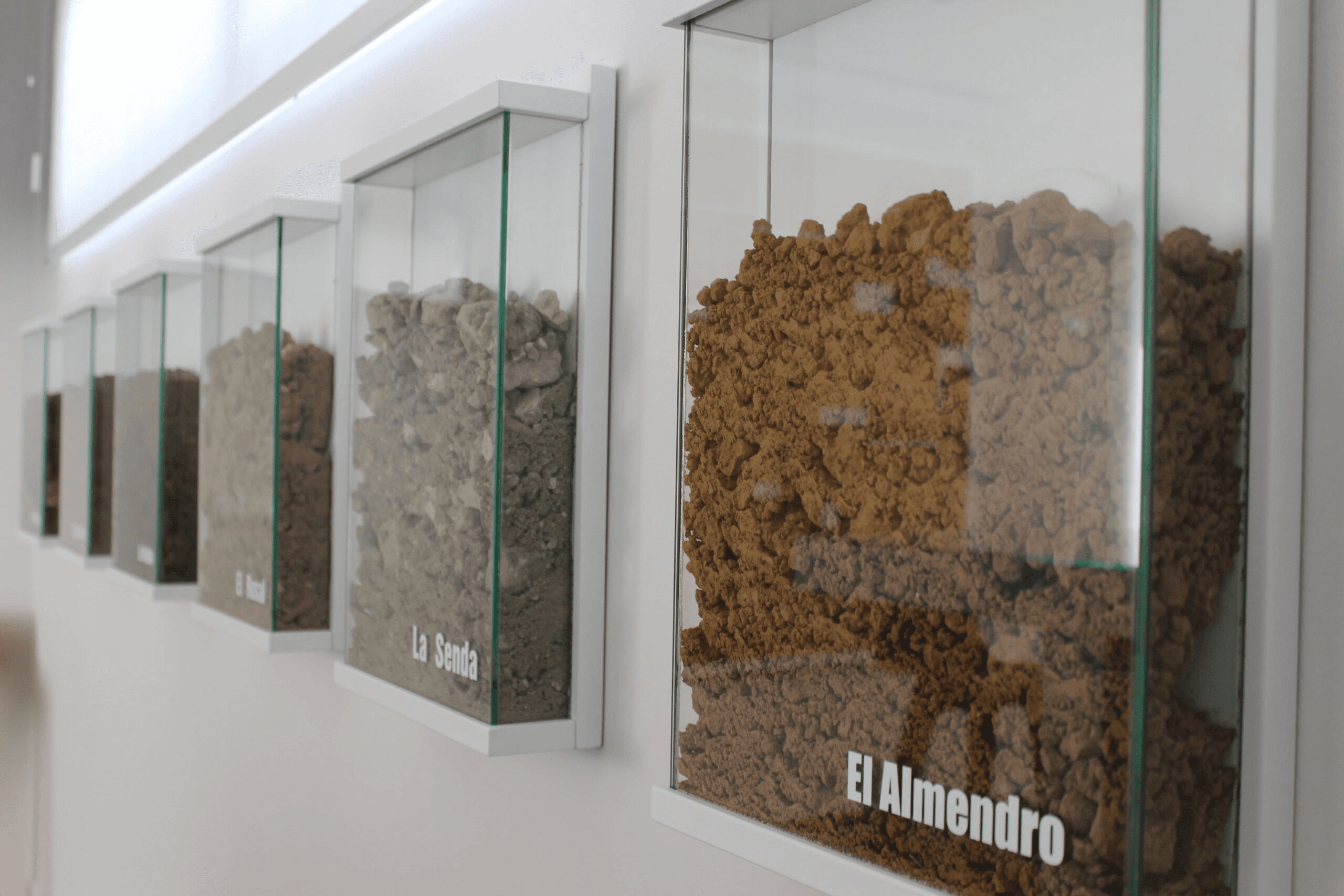
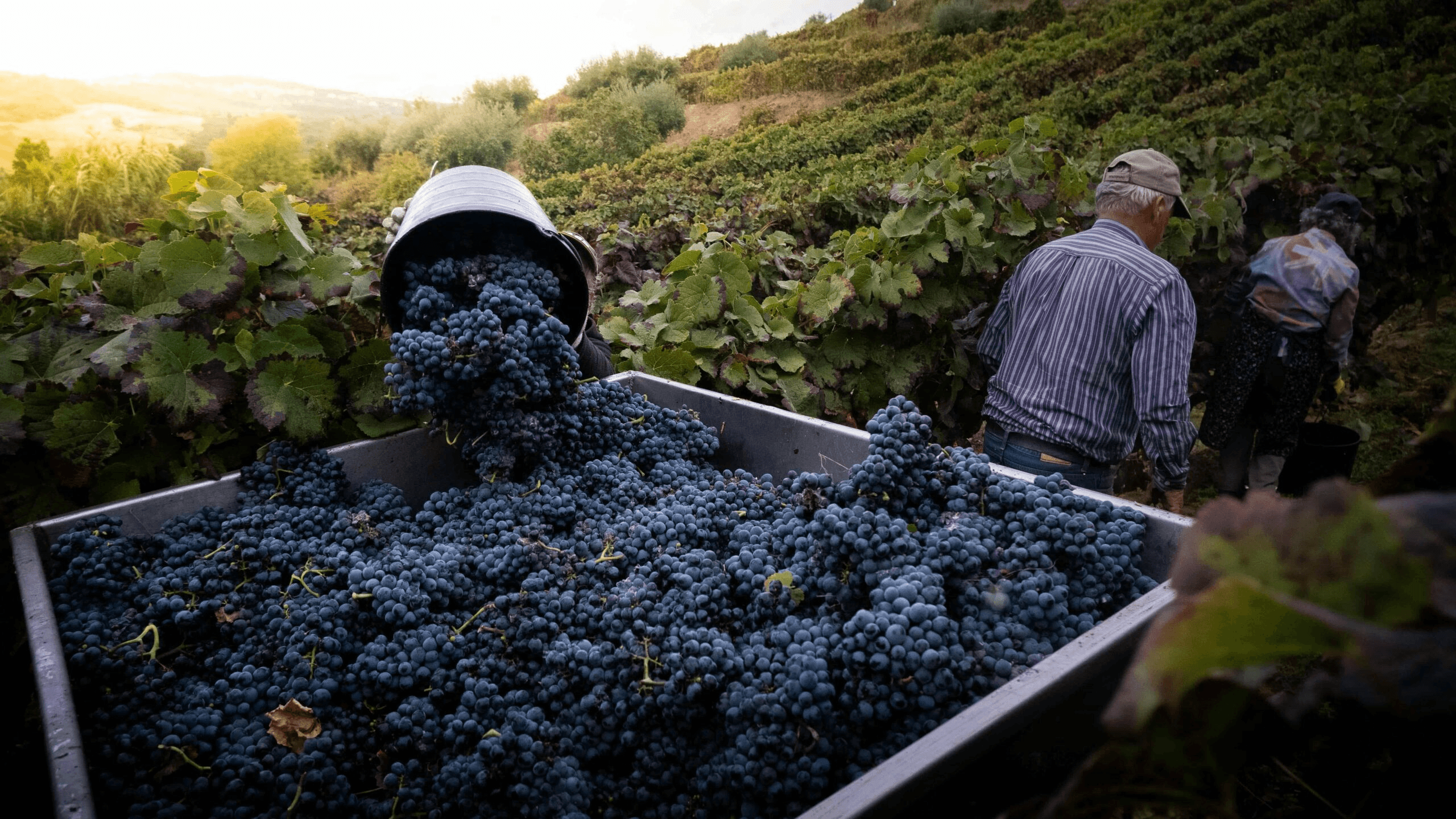
What comes to mind when you hear “natural wine”? Perhaps you wonder, “What exactly is non-natural wine?” In the simplest terms, natural wine can be defined as a production approach in which nothing is added to or removed from the wine during the winemaking process. Several characteristics set wine apart from other beverages. The grapes used in winemaking are gifts of nature, and the skilled hands that transform them into wine are not mere intermediaries but artists who imbue the wine with personality. The unique combination of natural and human elements that shapes a wine’s identity—everything that makes it distinctive—is what we call “terroir.”
Those who craft wine should take the grape and imagine what it can become without forcing or manipulating it. In the winemaker’s hands, the grape and nature should be free to express themselves, reflecting their terroir authentically. This is the essence of the natural wine philosophy. In fact, many believe that truly honest winemaking is only possible through these principles—by adhering to all or part of the natural wine approach. Yet, if one views wine merely as a “commodity,” seeking to mold it to market expectations or manipulate its profile, the result stems from an entirely different philosophy. These approaches should not be judged as superior or inferior; rather, they serve different purposes and appeal to different audiences. The wine world accommodates multiple perspectives that respond to diverse tastes and needs.
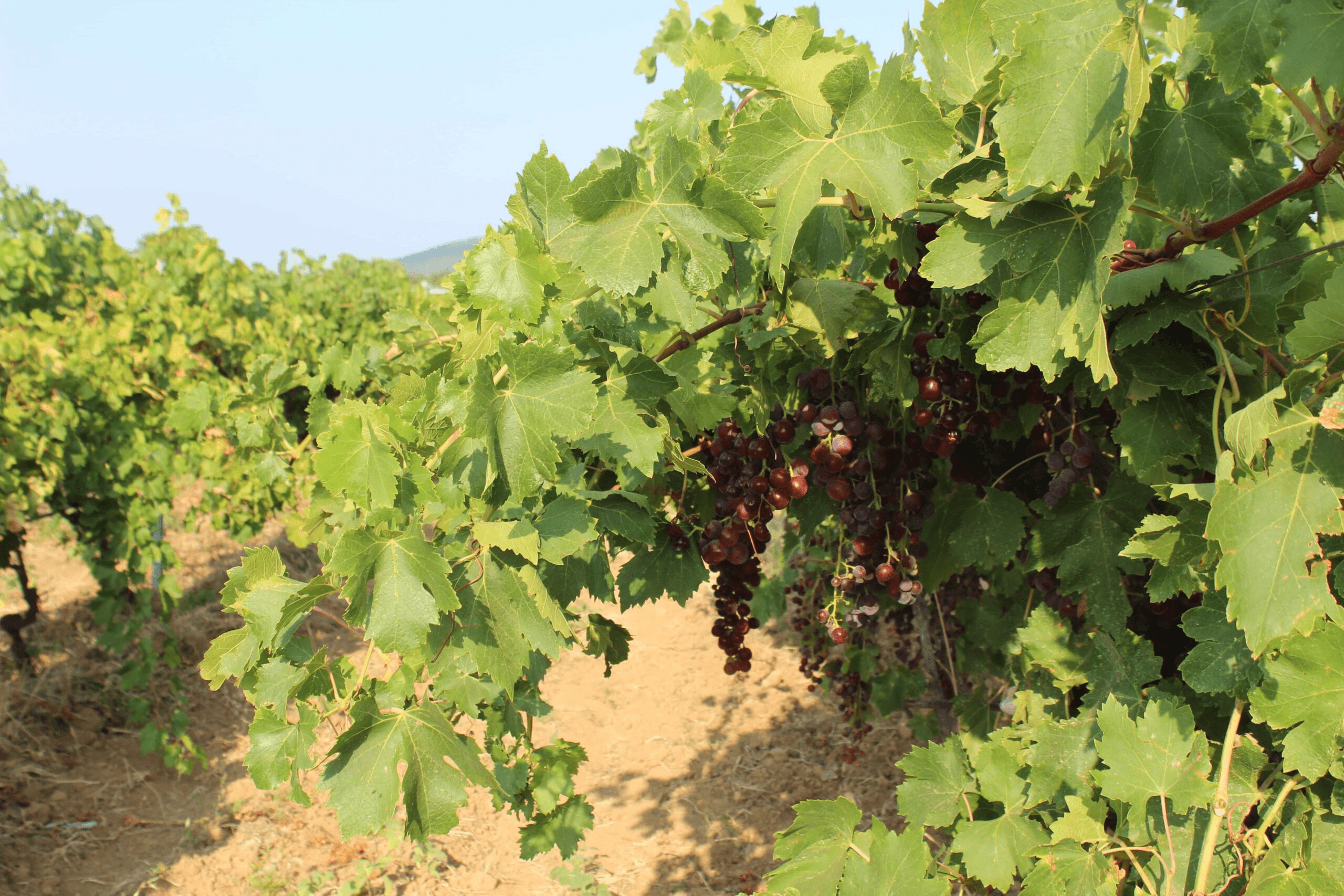
Looking more closely at wines outside the “natural” category, we can see where intervention occurs. For example, during natural wine production, fermentation—which converts the sugar in grape must into alcohol—is initiated by wild yeasts found naturally on the grape skins. No external yeast is added. By contrast, most conventional wines rely on cultured yeasts to start fermentation. These laboratory-refined yeasts eliminate unpredictability, providing consistent and reliable results. Yet natural winemakers prefer the element of surprise. Allowing fermentation to begin with wild yeast means the wine can express the true character of its grapes and place of origin—because those native yeasts are part of that environment. In this way, natural winemaking lets the wine continue its journey guided by its own ecosystem rather than external control.
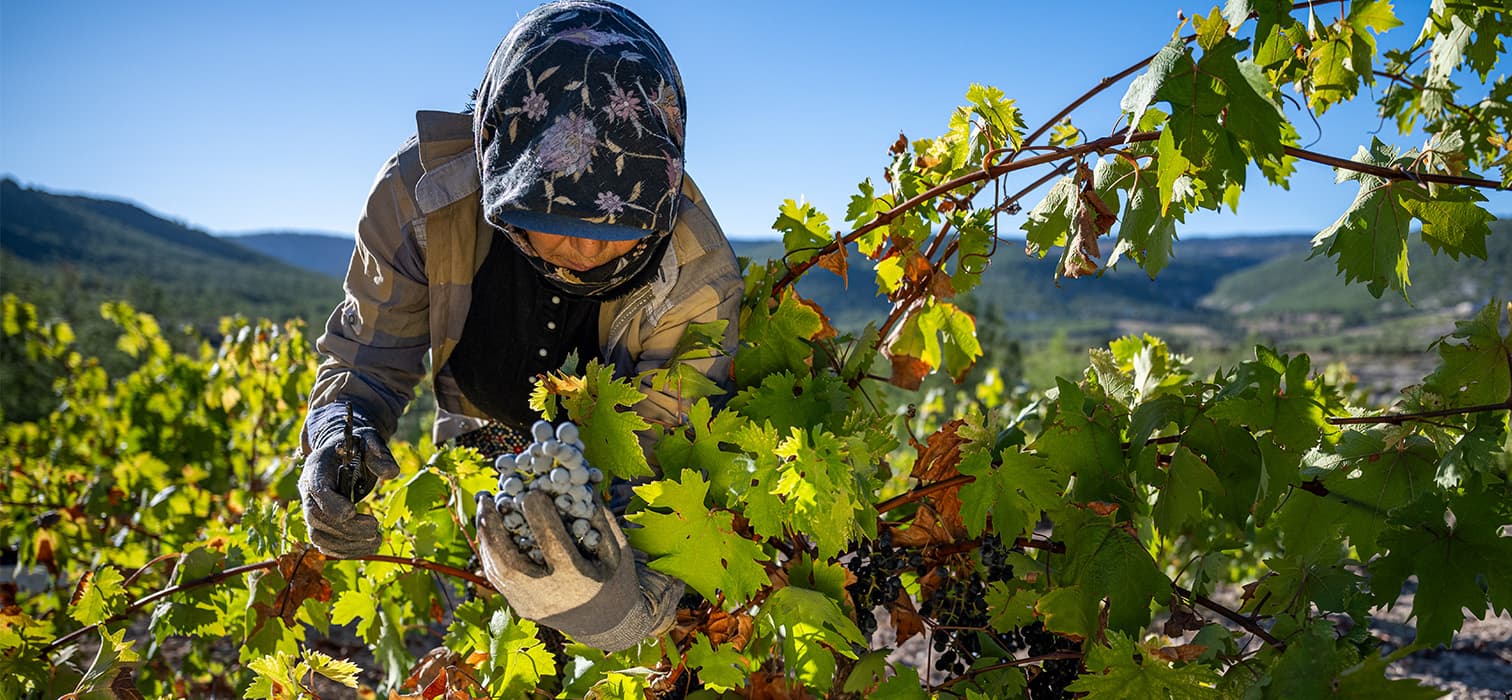
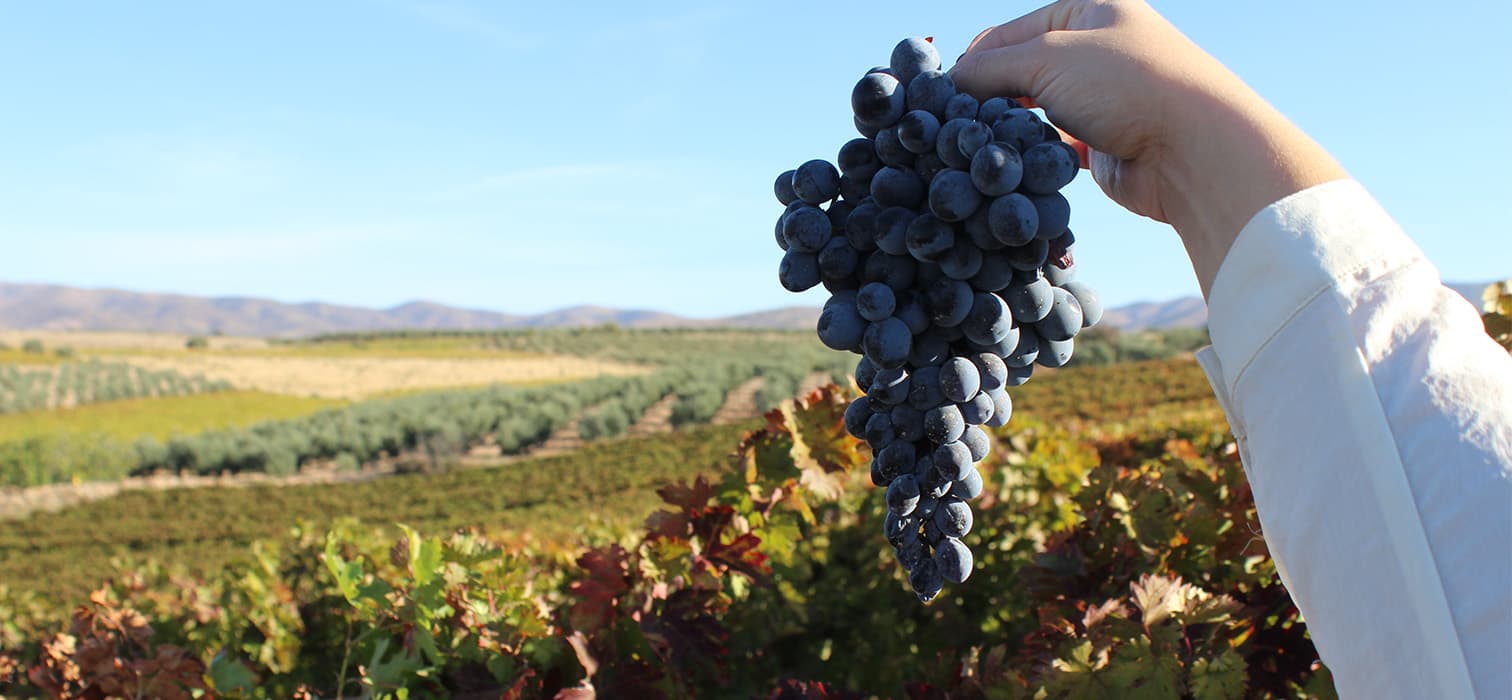
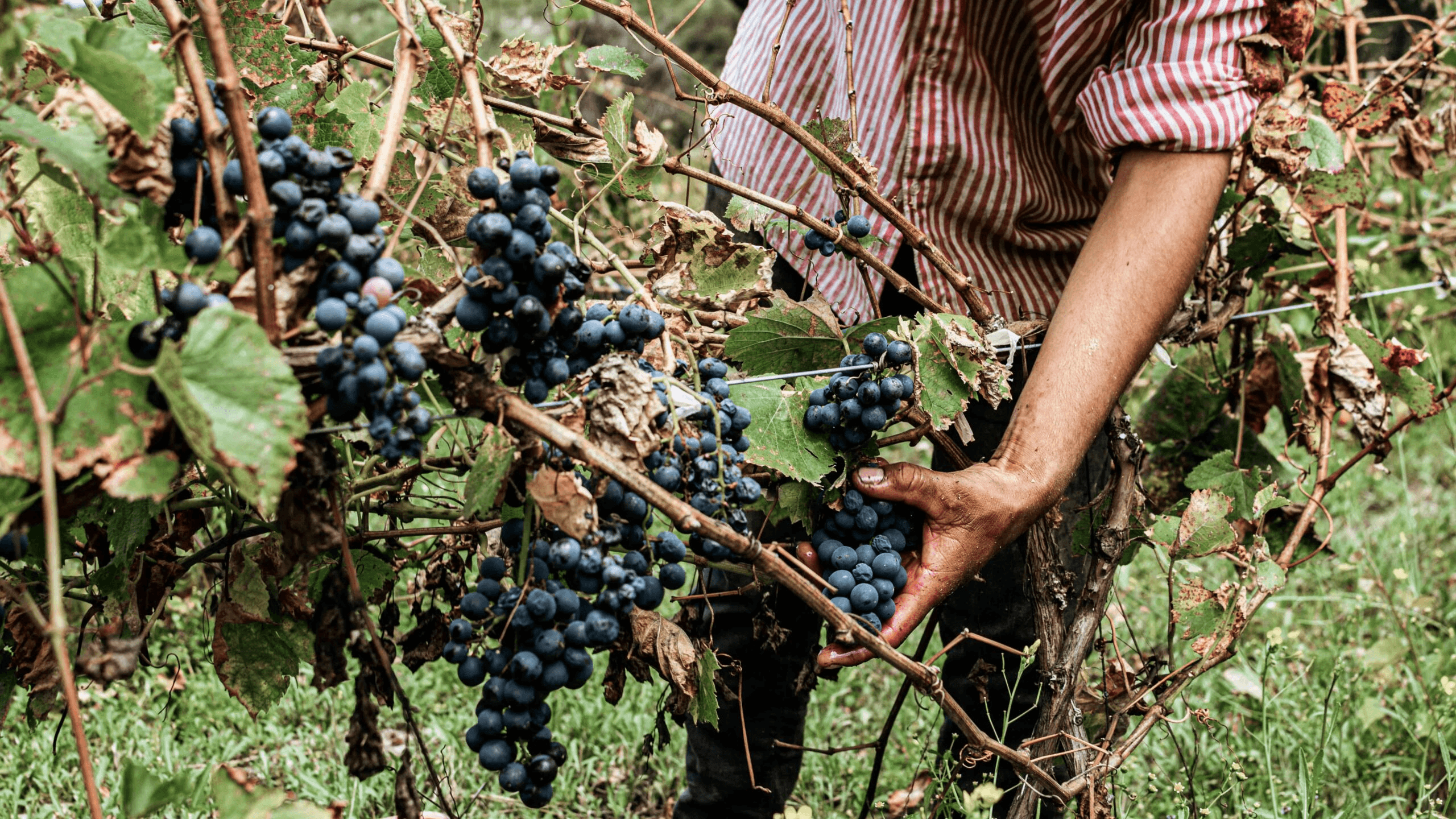
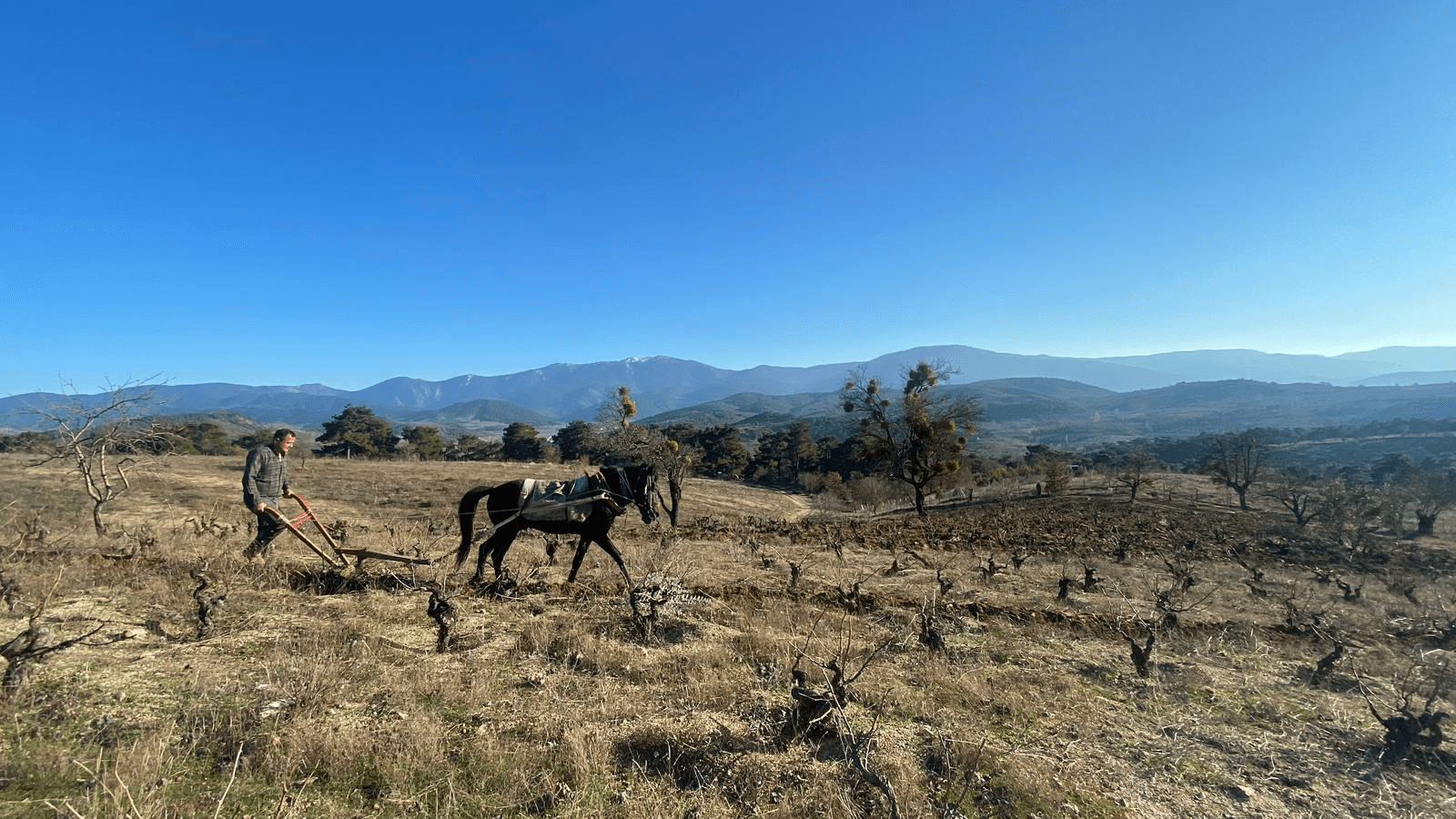
The philosophy of natural wine also extends to the vineyard itself. Clean and sustainable farming practices—such as organic or biodynamic agriculture—are essential. No synthetic chemicals or pesticides are used to protect the vines from disease. Instead, biological methods, like encouraging ladybugs to control harmful insects, help sustain a natural balance. Likewise, synthetic fertilizers are avoided; nothing external is “pumped” into the vineyard. The goal is for the land to maintain its own vitality and equilibrium. Nature is alive, just like us—it must be treated gently, protected, and allowed to restore itself when weakened. Natural wine philosophy, at its core, calls for a kind of spiritual connection with nature rather than viewing it merely as a productive resource.
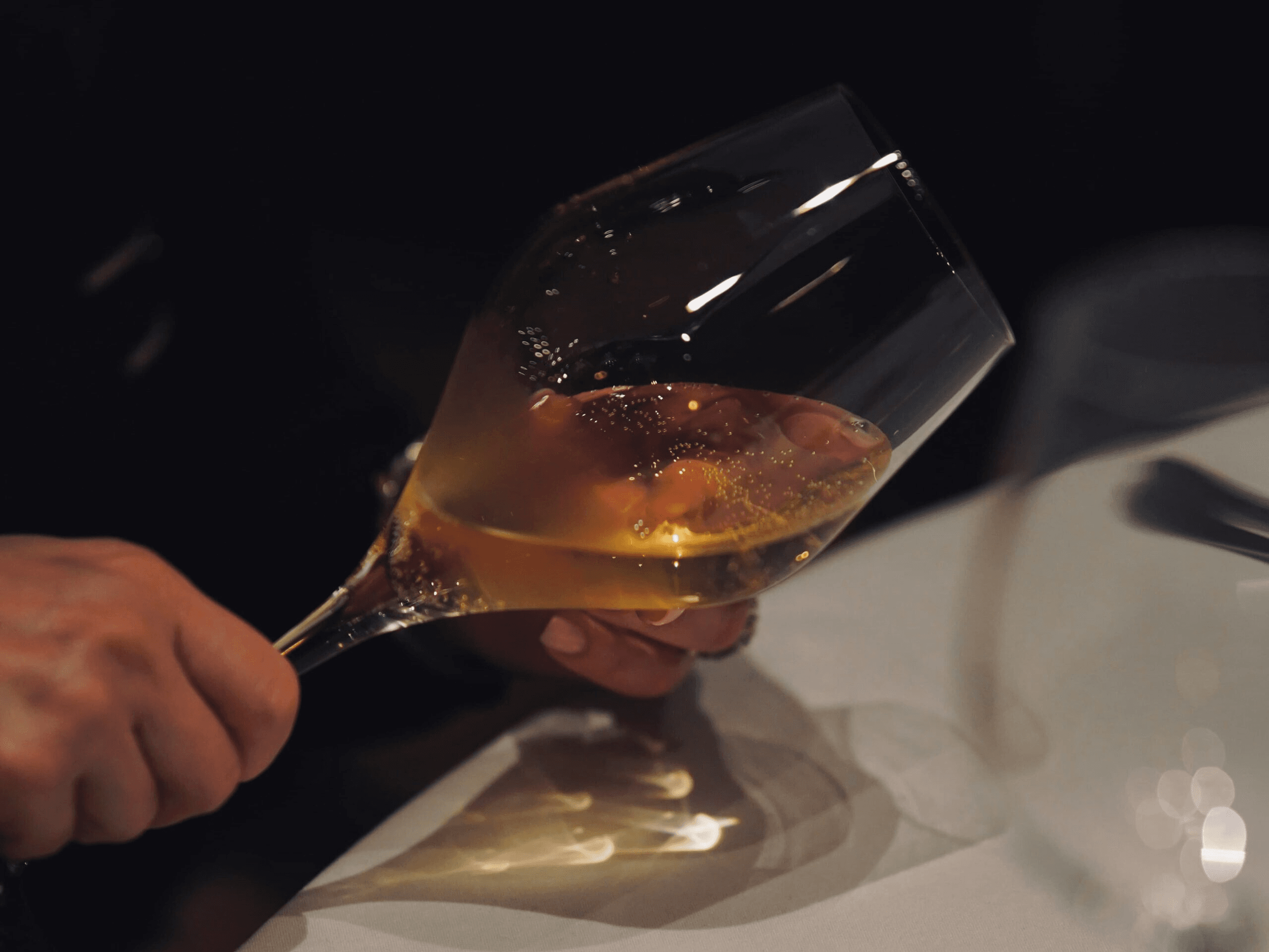
Although I mentioned that “wild yeast” is central to natural winemaking, this detail is only one part of a broader philosophy. Beyond yeast, the principle of non-intervention remains fundamental: no external additives or chemical adjustments should alter the wine’s natural development. In conventional winemaking, it is possible to modify acidity, enhance tannins, or adjust color—all perfectly legal practices that require no disclosure. However, it’s worth noting that not all conventional producers engage in such manipulation. I once attended a presentation by a winemaker from a major Turkish producer who confided afterward that, while such methods are technically allowed, their team would never resort to them—because winemakers with integrity respect the authenticity of their craft. Still, the difference remains that natural winemakers refrain entirely from filtering or clarifying their wines. As a result, their bottles often appear cloudy—an aesthetic choice consistent with their commitment to minimal intervention.
Finally, let’s consider the use of sulfur dioxide, a common preservative in winemaking. Natural winemakers either avoid adding sulfur dioxide altogether or use it only in minimal amounts. Wine is, by nature, a living substance—its components interact and evolve over time. Natural winemakers argue that excessive sulfur dioxide kills this living character, stripping the wine of its vibrancy.
Let’s recap what we’ve covered so far. In natural wine production:
- Clean farming practices such as organic or biodynamic cultivation should be adopted in the vineyard.
- Wild yeast should be used during fermentation, and interventions that manipulate the wine should be avoided.
- Sulfur dioxide should either not be added or used only in very small quantities.
Of course, opinions within the natural wine world differ. Some producers follow extremely strict principles, while others are more flexible. Here, I’ve summarized the points that are generally regarded as essential. It’s also worth noting that wineries that do not define themselves as “natural wine producers” may still adopt one, several, or even all of these principles in their winemaking. These techniques are not exclusive to a single philosophy or community.
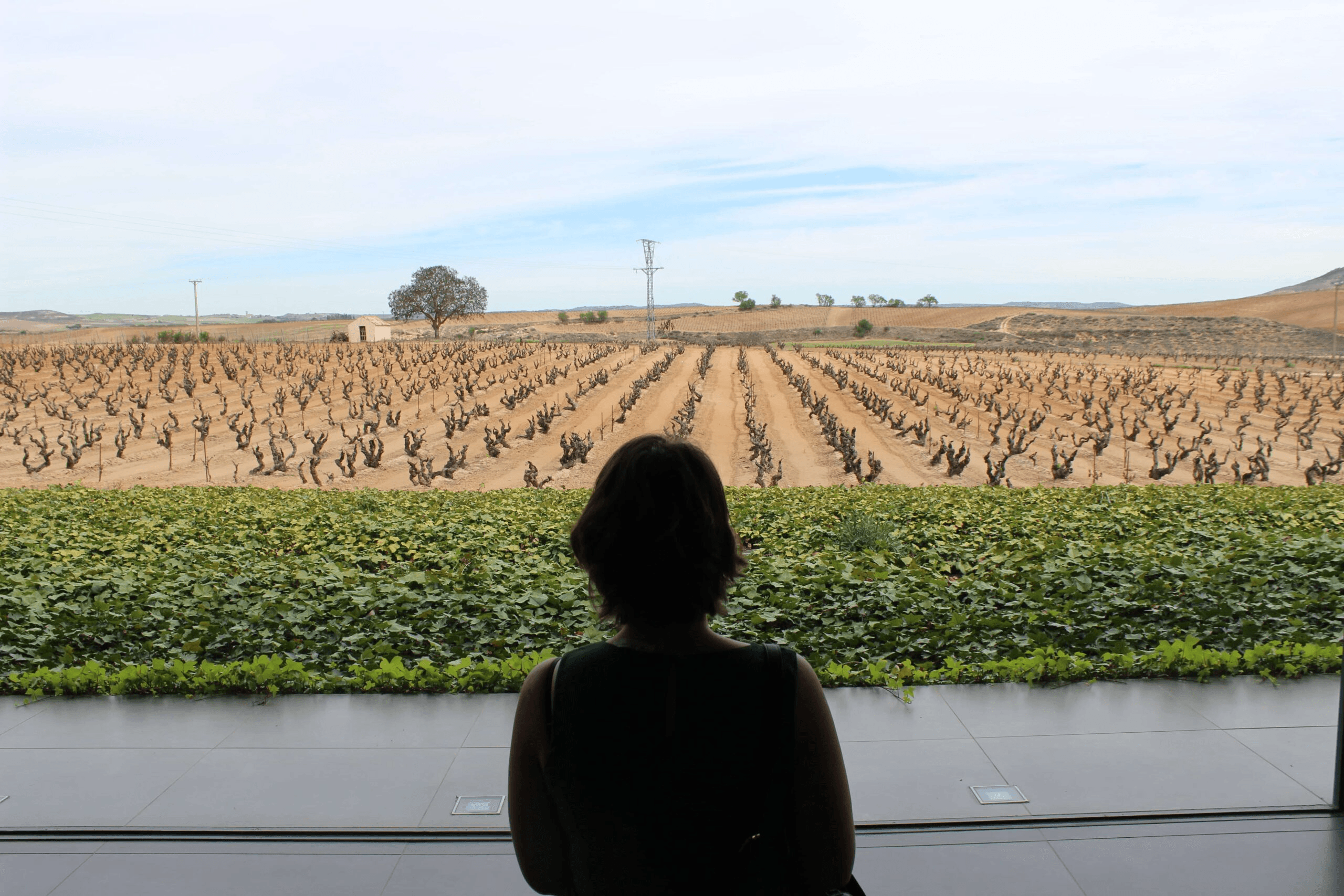
The “natural wine” movement can also be interpreted as a rebellion against a wine world that many see as stagnant and overly bound by convention. The enthusiasm of younger generations for natural wine supports this view. If you pick up almost any introductory book on wine today, you’ll find lengthy sections about European appellations, traditions, and rules. While New World regions—led by the United States—have since entered the conversation, Europe continues to dominate the framework. For many young drinkers, this rigid, Eurocentric narrative feels outdated and uninspiring. In contrast, the natural wine movement is not confined by geography or formal structures.
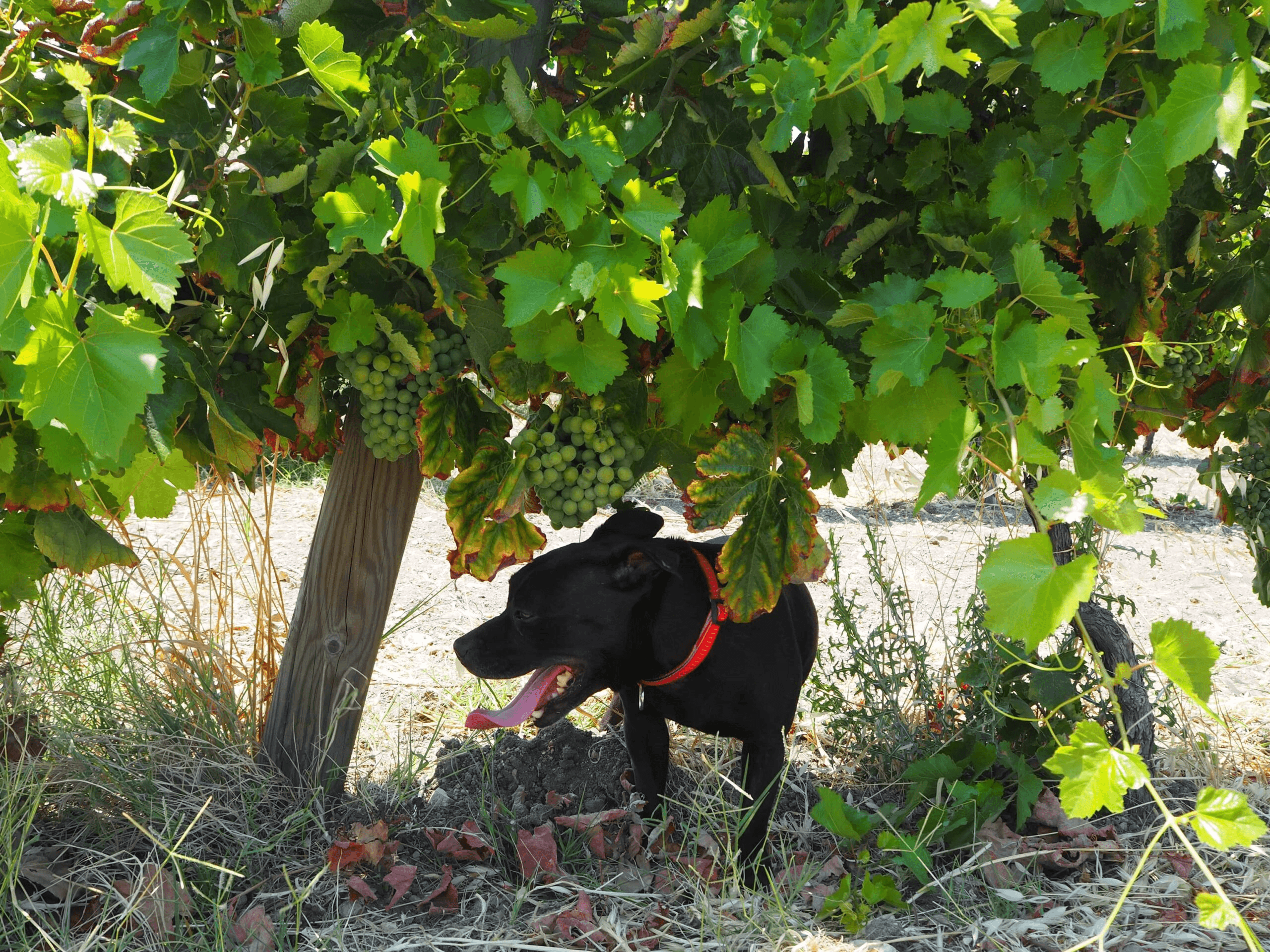
Around the world, passionate producers are experimenting—working with obscure grape varieties or offering fresh interpretations of familiar ones. Their enthusiasm is contagious. When you visit a natural wine bar, the staff often tells you about the philosophy of the person behind the bottle, their values, and what they prioritize during production. As Sabiha Apaydın Gönenli, one of Turkey’s natural wine ambassadors, puts it, “It’s possible to get to know the families, children, and even dogs of natural wine producers who don’t put distance between themselves and the consumer.” (Arye liked this.) This sense of intimacy fosters a direct and genuine connection between people and the wines they drink.
Today, some people even describe themselves as “natural wine drinkers,” treating it as a badge of identity. By doing so, they align themselves with a particular culture and signal something about their values and tastes. Traditional wine drinkers rarely express such identification. The natural wine movement also benefits from broader lifestyle trends: the rise of health-conscious eating, a growing preference for clean agricultural products, and an increasing demand for high-quality goods with meaningful stories behind them.
At its core, natural wine begins in the vineyard. Organic and biodynamic farming methods—though far more demanding than conventional approaches—are its foundation. In the winery, the philosophy of “adding nothing and removing nothing” may sound simple, but it makes the process significantly more challenging. When problems arise in conventional winemaking, producers have many tools at their disposal for correction. Natural winemakers, on the other hand, must prevent these problems from occurring in the first place, which requires exceptional care and attentiveness. Some mistakes cannot be undone.
This difficulty has also led to a problem: a number of producers, whether inexperienced or careless, have joined the natural wine trend without mastering its techniques. As a result, their wines can display flaws that most tasters would agree are undesirable—off odors, unpleasant textures, or imbalances on the palate. Like any field that becomes fashionable, natural wine has suffered from opportunists and inconsistent quality. Unfortunately, when consumers encounter poorly made examples, they often assume all natural wines are flawed and turn away from the style altogether.
Still, what counts as a “flaw” in wine is not always objective. Beyond technical definitions, it becomes a philosophical question. If someone genuinely enjoys a wine that others deem “faulty,” can it truly be called a fault? Nevertheless, there are universally recognized unpleasant aromas—if those are present, there is undeniably a problem. Those who delight in such “faulty” wines are, in any case, a small minority.
I recall a memorable experience related to this issue. At a tasting event in Turkey attended solely by French producers, I spent some time at the booth of a winemaker whose wines I greatly admired. After tasting generously and chatting with him, I asked his opinion about the increasingly popular natural wine movement. He explained that while he embraced certain aspects of the philosophy, he didn’t identify—or want to be identified—as a “natural wine producer.” Instead, he preferred a hybrid approach that balanced both perspectives.
He then shared an anecdote. Not long before, he had visited a restaurant in France and noticed a bottle from one of his favorite natural wine producers on the menu. Delighted, he ordered it immediately, as he knew the wine well. When it arrived, however, the wine was spoiled. He called over the sommelier to explain, but after tasting it, the sommelier insisted, “This is a natural wine—these wines have different tastes and aromas. There’s nothing wrong with it.” The producer calmly replied that he was familiar with this particular wine and knew it shouldn’t taste that way. He asked for a second bottle and said, “If this one tastes the same, I’ll pay for both.” The second bottle was opened—and it was perfect. The sommelier, embarrassed, apologized. The producer then enjoyed his wine with satisfaction.
This story illustrates a recurring issue: some enthusiasts overlook genuine flaws in natural wines out of zeal, while others pursue ever more eccentric or extreme examples, celebrating wines that are unusual—or even flawed—as a mark of authenticity. Such attitudes can alienate those who simply seek balance and pleasure in what they drink.
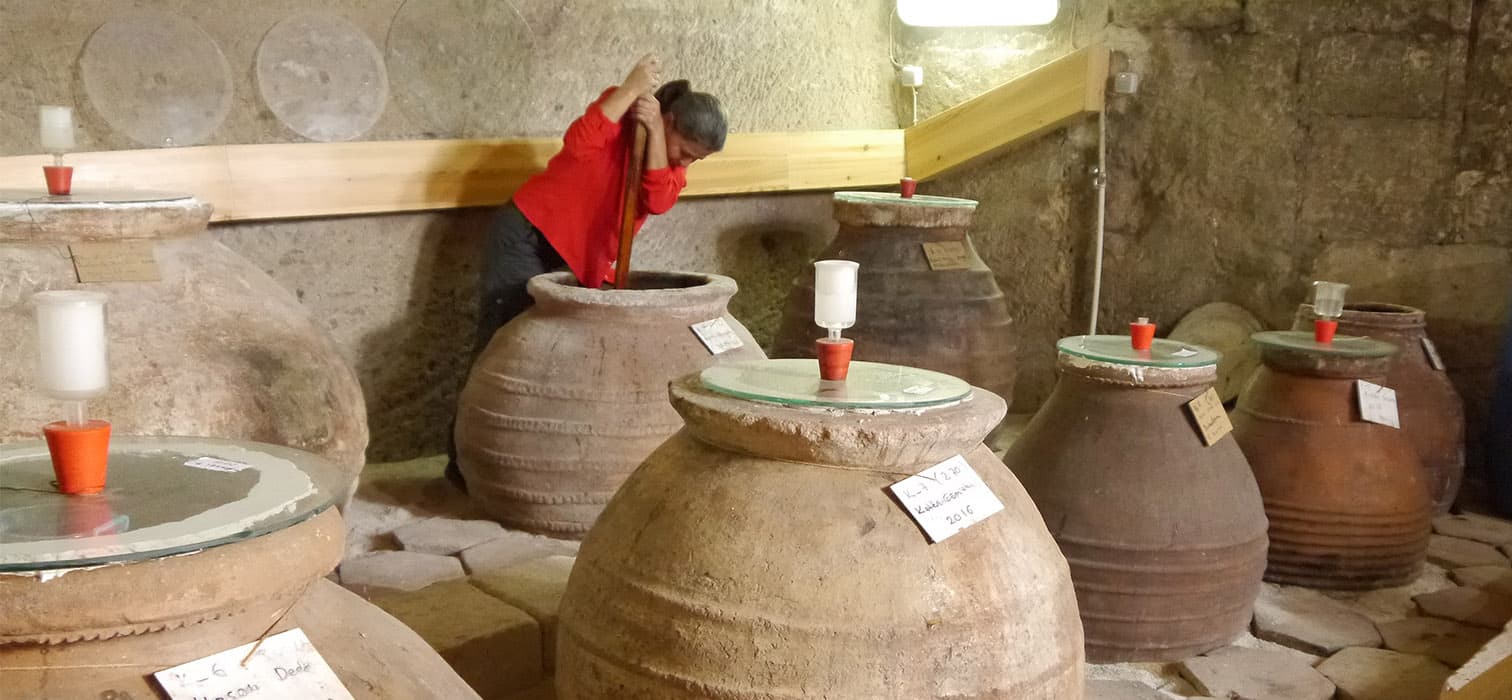
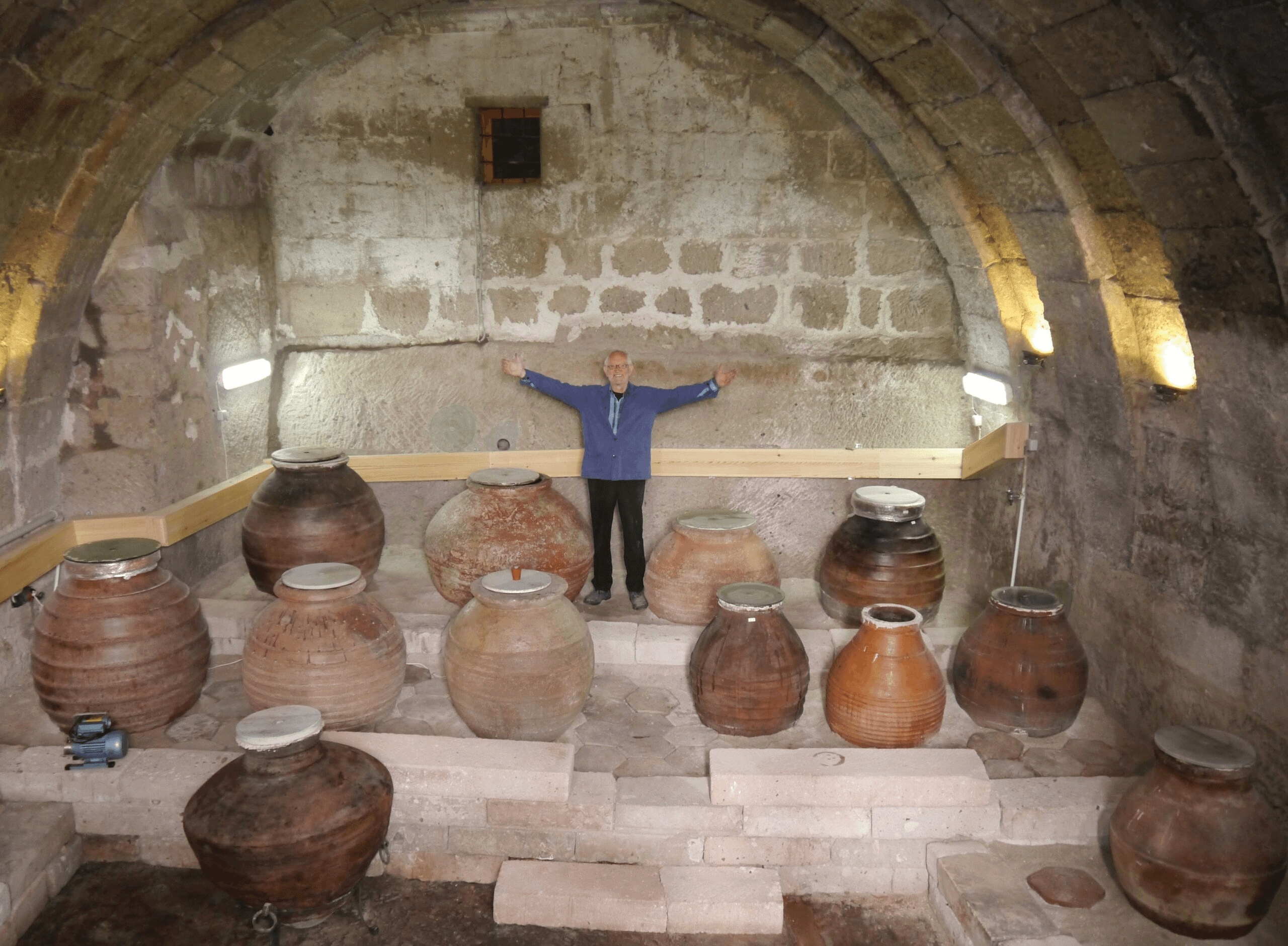
Understanding natural wine within Turkey remains difficult. While several domestic producers make only natural wines—or produce part of their range according to natural principles—the country’s broader wine culture is still developing. Discussions about natural wine philosophy are rare, and the selection available to consumers remains limited. Fortunately, Turkey borders Georgia, a country whose reputation in the wine world is rapidly rising. Setting aside the Soviet interruption, Georgians have been producing natural wine for centuries in clay vessels known as qvevri, long before the current trend emerged. Exploring Georgia’s diverse wines is an excellent way to deepen one’s understanding of natural wine. Likewise, when you travel abroad, visit natural wine bars—not just to taste the wines, but to talk with the people behind the bar. Ask how they curate their selections, what they value in a wine, and what they know about the producers. Wine, after all, is one of the most beautiful means of social connection.
As I close this article, I’d like to share a few personal reflections. I truly appreciate the energy and creativity that the natural wine movement has injected into an otherwise predictable wine world. It has encouraged both producers and consumers to question established practices—clean farming, the use of wild yeast, minimal manipulation—all are sensible demands. No one needs to follow every principle to the letter, but the very act of questioning is a positive step. Perhaps in the coming years, we’ll see more detailed labeling on wine bottles, revealing what has—or hasn’t—been added. Maybe even legal standards will emerge to ensure transparency.
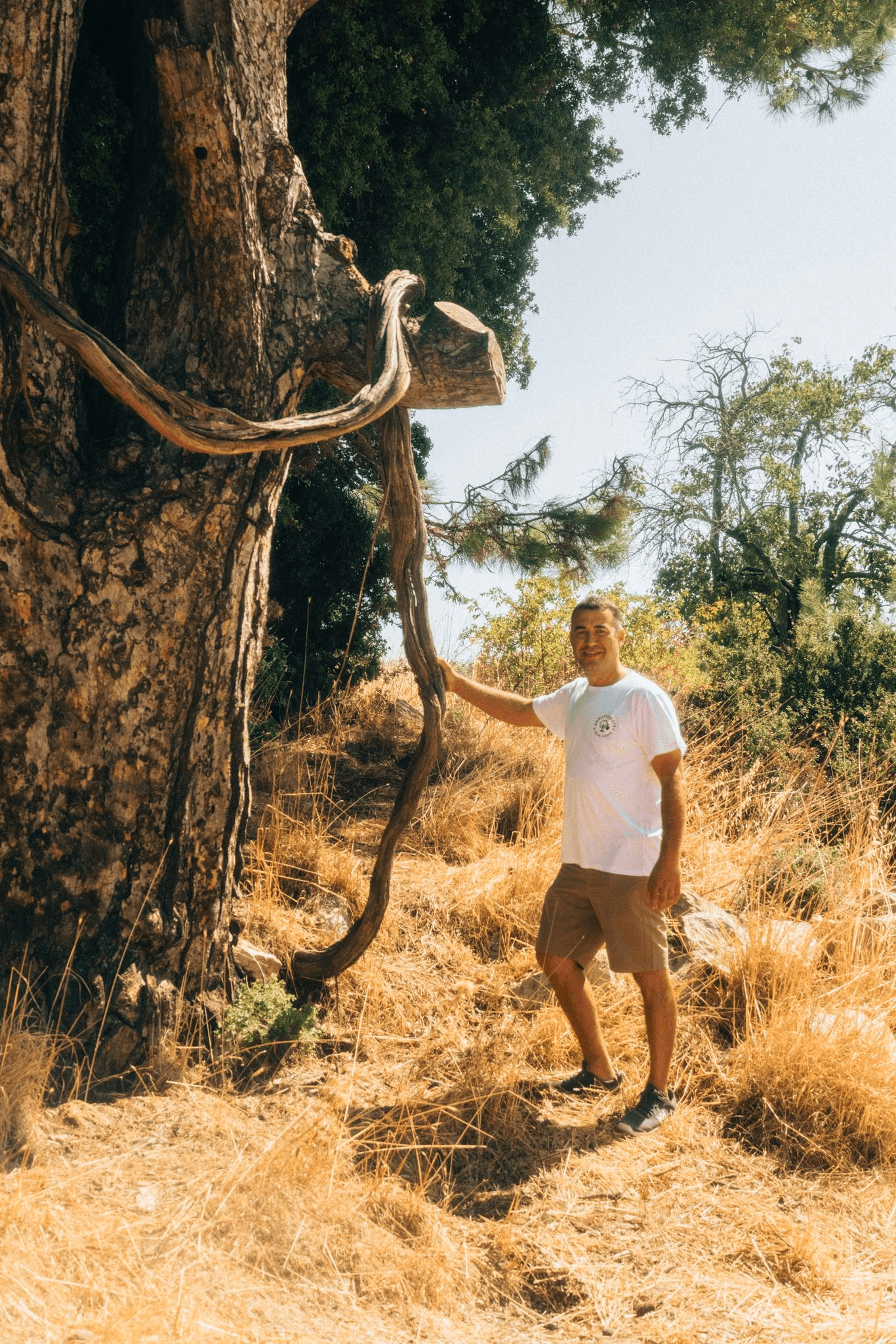
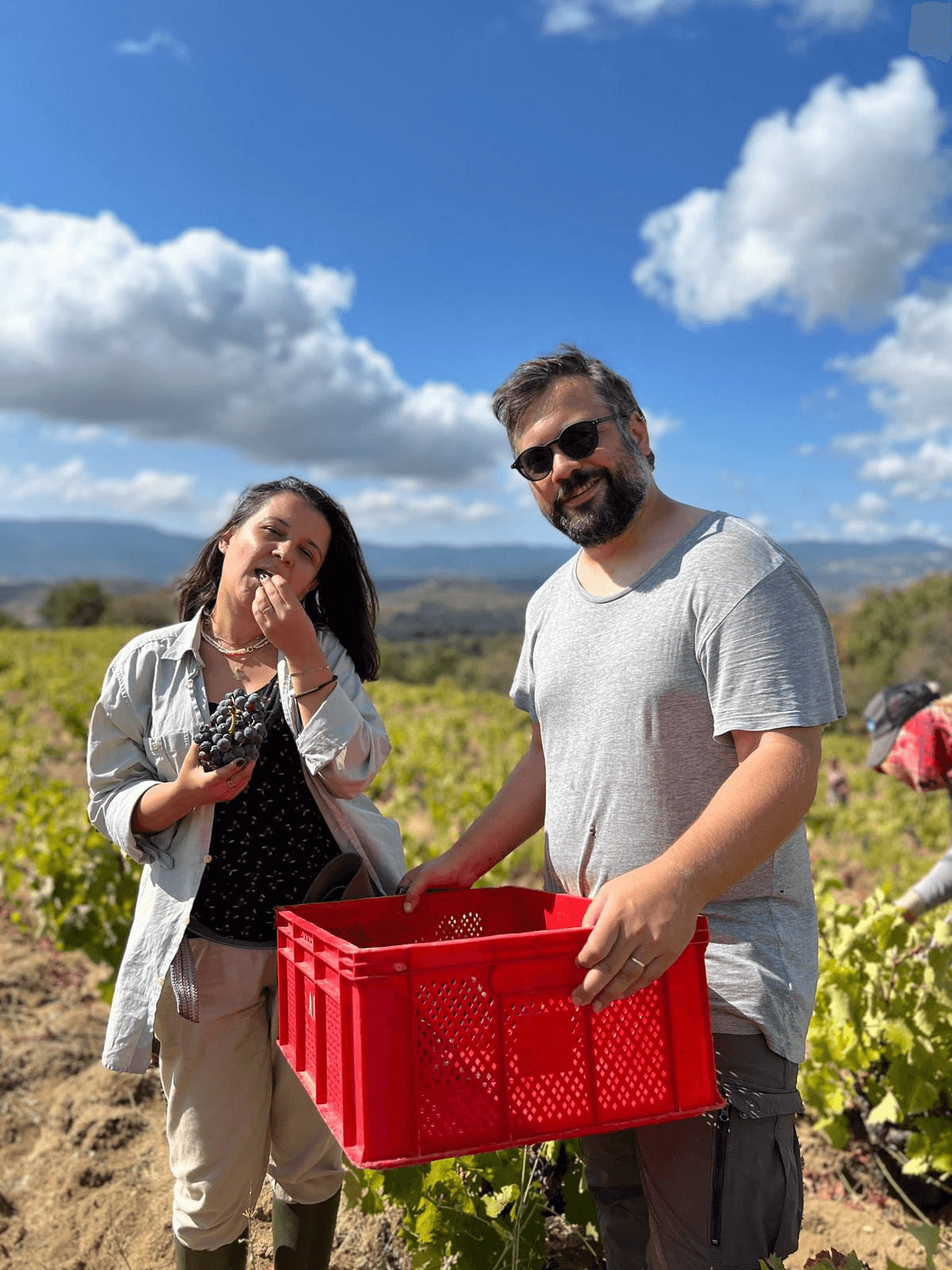
Most well-made natural wines possess real character and express their terroir vividly. You can sense the care and passion of the people who crafted them. I realized this fully at the Zero Compromise natural wine festival in Tbilisi, where I tasted extraordinary examples that left a deep impression on me. The same feeling struck when I attended the Dionysos Symposium organized by Gelveri, Turkey’s pioneering natural wine producer with global recognition, and tasted wine straight from their barrels. I felt it again when trying the first Karasakız released by Duygu and Can of Canavar Bağları—whose journey I’ve followed from the start—as well as Safiye’s Mesashuna from Artvin, Gizem’s Kerasus made from the Black Sea’s fascinating local grapes, and Neferiye, produced by Çağlar from Bodrum’s mountain villages. Each encounter filled me with excitement. I mentioned many of the venues that serve such wines in my earlier articles introducing Istanbul’s wine bars.
None of these wines announced themselves with slogans like “I am natural,” “I was made with minimal intervention,” or “no sulfur was added to me.” Each was, simply, an aromatic, high-quality transformation of fruit into wine. That’s what we should focus on—the grape, its richness, and the individuality that arises from their union. Flavor must always come first. When technique overshadows taste, the wine’s soul is lost. Yet the best natural wine producers succeed precisely because they know how to infuse that soul into their creations.
Further Reading Recommendations
*Isabelle Legeron – Natural Wine: An Introduction To Organic And Biodynamic Wines Made Naturally
*Alice Feiring – Natural Wine For The People: What It Is, Where to Find It, How to Love It
*Aaron Ayscough – The World Of Natural Wine: What It Is, Who Makes It, and Why It Matters
*Simon J. Woolf – Amber Revolution: How The World Learned To Love Orange Wine
From Orfoz to Neferiye with Çağlar Bozçağa