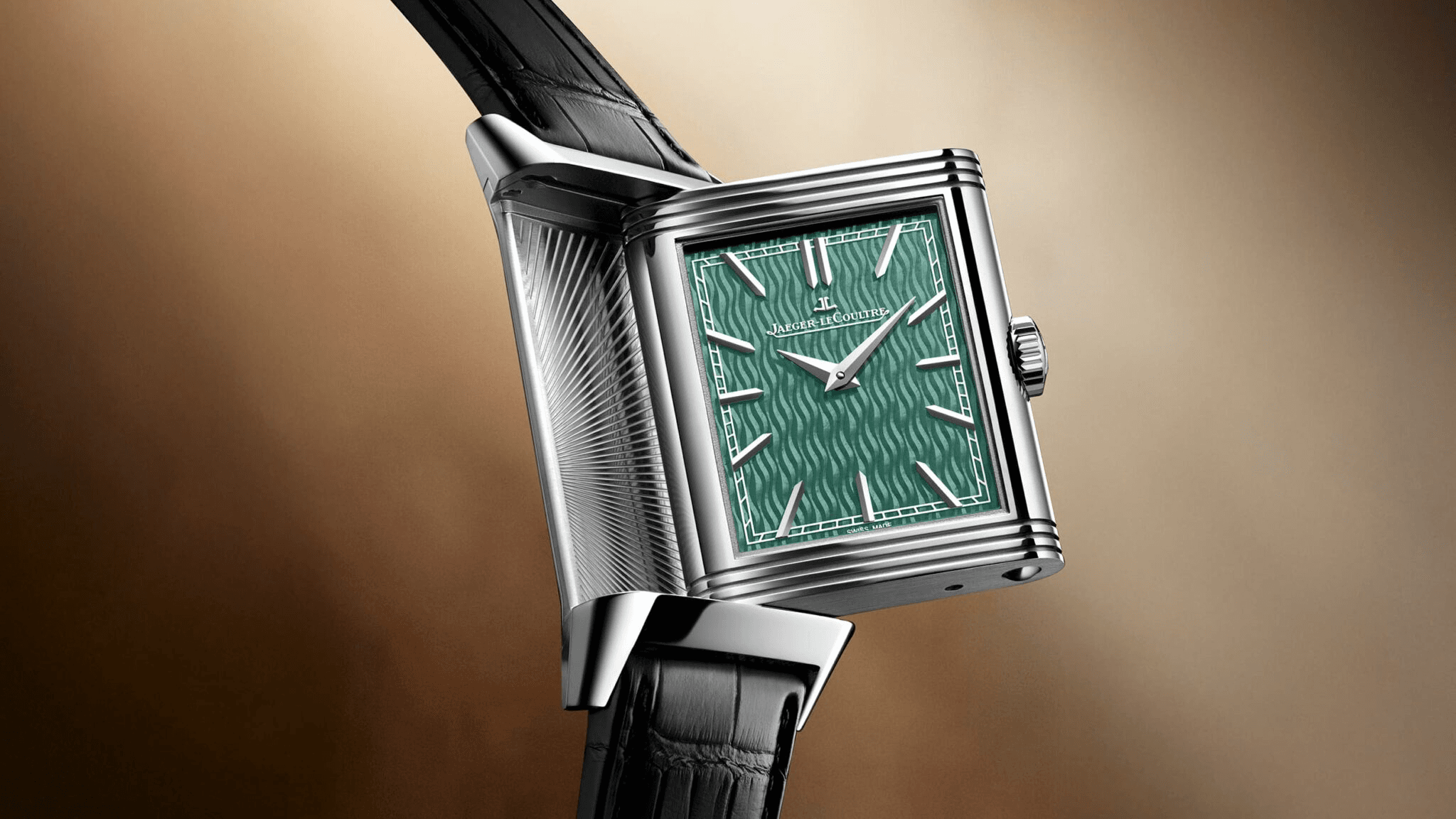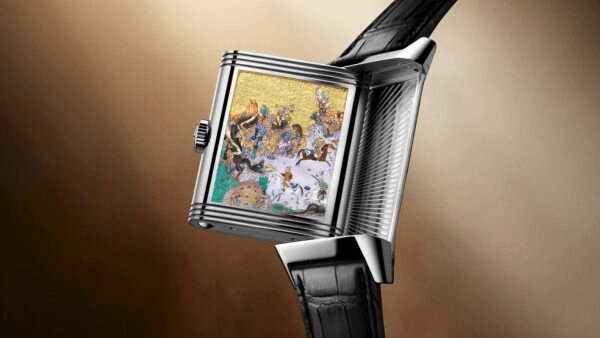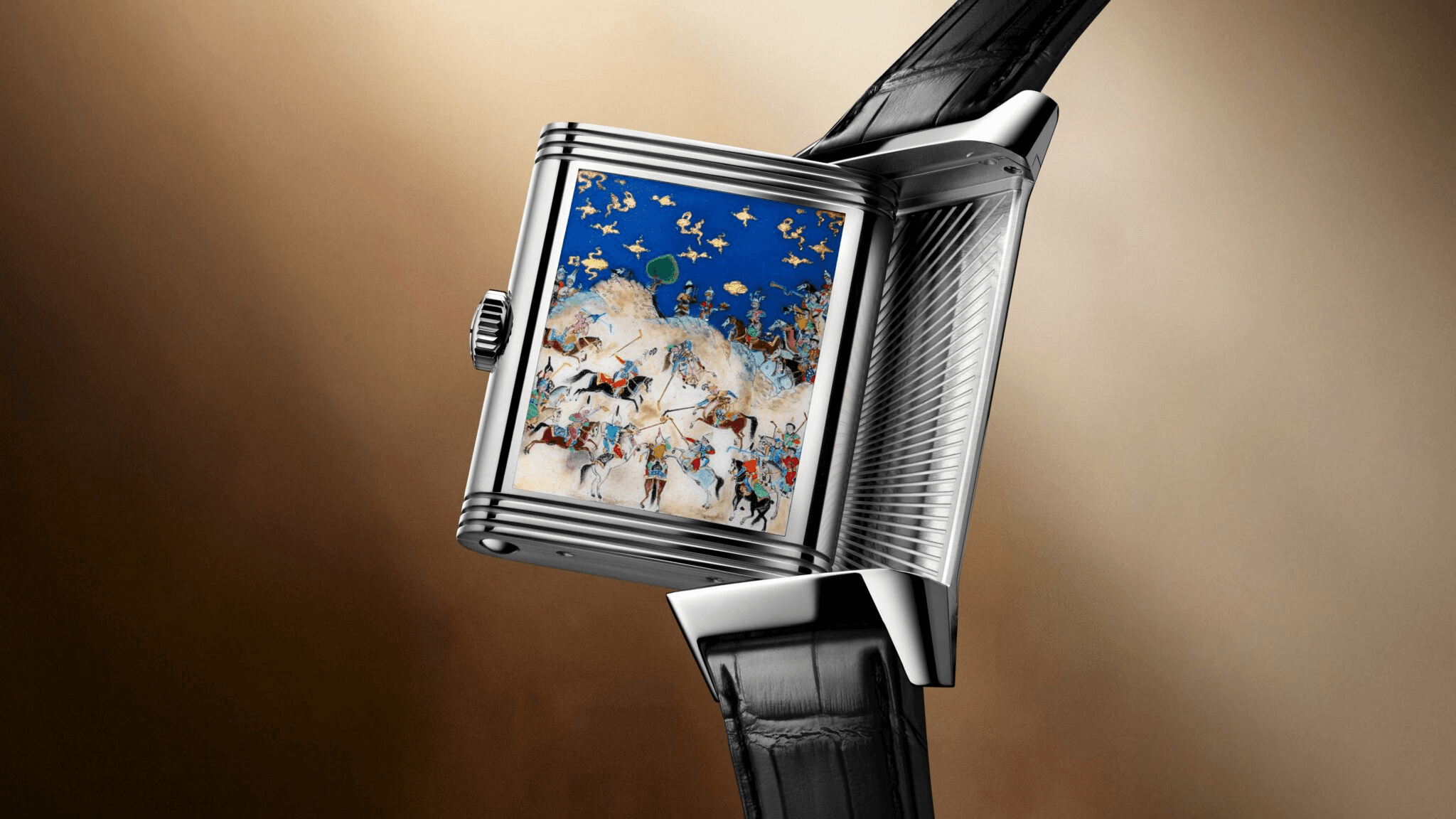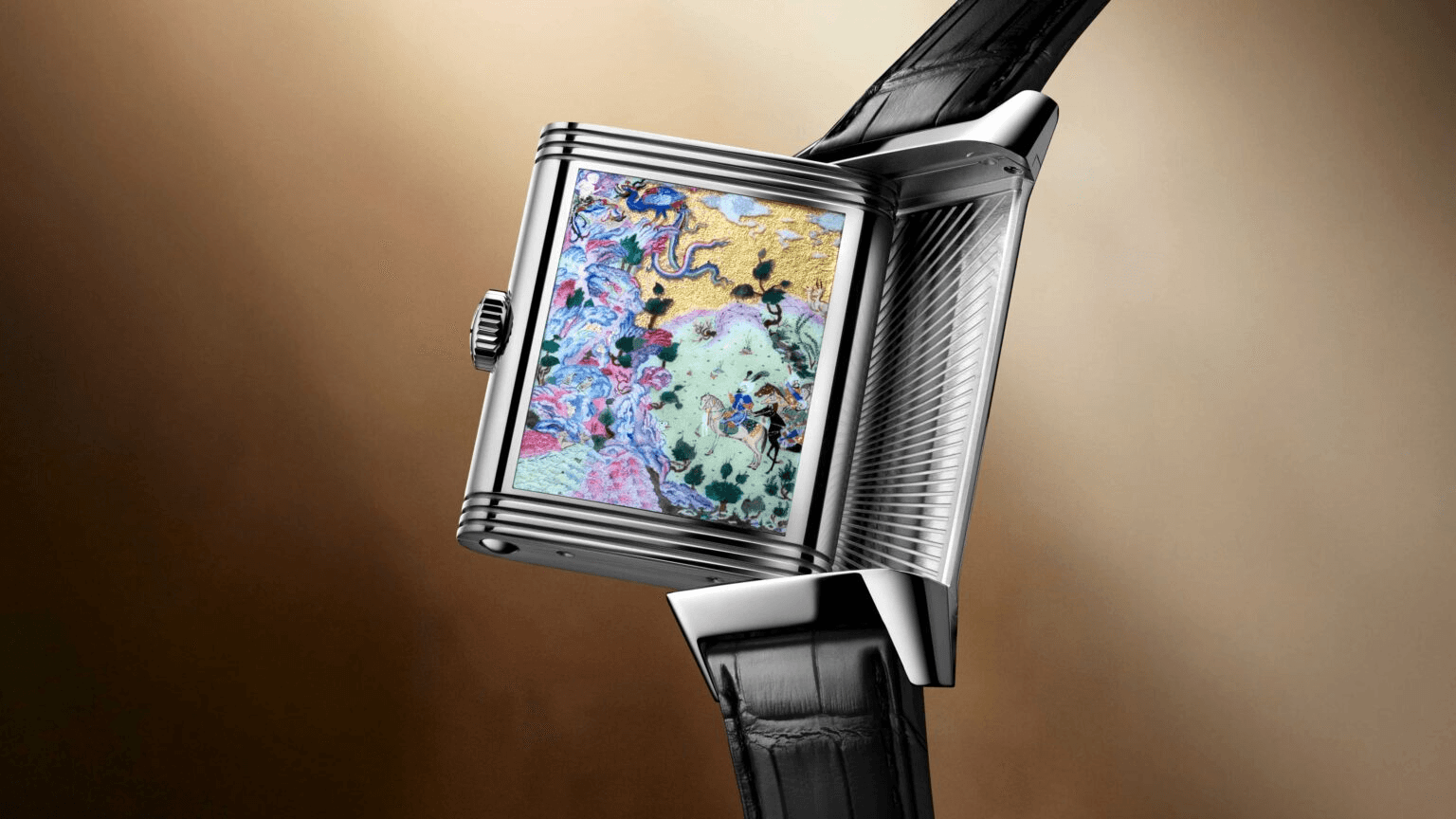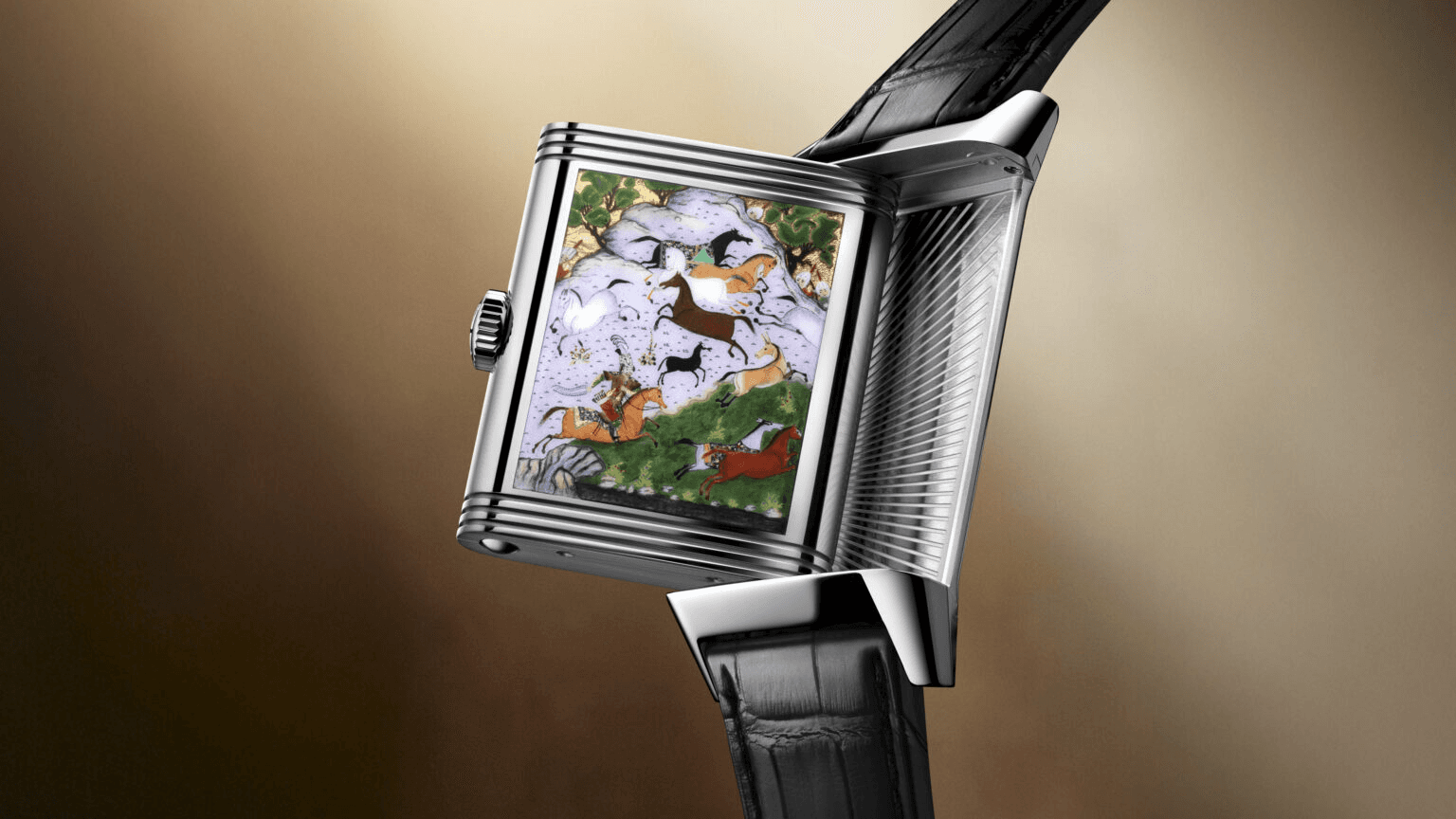
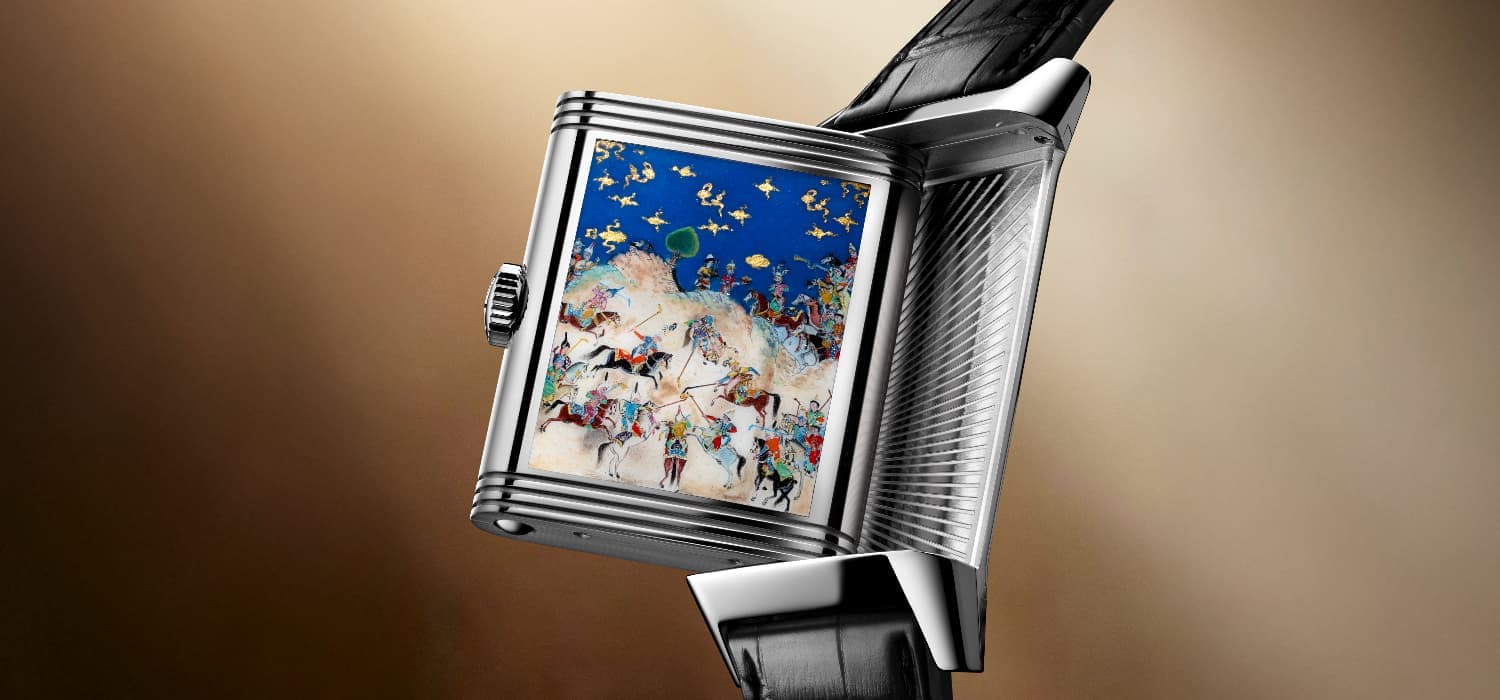
Jaeger-LeCoultre introduced the Reverso Tribute Enamel “Shahnameh”.
Did you know that the world-renowned epic Shahnameh and the polo share common roots? While many of us, particularly due to cultural proximity, know Shahnameh as an ancient Persian epic, it is equally fascinating to discover that polo, a sport now more commonly associated with England, also originates from Persian culture. Drawing on these shared origins, Jaeger-LeCoultre pays tribute to its Persian cultural ties with a new limited edition series: the Reverso Tribute Enamel “Shahnameh”, a continuation of its iconic collection born from the sport of polo.
The origin of the Reverso watch, famous for its 180-degree rotating dual-dial design, dates back nearly a century, to the early 1930s. At the time, British officers stationed in colonial India would spend their leisure time playing polo. During one of these matches, a British officer’s watch was broken, prompting Swiss businessman and watch enthusiast César de Trey to seek a more resilient design from Jaeger-LeCoultre, one that could withstand the rigors of polo. Thus was born the Reverso, a durable watch with a reversible dial and a second face, which has since become an icon of watch design.
Over the years, the reverse face of the Reverso has been adorned with miniature recreations of some of the world’s most celebrated artworks. The new Reverso Tribute Enamel “Shahnameh” series embraces one of the world’s greatest literary masterpieces.
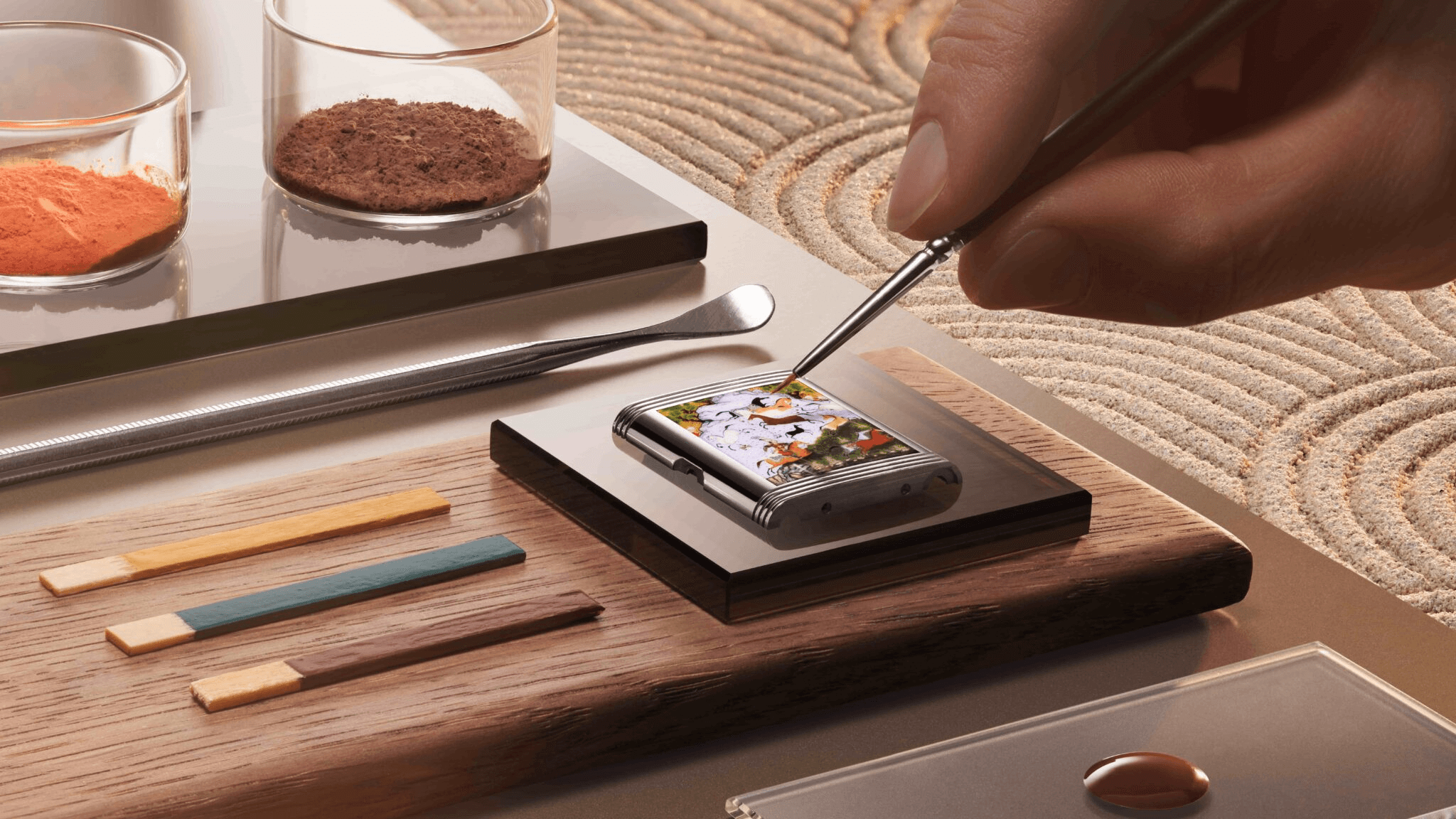
The caseback of each timepiece in the series features miniature enamel renderings of illustrations from a 16th-century edition of the Shahnameh, prepared in tribute to Shah Tahmasp.
“Written between 997 and 1010 by Persian poet Ferdowsi, the Shahnameh spans 60,000 couplets and chronicles the legendary rulers and myths of ancient Persia. One of its most magnificent editions is the Shah Tahmasp version, featuring 258 illustrations. This edition was presented to Ottoman Sultan Selim II in 1568 and remained in Topkapı Palace for centuries. Today, its pages are held in collections and museums around the world.”