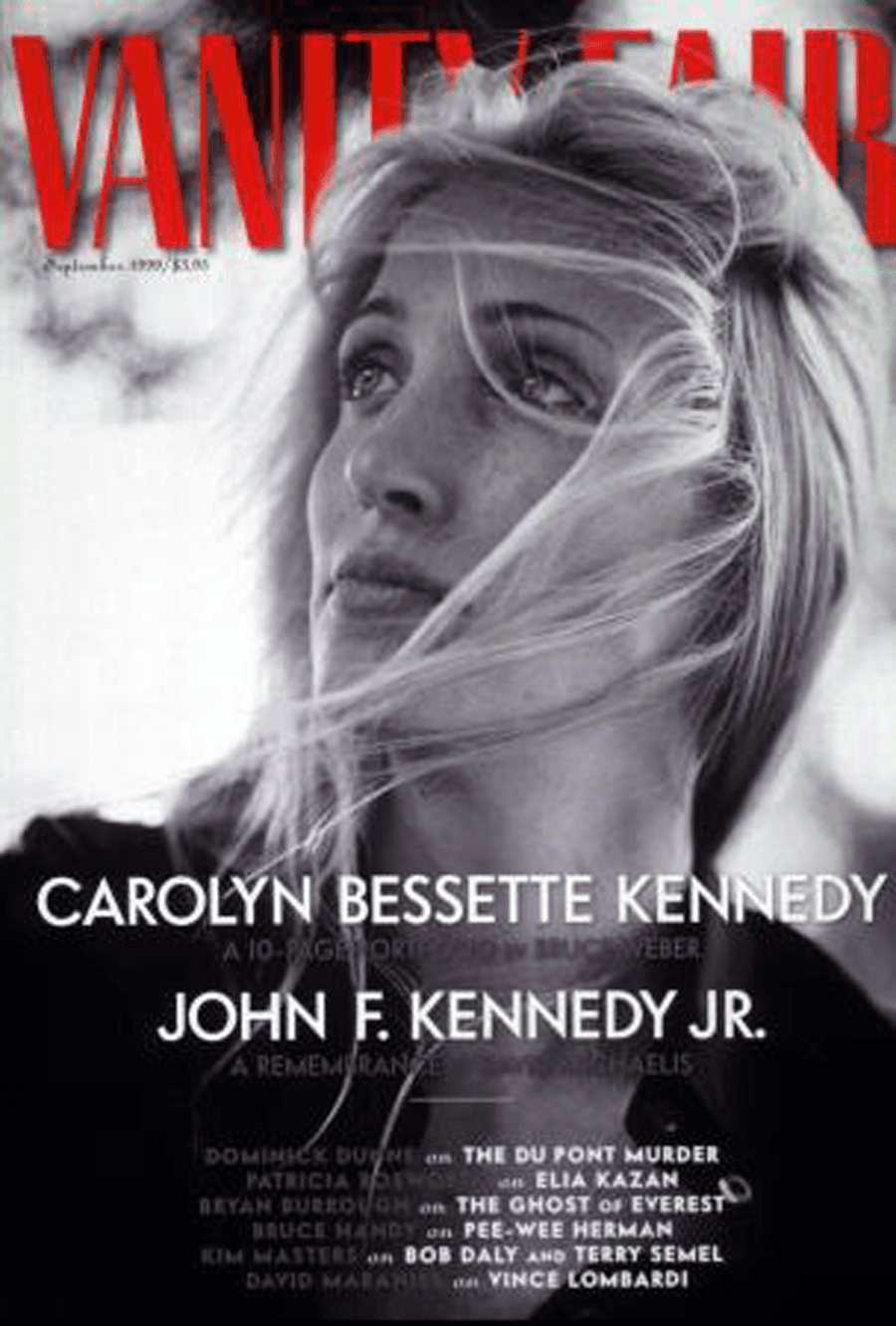

She possessed the intuition of how to dress, yet she was equally adept at the art of disappearance. Carolyn Bessette Kennedy reigned as the most photographed yet least heard woman of the 1990s—a paradox that perhaps explains why her ghost continues to haunt the modern moodboard.
In the debut season of Sex and the City, Carrie Bradshaw and her newly married friend, Brooke, dissect the New Yorker’s vanity: “We think we’re Carolyn Bessette,” they remark. This aesthetic delusion has now migrated to Instagram, where the “desire to be Carolyn” manifests in a sea of floor-grazing black maxi coats, muted beige skirts, and the architectural simplicity of a black turtleneck.
Carolyn Bessette-Kennedy, known colloquially as CBK, was voted “the most beautiful” by her high school peers in 1983. She was the quintessential “people’s princess,” a PR maven who effortlessly inhabited the vacuum of American royalty that the United States had long yearned for. Her sartorial instincts were so sharp they felt like a natural law, earning her a spot as a definitive fashion icon in Newsweek by 1997. Consequently, she became the ultimate prey for the paparazzi; her face was as ubiquitous as Madonna’s, with flashes erupting whether she was browsing a boutique or simply having her nails manicured. Her untimely death halted these comparisons, instantly transforming her into a figure of global mourning and eternal fascination.
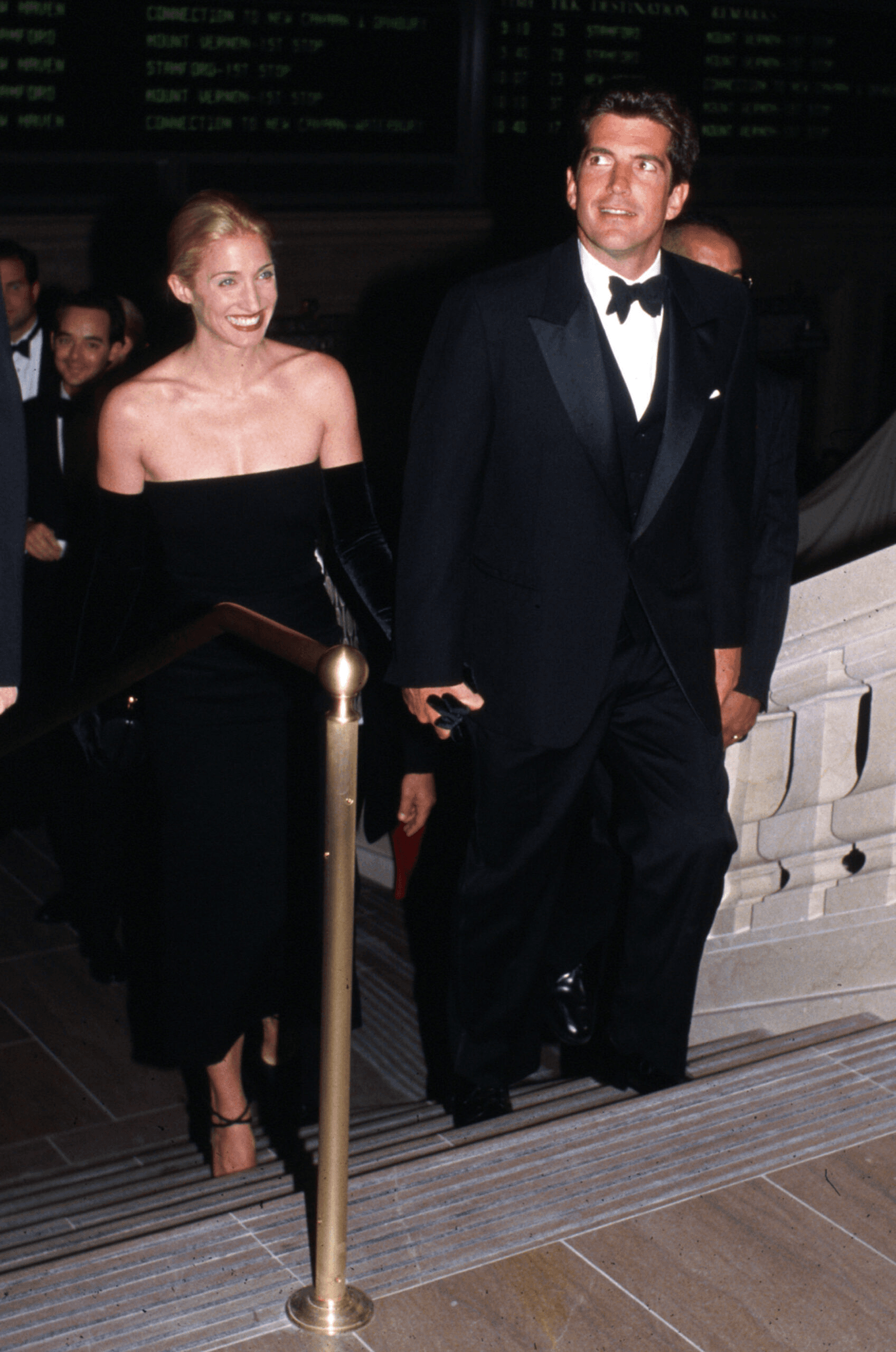
Yet, one must wonder: did a professional image-maker meticulously script her part in this myth? It is striking how little we truly know of CBK. She belongs to that rare tier of the “unreachable,” alongside names like Sade, Leonardo DiCaprio, or Mylène Farmer. We are familiar with the biographical skeletal frame—her upbringing, her education, her professional ascent at Calvin Klein. If one scours the digital archives or loses themselves in the depths of YouTube, one might even find testimonials from childhood acquaintances. However, nearly every fragment of our knowledge is filtered through third parties. They describe her as “normal,” witty, occasionally tomboyish, and prone to drying her hair via the wind of the New York subway. If these accounts are true, her “cool” factor stems from this very lack of artifice—a woman who became extraordinary precisely because she didn’t try to be. She commanded a social gravity, a magnetic distance. But was it sincere? A woman whose career was built on crafting images surely understood the mechanics of becoming an “It girl” or the architecture of a public persona.