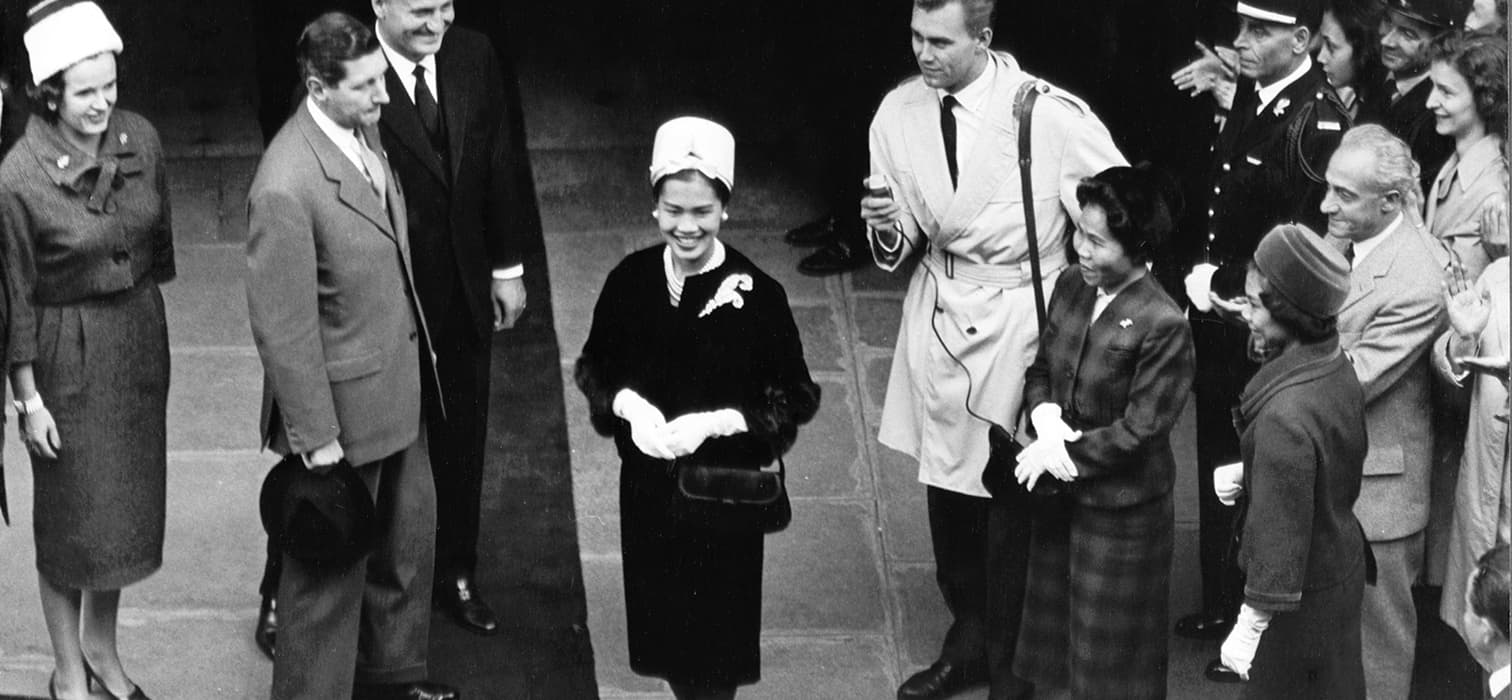
Queen Sirikit’s vision of style meets the world of Parisian haute couture in “La Mode en majesté,” now on view at the Musée des Arts Décoratifs in Paris.
The Musée des Arts Décoratifs in Paris is bringing Queen Sirikit’s diplomatic elegance and her longstanding ties with the French haute couture world into the spotlight through an archival exhibition.
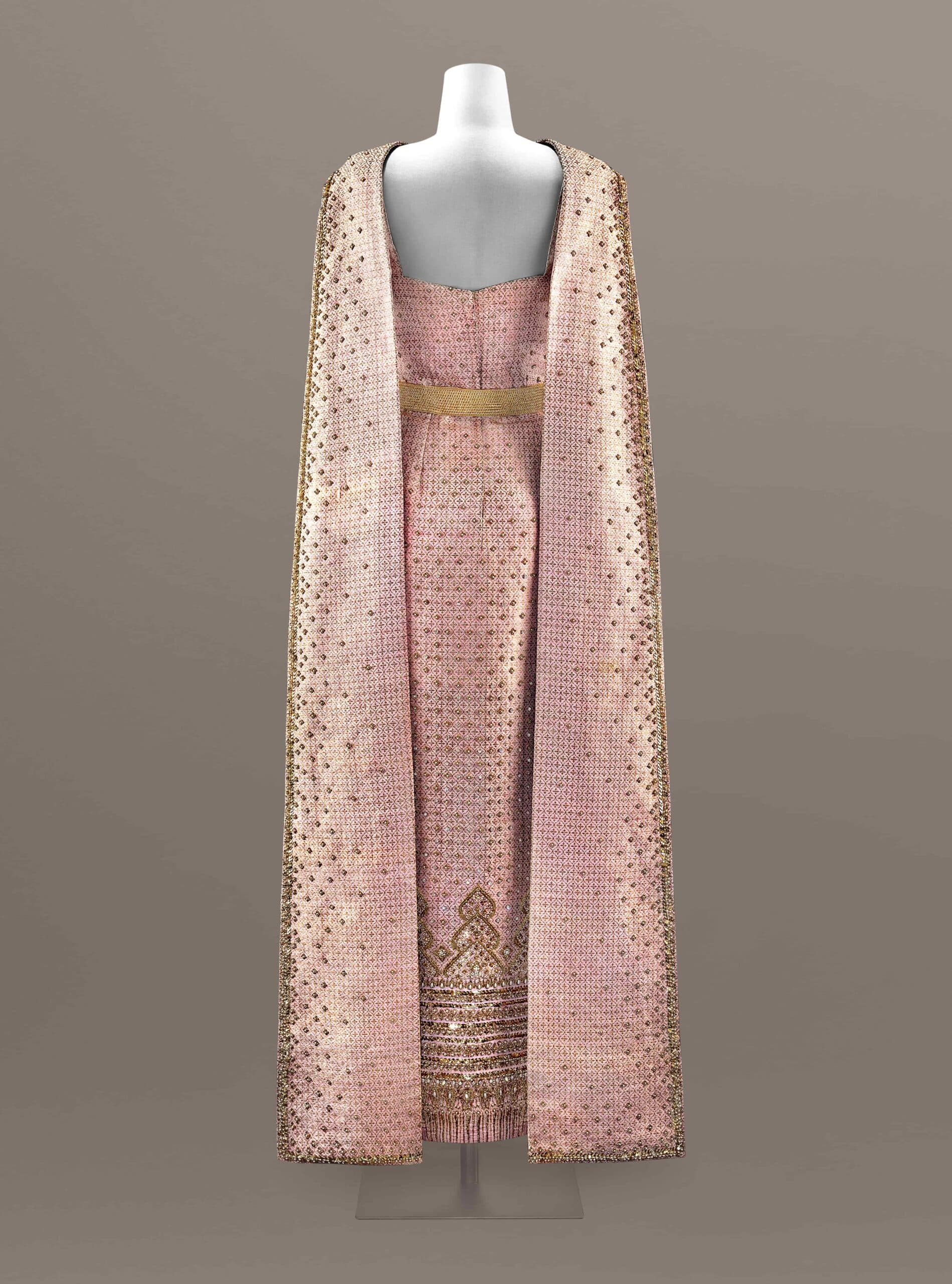
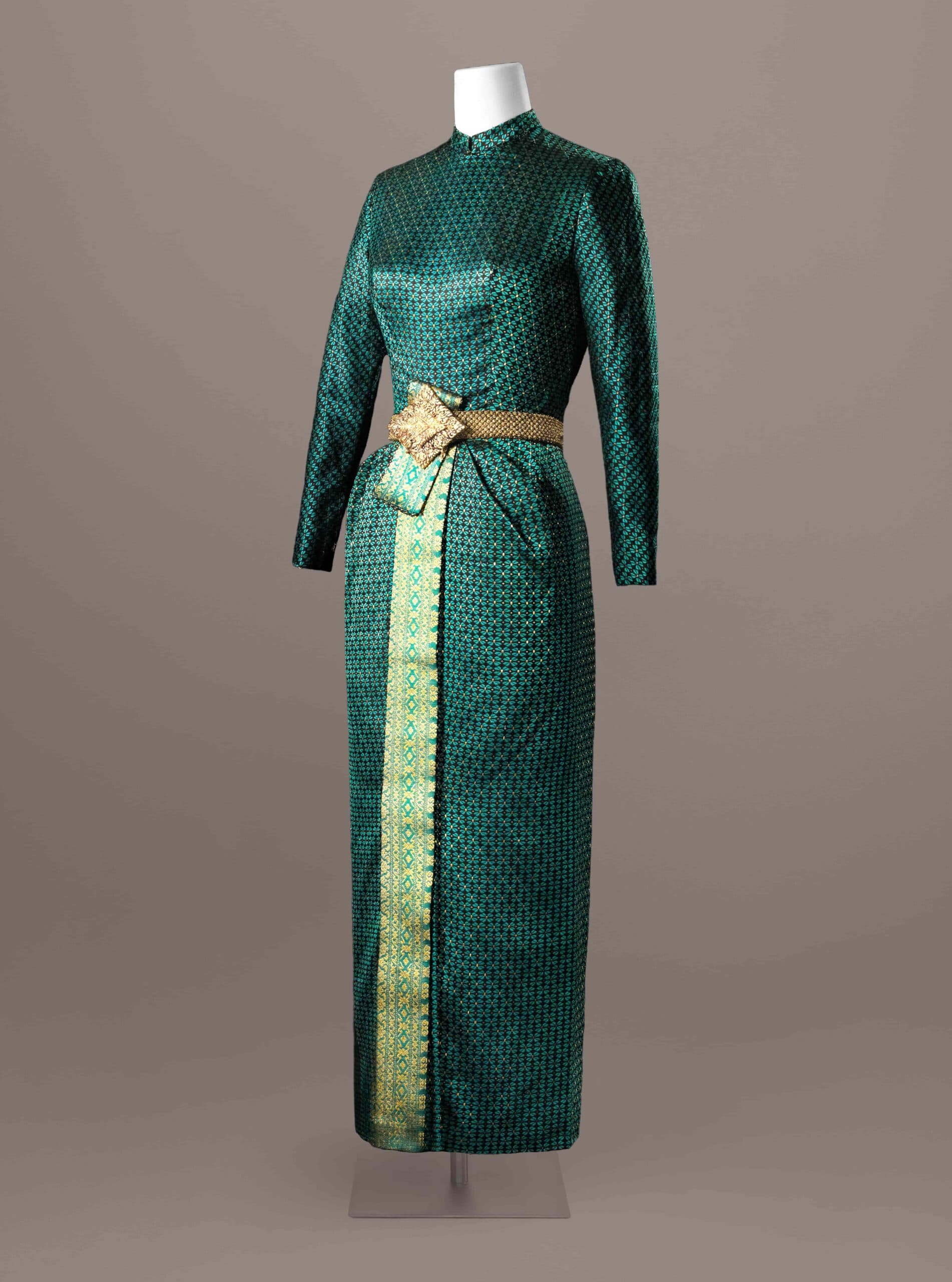
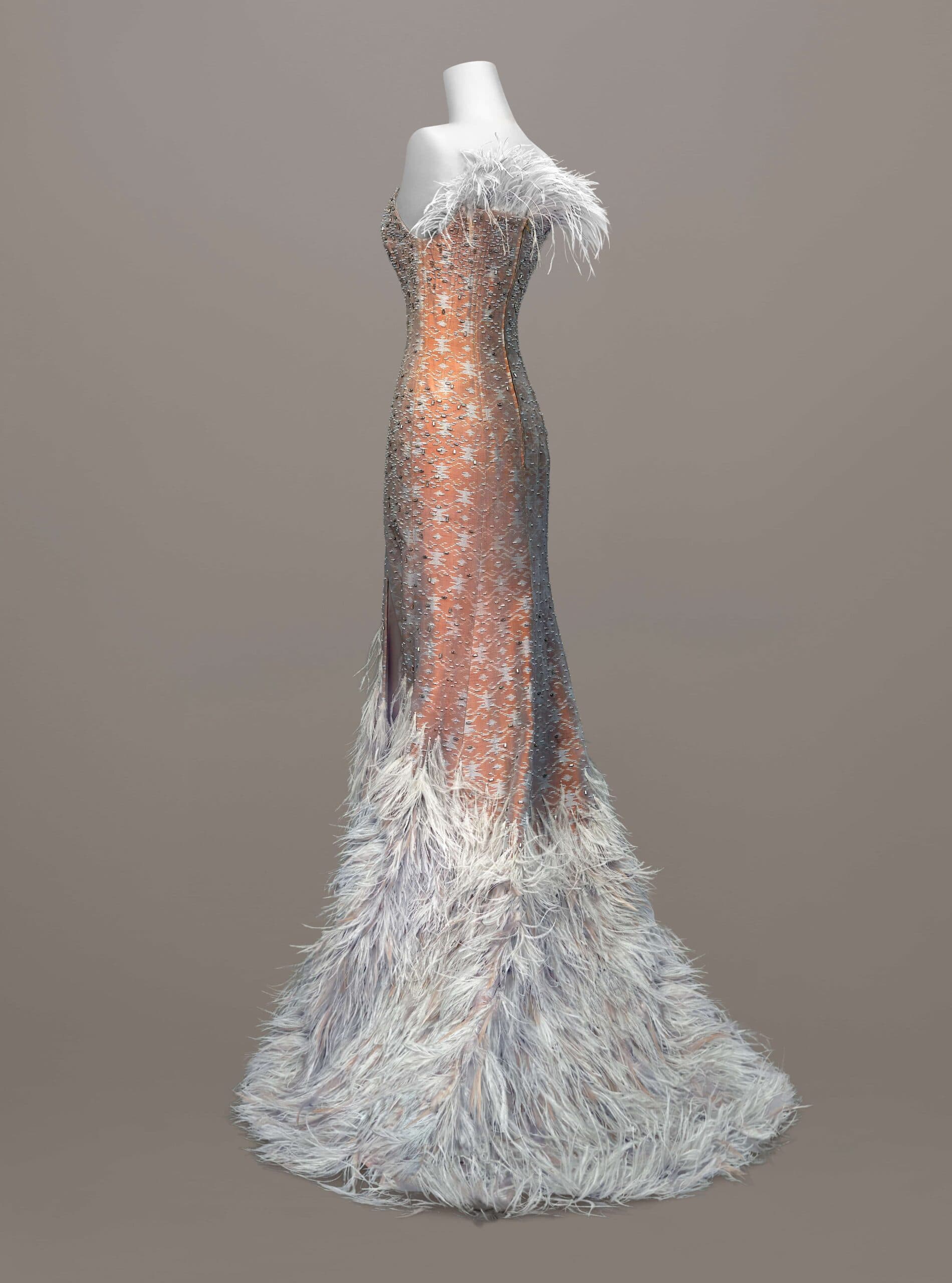
Centered on Queen Sirikit’s artistic dialogue with Pierre Balmain and Maison Lesage, spanning more than three decades, the exhibition presents a unique map of diplomatic elegance where traditional Thai textile craftsmanship meets the aesthetics of haute couture.
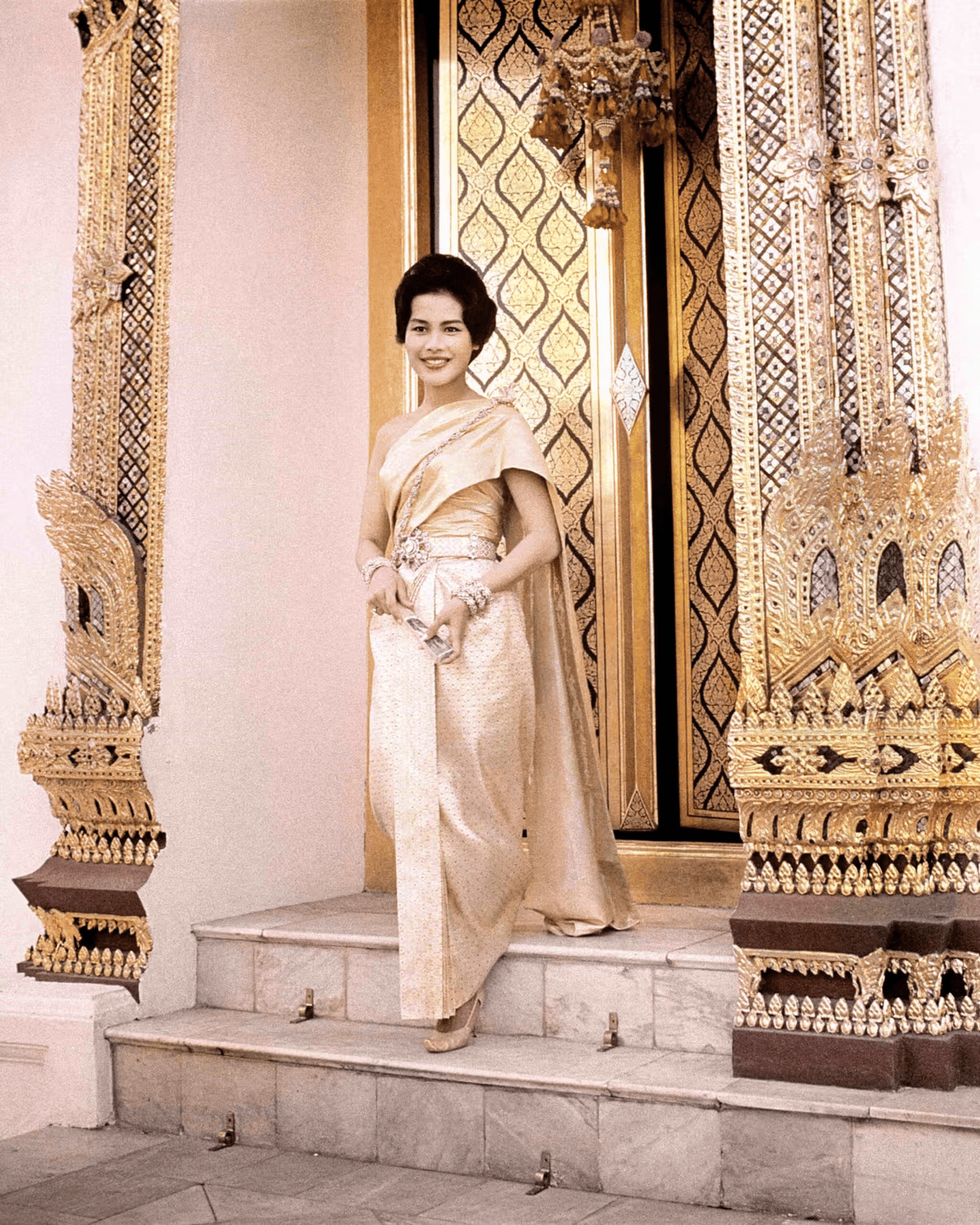
The Musée des Arts Décoratifs in Paris will host the exhibition until November 1: “La Mode en majesté. Haute couture et tradition à la cour de Thaïlande” (Haute Couture and Tradition at the Thai Royal Court). Organized as part of the 340th anniversary of the first diplomatic contact between France and Thailand and the 170th anniversary of the establishment of official relations, the exhibition sheds light on fashion history through pieces drawn from the royal collection.
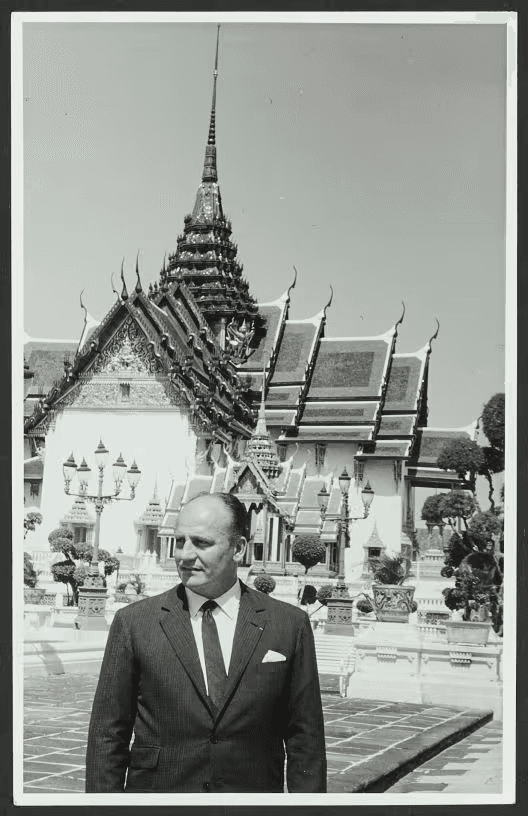
Visitors can discover more than one hundred historical garments, pieces of jewelry, and royal court accessories. Designed with both chronological and thematic narratives, the exhibition takes viewers on a journey from the archives of Bangkok’s Grand Palace to the ateliers of Parisian haute couture. Beyond documenting the formal evolution of dress, the exhibition also illustrates how the fashion cultures of the two countries have influenced one another.
Queen Sirikit and the Rebirth of Traditional Forms
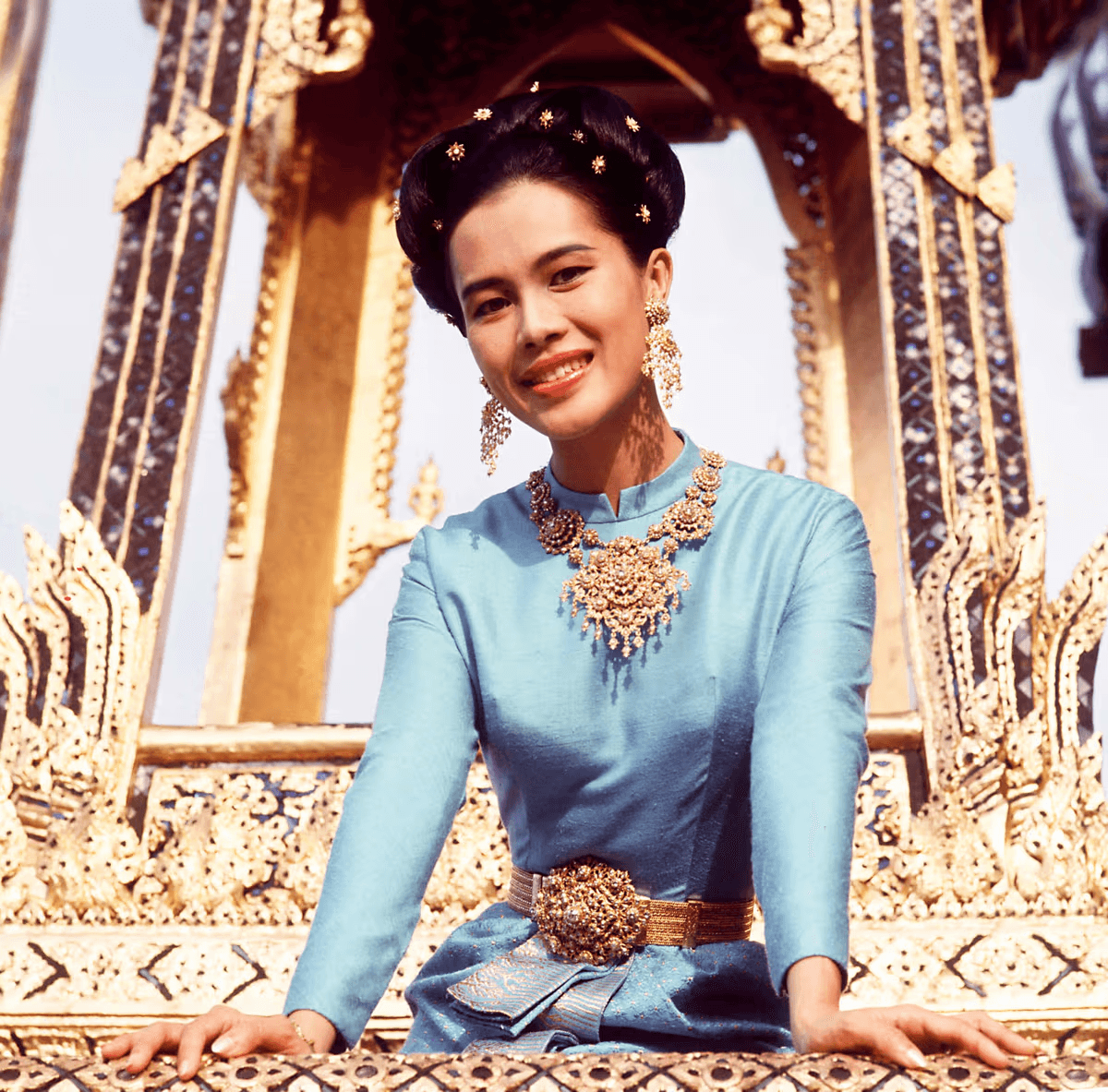
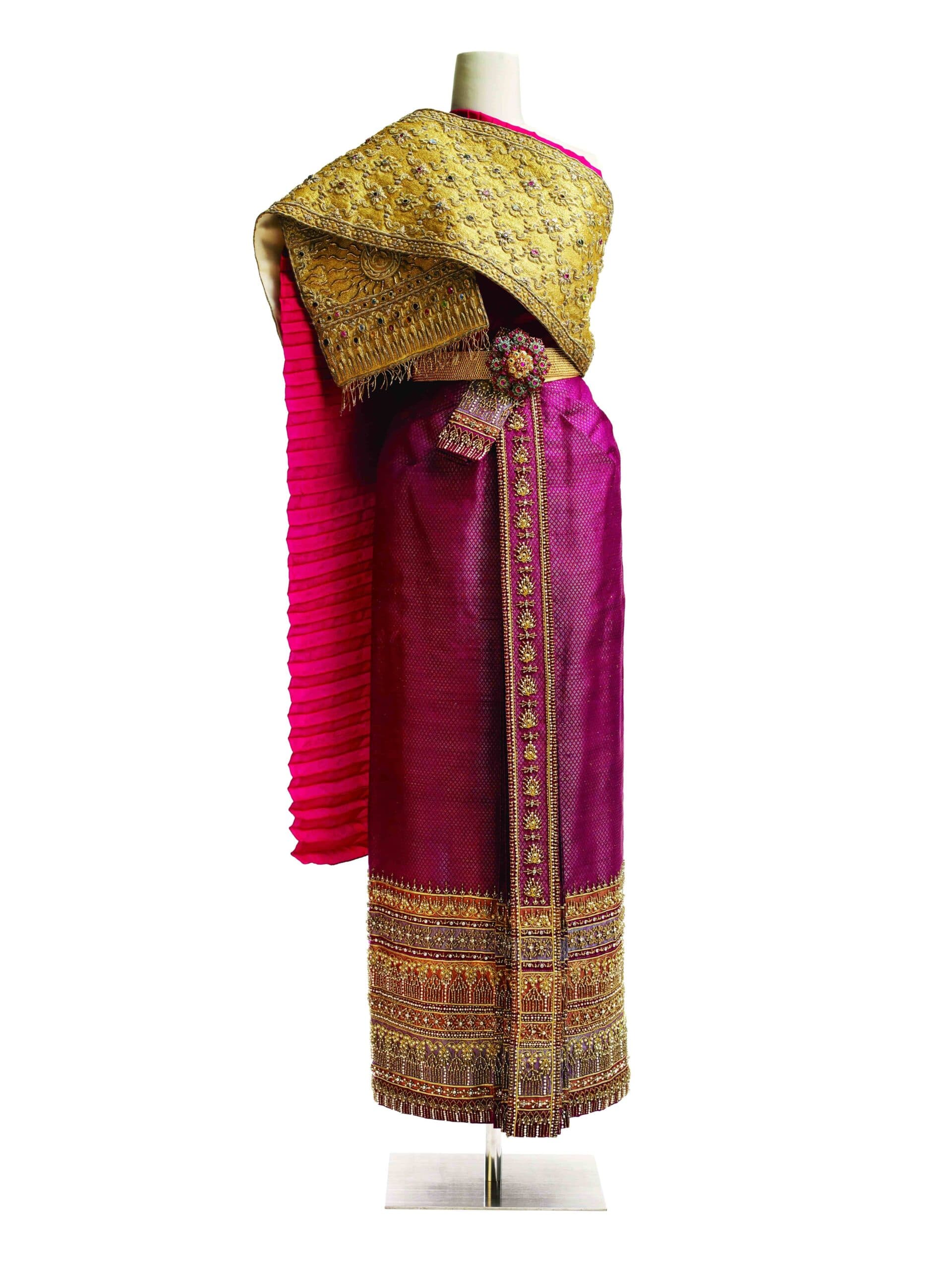
The modern adaptation of Thai royal dress culture was directly shaped by Queen Sirikit’s institutional and cultural initiatives. Beginning in the 1960s, Queen Sirikit sought to introduce the richness of her country’s fashion heritage to the international stage. To this end, she led a long-term research project involving historians, designers, and local artisans. Rather than directly replicating the past, the objective was to identify key identity codes from eighteenth- and nineteenth-century costumes and reinterpret them in contemporary forms.

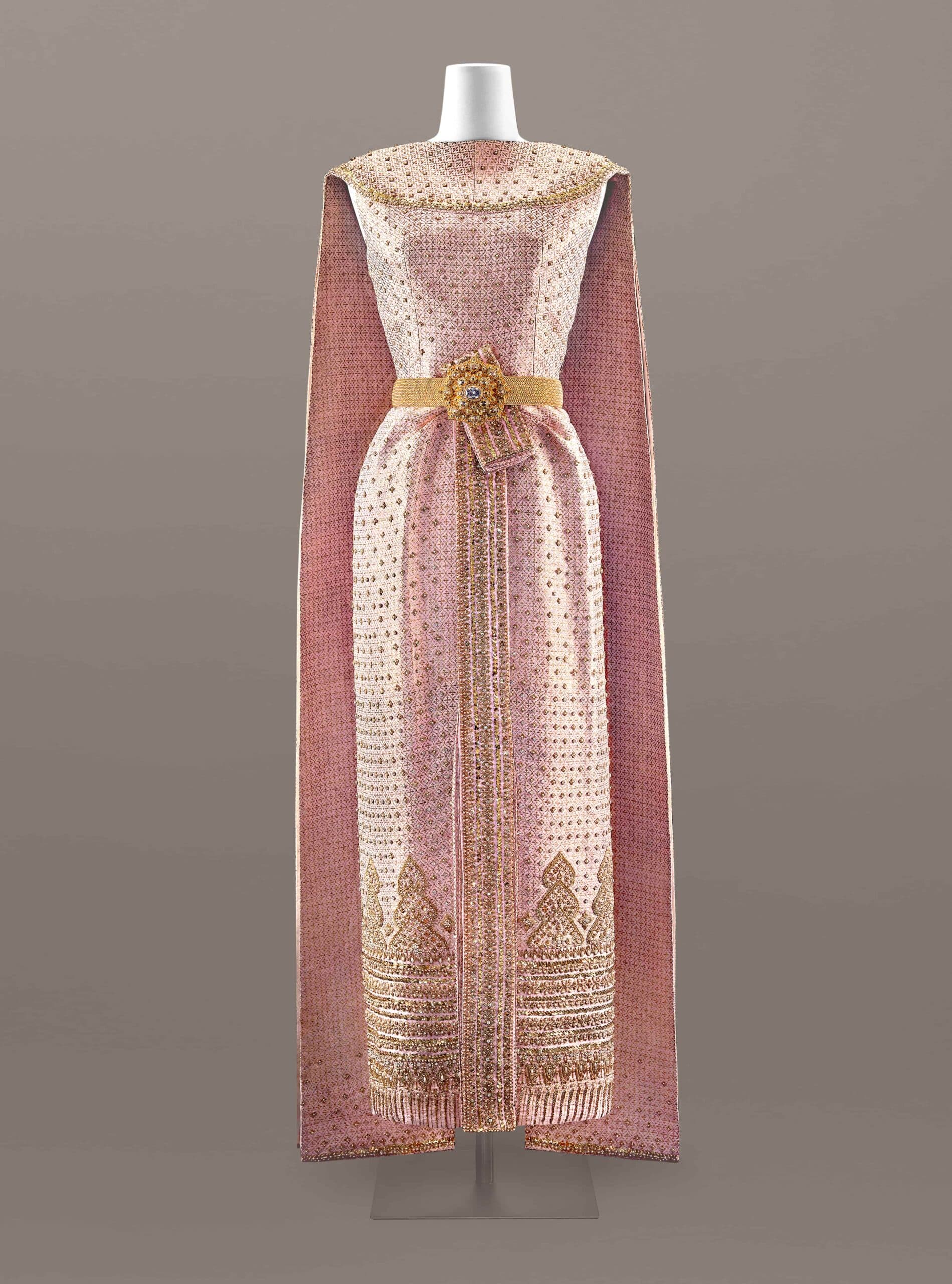
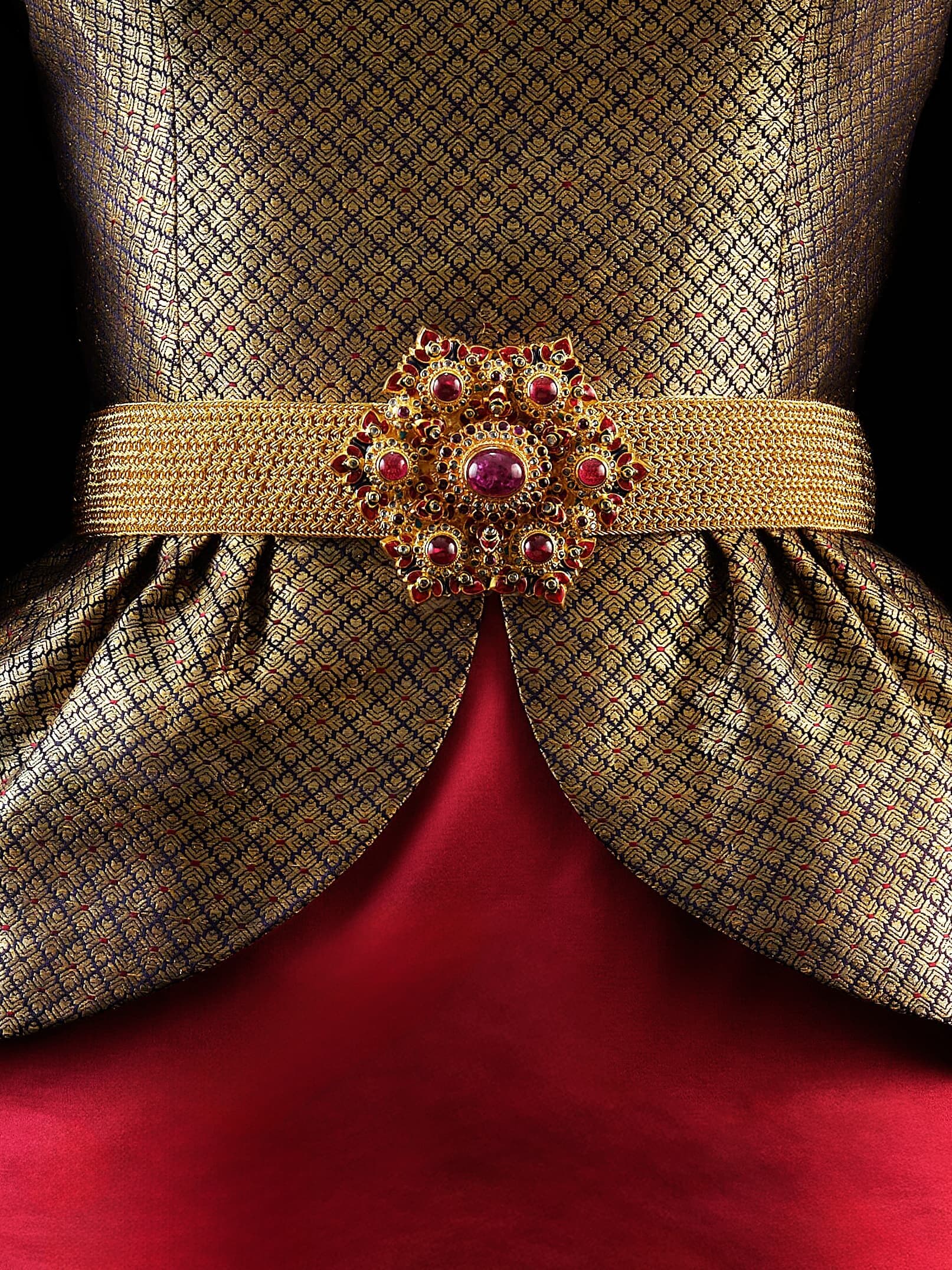
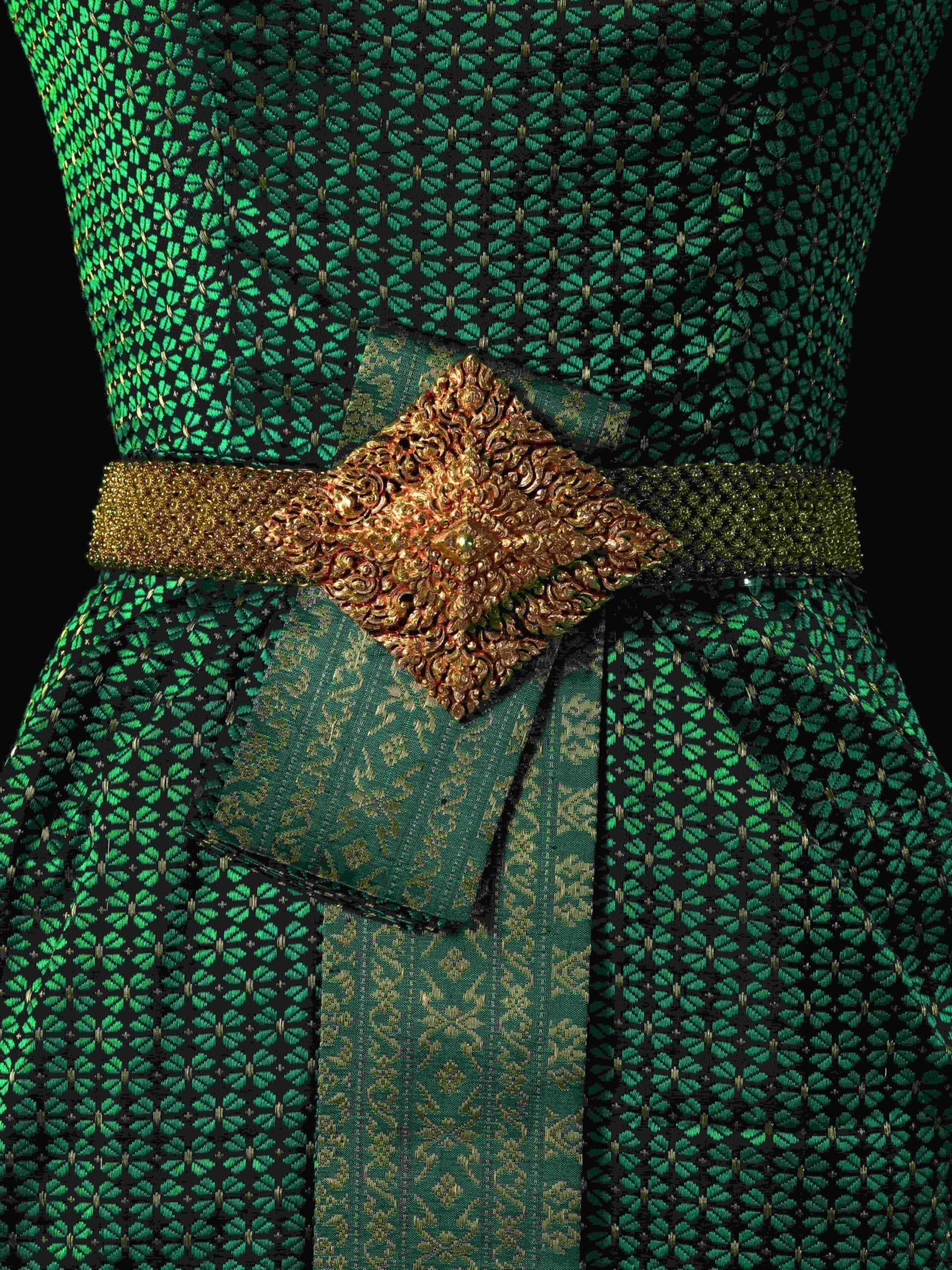
As a result of this academic process, structural forms were established that today are referred to as the “eight traditional royal costume formats,” combining traditional shoulder shawls (sabai), chest cloths (sabak), silk, draped fabrics, and intricate embellishments. The pieces displayed in the museum examine the role and design parameters of these eight fundamental formats within royal protocol. Heavy silks and region-specific motifs have been transformed into contemporary silhouettes without disrupting the strict codes of court fashion. Often referred to as the “Jackie Kennedy of the East” for the influence she had on the image of her era, Queen Sirikit’s vision reveals how a local weaving tradition evolved into an institutional language of fashion.


Pierre Balmain: A Design Dialogue from Parisian Ateliers to the Royal Court of Bangkok
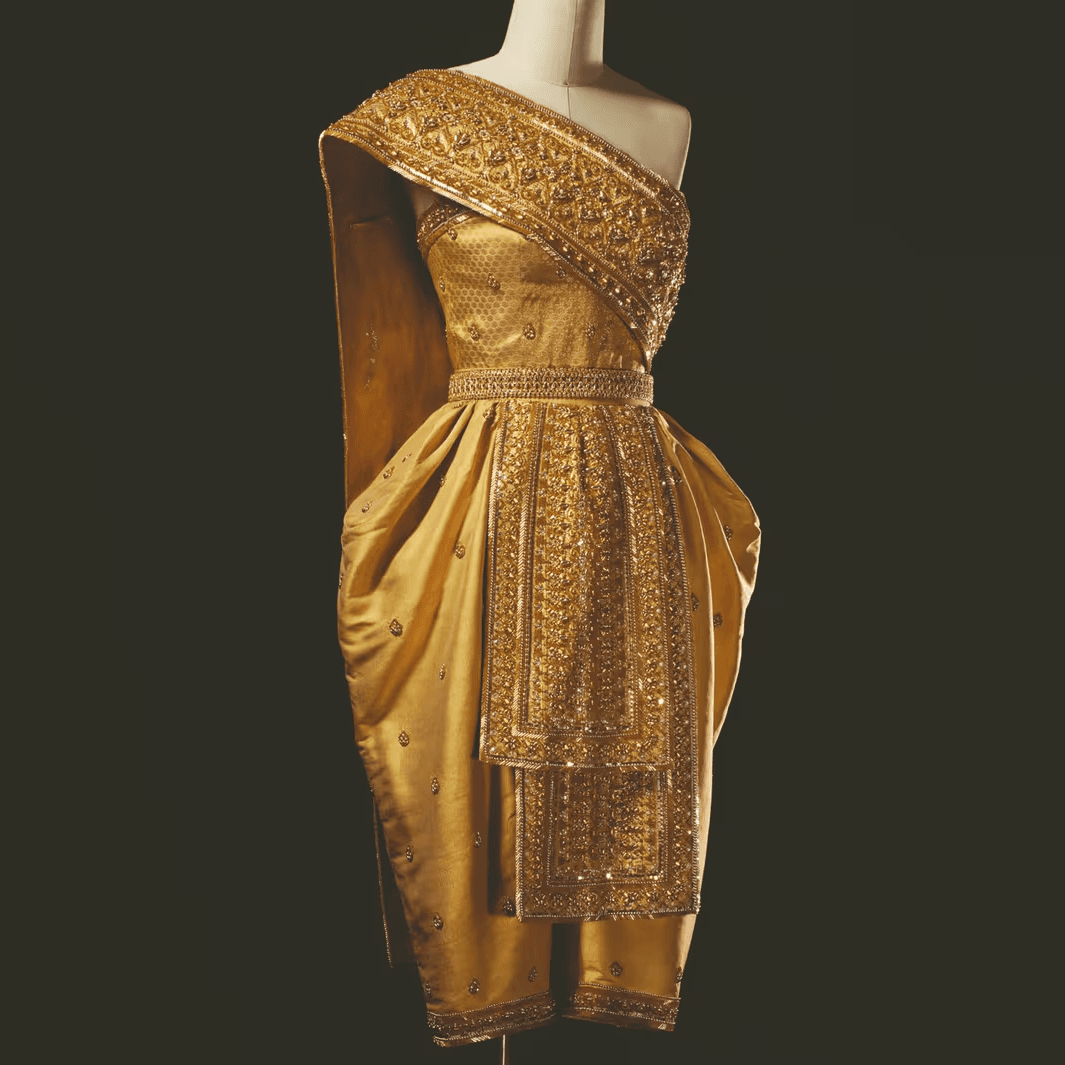
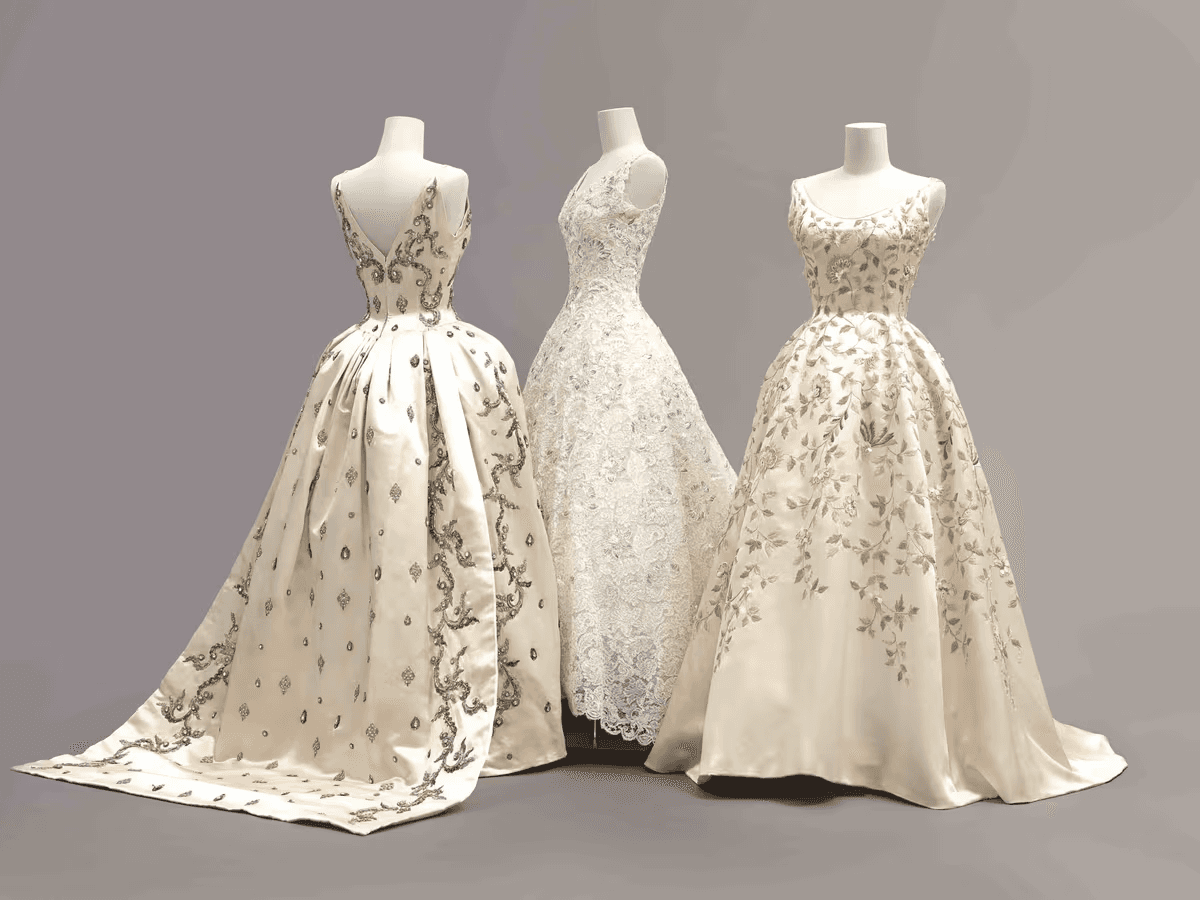
The exhibition’s principal connection to the world of haute couture is the relationship between Queen Sirikit and French designer Pierre Balmain, which began with their meeting in 1959 and continued for more than thirty years. Initiated ahead of King Rama IX and Queen Sirikit’s official tours of Europe and the United States in 1960, this dialogue helped shape the international sartorial image of the Thai royal family. The queen’s gowns for balls, cocktail receptions, and evening events stand out as balanced syntheses of Eastern craftsmanship and Parisian haute couture tailoring techniques.


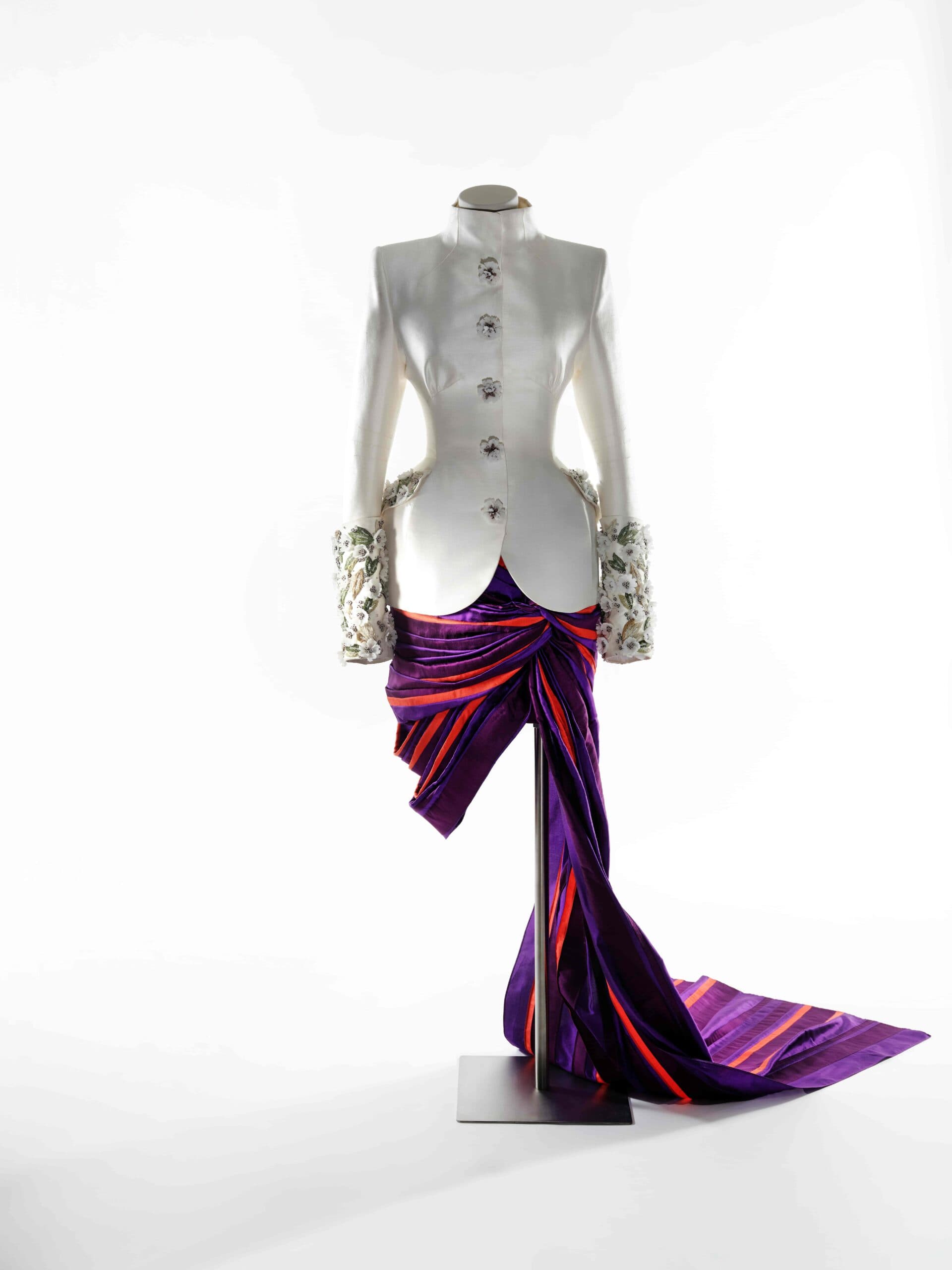
Pierre Balmain embraced the qualities of Thai silk in his collections, reinterpreting traditional textiles through the lens of haute couture. His asymmetrical cuts and architectural tailoring merged with traditional Thai motifs to create a wardrobe with strong diplomatic symbolism. Trend panels featuring adapted Balmain silhouettes designed for the queen, embroidery samples from the Lesage Atelier, and original Balmain sketches displayed throughout the exhibition reveal the creative process behind this multinational collaboration.

The Sustainability of Craftsmanship
Within the Thai royal court, fashion is positioned not only as an aesthetic expression but also as a strategic tool for rural development and the support of local labor. The institutional foundation of this initiative lies in the SUPPORT Foundation, established by Queen Sirikit in 1976 to preserve local weaving traditions, sericulture, and traditional dyeing techniques. Dedicated to safeguarding endangered textile practices such as Mat Mii and brocade weaving, the foundation is represented in the exhibition through collaborations with the Queen Sirikit Museum of Textiles (QSMT) and The Sustainable Arts and Crafts Institute of Thailand (SACIT).


Today, Queen Suthida continues this mission through her patronage of the foundation, supporting local production and craftsmanship. Meanwhile, the third-generation representative of the royal family, designer Princess Sirivannavari, is creating new opportunities for Thai designers by combining traditional fabrics with contemporary silhouettes. The final section of the exhibition is devoted to these contemporary interpretations, demonstrating how a new generation of designers is not only preserving heritage but also expanding it through modern perspectives.


A Living Experience
Throughout the exhibition, the Musée des Arts Décoratifs will host live workshops and demonstrations, bringing the technical processes of traditional craftsmanship into the museum space. The schedule is as follows:
18–21 June
Damascening and Metal Engraving
16–19 July
Silk Weaving (Prae Wa and Mat Mii / Ikat)
10–13 September
Traditional Reed Weaving Techniques
8–11 October
Traditional Painting on Canvas Fans
The Flowers of Yves Saint Laurent: An Indispensable Passion
From the Heart to the Hands: Dolce&Gabbana in Paris
French Elegance Shines in Hong Kong: Fashion and Jewelry from 1770-1910