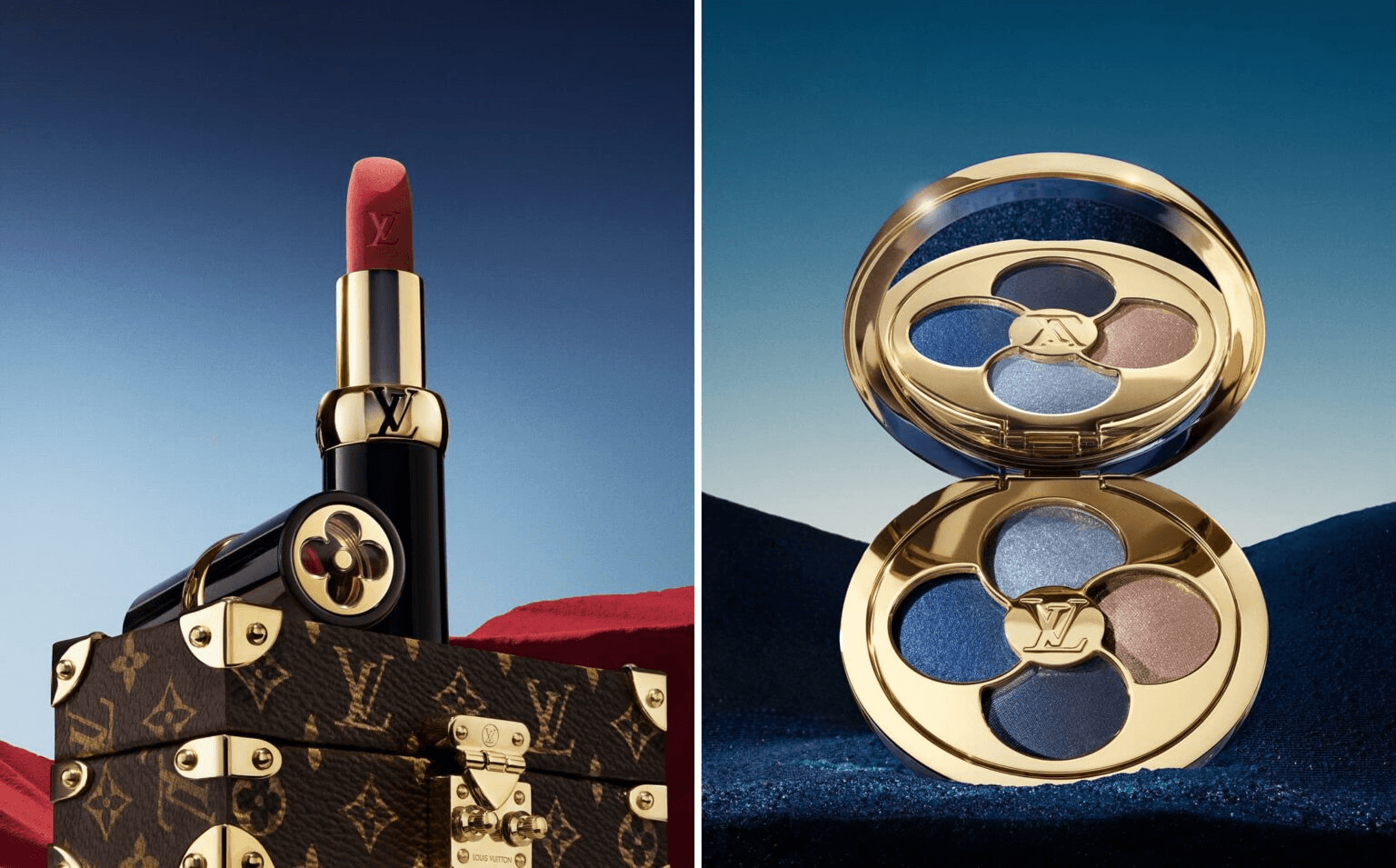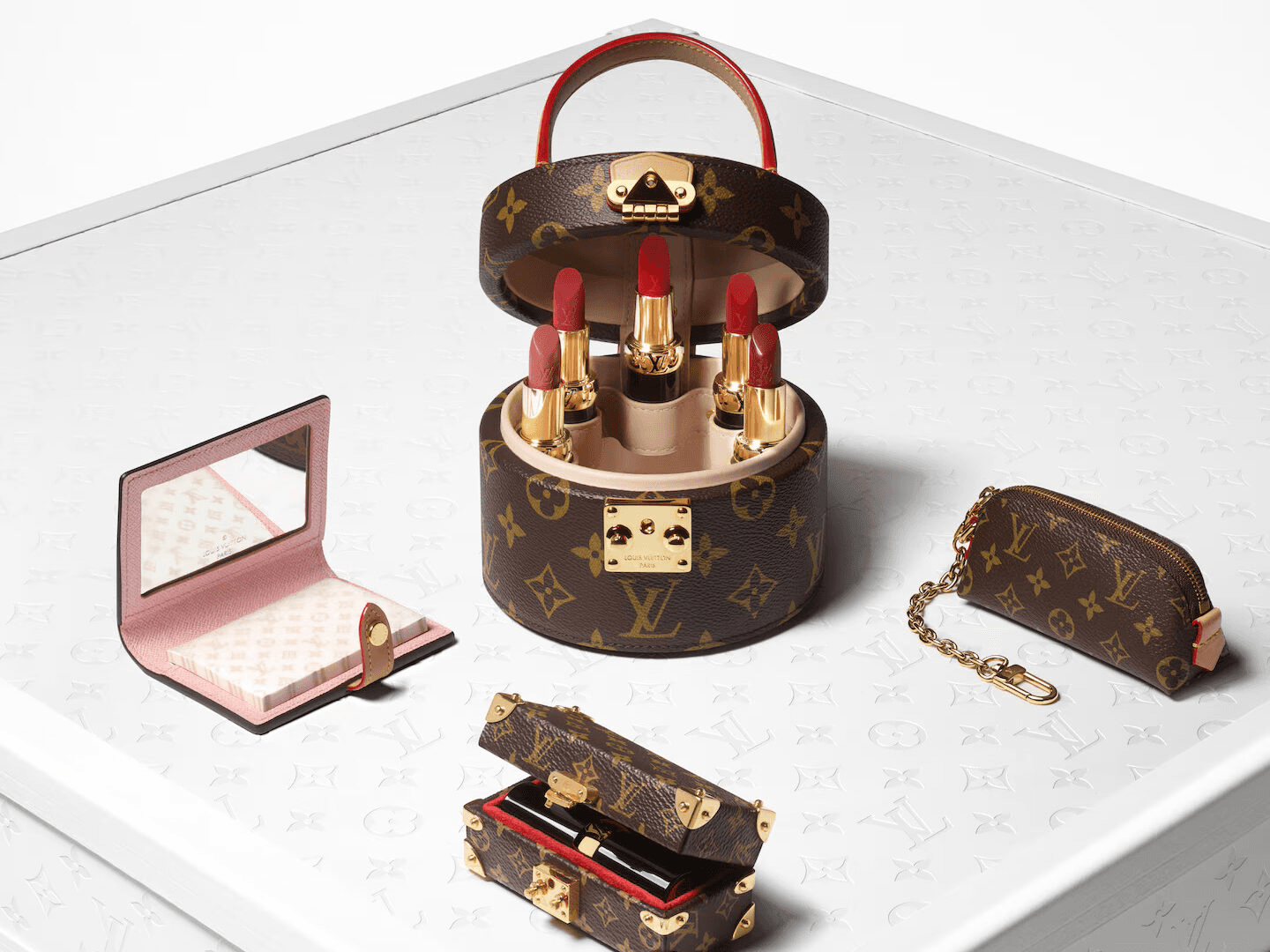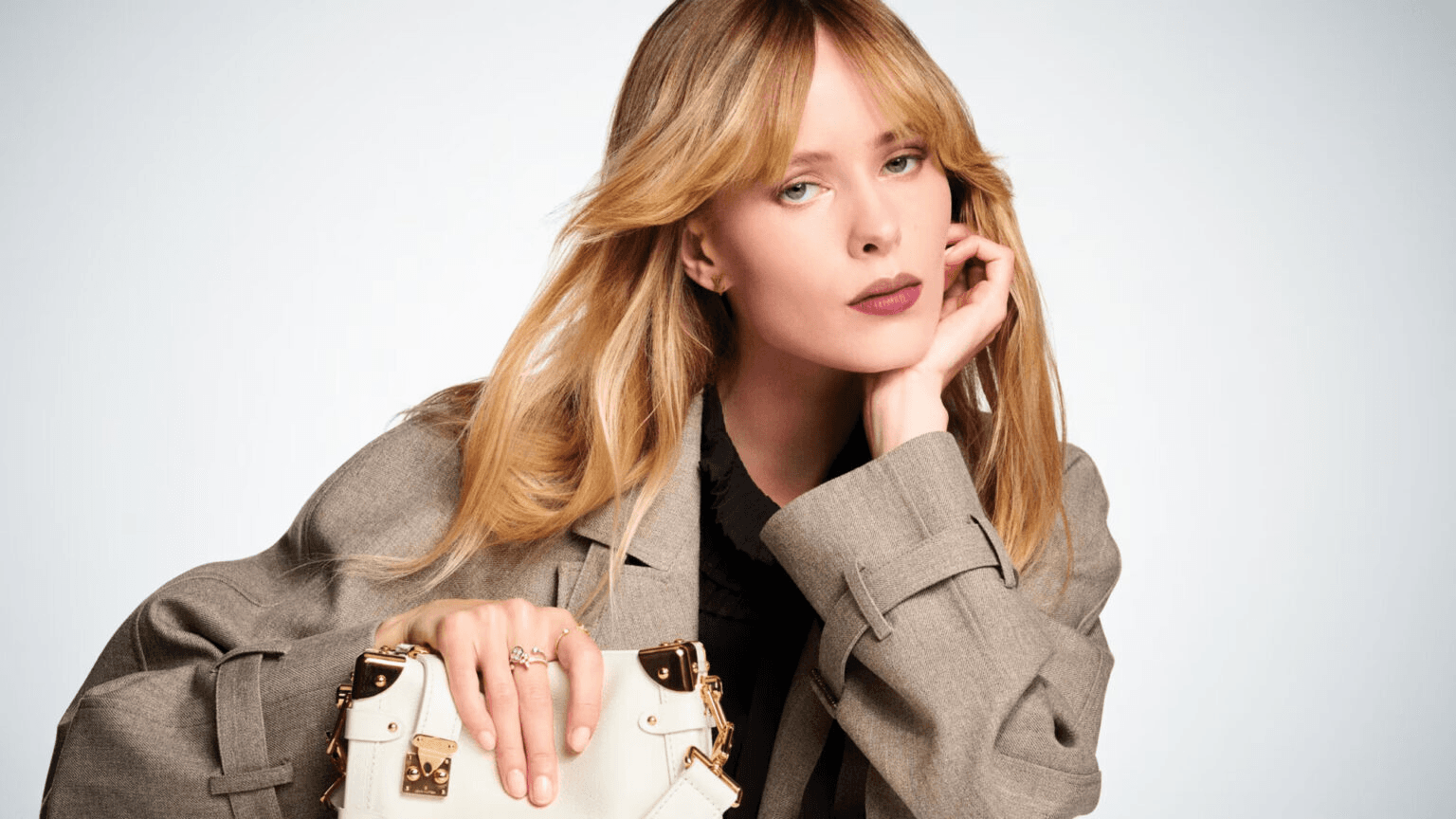
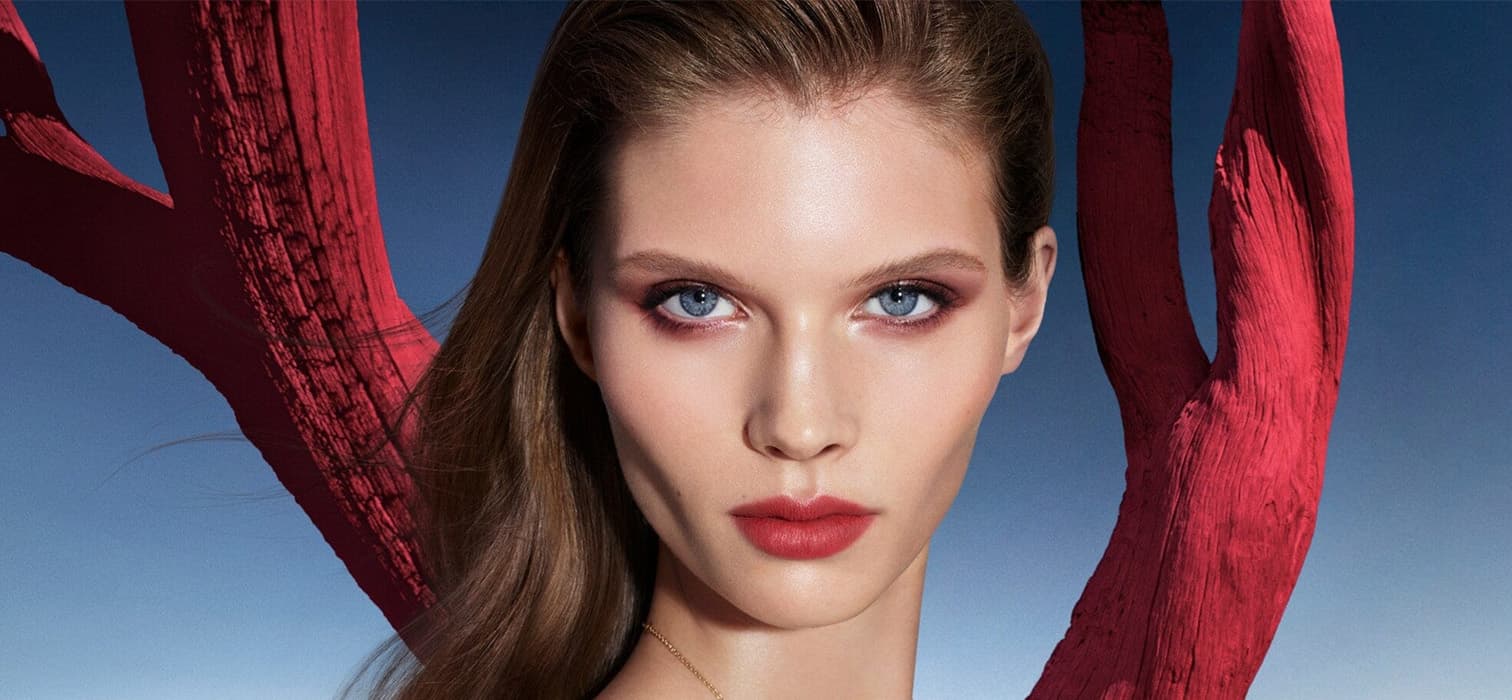
With its first makeup collection La Beauté, Louis Vuitton is selling more than just a $160 lipstick — it’s offering a layered story. But will this move redraw the boundaries of luxury cosmetics?
A lipstick is never merely a small item in a makeup bag. Sometimes it completes an outfit, sometimes it’s the most practical tool for confidence, and sometimes it’s a symbol of prestige. The presence of luxury brands in beauty amplifies these meanings loaded onto such a small yet powerful object. Louis Vuitton’s first makeup collection, introduced under the name La Beauté Louis Vuitton, stands at the very peak of this symbolism.
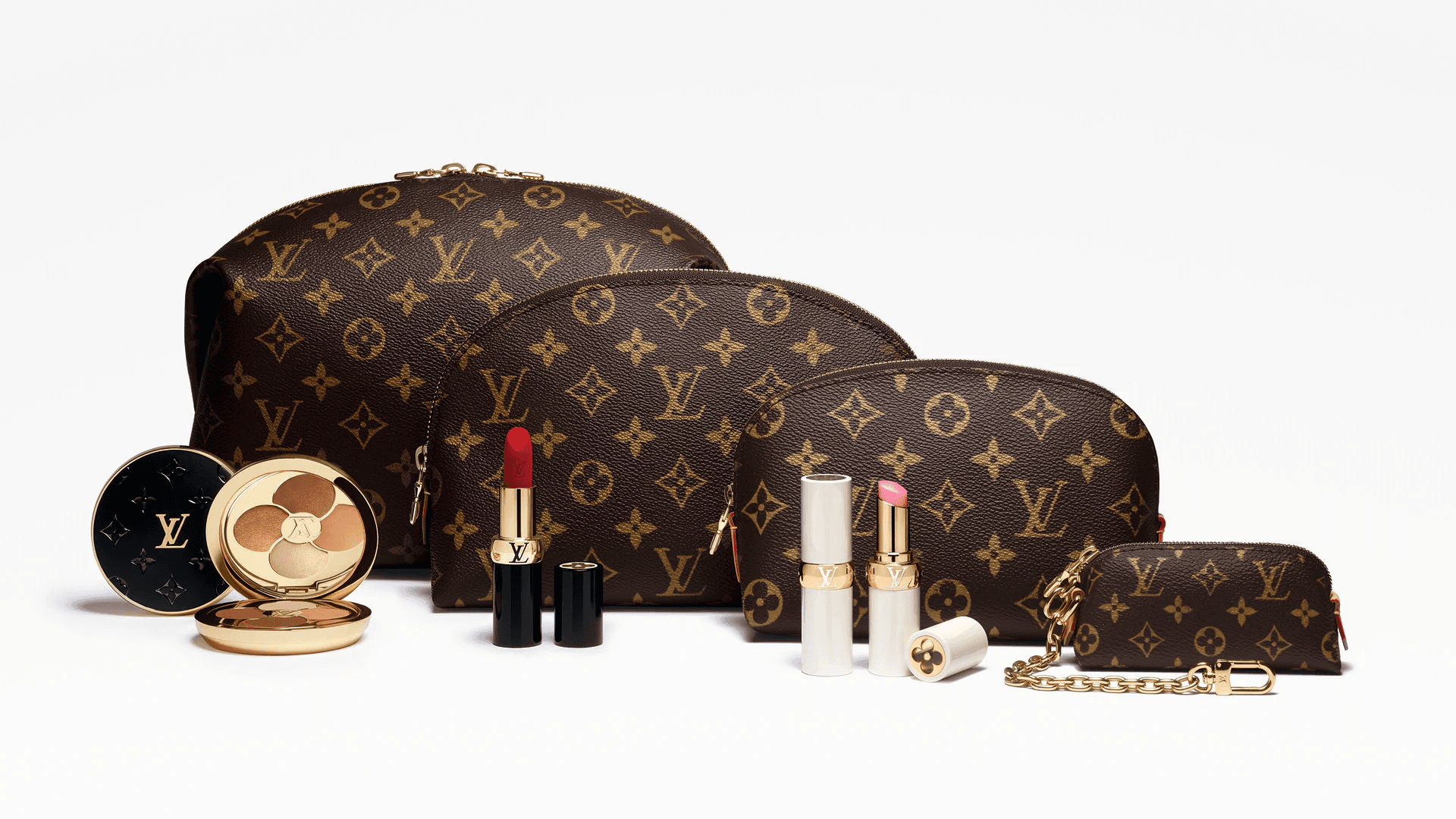
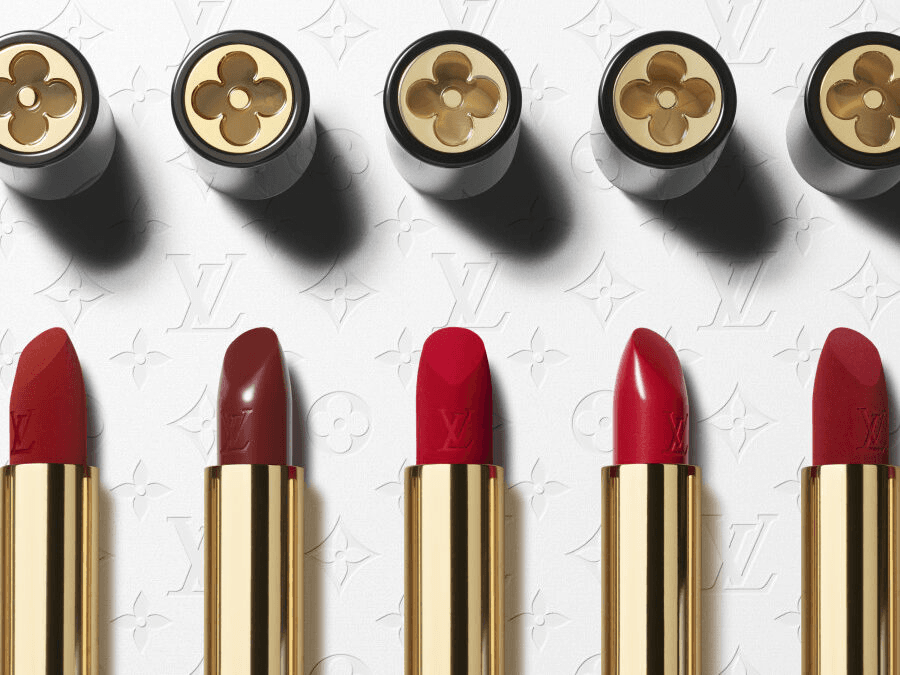
The collection, created in collaboration with Pat McGrath, opens a new stage in the beauty world. But this stage is built not only on creativity, but also on pricing strategy. The line includes 55 lipsticks priced at $160 each and 10 lip balms. The refills for the lipsticks are sold at $69. Four-shade eyeshadow palettes are priced at $250, with refills costing $92. This La Beauté collection, born from the powerhouse union of makeup icon Pat McGrath and luxury giant Louis Vuitton, is positioned not merely as makeup but as an extension of brand history — objects that carry Vuitton’s craftsmanship and heritage into everyday life.
A Strategic Field
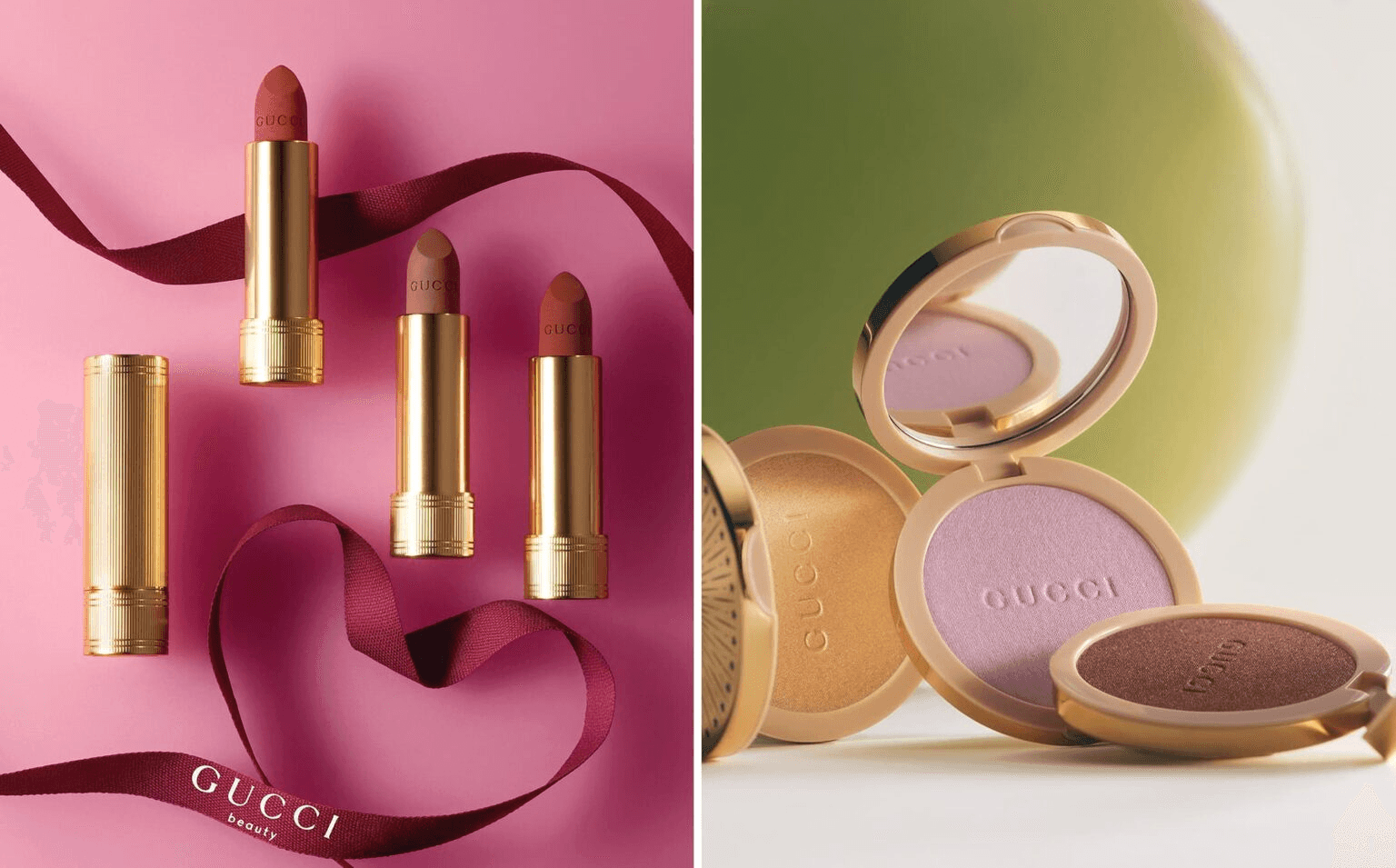
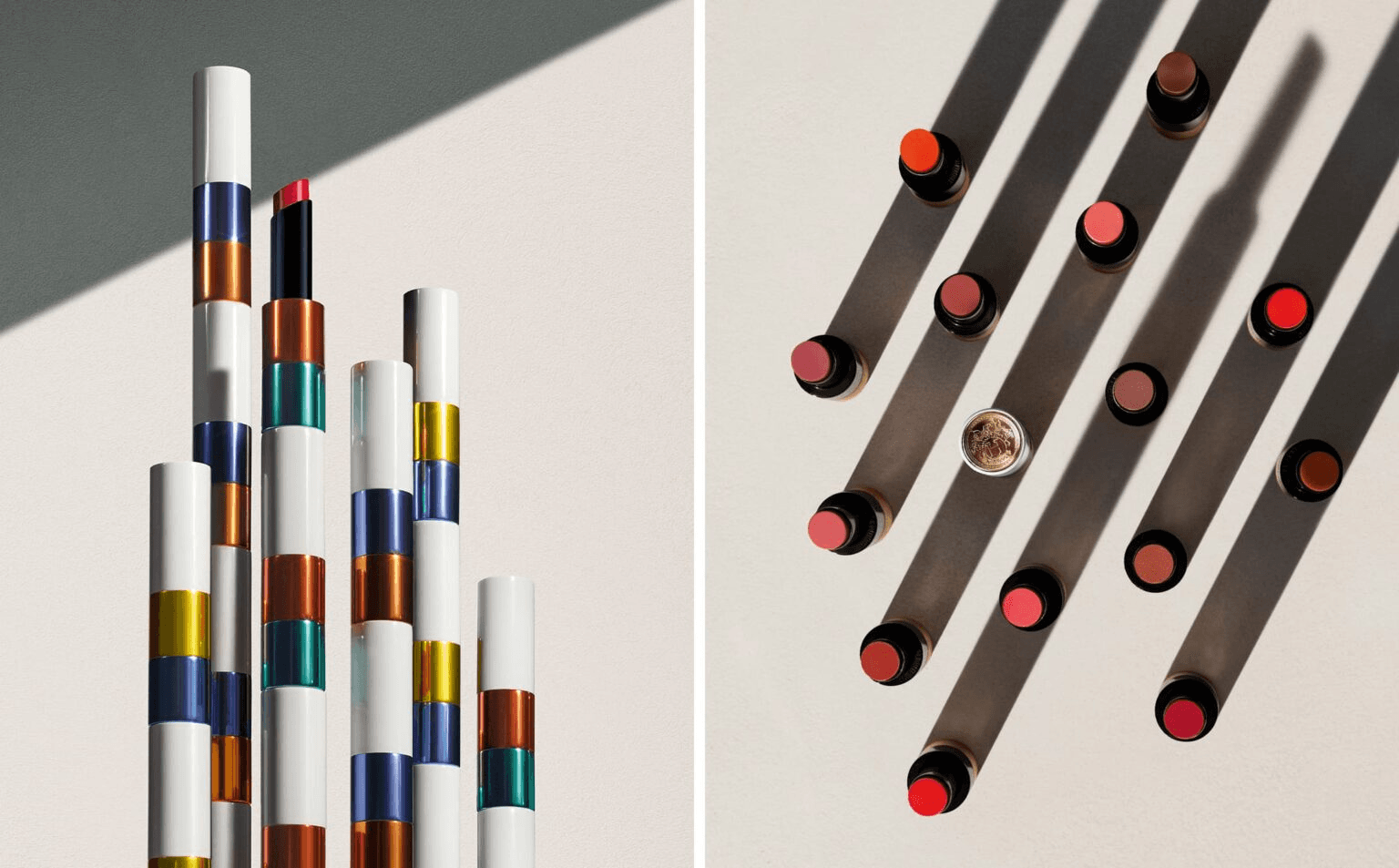
As global luxury consumption shows signs of slowing, Louis Vuitton’s ambitious entry into beauty is no coincidence. Chanel, Dior, and YSL have long been strong players in cosmetics. More recently, brands like Hermès, Gucci, Prada, and Victoria Beckham have joined the field.
Cosmetics is no longer a gray area for fashion but a multi-billion-dollar playing field promising growth. The global cosmetics market is becoming increasingly attractive for luxury brands. According to a Precedence Research article, the market, valued at $79.06 billion in 2025, is expected to reach about $148.19 billion by 2034, growing at a compound annual rate of 7.23%. These figures show that beyond aesthetics and prestige, serious economic potential drives fashion houses to treat cosmetics as a strategic investment.