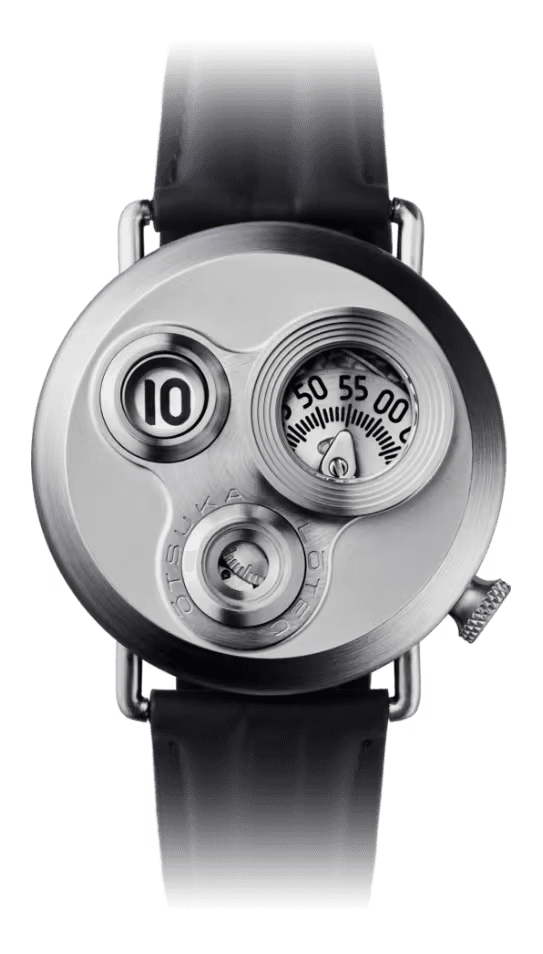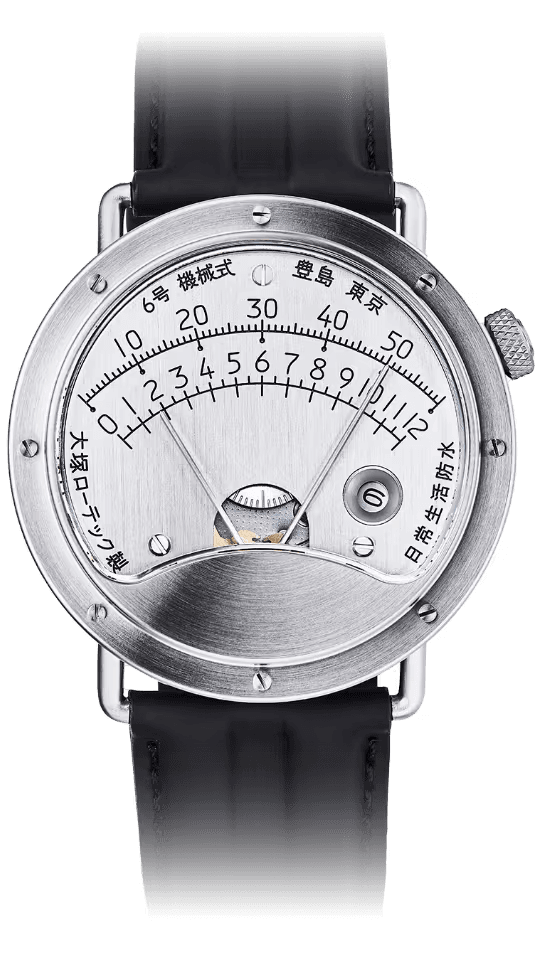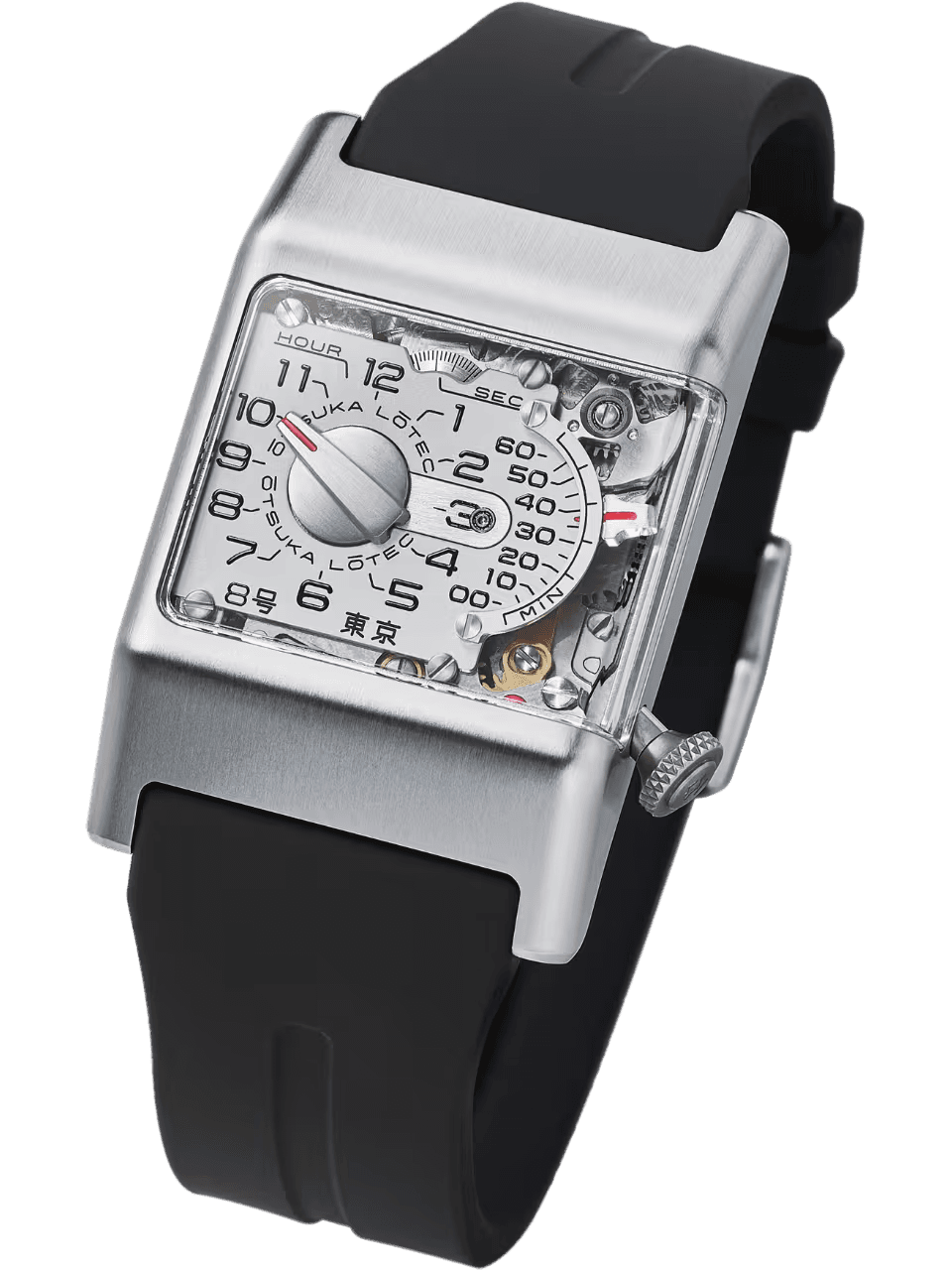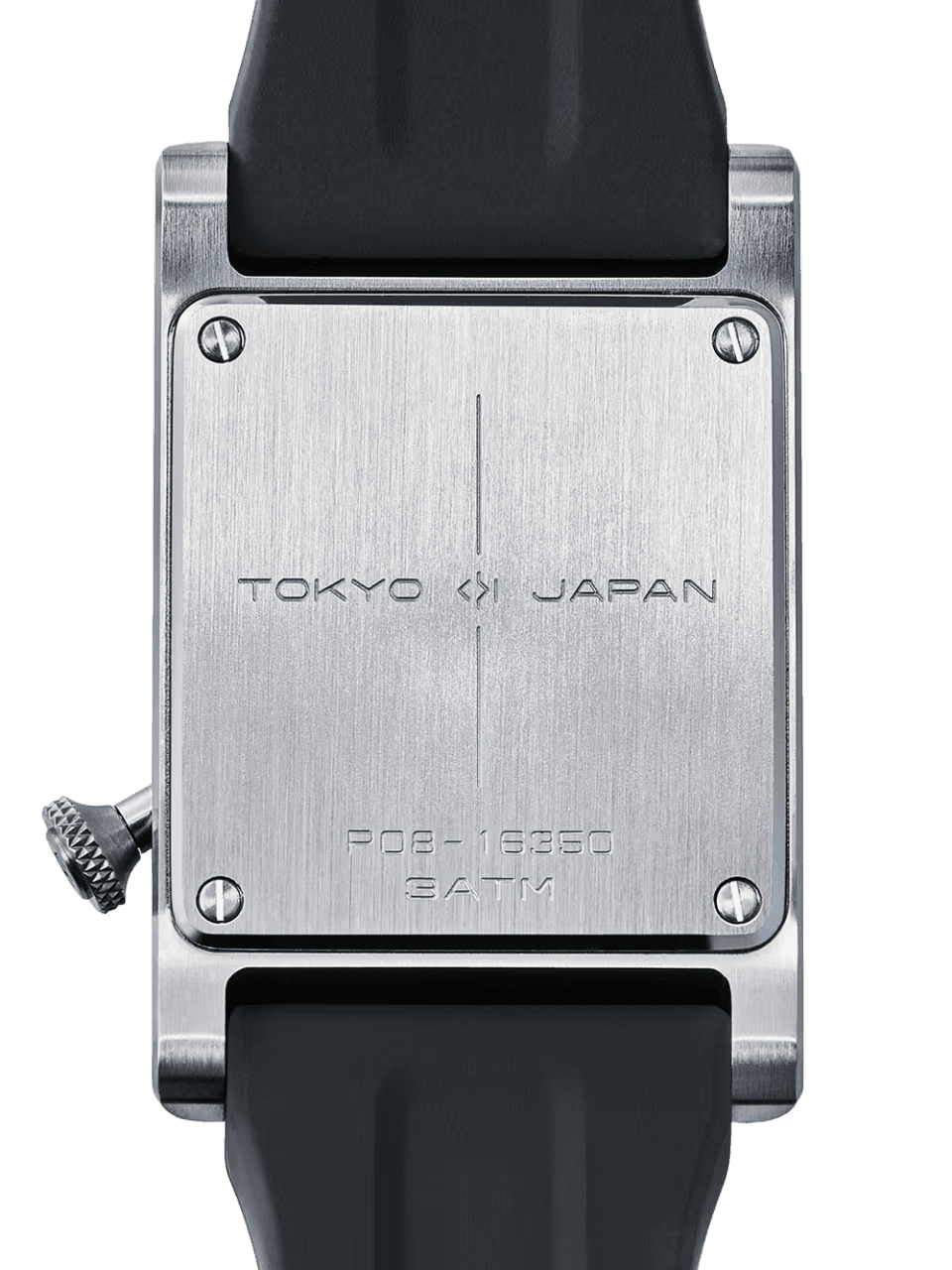

Japanese designer Jiro Katayama’s brand, Otsuka Lotec, has emerged as one of the most coveted names in contemporary watchmaking, thanks to its unconventional timepiece designs.
When we think of a watch factory, our minds often conjure images of serene towns at the foot of the Jura mountains or by a lakeside, with centuries-old workshops or quaint ateliers. However, this story takes horology enthusiasts to a different geography: the town of Otsuka in Tokyo.
Otsuka Lotec, one of Japan’s most talked-about independent watch brands, produces its timepieces in the eponymous town. At the helm is Jiro Katayama, an extraordinary watchmaker whose journey into horology began as an industrial designer. Katayama’s path to watchmaking started with a bench lathe. One day, he purchased a bench lathe through an online auction and began experimenting with metal at home. This simple act planted the seeds of a new passion.
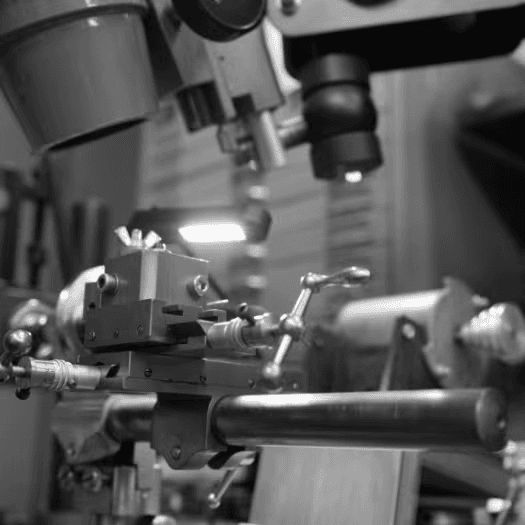
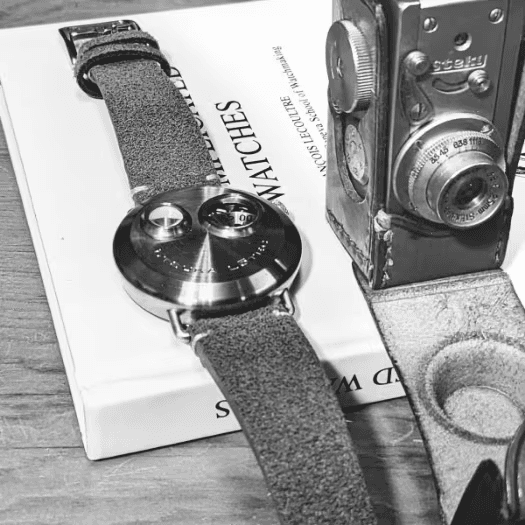
Though he enjoyed working with metal, Katayama knew his home could not accommodate large-scale projects, so he decided to channel his passion into a new form: watch cases. In 2008, in his early thirties, he began producing his first watch cases. Katayama taught himself horology through research, watching YouTube tutorials, studying tools and techniques, and experimenting with his own creations. The shapes, details, and textures of the objects he touched or interacted with became a constant source of inspiration. Drawn to the nostalgic charm of slightly aged objects, fascinated by designs crafted by a single engineer, and passionate about working with steel sheets and cast metals, Katayama soon began offering the watch world truly distinctive designs. His journey, which began in 2008, opened to the public in 2012 with the first sale of the No.5 watch.
Steampunk-Inspired Dials
As mentioned, the brand’s name comes from the town of Otsuka in Tokyo, while “Lotec” is a shorthand for “low technology.” This concept, which Katayama is particularly fond of, also references the traditional methods used in the production of his watches. Every component produced in the atelier passes through his hands. Old cinema cameras, measuring instruments, and industrial machinery inspire Katayama’s creations.