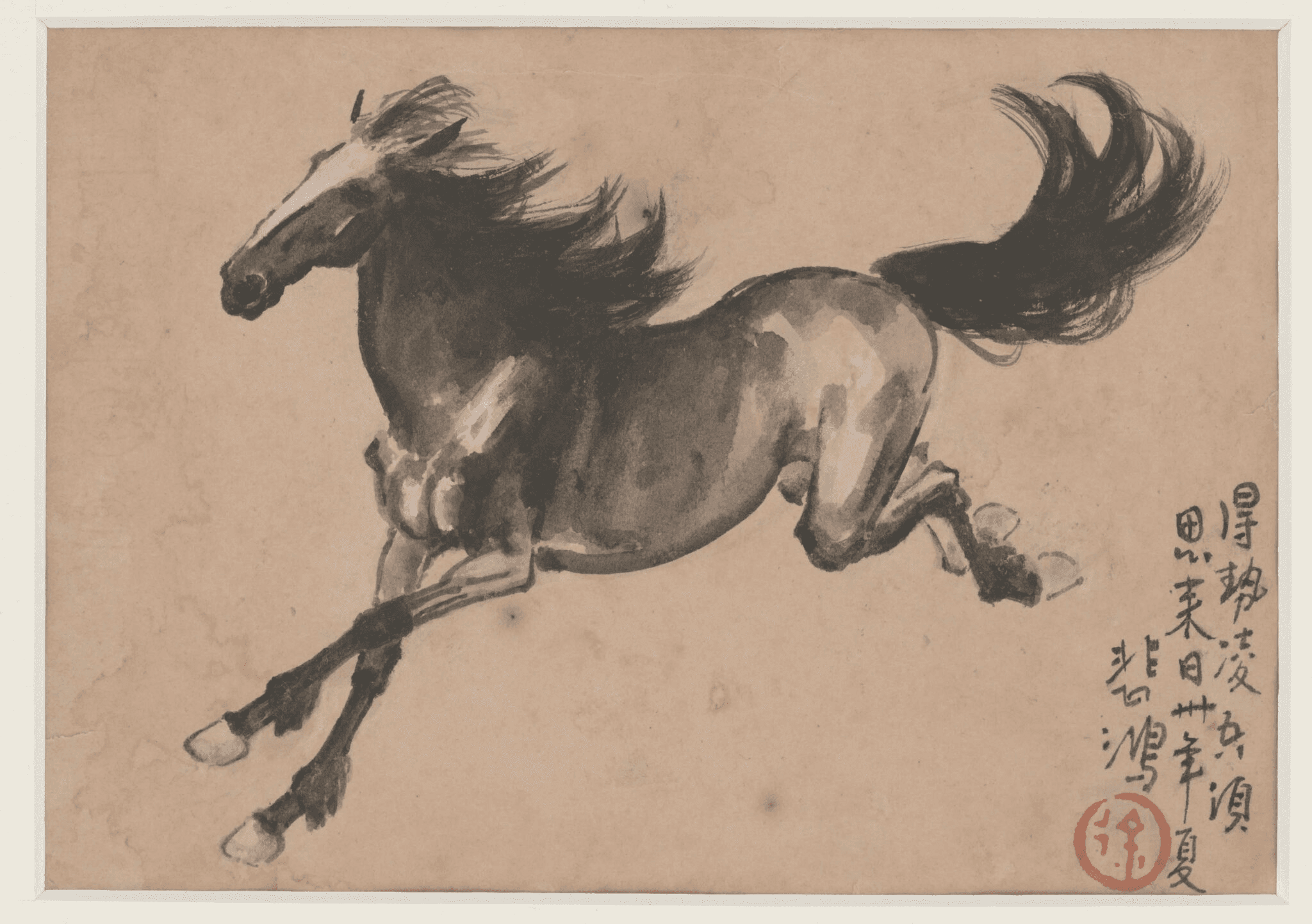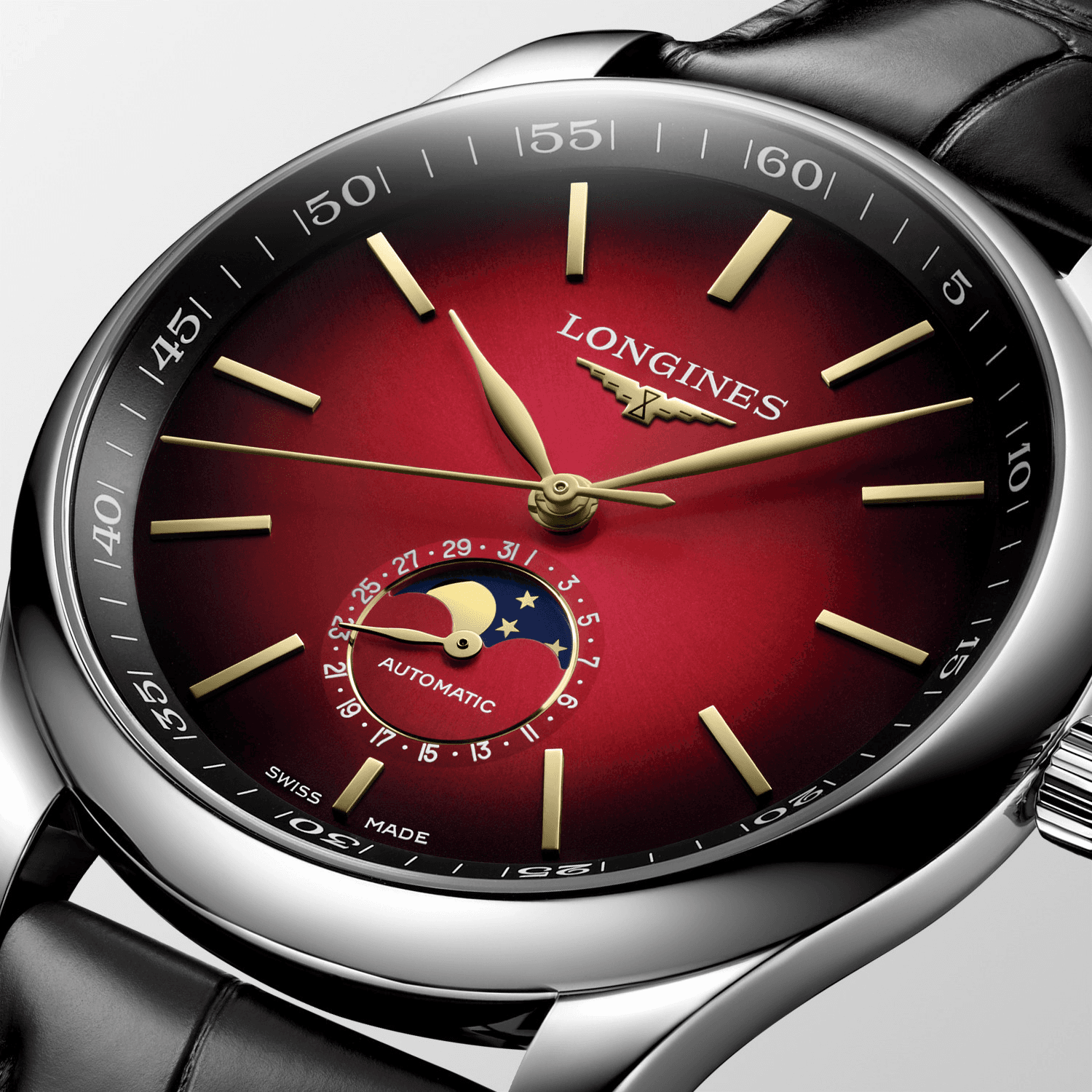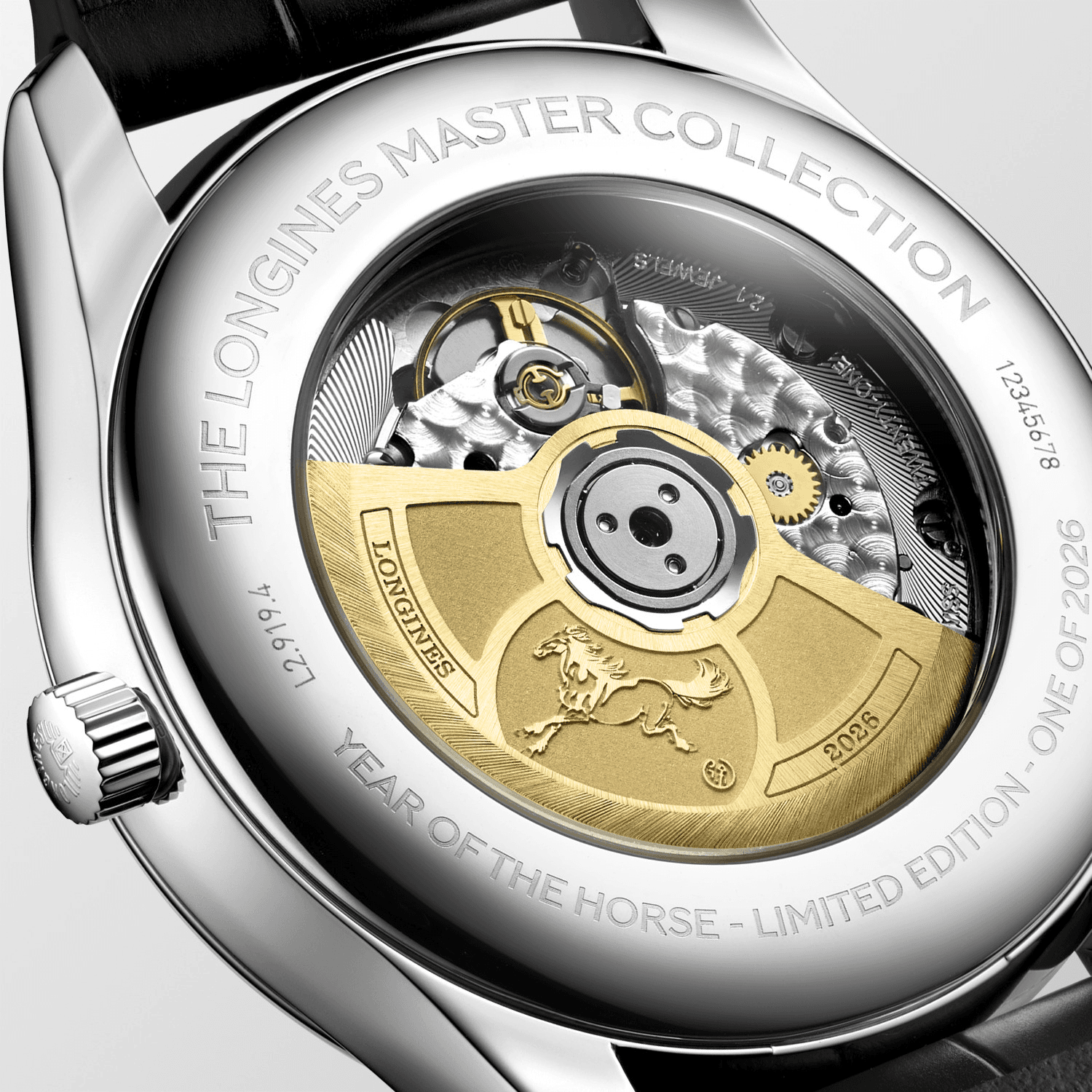

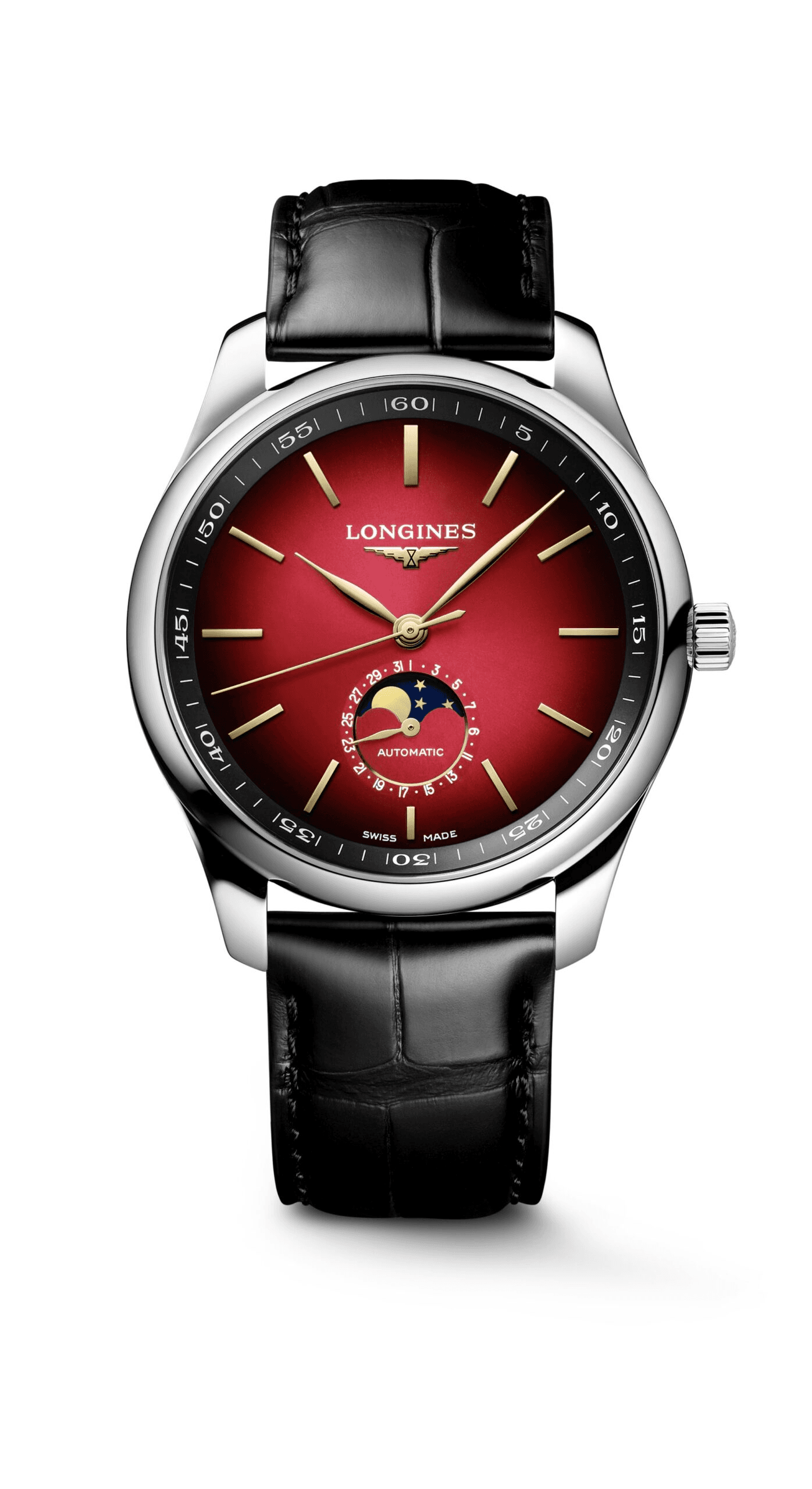
According to the Chinese zodiac, 2026 will usher in the Year of the Horse a year that ruled by the free spirit, speed, and courage of a horse galloping at full stride. Defined by determination, bravery, and an unbridled sense of freedom, the Year of the Horse promises to leave a lasting impression. For those seeking a timepiece worthy of this bold spirit, Longines’ Master Collection Year of the Horse naturally takes pride of place.
Welcoming a new year is always filled with excitement and renewed hope. As the final days of the year approach, streets across the globe glow with festive lights, while Christmas trees bring warmth and sparkle into homes. In parts of the Far East, however, the New Year is celebrated through a different cultural lens. For the Chinese New Year, a tradition spanning thousands of years, homes are thoroughly cleaned, red decorations symbolizing good fortune adorn living spaces, and families gather around tables filled with traditional dishes believed to bring luck and prosperity.
The Chinese zodiac consists of 12 animals, each representing a year in a repeating cycle. From February 17, 2026, to February 7, 2027, Chinese astrology marks the Year of the Horse, during which the energies symbolized by the horse are believed to influence the year ahead.
In Chinese astrology, the horse is associated with the fire element and represents speed, freedom, courage, and transformation. The Year of the Horse signals a dynamic period marked by change, renewal, and decisive moments. It is a time defined by bold choices and forward momentum—much like a horse racing freely across open land. For those who wish to accompany this fearless and passionate year with a watch on the wrist, Longines’ specially designed Master Collection Year of the Horse stands out as the perfect companion.
Inspired by a Galloping Horse