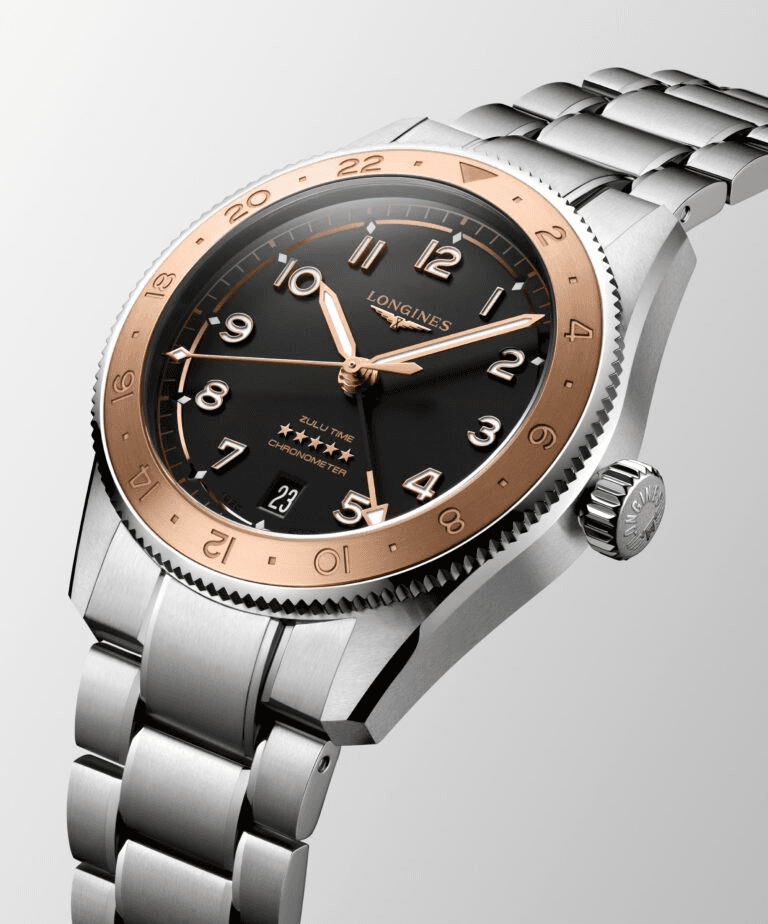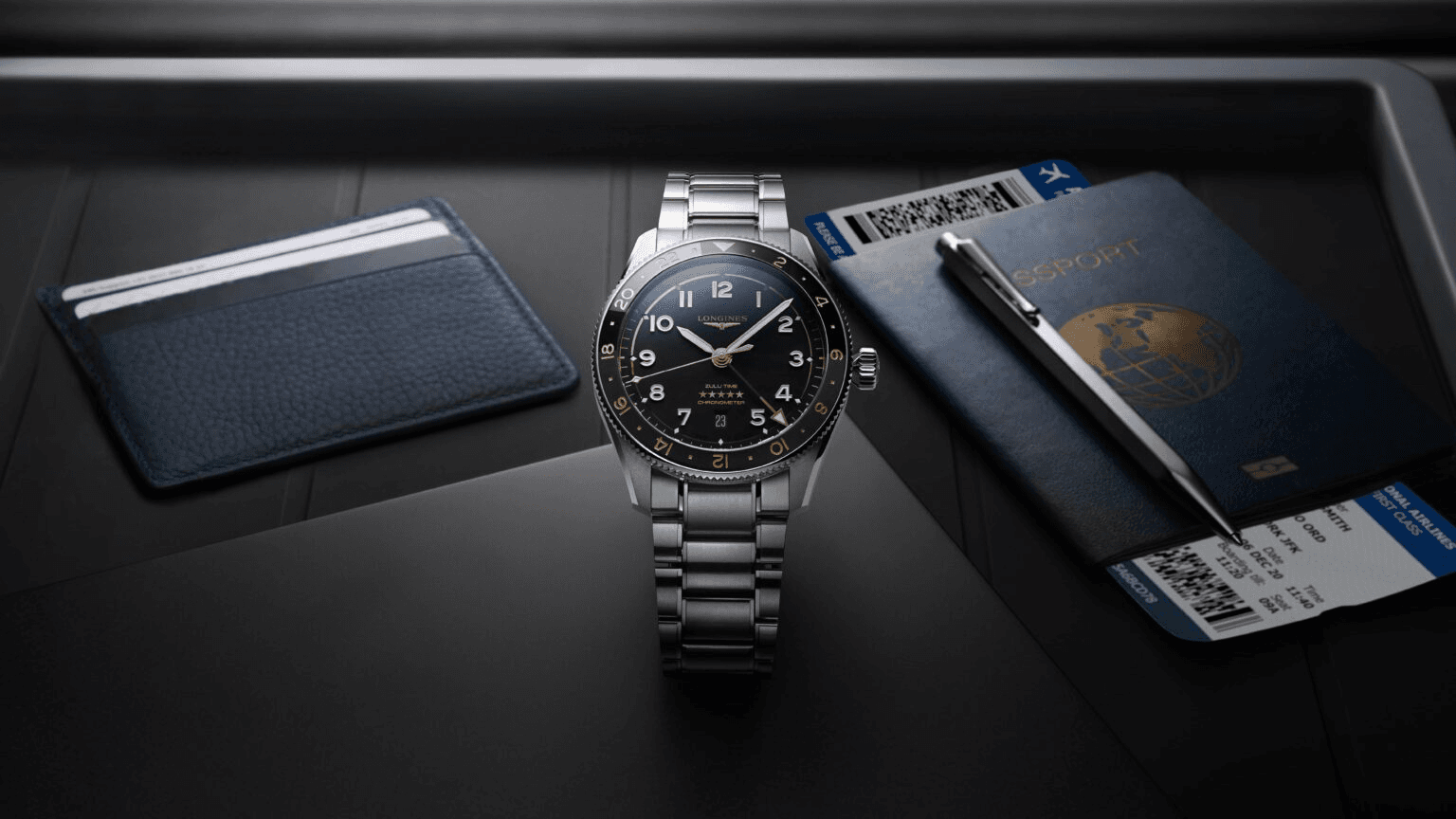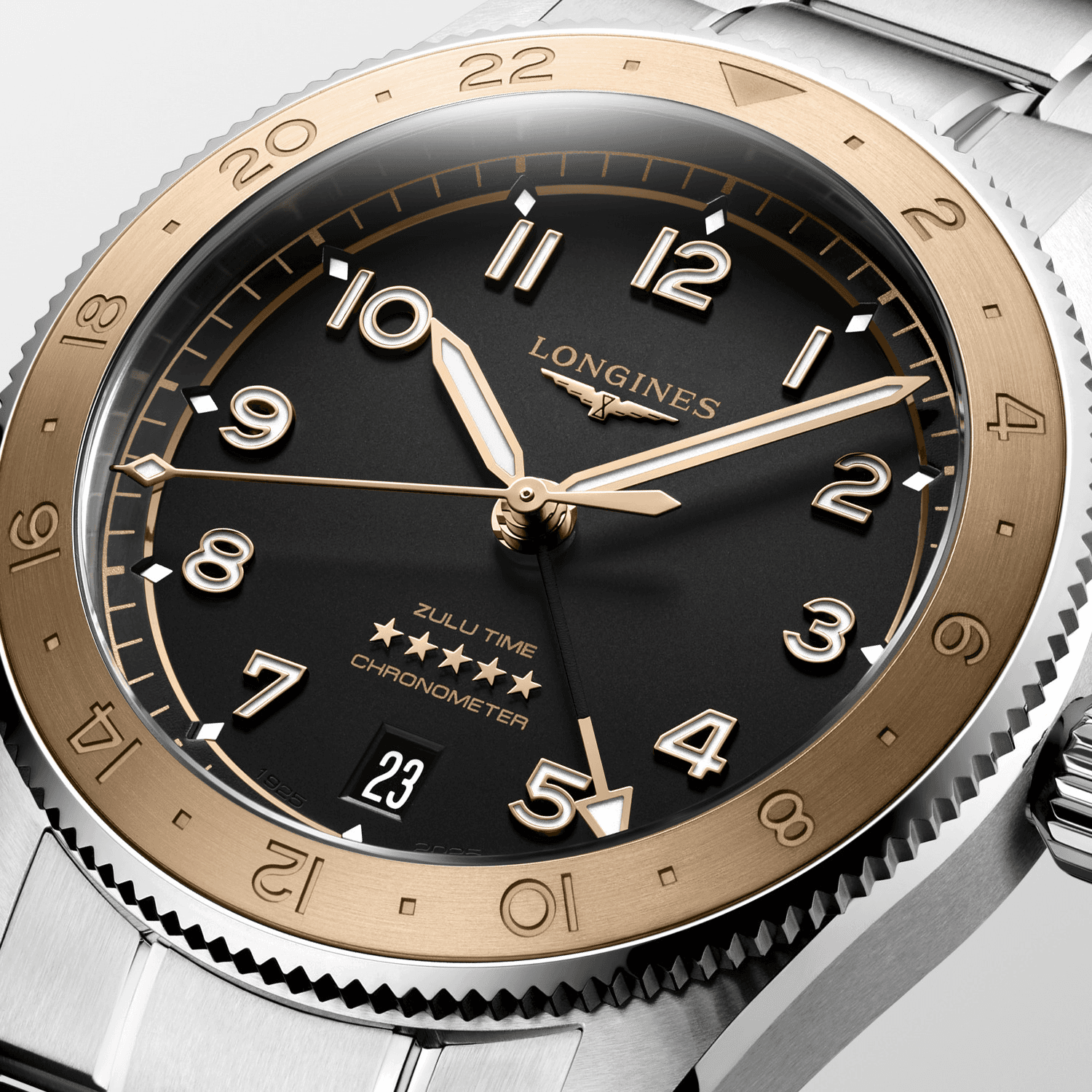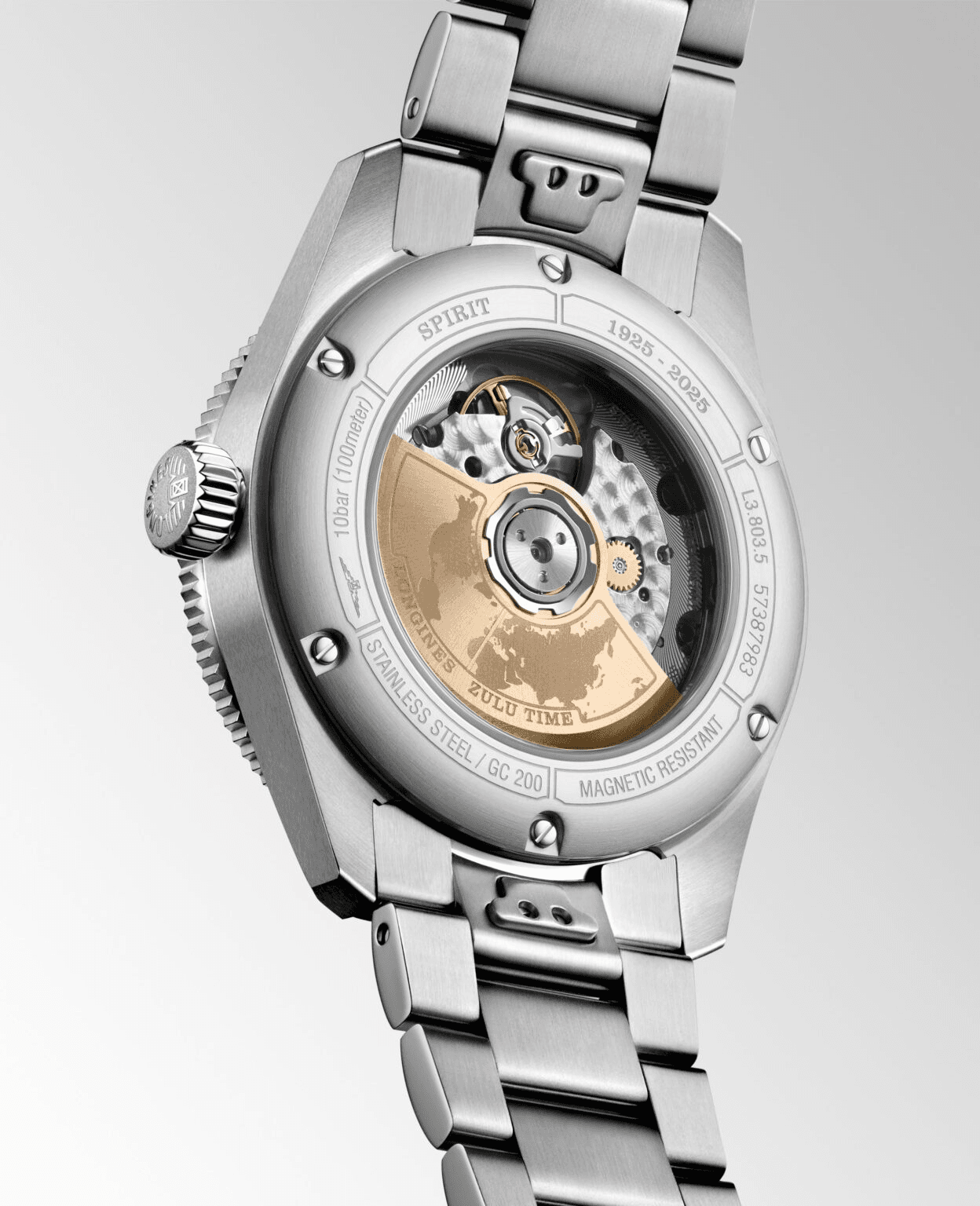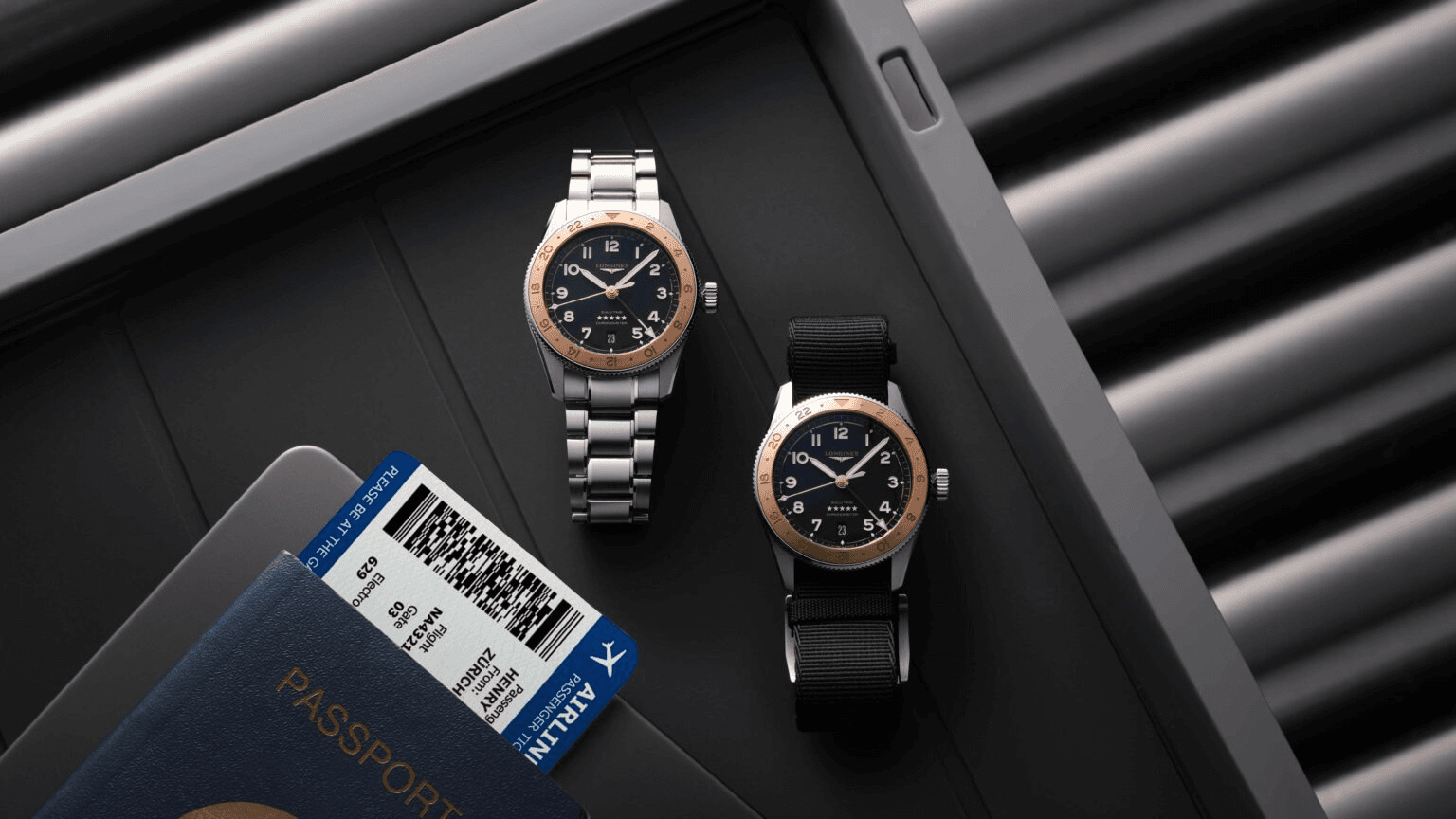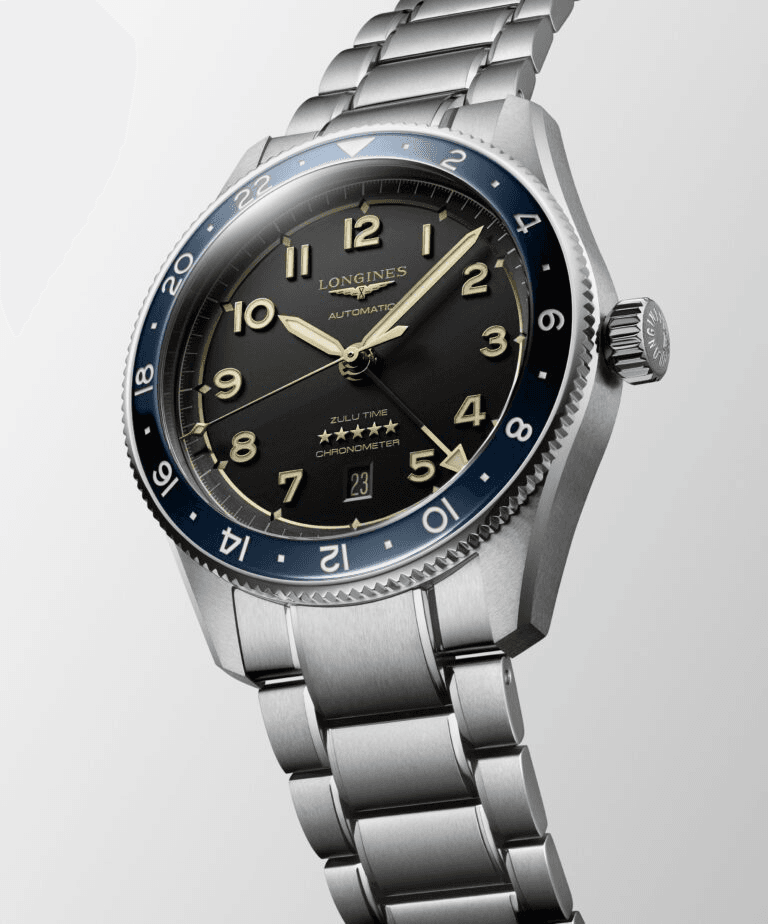

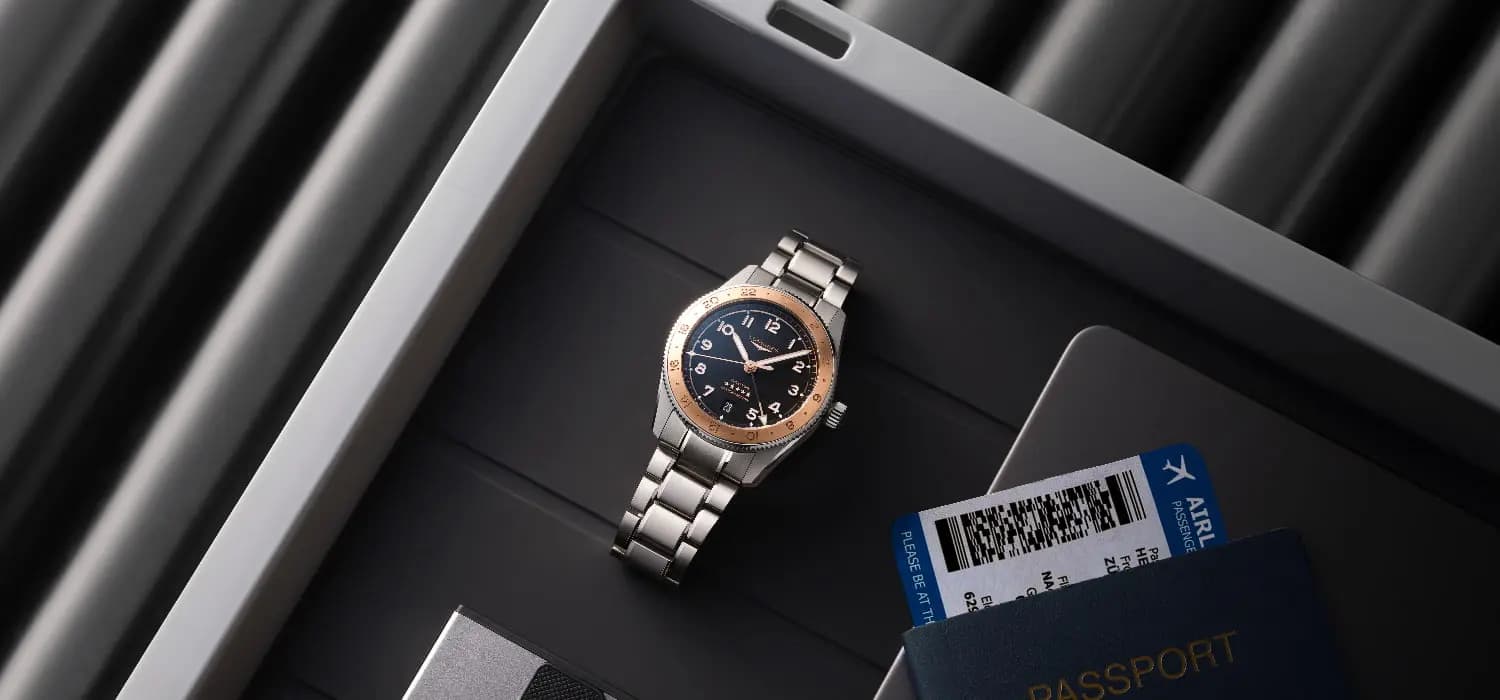
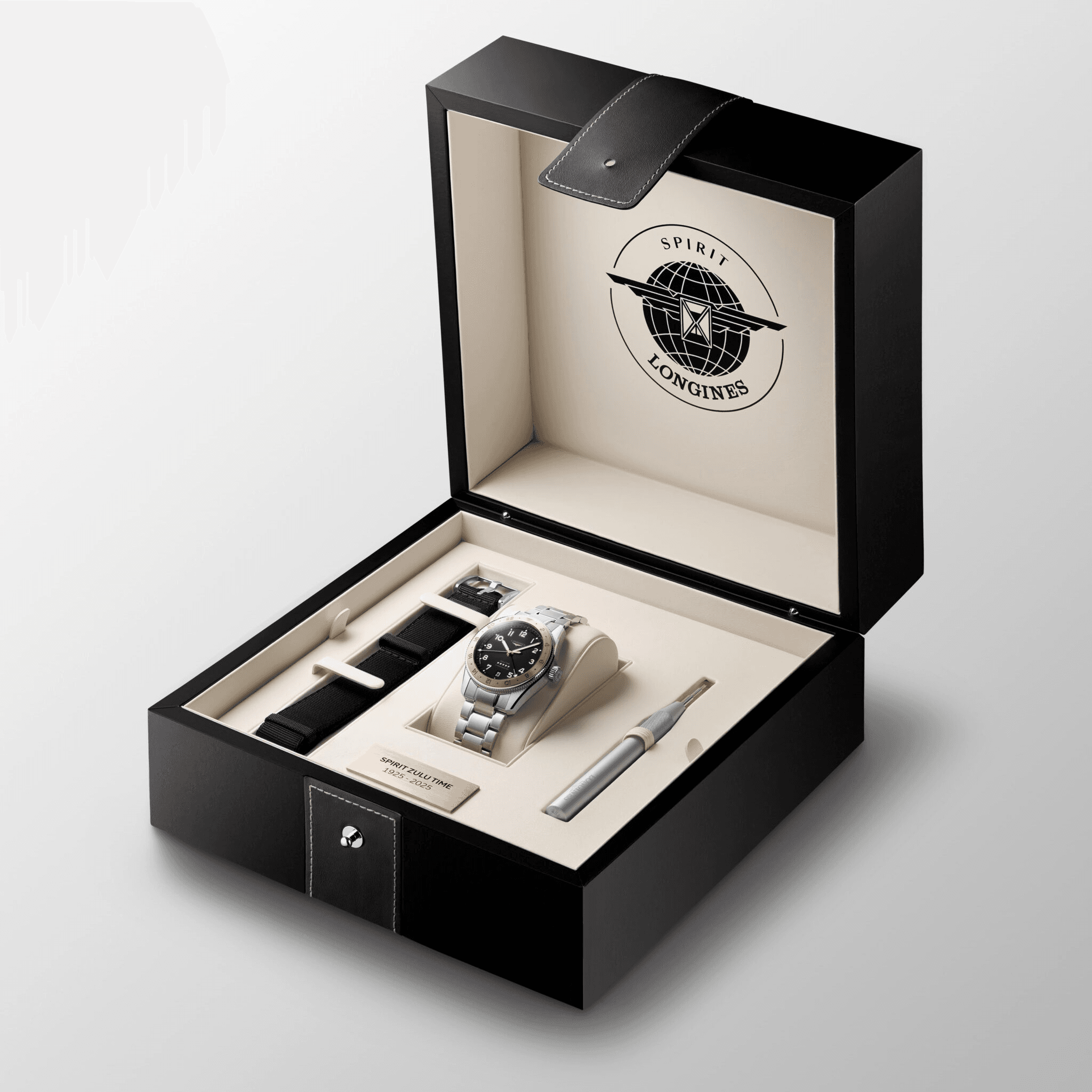
To mark the centennial of the world’s first dual-time zone wristwatch, Longines proudly unveils the Spirit Zulu Time 1925, a tribute to a pioneering chapter in horological history.
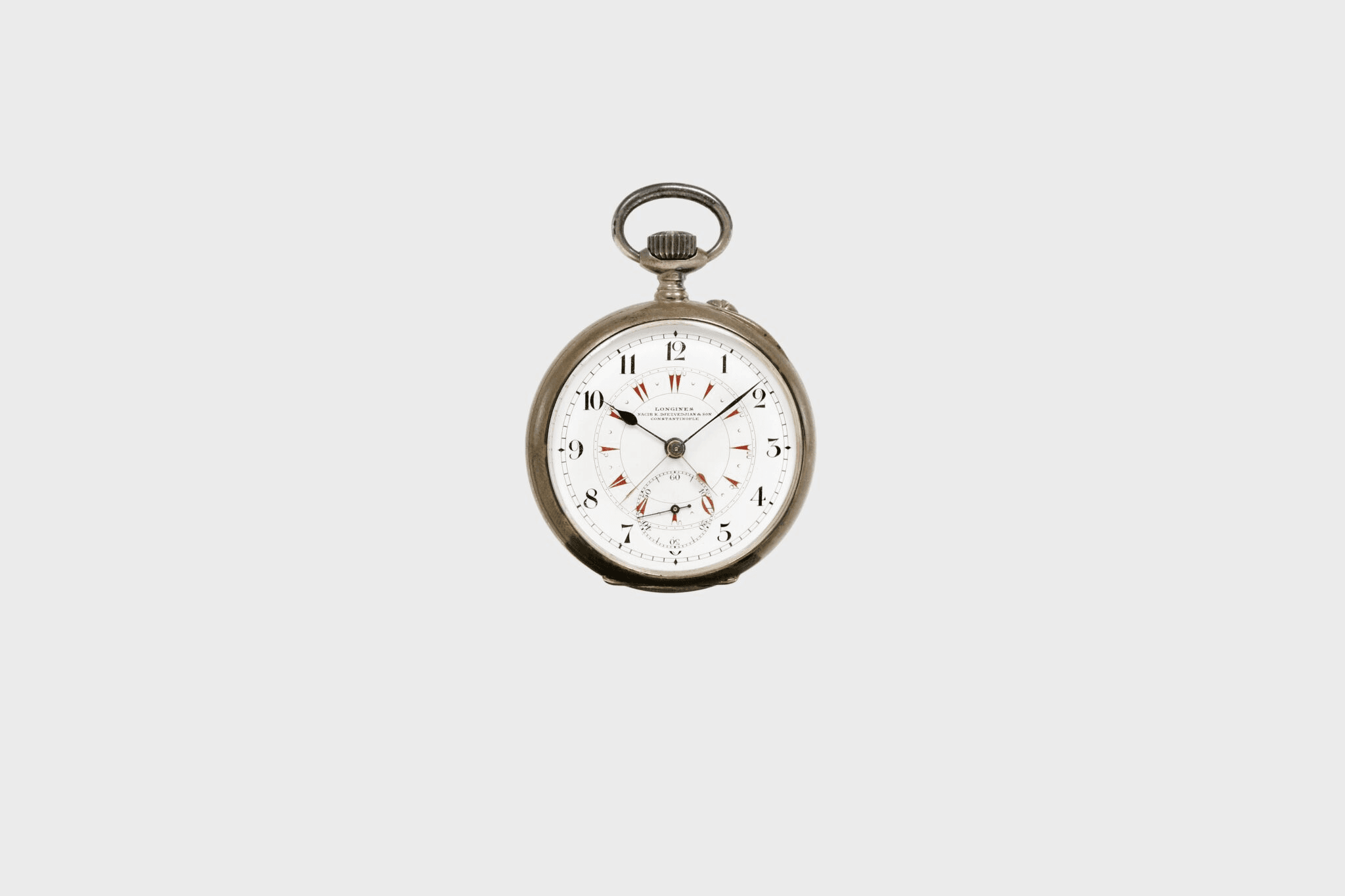
As the first watchmaker to develop both a pocket watch with a GMT function and a wristwatch displaying two time zones, Longines has long been a trusted companion for globetrotters. This legacy began in the late 19th century and found its roots in a rapidly changing world. At that time, as global trade gained momentum and the Eastern Express connected Paris to Istanbul, the Ottoman Empire was grappling with synchronizing local timekeeping with Western standards. While alaturka time, based on the sun’s movement, still dominated daily life, the demands of international commerce required fluency in alafranga (Western) time as well.
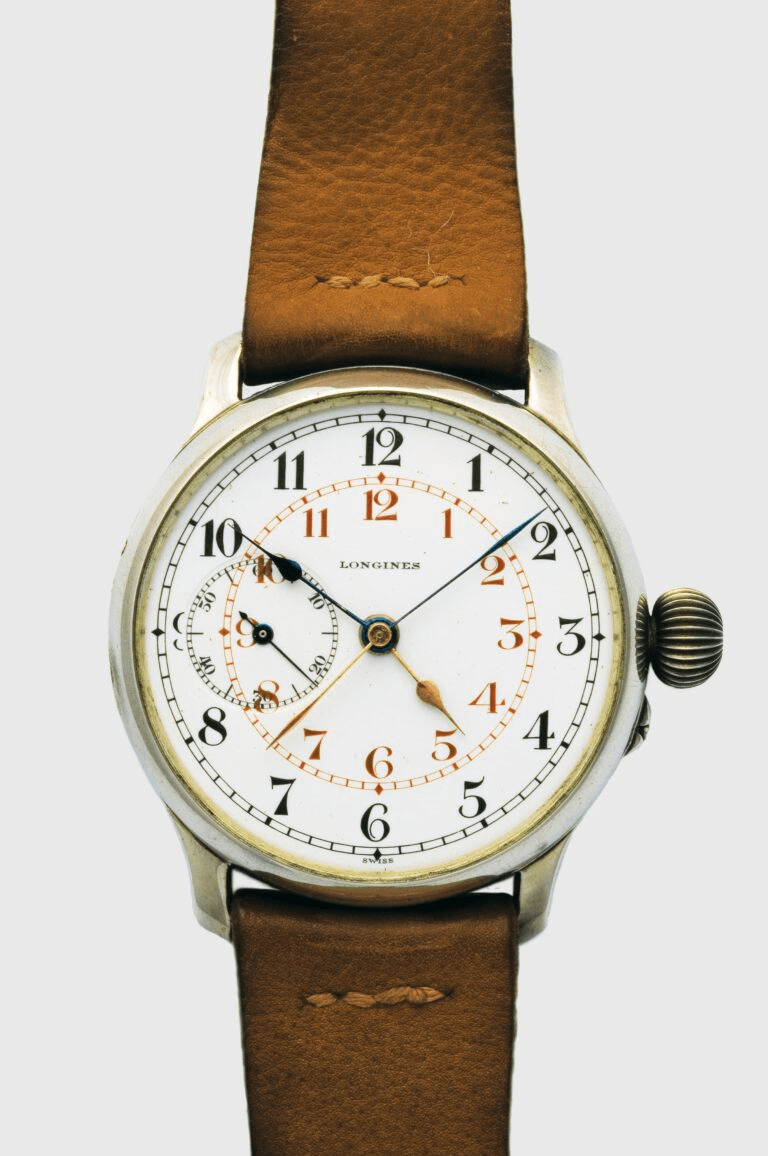
In response to this need, the Ottoman Palace invited Longines to offer a solution. In 1908, the Swiss watchmaker created the world’s first pocket watch with a GMT function—capable of simultaneously displaying both alaturka and alafranga time. This innovative timepiece quickly became a tool for Ottoman railway workers. By 1911, Longines had applied for a patent for the GMT feature, setting the foundation for a new era in timekeeping.
What is the GMT Function?
A GMT watch displays two time zones simultaneously, typically using a 24-hour hand that points to a second time scale.
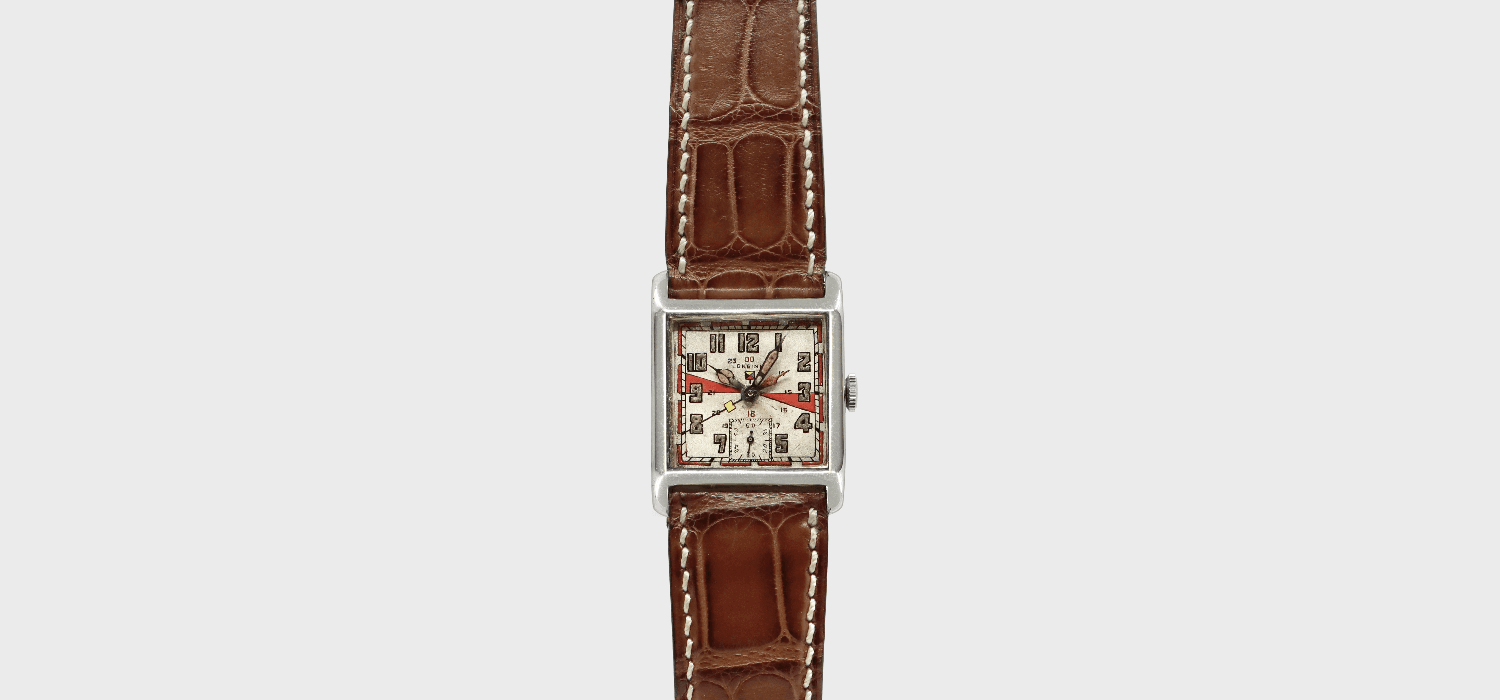
Shortly after crafting the groundbreaking pocket watch for the Ottoman Empire, Longines achieved yet another milestone in 1925 with the introduction of the world’s first wristwatch capable of displaying two time zones simultaneously. This innovative timepiece featured a distinctive “Zulu” flag on the dial—positioned at the 12 o’clock mark toward the center—which would go on to inspire the name of the Spirit Zulu collection. The Zulu flag was not just a decorative element; it referenced the aviation term “Z Time” or “Zulu Time,” the equivalent of what we commonly refer to as UTC or GMT (Greenwich Mean Time). In aviation and maritime contexts, Zulu Time—representing “UTC +0”—has long been essential for ensuring safety, synchronization, and accurate navigation across international operations. Designed originally for the Royal Canadian Navy, this pioneering wristwatch marked the beginning of Longines’ commitment to serving globetrotters and professionals navigating multiple time zones. For more than a century since, Longines has continued to craft impeccable timekeeping instruments that transcend borders and unite distant worlds.