Utku Perktaş on the Anthropocene: The Planet’s Reckoning with Humankind


These days, everyone seems to have something to say about the climate crisis. Yet according to biologist and academic Utku Perktaş, the real rupture lies much deeper. In this conversation, we explore humanity’s impact on the planet in the age of the Anthropocene—and why hope remains indispensable.
The world is no longer the place it once was—this is not a poetic lament but a statement with very concrete, very harsh implications. Drying lakes, burning forests, cracking soils, and ecosystems that grow quieter each year are all components of the alarm the planet has long been sounding. Most people summarize this picture under the single heading of the “climate crisis,” followed by familiar phrases: sustainability, preserving resources for the future, carbon footprints, green transformation, future generations. But for Utku Perktaş, the issue extends far beyond these clichés. To understand the Anthropocene, he argues, we must stop treating it as merely an environmental problem and instead recognize it as the culmination of deeply rooted human-centered thinking.
Through both his academic research and his work on the program Anthropocene Conversations on Apaçık Radio, Perktaş transforms science from a closed field into a form of social inquiry. His insistence on prioritizing biodiversity loss over the climate crisis, his framework encouraging empathy not only among humans but among all living beings, and his concept of an “ecology of equality” shape the foundation of our discussion. As we listen to Perktaş, we revisit what the Anthropocene is, where we stand within this epoch, and why despair is not an option—even though the outlook may appear bleak.
Like many listeners, I first encountered your work through your program on Apaçık Radio: Anthropocene Conversations. I’d like to begin there. What are these Anthropocene Conversations?
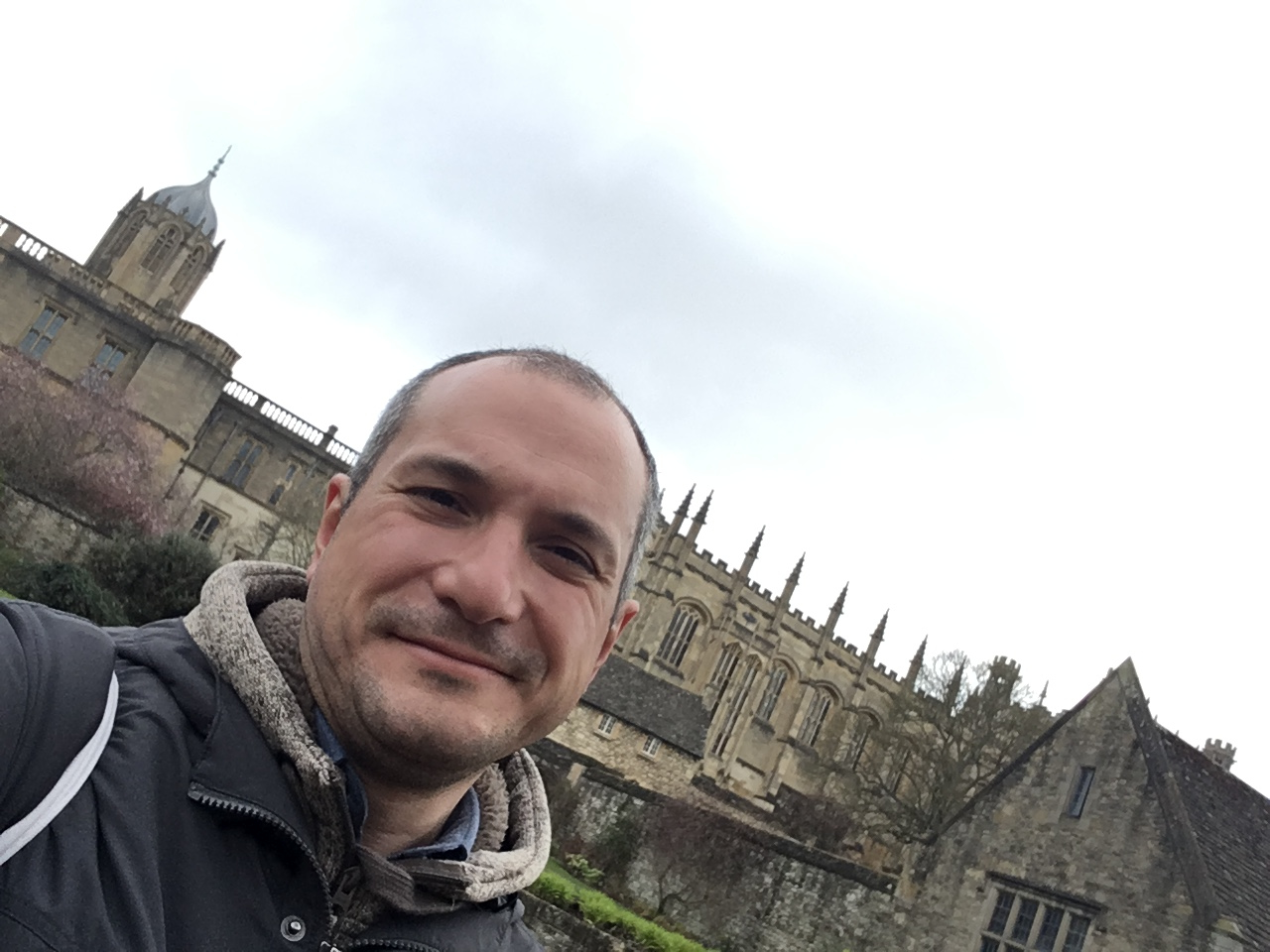
Let me start a bit earlier. About six years ago, I met Murat Yetkin in Ankara. During our conversation, I enthusiastically recounted various stories from natural history. At one point, he paused and said, “You should write these down.” I asked him how I should write them—after all, I was trained in academic writing, and this was a completely different territory. “Write them the way you tell them,” he replied. That’s how I began writing for Yetkin Report.
Of course, I was very inexperienced at first. Academic writing has its own conventions and methods; communicating a topic in accessible language requires an entirely different kind of effort and careful editorial support. Murat Abi’s guidance was crucial at this stage. During that period, my articles on topics like the climate crisis and biodiversity began to appear. The more I wrote, the more I realized how much the writing process nourished me.
Then the pandemic arrived. We were confined to our homes, and I continued producing content. I wrote an article titled “Natural life in the city revives during quarantine days,” centered on the theme “Which birds do you observe from your window?” We added bird sounds to the piece, and it was read far more widely than we expected. I had never experienced anything like it.
Meanwhile, university courses had moved online. It often felt as if we were speaking into a void—no interaction, a monotonous routine. One day, someone from the radio called me about that article. I joined a program over the phone and explained it. What I said was transcribed, added to their website, and so on. I was already a listener of the radio, and one day while browsing their website, I noticed a call for contributors: “Would you like to be a programmer?” I sat down and drafted twenty episodes’ worth of content. Months passed, and then my phone rang. They said, “You made a proposal—we would like to include it in our broadcast schedule.” I had actually forgotten about it. That’s how it started. It was 2021 when we recorded the first episode, and the rest followed.
How did the program get its name?
As you know, Apaçık Radio frequently discusses climate issues—climate crisis, climate change. At that time, in the articles I was writing, I kept referring to the human era. I wanted to introduce the concept of the Anthropocene. Some people had heard of it; many had not. Some even told me they couldn’t grasp it and didn’t think it resonated with the general public.
My intention was to fill an existing gap on the radio. While designing the program, I wanted to create something that highlighted the biodiversity crisis, because it is almost never talked about. We constantly discuss the climate crisis, yet that is only one of the symptoms. Biodiversity loss is the real illness of the planet. So I wanted to frame the program around the Anthropocene to bring attention to this deeper crisis.
What is the Anthropocene? How would you explain it to someone unfamiliar with the term?
It refers to the period after the Industrial Revolution during which humans have irreversibly altered the planet. Geological epochs are normally measured in spans of millions of years. For example, dinosaurs were wiped out by a meteor 66 million years ago. Today, without any such catastrophic event, humans are transforming the planet on a massive scale—so rapidly, and so profoundly, that they are effectively creating their own epoch. The cumulative impact of human activity now rivals natural processes that historically unfolded over millions of years.
When did the concept itself first appear?
This term emerged in the early 2000s. It was introduced by atmospheric chemist and Nobel laureate Paul J. Crutzen, together with biologist Eugene F. Stoermer. According to WWF’s Living Planet Report, this period manifests itself through five major dynamics.
The first is deforestation—we are cutting forests down. The second is habitat degradation and fragmentation. We open up agricultural land in areas that were never cultivated or ploughed before, including steppes, wiping out the often invisible biodiversity that exists there. The third is pollution. The fourth involves invasive species. And the fifth is climate change.
In addition to these, drought looms as one of the most immediate threats. The inability to access water will increasingly shape our daily lives.
Take Ankara, for example. Reservoirs have dropped to 10 percent of their capacity—or even lower—triggering water cuts. Istanbul could face the same. Even Bursa, a typically wet city, has enforced water cuts for the first time in its history. All of this reflects the consequences of planetary transformation. There is no singular culprit—not governments, not industries, not individuals alone. We have collectively cracked the load-bearing columns, and now the structure is slowly collapsing.
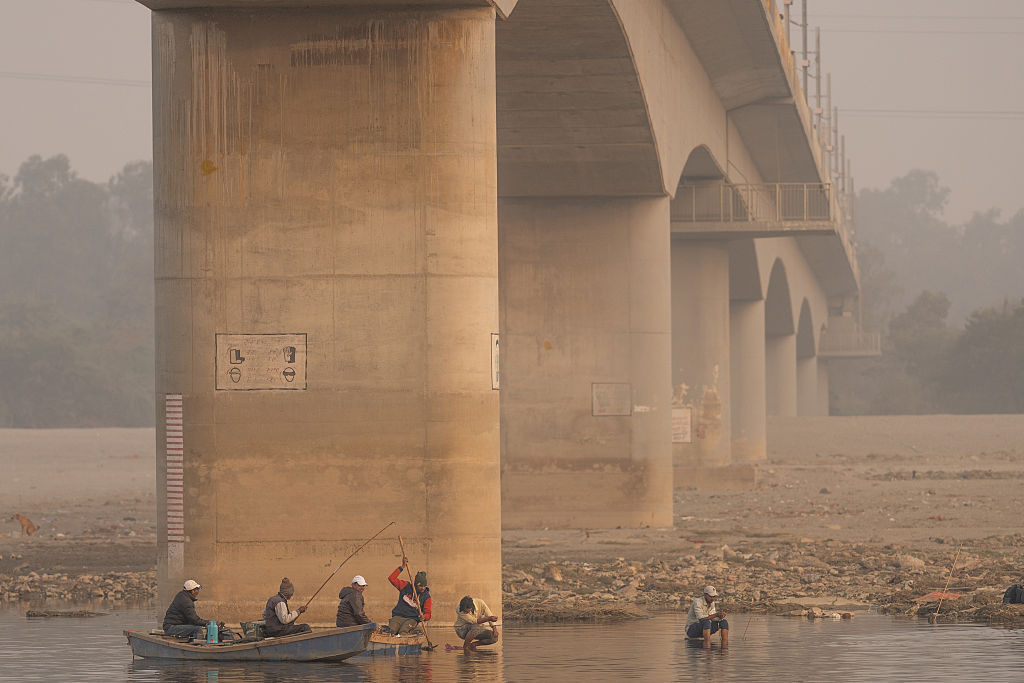
Photo: Anindito Mukherjee (Getty Images)
How did this destruction—this new era—begin?
There are two main hypotheses. The first, and most widely accepted, is that it began with the Industrial Revolution. The invention of the steam engine in Manchester is central to this. The technology allowed accumulated water in mines to be cleared easily. This innovation triggered a chain reaction. Factories emerged, and the process that began in Manchester spread to Detroit in the 1920s. With Henry Ford and Fordism, mass production entered our lives. Ford’s Model T revolutionized car manufacturing: previously, cars were custom-made and very expensive. With mass production, prices dropped, and workers themselves could afford what they produced. The labor process became faster, cheaper, more fragmented. Consumption expanded. And with consumption came the demand for more raw materials, more land, more extraction.
The second hypothesis locates the beginning in 1945, with the atomic bomb. Some argue that the bomb dropped on Hiroshima altered the planet to such a profound degree that it marks the true onset of the Anthropocene.
Whether the beginning is traced to the Industrial Revolution or to 1945, the story that follows is the same: the planet enters a phase of relentless human-led transformation. Everything affects everything else. Mass production fuels capitalism, capitalism accelerates consumption, consumption expands extraction, and extraction fragments the planet’s ecosystems. These interconnected dynamics define the Anthropocene.
Where do you think we are in this era?
I’m not sure. There is serious damage, and we are now clearly seeing the consequences. We witnessed this with Covid-19, for example. The human immune system encountered a virus it had never seen at any point in its evolutionary history and could not respond effectively. That is why there was so much devastation, so many lives lost. I believe we will begin to see more events like this. For that reason, I think we have passed the midpoint of this human era.
So are there ways to stop or slow down such a process?
Of course there are. Why wouldn’t there be? We can stop the biodiversity crisis, for example—by preventing habitat fragmentation, by reducing our consumption, by cultivating empathy toward other living beings on the planet. The concept we call the Anthropocene acknowledges the impact humans have made. We place humans at the center, as if the world revolves around us, as if everything exists for our benefit.
If we look at ecology textbooks or popular science books from the 1960s, we encounter questions like: “Why is biodiversity important for us?” “What opportunities does nature offer us?” In other words, nature is continually expected to provide something. Nature never asks, “What does humanity offer me?” In reality, we are no different from a bee.
So we should begin by developing our capacity for empathy. Just as we empathize with another human, we must learn to empathize with a bee, to protect a bird.
Gündüz (Vassaf) Hoca often says: “For years, humanity has revolved around the same question: know thyself. Enough. Hundreds of thousands of years have passed since humans evolved. Ten thousand years have passed since we began living in communities. Have you still not figured yourself out? Now, get to know the creature in front of you. Get to know the bird, the cat, the dog, the insect.” So there is one missing word in this era: empathy.
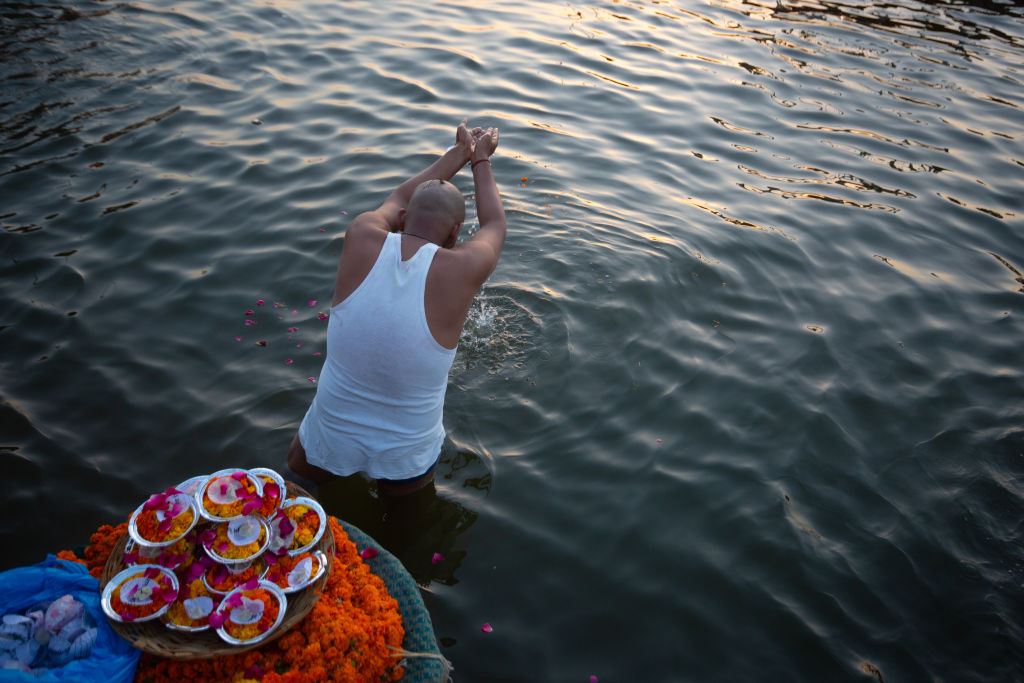
Photo: Abhishek Chinnappa (Getty Images)
If we gain this empathy, can we turn back time?
We cannot turn back time. But we can stop the biodiversity crisis. We cannot bring back the wolves of thousands of years ago, as Donald Trump claimed. Because the DNA of every living thing tells a different story. My DNA tells one story, yours tells another. We may be similar, but we are not the same. And if you look at a wolf, its story is entirely its own. The history of every living being is unique to it.
We cannot cause a meteor to strike the Earth again; dinosaurs will not go extinct once more. These are monumental events. But we can protect what remains today. And if we manage that, the climate crisis will automatically begin to reverse. It will cease to be a crisis. Drought will heal itself. We can stop that too.
These may sound abstract, but there are very concrete examples. Take the Ganges River. India hosts about 15 percent of the world’s population, and the river has been polluted for years—industrial waste, domestic waste, human waste. For decades, India invested millions of dollars in attempts to clean the river, but nothing worked. During the pandemic, however, when everyone stayed home, within just 15 days the river began to run clear.
Another example: the Punjab province in Pakistan. The air is so polluted that you normally cannot see the Himalayas. During the pandemic, Punjab saw the Himalayas for the first time in years. People even photographed them and shared the images. These are concrete examples. So, can we reverse this process? Yes. We can.
But how?
We need to slow consumption dramatically. For example, producing just one pair of jeans requires eight tons of water. One pair. We are human, and when we see something appealing, we want to buy it. But after a certain age, we do not grow taller or bigger; those jeans do not wear out. So how many tons of water do we waste simply because we want a pair we like?
We need to build a collective consciousness around consumption. Only then can we reverse this. And I would like the core message of this conversation to be hope. Hope is fragile. Its feasibility may seem weak, but we must not hesitate to speak of it.
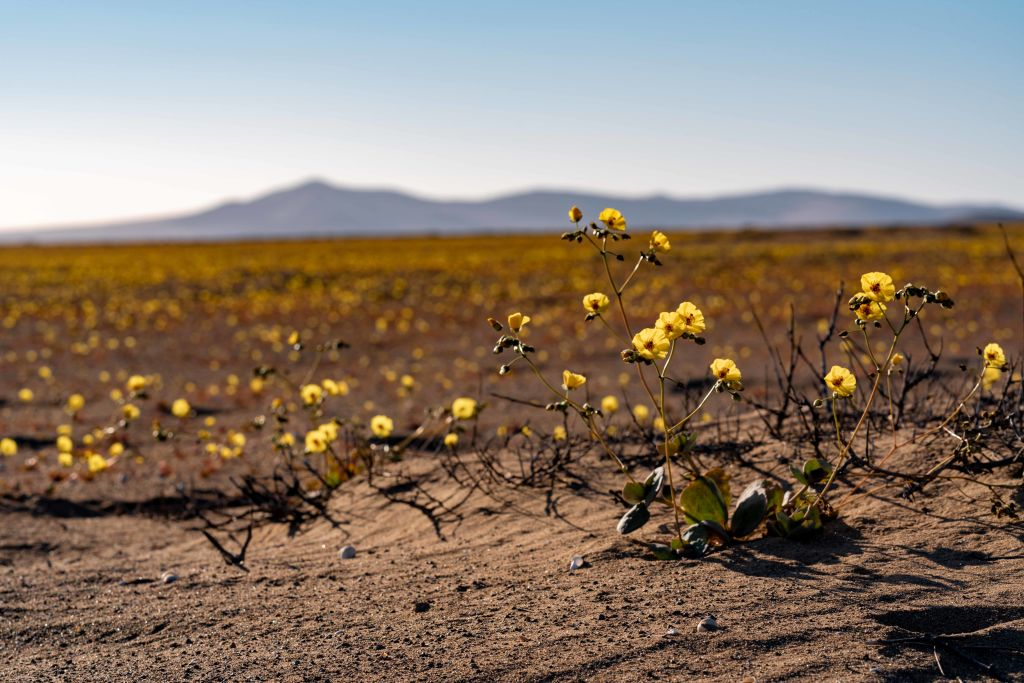
Photo: Alex Fuentes (Getty Images)
How do you find academia and the media in Turkey regarding the Anthropocene?
To be realistic: it is largely window dressing. Everyone puts something in their shop window. Meetings are held, projects are announced, sustainability is discussed. The business world uses this discourse the most. There are companies offering sustainability consulting. Yes, awareness is increasing. People understand something when they hear the words “sustainability” or “climate crisis,” and companies try to invest.
But everyone repeats similar phrases: “Passing today’s resources to tomorrow.” For whom? For humans, for future generations, for our children. We still do not think about nature. We are forgetting the concept of equality. Beyond equality among humans, we need to talk about equality between humans and nature—ecological equality. Otherwise, people will continue to meet each other in shopping malls.
Sustainability is an appetizing topic. It has become one of the trending concepts of our time, which is why we must distinguish sincere projects from greenwashing.
Yes, of course, some people in the media write well and explain these issues accurately. But overall, this is where things stand. More depth is needed, especially in Istanbul, but the capitalism and consumption culture of a big city does not allow for such depth. Concepts like carbon neutral and carbon zero are discussed. These are good steps. But with our current instincts, it is difficult. We must reduce consumption to a reasonable level. We must cultivate more empathy. For example, like in New Zealand, we must try to keep the population balanced and ensure that we do not harm nature when we use resources.
In this sense, are there any countries that can serve as examples or seem relatively more reasonable?
In terms of awareness, there is progress in the West, but every region has its pros and cons. Globally, we are undeniably on the side of total destruction. I mentioned this in my latest article. Except for the Scandinavian Peninsula, much of Europe is shifting from west to east, experiencing drought.
It is also wrong to attribute drought solely to the climate crisis. People misuse water. The world desperately needs a freshwater policy. Everywhere—even Germany’s wettest regions—is turning bright red. I do not know what will happen to Turkey. Take Tuz Gölü (Salt Lake): it is like a litmus test. I am not certain of the exact numbers, but I believe there are thousands of illegal wells. Water is being extracted from underground to grow sugar beets. Meanwhile, we are constructing 10-story buildings. There is no water, yet we are drawing more water from 80 meters below. How long can this continue? Salt Lake is one of the 34 habitats of its kind in the world. Habitat fragmentation, degradation—everything is happening there.
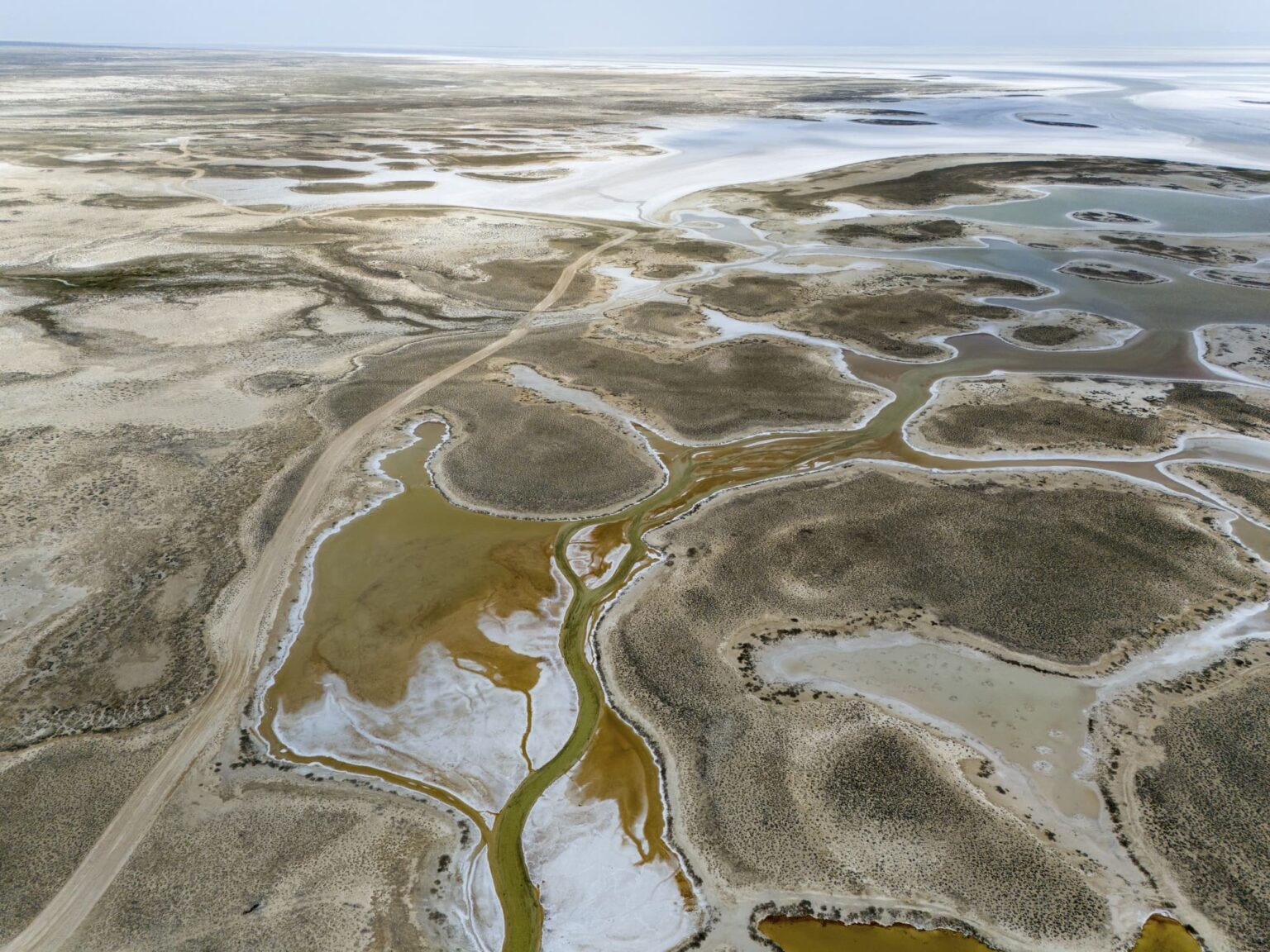
Photo: imageBROKER / Frauke Scholz (Getty Images)
I want to return to the concept of “the ecology of equality.” You often mention it in your radio programs and writing. Could you elaborate?
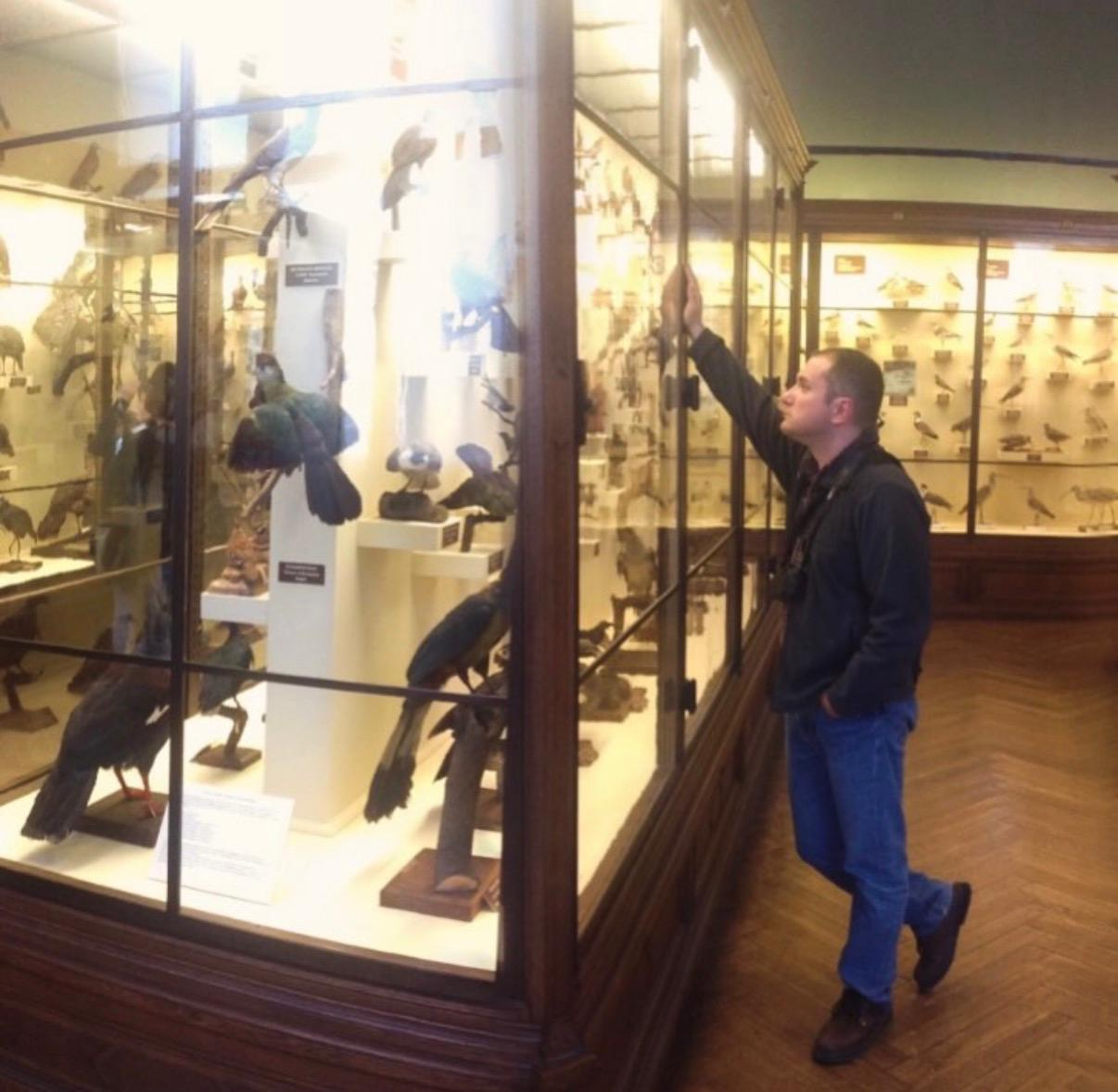
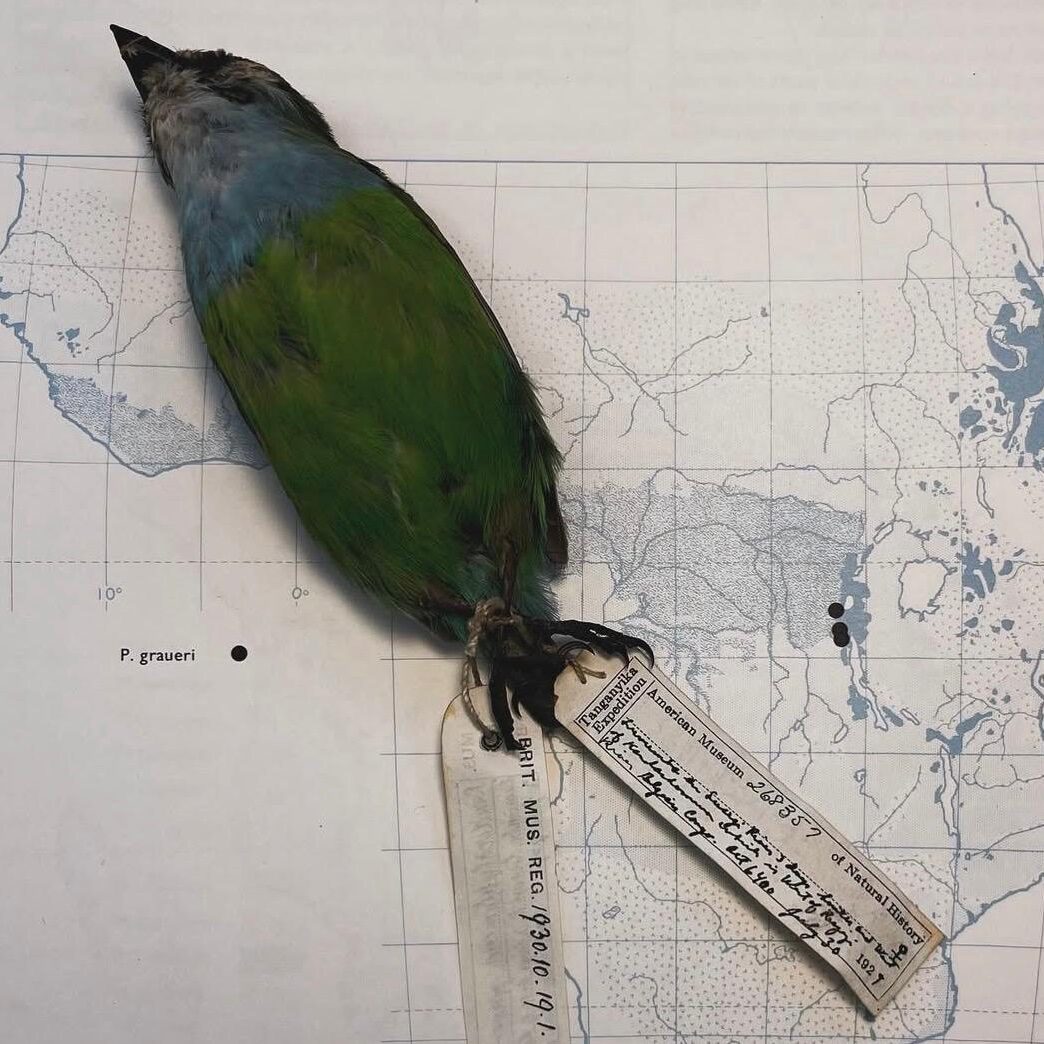
It is not yet a widely used concept. I am carrying out a project at Oxford University’s Anthropology Department, bringing together birds and anthropology. There is a field called ethno-ornithology. I investigate how local people perceive birds and biodiversity. While working on this, my advisor, Professor Andrew G. Gosler, and I studied the history of colonization. We compared traditional bird names used by local communities with the names used today.
Here is what emerges: take colonization. England arrives in Kenya and declares, “This is mine.” The local community has its own language and does not speak English. British soldiers come here and, because they are interested in nature, go bird hunting and collecting. Imagine a soldier hunting with his child. His daughter likes the yellow patch on a bird’s wing, so he says, “From now on, we’ll call it after you.” And the bird’s name changes. Yet for thousands of years, that bird was known by a different name—one carrying knowledge about its behavior and ecology. That knowledge is now lost. This too is a form of destruction. Mobbing against nature, against language, against people.
Looking at global political and social trends, democracy doesn’t seem very bright. From this perspective, do you think a concept like “the ecology of equality” can gain traction?
We cannot expect equality among species when even human democracy is in serious crisis. In a world ruled by Trump or people like him, talking about these things may seem naive. But it is incredibly valuable for these ideas to resonate among those who care, to bring together like-minded people. Without that, it is as if we are speaking different languages from those in power.
These are large questions. To simplify: what do you pay attention to in your daily life?
First, I try to change my consumption habits. I avoid buying things I do not need. I use what I have until the very end. In recent years, I have been trying to buy second-hand. Not for everything, but it works well for many things. Instead of throwing away something I am tired of, I try to repurpose it. I cannot claim innocence when it comes to books—I still buy many, and sometimes struggle with myself—but with other purchases, I put up a serious fight. I also try to talk about these issues with those around me. As long as they want to listen, I share what I know.
You are both a scientist and a science communicator. How do you balance these two identities?
As someone in academia, I can say that I learned a great deal from popular science books. Very important academics—Stephen Jay Gould, Richard Dawkins, Denis Noble—also write for the general public. Academic knowledge needs to be shared beyond academia. You do not bring emotion into scientific research, but when you read the story of the eel, for example, you internalize its emotion. I have two identities. Their rhythm and language differ. I believe I have found a balance between them. As I speak and communicate, my research is nourished, and my curiosity grows.
Who is Utku Perktaş?
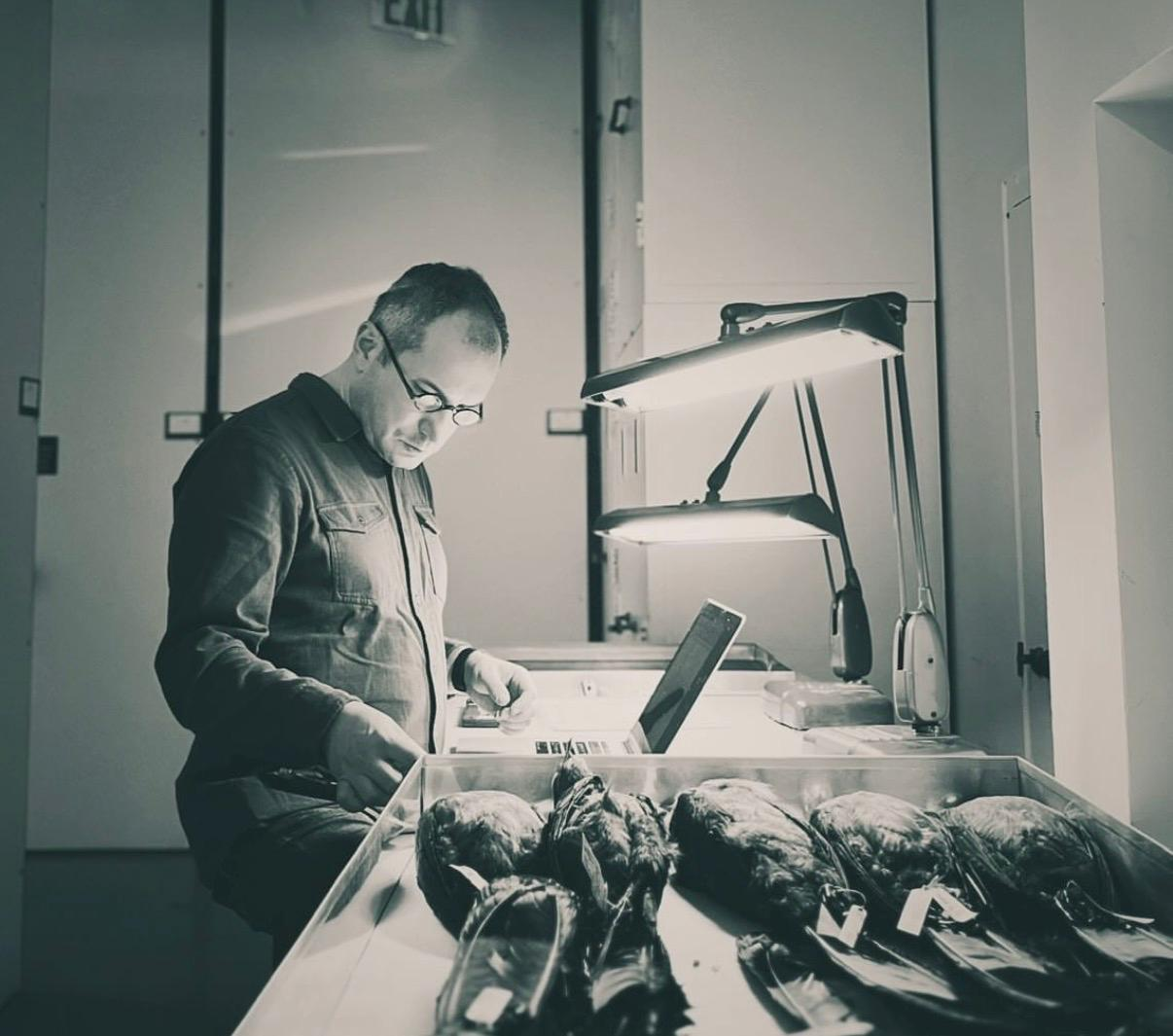
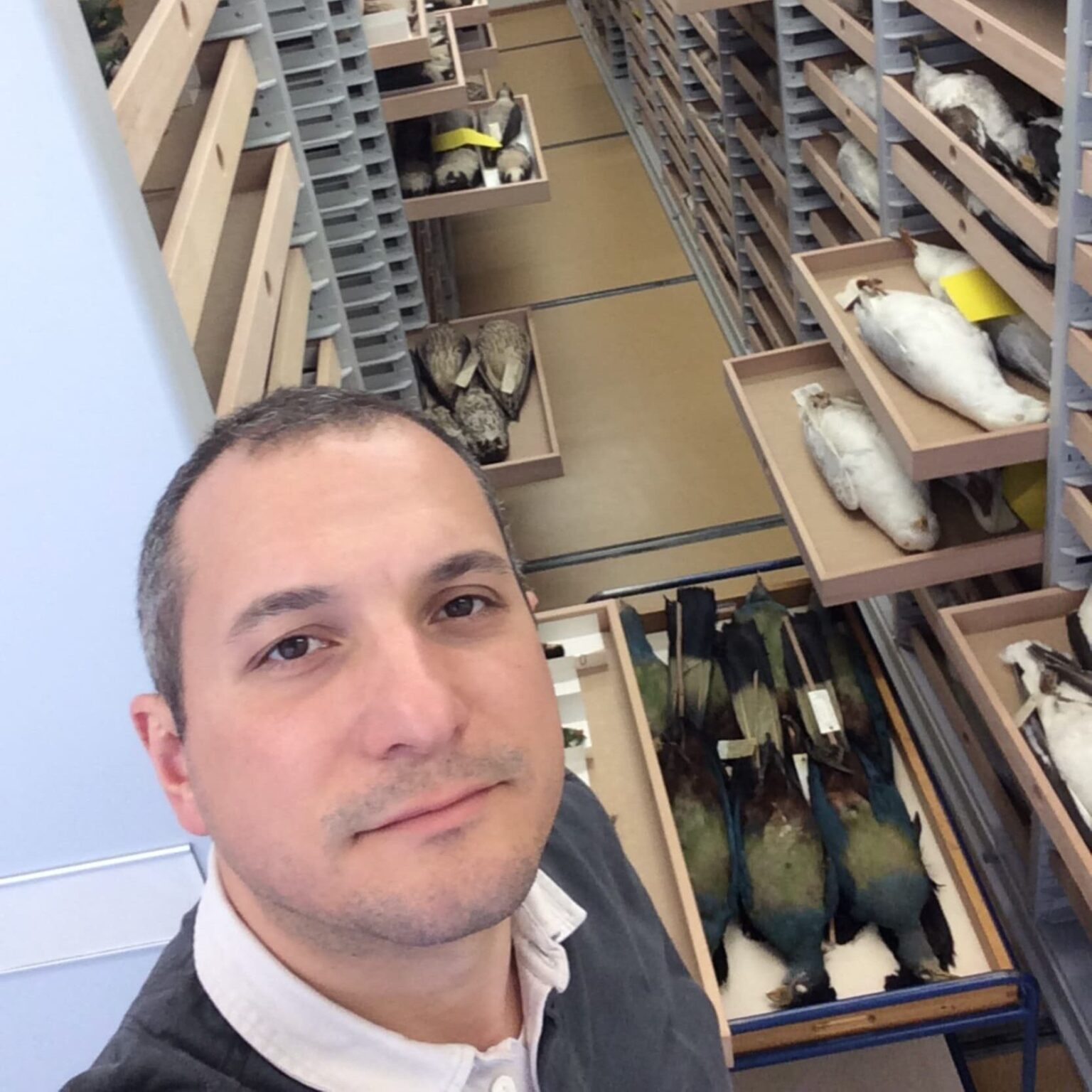
Utku Perktaş is a faculty member in the Department of Biology at Hacettepe University’s Faculty of Science and has been a professor since 2019. He conducted postdoctoral research on African birds at the American Museum of Natural History, during which he was awarded the title of “research specialist” by the museum’s senate.
He has worked with the Zoology and Anthropology departments at Oxford University on TÜBİTAK-funded projects and served as a researcher at the Natural History Museum in London. Today, his work focuses on biodiversity, ethno-ornithology, and the concept of “the ecology of equality.” He also hosts the radio program Anthropocene Conversationson Açık Radyo every Tuesday.
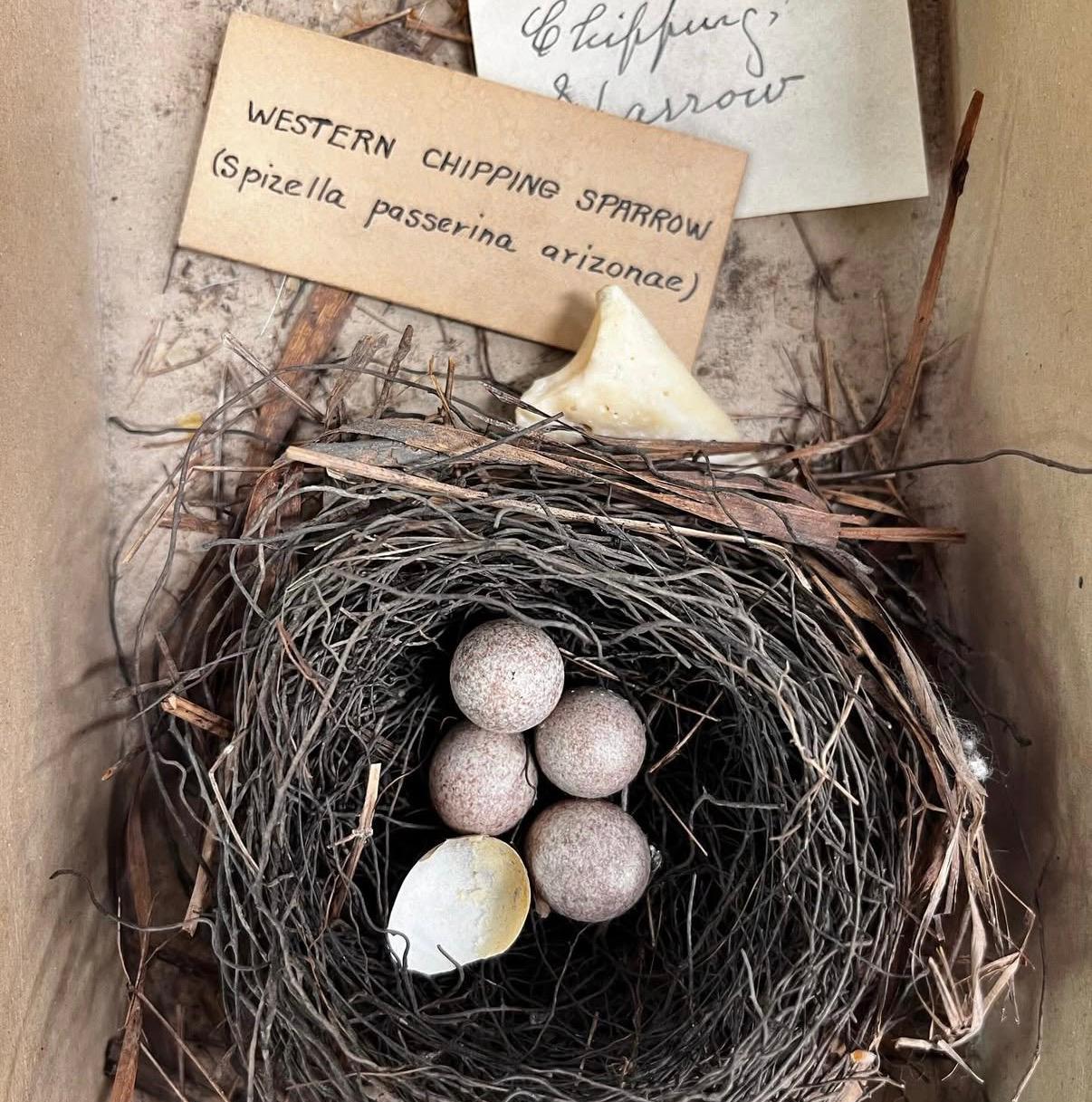
Reading Recommendations from Perktaş:
Books that encourage us to think about the Anthropocene not merely as a collection of crises, but through the lenses of science, storytelling, and ethical responsibility:
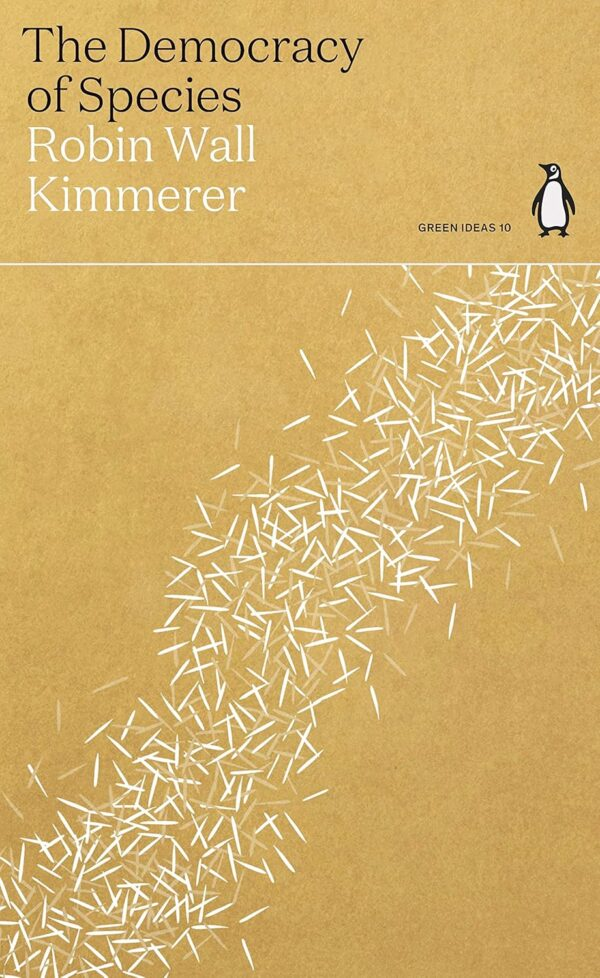
Democracy of Species – Robin Wall Kimmerer: The author explores her efforts to relearn the unique languages of the Indigenous peoples who lived around the Chicago lake region before the colonization of the Americas.
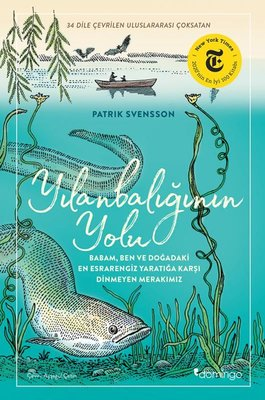
The Way of the Eel – Patrik Svensson: A narrative that examines the Anthropocene through the mysterious life cycle of a single species, revealing the limits of humanity’s understanding of nature.
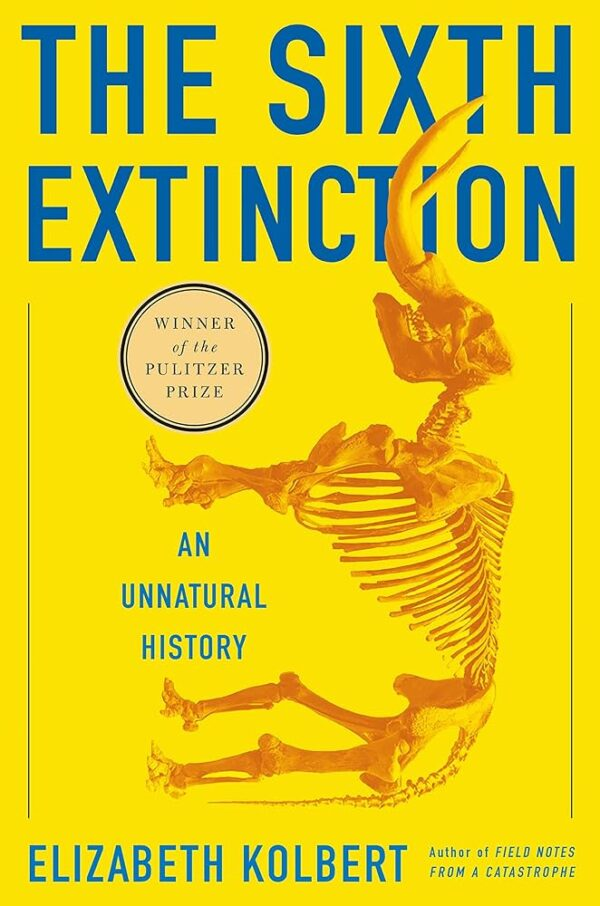
The Sixth Extinction: An Unnatural History – Elizabeth Kolbert: A foundational text that examines extinction processes accelerated by human activity through historical and scientific case studies, offering critical insight into today’s biodiversity crisis.
Local and New: Grüngard Smart Irrigation Systems
Bahçede Hayatlar: The Journey of Real Food from Seed to Table
Is the Paris 2024 Olympics Truly as Sustainable as Promised?