🌑--:--TR

So far in this series, we’ve wandered through cities street by street: looking down their avenues, discovering corners that looked like film sets — and sometimes truly were film sets. This time, however, our subject is England. Or rather, the United Kingdom. Which means we’re taking a slightly different turn.
Victorian red-brick houses, tunnels, underground stations, Big Ben, the London Eye and, of course, our fascination with the Royal Family — even if we tuck all those things into our pockets for a moment, Buckingham Palace still remains among England’s must-see landmarks. But Britain is far more than tourist attractions. Its streets carry the sounds rising from underground scenes, subcultures, the irresistible pull of punk spirit and blazing rock’n’roll stages. They carry rebellion itself.
This is a place that not only gave birth to many musical genres that still dominate today, but also transformed them into attitudes and identities. These lands have produced treasures that shaped not only cinema history’s most aesthetic — and at times unsettling — moments, but also timeless songs, musicians and bands whose words inspired us, moved us and stayed with us. All of it became part of Britain’s character. Defiant toward authority. Reckless. Troublesome. Combative. Angry.
So in this piece, we won’t simply walk Britain’s streets. We’ll hear the island’s voice. We’ll listen to those streets. Ready? Let’s begin.
Adapted from Irvine Welsh’s novel of the same name, Trainspotting, directed by Danny Boyle, was one of the most unsettling films of its era. The story revolving around addiction, centered on Ewan McGregor (Renton), Ewen Bremner (Spud), Jonny Lee Miller (Sick Boy) and Robert Carlyle (Begbie), has become a cult landmark in cinema history. “Trainspotting” symbolically connects substance dependency with the idea of pointless, absurd obsessions.
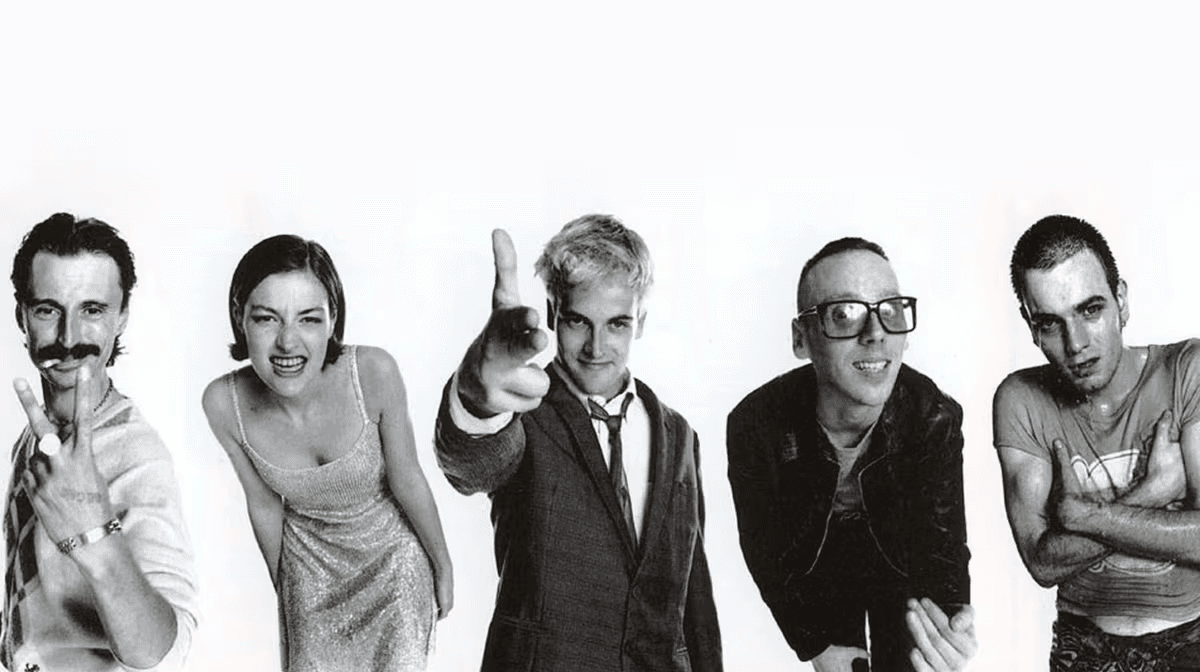
Technically, we’re in Scotland here. Edinburgh is our main setting. Parts of the film were also shot in Glasgow and London. And when talking about Britain’s music-shaped subcultures, leaving Trainspotting out is impossible. Its cultural status comes not only from its story but from its legendary soundtrack.
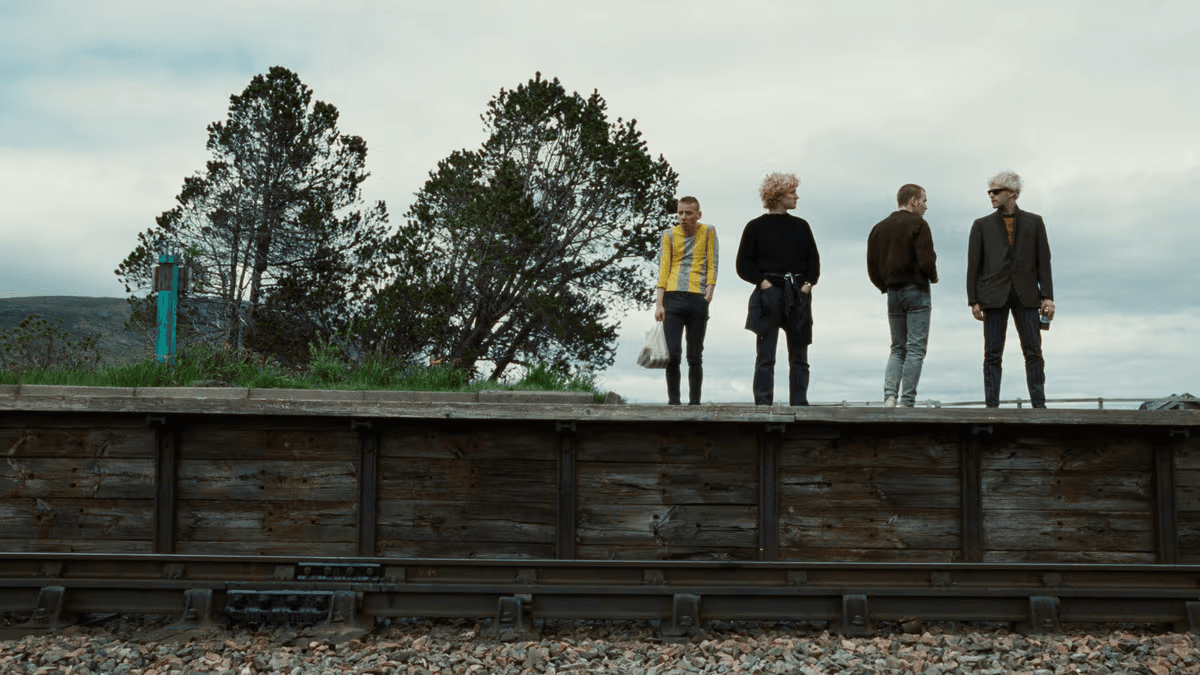
As Renton and his friends run, Iggy Pop’s 1977 classic “Lust for Life” pounds in the background — the pulse of an entire generation. In the final scene, Underworld’s “Born Slippy” arrives and redefines dance music for its era. The soundtrack gives life to a manifesto. Trainspotting’s hard-edged, angry and rebellious manifesto.
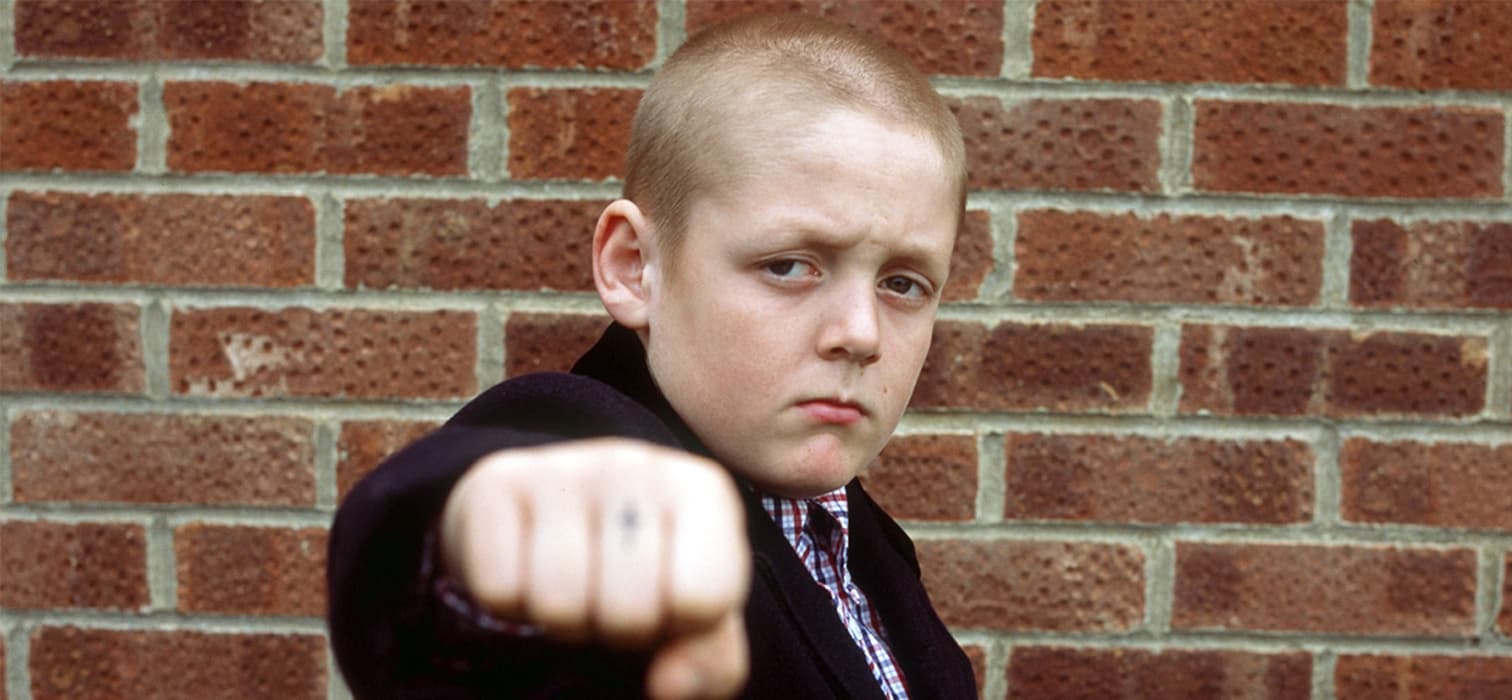
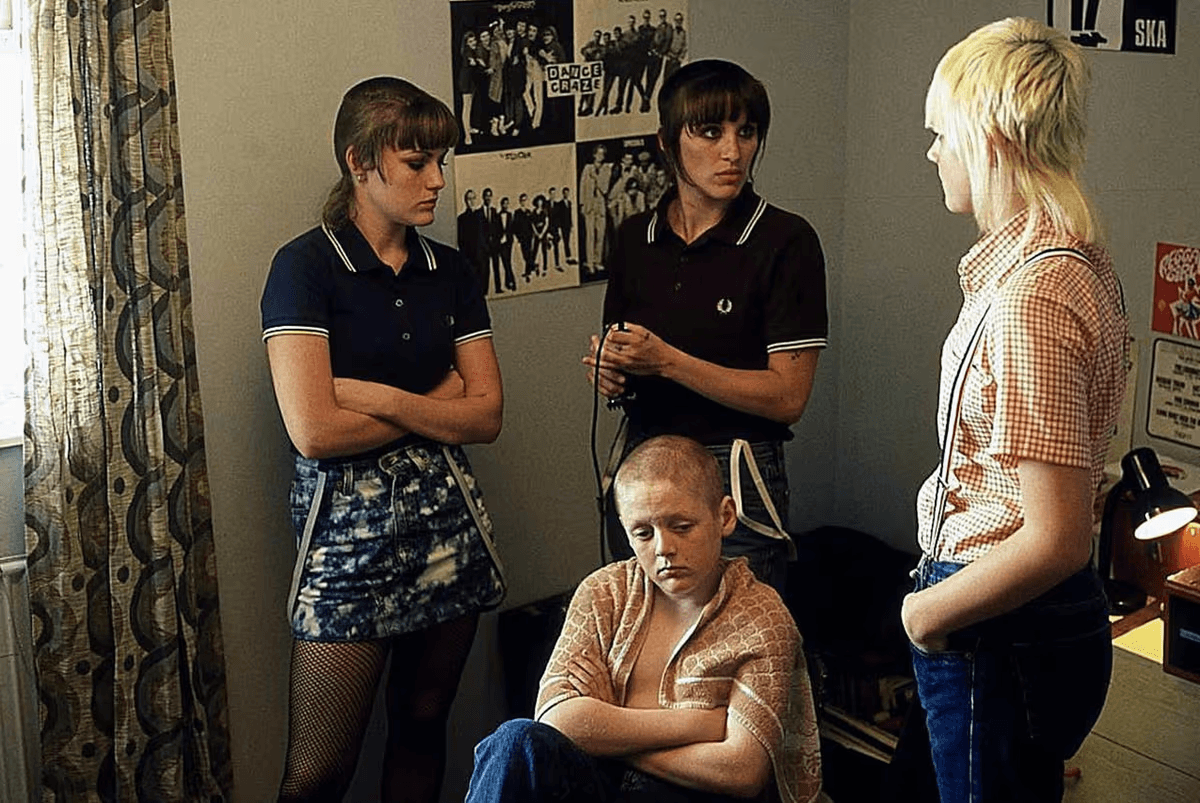
Shane Meadows’ award-winning 2006 film This Is England takes place in England in 1983. The film follows Shaun — a lonely boy who lost his father in the Falklands War — as he befriends a group of skinheads, delivering a striking portrait of how subcultures can be manipulated by far-right ideologies. In This Is England, music is almost the film itself.
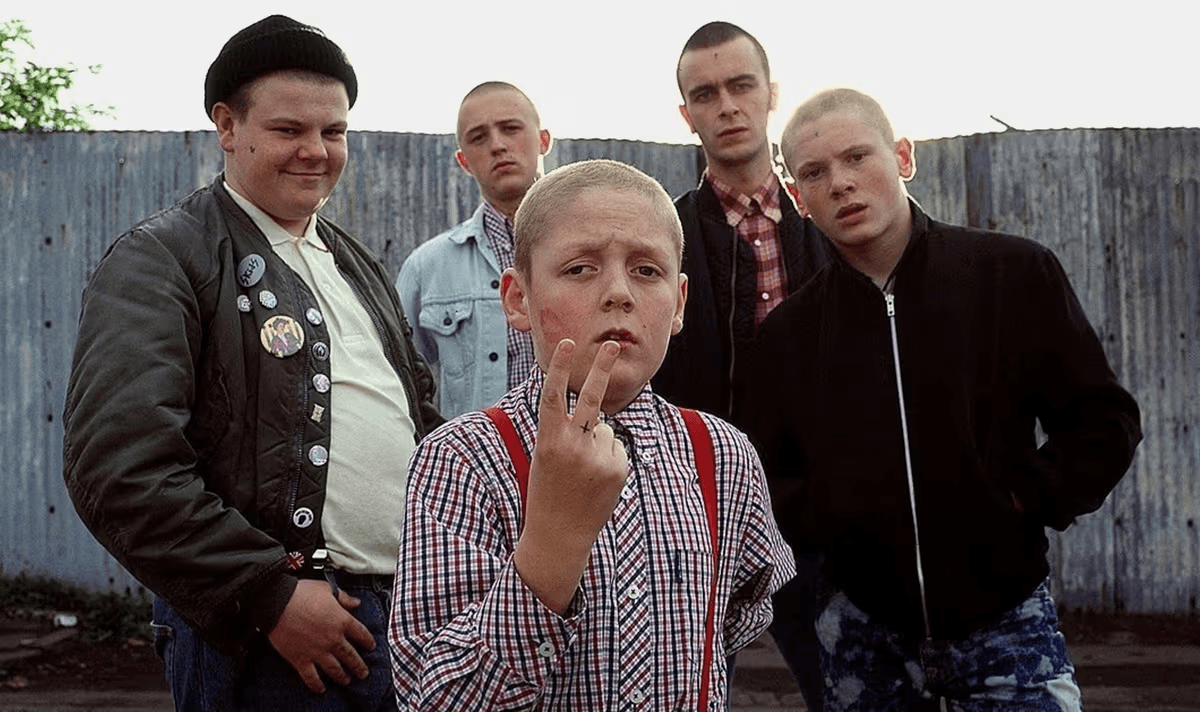
Ska and reggae burn fiercely through the skinhead scenes. We understand how characters see the world through the songs playing around them. Britain’s working-class anger in the 1980s — especially its political atmosphere — is constructed through music. Toots & The Maytals’ unforgettable “54-46 Was My Number” sits at the center of it all. The Specials’ “Do the Dog,” Dexys Midnight Runners’ “Come On Eileen,” Soft Cell’s “Tainted Love” and The Smiths’ “Please, Please, Please, Let Me Get What I Want” are among the songs heard throughout the film. One of its most emotional moments is accompanied by Ludovico Einaudi’s iconic piano composition, “Ritornare.”
One of 1999’s most unforgettable romantic films, starring Hugh Grant and Julia Roberts, is Roger Michell’s Notting Hill. This timeless love story follows William, an ordinary bookseller, and Anna, a world-famous film star. As its title suggests, the film was shot in Notting Hill itself.
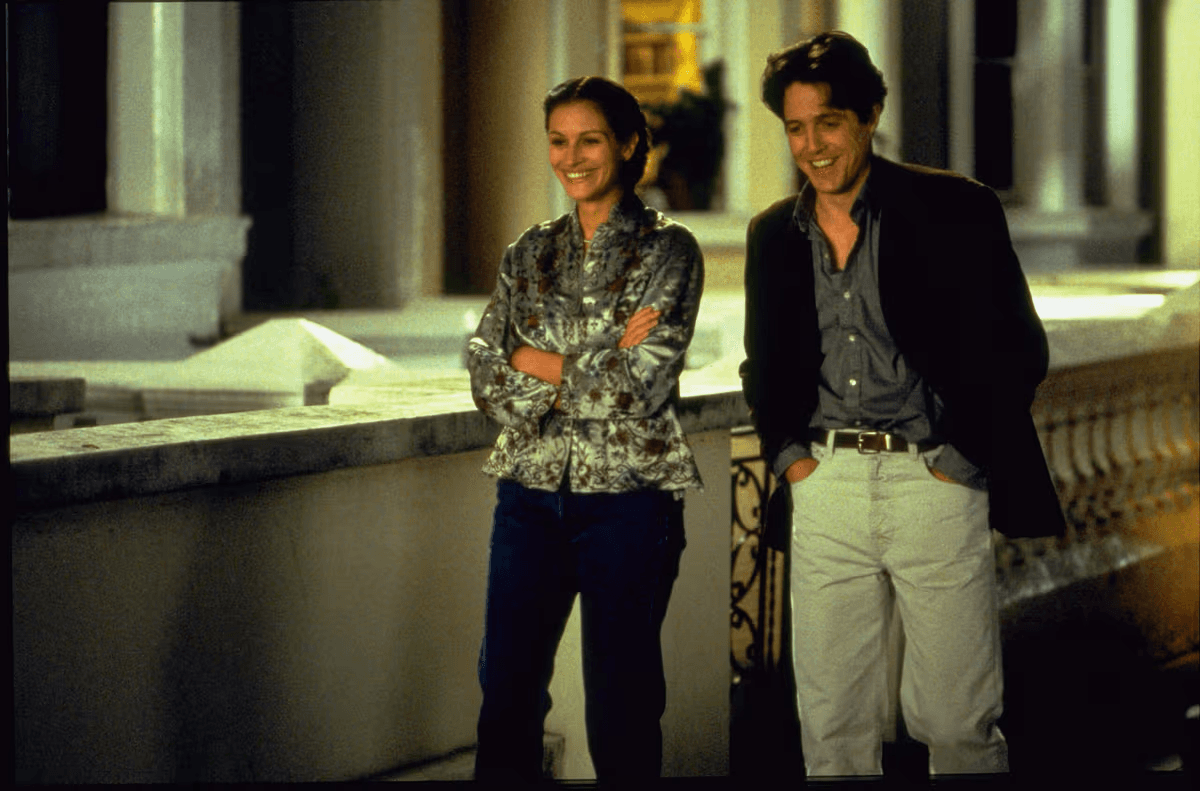
Located in West London and one of the city’s most beloved neighborhoods, Notting Hill stands out with its pastel-colored historic homes and narrow streets. Antique shops, record stores, second-hand boutiques and street musicians define its atmosphere. The famous blue door seen in the film became a pilgrimage point for visitors for years.
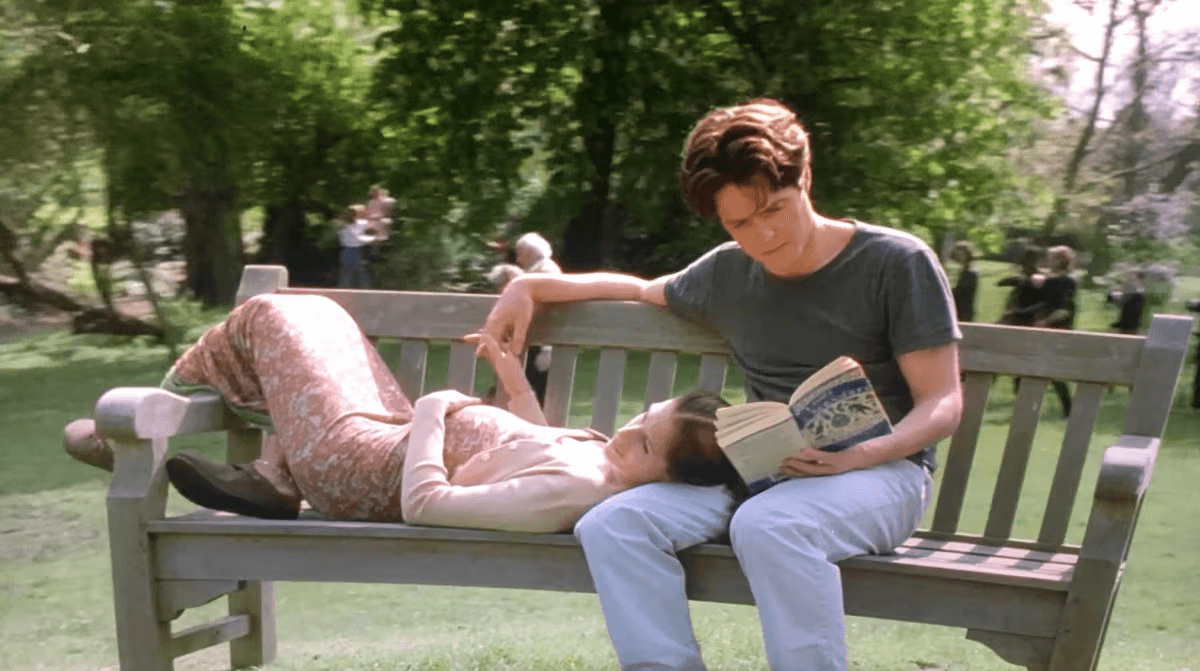
One of the film’s most iconic moments — Hugh Grant waiting for his lost love as the seasons shift around him in a single continuous shot — unfolds to Bill Withers’ “Ain’t No Sunshine.” Throughout the film, Elvis Costello’s “She” lingers in memory.
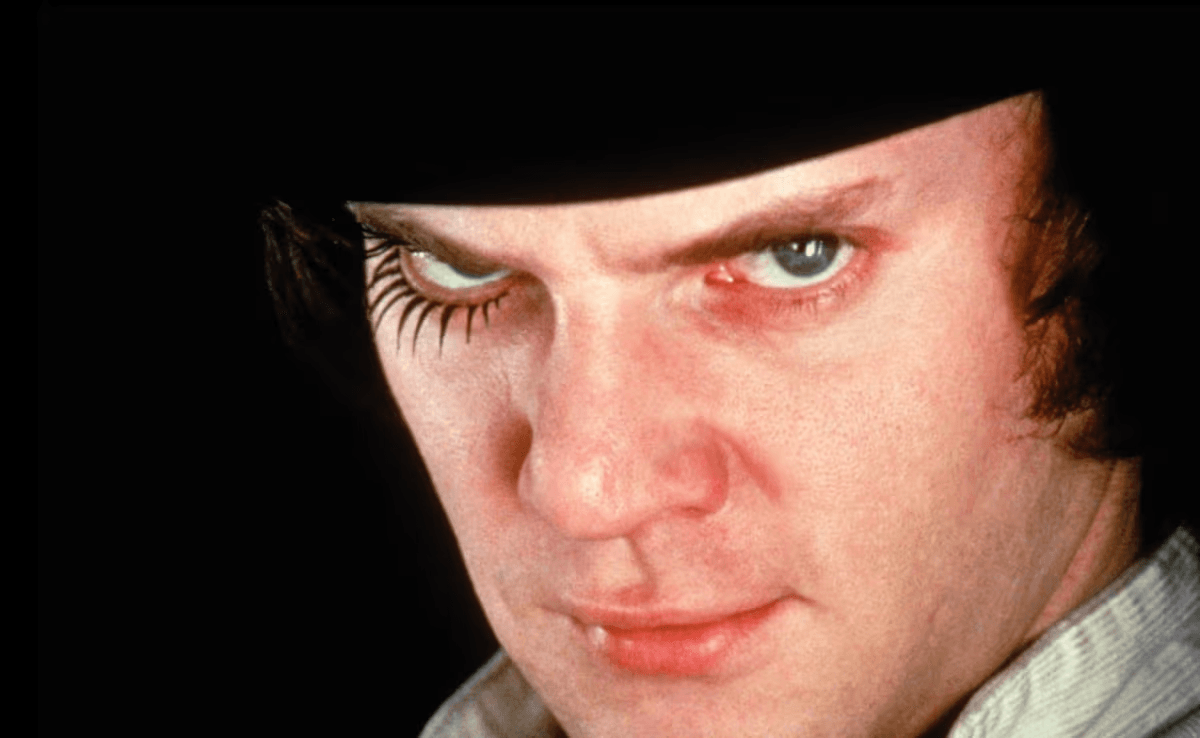
One of legendary filmmaker Stanley Kubrick’s masterpieces, A Clockwork Orange, adapted from Anthony Burgess’ novel, remains one of cinema history’s most unsettling explorations of music, violence and subculture. Set in a near-future England, the film follows Alex, played by Malcolm McDowell — a highly intelligent sociopath whose actions force audiences to question morality, authority, family structures and human nature itself.
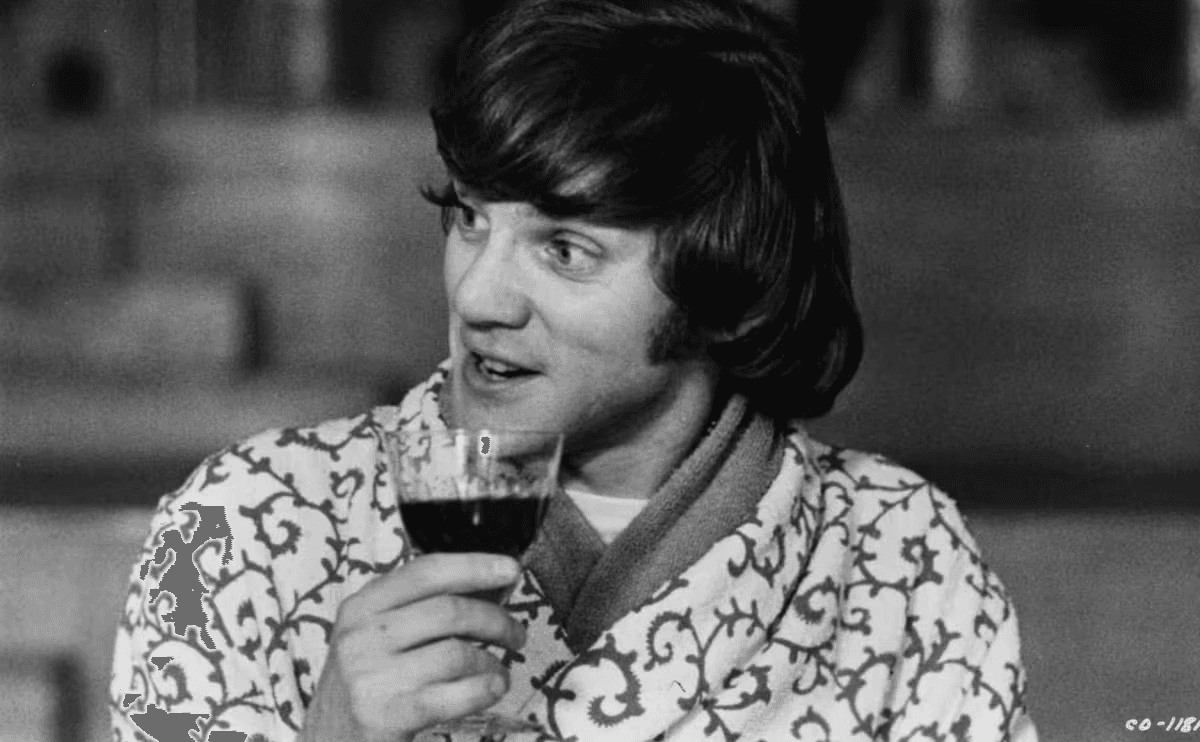
Kubrick’s use of music here isn’t emotional. It functions more like collision. Alex cheerfully sings “Singin’ in the Rain” during an attack scene, disturbing us precisely when we feel safe. Alex’s obsessive admiration for Beethoven forms the film’s emotional core. The tension between aesthetic pleasure and violent impulse reaches its peak through Beethoven’s Ninth Symphony. Punk culture embraced A Clockwork Orange years after its release. Today, its echoes remain visible across fashion, music videos, album covers and punk aesthetics.
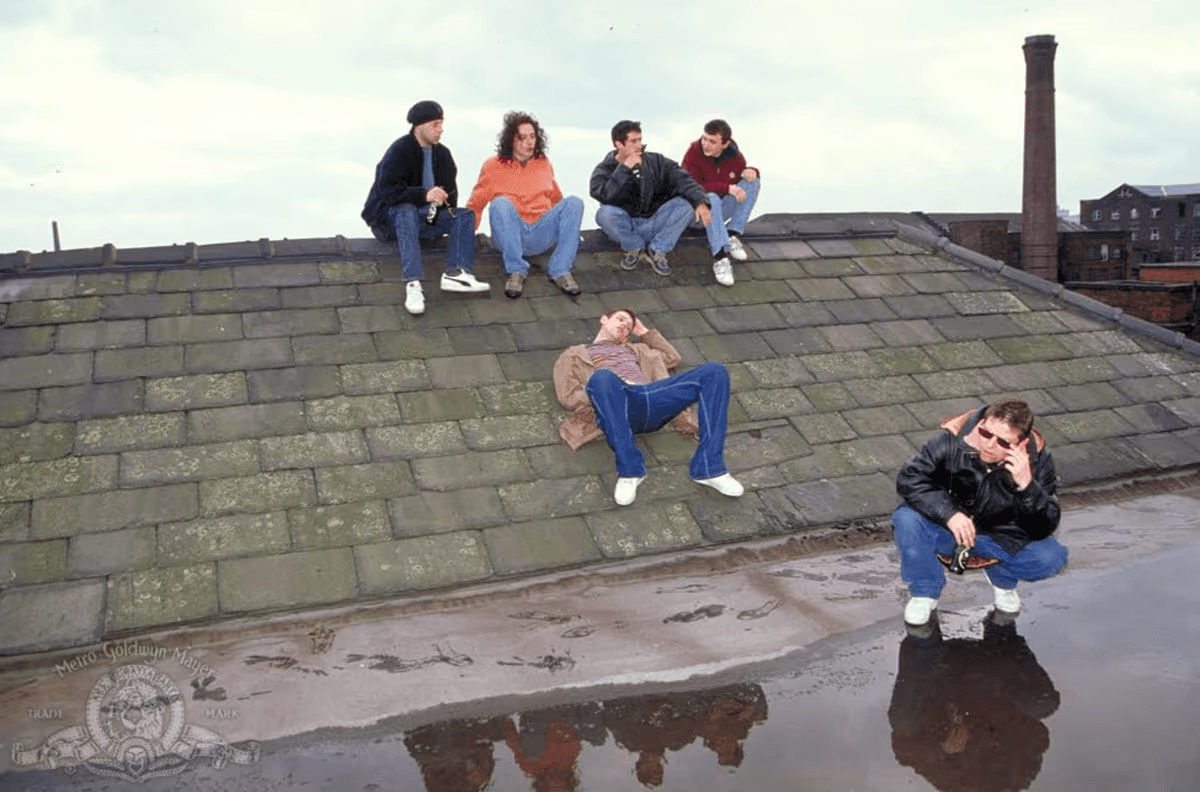
Now to one of Britain’s loudest, most chaotic music films. Michael Winterbottom’s 24 Hour Party People centers on Tony Wilson — one of Manchester’s defining music figures and founder of the legendary Factory Records. Through punk’s explosion in the 1970s, post-punk’s rise in the 1980s and the rave era that followed, the film captures how Manchester became a cultural force shaping music and nightlife from a single epicenter.
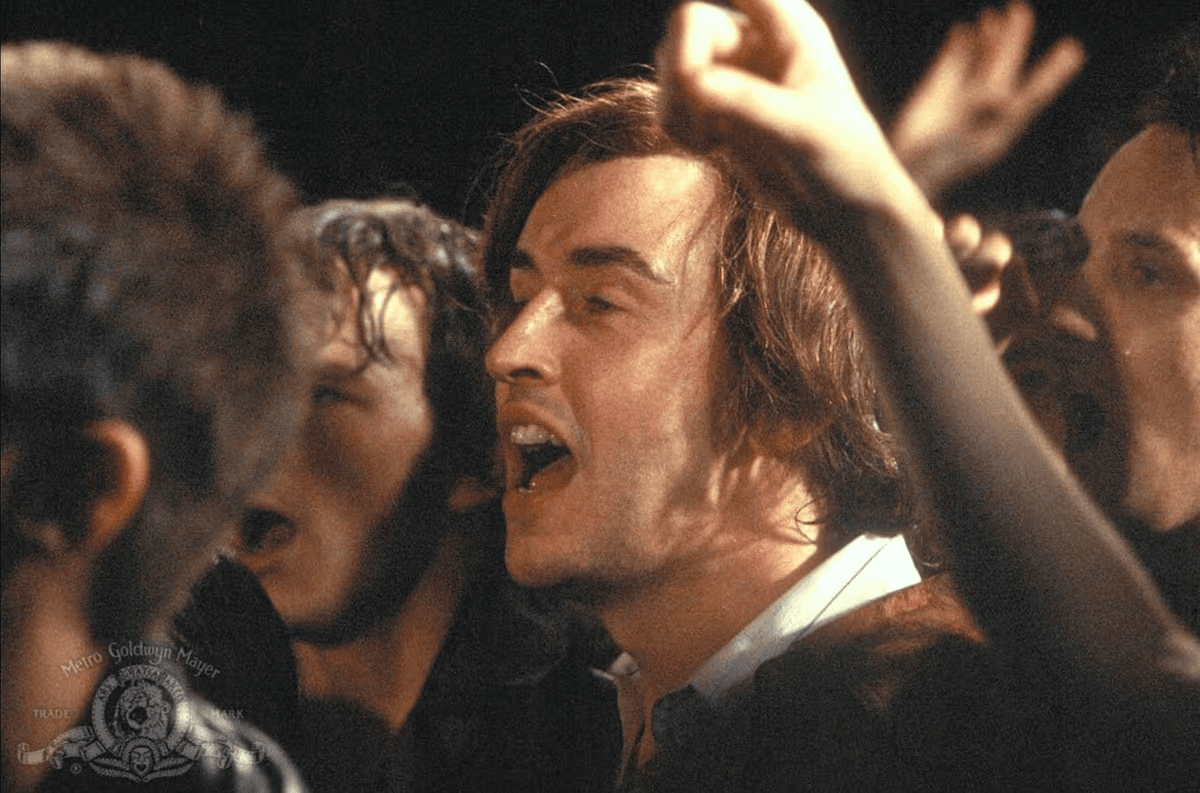
We witness the births of Joy Division, New Order and Happy Mondays almost like watching a documentary. Wherever music beats loudest, freedom follows. Britain abandons guitars for synthesizers as electronic music rises. A city changes. A country changes. People change. The spirit of an entire era takes shape through movements rising out of Manchester. Shot largely in Manchester, Derbyshire, Salford and Cheshire, the film captures Britain’s dark yet magnetic energy through narrow streets, warehouses and rain-soaked roads.
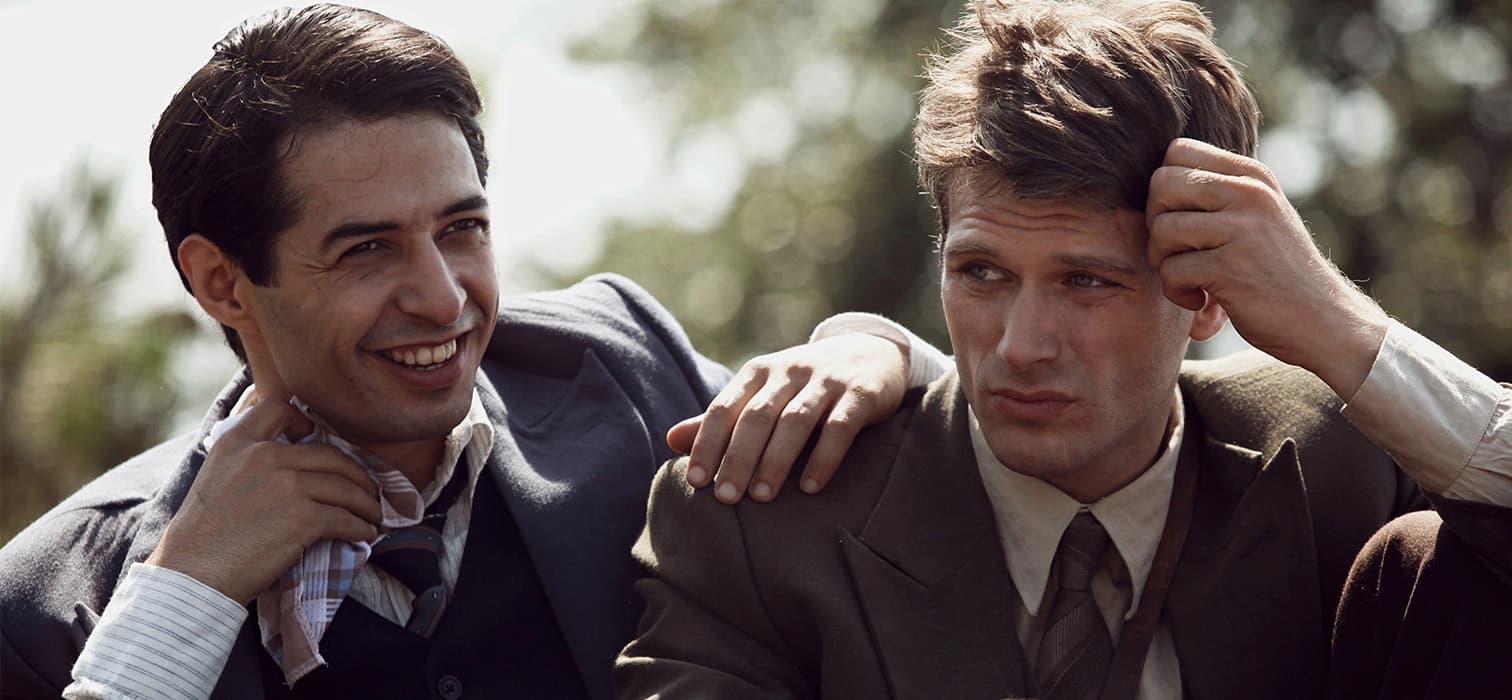
Speaking of Joy Division, no list could ignore Control, Anton Corbijn’s film about Ian Curtis — the band’s frontman, whose life ended at just twenty-three. Sam Riley portrays Curtis. Joy Division songs become emotional bridges inside the film, building a profound connection between music and loneliness.
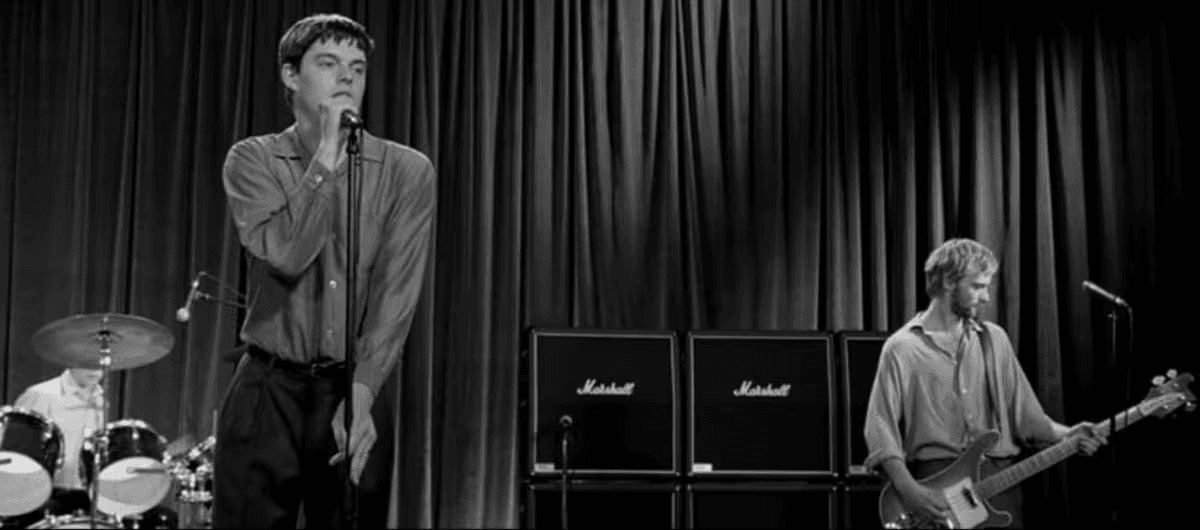
“Love Will Tear Us Apart” and “She’s Lost Control” stand among the strongest cinematic expressions of Britain’s post-punk spirit. Corbijn’s decision to shoot the film in black and white feels inevitable. Because Manchester in the late 1970s felt exactly like that: black and white. Melancholic. Lonely. Grey. Shot largely around Manchester, locations including Macclesfield and Nottingham were chosen for their connection to Curtis’ real life.
One of the films that captures Britain’s youth culture most vividly is Franc Roddam’s Quadrophenia. Inspired by The Who’s album of the same name, the film explores the Mod movement of the 1960s. But what exactly was Mod culture? In many ways, it was the elegant rebellion of the late 1950s and early 1960s — born among London’s working-class youth and shaped by modern jazz, sharp tailoring and a deep devotion to scooters. Jimmy, the film’s protagonist, embodies that spirit perfectly: angry, searching for belonging and struggling to define himself.
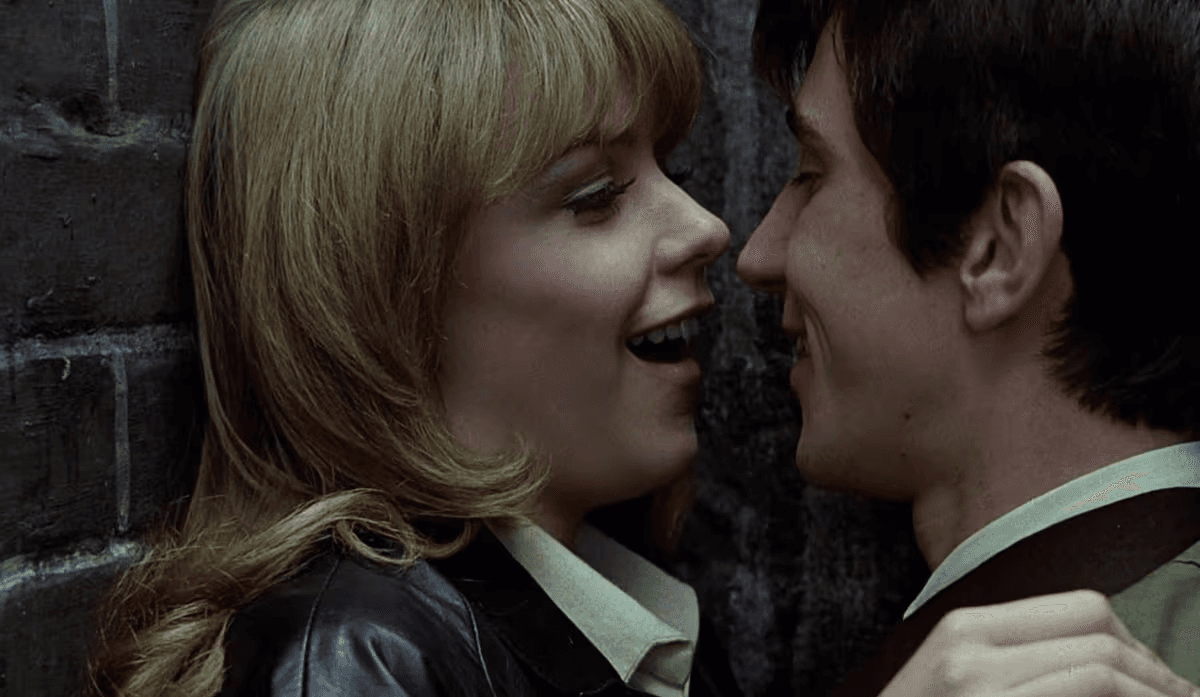
One of the film’s greatest strengths is how visually it recreates the period’s aesthetic: tailored suits, Vespa scooters, crowded pubs. Mod culture wasn’t simply a style; it was a way of life built around music. Throughout the film, Jimmy’s inner world unfolds alongside The Who tracks such as “The Real Me” and “Love, Reign O’er Me.” Much of the film was shot in London and Brighton. Brighton’s beaches and pier appear prominently, alongside London’s working-class neighborhoods, pubs and nightlife.
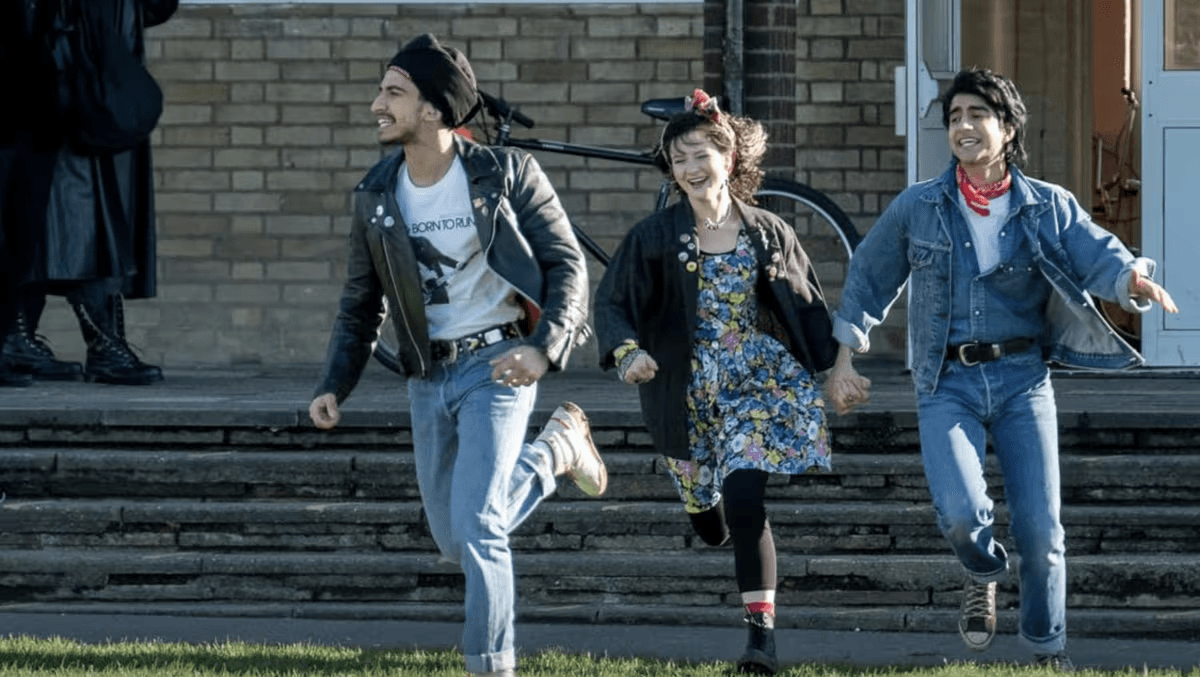
And when we talk about Britain, there is another subject impossible to overlook: the suburbs. Set in late-1980s Luton, Blinded By the Light follows a British-Pakistani teenager who finds himself through Bruce Springsteen’s music. The story unfolds during Margaret Thatcher’s years in power — a period marked by deep fractures within Britain’s working class. The angry spirit that would later fuel punk, post-punk and pre-Britpop subcultures was already taking shape during these years.
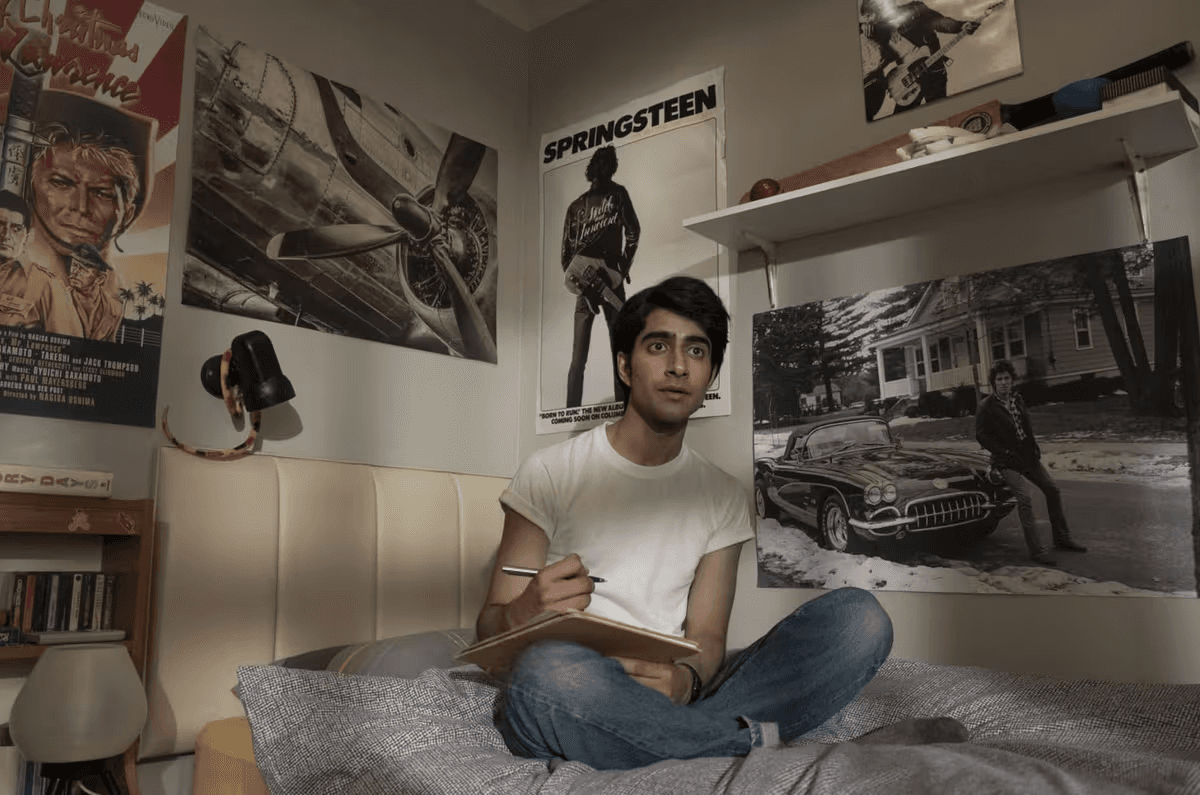
Directed by Gurinder Chadha, Blinded By the Light uses music as Javed’s way of making sense of the world. Ordinary homes, school corridors and quiet suburban streets define the film’s visual landscape. Bruce Springsteen may be American, but the emotions explored here belong entirely to Britain: not fitting in, feeling excluded, finding escape through music — a familiar story told through a different voice.
Asif Kapadia’s documentary Amy brings Amy Winehouse’s life to the screen through footage the public had never seen before. From childhood and adolescence to Grammys and global fame, the film explores Winehouse’s story while also delving deeply into her relationship with Blake — the great love of her life.

Winner of the Academy Award for Best Documentary Feature, Amy tells not only the story of one of Britain’s defining musical voices of the 2000s and early 2010s, but also the story of what she felt while writing those songs and how music became the driving force behind pivotal moments in her life. Watching Back to Black take shape feels less like witnessing an album being written and more like watching an artist reveal herself in real time.
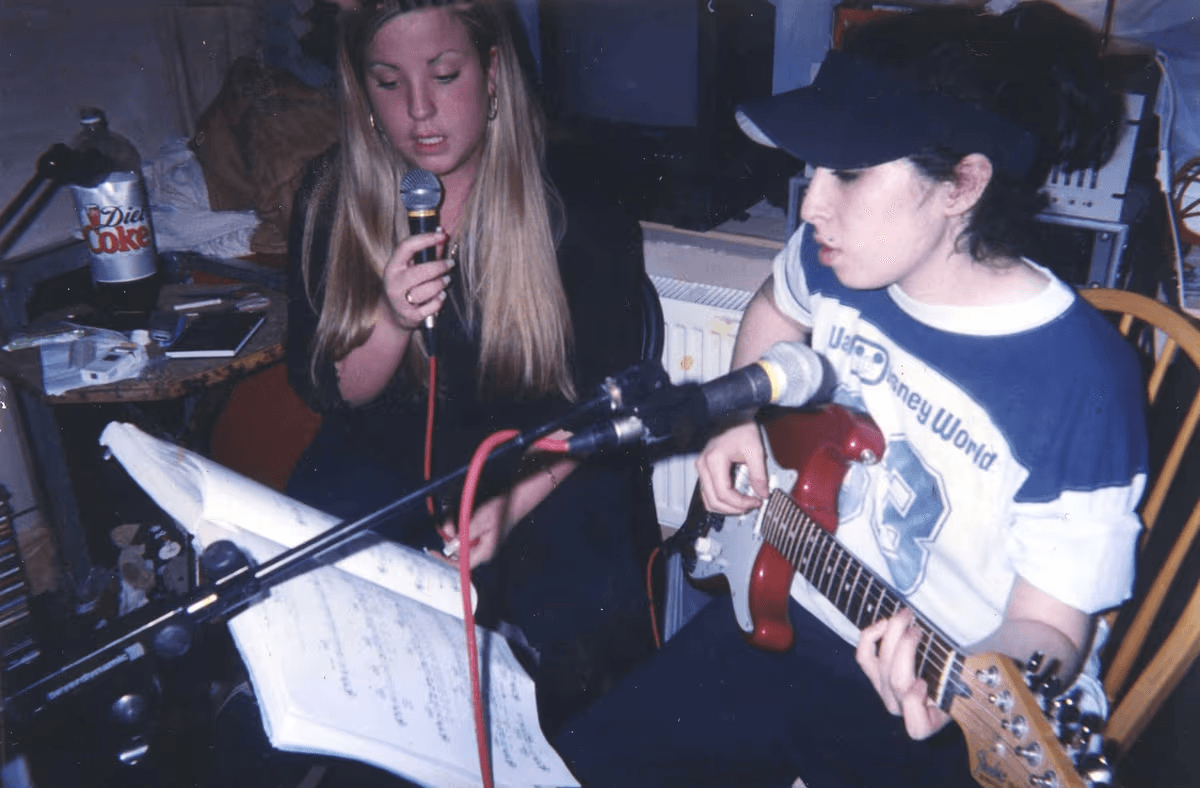
Amy Winehouse remains inseparable from Camden Town. Following her death, a statue honoring her was installed inside Camden Market. She also performed at Soho venues such as Jazz After Dark, long considered part of London’s musical heartbeat. Even Back to Black, another film centered on Winehouse’s story, returned to Soho locations tied to her life. Her presence still lingers in Camden today.
Directed by Lexi Alexander, Green Street tackles another subject impossible to separate from Britain: football and hooligan culture. Elijah Wood plays Matt, an American student who arrives in London and finds himself thrown into Britain’s post-punk-era football violence and tribal loyalty. Chants, fights and street anthems dominate the atmosphere.
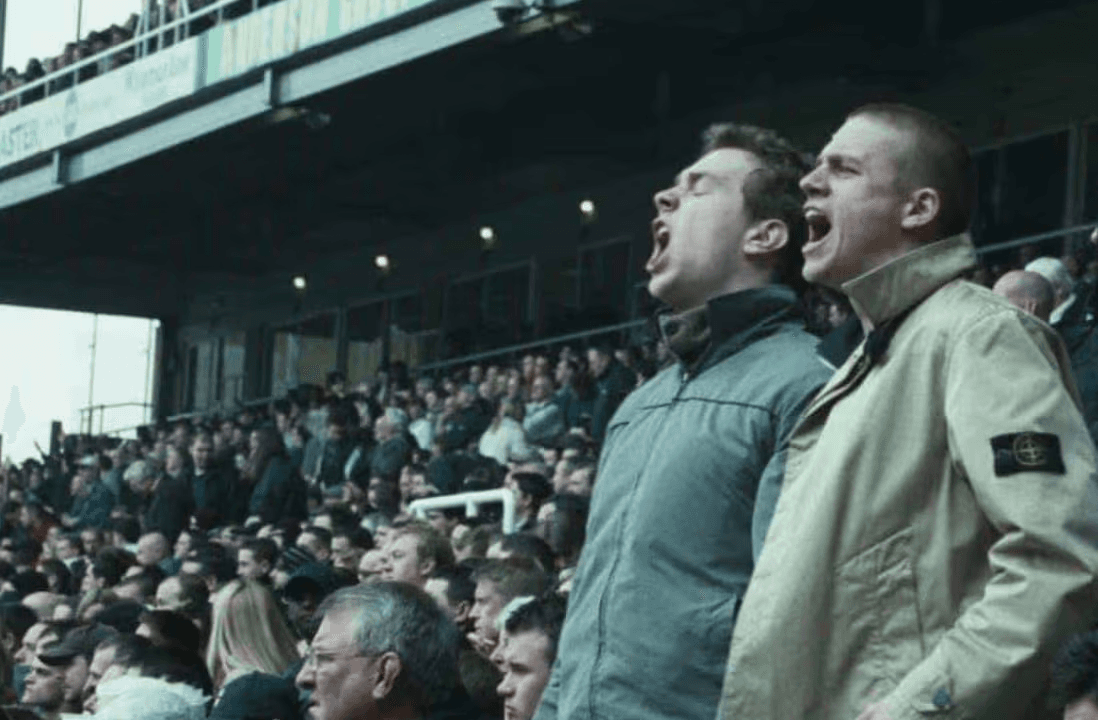
The film’s core idea isn’t simply the soundtrack itself — it’s the volume rising from crowds. Rain-soaked neighborhoods, worn-down pubs and train stations reveal a side of Britain rarely romanticized.
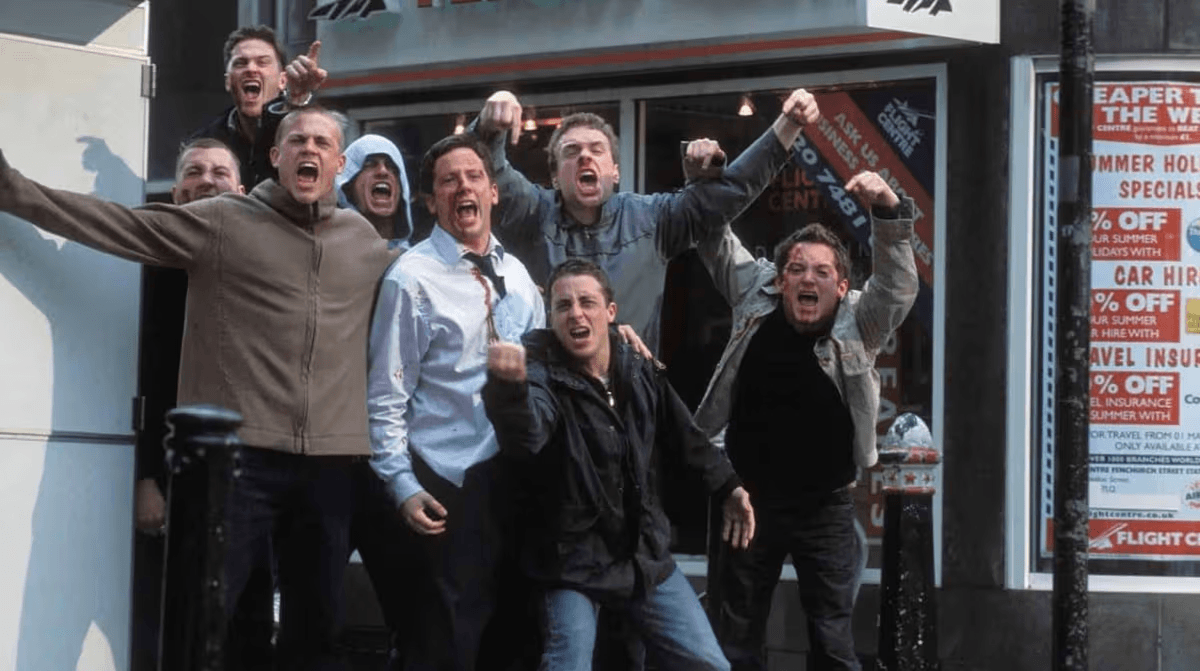
Shot primarily in East London, the film draws heavily from West Ham United supporter culture and the atmosphere surrounding the club’s former ground, Boleyn Ground (Upton Park). Tube stations such as Piccadilly, King’s Cross and Paddington appear throughout the film. Songs accompanying the story include West Ham’s famous anthem “I’m Forever Blowing Bubbles,” Cock Sparrer’s “England Belongs to Me,” Dead Kennedys’ “Too Drunk to F**k,” The Seahorses’ “Just Another Soul” and Terence Jay’s “One Blood.”
Emerald Fennell’s Saltburn, starring Barry Keoghan, Jacob Elordi and Rosamund Pike, presents English aristocracy through the lens of modern gothic storytelling. The film follows Oliver, an Oxford student, who becomes involved with Felix — a wealthy young man from an aristocratic family — only for their relationship to descend into increasingly uncomfortable territory shaped by obsession, ambition and class tension. Grand estates and lavish dining rooms evoke echoes of Britain’s nineteenth-century world.
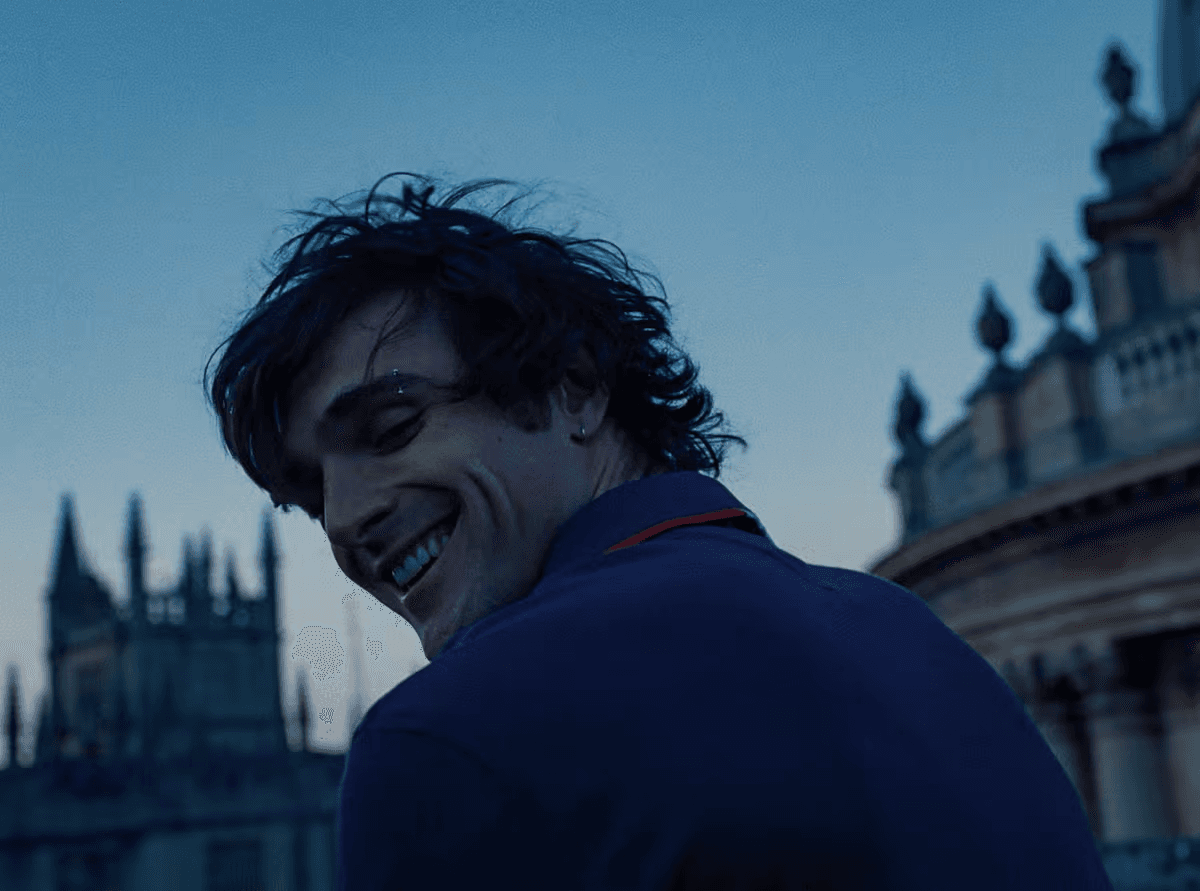
Saltburn was filmed at Drayton House in Lowick, a private estate originally built around 1328 and owned by the Stopford-Sackville family since 1770. The estate becomes the visual heart of the film’s opulent world.
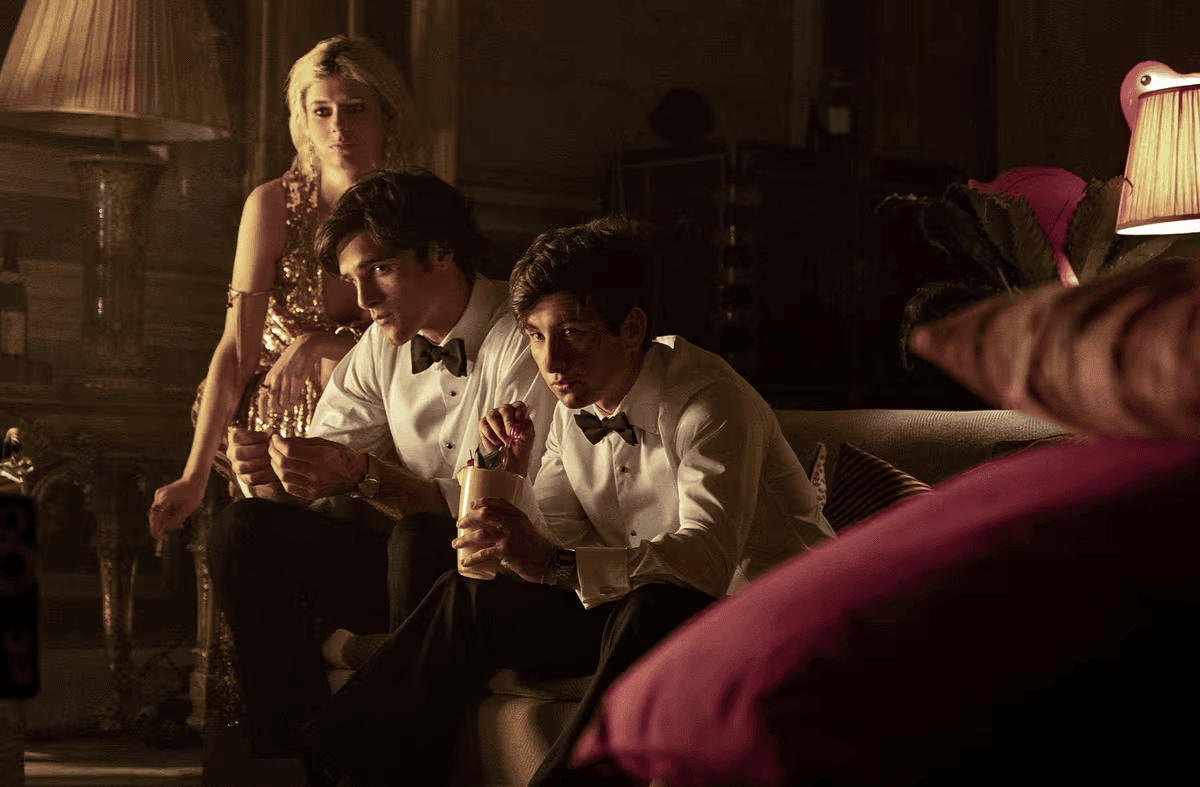
Its defining musical moment arrives in the now-famous final sequence: Oliver dancing alone through the estate as Sophie Ellis-Bextor’s “Murder on the Dancefloor” plays. Originally released on Ellis-Bextor’s 2001 debut album Read My Lips, the song returned to global popularity twenty-two years later thanks to this scene — climbing charts once again and finding a completely new audience.