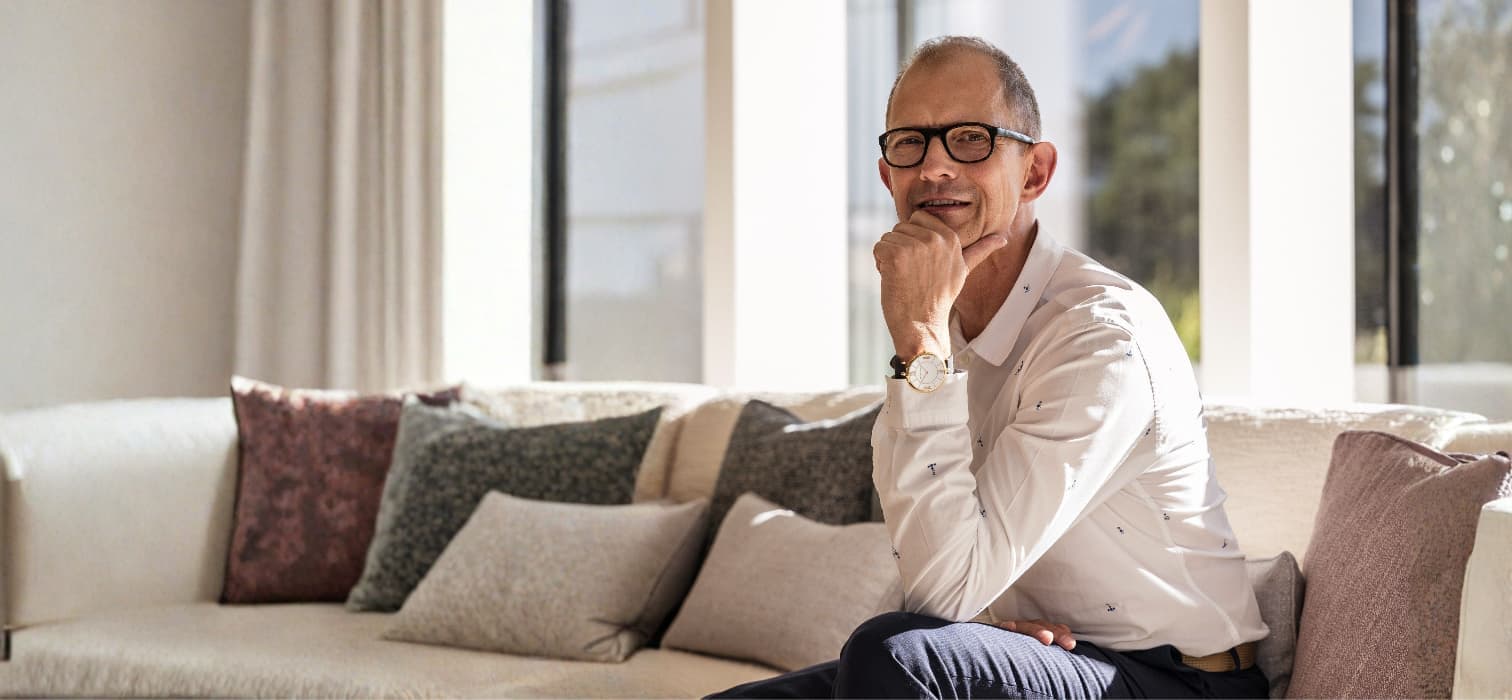
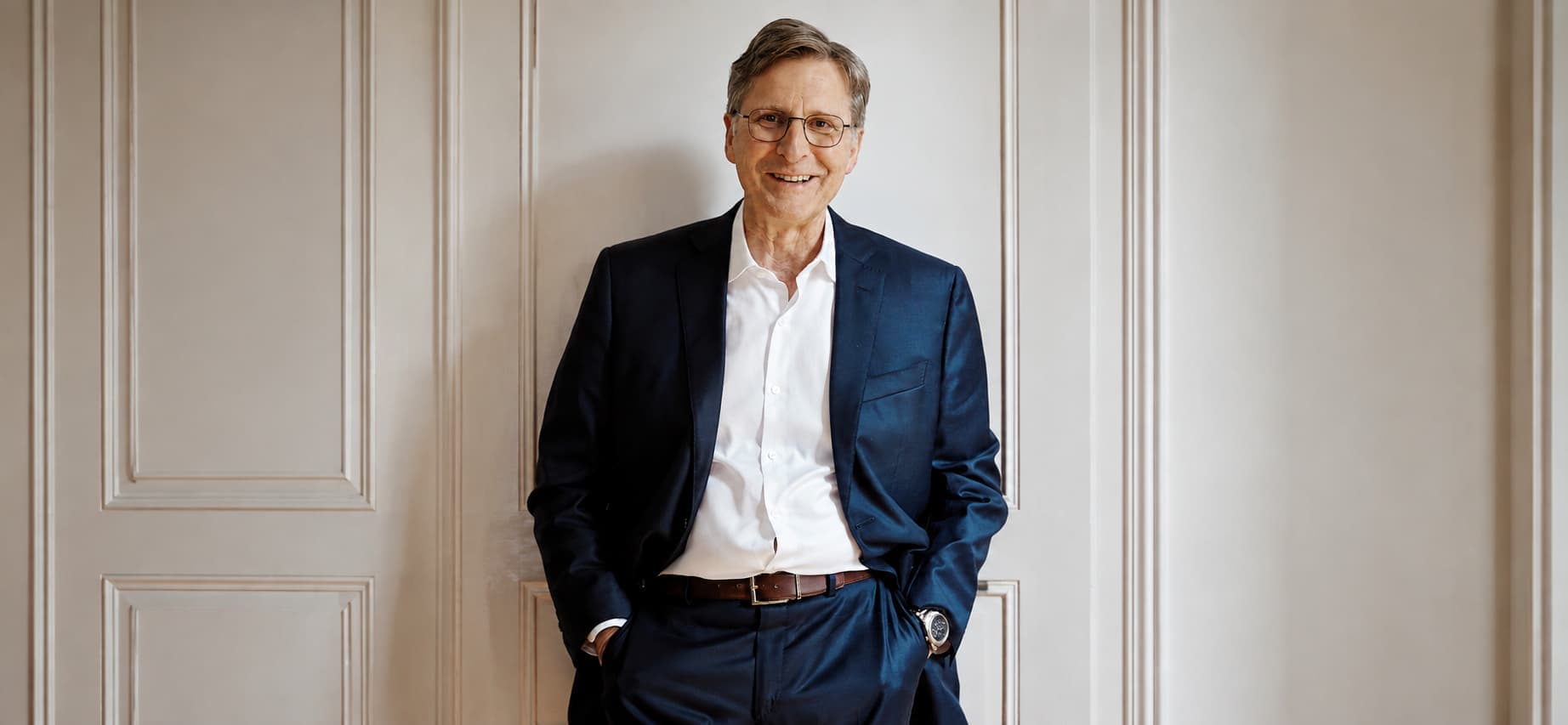
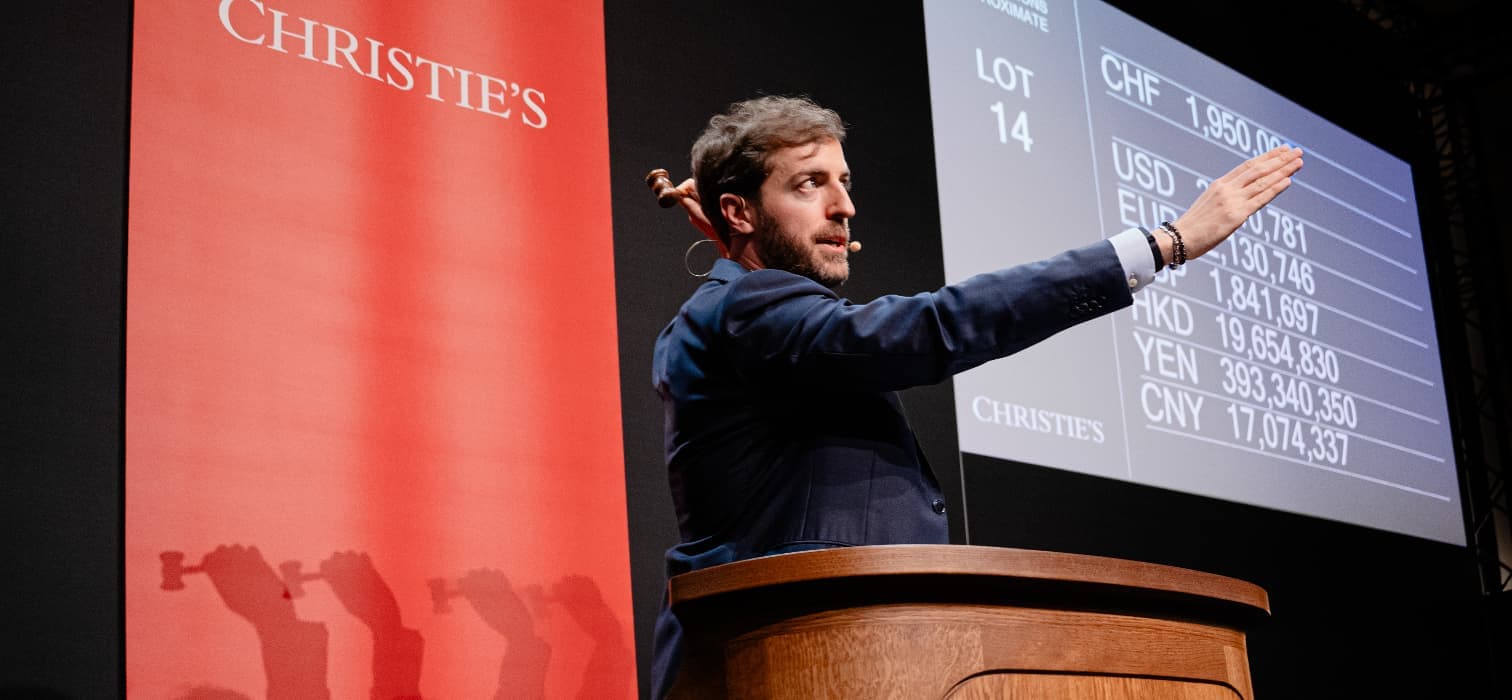
Van Cleef & Arpels’ Director of Research Rainer Bernard shares the story behind the Maison’s timepieces, each concealing a sense of lyricism within its dial.
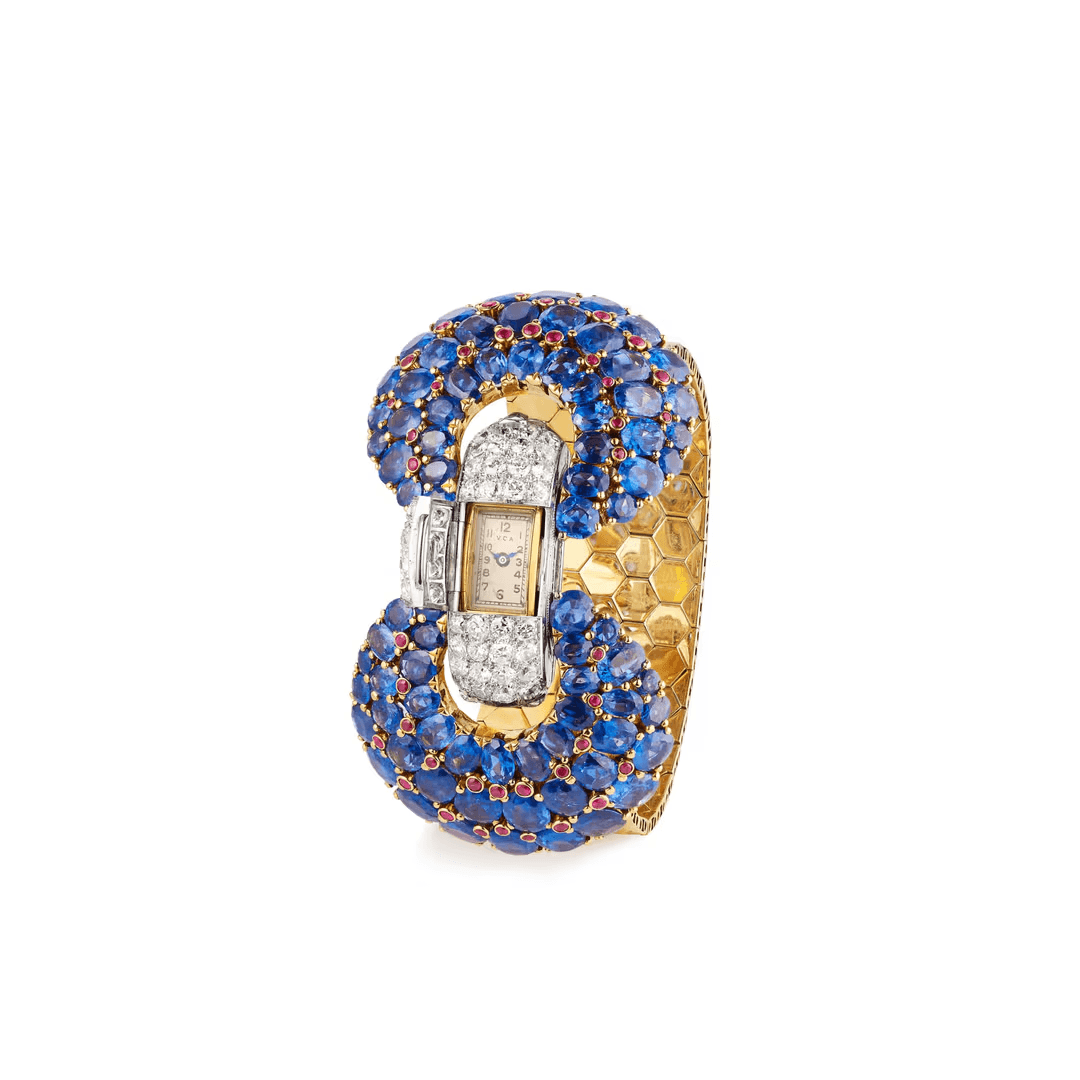
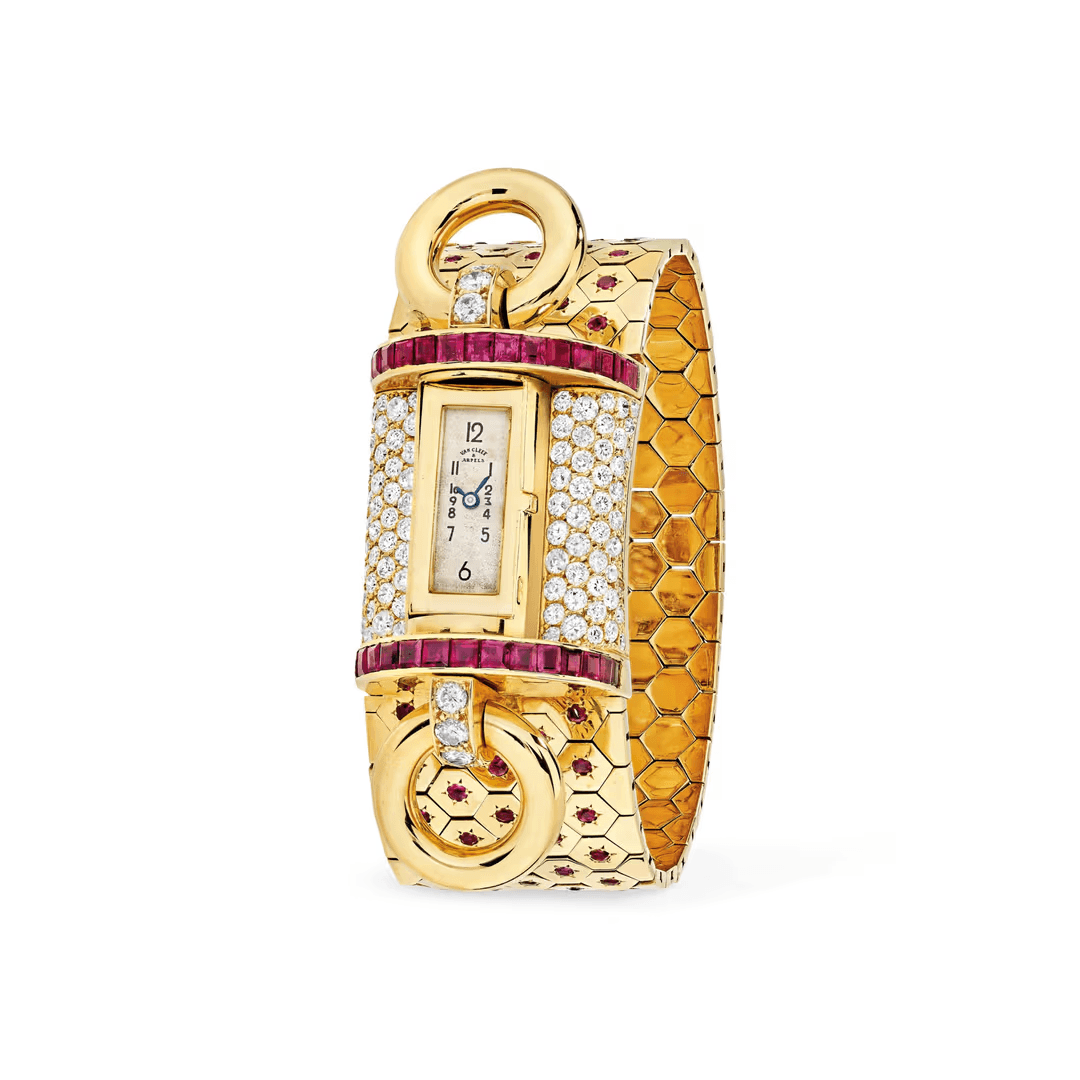
Today recognized as one of the world’s most celebrated jewelry and watchmaking houses, Van Cleef & Arpels traces its origins back to the mid-1890s and a marriage founded on love. When Alfred Van Cleef and Estelle Arpels wed in 1895, they united not only their lives but also their names, giving birth to a new Maison. Established in Paris in 1906, the brand carved out a singular place in the world of high jewelry through poetic creations inspired by nature and everyday life. Its watches, crafted with the refined radiance of jewelry, offered a poetic interpretation of time itself. So much so that the Maison adopted “Poetry of Time” as the guiding philosophy of its watchmaking universe. This year, at Watches and Wonders, Van Cleef & Arpels unveiled six new timepieces shaped by this very vision. Each watch carries a story worth hearing. We met with Rainer Bernard to discuss the Maison’s latest creations and the narratives woven into them.
Watches and Wonders 2026 has once again highlighted the evolution of fine watchmaking. From an R&D perspective, which innovations or themes stood out most to you this year?
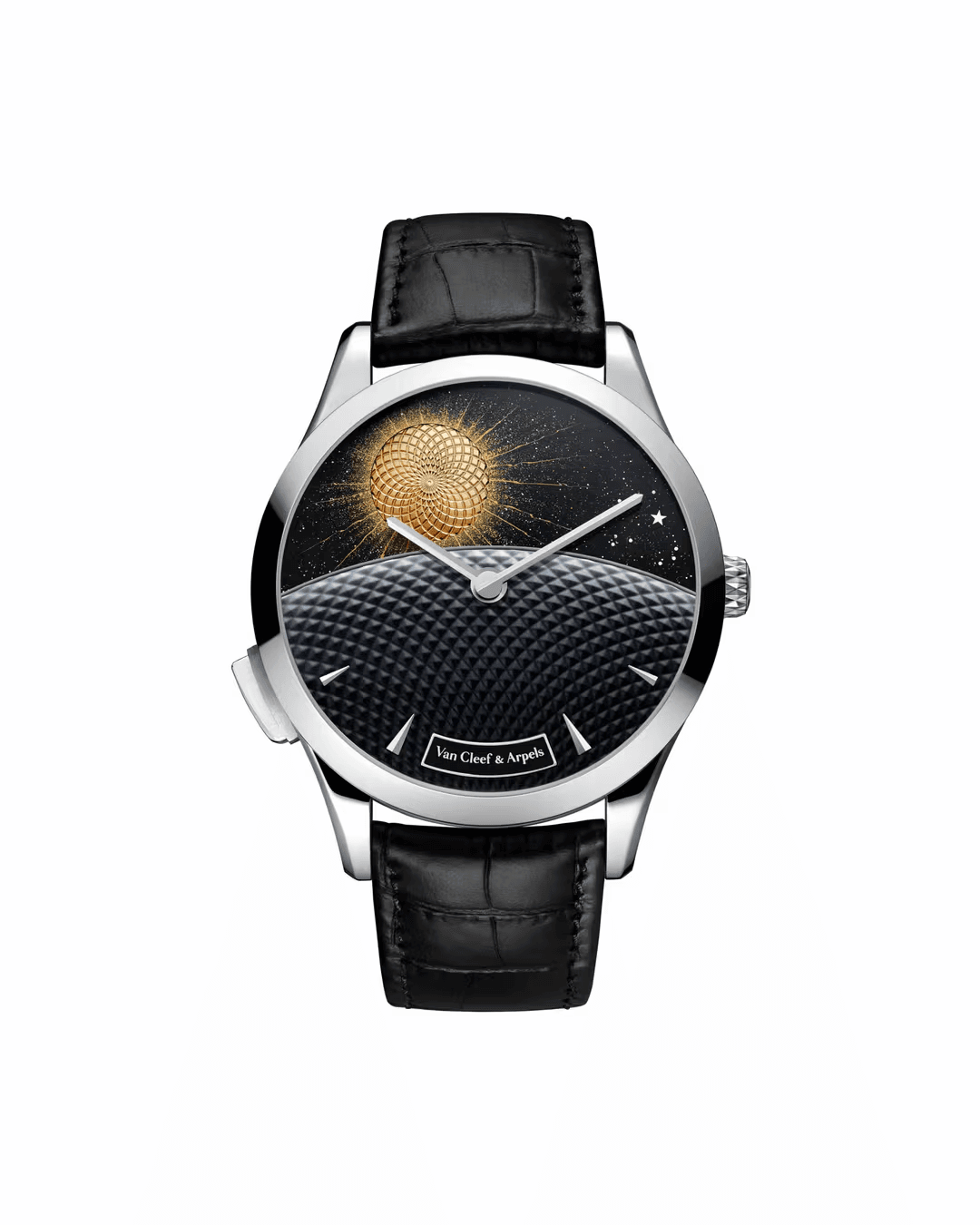
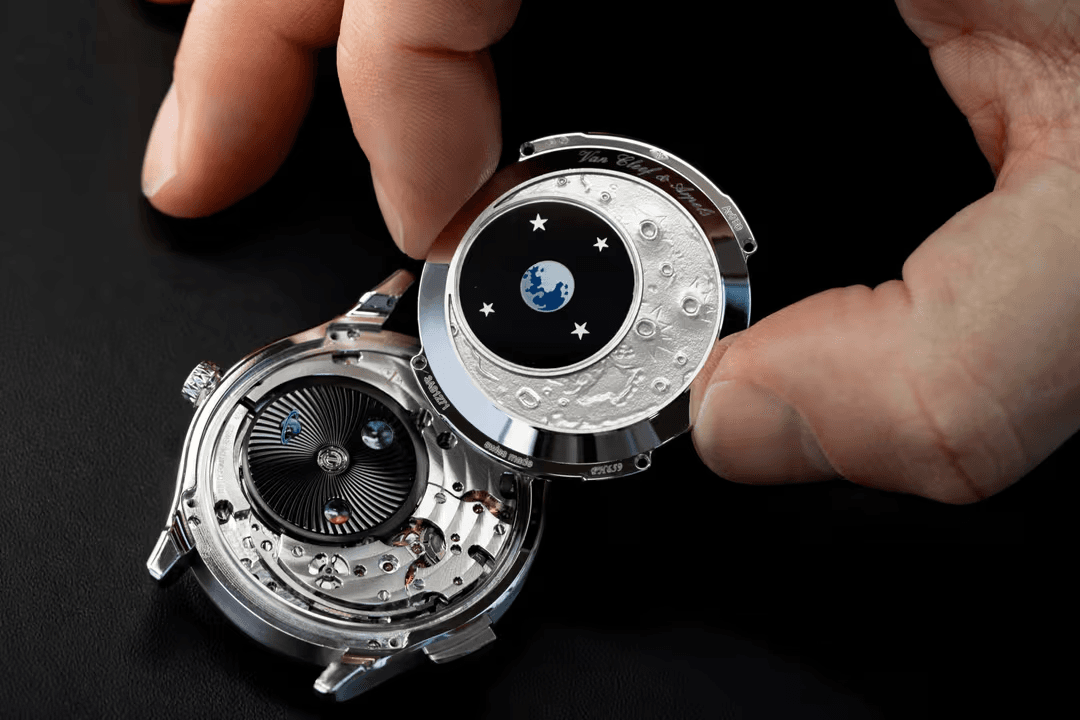
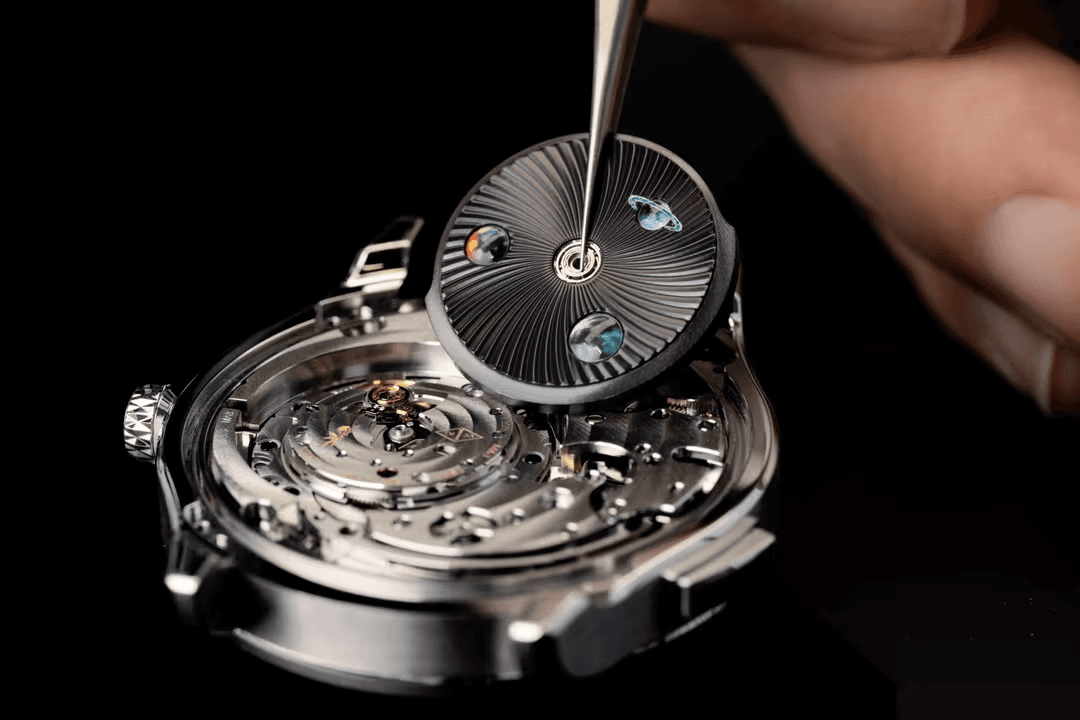
For this edition of Watches & Wonders, we are launching six novelties, expressing, in their own way, the watchmaking philosophy of Van Cleef & Arpels, called the Poetry of Time, but also this year’s thematic, Poetic Astronomy. One of them is the Midnight Jour Nuit Phase de Lune, within the Jour Nuit collection. This watch took us 4 years of research and development, to combine two complications: the Jour Nuit 24h display and the moon phase, thanks to the joint operation of two rotating discs, each moving at its own pace. The key challenge here lays in developing the on-demand animation which allows the wearer to ask for the moon during daytime, time of the day when the moon normally is hidden. This can be done without modifying the actual moon phase of course, it took us so long to find a technical system allowing it. The technical challenge is always at the service of the story, so the Maison’s timepieces remain narrative creations, giving a unique emotion.
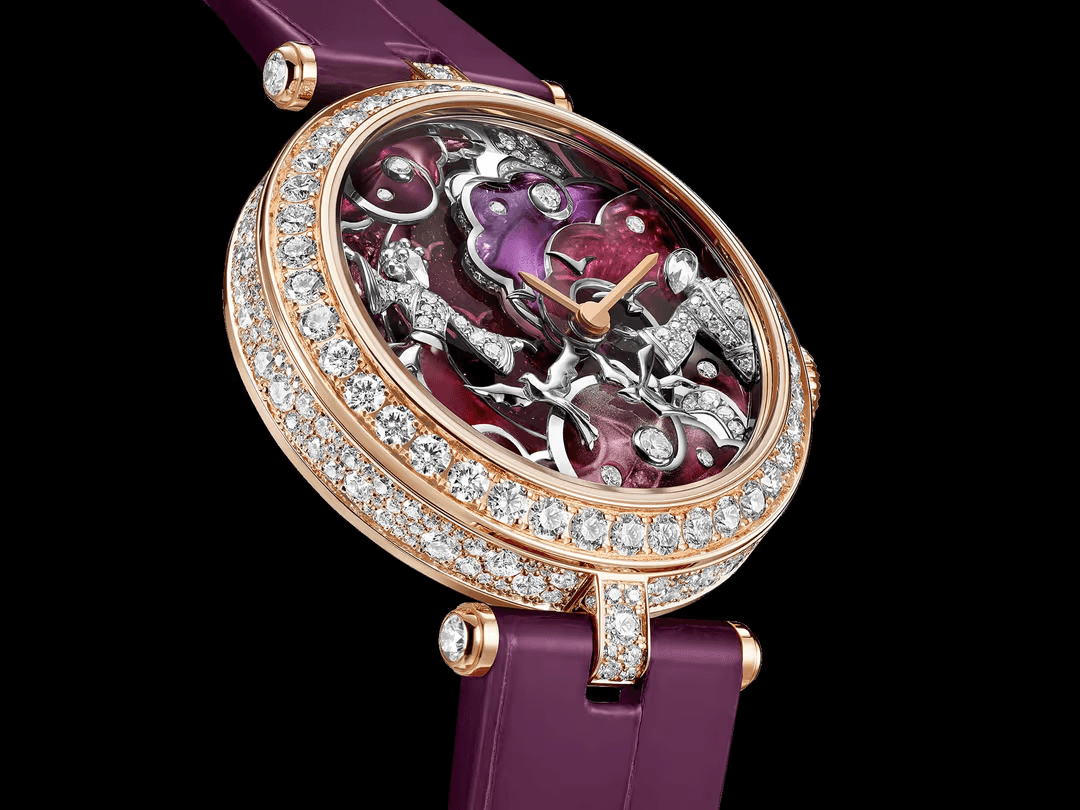
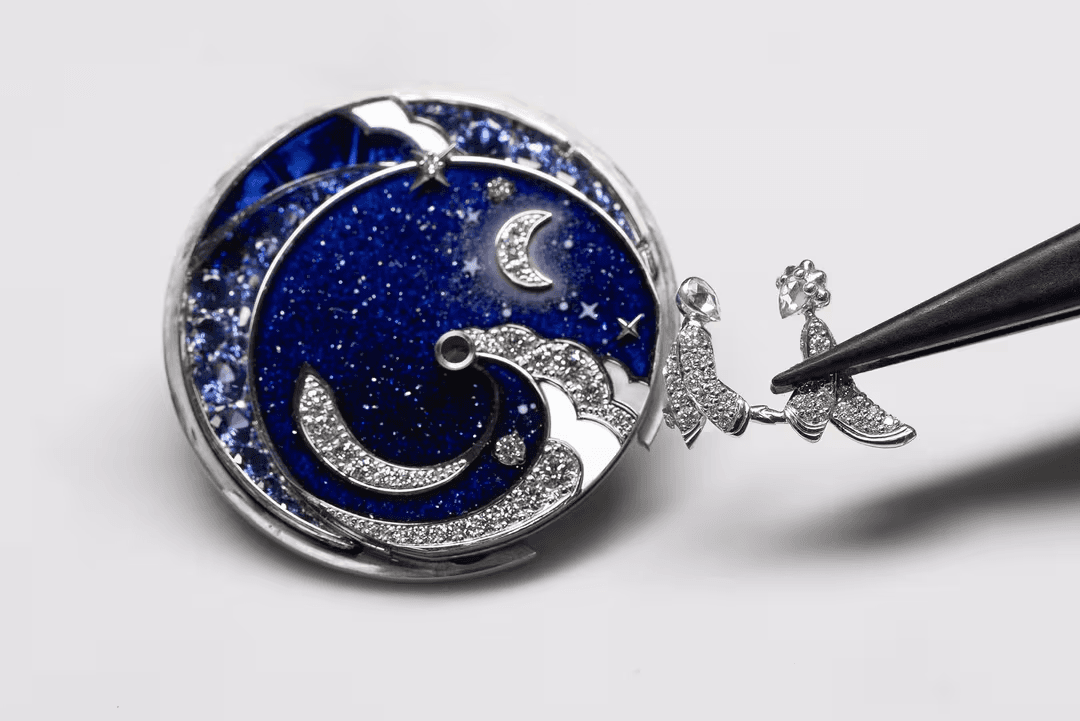
We are also very proud of the new Extraordinary Dials, narrating the love story of Vega and Altair. First, there is the meeting and the blooming of their love, with Lady Rencontre Céleste, in a medley of blue, because they meet on earth at night. After being separated by the Goddess of Heaven, who drew the Milky Way between them, the lovers meet again with the help of a celestial bridge created by birds, in the Lady Retrouvailles Célestes, in a universe built out of 13 layers, in glittering tones of pink and mauve. These creations highlight the métiers d’art mastered internally by the Maison and especially the setting in enamel technique, which involves setting precious stones, here diamonds, directly in plique-à-jour enamel. We wanted to represent sparkling clouds, and this technique generates the feeling we were looking for: weightlessness and accentuation of the glow of the precious stones. It was a real dialogue between science and art, with two years of research and development to create this technique, now patented by the Maison.
Van Cleef & Arpels is known for its poetic approach to time. How do you translate this philosophy into technical development within your watchmaking processes?
For our narrative creations such as the Poetic Complications or the Extraordinary Objects, we start by creating an idea within the fields of imagination, such as Poetic Astronolgy, love stories or Enchanted Nature. Then we transform this idea into a story: we develop it like a film and create a script. In the next step, we translate its narrative structure into a possible sequence of movements and then convert these elements into technical functions which are highly dependent on each other. At the same time, the characters, the scenery, the costumes are defined and expressed by the different métiers of our own craftsmanship. All this, as you can imagine, is a highly iterative process which ends only when we are perfectly satisfied with the narration.
Your creations often combine mechanical complexity with artistic storytelling. How does the R&D department collaborate with design and métiers d’art teams to achieve this balance?
At Van Cleef & Arpels, every creation starts with a story, whether it is butterflies wandering around in a garden, or two lovers meeting on a bridge for a tender kiss. At the beginning, it is just an idea in our heads, nothing more, all the development must be done. The different métiers are then working together: from the Creative Studio, jewelry and high jewelry craftsmen, Métiers d’Art team to the watchmakers and technical designers. We work closely to combine all our crafts and knowledge to bring to life the story: we complement each other. For technical solutions, we naturally favorize clever solutions over complex ones, which means that we are not seeking complexity for its own sake. We may bring to life various and multilayered stories with several “actors” moving in various ways, which at the same time indicate the time, combined with automatons on passage et on demand, always moving smoothly with a poetic speed: all the engineering required is driven only by the story.
This part is combined with craftsmanship, at the heart of every initiative of the Maison for more than a century. In watchmaking, we continue this tradition with a wide range of in-house expertise. Our creations feature miniature painting, gem-setting, engraving, marquetry and over 15 different enameling techniques and other techniques. Choosing a specific métier d’art or their combination is a central element of the creative process, especially for Extraordinary Dials or Poetic Complications collections. Starting always with a story and an esthetic in mind, we will choose the techniques which allow us to express what we want to tell. Like letters forming words, these craftsmanship form words which then become a poem. To create, for example, effects with light like reflection and brilliance, or visual depth, we carefully choose the perfect materials, textures, forms, colors, sometimes transparency.
The right combination of all the elements then allows us to create, for example, a scenery inducing the feeling of an early summer morning or another specific time of the day. Indeed, the need to develop innovative techniques is always a result of our imagination, willing to express the story: when we realize that the mastered technique in the Maison do not offer the possibility (yet) to create that specific aspect we are looking for, we start to search for the impossible…most of the time till we find a solution. It takes years sometimes.
Which are the biggest technical challenges behind developing such complicated movements and watches that display time in unconventional way?
After we find the story we wish to tell, we have to realize it. This is the biggest challenge: transforming the idea into something real. The Creative Studio starts with the sketches, and all the different teams are thinking together, from the jewelry and high jewelry craftsmen, Métiers d’Art team to the watchmakers and technical designers. Each idea is dependent on the next: if you want something in that part of the dial, that has an influence on the movement, but also on the dial and the craftsmanship. Through these discussions, we clarify where we want to go and then we make sure that technically, we can do it. Each step gets more and more precise, but that is also why it takes us so long to develop our creations. In the case we face a technical challenge, we are searching together for a solution; sometimes the solution comes by changing for example the material of a flower or we change the functional parts of the movement to be able to carry more weight, sometimes we do both. In the end, it is the story which will tell us how to decide…
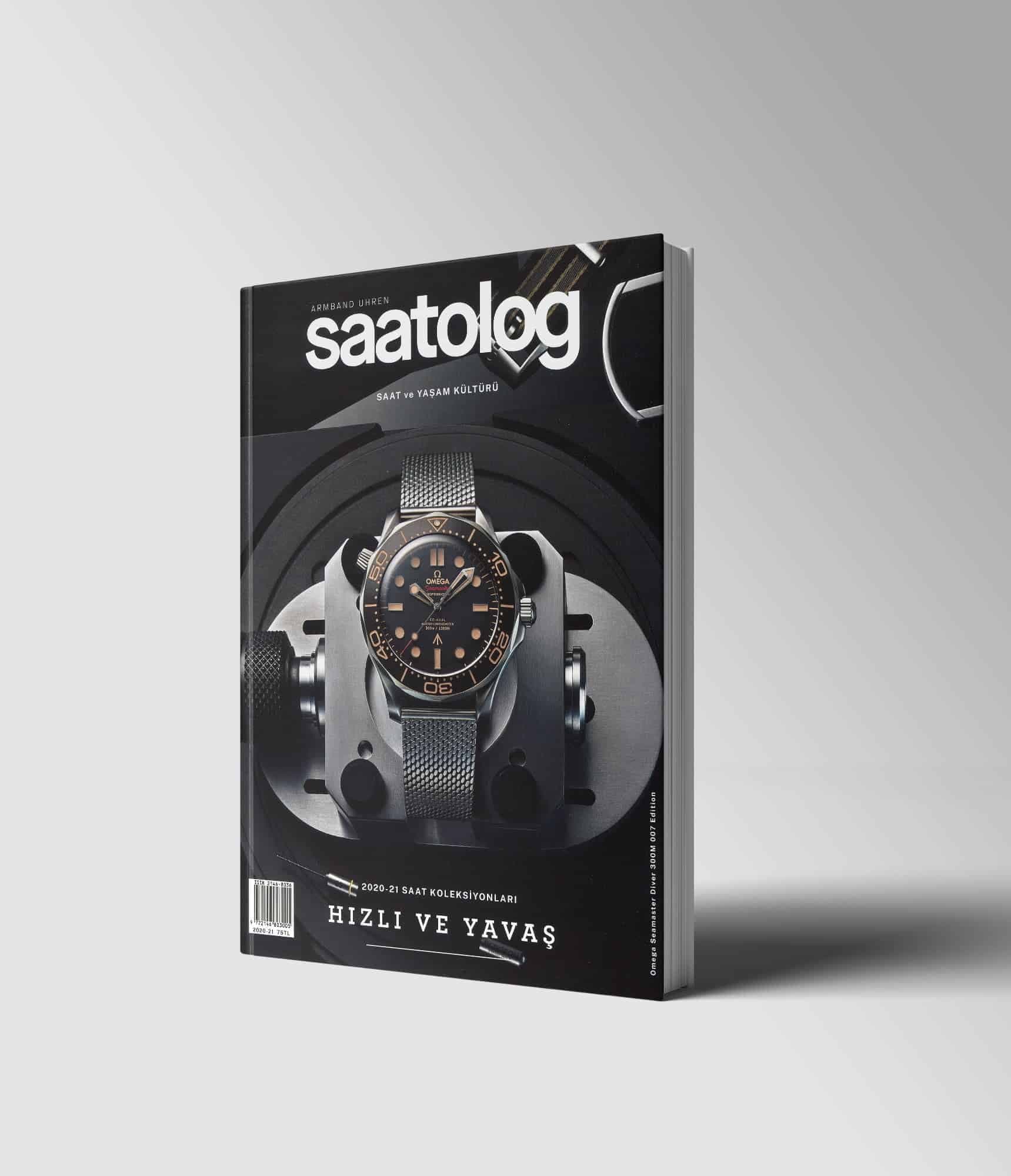
Saatolog Yıllık Saat Dergisi Saatolog’un yeni sayısı, 2020’nin yarattığı bu dönüştürücü etkiden ilham alarak hazırlandı. Dünya dijitalin etkisiyle her zamankinden de hızlı bir şekilde ilerlerken yavaşlamanın da önemini sonunda kavramış bulunuyoruz ve bu tezatlık hayatlarımızın her anına etki ediyor. Biz de bundan yola çıkarak Saatolog 2020/21 sayısını ‘‘hızlı ve yavaş’’ teması altında hazırladık.