One of the greatest living masters of watchmaking, François-Paul Journe continues to create some of horology’s rarest masterpieces with timepieces powered by movements that resemble hearts crafted from gold.
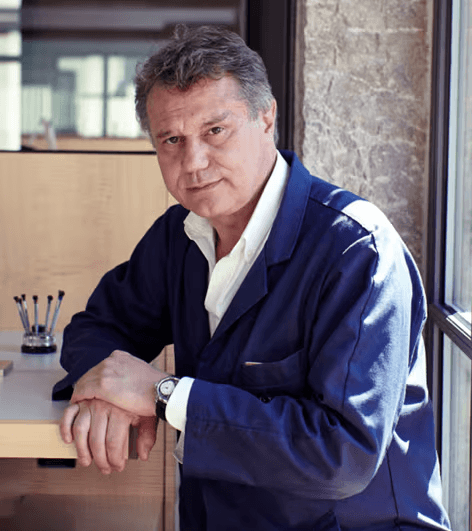
If you are writing a story about watchmaking, you usually find yourself in Switzerland’s serene landscape of towering mountains and vast forests. But this time, our story begins elsewhere. We travel to the French port city of Marseille in 1957, the year one of the greatest living masters of horology, François-Paul Journe, was born. Although his journey did not begin in Switzerland, the heartland of watchmaking, it somehow led him into the mesmerizing world of mechanical movements.
His first stop was a watchmaking school in his hometown of Marseille, where he began his education at the age of 14 before continuing his studies in Paris. The next chapter of his journey unfolded in the workshop of his uncle, Michel Journe, who specialized in restoring antique clocks and watches. Located in Saint-Germain-des-Prés and frequented by distinguished collectors and enthusiasts, the workshop gave Journe the opportunity to work on some of the finest antique timepieces in existence. He may not yet have been at the center of the watchmaking world, but he was already immersed in its most exceptional creations, and with every restoration, his passion for horology deepened.
Captivated by the work of the legendary horologist Abraham-Louis Breguet and by the ingenuity of 18th-century watchmakers who created extraordinary mechanisms with limited means, Journe studied not only Breguet’s creations but also the works of Antide Janvier, gaining a profound understanding of what is often considered the golden age of watchmaking. At the same time, he drew inspiration from another master watchmaker, George Daniels, particularly through his books and . (Today, the manufacture in Geneva houses a small horological library of nearly 1,000 books.)
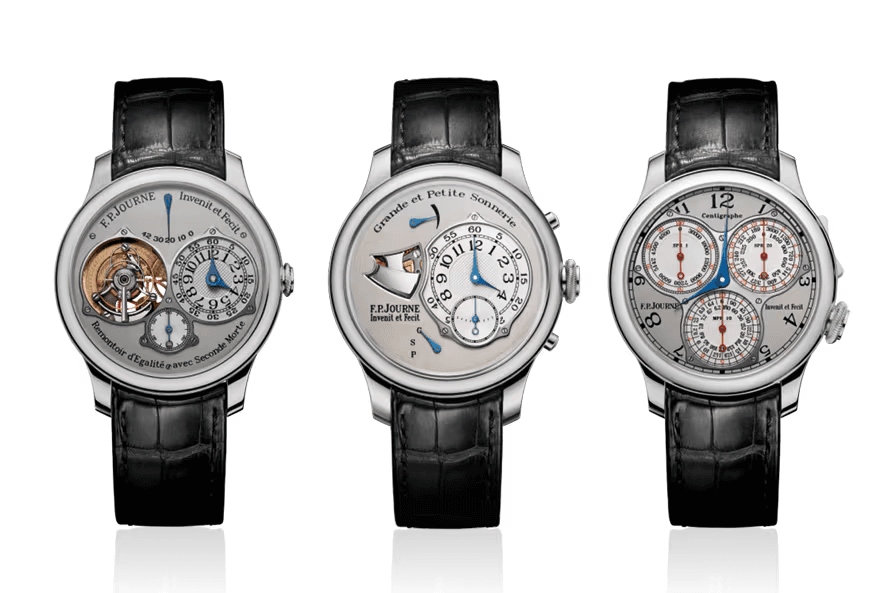
F.P. Journe timepieces awarded at the Grand Prix d’Horlogerie de Genève: the Tourbillon Souverain, Sonnerie Souveraine, and Centigraphe Souverain, respectively.
At just 22 years old, Journe’s greatest dream was to own a tourbillon watch. To make that dream a reality, he began designing a tourbillon pocket watch of his own. Piece by piece, he meticulously brought the mechanism to life, finally completing it after five years of painstaking work. This tourbillon pocket watch, one of the very first milestones of a long and remarkable journey, would years later be followed by another tourbillon: the first wristwatch Journe ever produced.
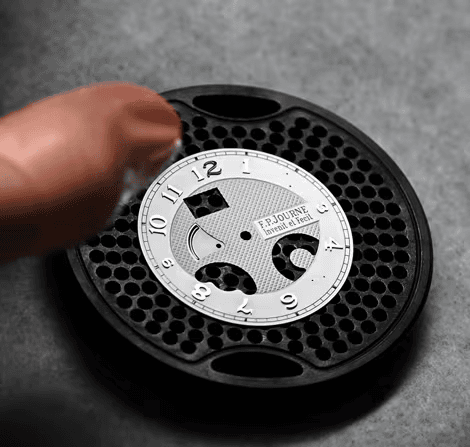
Named the Tourbillon Souverain, the watch was unveiled to the watchmaking world at Baselworld in 1991, displayed at a stand dedicated to independent watchmakers. The dial bore the inscription “11/91,” marking the date of its creation. In later years, the dials of F.P. Journe watches would carry the Latin phrase Invenit et Fecit, “Invented and Made”, a signature once used by watchmakers recognized by the French Royal Academy of Sciences in the 18th century.
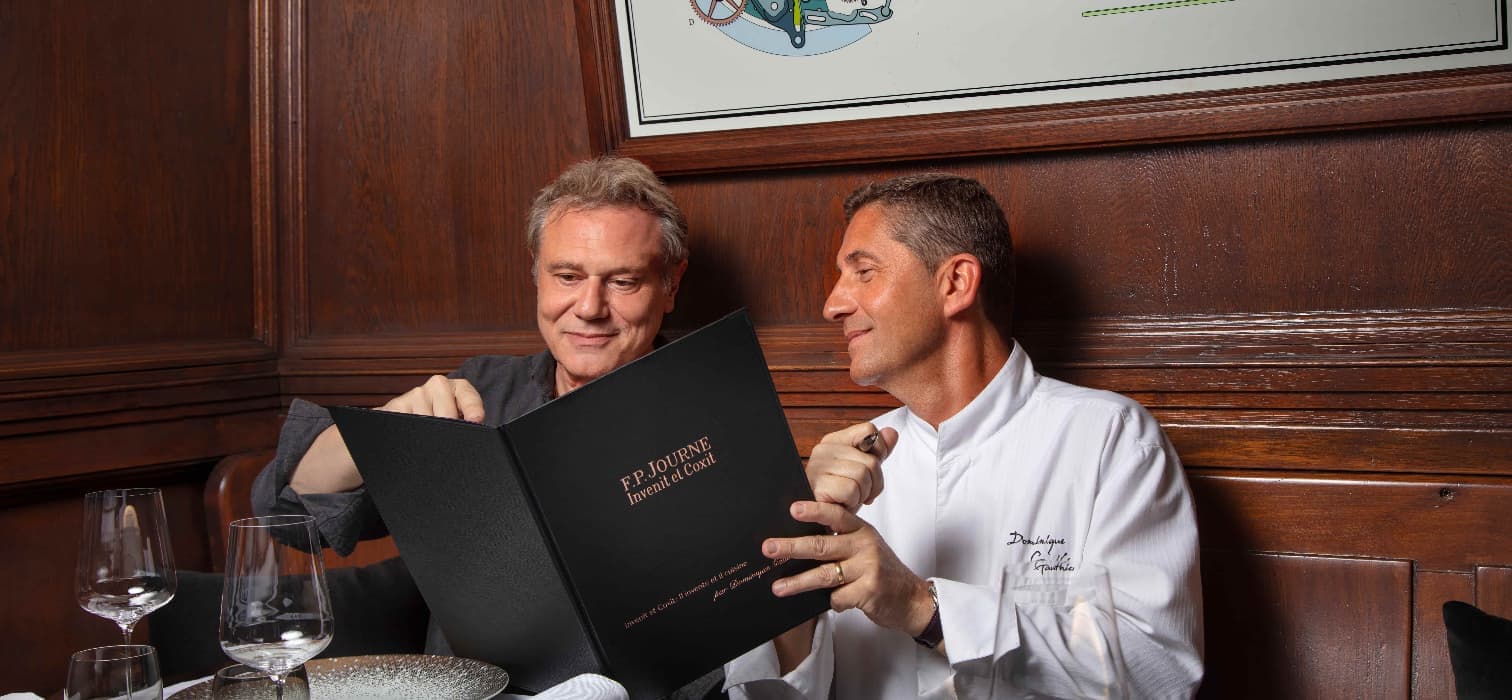
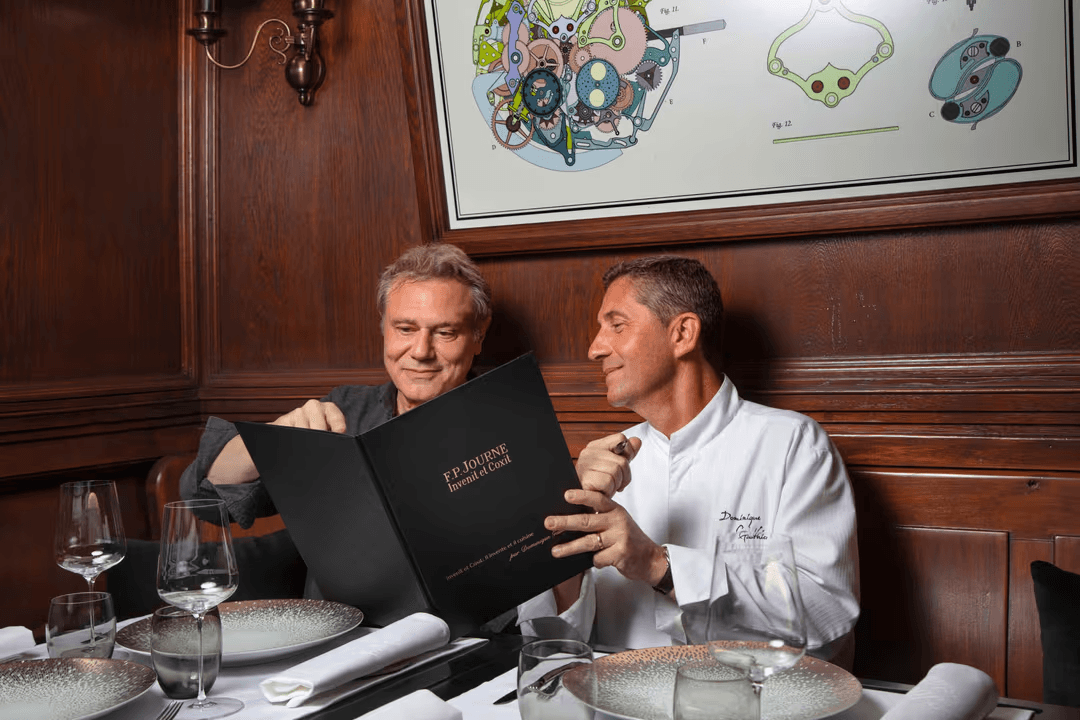
A glimpse of the watchmaker’s restaurant in Geneva
After establishing his own workshop in 1985, Journe’s desire to create entirely original timepieces, from case to dial, grew ever stronger. As the hours he spent at the workbench increased, so too did interest in his watches. Demand steadily rose, and his creations soon became coveted pieces sought after by elite collectors. In 1999, he moved his workshop to Geneva, the epicenter of haute horlogerie, and continued producing timepieces that were essentially works of art under the initials “A.R.T.”, standing for Authenticity, Rarity, and Talent, the core values of the brand.
But what exactly makes François-Paul Journe’s watches so extraordinary?
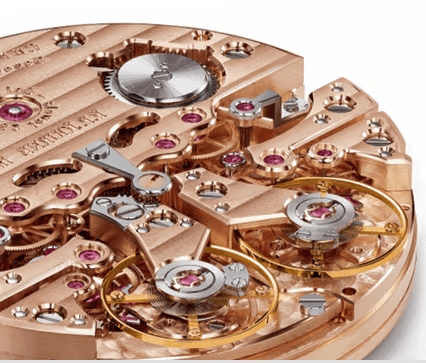
Today, as F.P. Journe celebrates more than 25 years in independent watchmaking, the manufacture still produces fewer than 1,000 watches annually, a remarkably limited number compared to most watchmakers, making F.P. Journe timepieces exceptionally rare. The brand was also the first to use 18-carat rose gold for movement construction, while technically distinguishing itself through sophisticated mechanisms such as the acoustic resonance system and the remontoir d’égalité.
Journe’s Chronomètre à Résonance, developed after years of research, is based on two independent balances operating side by side and synchronizing with one another through the physical phenomenon of resonance. Although the principle had been explored during the 18th century, the era Journe calls the golden age of watchmaking, integrating it into a wristwatch was extraordinarily difficult. By overcoming this challenge, the French master introduced one of the most unique mechanisms in modern horology. Mechanical ingenuity remains one of the defining characteristics of F.P. Journe watches.
Yet while the movements grow increasingly complex, Journe’s design language remains strikingly restrained and elegant. Crafted in gold, the dials are at times presented in skeletonized form, revealing the beauty of the mechanisms beneath. Combining precision with perfection, F.P. Journe watches also showcase the refined handcraftsmanship at the heart of traditional watchmaking.
The Hand on the Dial, Revolutionary Mechanisms
Over the course of half a century, François-Paul Journe has gifted the world of horology with unforgettable creations, timepieces that can just as easily be considered works of art. Among his most iconic models is the FFC, a watch that tells the time through the movement of a hand-shaped figure on the dial. Powered by an intricate mechanism combining multiple complications, the watch features a prosthetic titanium hand whose fingers indicate the time.
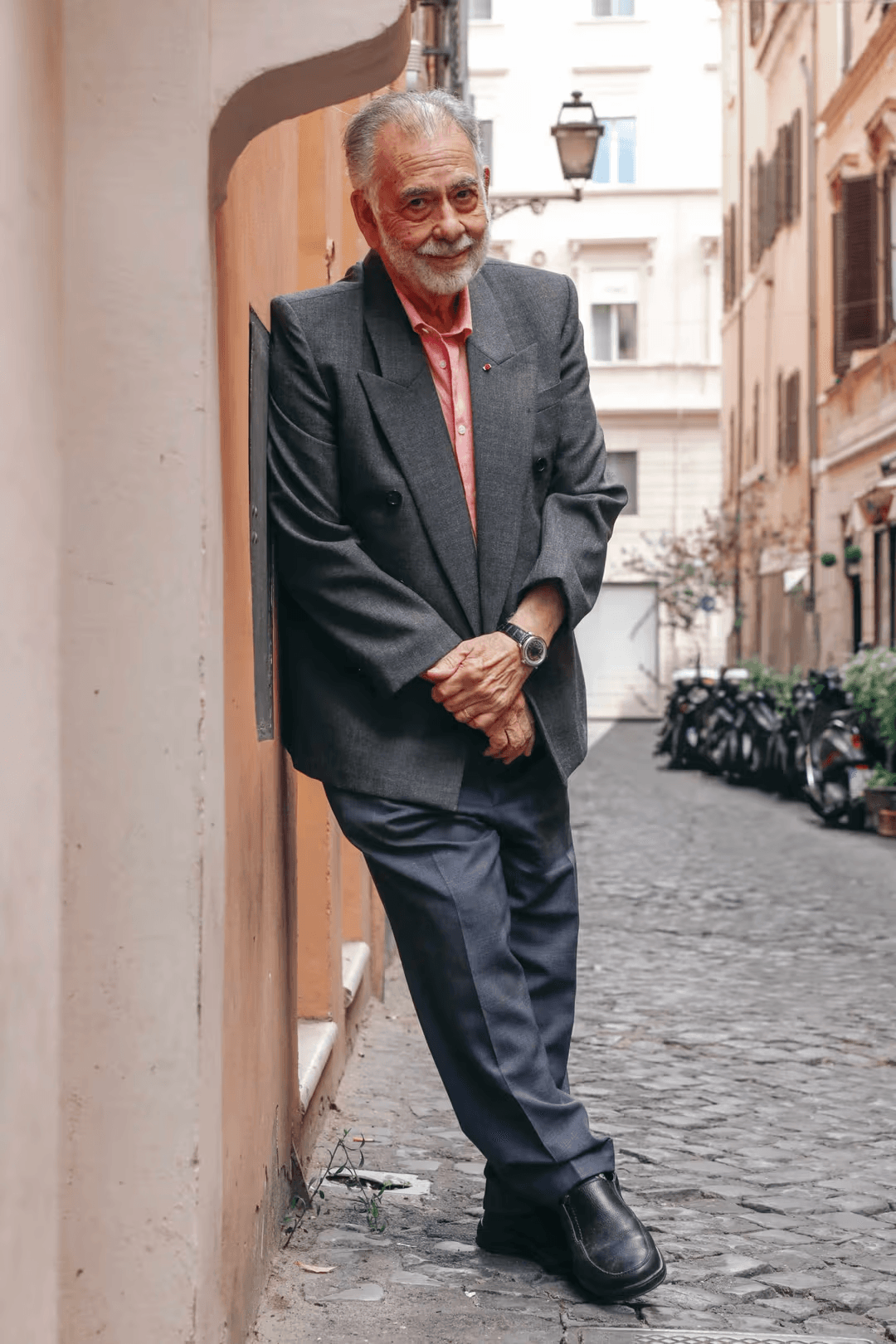
Francis Ford Coppola
The unique FFC Prototype, created by Journe for acclaimed filmmaker Francis Ford Coppola, sold at auction in 2025 for approximately 11 million US dollars, setting a record as the most expensive independent watch ever sold at auction at the time.
Alongside the famous FFC, models such as the Chronomètre à Résonance, Sonnerie Souveraine, and Chronographe Rattrapante remain among the most celebrated creations of F.P. Journe.
Involved in every stage of watchmaking, from design to assembly, and driven by a lifelong pursuit of measuring time ever more precisely, François-Paul Journe is today regarded as one of the greatest living masters of haute horlogerie. More than a master craftsman, he is an artist shaping time itself. Beyond Geneva and Paris, the brand now has boutiques in major cities including New York, London, Dubai, and Tokyo. And in places where there is no physical boutique, the reputation of his watches still reaches collectors around the world, carried by the story of gold movements beating with the precision of a living heart.
For half a century, François-Paul Journe has continued to “invent and make.”
Saatolog Yıllık Saat Dergisi Saatolog’un yeni sayısı, 2020’nin yarattığı bu dönüştürücü etkiden ilham alarak hazırlandı. Dünya dijitalin etkisiyle her zamankinden de hızlı bir şekilde ilerlerken yavaşlamanın da önemini sonunda kavramış bulunuyoruz ve bu tezatlık hayatlarımızın her anına etki ediyor. Biz de bundan yola çıkarak Saatolog 2020/21 sayısını ‘‘hızlı ve yavaş’’ teması altında hazırladık.